Предприятия по производству плитки, которые расширяют мощности по переработке отходов за счет закупки более крупного оборудования, зачастую уже в течение одного производственного цикла обнаруживают, что качество сточных вод не улучшилось. Новый резервуар наполняется неравномерно, отвод осадка задерживается с той же периодичностью, а пропускная способность пресса по-прежнему остается узким местом. Затраты заключаются не только в капитальных вложениях: это время, затраченное на подключение модернизированного оборудования, перенастройку инженерных сетей и упущенное производственное время из-за установки оборудования, которое решало не ту проблему. На самом деле в большинстве проектов по модернизации главный вопрос заключается не в том, насколько увеличить мощность, а в том, какой именно этап на самом деле ограничивает непрерывность потока или обработку твердых веществ — и является ли это ограничение проблемой технологического баланса, а не проблемой размера оборудования. Проведение этой последовательности проверок должно помочь вам определить, какой этап требует в первую очередь капиталовложений, а какой — изменения системы управления или оперативной корректировки.
Составить схему расхода жидкости и твердых частиц, а также баланс резервуара
Прежде чем принимать какое-либо решение относительно оборудования, необходимо достаточно подробно зафиксировать водный баланс существующей системы, чтобы выявить места скопления потока или участки, где твердые частицы не удаляются. Для этого не требуется проведения официального аудита. Необходимо проводить периодические замеры на каждом этапе — объем на входе, скорость перелива из отстойника, объем и время удаления осадка, возврат фильтрата, производительность пресса — в сочетании с записями уровня в резервуарах в течение полной производственной смены и цикла промывки.
Наиболее распространенной ошибкой при составлении схем является использование общего коэффициента повторного использования воды в качестве показателя эффективности без выделения его составляющих. Станция может демонстрировать приемлемый общий показатель повторного использования, при этом незаметно мирясь с тем, что резервуар для хранения никогда не опорожняется полностью между сменами, отстойник очищается по фиксированному таймеру независимо от глубины слоя осадка, или линия возврата фильтрата обходит стадию первичного осаждения в пиковые нагрузки. Ни одна из этих неисправностей не выявляется при одноточечном измерении, но каждая из них искажает показатели эффективности последующих ступеней и не позволяет определить, где начинается реальный дефицит производительности.
Результатом этого этапа моделирования должна стать простая таблица расходов и объемов: что поступает на каждую ступень, что с нее выходит и какова чистая скорость накопления за типичный производственный период. Если эти цифры не укладываются в разумные пределы погрешности, именно этот дисбаланс, а не номинальная производительность оборудования, служит отправной точкой для диагностики. В руководстве EPA по повторному использованию воды такой подход к составлению водного баланса рассматривается как необходимое условие для выявления реальных возможностей рекуперации, и эта же логика применяется перед принятием любого решения о закупке оборудования.
Проведите диагностику систем дозирования песка, осаждения, фильтрации и хранения по отдельности
Именно с того момента, когда систему рециркуляции рассматривают как единое целое, и начинаются ошибки в диагностике. Каждый этап — отстаивание песка, дозирование коагулянтов и флокулянтов, осаждение, фильтрация и буферизация — может выйти из строя по разным причинам, а признаки неисправности одного этапа могут имитировать недостаточную пропускную способность следующего. Диагностика каждого этапа отдельно является обязательной, если цель состоит в том, чтобы избежать закупки оборудования, которое просто перенесет место неисправности в другое место.
Сточные воды при производстве керамической плитки характеризуются широким распределением частиц по размерам. В одном задокументированном случае на предприятии по производству керамики размеры частиц осадка варьировались от менее одного микрометра до примерно 77 мкм, при этом медианный диаметр составлял около 7,6 мкм. Этот показатель, характерный для конкретного предприятия, не следует распространять на все заводы по производству плитки — на распределение частиц влияют состав сырья, методы измельчения и химический состав глазури, — однако он наглядно демонстрирует, почему мелкая фракция имеет столь большое значение при проектировании технологического процесса. Частицы в диапазоне размеров менее 10 мкм оседают очень медленно под действием одной только силы тяжести и чрезвычайно чувствительны к дозе коагулянта. Небольшая передозировка ПАК или ПАМ в этом диапазоне размеров не просто приводит к растрате химиката; она может привести к образованию структуры флокул, которая окажется слишком хрупкой для уплотнения на этапе осаждения, в результате чего образуется слой осадка, который никогда не стабилизируется, и перелив, который возвращает мелкую фракцию обратно в поток рециркуляции. Результат выглядит как проблема осадочной способности, но первопричиной является проблема контроля дозирования.
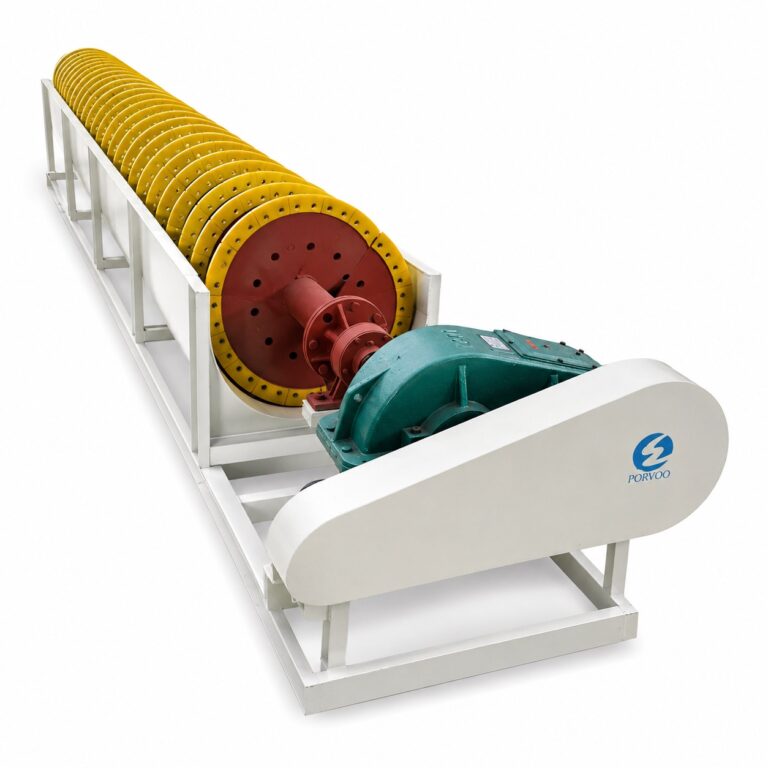
Удаление песка перед этапом отстаивания заслуживает отдельной проверки. Если крупный песок поступает в отстойник в значительных количествах, это ускоряет уплотнение слоя осадка на дне, при этом мелкие частицы остаются во взвешенном состоянии — такая комбинация одновременно ухудшает прозрачность перелива и консистенцию извлекаемого осадка. Диагностический вопрос заключается в том, коррелирует ли накопление песка на дне отстойника с графиком производства или с какими-либо изменениями в составе сырья или партии глазури. Если это так, то узким местом является этап удаления песка, а не объем отстойника. Аналогичным образом, диагностика накопительного резервуара должна проводиться отдельно от диагностики производительности фильтр-пресса: пресс, работающий в правильном цикле, но получающий неоднородно обезвоженный осадок из нестабильного отстойника, будет давать нестабильную сухость осадка, что часто ошибочно интерпретируется как низкая производительность пресса.
Стандарт GB/T 30176-2013 определяет рамки испытаний для оценки эффективности фильтрации жидкостей, которые могут быть полезны при анализе реакции фильтрующих материалов на изменение нагрузки твердых частиц на входе или распределения частиц по размерам; однако он не устанавливает проектных критериев для удаления песка или определения размеров осадка, и его не следует толковать как устанавливающий такие критерии.
Перед покупкой более крупного оборудования усовершенствуйте процедуры контроля
Если анализ баланса выявит процесс, который технически исправен, но плохо регулируется, правильным первым шагом будет корректировка схем управления — не потому, что это всегда решит проблемы с пропускной способностью, а потому, что это позволит установить реальный базовый уровень эксплуатации до принятия решений о капитальных вложениях. Предприятие, которое закупит более крупную отстойную башню, не стабилизировав сначала систему дозирования, обнаружит, что новая башня работает ниже своей номинальной мощности по той же причине, что и старая.
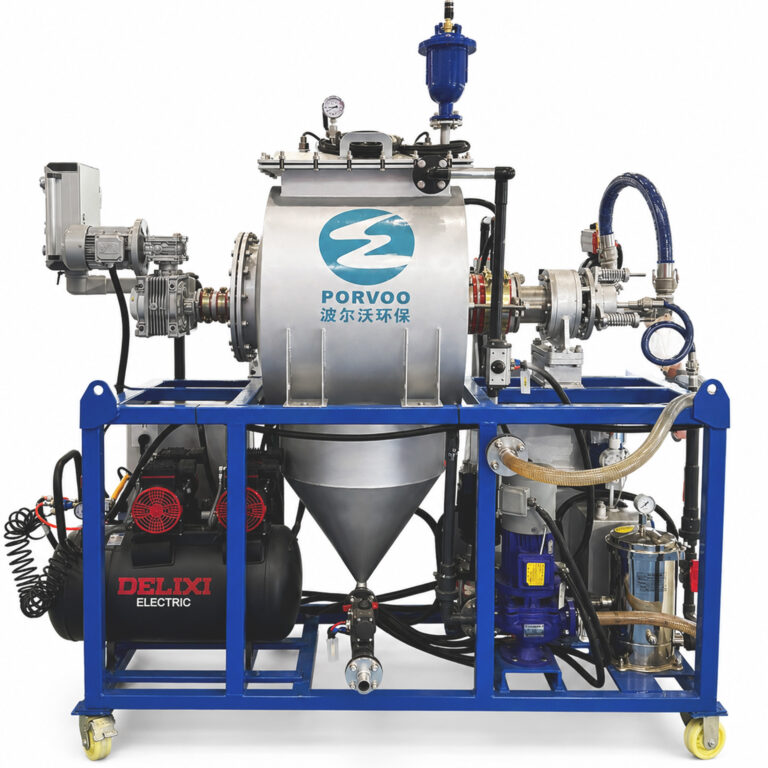
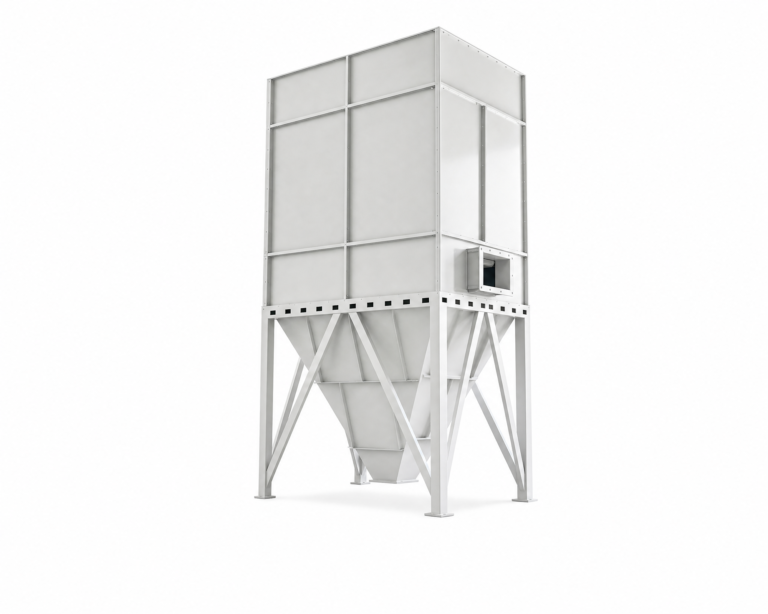
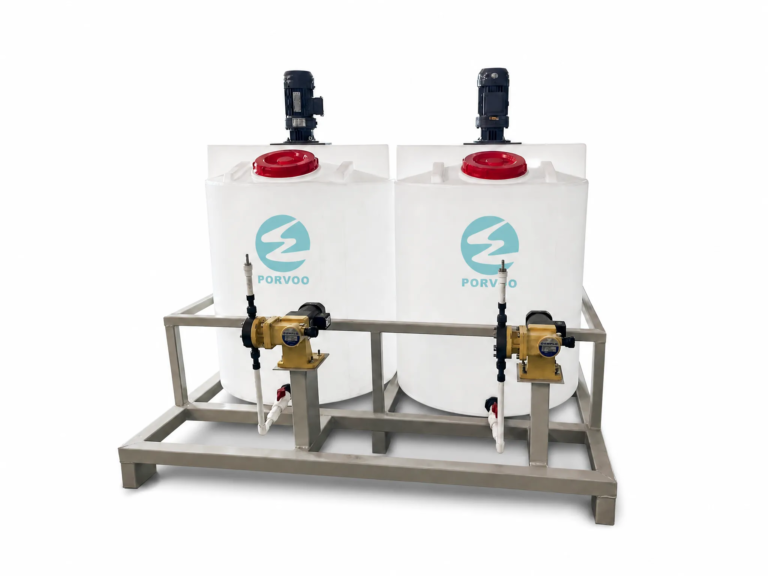
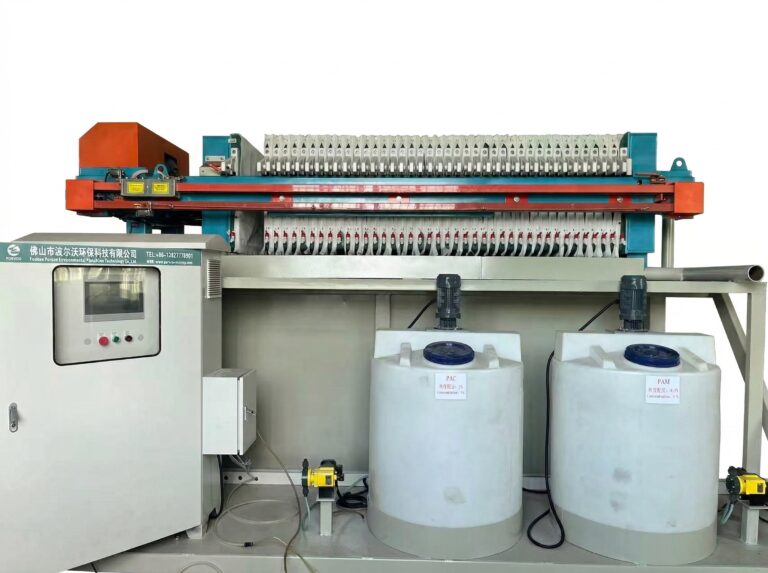
Наиболее оперативными мерами регулирования являются: корректировка скорости дозирования с учетом фактической мутности на входе; регулировка времени удаления осадка в зависимости от фактической глубины слоя, а не по фиксированному временному интервалу; а также модуляция скорости перелива во время пиковых нагрузок по сравнению с циклами промывки. Эти три фактора в совокупности определяют, работает ли этап осаждения в пределах расчетных параметров или вынужден компенсировать колебания, которые следовало устранить на предыдущих этапах. Интеллектуальные системы дозирования, регулирующие подачу ПАМ и ПАК в ответ на сигналы о мутности или расходе в режиме реального времени, могут существенно сократить количество случаев передозировки, дестабилизирующих флокуляцию мелких частиц — не за счет добавления химиката, а за счет уменьшения разброса дозы на единицу нагрузки твердых веществ. A Интеллектуальная система дозирования химических веществ PAM/PAC не изменяет химический состав; это устраняет задержку при ручной настройке, из-за которой случаи как передозировки, так и недозировки продолжаются в течение всей производственной смены, прежде чем кто-либо их исправит.
Пороговое значение, определяющее, достаточны ли корректировки системы управления или требуются также капиталовложения, не сводится к одному показателю. Речь идет о том, чтобы установить: после стабилизации режимов управления способна ли система стабильно перерабатывать сухую нагрузку за всю смену без переполнения накопительных резервуаров или превышения скорости отвода осадка над производительностью прессового цикла. Если да, значит, проблема с системой управления на предприятии решена. Если нет, то система действительно не рассчитана на такую нагрузку — но, по крайней мере, этот вывод теперь основан на стабильных эксплуатационных данных, а не на нестабильных.
Используйте данные мониторинга для подтверждения наличия узкого места
Сама по себе карта технологического баланса и набор мер по ужесточению контроля недостаточны для обоснования решения о капиталовложениях. Данные мониторинга, собранные после корректировки системы управления, должны на протяжении всех производственных циклов последовательно демонстрировать, в каких точках система работает стабильно, а в каких — нет. Один неудачный сменный период еще не означает наличие узкого места. Узким местом является повторяющаяся при различных производственных нагрузках закономерность, при которой конкретный этап постоянно находится на границе своего рабочего диапазона или за его пределами.
Контрольные точки, имеющие наибольшее диагностическое значение, включают: концентрацию твердых частиц на входе на этапах удаления песка и осаждения; мутность перелива из отстойника с регулярными интервалами в течение смены; глубину слоя осадка или объем извлечения за цикл; расход на входе фильтр-пресса и степень сухости осадка за партию; а также частоту срабатывания сигнализации высокого уровня в резервуаре для хранения в течение недели нормального производства. Эти показатели не являются чем-то необычным. Большинство предприятий располагают приборами для их получения; как правило, отсутствует лишь структурированный подход к их комплексному анализу, позволяющий определить, какой этап постоянно работает на пределе своих возможностей. Стандарт ISO 46001:2019, хотя и не является обязательной нормативной базой для очистки сточных вод керамического производства, предлагает структурированный подход к систематическому мониторингу и циклам совершенствования, который напрямую применим в данном случае в качестве ориентира для оптимизации технологического процесса — в частности, его акцент на использовании данных об измеренном водопотреблении для отличия хронической неэффективности от реальных ограничений производственной мощности.
На практике это означает, что данные мониторинга следует использовать для сужения круга возможных узких мест до одной стадии ещё до начала переговоров о закупках. Если всплески мутности в переливной линии наблюдаются только при задержке удаления осадка — а не во время обычных циклов удаления — то узким местом является график удаления осадка, а не производительность отстойника. Если время цикла прессования находится в пределах номинального диапазона, но степень сухости осадка снижается, то узким местом является консистенция обезвоживания осадка, что связано с качеством флокуляции на предыдущих этапах. Эти различия определяют, принесет ли увеличение производительности на каком-либо конкретном этапе ожидаемую отдачу или просто выявит следующее ограничивающее звено.
По возможности повторно использовать исправное оборудование
Сохранение имеющегося оборудования — это решение, обусловленное целесообразностью использования капитала, а не правило по умолчанию. Вопрос заключается не в том, старая ли емкость или пресс, а в том, совместимы ли их конструктивные параметры с измененными условиями технологического процесса после внедрения усовершенствований системы управления. Емкость, размеры которой были занижены для неконтролируемого процесса, может оказаться вполне подходящей для контролируемого. Пресс, на который поступал шлам переменного качества, может работать в соответствии с техническими требованиями после стабилизации дозирования.
Проверка совместимости, которую большинство предприятий упускают из виду, касается гидравлического времени пребывания в условиях нового баланса расхода. Если карта технологического баланса показывает, что пиковые значения входного расхода были перераспределены или что первичная сепарация твердых частиц теперь осуществляется на другом этапе, необходимо переоценить существующий отстойник с точки зрения скорости перелива и поверхностной нагрузки именно в этих измененных условиях, а не в исходных расчетных условиях. Сохранение отстойника без проведения такой проверки и последующее обнаружение того, что он работает с превышением своей эффективной скорости перелива, приведёт к той же проблеме переноса мелких частиц, которую и должны были решить корректировки параметров управления.
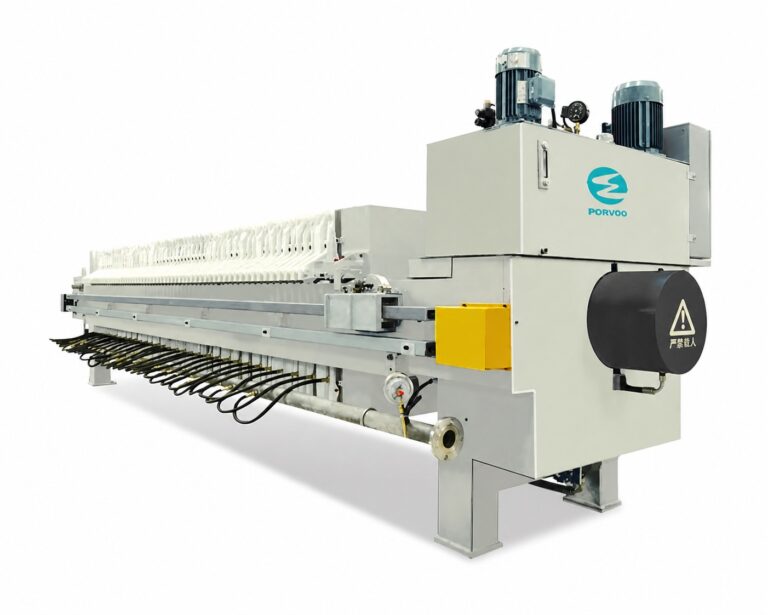
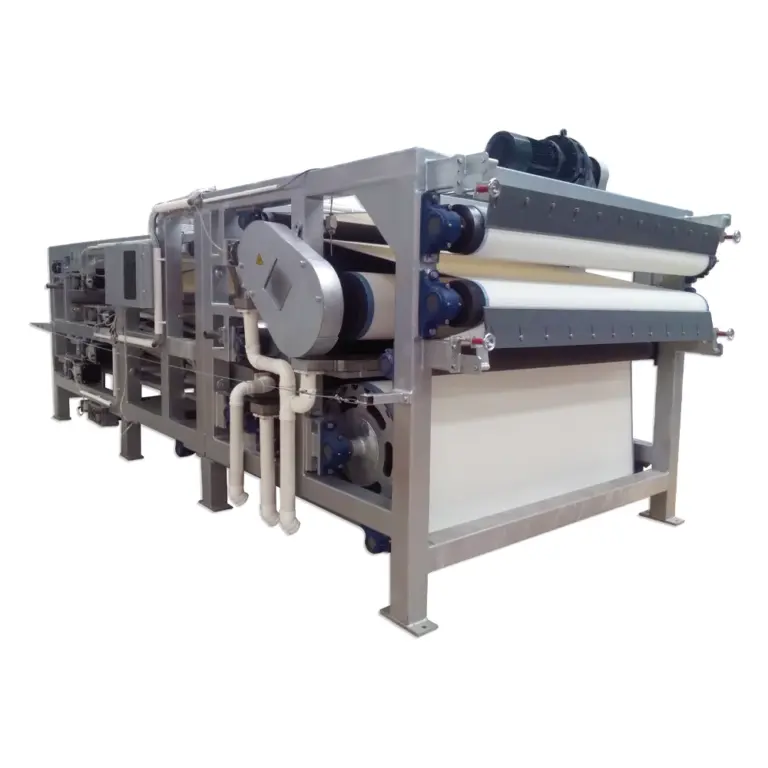
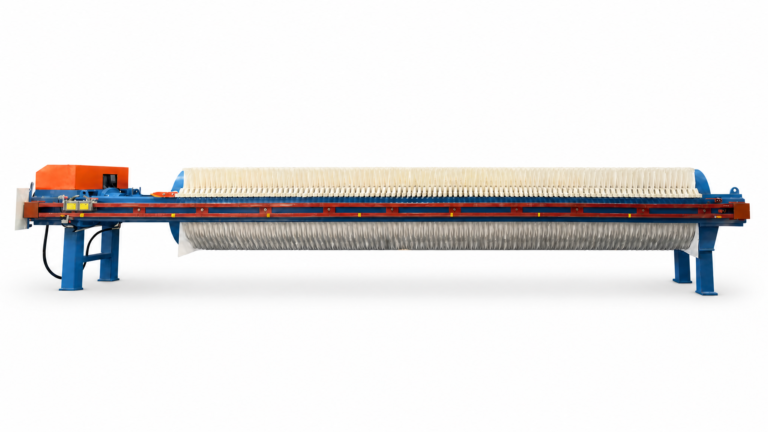
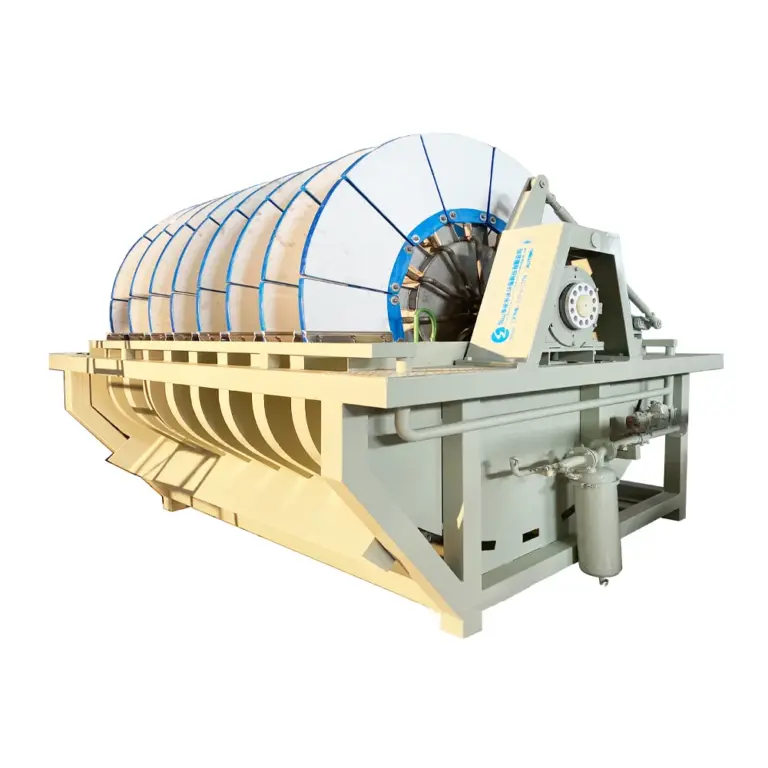
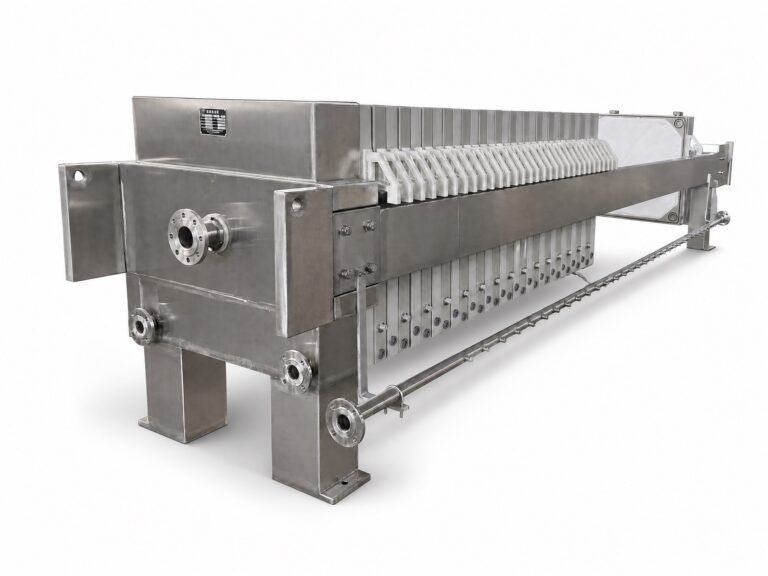
Наиболее частым видом неисправности, возникающим при эксплуатации оборудования без проверки его совместимости, является несоответствие между скоростью отвода осадка и временем цикла прессования. Если объем отвода за цикл увеличивается после стабилизации дозирования — поскольку на этапе осаждения твердые частицы теперь концентрируются более эффективно — и имеющийся пресс не способен справиться с этой возросшей пропускной способностью в течение смены, осадок накапливается в отстойнике и в конечном итоге создает противодавление на этапе осаждения. Результатом становится ухудшение эффективности отстаивания, которое выглядит как новая проблема, но на самом деле является следствием улучшений, внедренных на предыдущих этапах процесса. Для станций, где подтверждается наличие такого несоответствия, полностью автоматический фильтр-пресс с постоянным контролем цикла, как правило, является более долговечным капиталовложением, поскольку переменная ручная эксплуатация пресса вновь приводит к нестабильности, которую контроль дозирования был призван устранить. A полностью автоматический фильтр-пресс Кроме того, это упрощает планирование операций по обращению с осадком, которое требует координации между извлечением осадка из отстойника и его прессованием.
Спланировать время простоя при модернизации, коммуникации и точки подключения
Планирование модернизации системы рециркуляции сточных вод почти всегда в большей степени ограничивается производственным графиком, чем технической сложностью. Точка подключения, требующая слива отстойника в течение запланированного производственного интервала, либо сократит сроки монтажа, либо вынудит провести его во время внепланового простоя. Ни один из этих исходов не является приемлемым, если его можно было предвидеть, а в большинстве случаев это вполне возможно при правильном предварительном проектировании.
Отправной точкой является определение того, для подключения каких точек требуется отключение системы, а для каких — достаточно работы системы на пониженной мощности. На большинстве заводов по производству керамической плитки впускные трубопроводы и соединения для возврата фильтрата зачастую можно отключить с помощью запорной арматуры и модифицировать без полного отключения контура рециркуляции, тогда как подключения в основании отстойника и трубопроводы для отвода осадка почти всегда требуют предварительного опорожнения и очистки резервуара. Требования к инженерным сетям — сжатый воздух для пресса, водоснабжение для промывки, электропитание для новых дозирующих контроллеров или датчиков уровня — необходимо согласовать с существующими распределительными щитами и пропускной способностью сетей до определения спецификации оборудования, а не после его поставки.
Непредотвратимым следствием пропуска этой проверки становится ситуация, когда оборудование поступает на объект, но его невозможно ввести в эксплуатацию в срок из-за того, что не было заранее запланировано подключение к инженерным сетям, для прокладки трубопровода требуется изменение конструкции здания или подключение слива вступает в конфликт с существующей планировкой бетонной плиты. Речь идет о задержках, исчисляемых неделями, а не днями, в производственной среде, где каждое отключение планируется с учетом цикла обжига печи. План подключения следует разрабатывать параллельно с анализом узких мест, а не после него, чтобы объем монтажных работ был ясен до того, как с руководством производства будет согласован период проведения модернизации.
Покупайте новые производственные мощности только после того, как ограничивающий этап пройдет проверку
Расширение мощностей до подтверждения наличия «узкого места» — это дорогостоящий способ выяснить, что проблема находилась не там, где казалось. Предприятие, установившее вторую отстойную башню из-за того, что единственная башня постоянно давала мутный перелив, может обнаружить после монтажа, что качество перелива по-прежнему нестабильно — ведь первопричиной была нестабильность дозирования, а не площадь поверхности. Более крупная башня теперь вмещает больший объём той же плохо флокулированной воды, а система обработки осадка увеличилась вдвое без соответствующего улучшения качества на выходе.
Принцип здесь прост, но его стоит сформулировать точно: инвестиции в увеличение мощности должны быть направлены на тот этап, который, согласно данным мониторинга, является ограничивающим фактором в условиях контролируемой эксплуатации. Важным уточняющим условием здесь являются “условия контролируемой эксплуатации”. Если дозирование по-прежнему регулируется вручную, а время отбора воды по-прежнему определяется по фиксированному графику, данные мониторинга, собранные в этот период, будут отражать совокупный «шум» технологического процесса — колебания дозирования, гидравлический дисбаланс, механические задержки — а не чистый сигнал о том, где действительно наблюдается недостаток мощности. Капитальные решения, принятые на основе данных с «шумом», часто приводят к созданию избыточных активов, которые не решают основную проблему.
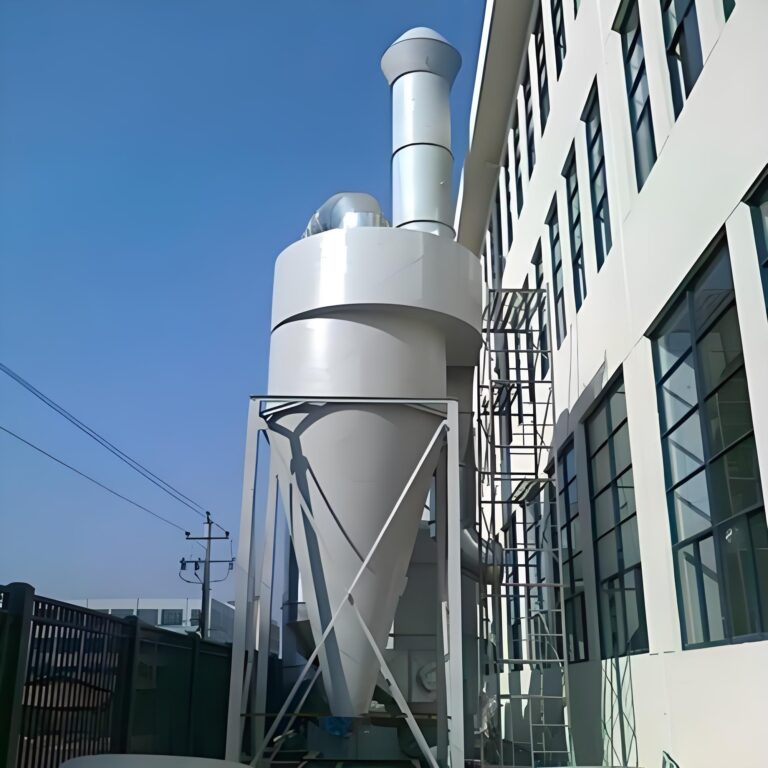
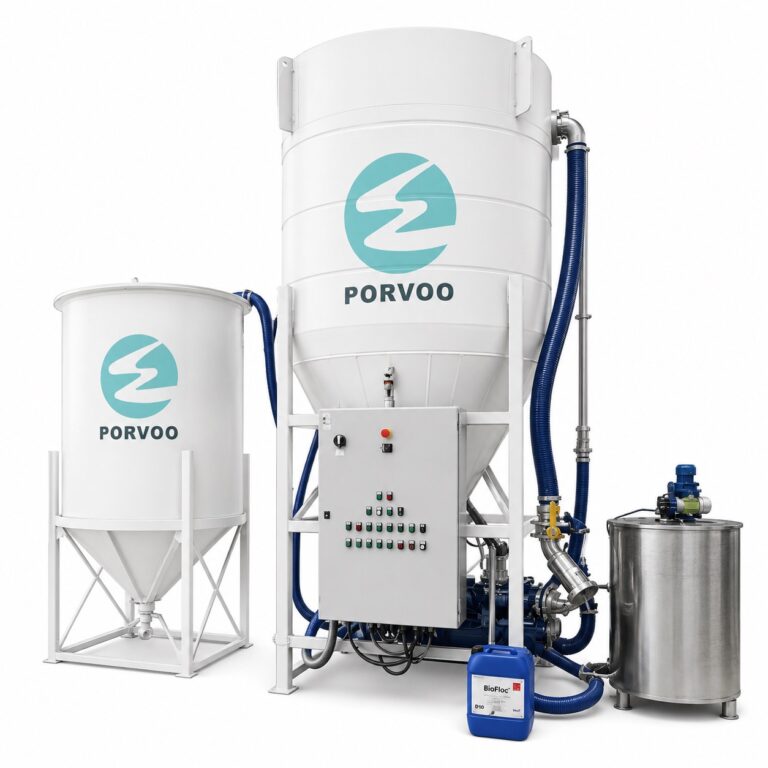
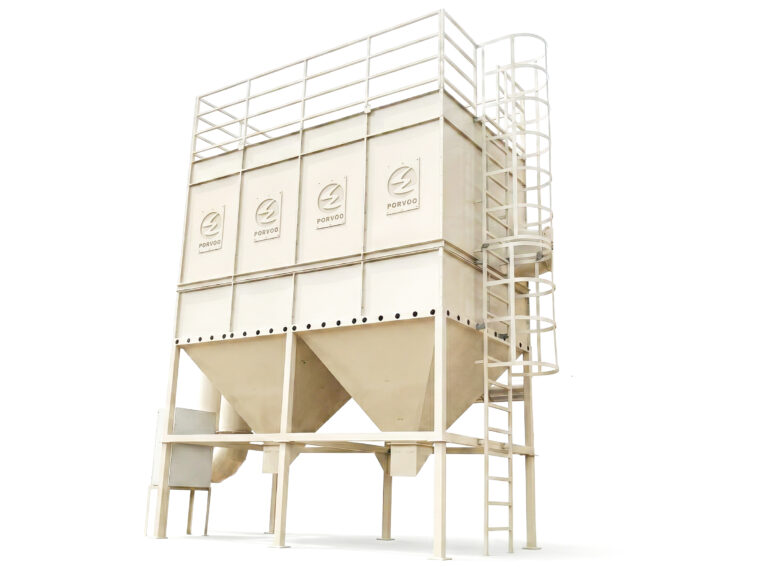
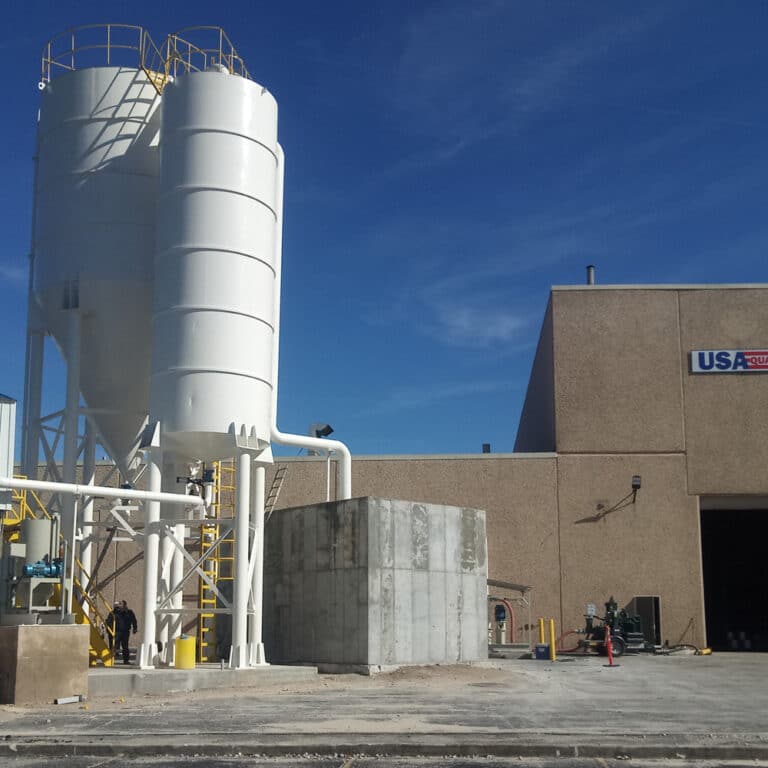
Для предприятий, на которых данные мониторинга действительно указывают на наличие реального гидравлического ограничения или ограничения, связанного с нагрузкой твердыми веществами, на этапе осаждения после внедрения всех мер по улучшению контроля, следует вертикальная осадочная башня Расчет мощности с учетом подтвержденной пиковой нагрузки является обоснованным инвестиционным решением. Ключевым моментом является то, что основанием для расчета должны служить данные о пиковом расходе и концентрации твердых частиц, полученные в ходе мониторинга, а не общие эмпирические правила, основанные на пропускной способности плиточного завода. Существует также вопрос, связанный с графиком работ: если сроки модернизации фиксированы, а анализ узких мест ещё не завершён, возникает реальный компромисс между ожиданием эмпирических данных и необходимостью согласовать сроки поставки оборудования. Этот компромисс существует. Однако в тех случаях, когда он приводит к тому, что заводы заказывают оборудование ещё до завершения диагностики, часто возникает описанная выше ситуация — оборудование, установленное правильно, но рассчитанное не на те параметры.
Подробнее о том, как заводы перестраивают технологический поток и приоритеты в области обращения с осадком на различных этапах модернизации, можно прочитать в этот обзор мер по модернизации систем очистки промышленных сточных вод.
Самый явный признак того, что керамическая система рециркуляции сточных вод нуждается в капитальном ремонте, заключается не в том, что она работает с перебоями, — а именно в том, что она работает с перебоями постоянно, в том же месте, после того как контрольные процедуры будут налажены, а взаимосвязь между этапами будет проанализирована и урегулирована. Борьба без этого контекста — всего лишь шум; борьба в этом контексте — это техническое задание на закупку.
Прежде чем размещать заказ на оборудование, специалисты завода должны быть в состоянии определить, на каком этапе происходит ограничение пропускной способности, при какой нагрузке твердых частиц на входе возникает это ограничение, как система управления реагирует на данную ситуацию в настоящее время и почему корректировка параметров управления не может решить эту проблему. Если на эти четыре вопроса невозможно ответить на основе имеющихся данных, следующим шагом должен стать расширение мониторинга, а не оформление заказа на закупку.
Часто задаваемые вопросы
Вопрос: На нашем заводе нет онлайн-измерителей мутности и датчиков уровня осадка. Сможем ли мы всё же выявить «узкое место» с помощью этого подхода?
A: Да — для постановки достоверного диагноза достаточно ручного отбора проб и наблюдений в определённые моменты времени. Ключевым требованием является не наличие автоматизированного оборудования, а последовательный сбор данных о расходе на входе, прозрачности перелива осадочного слоя (с помощью простой трубки для измерения мутности), времени и объёме извлечения осадка, а также изменениях уровня в резервуаре в течение полных производственных смен. Если вы фиксируете закономерности при различных нагрузках, вы сможете отличить реальное ограничение пропускной способности от проблемы с управлением даже без датчиков реального времени. Начните с ежедневных журналов регистрации и портативного измерителя взвешенных твердых частиц или конуса Имхоффа для оценки качества перелива; именно эти данные, а не тип датчика, позволяют выявить узкое место.
Вопрос: После того как мы убедились, что ограничивающим фактором является седиментация, что следует указать в техническом задании на закупку оборудования, чтобы избежать приобретения оборудования с неподходящей производительностью?
A: Технические условия должны составляться с учетом зафиксированных пиковых значений расхода и пиковой нагрузки по твердым веществам, а не на основе общих правил, касающихся пропускной способности установки. В них должны быть указаны требуемая скорость перелива (м³/м²/ч) при пиковом часовом расходе, ожидаемый диапазон содержания взвешенных твердых веществ на входе, целевое время пребывания при данной пиковой нагрузке, скорость отвода осадка, необходимая для синхронизации с циклом прессования, а также размерные и гидравлические точки подключения, проверенные в ходе планирования модернизации. Отсутствие этих измеренных показателей в техническом задании побуждает поставщика рассчитывать размеры оборудования исходя из гипотетического расчетного случая, что может привести к появлению «узких мест» в других частях установки.
Вопрос: Наш отстойник получил механические повреждения, и его невозможно стабилизировать даже временно. Стоит ли нам пропустить этапы диагностики и сразу же заменить его?
A: Нет — но, возможно, вам придётся сократить диагностическую последовательность, а не пропускать её. Если целостность резервуара нарушена, его замена требуется в срочном порядке, однако основной принцип остаётся в силе: перед заказом нового резервуара необходимо количественно оценить фактические нагрузки от твердых частиц и гидравлические нагрузки, которым он будет подвергаться, даже если для этого потребуется ускоренный ручной отбор проб в режиме работы с ограниченной производительностью. Приобретение запасного резервуара, исходя из номинальной производительности старого резервуара, сопряжено с риском повторения того же несоответствия технологическому процессу, которое привело к его выходу из строя, либо приведет к переносу ограничения на последующие этапы технологической цепочки без его устранения. В данной ситуации следует использовать наиболее точные данные, доступные по текущей системе, для определения условий нагрузки, а установку нового резервуара рассматривать как первый шаг в рамках по-прежнему необходимого комплексного устранения узких мест.
Вопрос: Как нам принять решение: дождаться полных эмпирических доказательств или приобрести оборудование уже сейчас, чтобы уложиться в установленные сроки модернизации?
A: Если сроки производства вынуждают принять решение досрочно, используйте имеющиеся данные с наивысшей степенью достоверности, чтобы определить этап, на котором наиболее вероятно возникновение «узкого места», с учетом консервативного коэффициента безопасности, но рассматривайте это оборудование как покупку с подтвержденным риском, а не как готовое решение. Зарезервируйте часть бюджета на модернизацию и запланируйте последующие корректировки на предшествующих или последующих этапах, которые в противном случае были бы выявлены в первую очередь при полном мониторинге. Главное — не приступать к полной переработке системы без данных; вместо этого сосредоточьтесь на том этапе, который уже демонстрирует наиболее веские признаки ограничения, и примите тот факт, что остальные этапы, возможно, потребуют незначительных модификаций позже, когда мониторинг наберет необходимый объем данных.
Вопрос: Стоит ли небольшому заводу по производству плитки с низкой суточной пропускной способностью системы по трате времени на такую систематическую диагностику, или проще просто спроектировать систему с запасом мощности и не зацикливаться на этом?
A: Это зависит от того, насколько сильно затраты на воду, нормы сброса сточных вод или время безотказной работы влияют на вашу рентабельность. Для очень небольшого завода, где затраты на воду и обращение с осадком незначительны, а штрафы за невыполнение показателей невелики, намеренное завышение мощности одной ступени может стать прагматичным решением — однако это редко позволяет избежать проблем с управлением технологическим процессом. Переразмеренное оборудование часто маскирует дисбалансы в дозировке, которые приводят к растрате химикатов и увеличению объема осадка, что может быстро свести на нет достигнутую экономию. Если давление воды, ограничения на сброс сточных вод или простои печи создают реальные финансовые риски, затраты на месяц организованного ручного мониторинга почти всегда меньше, чем затраты на переразмеренное оборудование, которое так и не устраняет первопричину проблемы.