Dust collectors have different duties
Begin with the particle properties, flow variation and required outlet result. Include temperature, moisture, handling and maintenance along with the intended air-cleaning role.
Baghouses and cleaning methods
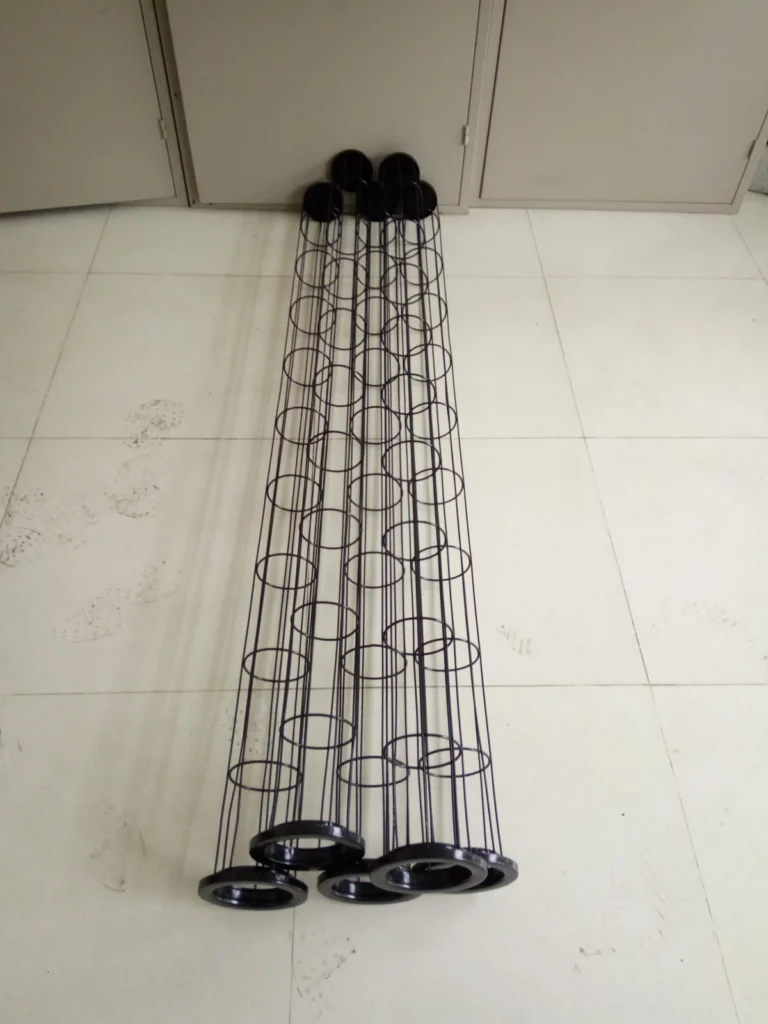
Fabric baghouses collect particles on filter bags and use shaker, reverse-air or pulse-jet cleaning arrangements. Ask for the operating gas and media limits, installed pressure loss and outlet data for the actual duty. A method description alone gives no result for a specific cement process.
Cyclones and coarse pre-separation
Cyclones can reduce coarse material reaching the following stage. Compare capture by particle size at the proposed gas duty and allow for downstream collection where the target calls for it.
Electrostatic precipitators
These devices use electrical charging and collecting surfaces. Have the supplier evaluate the dust properties, gas conditions and cleaning arrangement for the proposed configuration and quote the performance evidence needed for the application.
Cartridges and wet systems
A cartridge collector can provide dry filtration with a compact arrangement, depending on loading and service access. A wet collector also brings liquid handling, treatment and carryover considerations. For hazardous materials have the site’s specialists establish the equipment and control requirements.
Request project-specific comparison data
Use the same feed, flow and outlet expectation across proposals. Compare where performance is measured, service items, energy and handling needs. Check both normal and unusual production states that may govern the choice.