Каменная пыль скапливается быстрее, чем ожидают большинство руководителей цехов, а выбор оборудования, который на этапе планирования кажется очевидным — переносная установка или централизованная система — как правило, выявляет свои слабые стороны только после того, как на производстве возникает повышенная нагрузка. Причиной сбоя редко становится поломка вентилятора или пропущенная закупка; чаще всего это оператор, который не подключает переносной пылесборник к шлифовальной машине, потому что следующая плита уже готова к обработке, а подключение вытяжного колпака занимает две минуты. К тому моменту, когда такая практика становится рутиной, концентрация вдыхаемого кремнезема в рабочей зоне может превысить безопасные пороги настолько, что никакая последующая программа использования средств индивидуальной защиты не сможет адекватно решить эту проблему. Решение, позволяющее устранить эту проблему, не связано с предпочтениями в отношении мобильности — оно заключается в том, позволяет ли рабочий процесс вашего цеха надежно поддерживать меры по контролю за пылью, зависящие от оператора, или же система пылеудаления должна полностью устранить эту зависимость.
Перед расчетом размера необходимо подсчитать количество активных станций и количество одновременных подключений
Прежде чем выбирать тип оборудования, определите, какие станции работают одновременно в течение обычной производственной смены. Цех, в котором одновременно работают мостовая пила и кромкополировальная машина, — это не просто производство с использованием двух станков, а задача одновременного использования оборудования, от которой зависит минимальный расход воздуха в системе. Используя коэффициент разнообразия 0,8 для учета реальной доли станций, активных в пиковый период, плюс запас по расчетному значению 15%, мостовая пила с расходом воздуха 400 кубических футов в минуту и кромкополировальная машина с расходом 250 кубических футов в минуту создают расчетную потребность около 600 кубических футов в минуту. Эта цифра служит иллюстрацией метода, а не нормативной формулой, но принцип важен: недооценка одновременной нагрузки приводит к недостаточному улавливанию пыли на станциях, наиболее удаленных от коллектора.
Наиболее распространённой причиной сбоев является не изначально заниженная мощность, а постепенное увеличение производительности без перепроектирования системы воздуховодов. Когда в цехе устанавливают фрезерный станок с ЧПУ или вторую полировальную станцию, номинальная производительность коллектора, указанная на этикетке, по-прежнему кажется достаточной, однако скорость воздушного потока в конце воздуховода падает ниже порогового значения, необходимого для поддержания движения частиц камня по воздуховоду. Пыль оседает в горизонтальных участках, ещё больше ограничивая воздушный поток, и эффективность улавливания у рабочего вытяжного колпака ухудшается именно там, где производственные потребности наиболее высоки. Чтобы вовремя обнаружить эту проблему, необходимо пересчитывать расчеты всей системы воздуховодов при добавлении каждой новой точки отвода, а не просто сравнивать заявленную производительность новой станции в кубических футах в минуту с номинальной производительностью пылесборника.
Для мастерских, которые пока находятся на стадии проектирования, количество станций и схема их одновременного использования также определяют, какая архитектура — портативная или централизованная — является более целесообразной с инженерной точки зрения. Расчет, в результате которого получается потребность в 600 кубических футов в минуту (CFM) для двух станций, предполагает иной выбор оборудования, чем расчет, дающий результат 2 400 CFM для восьми станций — и эта разница напрямую влияет на расчет размеров воздуховодов, выбор вентиляторов и нагрузку на фильтры еще до приобретения какого-либо оборудования.
Сравните мобильность с стабильностью системы с воздуховодами
Мобильность является реальным эксплуатационным преимуществом для переносных установок в цехах, где рабочие места перемещаются, плиты перемещаются в разные положения или преобладают операции с ручным инструментом. Проблема заключается в том, что мобильность перекладывает бремя контроля на оператора при каждой смене инструмента. Когда производственная нагрузка возрастает — а именно в этот момент образование пыли достигает максимального уровня — двухэтапный процесс перемещения пылесборника и подключения шланга к инструменту становится тем этапом, который с наибольшей вероятностью будет пропущен. Такой пропуск не является нарушением дисциплины; это недостаток в организации рабочего процесса. Если система требует выполнения определенного действия при каждой смене инструмента для поддержания эффективности улавливания, то в конечном итоге это действие перестанет выполняться.
Централизованные канальные системы с стационарными вытяжными колпаками и заслонками полностью исключают этап подключения каждого отдельного инструмента. При правильном вводе в эксплуатацию скорость улавливания на каждой станции поддерживается независимо от действий оператора, при условии, что размеры воздуховодов подобраны правильно, а заслонки настроены таким образом, чтобы сбалансировать воздушный поток между активными станциями. Именно стабильность улавливания является основным функциональным аргументом в пользу централизованных систем — а не энергоэффективность, не снижение эксплуатационных затрат на каждую станцию и не уменьшение нагрузки по обслуживанию фильтров, поскольку все эти факторы носят второстепенный характер.
Практический порог количества рабочих мест, при котором этот компромисс перестает быть выгодным, составляет примерно от пяти до восьми активных рабочих мест. На предприятиях с менее чем пятью рабочими местами, расположенными на компактной площади, особенно на тех, где для резки используются мокрые методы, зачастую можно обеспечить адекватный контроль за пылью с помощью переносных установок с фильтрами HEPA, если строго соблюдаются правила подключения. Цеха с восемью и более рабочими станциями, значительным объёмом сухой отделки или непрерывной работой станков с ЧПУ не подходят для систем улавливания, зависящих от оператора — риск воздействия в перерывах между настройками накапливается за счёт слишком большого количества циклов обработки за смену.
| Рассмотрение | Портативные устройства с фильтрами HEPA | Централизованная система с воздуховодами |
|---|---|---|
| Обеспечение согласованности сбора данных | Зависит от оператора, подключающего устройство к каждому инструменту | Стабильная скорость улавливания при правильном расчете размеров воздуховодов и установке заслонок |
| Риск пропуска этапа настройки | Операторы могут пропустить этап соединения из-за производственной загруженности, что приводит к воздействию кремнезема | Установка постоянной системы воздуховодов снижает нагрузку на оператора, уменьшая риск воздействия вредных факторов |
| Пороговое значение пригодности | Мастерские с количеством рабочих мест менее пяти, компактные по площади, особенно при использовании мокрых методов | Предприятия с восемью и более рабочими местами, где в значительной степени применяется сухая отделка или используются станки с ЧПУ |
| Рабочий процесс оператора | Требуется перемещение и подключение узла при каждой смене инструмента | После установки не требуется настройка каждого инструмента в отдельности |
В приведенной выше таблице представлено структурированное сравнение; следует четко подчеркнуть, что указанные пороговые значения пригодности являются критериями планирования, а не нормативными ограничениями. Мастерская с шестью рабочими местами, где повсеместно применяется резка мокрым способом, находится в диапазоне, в котором можно обеспечить работу любой из систем — правильный выбор зависит от того, насколько надежно операторы будут соблюдать требования к подключению, предъявляемые к переносным установкам.
Учитывайте потери в воздуховодах, длину шланга и статическое давление
Запас статического давления — это ограничивающий фактор, который чаще всего недооценивается при проектировании централизованных систем. Вентилятор пылесборника должен одновременно обеспечивать необходимый расход воздуха, преодолевая общее сопротивление системы — потери на трение в воздуховодах, потери на входе в вытяжной колпак и перепад давления в фильтре. Если какой-либо из этих компонентов имеет недостаточные размеры или протяженность воздуховода превышает расчетную, расход воздуха в рабочей точке забора падает — и не просто незначительно, а настолько, что не удается пройти проверку скорости улавливания.
Диапазон статического давления, создаваемого пылесборниками, значительно ниже, чем у промышленных пылесосов. Эта разница в статической мощности напрямую влияет на то, какое сопротивление в воздуховодах может преодолеть пылесборник на длинных или сложных трассах — на предприятии, где воздуховоды проходят через множество изгибов и отводов для достижения удаленных точек, необходимо моделировать совокупные потери на трение с учетом доступного статического давления вентилятора, а не только номинальной производительности в кубических футах в минуту (CFM).
| Оборудование | Максимальный статический вакуум (фунты на квадратный дюйм) | Приблизительно в H₂O | Последствия для прокладки воздуховодов |
|---|---|---|---|
| Пылесборник | 0.2–0.5 | 5.5–14 | Более низкий статический вакуум означает большую чувствительность к потерям в воздуховодах и шлангах |
| Промышленный пылесос | 1.5–3.5 | - | Более высокий статический вакуум позволяет преодолевать большее сопротивление, но не предназначен для системы воздуховодов всего цеха |
Ситуацию усугубляет диаметр шланга. Использование гибкого шланга меньшего диаметра между ответвлением воздуховода и вытяжным колпаком создает сопротивление, которое статическая кривая вентилятора должна преодолеть, прежде чем воздушный поток достигнет точки улавливания.
| Расход воздуха в пылесборнике (CFM) | Минимальный внутренний диаметр шланга (дюймы) | Идентификатор с лучшими характеристиками (дюймы) |
|---|---|---|
| ≤ 600 кубических футов в минуту | 4 | 5 или 6 |
| 600 кубических футов в минуту | 6 | - |
Из этого следует, что система, которая на первый взгляд кажется адекватной на уровне коллектора — с правильным номинальным расходом по CFM и правильно рассчитанным по размеру главным воздуховодом — может выйти из строя на последнем метре гибкого шланга, если этот шланг имеет недостаточный диаметр или перекручен. Глава 32 стандарта ASHRAE, посвященная проектированию промышленных вентиляционных систем, подтверждает принцип, согласно которому при расчете сопротивления системы необходимо учитывать каждый компонент на пути воздушного потока, а не только главный воздуховод. Для каменных мастерских это означает моделирование соединения гибкого шланга с каждым инструментом как реального элемента потерь, особенно в случае переносных гибридных установок, где длина шланга зависит от положения плиты.
Технический обзор методов расчета расхода воздуха (CFM) для систем картриджного типа можно найти в Как рассчитать требуемый CFM для картриджных пылесборников: Инженерное руководство по определению размеров с формулами скорости воздушного потока В статье рассматривается взаимосвязь между статическим давлением и расходом воздуха с точки зрения, непосредственно применимой к проектированию централизованных систем воздуховодов для каменных мастерских.
Проверить доступ к фильтру для очистки и удаления пыли
Каменная пыль обладает абразивными свойствами, имеет мелкую фракцию и образуется в больших количествах при сухой резке или шлифовании. Фильтр должен улавливать частицы в респирабельной фракции — от 0,5 до 10 мкм — где риск воздействия кремнезема наиболее высок. Фильтр класса HEPA с эффективностью 99,97% при размере частиц 0,3 мкм обеспечивает технические характеристики, наиболее подходящие для работ с камнем, хотя выбор фильтра также должен соответствовать интенсивности запыленности и циклу очистки, которые пылесборник может выдерживать в производственных условиях.
Риск сбоя при недостаточной фильтрации заключается не в постепенном ухудшении качества воздуха, а в том, что при сухом резании без применения инженерных мер контроля концентрация вдыхаемого кремнезема может за считанные минуты превысить эталонный порог в 50 мкг/м³ в несколько раз. Данная информация приводится не в качестве констатации несоответствия требованиям на каком-либо конкретном объекте, а для того, чтобы пояснить, почему выбор характеристик фильтра является первостепенным проектным решением, а не второстепенной деталью при закупке.
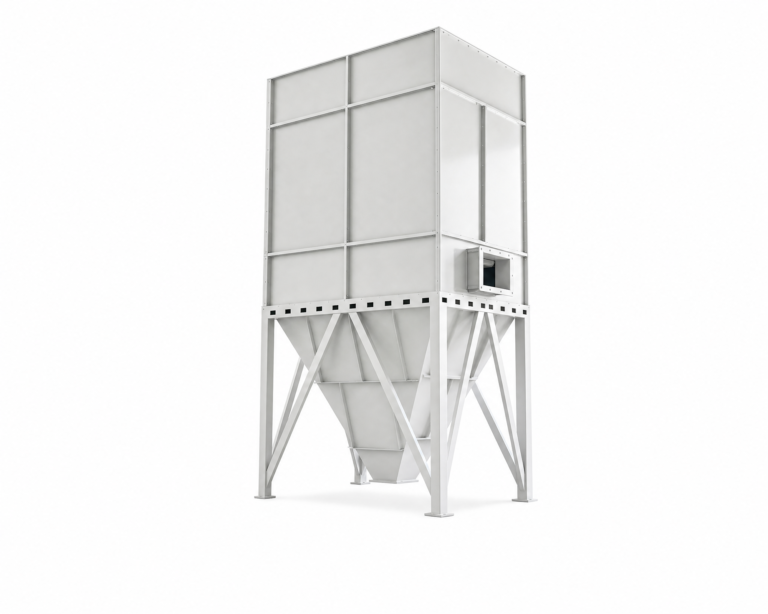
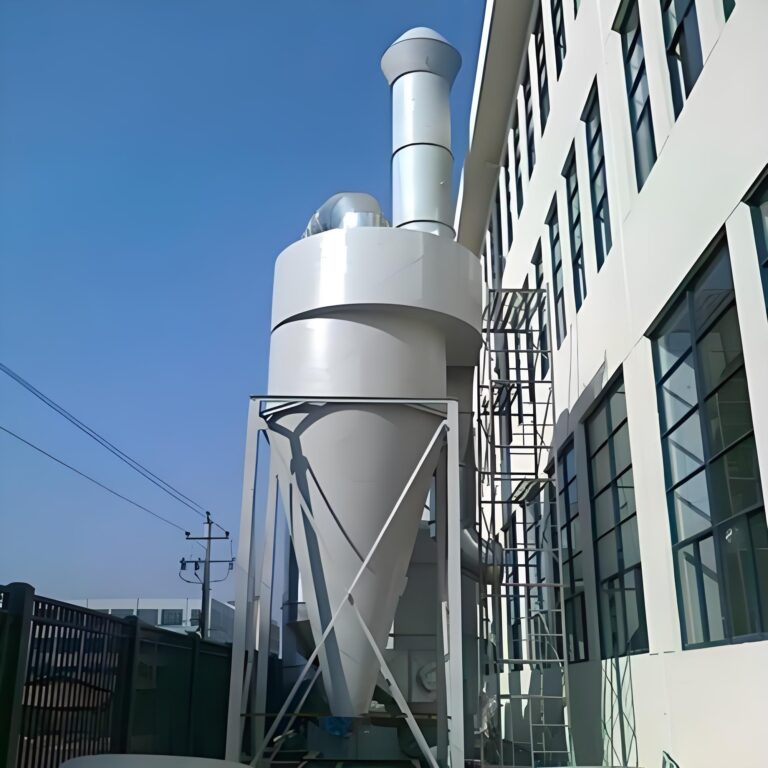
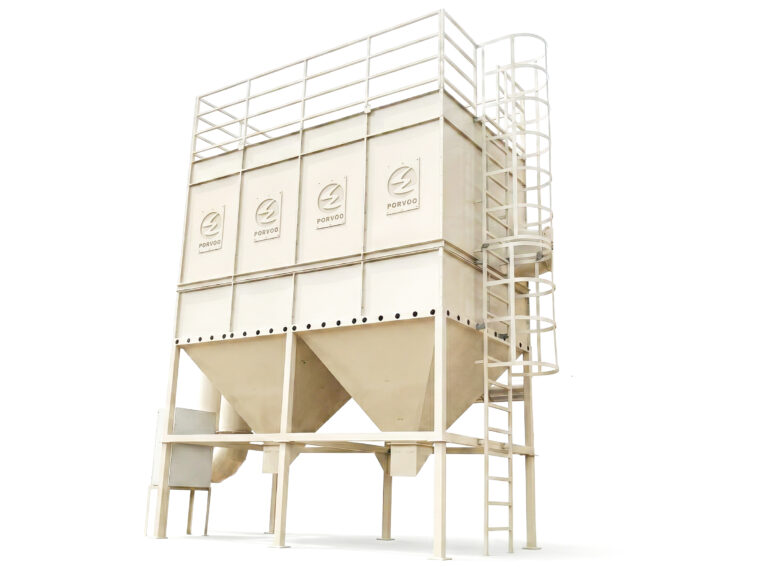
Как для переносных, так и для централизованных установок способ очистки фильтров определяет, как часто регулируется перепад давления в фильтрах. Переносные установки с ручной очисткой путем встряхивания требуют вмешательства оператора для восстановления воздушного потока по мере загрязнения фильтров; системы импульсной струйной очистки на централизованных коллекторах автоматически поддерживают рабочее состояние фильтров во время эксплуатации. На высокопроизводительных камнеобрабатывающих предприятиях с непрерывной сухой отделкой разница в частоте загрязнения фильтров между переносной установкой, работающей весь день на одной станции, и централизованной системой, обрабатывающей тот же объем, имеет значение для поддержания стабильной эффективности улавливания. A Импульсный струйный пылеуловитель с автоматизированными циклами очистки лучше подходит для высокопроизводительных операций сухой очистки, при которых остановка для обслуживания фильтров в середине смены приводит к сбоям в работе.
Доступ к выпуску пыли — это пункт технического осмотра, который чаще всего упускают из виду при вводе в эксплуатацию. В централизованных системах бункер и спускной клапан должны быть доступны без отключения коллектора от системы или подвергания персонала, осуществляющего техническое обслуживание, воздействию скопившейся пыли во время опорожнения. В переносных установках размеры сборочного мешка или барабана должны соответствовать объему пыли, образующейся за одну смену — контейнеры недостаточного размера, которые заполняются до окончания смены, приводят к таким же сбоям в улавливании, как и забитый фильтр: нарастает статическое давление, падает расход воздуха, а эффективность улавливания на вытяжном колпаке ухудшается еще до того, как проблема станет заметной.
Согласовать расположение коллекторов с рабочим процессом оператора
Расположение влияет на эффективность улавливания еще до того, как будут учтены какие-либо характеристики воздушного потока. Переносной агрегат, правильно установленный на расстоянии вытянутой руки от вытяжного колпака инструмента, на практике работает эффективнее, чем агрегат с более высоким номинальным расходом воздуха, расположенный в двух метрах от него из-за отсутствия более близкого места на рабочем месте. Верно и обратное: централизованный вытяжной колпак, установленный в неправильном положении относительно естественного угла резки оператора, не сможет обеспечить расчетный расход воздуха, поскольку зона улавливания не пересекается с местом фактического образования пыли.
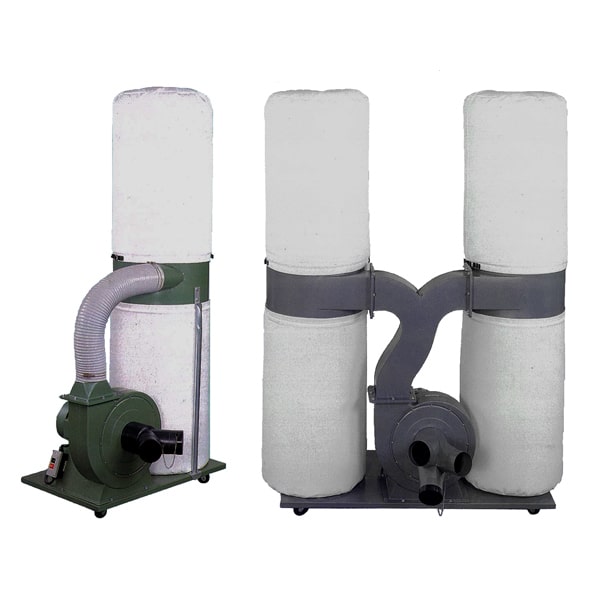
При выполнении операций с ручным инструментом на верстаке или в фиксированном положении плиты переносной вакуумный пылесборник является эффективным решением, если расположение вытяжного колпака можно регулировать в соответствии с положением инструмента. Практическое ограничение заключается в том, что при каждой смене инструмента по-прежнему требуется перепозиционирование — и при операциях, где инструменты часто меняются в пределах одной плиты, эта нагрузка, связанная с перепозиционированием, накапливается в течение смены.
Для стационарного оборудования — мостовых пил, фрезерных станков с ЧПУ, краеполировальных машин на специальном столе — геометрия постоянного вытяжного колпака может быть заложена в конструкцию рабочего места еще на этапе монтажа. Именно на этом этапе проектирования централизованные системы восстанавливают преимущество в гибкости рабочего процесса: вытяжной колпак уже правильно расположен относительно инструмента, заслонка уже установлена, и оператор взаимодействует с системой вытяжки только для того, чтобы открыть заслонку, а не для подключения, установки и проверки портативного устройства. Там, где существует это преимущество фиксированной геометрии, вопрос о выборе между портативной и централизованной системой сводится к тому, обладают ли все рабочие места в цехе этой характеристикой — а в большинстве цехов по обработке камня это не всегда так.
Определите, в каких случаях централизованная система сбора более эффективна, чем многократное использование переносных устройств
На этапе закупки зачастую неверно проводится сравнение затрат между несколькими переносными агрегатами и одной централизованной системой. Портативные агрегаты кажутся менее дорогостоящими в расчете на единицу, и для цеха с двумя или тремя рабочими местами это часто соответствует действительности с точки зрения стоимости приобретения. Ситуация меняется при увеличении количества рабочих мест, поскольку каждый дополнительный портативный агрегат требует подключения оператора при каждой смене инструмента — а это рабочее время, умноженное на количество смен и рабочих мест, представляет собой реальные эксплуатационные затраты, которые не отражаются в заказе на закупку оборудования.
Централизованные системы требуют более высоких начальных инвестиций, однако на производстве с высоким объемом выпуска это компенсируется значительным повышением эффективности труда: система работает непрерывно без необходимости настройки каждого инструмента, а скорость захвата на всех активных станциях остается постоянной, независимо от того, какой оператор находится на какой станции в течение конкретной смены. Именно эта стабильность является основным техническим аргументом в пользу централизованного сбора — не стоимость, не энергопотребление, а тот факт, что производительность захвата не зависит от действий оператора, которые могут быть пропущены.
| Фактор | Несколько портативных устройств | Централизованная система |
|---|---|---|
| Первоначальные инвестиции | Стоимость на единицу снижается, но общая стоимость растёт с увеличением количества станций | Более высокая первоначальная инвестиция |
| Эффективность труда | При каждой смене инструмента оператор должен подключать и настраивать оборудование, что увеличивает трудозатраты | Работает в непрерывном режиме без необходимости настройки для каждого инструмента; повышение эффективности труда |
| Стабильность захвата | Зависит от оператора; этот этап можно пропустить, что приведет к нестабильной эффективности пылеудаления | Одинаковая скорость съемки на всех станциях независимо от их одновременного использования |
Точка принятия решения о закупке примерно соответствует тому моменту, когда на производстве одновременно задействованы от пяти до восьми рабочих станций, причем в процессе присутствуют значительные объемы сухой отделки. Ниже этого порога вполне может оказаться достаточной хорошо организованная мобильная система при условии прохождения операторами соответствующего обучения. Выше этого порога затраты на рабочую силу и риски, связанные с этапами подключения, зависящими от оператора, становятся все более труднооправданными по сравнению с централизованной альтернативой. Это не чётко очерченная нормативная граница — это практический порог, при котором пересекаются показатели стоимости жизненного цикла и профиль операционных рисков этих двух подходов.
A Картриджный пылесборник Данная система, предназначенная для централизованного обслуживания каменных мастерских, справляется с отходами в виде мелких абразивных частиц, образующихся при сухой резке и полировке, и требует меньшей частоты технического обслуживания по сравнению с мешочными системами, что делает её актуальным вариантом при оценке оборудования для централизованных систем такого масштаба.
Укажите проверки расхода воздуха в каждой точке забора
Ввод в эксплуатацию системы пылеудаления без измерения расхода воздуха в каждой точке отбора — это отложенная проблема, а не завершенный монтаж. Коллектор может работать, воздуховоды могут быть смонтированы, а вентилятор может потреблять номинальный ток — но ничто из этого не подтверждает, что отдельные вытяжные колпаки получают достаточный поток воздуха для улавливания пыли у источника.
Важными показателями для каждого точки всасывания являются скорость улавливания на лицевой поверхности вытяжного колпака и скорость транспортировки в воздуховоде, обслуживающем данную точку всасывания. Скорость улавливания и скорость транспортировки в воздуховоде представляют собой разные требования: одно определяет, попадает ли взвешенная в воздухе пыль в вытяжной колпак, а другое — остаются ли частицы во взвешенном состоянии в воздуховоде, а не оседают ли они в горизонтальных отрезках.
| Операция | Требуемая скорость транспортировки в воздуховоде (фпм) | Скорость улавливания у вытяжного колпака (фпм) |
|---|---|---|
| Резка сухого камня | 3500 | 100–200 |
| Шлифование/полировка | 4000 | 100–200 |
| Шлифование | 4500 | 100–200 |
Показатели скорости переноса для каменодобывающих предприятий не являются консервативными расчетными значениями — они отражают плотность и гранулометрический состав каменной пыли, которую необходимо удерживать во взвешенном состоянии для достижения коллектора. В системе, работающей со скоростью ниже скорости переноса в любом горизонтальном участке воздуховода, в этом участке будет скапливаться осевшая пыль, что постепенно ограничивает воздушный поток и ухудшает эффективность улавливания на рабочем вытяжном колпаке. Измерение скорости с помощью траверсы Пито на каждом ответвлении — в соответствии с методикой измерения, описанной в стандарте ISO 10780 для измерения скорости у стационарных источников — обеспечивает основу для проверки, которая должна быть обязательным условием при приемке объекта.
Для предприятий, где собственные инженерные возможности по расчету воздуховодов ограничены, привлечение специалиста по промышленной гигиене или инженера-вентиляционщика на этапе проектирования служит контрольной мерой, позволяющей предотвратить недостатки при вводе в эксплуатацию, которые могут привести к необходимости дорогостоящего перепроектирования воздуховодов. Стоимость таких услуг незначительна по сравнению с общей стоимостью монтажа системы, при этом она обеспечивает обоснованную основу для документации по воздушным потокам, которую могут запросить группы по охране труда, технике безопасности и охране окружающей среды (EHS) и сторонние эксперты. Данная рекомендация представляет собой меру, которая должна быть принята на этапе проектирования, а не факультативную консультацию — к моменту, когда проверка при вводе в эксплуатацию выявит, что на самой удаленной станции скорость улавливания составляет 60% от расчетного значения, воздуховоды уже будут смонтированы, и исправление ситуации перестанет быть задачей проектирования.
Для предприятий, занимающихся проработкой требований CFM на нескольких станциях до выбора системы, Как рассчитать потребности в CFM для переносных пылеуловителей в многостаночных мастерских предлагает отработанный подход к управлению спросом при одновременном использовании, который применим независимо от того, является ли конечная архитектура переносимой, централизованной или представляет собой гибрид обеих.
Выбор между переносными и централизованными системами пылеудаления для каменных мастерских наиболее четко решается, если сосредоточиться на одном вопросе: позволяет ли ваш производственный процесс надежно выдерживать операционные действия, которые требуют переносные установки при каждой смене инструмента, в условиях реальной производственной нагрузки и на протяжении всех смен? Если ответ содержит какую-либо неопределенность, технические аргументы в пользу централизованного пылеудаления значительно усиливаются еще до того, как в анализ будет включено количество рабочих мест. Мастерским, находящимся вблизи порога от пяти до восьми рабочих мест и осуществляющим операции сухой отделки, следует рассматривать эту неопределенность как решающий фактор, а не как второстепенное предпочтение, к которому можно вернуться позже.
Прежде чем определять параметры любой из систем, необходимо подтвердить потребность в одновременном использовании с помощью расчета расхода воздуха с учетом коэффициента разнообразия, убедиться, что запас статического давления вентилятора покрывает совокупные потери в воздуховодах плюс перепад давления на фильтре при пиковой нагрузке, а также определить, где будут проводиться проверки расхода воздуха при вводе в эксплуатацию на каждом точке забора. Эти три шага определяют, что система должна фактически обеспечивать, — и они служат основой для составления технического задания на закупку, которое будет актуально как при работе коллектора, так и при проведении первой проверки расхода воздуха.
Часто задаваемые вопросы
Вопрос: Как изменится эффективность улавливания в централизованной системе при добавлении новой станции без перепроектирования системы воздуховодов?
A: Эффективность улавливания на самых удаленных станциях снизится, даже если номинальный расход воздуха (CFM) коллектора на бумаге по-прежнему кажется достаточным. Добавление точки забора увеличивает общую потребность в воздушном потоке и изменяет баланс сопротивления во всех ответвлениях; без перерасчета размеров воздуховодов и положения заслонок скорость транспортировки в самых длинных участках может упасть ниже порогового значения, необходимого для удержания частиц камня во взвешенном состоянии, что приведет к постепенному оседанию пыли в горизонтальных участках воздуховодов, что со временем еще больше ограничит воздушный поток.
Вопрос: Если мастерская находится ровно на границе между категориями «от пяти до восьми рабочих мест», существует ли какой-либо критерий, позволяющий определить, к какой категории — «переносная» или «централизованная» — её отнести?
A: Решающим фактором является то, предполагают ли какие-либо из этих станций значительный объем сухой отделки или непрерывную работу с ЧПУ. Использование мокрого резания на всех станциях снижает последствия случайных пропусков оператора при подключении, что позволяет использовать переносные устройства в нижней части этого диапазона. Сухое шлифование, сухая полировка или любая операция, при которой непрерывно образуется мелкий вдыхаемый кремнезем, склоняет чашу весов в сторону централизованного сбора, поскольку риск воздействия при каждом пропуске оператора накапливается достаточно быстро, чтобы улавливание, зависящее от оператора, не являлось оправданным методом контроля независимо от количества станций.
Вопрос: Может ли переносное устройство с фильтром HEPA заменить инженерные меры защиты в соответствии со стандартом OSHA по кремнезему, или оно по-прежнему рассматривается как средства индивидуальной защиты?
A: Переносной пылесборник, подключаемый непосредственно к инструменту в месте образования пыли, классифицируется как инженерная мера защиты, а не как СИЗ, и считается основной мерой защиты в соответствии с требованиями OSHA по кремнезему. Риск несоблюдения требований связан не с классификацией оборудования, а с нарушением технологического процесса, возникающим в случае, если оператор не подключает его. Если в качестве инженерного средства защиты выбраны переносные устройства, в документации по обеспечению соответствия требованиям необходимо указать, как проверяется соблюдение порядка подключения в течение смен, поскольку неподключенное переносное устройство не обеспечивает инженерную защиту независимо от его класса фильтрации HEPA.
Вопрос: Чем отличается скорость загрязнения фильтра в переносном устройстве, установленном на отдельной станции, от скорости в централизованной системе, обрабатывающей тот же общий объем пыли, и почему это имеет значение для обеспечения стабильной эффективности улавливания?
A: Переносная установка, работающая от одной высокопроизводительной станции, быстрее забивает фильтр на единицу площади фильтра, чем централизованная система, обрабатывающая тот же объем воздуха через более крупный фильтрующий блок с автоматической импульсно-струйной очисткой. По мере роста перепада давления в фильтре на переносной установке с ручной очисткой статический запас давления вентилятора расходуется на преодоление сопротивления фильтра, а не на прогонку воздуха по воздуховоду, в результате чего скорость улавливания у вытяжного колпака снижается еще до того, как забивание фильтра станет заметным. При непрерывных операциях сухой отделки это означает, что именно интервалы обслуживания фильтров определяют устойчивую эффективность улавливания, а не только номинальные характеристики оборудования — недостаточная производительность переносного фильтра в условиях высокой производительности приводит к повторяющимся сбоям в улавливании в середине смены, которые легко пропустить, пока не будет проведена проверка воздушного потока.
Вопрос: В каких случаях привлечение специалиста по промышленной гигиене или инженера-вентиляционщика для проектирования воздуховодов действительно влияет на конечный результат по сравнению с использованием опубликованных таблиц расчета размеров?
A: Результат меняется, когда схема воздуховодов включает в себя несколько ответвлений, перепады высоты, длинные горизонтальные участки или станции со значительно различающимися потребностями в CFM — условия, которые часто встречаются в действующих каменных мастерских и которые в опубликованных таблицах расчета рассматриваются как упрощенные случаи или случаи с одним ответвлением. Значение заключается не в самих цифрах расхода воздуха, которые можно приблизительно определить по таблицам, а в модели статического давления: квалифицированный инженер учитывает совокупные потери в фитингах, перепад давления на фильтре при пиковой нагрузке и пересечение кривой вентилятора с реальной геометрией системы. Без такой модели система может пройти проверку на номинальный расход воздуха (CFM) на коллекторе, при этом на самой удаленной станции скорость улавливания будет на 30–40% ниже расчетной, что станет заметно только при вводе в эксплуатацию, когда воздуховоды уже будут закреплены на месте.