Выбор портативного пылесборника только на основе заявленного CFM - критическая ошибка. Профессионалы сталкиваются с фундаментальной проблемой выбора: необходимо соотнести реальную производительность пылесборника с конкретными требованиями к расходу воздуха и давлению, предъявляемыми их инструментами и воздуховодами. Такое несоответствие приводит к недостаточной производительности, напрасной трате капитала и постоянным проблемам с качеством воздуха.
Точное определение размеров теперь является обязательным требованием для обеспечения безопасности и эффективности работы. В условиях повышенной осведомленности о рисках, связанных с горючей пылью, и ужесточения стандартов качества воздуха выбор правильной системы - это техническое решение, имеющее прямые финансовые последствия и последствия для соблюдения нормативных требований. Данное руководство предоставляет основу для принятия решения, позволяющую выйти за рамки общих спецификаций.
Как рассчитать CFM для конкретного инструмента и пыли
Формула расчета ядра
Эффективный сбор пыли начинается с фундаментального инженерного принципа: Требуемый CFM = Скорость улавливания (фут/мин) x Площадь вытяжки/порта (кв. фут). Скорость улавливания - это скорость, необходимая для преодоления импульса частиц пыли и втягивания их в вытяжку. Для деревообрабатывающих производств типичная скорость улавливания составляет 4000 футов в минуту. Площадь отверстия - это простой геометрический расчет; стандартное круглое отверстие диаметром 4 дюйма имеет площадь примерно 0,087 кв. фута. Применение формулы дает базовую потребность примерно в 350 CFM на инструменте. Эта цифра является отправной точкой, а не окончательным ответом.
Контекстуализация требований к CFM
Требование к инструменту 350 CFM существует в рамках более широкой системы. Обычный магазинный агрегат мощностью 1,5 л.с. может рекламировать 1300 CFM, в то время как тяжелый промышленный дизельный портативный агрегат предлагает 12 000+ CFM. Стратегическая ошибка заключается в выборе коллектора на основе его максимального показателя CFM в свободном воздухе без понимания того, как сопротивление системы снижает эту производительность. Рассчитанный вами CFM должен быть доставлен через шланги и фильтры, а это реальность, которая сразу же вводит критический фактор статического давления. По моему опыту, инженеры, которые пропускают этот контекстуальный анализ, гарантируют, что их система будет работать неэффективно.
Проверка с помощью авторитетных данных
Методология этих расчетов не является запатентованной; она закреплена в авторитетной инженерной практике. В следующей таблице приведены основные параметры и результаты для стандартного деревообрабатывающего оборудования, основанные на общепринятых принципах промышленной гигиены.
| Инструмент / параметр | Типичное значение / расчет | Результирующая потребность в CFM |
|---|---|---|
| Скорость захвата (деревообработка) | 4000 футов/мин | Базовый уровень для расчета |
| Круглый порт 4″ | 0,087 кв. футов | Ключевая входная переменная |
| Формула CFM | Скорость x площадь порта | Метод определения размеров сердечника |
| Одиночный порт 4″ CFM | ~350 CFM | Требования к инструментам |
| Диапазон CFM коллектора | 1,5 Л.С.: 1300 КУБ.М. | Контекст для определения потребностей в инструментах |
| 12,000+ CFM (промышленные) | Для интенсивной шлифовки/резки |
Источник: Руководство по промышленной вентиляции ACGIH. В данном руководстве представлены основополагающие инженерные принципы и эмпирические данные, такие как скорости улавливания и расчетные уравнения, необходимые для точного расчета CFM для улавливания пыли в источнике.
Почему статическое давление так же важно, как и CFM, при определении размеров
Определение статического давления
В то время как CFM измеряет объем воздуха, статическое давление (SP), измеряемое в дюймах водяного столба (дюйм H₂O), - это сила, которую должен создать вентилятор, чтобы преодолеть сопротивление. Это сопротивление исходит от каждого компонента вашей системы: длины шлангов, изгибов воздуховодов, кожухов инструментов и, что особенно важно, самого фильтрующего материала. Заявленный CFM коллектора - это показатель “свободного воздуха” при нулевом сопротивлении. Как только вы присоединяете шланг, фактический CFM, подаваемый на инструмент, падает. Именно поэтому в спецификациях на устройства мощностью 1,5 л.с. указаны показатели SP от 9 до 10,1″ - это определяет их способность прогонять воздух через реальную систему.
Влияние дизайна системы
Недостаточный расчет статического давления является основной причиной выхода системы из строя. Длинный, извилистый шланг или фильтр тонкой очистки могут создать непреодолимое сопротивление, лишая ваш инструмент воздушного потока, даже если на бумаге номинальный CFM коллектора кажется достаточным. Это понимание в корне меняет процесс определения размеров. Вы должны выбрать коллектор с напорной способностью, которая соответствует или превышает сопротивление, присущее вашей системе. В противном случае рассчитанные вами требования к CFM останутся лишь теоретическим числом.
Количественная оценка факторов сопротивления
Чтобы принять обоснованное решение, необходимо учесть все источники падения давления. Промышленные стандарты обеспечивают основу для расчета этого сопротивления системы. В таблице ниже приведены общие компоненты и их влияние, иллюстрирующее, почему SP является более важным критерием выбора, чем CFM, для любой установки, выходящей за рамки простого короткого шланга.
| Компонент системы | Создает статическое давление (SP) | Влияние на поставляемый CFM |
|---|---|---|
| Длина шланга | Повышает устойчивость | Снижение фактического CFM инструмента |
| Изгибы воздуховодов | Повышает устойчивость системы | Снижает производительность |
| Колпаки для инструментов | Неотъемлемое ограничение | Необходимо преодолеть |
| Фильтрующий материал | Первичный источник сопротивления | Критический фактор проектирования |
| 1,5 л.с. Номинальная мощность агрегата SP | От 9 до 10,1 дюймов H₂O | Спецификация выбора ключей |
Источник: Руководство по промышленной вентиляции ACGIH. В руководстве подробно описаны методики расчета сопротивления системы (статического давления) в сетях воздуховодов, что необходимо для выбора коллектора с достаточным давлением для обеспечения требуемого CFM.
Подбор мощности коллектора в соответствии с вашими реальными задачами
Лошадиная сила как показатель производительности
Мощность двигателя напрямую связана с потенциальным расходом воздуха и давлением в агрегате. Она определяет рабочий уровень. Агрегат мощностью 1 л.с. (560-850 CFM) подходит для одного небольшого инструмента, например, настольной шлифовальной машины. Обычный агрегат мощностью 1,5 л.с. (~1300 CFM) может работать с одним 4-6-дюймовым отверстием для инструмента или двумя 4-дюймовыми отверстиями на очень коротких оптимизированных участках. Настоящие промышленные портативные машины с 12 000+ CFM предназначены для тяжелой шлифовки, резки или абразивной обработки. Выбор начинается с честной оценки вашего самого требовательного процесса.
Определение понятия “переносной” операции
Термин “переносной” требует уточнения. Это мобильность внутри объекта на роликах, перемещение между стационарными станциями? Или это полностью независимая, буксируемая работа на стройплощадке, требующая бортовой генерации энергии? Это различие определяет основной класс продукции - стандартный электрический цеховой агрегат или дизельная промышленная "рабочая лошадка". Ваш ответ диктует доступную мощность, диапазон CFM и структуру затрат.
Применение реалистичного запаса прочности
Критической ошибкой является подбор коллектора в соответствии с точным расчетным CFM вашего самого большого инструмента. Вы должны добавить запас прочности в 1,5-2,0 раза. Это компенсирует неизбежные потери в системе из-за загрузки фильтров, некачественных соединений воздуховодов и будущих дополнений. Приоритет отдавайте использованию одного инструмента; попытка одновременной работы нескольких инструментов с одного портативного устройства обычно приводит к разделению воздушного потока и снижению производительности всех соединений. В следующей таблице приведены четкие рекомендации по подбору мощности в соответствии с областью применения.
| Мощность двигателя | Типичный диапазон CFM | Область применения |
|---|---|---|
| 1 HP | 560 - 850 CFM | Один небольшой инструмент |
| 1,5 Л.С. | ~1300 CFM | Один порт для инструментов 4-6″ |
| Промышленные портативные | 12,000+ CFM | Сильное шлифование, резка |
| Запас прочности | 1,5x - 2,0x | Компенсирует потери в системе |
Источник: Техническая документация и отраслевые спецификации.
Ключевые технические соображения: Фильтры, воздуховоды и тип материала
Фильтрация: Спецификация по охране труда и технике безопасности
Микронность фильтра (1, 2,5 или 5 микрон) - это не просто показатель производительности; это прямая спецификация безопасности и охраны здоровья. Более тонкие фильтры улавливают больше опасной вдыхаемой пыли, но при этом увеличивают сопротивление системы, снижая CFM. Выбор предполагает компромисс между качеством воздуха и воздушным потоком. Кроме того, такие стандарты, как NFPA 652 Обязательно проведите анализ пылевой опасности (DHA), который определит требования безопасности к выбору фильтров и конструкции системы в зависимости от горючести конкретного материала.
Геометрия воздуховодов регулирует поток
Площадь поперечного сечения воздуховода зависит от его диаметра. Это часто игнорируемое техническое правило. Один 6-дюймовый воздуховод (28,3 кв. дюйма), питающий ответвление, от которого отходят два 4-дюймовых инструментальных отверстия (25,2 кв. дюйма в сумме), создает узкое место. 6-дюймовый воздуховод становится непреодолимым ограничением. Ни один коллектор, независимо от мощности, не сможет прогнать через трубу больше воздуха, чем позволяет ее площадь поперечного сечения. Правильный подбор размеров от порта инструмента до коллектора очень важен.
Материал диктует конфигурацию системы
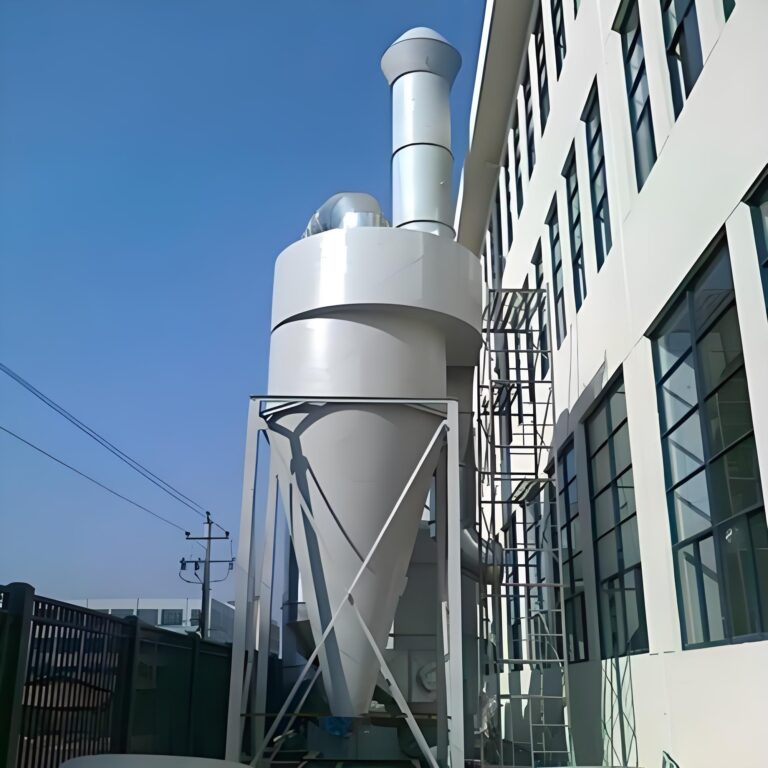
Обрабатываемый материал диктует особые потребности. Строгальные и фуговальные станки, производящие крупную стружку, требуют высокого CFM для транспортировки стружки. Шлифовальные машины, генерирующие мелкие частицы, требуют высокой эффективности фильтрации. Для инструментов, производящих стружку, настоятельно рекомендуется использовать предварительный сепаратор (циклон). Он продлевает срок службы фильтра и поддерживает стабильный воздушный поток, удаляя сыпучий материал до того, как он попадет в фильтр. В таблице ниже приведены эти взаимосвязанные технические соображения.
| Рассмотрение | Ключевая спецификация / правило | Воздействие на систему |
|---|---|---|
| Рейтинг фильтра | 1, 2,5 или 5 микрон | Уровень здоровья и безопасности |
| Более тонкие фильтры | Повышенная устойчивость | Уменьшает поток воздуха |
| Правило для воздуховодов | Площадь поперечного сечения | Регулирует пропускную способность |
| 6″ к двойному 4″ | Потенциальное узкое место (28,3 против 25,2 кв. дюйма) | Непреодолимое ограничение |
| Производство чипов | Требуется предварительный сепаратор | Защищает срок службы фильтра |
Источник: NFPA 652. Стандарт требует проведения анализа опасности пыли (DHA), который непосредственно определяет такие параметры проектирования, связанные с безопасностью, как выбор фильтра и геометрия системы, чтобы снизить риск пожара и взрыва от горючей пыли.
Каковы скрытые расходы на владение портативным пылесборником?
Экосистема аксессуаров
Цена покупки составляет лишь малую часть от общей стоимости. Текущие расходы заключаются в экосистема аксессуаров: сменные фильтровальные мешки, шланги, зажимы и предварительные сепараторы. Эти компоненты определяют долгосрочные расходы и жизнеспособность системы. Рассматривайте коллектор как платформу; его гибкость и эксплуатационные расходы определяются доступностью и ценой совместимых деталей. Установка с собственными или дорогостоящими фильтрами может стать финансовым бременем.
Обеспечение соответствия требованиям будущего
Модернизация фильтрации может превратиться из передовой практики в нормативную необходимость. По мере повышения осведомленности о качестве воздуха в производственных помещениях более строгие стандарты в цехах могут потребовать фильтрации на уровне HEPA. Защитите свои инвестиции на будущее, выбрав устройства с возможностью модернизации фильтра. Это позволит избежать преждевременного устаревания и обеспечить соответствие требованиям, не требуя полной замены системы. Я видел, как предприятия несли значительные незапланированные расходы, не учитывая эту эволюцию.
Расчет общей стоимости владения
Всесторонний анализ затрат должен выходить за рамки счета-фактуры. В таблице ниже приведены категории, составляющие истинную совокупную стоимость владения, которая часто намного превышает первоначальные капитальные затраты и имеет решающее значение для оценки жизнеспособности системы в перспективе 5-10 лет.
| Категория затрат | Типичные компоненты | Долгосрочное воздействие |
|---|---|---|
| Экосистема аксессуаров | Шланги, зажимы, пакеты | Периодические расходы |
| Сменные фильтры | Первичные и вторичные пакеты | Текущие эксплуатационные расходы |
| Предварительные сепараторы (циклон) | Предварительное дополнение | Продлевает срок службы фильтра |
| Модернизация системы фильтрации | Потенциал уровня HEPA | Будущие расходы на обеспечение соответствия |
| Общая стоимость владения | Значительно превышает цену покупки | Фактор жизнеспособности системы |
Источник: Техническая документация и отраслевые спецификации.
Как спланировать работу с цеховой средой и подпиточным воздухом
Вытяжка внутри помещения по сравнению с наружной вентиляцией
Коллектор, перемещающий 1500+ CFM, значительно нарушает воздушный баланс в вашем магазине. Если Вытяжка отфильтрованного воздуха в помещении, Микронный рейтинг фильтра имеет решающее значение для обеспечения качества воздуха в помещении. Если вентиляция на открытом воздухе, Вы постоянно кондиционируете новый наружный воздух, что является существенным скрытым расходом для систем отопления и охлаждения. Это решение напрямую влияет как на здоровье оператора, так и на эксплуатационные расходы.
Острая необходимость в приточном воздухе
Вентиляция на открытом воздухе создает отрицательное давление внутри цеха. Это отрицательное давление должно быть снято путем приточный воздух, Всасывается через щели, двери или специальную систему. В плотно закрытых цехах отсутствие запланированного приточного воздуха может привести к голоданию пылесборника, снижая его эффективность. Более опасно то, что это может привести к завоздушиванию приборов для сжигания (печей, водонагревателей), создавая потенциальную опасность обратной тяги и угарного газа.
Интеграция воздушного баланса в проектирование
Планирование такого воздухообмена является неотъемлемой частью проектирования системы. Это скрытая системная стоимость, которая влияет на производительность коллектора, комфорт в цеху и безопасность. Требование о достаточном количестве подпиточного воздуха - это принцип, который подчеркивается такими стандартами безопасности оборудования, как ISO 12100, В соответствии с ним необходимо устранить все опасности, возникающие при эксплуатации оборудования и его интеграции в рабочее место.
Портативные и централизованные системы: Что подойдет именно вам?
Оценка рабочего процесса и масштаба
Выбор зависит от рабочего процесса и масштаба. Переносные коллекторы отличаются гибкостью при работе с мобильными инструментами или на одной станции, что делает их идеальными для работы на стройплощадке или в небольших мастерских с ограниченным количеством оборудования. Однако их основным ограничением является общий воздушный поток; при одновременной работе нескольких инструментов CFM разделяется, что приводит к снижению производительности всех соединений. Централизованные системы с выделенными воздуховодами обеспечивают постоянный сбор большого количества воздуха при фиксированном расположении оборудования, но требуют значительных затрат на установку и не обладают мобильностью.
Сегментация рынка и интеллектуальные системы
Рынок четко сегментируется. С одной стороны, это интеллектуальные, настраиваемые системы, ориентированные на потребителей и небольшие магазины, в которых особое внимание уделяется гибкости. С другой - прочные промышленные устройства с высоким циклом работы, рассчитанные на надежность и обслуживание в жестких условиях эксплуатации. Путь определяют ваши эксплуатационные потребности. Отдайте предпочтение гибкому изменению конфигурации для меняющихся проектов или отдайте предпочтение фиксированному, высокопроизводительному сбору для повышения эффективности производства.
Избежать гибридного компромисса
Гибридные решения, пытающиеся преодолеть этот разрыв, часто не удовлетворяют ни одной из крайностей. Переносное устройство, направленное на несколько станций, обычно работает плохо, в то время как централизованная система, модифицированная для мобильности, оказывается под угрозой. Приведенная ниже таблица поясняет идеальные варианты использования, подчеркивая, что выбор - это стратегическое решение, касающееся вашей основной операционной модели.
| Тип системы | Характеристика воздушного потока | Идеальный вариант использования |
|---|---|---|
| Портативный коллектор | Гибкий, мобильный | Работа на стройплощадке |
| Использование на одной станции | Небольшие магазины | |
| Централизованная система | Постоянные большие объемы | Стационарное оборудование |
| Выделенный воздуховод | Несколько станций | |
| Гибридные решения | Часто неэффективны | По возможности избегайте |
Источник: ISO 12100. Этот стандарт обеспечивает основу для оценки рисков, гарантируя, что выбранный тип системы адекватно учитывает опасности, связанные с рабочим процессом, масштабом и взаимодействием оператора, присущие данному приложению.
Схема принятия решения по выбору коллектора, состоящая из 5 этапов
Шаг 1: Рассчитайте CFM инструмента
Используйте формулу CFM (скорость x площадь отверстия) для вашего самого большого инструмента, который производит больше всего пыли. Таким образом, устанавливается базовый уровень, который не подлежит обсуждению at-tool требуемый расход воздуха. Не приступайте к работе без этого расчетного показателя.
Шаг 2: Составление карты устойчивости системы
Учитывайте все сопротивления: длину шланга, каждый изгиб, предварительный сепаратор и фильтр. Выберите коллектор с номинальным статическим давлением (в идеале >10″ H₂O для надежной работы), способный преодолеть это общее сопротивление и доставить требуемый CFM к торцу инструмента.
Шаг 3: Определите портативность и мощность
Определите, какая мобильность вам нужна: передвижение внутри цеха или полная независимость на рабочей площадке. От этого зависит класс изделия (электрический или дизельный) и требования к источнику питания. Этот шаг позволяет согласовать эксплуатационную схему машины с реальностью рабочего процесса.
Шаг 4: Приоритет фильтрации и соответствия требованиям
Выбирайте фильтр с микронным рейтингом, который отвечает текущим целям охраны здоровья и позволяет в будущем перейти на HEPA или другие стандарты. Заранее учитывайте стоимость и доступность сменных фильтров. Для работ, связанных с мелкодисперсной горючей пылью, проконсультируйтесь с NFPA 652 Стандарт необходим для обеспечения безопасности.
Шаг 5: Планирование всей системы
Учитывайте геометрию воздуховодов, требования к приточному воздуху и всю экосистему аксессуаров. Помните, Системная интеграция превосходит производительность автономного коллектора. Целостная конструкция коллектора, воздуховодов и интерфейсов инструментов определяет конечную эффективность и безопасность. Ценность представляют решения, учитывающие эту полную картину, такие как конфигурируемые промышленные системы сбора пыли.
Правильный пылесборник - это не тот, у которого самый высокий CFM, а тот, чьи возможности по давлению соответствуют сопротивлению вашей системы и обеспечивают требуемый CFM там, где это важно. Приоритет отдавайте статическому давлению, учитывайте общую стоимость владения и проектируйте с учетом полного воздушного баланса. Эти технические решения напрямую влияют на безопасность, эффективность и долгосрочные эксплуатационные расходы.
Нужна профессиональная оценка для вашего конкретного применения? Инженеры из PORVOO поможет вам применить эту схему для выбора или разработки системы, отвечающей вашим точным техническим и эксплуатационным требованиям.
Часто задаваемые вопросы
Вопрос: Как точно рассчитать требуемый CFM для конкретного инструмента, например, настольной пилы?
О: Используйте инженерную формулу CFM = скорость захвата х площадь колпака. Для деревообработки стандартной является скорость улавливания 4000 футов в минуту. Измерьте площадь пылевого отверстия вашего инструмента; для круглого отверстия диаметром 4 дюйма (0,087 кв. фута) требуется около 350 CFM на инструмент. Этот расчет очень важен, так как выбор коллектора только на основе его максимального заявленного CFM приведет к занижению производительности. Для проектов, в которых контроль пыли имеет решающее значение для безопасности, вы должны сначала выполнить этот расчет для конкретного инструмента, используя такие ресурсы, как Руководство по промышленной вентиляции ACGIH для проектных данных.
Вопрос: Почему статическое давление более важно, чем CFM, при определении размера портативного пылесборника для сложной установки?
О: Статическое давление (SP) измеряет силу, необходимую для преодоления сопротивления шлангов, изгибов и фильтров, а CFM - это объем перемещаемого воздуха. Рекламируемый CFM коллектора - это номинальная производительность на свободном воздухе; фактический CFM снижается по мере увеличения сопротивления системы (SP). Агрегаты рассчитаны на определенное SP, например, 9-10 дюймов водяного столба для модели 1,5HP. Это означает, что на объектах с длинными шлангами или многочисленными изгибами следует отдавать предпочтение напорной способности коллектора, а не его пиковому CFM, чтобы гарантировать, что требуемый поток воздуха действительно достигнет инструмента.
В: Каковы скрытые долгосрочные затраты на владение портативным пылеуловителем?
О: Цена покупки - это только первоначальные затраты. Значительные текущие расходы приходятся на экосистему аксессуаров: сменные фильтровальные мешки, шланги, зажимы и дополнительные предварительные сепараторы. Кроме того, меняющиеся нормы качества воздуха могут потребовать в будущем дорогостоящей модернизации фильтрации до стандартов уровня HEPA. Если ваша работа требует долгосрочного соблюдения норм и низких эксплуатационных расходов, планируйте систему с легкодоступными и недорогими расходными материалами и возможностью обновления фильтрующего картриджа, чтобы избежать преждевременного устаревания.
Вопрос: Как вентиляция пылесборника на открытом воздухе может привести к необходимости планирования подпиточного воздуха?
О: Выброс воздуха наружу создает отрицательное давление внутри помещения. Этот вакуум должен быть уравновешен подпиточным воздухом, поступающим через двери, окна или специальную систему. В плотно закрытом цехе отсутствие запланированного подпиточного воздуха может привести к голоданию пылесборника и приборов для сжигания топлива, таких как печи, снижая производительность и создавая угрозу безопасности. Это означает, что предприятия, планирующие вентиляцию на открытом воздухе, должны учитывать скрытые затраты на кондиционирование поступающего воздуха и обеспечение безопасного и адекватного воздухообмена.
Вопрос: Когда централизованная система сбора пыли предпочтительнее нескольких переносных устройств?
О: Централизованные системы лучше всего подходят для стационарных установок, требующих постоянного сбора большого количества материала с нескольких инструментов, работающих одновременно. Переносные устройства отличаются гибкостью для мобильных инструментов или использования на одной станции, но не могут эффективно обслуживать несколько инструментов одновременно без снижения расхода воздуха. Выбор зависит от ваших производственных потребностей: приоритет отдается гибкому изменению конфигурации для динамичных цехов или инвестициям в стационарную систему с воздуховодом для высокопроизводительных стационарных станций, поскольку гибридные решения часто не могут эффективно удовлетворить ни одну из крайностей.
В: Какие технические факторы, помимо CFM, определяют эффективность пылеуловителя для различных материалов?
О: Три ключевых элемента: микронный рейтинг фильтра, геометрия воздуховода и тип материала. Более тонкие фильтры (например, 2,5 микрона) улавливают опасную вдыхаемую пыль, но увеличивают сопротивление системы. Воздуховоды должны быть подобраны по площади поперечного сечения, чтобы избежать узких мест; один 6-дюймовый воздуховод может не обеспечить достаточную подачу воздуха к двум 4-дюймовым отверстиям инструмента. Инструменты, производящие стружку, такие как рубанки, нуждаются в высоком CFM, в то время как шлифовальные машины требуют высокой фильтрации. Это означает, что вы должны выбрать коллектор и спроектировать его воздуховод как интегрированную систему, а не просто отдельный блок, чтобы справиться с конкретными опасностями, связанными с материалом.
В: Как стандарты безопасности, такие как NFPA 652, влияют на выбор и размер портативного пылесборника?
О: NFPA 652 требует проведения анализа пылевой опасности (DHA) для предприятий, работающих с горючей пылью. Этот анализ непосредственно влияет на выбор оборудования, требуя, чтобы коллекторы были правильно подобраны по размеру и оборудованы для снижения риска взрыва, что может повлиять на требования к CFM и статическому давлению. Соблюдение этого стандарта является основным условием безопасности. Для предприятий, перерабатывающих древесину, металл или другие горючие порошки, необходимо включить результаты анализа DHA в спецификацию коллектора, чтобы убедиться, что выбранное устройство соответствует критическим параметрам безопасности.