При шлифовании реактивных металлов основной задачей безопасности является не борьба с пылью, а предотвращение ее взрывоопасности. Алюминиевая, магниевая и титановая пыль - это не просто неприятность; это мощный источник топлива, который может воспламениться с катастрофическими последствиями. Многие предприятия ошибочно относятся к уборке пыли как к хозяйственному вопросу, игнорируя особые и строгие требования к обработке горючих металлов. Такое несоответствие стандартам безопасности, таким как NFPA 484, создает значительную, часто непризнанную ответственность.
Нормативная и технологическая база в области обеспечения безопасности при работе с пылью меняется. Переход от NFPA 484 к объединенному NFPA 660 подчеркивает более широкий переход к принципам безопасного проектирования (ISD). Эта эволюция ставит во главу угла предотвращение опасности в самом источнике, а не сложные и дорогостоящие системы смягчения последствий. Для руководителей предприятий и инженеров по безопасности понимание этого изменения имеет решающее значение для соблюдения требований, управления рисками и осуществления обоснованных капиталовложений в инфраструктуру безопасности, которая соответствует как действующим нормам, так и будущим тенденциям.
Опасность горючей пыли: Понимание пятиугольника взрыва
Пять элементов риска
Для взрыва пыли необходимо одновременное присутствие пяти элементов: топлива (горючей пыли), кислорода, источника воспламенения, рассеивания и удержания. Реактивная металлическая пыль, образующаяся при шлифовании, является высокоэнергетическим топливом. В мастерской часто присутствуют обычные источники воспламенения - искры от шлифовки, статическое электричество или горячие поверхности. Опасность представляет не только первичный взрыв; первоначальная взрывная волна может нарушить устоявшиеся слои пыли, создав более крупное и разрушительное вторичное облако. Стратегическая цель любой инженерной системы безопасности - решительно устранить один или несколько элементов этого пятиугольника.
Почему реактивные металлы особенно опасны
Алюминиевая, магниевая и титановая пыль обладает низкой энергией воспламенения и может гореть при очень высоких температурах. Их частицы часто мелкие и легко взвешиваются в воздухе, создавая идеальную смесь горючего и окислителя. Эксперты отрасли отмечают, что распространенной ошибкой является недооценка взрывоопасности этих материалов, особенно при изменении технологических процессов или внедрении новых сплавов. Тщательный анализ опасности пыли (DHA) - это не просто рекомендация; это обязательный первый шаг, позволяющий определить конкретный профиль риска вашего предприятия.
Философия "Профилактика превыше всего
Системы влажной вентиляции разработаны с учетом принципов профилактики и направлены на топливо элемент у его источника. Благодаря немедленному инертированию пыли система удаляет взрывоопасный материал из уравнения до того, как он успеет накопиться или подняться в воздух в опасной концентрации. Такой подход принципиально отличается от сухого сбора, который концентрирует топливо, а затем полагается на вторичные системы для контроля неизбежной опасности. По моему опыту рассмотрения протоколов безопасности, предприятия, которые принимают такой подход к профилактике, часто обнаруживают ранее не устраненные уязвимые места в своей общей стратегии управления пылью.
Принцип работы систем с водяной вытяжкой: Принцип мокрой инерции
Захват источника и немедленное гашение
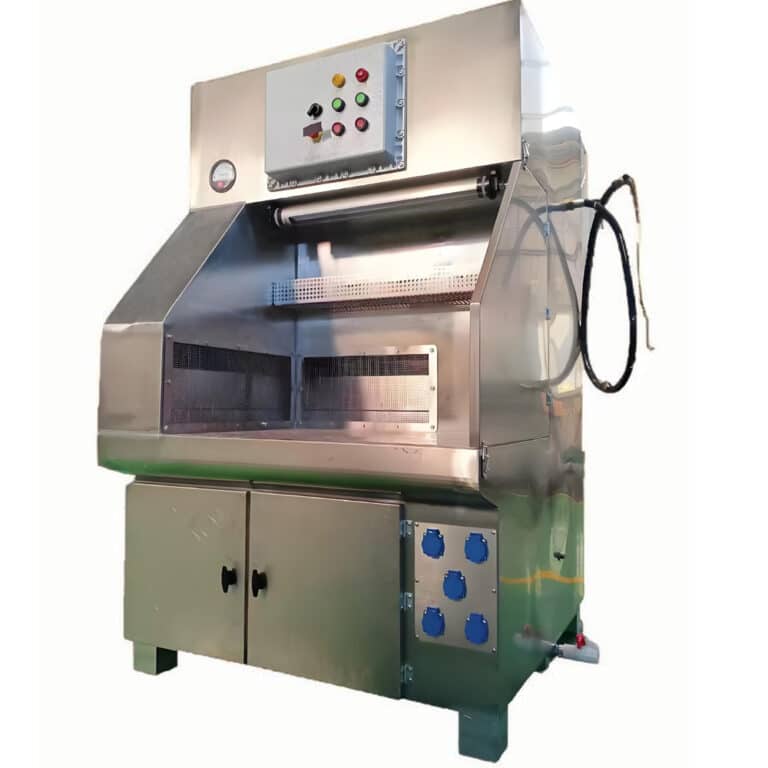
Стол с мокрой вентиляцией объединяет перфорированную рабочую поверхность над водяной баней. Мощный вентилятор создает постоянную нисходящую струю, обычно от 2 000 до 6 000 CFM, втягивая пыль и искры прямо вниз через решетку. Это очень важно - пыль не попадает в зону дыхания оператора и не рассеивается по цеху. Основной механизм безопасности мгновенно срабатывает в погруженном пленуме: бурное перемешивание с водяной завесой гасит искры и инкапсулирует частицы пыли.
Превращение из опасности в осадок
Процесс мокрого всасывания превращает сухую взрывоопасную пыль во влажный негорючий осадок. Затем очищенный воздух проходит через туманоуловители для удаления капель воды, после чего рециркулируется обратно в помещение или удаляется. Эта конструкция воплощает в себе безопасность, поскольку устраняет опасность, а не контролирует ее. Мы сравнили сухой и мокрый способы улавливания в точке образования и обнаружили, что мокрый метод снижает потенциальную взрывоопасность до нуля на этом критическом участке.
Автоматизированные средства защиты и надежность
Современные системы включают в себя автоматические средства защиты, которые исключают человеческий контроль как потенциальную точку отказа. Стандартные выключатели низкого уровня воды отключают вентилятор, если уровень инертной среды опускается ниже безопасного уровня. Такой автоматизированный контроль обеспечивает надежное круглосуточное управление рисками. Согласно исследованиям NFPA, наиболее эффективными средствами инженерного контроля являются встроенные отказоустойчивые механизмы, не требующие вмешательства оператора для выполнения основных функций безопасности.
Соответствие требованиям NFPA 484/660: Почему мокрые системы являются предпочтительным средством контроля
Нормативные требования к влажному сбору
Стандарт NFPA 484 (теперь входящий в состав более широкого стандарта NFPA 660) является окончательным авторитетом в области горючих металлов. Для реактивной обработки металлов он содержит важнейшее указание: запрет на сухой методы сбора, где существует опасность взрыва. Сухие системы концентрируют топливо внутри, требуя дорогостоящих вторичных средств защиты. В отличие от них, системы мокрого сбора признаны в качестве превентивного инженерного контроля и соответствуют требованиям стандарта, сохраняя пыль инертной на протяжении всего процесса улавливания. Это делает мокрый сбор обязательным для предприятий, работающих с такими металлами, как алюминий и магний.
Понимание иерархии соответствия
Стандарт устанавливает четкую иерархию мер контроля. Предпочтение отдается предотвращению с помощью влажного введения, а не стратегиям смягчения последствий, таким как взрывное вентилирование. Руководители предприятий должны сначала провести аудит своих процессов на предмет NFPA 484 перед любыми инвестициями в пылеулавливание, поскольку соблюдение требований не подлежит обсуждению. Это требование создает рынок, ориентированный на специалистов; при закупках следует отдавать предпочтение поставщикам с глубоким опытом работы с NFPA, а не обычным поставщикам, которые могут не понимать всех тонкостей законодательства и безопасности.
Таблица методов контроля
Следующая таблица поясняет фундаментальные различия в безопасности и соответствии требованиям между двумя основными подходами к контролю, как они сформулированы в стандарте NFPA.
| Метод контроля | Первичный подход к обеспечению безопасности | Требуется вторичная защита |
|---|---|---|
| Сбор сухой пыли | Смягчение опасностей | Взрывозащищенные вентиляционные отверстия, подавление |
| Система влажной вытяжки | Предотвращение опасности | Автоматизированные средства контроля безопасности |
| Требование NFPA 484 | Запрет на сухой сбор | Там, где существует опасность взрыва |
Источник: Стандарт NFPA 484 для горючих металлов. Этот стандарт однозначно запрещает сухие методы сбора реактивных металлов, если существует опасность взрыва, и требует применения превентивных мер, таких как влажная инертная обработка, чтобы соответствовать его намерениям.
Основные конструктивные особенности промышленных столов с мокрой вытяжкой
Материалы и конструкция для долговечности
Эффективные системы разработаны с учетом суровых условий влажной среды и коррозионного потенциала металлического шлама. Для изготовления всех мокрых секций обычно используется коррозионностойкая нержавеющая сталь марки 304. Рабочие поверхности - это решетчатый алюминий или стекловолокно, выбранные с учетом долговечности и устойчивости к искрам. Выбор этих материалов не является произвольным; это прямой ответ на эксплуатационные требования и требования к долговечности в промышленных условиях с высоким циклом работы, особенно в аэрокосмической и оборонной промышленности.
Интегрированные системы безопасности и управления
Взрывозащищенные двигатели и электрические компоненты - обязательное условие, чтобы сама система не стала источником возгорания. Кроме того, в стандартную комплектацию входят встроенные автоматизированные системы управления. Они включают в себя запорные устройства низкого уровня воды, мониторы воздушного потока и сигнализацию высокого уровня осадка. Эти функции обеспечивают замкнутую систему безопасности. Ключевой деталью, которую легко упустить из виду, является калибровка и регулярное тестирование этих датчиков для обеспечения их работы в течение всего срока службы системы.
Оптимизированный воздушный поток и условия работы оператора
В передовых конструкциях часто используется система “возврата воздуха”. Она направляет очищенный кондиционированный воздух обратно в зону оператора, создавая тонкую воздушную завесу. Это служит двум целям: улучшает локализацию, отгоняя любую пыль к месту улавливания, и повышает комфорт оператора за счет уменьшения сквозняков. Выбор системы с правильным промышленный стол для мокрого шлифования зависит от этих интегрированных функций, которые поддерживают безопасность и производительность.
В приведенной ниже таблице указаны важнейшие компоненты, определяющие высокопроизводительную, отвечающую всем требованиям систему мокрой приточной вентиляции.
| Категория характеристики | Конкретный компонент/параметр | Назначение/Стандарт |
|---|---|---|
| Строительный материал | Нержавеющая сталь 304 | Устойчивость к коррозии |
| Рабочая поверхность | Алюминий/ стекловолокно с решеткой | Долговечность, искростойкость |
| Электрические компоненты | Взрывозащищенные двигатели | Предотвращение источника зажигания |
| Автоматизированная безопасность | Запорный переключатель низкого уровня воды | Управление рисками 24/7 |
| Дизайн воздушного потока | “Система ”Набрать воздух" | Воздушная завеса для оператора |
Источник: Техническая документация и отраслевые спецификации.
Особые указания по титану и другим реактивным металлам
Критическое расхождение для титана
Хотя вода эффективно нейтрализует большинство металлов, она может выступать в качестве окислителя и ускорителя горения титана. Это создает критическое расхождение в конструкции, предусмотренное как рекомендациями NFPA, так и практикой отрасли. Для измельчения титана системы должны быть настроены на использование нейтрализующего масла или другой подходящей инертной жидкости вместо воды. Это подчеркивает фундаментальное правило: инертизация конкретного материала диктует конструкцию системы. Универсальная жидкая среда создает катастрофический риск.
Необходимость проведения анализа пылевой опасности (DHA)
Эта необходимость подчеркивает абсолютную важность анализа пылевой опасности. DHA - это не просто бумажная работа; это криминалистическое исследование ваших конкретных материалов, процессов и потенциальных источников возгорания. Он является основой консультативного процесса разработки спецификаций, гарантирующего, что с самого начала будет внедрен правильный протокол безопасности, вплоть до текучей среды. Пропуск этого шага или использование общих предположений чревато серьезными неприятностями.
Протокол смены материалов
На предприятиях, где обрабатывается несколько металлов, должны быть предусмотрены строгие процедуры смены жидкостей и обеззараживания системы. Перекрестное загрязнение системы на водной основе титановой пылью или наоборот может свести на нет конструкцию безопасности. Эксперты рекомендуют использовать четкие протоколы блокировки/отключения и очистки, часто включающие ручное удаление осадка и промывку системы, подтвержденные компетентным специалистом перед сменой материалов. Эта эксплуатационная дисциплина так же важна, как и само оборудование.
Сравнение систем сухой и влажной пылеуборки
Философское различие: Предотвращение и смягчение последствий
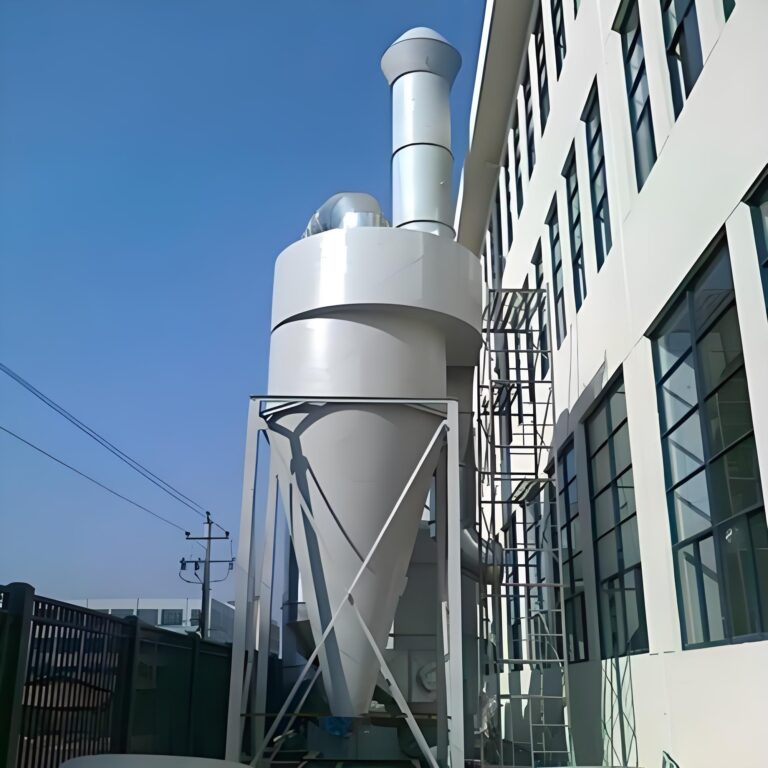
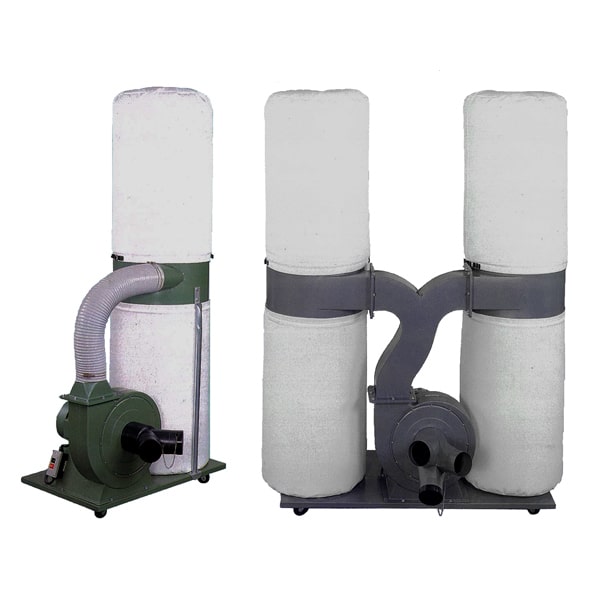
Основное различие носит философский характер. Мокрые системы предназначены для предотвращения взрыва. Сухие коллекторы, такие как картриджные или рукавные системы, предназначены для удержания и выживания при взрыве, что требует набора дополнительных средств защиты. Это отражает более широкую нормативную тенденцию, закрепленную в таких стандартах, как NFPA 484, где предпочтение отдается принципам безопасной конструкции (ISD). Дальновидные компании внедряют ISD, чтобы опередить изменяющиеся нормы и снизить основной риск.
Компромиссы между стоимостью и сложностью
Сухие системы концентрируют сухую пыль, что требует значительных дополнительных затрат на проектирование: взрывобезопасные вентиляционные отверстия, системы химического подавления, запорные клапаны и воздуховоды, которые сами должны быть рассчитаны на давление. Мокрые системы с нисходящей тягой обменивают эти значительные капитальные затраты и сложность на другие эксплуатационные требования - в частности, управление качеством воды и плановое удаление осадка. Матрица принятия решения зависит от того, что предпочтет организация: более высокие первоначальные капитальные затраты (сухие системы с защитой) или более высокую степень внимания к текущей эксплуатации (мокрые системы).
В следующей таблице приведены эксплуатационные и безопасные компромиссы между двумя типами систем.
| Атрибут системы | Система влажной вытяжки | Система сухого сбора |
|---|---|---|
| Основная философия безопасности | Предотвращение опасности | Смягчение опасностей |
| Состояние взрывоопасного топлива | Пыль инертная (мокрый осадок) | Пыль концентрированная (сухая) |
| Вторичная защита | Минимальный (автоматизированные средства управления) | Обширные (вентиляционные отверстия, подавление) |
| Ориентация на капитальные затраты | Управление системами и жидкостями | Системы сбора и защиты |
| Первичное техническое обслуживание | Удаление осадка, качество воды | Замена фильтров, очистка воздуховодов |
Примечание: Мокрые системы отличаются более высоким уровнем эксплуатационного обслуживания за счет более низкого риска взрыва.
Источник: Стандарт NFPA 484 для горючих металлов. Предпочтение, отдаваемое в стандарте предотвращению, а не смягчению последствий, объясняется фундаментальными различиями в безопасности и конструкции между этими двумя подходами к контролю.
Выбор подходящей системы: Размер, CFM и конфигурация
Соотнесение технических характеристик с рабочим процессом
Выбор - это процесс согласования технических характеристик с физическим и рабочим процессом. Размер стола (например, 36″x36″, 36″x72″) должен вмещать самую большую типичную заготовку. Соответствующий CFM должен обеспечивать достаточную скорость движения воздуха (обычно 150-200 FPM) для улавливания пыли от используемых инструментов. Распространенной ошибкой является занижение CFM для данной площади стола, что приводит к выбросу мелких частиц по краям зоны улавливания.
Нелинейная природа масштабирования
Очень важно, что масштабирование не является линейным. Увеличение площади рабочей поверхности на 100% не равнозначно увеличению требуемого CFM на 100%. Из-за краевых эффектов и необходимости поддерживать скорость захвата на большей площади может потребоваться увеличение воздушного потока на 140% или более и соответствующей мощности вентилятора. Эта нелинейная зависимость напрямую влияет на капитальные затраты (размер двигателя) и эксплуатационные расходы (потребление энергии).
Конфигурация, определяемая эффективностью работы оператора
Конфигурация определяется планировкой цеха и рабочим процессом оператора. На выбор предлагаются односторонние станции для размещения у стены, установки встык для эффективного использования площади или кабины с открытым фронтом для крупных или неудобных деталей. Анализ рабочего процесса перед покупкой очень важен. Он обеспечивает эффективный захват источников без снижения производительности, влияя как на безопасность, так и на окупаемость инвестиций благодаря беспрепятственному выполнению рабочих циклов.
Используйте следующую таблицу в качестве отправной точки для определения ключевых технических критериев отбора.
| Фактор выбора | Типичный диапазон/пример | Ключевое соображение |
|---|---|---|
| Размер стола | От 36″x36″ до 36″x72″ | Размеры заготовки |
| Расход воздуха (CFM) | От 2,000 до 6,000 CFM | Достаточная скорость движения лица |
| Требование к масштабированию | 140% Увеличение CFM | Для увеличения площади 100% |
| Конфигурация | Односторонние, встык | Рабочий процесс оператора |
Источник: Техническая документация и отраслевые спецификации.
Внедрение, обслуживание и лучшие практики эксплуатации
Основание: Анализ опасности пыли (DHA)
Успешное внедрение начинается не с выбора оборудования, а с обязательного анализа опасностей, связанных с пылью. DHA определяет конкретные риски, выявляет пробелы в соблюдении требований OSHA 1910.252 для горячих работ и NFPA 484 для металлов, и определяет необходимые критерии производительности системы пылеулавливания. Поставщики, предлагающие или способствующие созданию DHA, позиционируют себя как партнеров по соблюдению требований, а не просто продавцов оборудования.
Дисциплина обслуживания влажной системы
Хотя мокрые системы исключают замену фильтров, они предусматривают другой режим обслуживания. Он включает в себя периодическое удаление осадка, контроль качества воды и pH (для предотвращения коррозии или биологического роста), а также проверку всех автоматических средств контроля безопасности. Журнал технического обслуживания становится важнейшим документом по соблюдению требований. На объектах, которые я оценивал, наиболее надежными оказались системы с плановым, основанным на контрольных списках техническим обслуживанием, за которое отвечает конкретный человек.
Решение о совокупной стоимости владения
Организации должны оценить общую стоимость владения. При этом взвешиваются текущие эксплуатационные расходы на обслуживание мокрых систем в сравнении с совокупными капитальными затратами, расходами на замену фильтров и остаточным риском, присущим вторичным средствам защиты, необходимым для сухих систем. Решение не только техническое, но и финансовое, и культурное, отражающее толерантность организации к риску и ее приверженность философии безопасности, основанной на профилактике и требуемой современными стандартами.
Приоритетом для любого производства, работающего с химически активными металлами, является устранение горючего элемента пятиугольника взрыва в самом источнике. Это делает мокрое инертирование с помощью столов с нисходящей тягой не просто техническим выбором, а императивом соответствия требованиям NFPA 484. Принятие решения должно начинаться с анализа пылевой опасности, фокусироваться на инертизации конкретного материала и взвешивать общую стоимость владения по сравнению с предотвращением и смягчением последствий.
Нужны профессиональные рекомендации по выбору подходящего решения для мокрой вытяжки для ваших процессов реактивной металлургии? Инженеры из PORVOO специализируемся на воплощении требований NFPA и OSHA в эффективные, спроектированные системы безопасности. Свяжитесь с нами, чтобы обсудить ваше применение.
Часто задаваемые вопросы
Вопрос: Разрешает ли NFPA 484 сухой сбор пыли для реактивных металлов, таких как алюминий?
О: Нет, стандарт NFPA 484 (теперь в составе NFPA 660) однозначно запрещает сухие методы сбора, если существует опасность взрыва реактивных металлов. Стандарт предписывает профилактический инженерный контроль, который обеспечивает инертность пыли во время улавливания. Таким образом, для предприятий, работающих с алюминием или магнием, мокрые системы сбора пыли являются обязательным требованием, а не вариантом. Это означает, что предприятия, перерабатывающие эти материалы, должны отдавать предпочтение системам мокрого вдувания и проводить анализ опасности пыли перед покупкой любого оборудования.
Вопрос: Как стол с водяной вытяжкой нейтрализует взрывоопасную пыль?
О: В нем используется принцип, называемый мокрой инерцией. Мощный вентилятор втягивает насыщенный пылью воздух и искры через решетчатую поверхность в герметичную водяную ванну, где происходит бурное перемешивание воздушного потока с водяной завесой. Этот процесс мгновенно гасит источники воспламенения и инкапсулирует частицы пыли, превращая их во влажный, негорючий осадок. В проектах, где происходит реактивное измельчение металла, такая конструкция устраняет топливный элемент пятиугольника взрыва в самом источнике, обеспечивая безопасность.
Вопрос: Какие критические характеристики безопасности следует искать в промышленном столе с мокрой вытяжкой?
О: Отдавайте предпочтение системам с взрывозащищенными двигателями, автоматизированными средствами управления безопасностью, такими как выключатели с низким уровнем воды и мониторы воздушного потока, а также коррозионностойким конструкциям, например из нержавеющей стали 304 для мокрых секций. Эти интегрированные функции обеспечивают надежное управление рисками в режиме 24/7, устраняя возможность отказа из-за человеческого надзора. Если для вашей работы требуется высокая надежность, планируйте использование этих функций, которые являются стандартом для аэрокосмической и оборонной промышленности, чтобы соответствовать требованиям NFPA и OSHA 1910.252 вентиляция и контроль воспламенения.
В: Можно ли использовать для шлифовки титана стандартный стол с мокрой сушкой?
О: Нет, использование воды при работе с титаном создает критическую опасность, поскольку вода может выступать в качестве ускорителя возгорания титана. Рекомендации NFPA и промышленная практика требуют использовать вместо воды нейтрализующее масло или другую подходящую инертную жидкость. Это означает, что перед выбором системы необходимо провести тщательный анализ опасности конкретного материала. Если на вашем предприятии обрабатывается титан, вы должны сотрудничать со специализированным поставщиком, чтобы сконфигурировать систему с правильной жидкой средой во избежание катастрофического риска.
Вопрос: Как правильно подобрать размер системы влажной вытяжки для конкретного рабочего места?
О: При определении размеров необходимо соотнести размеры стола и CFM с рабочим процессом, чтобы обеспечить достаточную скорость потока для улавливания пыли. Важно отметить, что масштабирование не является линейным; увеличение площади рабочей поверхности на 100% может потребовать увеличения CFM и мощности двигателя на 140% для поддержания эффективности. Это означает, что перед выбором необходимо провести анализ рабочего процесса, чтобы обеспечить эффективное улавливание источника без снижения производительности, что влияет как на эффективность использования капитала, так и на использование площади.
В: В чем заключается основное эксплуатационное различие между системами мокрого и сухого пылеудаления?
О: Основная разница заключается в философии: мокрые системы предотвращают взрыв путем инертизации пыли в источнике, в то время как сухие системы предназначены для выживания в случае взрыва с помощью вторичных средств защиты. В сухих коллекторах концентрируется сухое топливо, что требует дополнительных затрат и усложняет систему вентиляции и подавления взрыва. Это означает, что организации должны соизмерять текущие эксплуатационные расходы на обслуживание мокрых систем с более высокими капитальными затратами и присущим сухим системам вторичной защиты профилем риска.
Вопрос: Каков первый шаг к внедрению соответствующей требованиям системы контроля пыли при шлифовании металла?
О: Обязательным первым шагом является проведение анализа пылевой опасности (DHA). Эта оценка определяет ваши конкретные материальные риски, источники воспламенения и требования к соблюдению таких стандартов, как NFPA 484. DHA определяет всю техническую стратегию и стратегию закупок. Для предприятий, стремящихся к соблюдению нормативных требований, поставщики, предлагающие DHA, становятся важными партнерами, обеспечивающими разработку правильного протокола безопасности с самого начала.