Точное определение размеров системы пескоудаления - это фундаментальная инженерная задача, имеющая значительные последствия для последующей эксплуатации. Распространенной ошибкой является применение общих правил для пересчета расхода, что приводит к созданию систем, которые либо недоразмерены и выходят из строя во время пиковых нагрузок, либо переразмерены и напрасно расходуют капитал. Настоящий вызов заключается в том, чтобы перевести переменные гидравлические условия и условия загрузки твердых частиц в точную, устойчивую конструкцию, которая защищает весь процесс очистки от абразивных повреждений.
Такая точность сейчас важна как никогда. Регулирующие органы все больше следят не только за эффективностью удаления, но и за качеством удаляемого песка для утилизации или повторного использования. Кроме того, экономическое наказание за некачественное удаление песка - от повреждения насосов и увеличения объема осадка до повышения стоимости утилизации - делает подход к проектированию, основанный на данных, непосредственным фактором, влияющим на стоимость жизненного цикла установки и ее эксплуатационную надежность.
Расчет сердечника: Связь между скоростью потока и емкостью зерен
Недостаток общих коэффициентов
Формула V = Cb × Qp × h × n, основанная на объеме, обманчиво проста. Ее точность полностью зависит от коэффициента нагрузки на зерно (Cb). Использование стандартизированного значения, например, 50×10-⁶ м³/м³, влечет за собой значительный риск. Промышленные эксперты рекомендуют определять этот коэффициент на основе анализа гравия на конкретном участке и данных об интенсивности местных осадков. При проектировании, основанном на общих предположениях, часто не учитываются уникальные характеристики водосбора, такие как объединенные канализационные системы или высокий сток осадков, которые могут резко изменить нагрузку на песок.
От объема к гидравлическим характеристикам
Для систем непрерывного потока производительность определяется гидравлическими параметрами, а не только объемом. Цель - обычно 95% удаление частиц >210 мкм - достигается путем управления скоростью поверхностного перелива (SOR) и временем задержания. Стратегический смысл заключается в том, что расчет пропускной способности состоит из двух этапов: во-первых, необходимо оценить объем зернистой нагрузки, особенно для накопителей ливневых стоков; во-вторых, необходимо спроектировать гидравлический профиль блока удаления для обработки целевого размера частиц при расчетной скорости потока. Это гарантирует правильное функционирование системы как в стационарных, так и в переходных условиях.
Концепция точного определения размера
Для создания надежного проекта необходимо перейти от формул к концепции. Начните с исследования характеристик песка на конкретном участке. Мы сравнили проекты с такими данными и без них и обнаружили, что первые позволили избежать в среднем 20% затрат на непредвиденные расходы в связи с неожиданными проблемами в работе. Затем смоделируйте средний и пиковый поток во влажную погоду, поскольку “первый поток” может доставить на порядки больше песка. Наконец, выберите гидравлические параметры (SOR, скорость), которые откалиброваны под ваш конкретный профиль песка, а не средние значения из учебника.
| Параметр | Символ | Типичное значение / диапазон |
|---|---|---|
| Коэффициент нагрузки на песок | Cb | 50×10-⁶ м³/м³ (общий) |
| Пиковая скорость потока | Qp | Сайт |
| Продолжительность шторма | h | Данные по конкретным объектам |
| Частота событий | n | Зависит от дизайна |
| Удаление цели | Эффективность | 95% частиц размером >210 мкм |
Источник: WEF MOP 8 Проектирование городских станций очистки сточных вод. В данном руководстве представлены основные методики расчета производительности по удалению песка, включая использование коэффициентов загрузки песка и критические параметры проектирования для перевода расхода в требования к объему системы.
Ключевые параметры проектирования: SOR, скорость и время задержания
Первичный контроль: Скорость перелива через поверхность
Поверхностная скорость перелива (SOR), выраженная в м³/м²/ч, является основным конструктивным рычагом, определяющим эффективность осаждения. Более низкая SOR позволяет улавливать более мелкие, медленно оседающие частицы. Требуемое значение SOR не является фиксированным числом, а определяется целевым распределением частиц по размерам и наличием плавучих материалов, таких как гравий, связанный с FOG. Согласно исследованиям [EN 12255-3 Wastewater treatment plants - Part 3: Preliminary treatment](), стандарты проектирования содержат диапазоны, но окончательное значение должно быть выбрано на основе характерной плотности песка и желаемой эффективности удаления.
Балансировка при проектировании каналов
В камерах с горизонтальным потоком песка контроль скорости имеет решающее значение. Скорость в диапазоне 0,25-0,3 м/с поддерживается для осаждения минерального песка и удержания более легких органических твердых частиц во взвешенном состоянии. Время задержки от 2 до 5 минут при пиковом расходе обеспечивает необходимый период пребывания для такого разделения. Эти параметры работают согласованно; увеличение скорости потока, уменьшающее время задержания, должно компенсироваться соответствующей корректировкой геометрии канала для поддержания эффективности осаждения.
Связь параметров с защитой системы
Эти гидравлические параметры существуют для выполнения системной защитной функции. Их калибровка напрямую влияет на абразивный износ оборудования, расположенного ниже по течению. Хорошо спроектированная песколовка с оптимизированными значениями SOR и времени задержания является экономически выгодным активом. По моему опыту, инженеры, которые рассматривают эти параметры как гибкие значения в диапазоне, оптимизируемом с учетом условий участка, добиваются значительного снижения долгосрочных затрат на обслуживание насосов, смесителей и оборудования для обезвоживания.
| Параметр конструкции | Типичный диапазон | Ключевая функция |
|---|---|---|
| Скорость перелива через поверхность (SOR) | Варьируется, ниже для более мелких частиц | Первичный контроль оседания |
| Скорость горизонтального потока | 0,25 - 0,3 м/с | Осаждает песок, взвешивает органику |
| Время задержки (пиковый расход) | 2 - 5 минут | Эффективность осаждения |
| Целевой размер частиц | >210 мкм (часто >150 мкм) | Стандарт эффективности удаления |
Источник: [EN 12255-3 Wastewater treatment plants - Part 3: Preliminary treatment](). Этот европейский стандарт устанавливает основные принципы гидравлического проектирования и диапазоны параметров для установок предварительной очистки, включая скорости загрузки поверхности песочной камеры и скорости потока.
Сравнение технологий: Аэрированные, вихревые и циклонические системы
Механизм и профиль применения
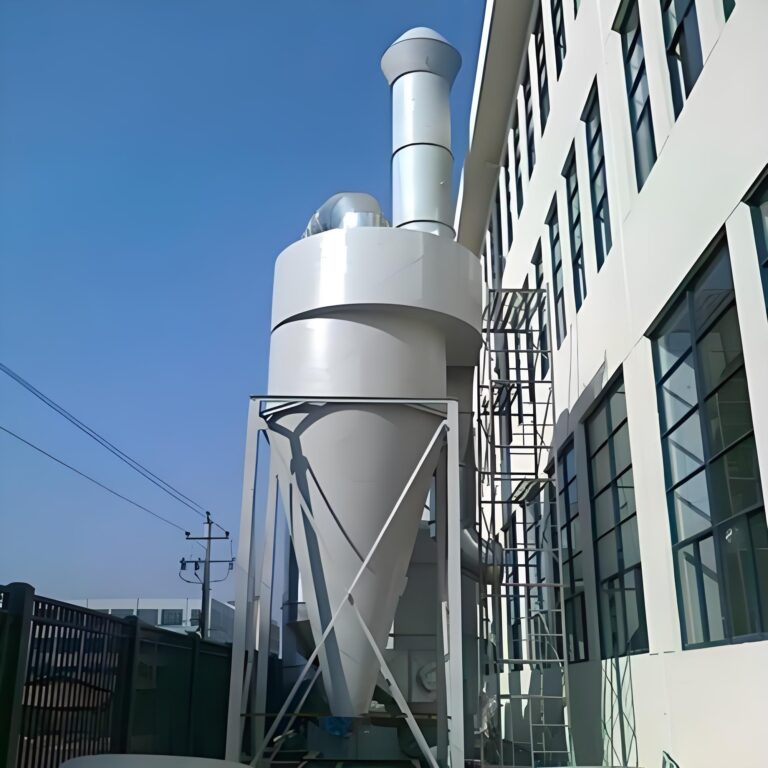
Каждая технология удаления песка работает по отдельному принципу сепарации. Аэрируемые камеры для удаления песка используют рассеянный воздух для создания спирального вала, отмывая органику от песка в длинных каналах. Вихревые установки генерируют управляемый вихрь в цилиндрическом резервуаре, используя механическую энергию или воздух для отделения песка. Компактные циклонические дегриттеры используют центробежную силу, достигая высокой эффективности для крупных частиц при минимальной занимаемой площади. Выбор заключается не в том, что лучше, а в том, какой механизм лучше всего соответствует гидравлическому профилю и характеристикам зернистости в конкретном случае.
Выбор обусловлен составом зерен и площадью
Выбор технологии должен осуществляться после анализа зернистости. Для песка с высоким содержанием FOG, который не поддается осаждению, часто требуются аэрируемые или специализированные вихревые системы с возможностью промывки. Одновременно важным фактором является занимаемая площадь. При модернизации завода или в условиях ограниченного пространства компактность центробежных технологий, таких как Система пескоуловителей Pista становится решающим преимуществом, обеспечивая высокую скорость удаления отходов при меньшей площади, чем требуется для традиционных каналов.
Производительность и эксплуатационные компромиссы
Каждая система имеет свои эксплуатационные особенности. Аэрируемые камеры обеспечивают превосходное отделение органических веществ, но требуют постоянного контроля воздуха. Вихревые системы обеспечивают хорошую очистку от песка при меньшей площади, чем аэрируемые каналы, но могут иметь более высокую механическую сложность. Циклонические установки отличаются простотой и низкой потерей напора, но могут быть менее эффективны при работе с очень мелким или низкоплотным песком. При выборе необходимо сопоставить эти эксплуатационные компромиссы с капитальными затратами и требованиями к техническому обслуживанию на протяжении всего жизненного цикла.
| Технология | Ключевой механизм | Типовое применение / Примечание |
|---|---|---|
| Аэрируемая песочница | Рассеянный воздух (15-30 Вт/м³) | Длинные каналы, органические скрабы |
| Резервуар для песка Vortex | Механический/воздушный вихрь | Цилиндрический резервуар, размах дна >0,3 м/с |
| Циклонический дегриттер | Центробежная сила | Компактная площадь, удаление >300 мкм |
| Целевой показатель эффективности | 95% удаление частиц | Стандартная цель производительности |
Источник: WEF MOP 8 Проектирование городских станций очистки сточных вод. В руководстве представлены сравнительный анализ и критерии проектирования различных технологий удаления песка, включая удельные энергозатраты для аэрированных систем и ожидаемые характеристики.
Как определить размеры для ливневых вод и пиковых расходов
Феномен “первой вспышки”
Расчет на средний расход в сухую погоду - критическая ошибка. Определяющей гидравлической проблемой является “первый смыв” во время ливней, когда нагрузка на песок может в 10-30 раз превысить базовый уровень, поскольку канализационные линии размываются. Емкость системы для хранения и удаления песка должна быть рассчитана на эти переходные условия с высокой нагрузкой. Неисправность в этом случае ведет непосредственно к перепуску песка, вызывая немедленное абразивное повреждение расположенного ниже по течению оборудования и нарушая основное защитное назначение установки.
Применение расчета объема ливневых стоков
Представленный расчет (V = Cb × Qp × h × n) предназначен именно для этих событий. Переменные для продолжительности шторма (h) и частоты (n) должны быть основаны на местных гидрологических данных, а не на предположительных значениях. Этот расчетный объем гарантирует, что система способна задержать нагон воды, не пропуская ее через себя. Это показатель устойчивости системы и ее способности поддерживать целостность установки в самые сложные эксплуатационные периоды.
Интеграция пикового расхода в гидравлический расчет
Помимо объема хранилища, параметры гидравлического расчета должны оставаться эффективными при пиковом расходе. Это означает, что SOR и время задержания должны рассчитываться для пикового расхода в дождливую погоду, а не для среднего. Система, обеспечивающая удаление 95% при среднем расходе, но пропускающая 50% песка во время шторма, не справляется со своей основной задачей. При проектировании должно быть подтверждено, что эффективность сепарации сохраняется во всем предполагаемом диапазоне расхода.
Интеграция систем промывки и классификации песка
От удаления к управлению ресурсами
Удаление песка - это только первый шаг; его эффективная обработка определяет эксплуатационные расходы. Собранный гравий часто содержит органический материал 20-50%, что делает его пригодным для переработки и дорогостоящим для захоронения. Перекачивание этого гравия в классификатор, например, в шнековую мойку, уменьшает объем и позволяет получить более чистый и сухой продукт. Такая интеграция больше не является дополнительной для экономически эффективной работы. Она превращает проблемный поток отходов в более управляемый материал, потенциально пригодный для полезного повторного использования.
Нормативно-правовая и экономическая база
В настоящее время наблюдается явный переход от требований к эффективности удаления отходов к требованиям к чистоте песка для утилизации. Это делает интегрированные системы промывки стратегической инвестицией для обеспечения будущего предприятия. При анализе стоимости жизненного цикла предпочтение отдается системам с промывкой. Более высокие первоначальные капитальные затраты постоянно компенсируются значительным снижением платы за утилизацию и отсутствием неприятного запаха и проблем с переносчиками инфекций, связанных с хранением влажного, содержащего органические вещества гравия.
| Компонент системы | Диапазон производительности | Основная функция |
|---|---|---|
| Винтовой классификатор | 0,25 - 4 м³/ч | Промывка и обезвоживание песка |
| Собранная крупа | Высокое содержание органических веществ | Требуется промывка |
| Выход промытого зерна | Уменьшенный объем, более сухой | Снижение затрат на утилизацию |
Источник: Техническая документация и отраслевые спецификации.
Примечание: Комплексная промывка становится стратегической инвестицией для снижения затрат на утилизацию и обеспечения возможности полезного повторного использования.
Влияние характеристик зернистости на дизайн системы
Зернистость как переменная дизайна, а не постоянная величина
При эффективном проектировании характеристики зернистости рассматриваются как основные переменные. Гранулометрический состав определяет целевую эффективность удаления и требуемую SOR. Удельный вес напрямую определяет скорость оседания. Наиболее важным является то, что содержание органических веществ, особенно FOG, снижает эффективную плотность частиц, затрудняя разделение и вызывая необходимость промывки. Проектирование, не основанное на этих данных, основано на предположениях.
Необходимость характеристики
Эта реальность диктует, что расширенная характеристика зернистости является обязательным условием для оптимизированного проектирования. В соответствии со стандартом [ASTM D6531 Standard Practice for Collection of Grit]() предлагается стандартизированный метод сбора этих важных данных. Анализ должен количественно определять процентное содержание частиц в ключевых диапазонах размеров (например, >150 мкм, >210 мкм) и измерять содержание летучих веществ. Этот профиль позволяет перейти от общих стандартов к обоснованной, основанной на характеристиках спецификации.
Обоснование выбора технологии и параметров
Профиль зернистости напрямую определяет выбор технологии и гидравлических параметров. Высокая доля мелкого гравия низкой плотности может исключить использование простых отстойников в пользу вихревых или циклонических систем. Это, безусловно, потребует более консервативного SOR и, возможно, более длительного времени задержания. Такой подход, основанный на данных, замыкает цикл, обеспечивая калибровку проектируемой системы в соответствии с реальной проблемой, которую она должна решить.
| Характеристика зернистости | Влияние дизайна | Типичная цель |
|---|---|---|
| Размер частиц | Целевой показатель эффективности удаления | >150 - 210 мкм |
| Удельная плотность | Скорость оседания | Ключевая переменная дизайна |
| Содержание органических веществ (FOG) | Эффективная плотность, необходимость промывки | Осложняет урегулирование |
| Распределение по размерам | Необходимое условие выбора технологии | Требуется характеристика |
Источник: [ASTM D6531 Standard Practice for Collection of Grit](). В этом стандарте описаны процедуры сбора и определения характеристик гравия, что является важным первым шагом в понимании свойств гравия в конкретных условиях, таких как распределение по размерам и содержание органических веществ, которые непосредственно определяют дизайн системы.
Нормативные стандарты и проверка работоспособности
Контрольные показатели и их влияние на стоимость
Нормативные стандарты, такие как 95% по удалению частиц >210 мкм, устанавливают минимальный стандарт производительности. Однако соблюдение этих норм имеет прямые финансовые последствия. Нормативные требования могут предписывать увеличение объема обработки осадка в нижнем бьефе при недостаточном удалении песка, что превращает упущение в проектировании в количественно измеримый штраф за капитальные затраты. Поэтому соблюдение стандарта - это не просто разрешение; это просчитанная мера, позволяющая избежать компенсационных затрат в других частях предприятия.
Роль тестирования производительности
Проверка с помощью эксплуатационных испытаний гарантирует, что выбранная система соответствует как букве, так и защитным целям стандартов. Испытания при различных условиях протекания подтверждают эффективность расчетных параметров (SOR, время задержания). Они также предоставляют эксплуатационные данные для точной настройки. Этот этап превращает проект из теоретического упражнения в проверенный актив. Полагаться только на заявления производителя или расчеты из учебника - значительный риск для проекта.
Стандарты как основополагающий язык
Авторитетные стандарты, такие как [ISO 6107-6 Wastewater vocabulary - Part 6: Treatment](), обеспечивают согласованную терминологию, необходимую для четкой спецификации и коммуникации. Они гарантируют, что такие термины, как “эффективность удаления песка”, будут одинаково пониматься инженерами, подрядчиками и регулирующими органами. Этот общий язык - основа, на которой строится надежное подтверждение эффективности и соответствие требованиям.
| Требование | Общий контрольный показатель | Импликация |
|---|---|---|
| Эффективность удаления | 95% частиц размером >210 мкм | Минимальный стандарт соответствия |
| Проверка работоспособности | Требуется тестирование | Обеспечение защитных намерений |
| Штраф за упущения в проектировании | Увеличенный объем обработки осадка | Количественно измеримые капитальные затраты |
Источник: [ISO 6107-6 Wastewater vocabulary - Part 6: Treatment](). Настоящий стандарт содержит основополагающие определения таких терминов, как “зернистость” и эффективность очистки, устанавливая последовательную терминологию, на которой основываются нормативные показатели и протоколы проверки эффективности.
Создание спецификации и системы выбора для удаления песка
Синтез данных в требования
Надежная спецификация начинается с обобщения данных по конкретной площадке в четкие требования к производительности. В этом документе должны быть указаны не только расход, но и требуемая эффективность удаления частиц определенного размера, допустимая чистота песка (содержание органических веществ после промывки), а также гидравлические характеристики (SOR, скорость) как при среднем, так и при пиковом расходе. Это преобразует данные о характеристиках в практические инженерные цели.
Оценка технологий через призму системного подхода
Система должна оценивать технологии на соответствие этим требованиям, учитывая при этом более широкий контекст станции. Для передовых очистных сооружений, например, использующих MBR, системы очистки от песка и просеивания должны быть совместно оптимизированы для защиты высокоценных мембран от истирания и обрастания. При оценке технологий следует учитывать их площадь, потери напора, сложность эксплуатации и совместимость с общей технологической схемой, а не только капитальные затраты.
Закупки на основе стоимости жизненного цикла
Наконец, при закупках следует руководствоваться анализом общей стоимости жизненного цикла. Это оправдывает инвестиции в абразивостойкие материалы, интегрированную мойку и автоматизацию, которые обеспечивают долгосрочную эксплуатационную надежность. Система, в которой приоритет отдается стоимости жизненного цикла, а не самой низкой цене, гарантирует, что выбранная система будет приносить прибыль за счет сокращения объема технического обслуживания, снижения платы за утилизацию и защиты активов на протяжении десятилетий.
От точности расчета производительности по удалению песка зависят эксплуатационная устойчивость и экономическая эффективность всех очистных сооружений. Перейдите от общих коэффициентов к подходу, основанному на данных, полученных в результате анализа песка и моделирования пикового расхода. Отдавайте предпочтение технологиям и конструкциям, которые соответствуют подтвержденным стандартам производительности, оптимизируя при этом общую стоимость жизненного цикла, а не только первоначальные капитальные затраты.
Нужна профессиональная поддержка в определении и выборе подходящего решения по удалению песка для ваших конкретных условий потока и профиля песка? Команда инженеров из PORVOO может предоставить анализ данных и оценку технологий, необходимых для защиты критически важной инфраструктуры вашего предприятия. Свяжитесь с нами чтобы обсудить требования к вашему проекту.
Часто задаваемые вопросы
Вопрос: Как рассчитать необходимый объем хранилища для ливневых стоков?
О: Используйте формулу V = Cb × Qp × h × n, где Cb - коэффициент нагрузки на песок для конкретного участка, Qp - пиковый расход, h - продолжительность шторма, а n - частота событий. Если полагаться на общее значение Cb, то возникает значительный риск занижения или завышения размеров. Для проектов, в которых имеются местные данные о количестве осадков, следует в приоритетном порядке провести анализ гравия для конкретного участка, чтобы закрепить этот расчет, как это рекомендуется в таких руководствах по проектированию, как WEF MOP 8 Проектирование городских станций очистки сточных вод.
В: Каковы ключевые гидравлические параметры для определения размера системы непрерывного удаления песка?
О: Основным расчетным параметром является скорость поверхностного перелива (SOR), измеряемая в м³/м²/ч. При меньшей скорости осаждаются более мелкие частицы. Вы также должны контролировать горизонтальную скорость потока в пределах 0,25-0,3 м/с и обеспечить время задержания от 2 до 5 минут при пиковом расходе. Эти параметры рассчитаны на осаждение песка при сохранении более легкой органики во взвешенном состоянии. Это означает, что для достижения целевой эффективности удаления загрязняющих веществ на объектах с гранулами, связанными с FOG, следует планировать более консервативные конструкции, например, с более низким SOR.
Вопрос: Как выбрать между технологиями аэрации, вихревой и циклонической очистки от песка?
О: При выборе учитывайте состав песка, ограничения по площади и целевые показатели производительности. Аэрируемые камеры очищают органику из гравия и подходят для потоков, насыщенных FOG, вихревые установки используют принудительный вихрь для контролируемого осаждения, а компактные циклонические системы обеспечивают высокую эффективность удаления при минимальных потерях напора. Это решение напрямую следует из характеристики зернистости, как описано в таких стандартах, как [ASTM D6531 Standard Practice for Collection of Grit](). Если модернизация вашего предприятия сопряжена с жесткими ограничениями по площади, ожидайте, что центробежные технологии станут одним из ключевых решений.
В: Почему при проектировании гравийной системы необходимо учитывать пиковый расход в дождливую погоду?
О: Во время “первого ливня” нагрузка на песок может превышать среднюю в 10-30 раз, вымывая материал из канализационных линий. Проектирование только с учетом среднего расхода в сухую погоду приводит к перепуску песка, вызывая немедленное абразивное повреждение ниже по течению. Устойчивость вашей системы определяется ее производительностью во время таких переходных событий с высокой нагрузкой. Это означает, что при проектировании необходимо использовать данные о пиковом расходе и нагрузке в дождливую погоду для защиты всей системы очистки.
В: Какую роль играют пескомойки и классификаторы в современной системе?
О: Они промывают и обезвоживают собранный гравий, значительно сокращая объем и стоимость утилизации. Комплексная промывка становится стратегической инвестицией, поскольку нормативные акты смещают акцент с эффективности удаления на требование более чистого и сухого гравия для потенциального полезного повторного использования. Таким образом, поток отходов превращается в ресурс. При реализации новых проектов следует провести анализ стоимости жизненного цикла, в котором предпочтение отдается системам с интегрированной промывкой, поскольку более высокие первоначальные затраты компенсируются более низкими долгосрочными платежами за утилизацию.
Вопрос: Как характеристики зерен непосредственно влияют на выбор и разработку технологии?
О: Гранулометрический состав, удельный вес и содержание органических веществ в зерне являются основными переменными при проектировании. Например, гравий, связанный с FOG, имеет более низкую эффективную плотность, что усложняет процесс осаждения и требует применения таких технологий, как аэрируемые камеры. Для эффективного удаления отходов часто требуются частицы размером до 150 мкм, а не только общепринятые 210 мкм. Это означает, что для создания надежной конструкции теперь требуется расширенная характеристика зернистости как необходимое условие, выходящее за рамки общих стандартов.
В: Как соблюдение нормативных требований по удалению песка приводит к экономии средств?
О: Соблюдение таких стандартов, как 95% по удалению частиц >210 мкм, позволяет избежать компенсационных капитальных затрат в других местах. Нормативные документы могут предписывать увеличение объема обработки осадка на нижнем участке, если удаление песка не соответствует требованиям, что напрямую наказывает за упущения в проектировании. Подтверждение эффективности с помощью испытаний гарантирует соответствие как разрешению, так и защитным целям. Если ваша цель - контролировать общие капитальные затраты предприятия, то правильная конструкция системы удаления песка должна рассматриваться как прямой способ избежать этих санкций.
Вопрос: Что должно входить в комплексную систему спецификаций по удалению песка?
О: Начните с данных о расходе и характеристиках песка на конкретной площадке, затем определите требования к производительности и гидравлические параметры, такие как SOR и время задержания. Система должна оценивать технологии на предмет совместимости, особенно в установках MBR, где для защиты мембран необходимо совместно оптимизировать системы очистки от песка и сита. Наконец, при закупках следует использовать анализ общей стоимости жизненного цикла, а не только капитальных затрат. Это означает, что вы должны обосновать инвестиции в абразивостойкие материалы и автоматизацию на основе долгосрочной эксплуатационной надежности.