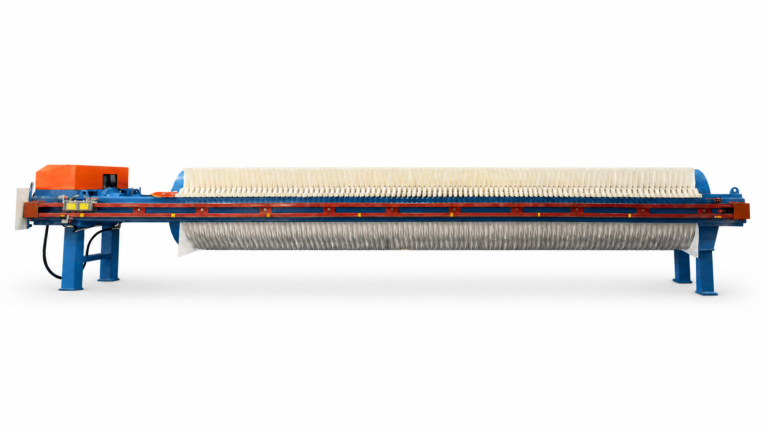
A compatible wastewater treatment spare must match the existing equipment's interfaces and duty. Prioritize parts by the consequence of a failed replacement and the availability of a working standby.
Create the spare specification
Use the original equipment tag, model, serial number and drawing revision. Identify wetted materials, mechanical connections and the operating range. Include signal and power requirements for powered components and identify software or commissioning dependencies when relevant.
Verify by component type
Compare pump duty at the actual system head, valve and gasket materials against the working liquid and cleaning service, and instrument signal, accuracy and environmental ratings against the controls design. Ask the supplier to list deviations from the original component in writing.
Agree how to accept it
For a critical spare, require traceable material or test documentation where applicable, check dimensions and have qualified personnel verify performance in the assembled system. Record any added calibration or interface work.
Decide which spares to stock
Use the facility's own downtime, freight and service estimates to compare stocked and on-demand options. Keep model, lot and inspection information with the spare so future orders can use the verified configuration.