Многие керамические заводы рассматривают сточные воды с глазурью как единую проблему очистки, хотя на самом деле ключевые решения принимаются гораздо раньше — на этапе сбора. К моменту, когда разбавленные или смешанные потоки поступают в очистной резервуар, возможность рекуперации чистой воды или пригодных для повторного использования глиняных твердых веществ может быть уже упущена, и то, что изначально выглядело как проект по рекуперации сырья, превращается в затраты на утилизацию опасных отходов в соответствии с лицензионными требованиями. Химическая сложность, сконцентрированная в менее чем 5% от общего объема заводского стока, может загрязнить оставшиеся более 80 процентов, если границы потоков не будут четко определены с самого начала. Понимание того, где заканчивается рекуперируемая фракция — и где начинается граница обязательной утилизации — и определяет, является ли схема рекуперации глазури экономически целесообразной или просто основанной на благих намерениях.
Определить, какие потоки глазури подлежат рекуперации
Сточные воды из глазурового цеха составляют небольшую долю от общего объема стоков завода, но содержат непропорционально высокую концентрацию химических веществ. В то время как основные потоки, содержащие глину, можно вернуть в технологический процесс после простого физического осаждения, потоки глазури содержат тяжелые металлы, включая свинец, цинк, кадмий, хром и барий, а также бор и красящие пигменты, которые требуют химической обработки, прежде чем воду можно будет повторно использовать. Эта асимметрия имеет значение на этапе планирования, поскольку она сразу же разделяет две разные задачи рекуперации: извлечение пригодной для использования воды из потока глазури и извлечение твердых веществ, пригодных для повторного использования.
Для повторного использования в производстве пригодна только водная фракция очищенных сточных вод от глазурования. Твердые частицы, выпадающие в осадок в ходе химической очистки, содержат опасные компоненты и не могут быть повторно включены в производственный цикл в качестве сырья. Рассматривать воду как объект рекуперации, а твердые вещества — как объект утилизации — это не просто незначительный нюанс классификации: от этого зависит выбор всей технологической цепочки очистки, расположение резервуаров и инфраструктура последующей переработки.
| Атрибут | Сточные воды от производства глазури | Основные сточные воды с глинистым содержанием |
|---|---|---|
| Доля по объему | <5% от общего заводского потока | >80% от общего заводского расхода |
| Химическая сложность | Высокое содержание — тяжелые металлы (Pb, Zn, Cd, Cr, Ba), бор, пигменты | Низкий — преимущественно взвешенные глинистые частицы и силикаты |
| Требуется лечение | Химическая обработка (осаждение, регулирование pH) | Только физические методы очистки (осаждение, фильтрация) |
| Вода, пригодная для повторного использования | Да — после химической обработки | Да — после физиотерапии |
| Твердые вещества, пригодные для повторного использования в качестве сырья | Нет — опасный шлам | Да — подходит для повторного использования при 5–15% в строительстве, производстве кирпича, цемента и насыпных материалов |
| Классификация осадка | Опасные отходы | Неопасен (при условии хранения отдельно от глазури) |
На практике это означает, что рекуперация сточных вод из глазурового производства не должна рассматриваться как цикл рекуперации твердых материалов, как это возможно в случае с глиняным шламом. Целью проектирования является возврат воды, а не повторное использование материалов. Любой проект, исходящий из предположения, что извлеченные твердые частицы глазури можно повторно использовать в партиях глины или глазури, столкнется с проблемой классификации отходов, которую невозможно решить инженерными средствами.
Храните собранный материал отдельно от загрязненной промывочной воды
Разделение потоков — это не просто вопрос предпочтений в организации трубопроводов, а решение по локализации загрязнения, имеющее прямые финансовые последствия. Если сточные воды с глазурью попадают в основной поток, содержащий глину, в любой точке до очистки, классификация всего смешанного шлама меняется. Глиняный шлам, который в противном случае квалифицировался бы как неопасный и мог бы повторно использоваться в пропорции примерно 5–15% в качестве сырья для изготовления керамического тела, кирпича, керамических изделий или строительного наполнителя, становится опасным в тот момент, когда в поток попадают компоненты глазури. Это означает, что расходы на утилизацию в соответствии с лицензионными требованиями распространяются на объем, который ранее подлежал вторичному использованию, и цикл рекуперации материалов, который оправдывал инвестиции в очистку стоков без глазури, нарушается.
Причина сбоев в данном случае почти всегда кроется в эксплуатации, а не в конструкции. Системы сбора часто спроектированы правильно, с отдельными дренажными каналами и накопительными резервуарами, но поведение операторов во время промывки, очистки оборудования или слива воды с пола постепенно приводит к нарушению герметичности. Даже однократное промывание шлангом, в результате которого загрязнённая глазурью вода с пола попадает в основной резервуар для сбора глины, может привести к переклассификации всей партии. Это не теоретический риск — это самый распространённый способ, которым системы регенерации, основанные на сегрегации, выходят из строя в производственных условиях.
| Стратегия взыскания задолженности | Классификация глинистых шламов | Варианты повторного использования | Требования к утилизации |
|---|---|---|---|
| Отдельный (с изоляцией от глазури) | Неопасные | 5–15% в сырьевых материалах, кирпиче, цементе, строительном наполнителе | Стандартная утилизация неопасных отходов |
| Смешанный (глазурь + основная глина) | Опасный | Нет — материал утрачен в процессе производства | Лицензированная утилизация опасных отходов |
Для обеспечения разделения требуется нечто большее, чем просто маркировка резервуаров. Блокировки перекачивающих насосов, визуальные индикаторы положения клапанов и четкие рабочие процедуры для проведения промывки — вот те практические инструменты, которые позволяют поддерживать единый подход к сбору сырья во всех сменах. Границу между потоками глазури и глины следует рассматривать как границу локализации, а не как условную схематическую линию.
Подбор метода концентрирования для повторного использования места назначения
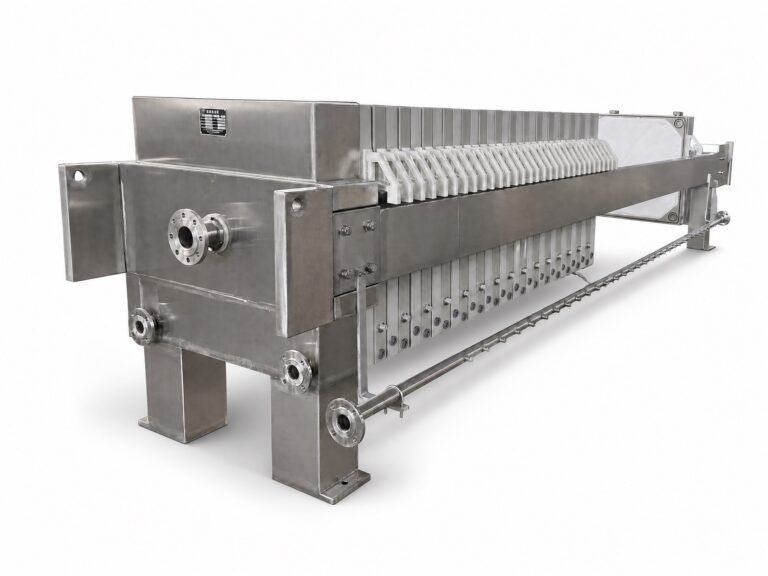
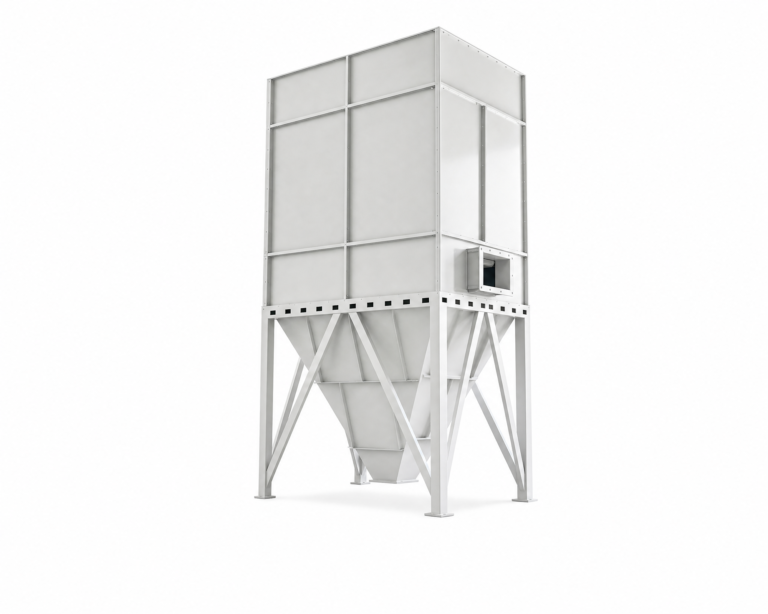
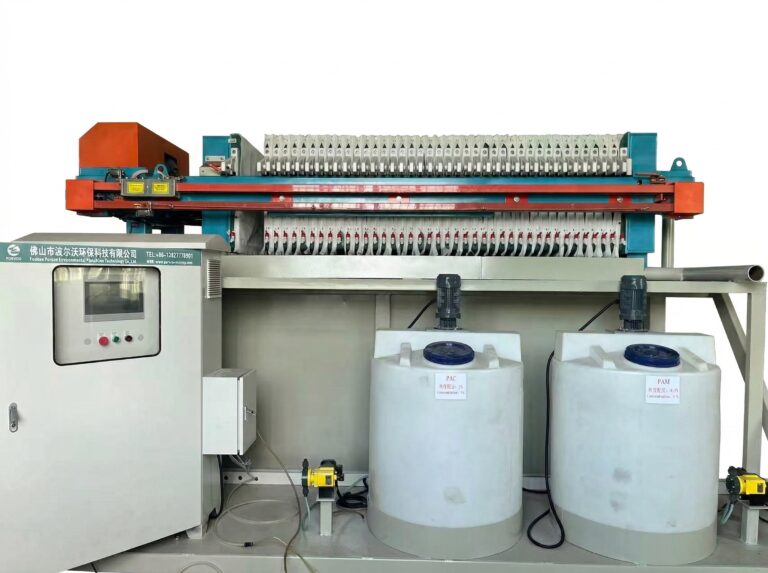
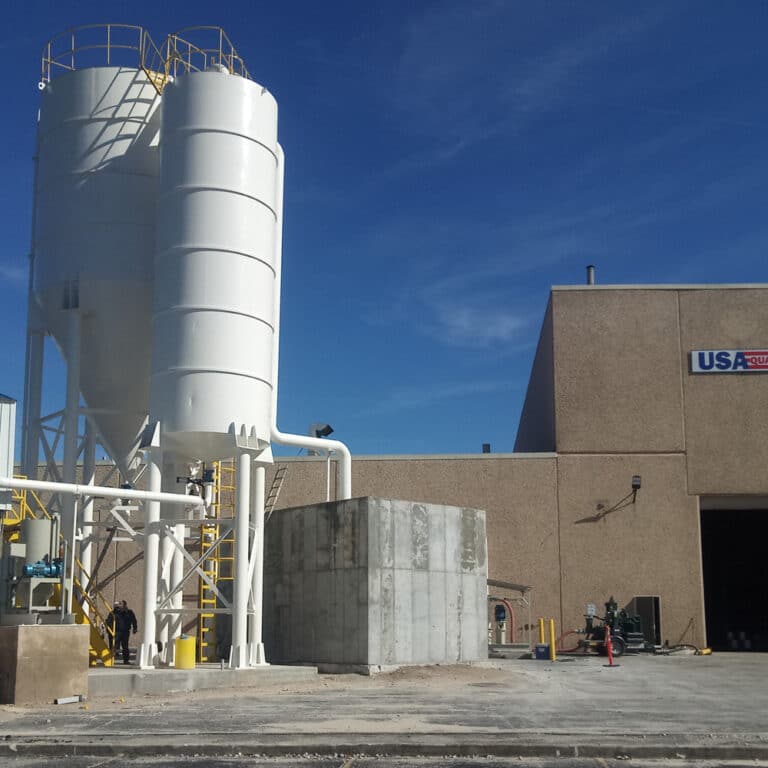
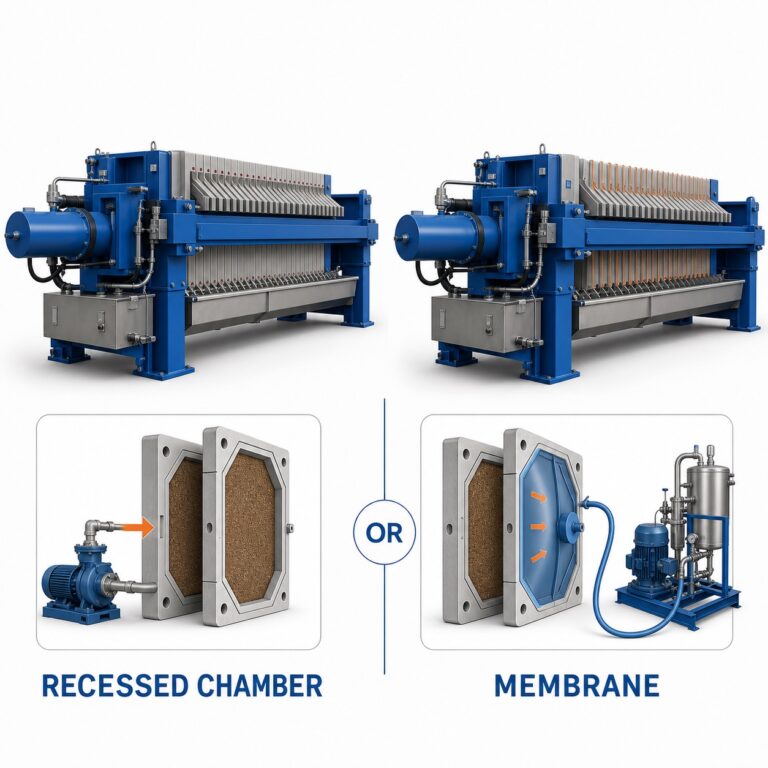
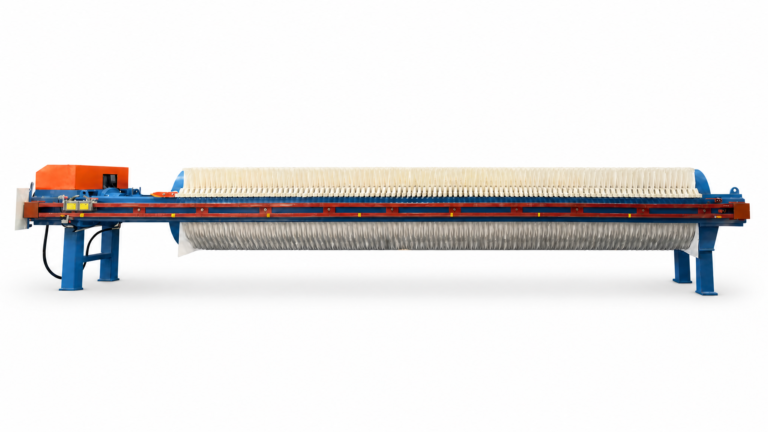
В случае стоков глазури, где целью рекуперации является водная фракция, последовательность очистки должна предусматривать удаление тяжелых металлов до того, как вода сможет быть возвращена в производственный цикл. Типичный подход, применяемый на коммерческих керамических предприятиях, включает сгущение стоков сырой глазури, доведение pH до щелочного диапазона — обычно около 9–10 — для осаждения гидроксидов тяжелых металлов, добавление сульфита при необходимости, а затем обработку с помощью ламельного отстойника и фильтр-пресса. Осветленная вода, полученная в результате этой последовательности операций, может затем смешиваться с отходом из основного отстойника и возвращаться в технологический процесс. Отжатый осадок удаляется как опасные отходы.
Выбор метода концентрирования не является нейтральным с точки зрения последующих процессов. Коагуляция с регулированием pH и прессованием на фильтре проще в эксплуатации и позволяет решить задачу повторного использования воды, однако при этом образуется смешанный осадок, для которого отсутствует путь возврата в производственный цикл. Концентрирование с использованием мембран позволяет сохранить более мелкую и химически однородную фракцию твердых веществ, однако требует более строгого оперативного контроля и более тщательной предварительной очистки для защиты целостности мембран от абразивных и химически агрессивных компонентов глазури. Вопрос о том, какой подход является подходящим, напрямую зависит от того, что предприятие намерено делать как с водой, так и с твердыми веществами — а поскольку путь утилизации твердых веществ из глазурных потоков ведет к утилизации в соответствии с лицензией независимо от метода концентрирования, основным критерием выбора становится качество воды в месте повторного использования и эксплуатационная надежность.
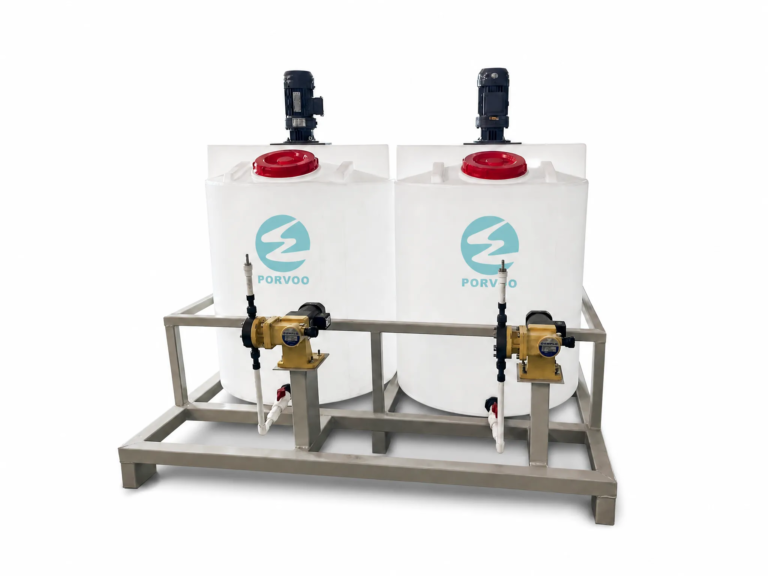
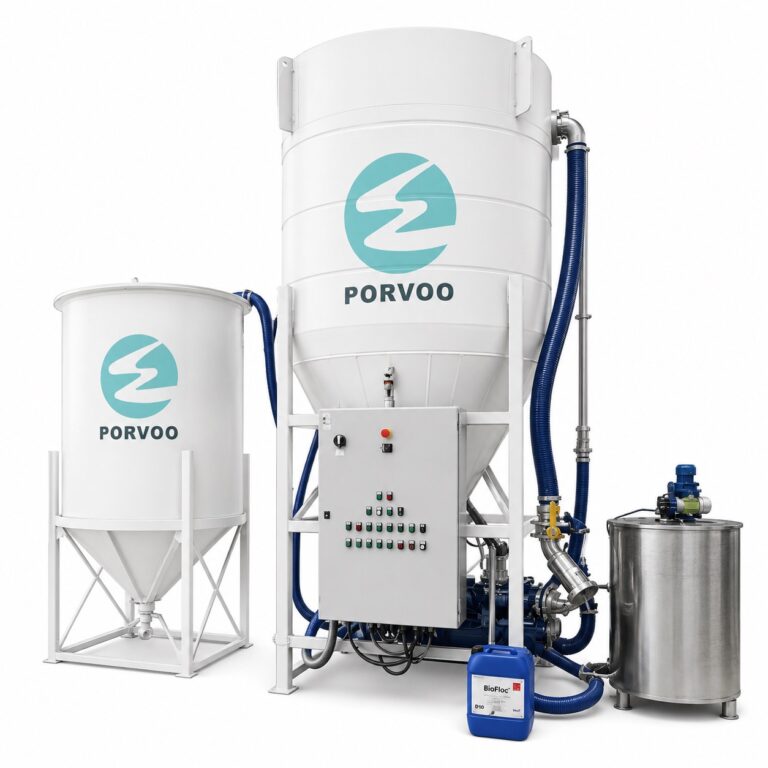
Выбор реагентов в технологической цепочке, основанной на осаждении — конкретные целевые значения pH, тип гидроксида, дозировка сульфита — следует согласовывать с фактическим распределением металлов в сточных водах с глазурью конкретного завода, а не применять на основе общего шаблона. Для заводов, использующих глазури с различным химическим составом, особенно с разным содержанием свинца или бария, может потребоваться корректировка параметров. Интеллектуальные системы дозирования PAM/PAC может обеспечить стабильную подачу реагентов в данных условиях, особенно в тех случаях, когда расход и содержание металла меняются в течение производственных смен.
Правила перемешивания и перекачки в контрольном резервуаре
Как только физическая инфраструктура для разделения потоков будет создана, операционный риск переносится на процедуры перекачки и смешивания, связывающие пункты сбора с резервуарами для обработки. Резервуар для сбора глазури, в который даже периодически поступает поперечный поток из напольного сливного отверстия, совместно используемого с промывной водой для глины, постепенно приведет к размыванию границы разделения потоков, даже если эти два потока никогда не смешиваются в главном сборном коллекторе.
Дисциплина перекачки означает, что путь от глазури до очистки следует рассматривать как замкнутый, специально выделенный маршрут. Насосы, используемые для перекачки сточных вод с глазурью, не должны совместно использоваться с потоками глины без наличия официального протокола промывки и очистки. Вентиляционные трубопроводы резервуаров, переливные соединения и аварийные дренажные трассы являются типичными точками, где происходит перекрестное загрязнение, которое остается незаметным в ходе нормальной эксплуатации. Эти соединения часто устанавливаются по практическим соображениям на этапе строительства, но подрывают логику разделения, если они ведут в общие отстойники или дренажные каналы.
Практическая мера по усилению безопасности заключается в составлении схемы всех потенциальных путей протекания между точкой сбора глазури и основным потоком глины — включая косвенные пути через общие напольные сливные отверстия, переливные водосливы или аварийные спускные клапаны — и в подтверждении того, что каждый из этих путей имеет либо физическое преграждение, либо блокируемое закрывающее устройство. Это проверка, проводимая на этапе ввода в эксплуатацию, а не допущение, которое можно отложить до перехода к стабильному режиму работы. Химический состав сточных вод с глазурью приводит к тому, что перекрестное загрязнение даже в небольших объемах имеет серьезные последствия, а затраты на последующую переклассификацию партии глиняного шлама в категорию опасных отходов, как правило, значительно превышают затраты на любые дополнительные меры изоляции.
Перед возвратом в технологический процесс необходимо проверить восстановленный материал
Возврат очищенных стоков из линии обработки глазури в производственный цикл без проведения анализов представляет собой риск для качества процесса и нарушение нормативных требований. Поток очищенной воды, поступающий с линии обработки глазури, может содержать остаточные взвешенные вещества, растворенные тяжелые металлы, включая свинец и цинк, сульфаты, бор, а также следы органических веществ — в зависимости от эффективности предшествующих этапов осаждения и седиментации. Эти компоненты, даже в низких концентрациях, могут повлиять на поведение глазури, свойства глиняной массы или результаты обжига, если они вновь попадают в технологический процесс в той точке, где вступают во взаимодействие с чувствительными составами.
Тестирование перед возвратом должно служить проверкой на соответствие требованиям, предъявляемым к предполагаемому месту повторного использования. Проверяемые параметры должны отражать загрязняющие вещества, характерные для конкретного химического состава глазури, используемой на заводе, а не соответствовать общему перечню показателей качества воды. Если целью повторного использования является использование воды для промывки нечувствительного оборудования, порог допустимых отклонений может отличаться от того, который применяется в случае, когда регенерированная вода поступает в контур подготовки глазури. Цель повторного использования должна быть определена до разработки протоколов испытаний, чтобы критерии приемлемости были соотнесены с фактическим риском технологического процесса, а не с типичными показателями системы очистки.
Для более широкого понимания того, как процессы коагуляции, осаждения и дозирования химических веществ взаимодействуют друг с другом перед принятием решений о повторном использовании воды, см. обсуждение в системы дозирования химических веществ и отстойники охватывает логику последовательности операций, применимую как в керамической отрасли, так и в смежных промышленных отраслях.
Установите пороговое значение для повторного использования глазури
Оценка пригодности материалов, полученных из глазури, не является симметричной. Очищенная вода, соответствующая внутренним критериям качества завода, может возвращаться в производственный цикл — это и является ожидаемым результатом всех инвестиций в систему очистки. Однако твердые вещества, извлеченные из линии очистки глазури, не могут быть возвращены в производство. Шлам, образующийся в результате осаждения тяжелых металлов и фильтровального прессования потока глазури, содержит опасные компоненты, удаленные из воды, и его классификация как опасных отходов является следствием этого химического состава, а не формальностью нормативных требований, которую можно устранить путем более эффективного обезвоживания или дополнительных этапов очистки.
| Фракция материала | Статус повторного использования | Причина |
|---|---|---|
| Очищенные сточные воды | Go — вернуться к производству | После химической очистки качество воды соответствует внутренним стандартам повторного использования |
| Извлеченные твердые вещества (осадок) | Запрещено — утилизация только в соответствии с лицензией | Осадок относится к категории опасных отходов и не может быть повторно задействован в производственном цикле |
Попытка повторного использования глазурного шлама в качестве сырья для гончарной массы или добавки к строительным материалам — по аналогии с неопасным глиняным осадком, который можно добавлять в пропорции 5–15% — создает риск загрязнения и несоблюдения нормативных требований, который будет сложно обосновать во время проверки со стороны регулирующих органов. Запрет на использование твердых веществ — это не технологическое ограничение, которое можно устранить с помощью более совершенного метода концентрирования; это химическая реальность, отражающая, куда в конечном итоге попадают опасные компоненты после очистки.
Решение о возврате воды является обоснованным только в том случае, если на входном участке постоянно обеспечивается сепарация, очистка осуществляется в соответствии с техническими требованиями, а результаты анализов подтверждают, что регенерированная вода соответствует установленным критериям повторного использования. Если какое-либо из этих трех условий не соблюдено — из-за нарушения дисциплины сбора, выхода химических показателей очистки за пределы целевого диапазона или пропуска испытаний в период пиковой производственной нагрузки — безопаснее будет направить воду в основную систему очистки для прохождения дополнительного цикла очистки, а не возвращать её напрямую. Затраты на повторную очистку можно возместить. Затраты, связанные с попаданием тяжелых металлов или химических веществ, не соответствующих спецификации, в партию глазури или массы, либо с инициированием проверки со стороны регулирующих органов в отношении практик повторного использования технологической воды, не подлежат возмещению.
Ключевым фактором в любом проекте по рекуперации сточных вод из глазурового производства является не выбор конкретной технологии очистки, а то, можно ли обеспечить достаточно надежное разделение источников стоков, чтобы граница рекуперации имела смысл. Система очистки, рассчитанная и спроектированная для разделенного потока глазури, не будет работать в соответствии с проектным замыслом, если в нее периодически поступает разбавленный смешанный сток, а экономическая обоснованность, построенная на избежании опасной утилизации глиняного шлама, рушится в тот момент, когда шлам загрязняется. Прежде чем выбрать путь рекуперации, необходимо подтвердить на практике, действительно ли инфраструктура сбора, методы транспортировки и эксплуатационные процедуры способны сохранять границу между потоками глазури и глины в течение всех смен и при любых условиях производства — не только в идеальном случае, но и в сценариях промывки, переналадки и технического обслуживания, когда дисциплина, как правило, нарушается.
Как только эта граница будет определена, алгоритм принятия решения о дальнейшей переработке или отклонении фракций воды и твердых веществ становится относительно простым: очищенная вода возвращается в технологический цикл после того, как результаты анализов подтвердят ее соответствие критериям для повторного использования, а глазурный шлам без исключений направляется на утилизацию в соответствии с действующей лицензией. Последующие работы по проектированию и закупкам — конфигурация очистной линии, дозирование реагентов, осадительное оборудование выбор — может затем быть соотнесён с чётко определённым качеством поступающих стоков и подтверждённым направлением повторного использования, а не определяться исходя из оптимистичных предположений о том, что на самом деле обеспечит система сбора стоков.
Часто задаваемые вопросы
Вопрос: А что делать, если сточные воды нашего завода уже смешиваются воедино, и мы физически не можем отделить стоки с глазурью от стоков с глиной?
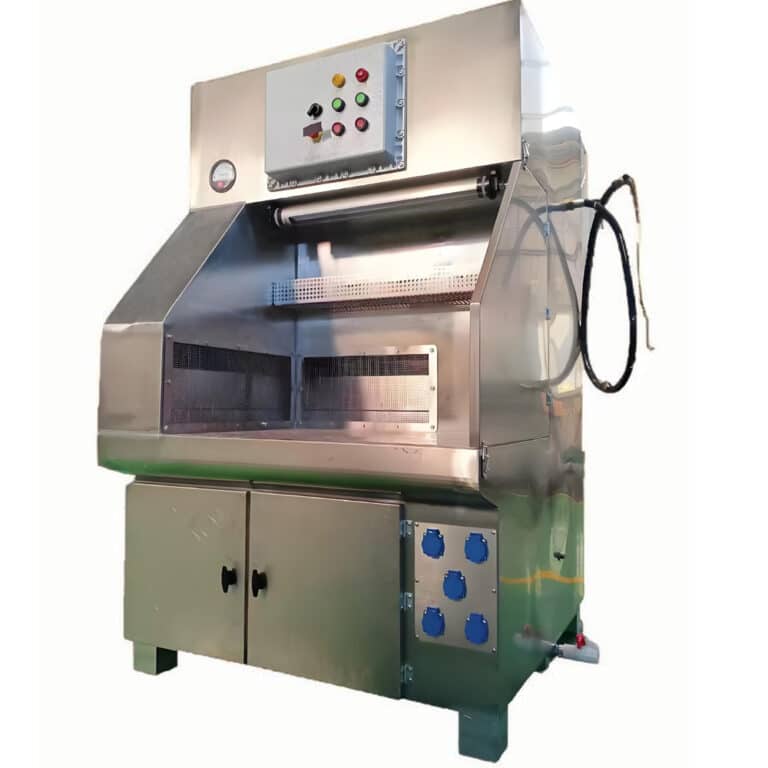
A: Начните с выделения источников глазури с самой высокой концентрацией. Даже при наличии общей дренажной сети зачастую можно перехватить стоки от промывки оборудования для приготовления глазури, перераспыл из окрасочных камер или стоки со специальных станций промывки оборудования в точке сброса с помощью локальных сборных резервуаров или переносных отстойников, прежде чем они попадут в общий дренаж. Полное разделение может потребовать модернизации, но даже частичное локальное удержание позволяет сократить объём глинистого шлама, который переклассифицируется как опасный. Цель состоит в том, чтобы максимально сузить зону загрязнения, а не обязательно добиться идеального разделения за один день.
Вопрос: После внедрения системы раздельного сбора отходов как мы можем на постоянной основе проверять, что в ходе обычной эксплуатации не нарушается принцип раздельного сбора?
A: Введите простую процедуру выборочного отбора проб из резервуара для сбора глины с целью проверки на наличие индикаторов, характерных для конкретной глазури, таких как тяжелые металлы или цветовые особенности, которые однозначно указывают на перекрестное загрязнение. Еженедельная проверка с помощью визуального осмотра и надёжных тест-полосок на содержание свинца или цинка позволяет выявить ошибки в маршрутизации перекачивающих насосов или при промывке до того, как они приведут к переклассификации всей партии. Таким образом, проверка сегрегации превращается из разовой проверки при вводе в эксплуатацию в устоявшуюся производственную практику, что является надёжной защитой от постепенного размывания границ.
Вопрос: Существуют ли составы глазури, при использовании которых осадок не представляет опасности, что позволяет повторно использовать твердые вещества?
A: Да, если состав глазури полностью не содержит тяжелых металлов (свинца, кадмия, хрома, бария, цинка) и других опасных компонентов, таких как некоторые соединения бора, то полученный в результате очистки осадок может не превышать пороговые значения, определяющие его как опасные отходы. В таких случаях вы можете проверить шлам на выщелачиваемость в соответствии с местными стандартами определения характеристик твердых отходов; если он пройдет проверку, появятся возможности для повторного использования. Указанное в статье общее ограничение на использование твердых отходов относится к традиционным глазурям, содержащим эти регулируемые вещества — если ваше предприятие перешло на проверенный «чистый» состав, ситуация с утилизацией материалов значительно меняется.
Вопрос: Как выбрать между установкой для коагуляции/фильтр-пресса и мембранной концентрацией, если в обоих случаях осадок является опасным?
A: Выбирайте коагуляцию и прессование, если на предприятии приоритет отдается эксплуатационной надёжности и стабильной пропускной способности, а не максимальной чистоте воды, поскольку эта технология позволяет справляться с колебаниями расхода и абразивными частицами, не будучи столь чувствительной к загрязнению, как мембраны. Мембранная концентрация обеспечивает более высокое качество пермеата и меньший объём осадка, но требует более тщательной предварительной очистки и большего внимания со стороны оператора. Поскольку оба метода приводят к образованию опасных твердых отходов, преимущество мембранной технологии заключается в качестве воды и компактности установки, а не в возможности повторного использования твердых отходов. Принимайте решение исходя из того, требует ли область повторного использования практически полного удаления растворных металлов и способна ли станция справиться с более высокими требованиями к техническому обслуживанию.
Вопрос: Действительно ли стоит вкладывать средства в реконструкцию потока, на долю которого приходится менее 5% от общего объема потока на заводе?
A: Да, поскольку экономическая целесообразность редко зависит исключительно от объема воды. Более значительным финансовым фактором является предотвращение превращения основного глинистого шлама — как правило, составляющего более 80% от общего расхода — в опасный материал в результате перекрестного загрязнения. Как только этот глинистый шлам переклассифицируется, затраты на утилизацию возрастают в разы, а ценный поток вторичного сырья теряется. Даже там, где пресная вода стоит недорого, предотвращение этой проблемы на последующих этапах производства и поддержание цикла повторного использования глины на уровне 5–15% в составе сырья, как правило, оправдывают инвестиции в сепарацию и обработку глазури.