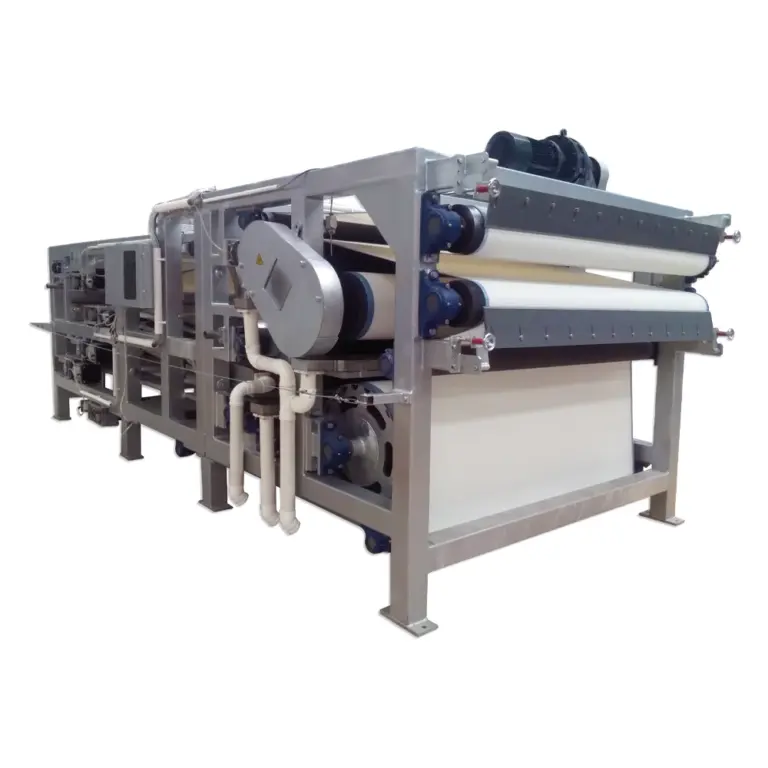
Mining filtration serves three distinct duties: preparing saleable concentrate, conditioning tailings for handling and recovering water for return to the plant. Start with the duty whose failure limits production and identify whether the equipment, feed or downstream handling is the bottleneck.
Concentrates and tailings
For concentrates, test the shipping moisture target, solids losses in filtrate and cake release. For tailings, ask the handling and storage teams to define acceptable moisture and consistency. An equipment trial can measure those properties but cannot establish the suitability of the storage design.
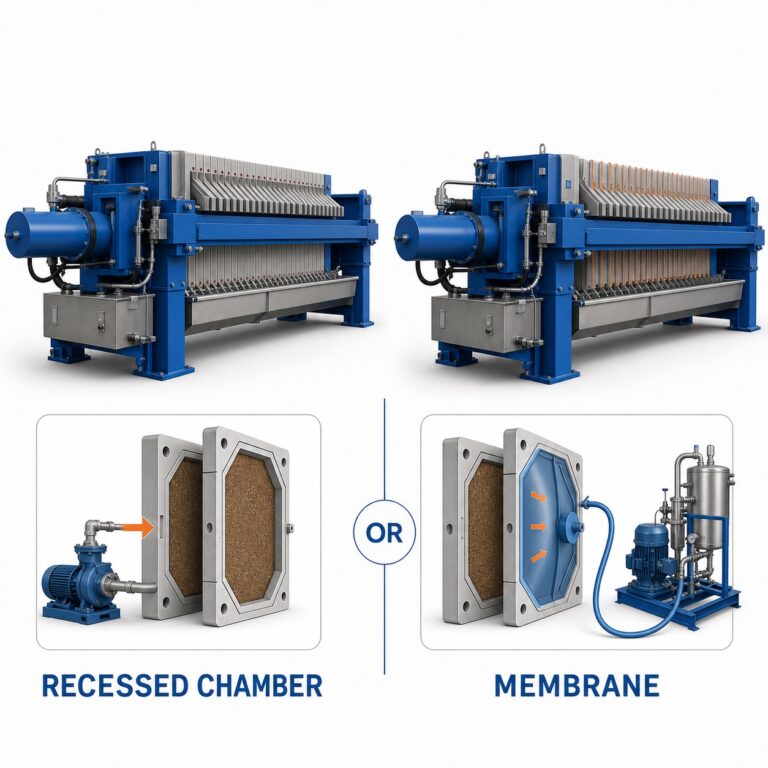
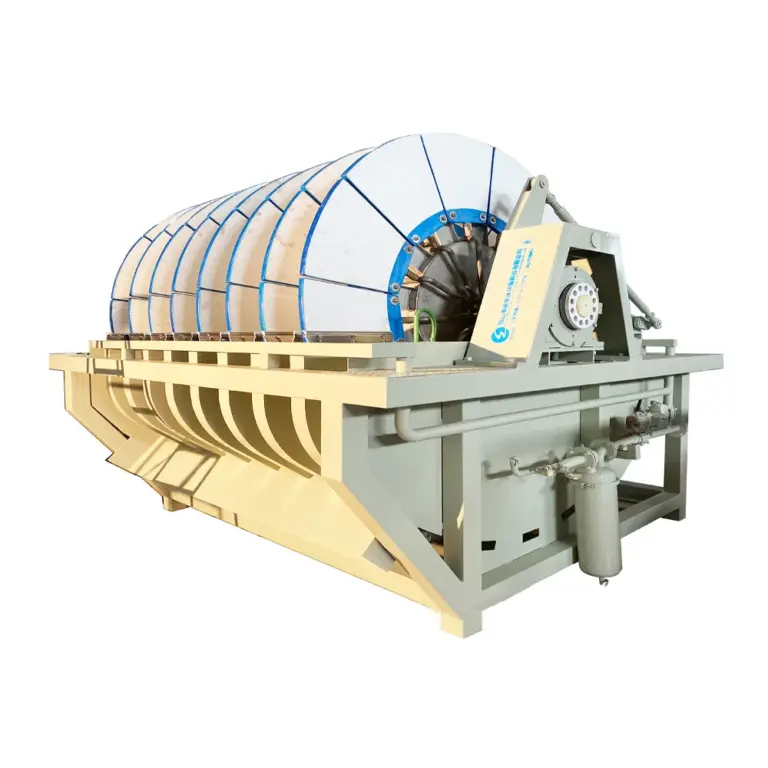
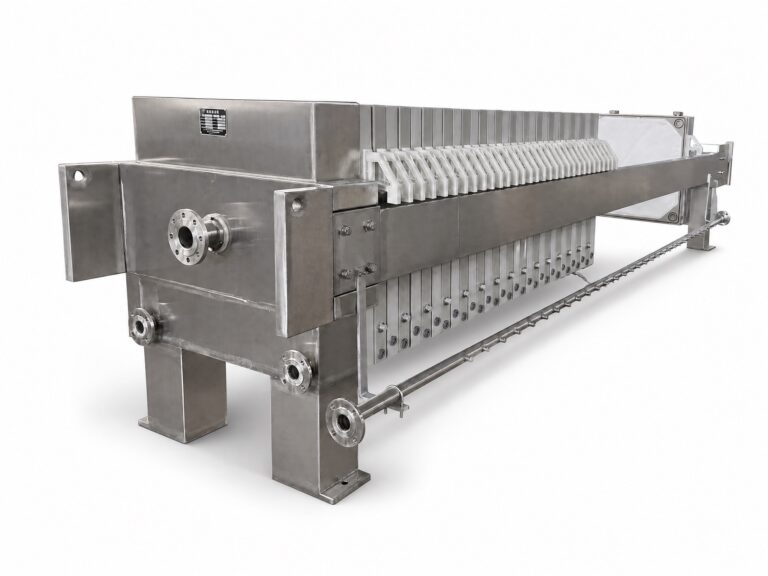
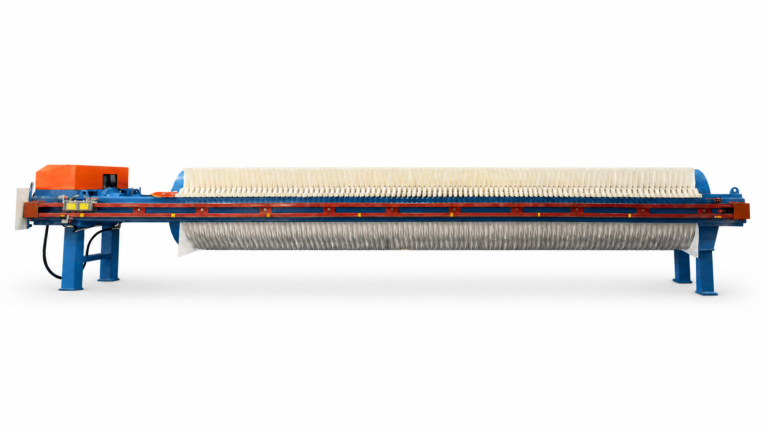
Compare a press with continuous vacuum filtration
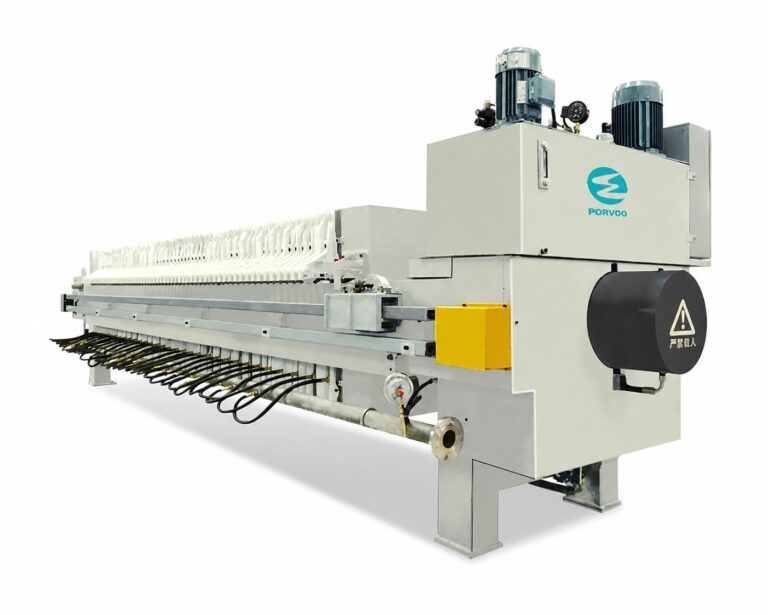
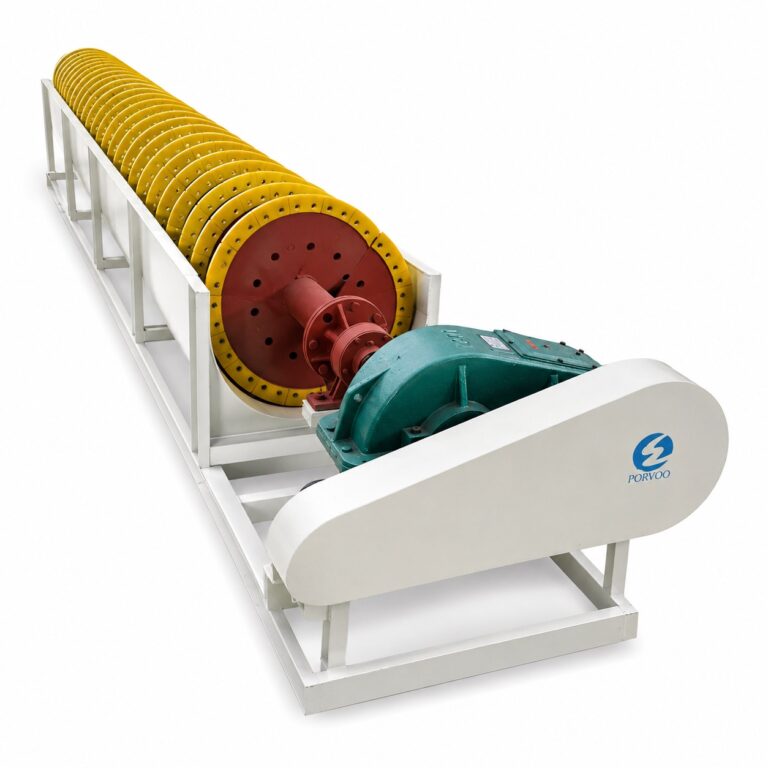
Test representative feed from ore blends and from periods of high fines. A batch pressure filter needs surge capacity and cycle allowance, while vacuum filtration relies on stable cake formation and reliable discharge. Quote dry tonnes per operating hour, including cleaning and unavoidable cycle interruptions.
Set the process-water interface
Identify where recovered water will return and which constituents could affect flotation or another receiving step. Check dissolved material separately from suspended solids. Include seasonal mine-water variation if it enters the same circuit.
Cost the constraint
Ask for spares lead times and the access needed to change cloth, plates or media. Compare labour per shift, power and wear with the plant's own downtime records. Include conveyors and storage when comparing the cost of competing dewatering packages.