As empresas que tratam a questão “molhado versus seco” como uma decisão isolada, restrita às instalações, geralmente descobrem as consequências na fase de comissionamento, e não durante o planejamento. Um cenário comum de retrofit: serras úmidas são instaladas sem ralos no piso conectados a um sistema de decantação e, em poucas semanas, a conexão sanitária é citada para descarga de lama. A versão mais grave desse problema surge mais tarde — a lama seca migra da área de corte úmida para as zonas de acabamento a seco, aumenta a carga de poeira nos filtros de coleta que nunca foram dimensionados para esse volume e, silenciosamente, anula ambos os métodos de controle de uma só vez, sem acionar nenhum alarme óbvio. O julgamento prático necessário aqui é por etapa do processo, não por instalação: cada operação — corte, esmerilhamento, polimento de bordas — traz seu próprio perfil de risco, forma de resíduo e requisito de infraestrutura que devem ser compatibilizados antes que o método de controle seja confirmado.
Compare o risco de exposição à poeira no corte a seco, na retificação e no polimento
O corte a seco de pedra não representa um risco de não conformidade marginal — é um risco quase imediato. As concentrações de sílica respirável no ar durante o corte a seco não controlado podem atingir de 10 a 100 vezes o limite de exposição permitido pela OSHA poucos minutos após o início do corte. Esse intervalo não é um resultado medido garantido em todos os locais, mas estabelece a magnitude da urgência do controle: a diferença entre não fazer nada e tomar medidas adequadas não é incremental, é estrutural. Qualquer estrutura de decisão que trate o corte a seco como padrão e a supressão úmida como opcional interpreta o risco de forma errada desde o início.
A Tabela 1 da OSHA para funções de fabricação de pedra funciona como um gatilho para o planejamento, e não apenas como um limite de conformidade medido. Ela identifica o abastecimento integrado de água na ferramenta e os sistemas de aspiração com filtro HEPA como os controles de conformidade padrão para trabalhos com pedra. Uma oficina que realize cortes a seco sem nenhum desses sistemas pode receber autuações com base apenas na observação do processo, antes mesmo da realização de qualquer amostragem do ar. Isso altera o ônus da conformidade: a questão não é se a exposição foi medida, mas se o controle de engenharia listado está em vigor. Para fins de planejamento, isso significa que o método de controle deve ser confirmado antes do início das operações, e não validado posteriormente.
Um risco de falha que a comparação entre o corte a seco e o corte úmido tende a ocultar é a fonte secundária de poeira gerada pelo próprio processo de corte úmido. A água aplicada na ferramenta captura partículas de forma eficaz durante o corte, mas a água residual que fica na superfície da pedra — e nas mesas das máquinas e no chão — contém partículas finas de pedra concentradas. Quando essa água evapora, essas partículas finas transformam-se em poeira respirável transportada pelo ar. O corte úmido não elimina o risco de poeira; ele apenas altera o momento e o local do risco de exposição, a menos que a captura secundária e a limpeza sejam incorporadas ao mesmo plano de controle.
| Aspecto | Corte a seco/Esmerilhamento/Polimento | Processamento úmido (com supressão de água) |
|---|---|---|
| Nível de sílica respirável primária | 10–100 vezes o limite de exposição profissional (PEL) da OSHA em poucos minutos; risco extremo e imediato à saúde | A poeira em suspensão é amplamente contida na fonte; a água residual retém as partículas na ferramenta |
| Critério de conformidade da Tabela 1 da OSHA | O corte a seco sem sistema integrado de abastecimento de água ou aspirador com filtro HEPA é passível de autuação, mesmo sem medição da exposição | O fornecimento de água à ferramenta está em conformidade com os parâmetros padrão; as partículas finas resultantes da evaporação ainda exigem uma captura secundária |
| Desgaste da ferramenta | O pó de sílica, que é abrasivo para os segmentos de diamante, acelera o desgaste e aumenta a temperatura de operação da lâmina | A redução do pó abrasivo e o resfriamento por água prolongam a vida útil da ferramenta |
| Risco secundário de poeira (pós-processo) | Mínimo; não há lama, mas o pó depositado pode ser re-arrastado se não for recolhido imediatamente | A água residual na superfície contém partículas finas de pedra concentradas; quando a água evapora, essas partículas tornam-se uma fonte de poeira respirável transportada pelo ar |
A degradação das ferramentas acrescenta uma dimensão não relacionada à saúde ao risco do processamento a seco. O pó de sílica é abrasivo para as ferramentas de diamante; o processamento a seco aumenta simultaneamente a taxa de desgaste da lâmina e a temperatura de operação. Com o tempo, esse custo é real e mensurável — mas tende a ser invisível na decisão inicial de aquisição, pois se acumula gradualmente em vez de aparecer como um único item. Oficinas que enquadram a escolha entre úmido e seco puramente como uma comparação de custos de capital frequentemente subestimam o custo de substituição das ferramentas embutido na opção a seco.
Comparar a carga de águas residuais e de lodo proveniente do processamento úmido
O corte úmido não gera um fluxo de águas residuais da mesma forma que um tanque de processo — ele gera lama, e a lama se comporta de maneira diferente dos resíduos líquidos. A mistura de água e finos de pedra produzida na serra se acumula nas mesas das máquinas, no chão e nos canais de drenagem. Se não for controlada, ela não permanece contida; espalha-se com o tráfego de pessoas, o movimento das ferramentas e o fluxo de água, revestindo superfícies que nunca foram destinadas a fazer parte do fluxo de resíduos. Esse acúmulo é o mecanismo que vincula a decisão de processamento úmido a uma exigência de limpeza e contenção a jusante — a lama deve ser coletada ativamente, não podendo ser deixada para escoar livremente ou evaporar.
O risco de falha associado ao acúmulo de lama é previsível: as partículas finas de pedra secas constituem uma fonte secundária de poeira transportada pelo ar. Quando a lama seca no chão — mesmo em uma área de corte úmida —, ela cria um reservatório de partículas finas que se dispersam novamente na zona de respiração a cada passo ou corrente de ar que passa por cima dela. Esse não é um resultado raro; é o que acontece em qualquer oficina onde o gerenciamento da lama é tratado como uma tarefa de limpeza, em vez de um controle ativo do processo. A consequência é que a supressão de umidade na ferramenta pode estar funcionando exatamente como pretendido, enquanto a exposição geral da oficina permanece elevada devido aos resíduos secos em superfícies a dois metros de distância da máquina.
No que diz respeito ao planejamento de tanques de sedimentação de água e às metas de água reciclada em instalações de cerâmica e pedra, os cálculos do tempo de retenção e as taxas de carga de sólidos são abordados com mais profundidade no contexto da unidade industrial. O que importa no nível do processo é que a carga de lama é uma saída contínua do corte úmido — e não um evento pontual — e que a infraestrutura de coleta, transporte e sedimentação deve ser dimensionada para um fluxo contínuo, e não para picos de ciclos de limpeza. O planejamento correto desse tempo de retenção depende da compreensão da quantidade de carga de sólidos que cada estação de corte úmido gera por turno, um valor que varia de acordo com o tipo de pedra, as especificações da lâmina e o volume de corte. Esse valor deve ser estimado durante o projeto do processo, e não descoberto nos primeiros meses de operação.
Decidir quando a supressão de umidade implica a necessidade de tratamento
A escolha da supressão por umidade na ferramenta não resolve o problema de projeto — ela dá início a uma tarefa de tratamento que deve ser confirmada antes que o método de controle seja finalizado. Essa tarefa tem três gatilhos distintos, dependendo de onde e como a água é utilizada, e cada um deles requer uma infraestrutura diferente.
| Cenário de processamento | Ação de tratamento acionada | O que deve ser confirmado |
|---|---|---|
| Qualquer sistema de extração de poeira úmida que utilize água como meio de captura | A solução líquida coletada deve ser descartada ou desidratada de acordo com as normas ambientais locais | Rota de descarte aprovada, capacidade de desaguamento e situação da licença de descarga |
| Ralos de piso que recebem lama proveniente do corte a úmido | É necessário um sistema de decantação de lamas; é proibida a descarga direta no esgoto sanitário para evitar entupimentos | Sistema de decantação instalado e mantido; sem conexão direta com o esgoto sanitário |
| Coletores de pó úmidos que recirculam a água de lavagem | A qualidade da água deve ser controlada para manter a eficiência da captação e evitar a corrosão | Programa de monitoramento do pH e do acúmulo de sólidos; compatibilidade dos materiais com a pasta |
A confirmação mais frequentemente omitida é o traçado do ralo de piso. Em oficinas onde as mesas de corte a úmido escoam para o piso, costuma-se presumir que o ralo se conecta ao esgoto sanitário do prédio. Muitas vezes é esse o caso, até que uma inspeção da autoridade responsável pelo esgoto revele que a descarga de lodo tem causado entupimentos a jusante ou que a conexão viola os requisitos de pré-tratamento. A adaptação de um sistema de decantação após o piso ter sido concretado e o ralo instalado é significativamente mais cara do que incluí-lo no projeto original — e normalmente exige a interrupção da produção durante a instalação. A decantação deve ser confirmada como parte do projeto do piso e do ralo, e não adicionada como um recurso secundário.
Nos casos em que os coletores de poeira úmidos recirculam a água de lavagem, a exigência de monitoramento da qualidade da água acrescenta uma tarefa operacional contínua, distinta da manutenção do equipamento. O acúmulo de sólidos em suspensão reduz a eficiência de coleta e, dependendo do tipo de pedra e da composição química da água, pode acelerar a corrosão no reservatório de coleta. A norma ISO 11923:1997 fornece uma metodologia para medir sólidos em suspensão na água, o que constitui uma referência relevante para protocolos de monitoramento em sistemas de recirculação — não se trata de um requisito de conformidade específico para oficinas de pedra, mas de uma base metodológica útil para qualquer pessoa que esteja elaborando um programa de monitoramento da qualidade da água. A obrigação prática é definir o intervalo de monitoramento, o limite de sólidos que aciona uma troca de água ou purga, e o caminho de descarte do líquido usado — tudo isso deve ser registrado no procedimento operacional antes do sistema ser colocado em operação, e não desenvolvido de forma reativa quando a eficiência começar a diminuir.
Adapte a coleta a seco à carga do filtro e à perda de fluxo de ar
A coleta a seco em operações com pedras não é tecnicamente complexa, mas exige precisão em três parâmetros de projeto, e as consequências de um erro em qualquer um deles não são visíveis imediatamente.
| Parâmetro de projeto | Requisito essencial | Consequência da incompatibilidade |
|---|---|---|
| Norma de eficiência de filtragem | Filtragem HEPA (remoção de 99,971% das partículas de 0,3 µm) para capturar partículas de sílica respiráveis (0,5–10 µm) | Os filtros de saco ou cartucho Sub-HEPA permitem a passagem de sílica fina respirável, comprometendo a proteção da zona de respiração |
| Dimensionamento do fluxo de ar do sistema | A velocidade de captura deve ser mantida em todas as estações de trabalho, incluindo as mais distantes do coletor | O subdimensionamento reduz a velocidade em pontos distantes; pode ocorrer poeira descontrolada, mesmo que o fluxo nominal em CFM pareça suficiente |
| Gerenciamento da temperatura do fluxo de ar | A temperatura de operação é mantida dentro da faixa adequada para evitar que o saco grude (temperatura muito alta) e o endurecimento da poeira ou entupimentos (temperatura muito baixa) | O superaquecimento faz com que o filtro grude; o ar frio leva à formação de bloqueios de poeira endurecida e à rápida perda de fluxo de ar |
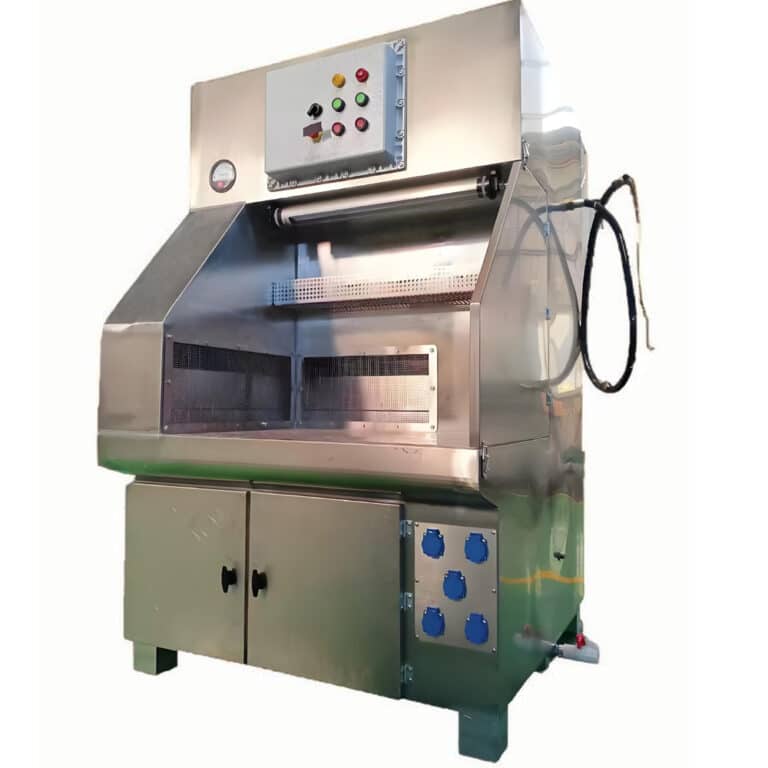
A especificação do filtro é a mais importante das três e a que mais frequentemente é substituída por motivos de custo. As partículas de sílica respiráveis estão na faixa de 0,5 a 10 mícrons — exatamente o tamanho de partícula que os filtros de bolsa padrão e muitos filtros de cartucho não capturam de maneira confiável. A filtragem HEPA com eficiência de remoção de 99,97% para partículas de 0,3 mícrons é a especificação adequada para a coleta de pó de pedra, pois oferece uma margem abaixo do tamanho crítico das partículas, em vez de depender de meios filtrantes que podem permitir a passagem da fração mais perigosa. Um sistema que atinge as metas de fluxo de ar no papel, mas utiliza meios filtrantes de qualidade inferior ao HEPA, não oferece proteção à zona de respiração — ele está espalhando a poeira pelo prédio. Essa lacuna só se torna visível durante amostragens de higiene industrial ou uma inspeção regulatória; nesse momento, a substituição do compartimento do filtro pode exigir a modificação da rede de dutos, que foi dimensionada com base no meio filtrante original. O Mesa de moagem Downdraft de estação industrial seca/úmida oferece uma abordagem integrada de estação de trabalho, na qual as especificações do filtro e a geometria de captura são projetadas em conjunto para pedras e materiais duros semelhantes, o que evita a incompatibilidade que ocorre quando o equipamento de coleta é montado a partir de componentes separados.
O dimensionamento do fluxo de ar merece o mesmo rigor de projeto. O subdimensionamento é um erro comum, não porque os engenheiros calculem incorretamente o CFM total do sistema, mas porque dimensionam com base em condições médias, em vez de considerar a estação de trabalho mais distante do coletor sob resistência máxima. A velocidade de captação nessa estação pode ficar bem abaixo do valor de projeto, mesmo quando o sistema como um todo parece estar funcionando corretamente. O Capítulo 33 do Manual da ASHRAE fornece os princípios básicos para o projeto de exaustão local industrial, incluindo o dimensionamento de dutos e o gerenciamento de velocidade para layouts de estações de trabalho distribuídas — aplicáveis aqui como uma estrutura de referência para confirmar que o dimensionamento leve em conta as perdas de transporte e a resistência das ramificações, e não apenas o volume bruto do fluxo de ar. O gerenciamento da temperatura dentro do sistema de coleta é o terceiro parâmetro: se estiver muito alta, o meio filtrante começa a grudar e entupir prematuramente; se estiver muito fria, a condensação pode endurecer a poeira coletada, formando obstruções que reduzem o fluxo de ar sem que haja qualquer sinal de saturação do filtro.
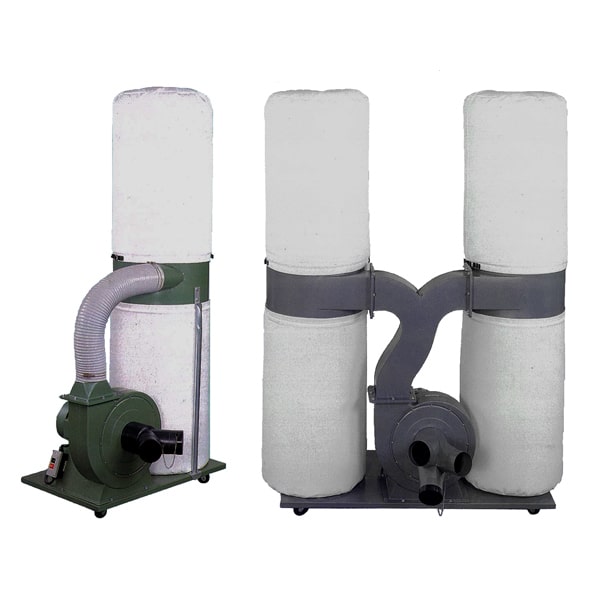
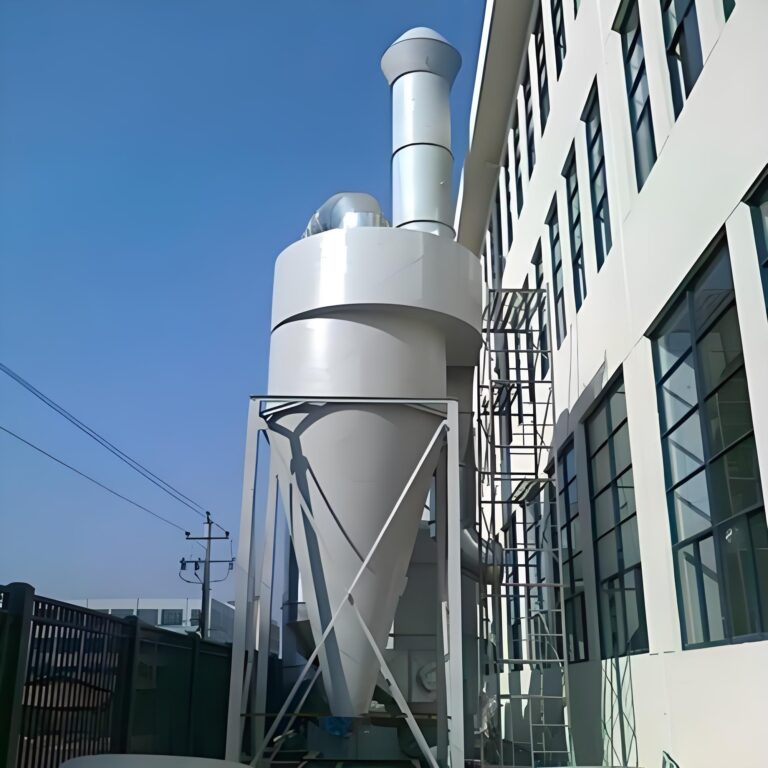
Para situações em que a coleta portátil é o método adequado — operações de menor porte, trabalhos intermitentes com pedras ou estações que alternam entre diferentes tipos de processo —, um sistema bem especificado Coletor de pó portátil industrial A combinação com meios filtrantes com classificação HEPA atende aos requisitos de desempenho do filtro sem a necessidade de uma instalação com dutos fixos. A questão da operabilidade é abordada separadamente a seguir.
Evite que áreas mistas (úmidas e secas) causem confusão quanto ao escopo da manutenção
O problema de manutenção mais grave nas oficinas de pedra não são as áreas úmidas nem as áreas secas — é a divisão entre elas. Em instalações que realizam corte úmido e acabamento a seco em espaços compartilhados ou adjacentes, os dois fluxos de resíduos interagem de uma forma que nenhum dos sistemas de controle foi projetado para lidar de maneira independente.
A pasta seca que migra das zonas de corte úmidas para as áreas de acabamento secas sobrecarrega o sistema de coleta a seco com um tipo de poeira e uma massa de partículas para as quais ele talvez não tenha sido dimensionado. Na prática, isso elimina a demarcação de responsabilidades pela manutenção: quando a carga no filtro aumenta na seção seca, a questão diagnóstica passa a ser se a causa é o processo a seco, a contaminação proveniente da zona úmida ou uma falha na limpeza na zona de transição. Sem uma separação explícita de escopo — definida tanto no layout físico quanto no procedimento de manutenção —, essa questão frequentemente fica sem resposta, enquanto o sistema continua se deteriorando.
O segundo padrão de falha em instalações de modo misto envolve configurações portáteis de filtros HEPA em ferramentas individuais. Os operadores que alternam entre tarefas úmidas e secas enfrentam a necessidade de realizar uma configuração a cada transição: conectar o aspirador, posicionar o ponto de captação e confirmar a vedação. Sob pressão de produção, essa etapa de configuração é frequentemente abreviada ou ignorada, especialmente quando o operador acaba de concluir uma tarefa úmida e a necessidade de captação parece menos urgente. Isso não é uma falha de conformidade ou de treinamento no sentido estrito — é uma falha no projeto do layout e dos procedimentos. Qualquer layout de instalação que exija que os operadores reconfigurem sua configuração de captura de poeira a cada transição de tarefa está criando um caminho certo para exposições descontroladas. A questão do escopo da manutenção e a questão da operabilidade são o mesmo problema visto de ângulos diferentes: ambas exigem que a fronteira entre as zonas úmidas e secas seja gerenciada como uma decisão de controle ativa, e não deixada como uma transição ambígua.
Para uma comparação detalhada dos tipos de filtros e das características de eficiência relevantes para trabalhos de acabamento a seco em ambientes com pedra, o Sistemas de filtragem de mesa Downdraft a seco: Comparação da eficiência do filtro HEPA vs. filtro de cartucho para materiais não combustíveis aborda as diferenças de desempenho que mais importam na hora de selecionar um filtro para uma etapa específica do processo de lapidação.
Incluir a coleta de lixo e a limpeza na opção de controle
O ônus do descarte para cada método de controle é real e assimétrico, e deve ser levado em consideração na decisão inicial de seleção do método de controle — e não nos procedimentos operacionais elaborados após a aquisição do equipamento.
| Aspecto | Coleção seca | Coleção úmida |
|---|---|---|
| Forma e manuseio dos resíduos | Pó seco; mais fácil de manusear, mas apresenta risco de re-arrastamento se for manuseado incorretamente | Mistura de lama/líquido; deve ser contida, desaguada ou tratada; é necessário o descarte do lodo |
| Risco de reentrada | A poeira acumulada pode ser levantada pelo ar devido à varredura, ao tráfego de pessoas ou às correntes de ar; a limpeza a seco deve ser feita com aspirador com filtro HEPA | A secagem de lama no chão gera um acúmulo de poeira fina que se dispersa novamente na zona de respiração; a política de “molhado-seco” impede essa secagem |
| Requisitos regulatórios de descarte | Normalmente tratado como resíduo sólido; podem ser necessários recipientes à prova de poeira para evitar emissões fugitivas | O descarte do líquido está sujeito às normas de descarga de água; muitas vezes, é necessário realizar a desaguada ou o tratamento antes da descarga |
| Práticas essenciais de limpeza e manutenção | Aspiração com filtro HEPA; sem varrimento a seco; coleta imediata do pó acumulado | Limpeza com esfregão úmido ou com rodo pelo menos uma vez por turno; aspirador úmido específico com filtro HEPA para resíduos secos; nunca permitir que as partículas finas de pedra sequem nas superfícies |
A coleta a seco produz resíduos secos, que são mais fáceis de manusear logisticamente, mas apresentam risco de re-arrastamento no ponto de coleta e descarte. Se o pó de pedra coletado for esvaziado das tremonhas de filtro sem uma transferência à prova de poeira — para recipientes abertos, sacudindo sacos ou em áreas com circulação de ar —, a fração fina mais perigosa pode ser liberada de volta no ambiente de trabalho. A exigência de limpeza para o processamento a seco não se resume apenas à aspiração; trata-se de definir como a poeira coletada é removida do sistema sem causar um evento de exposição secundária.
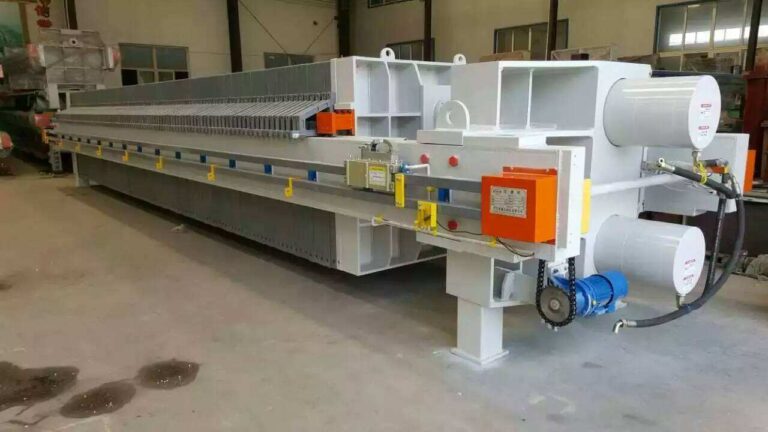
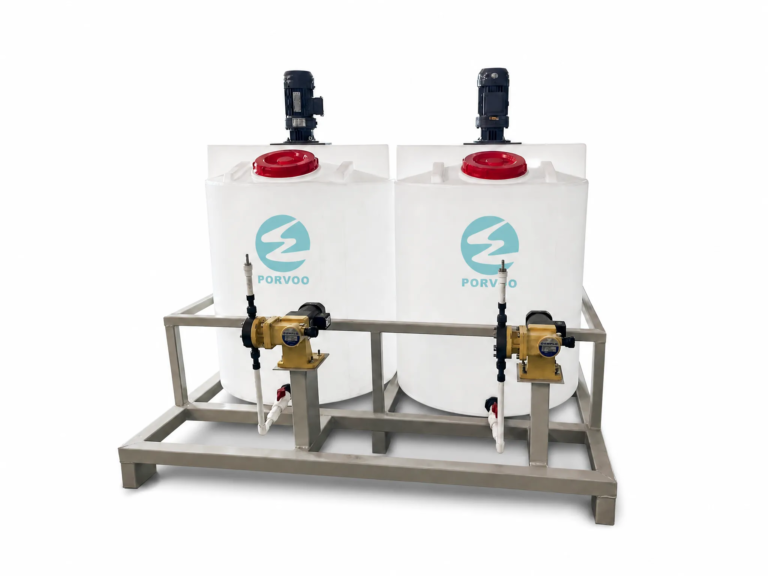
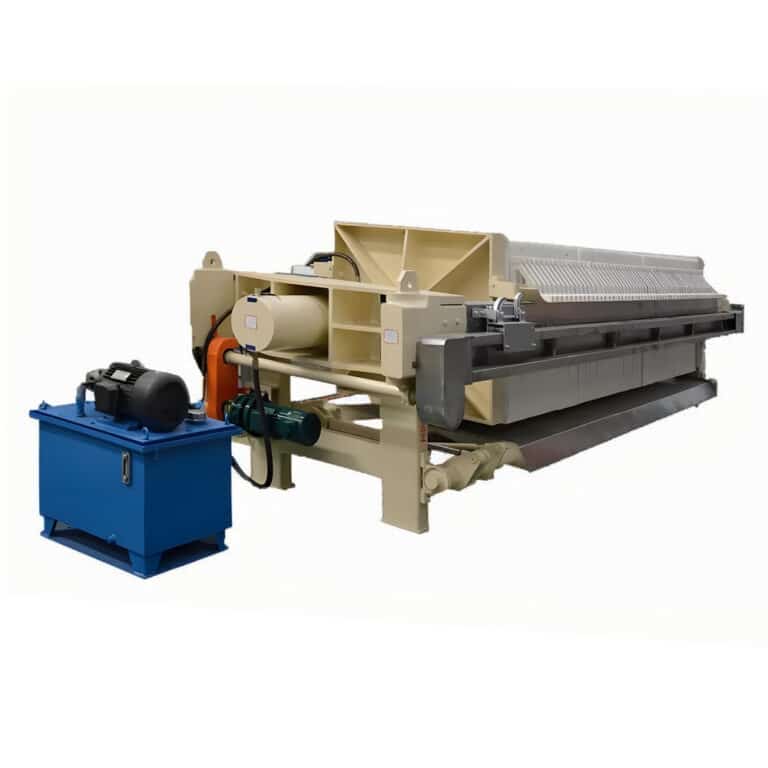
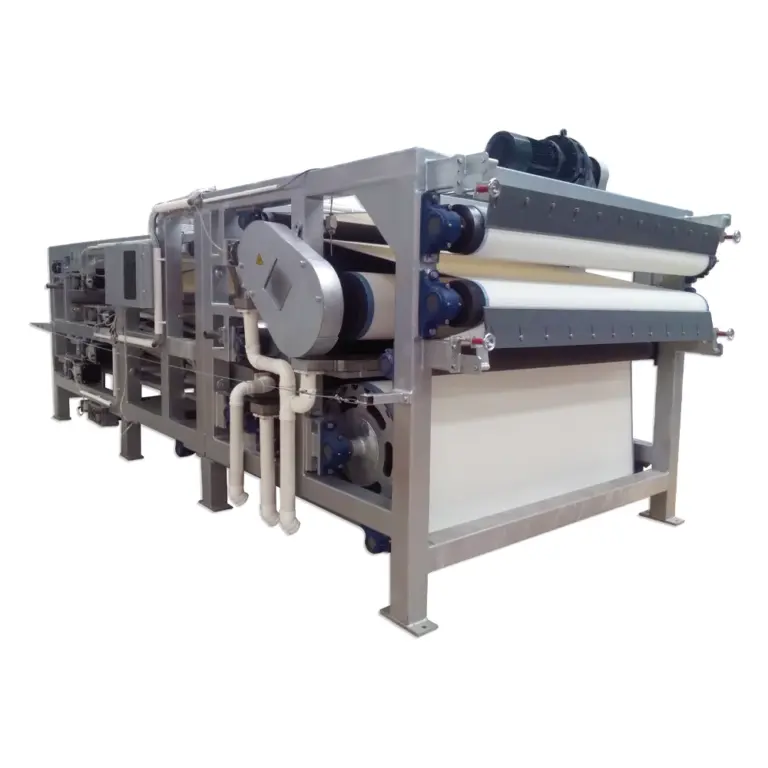
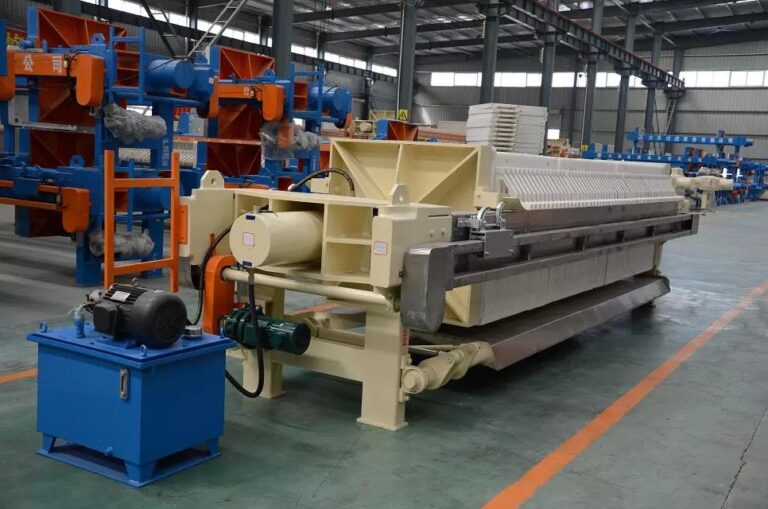
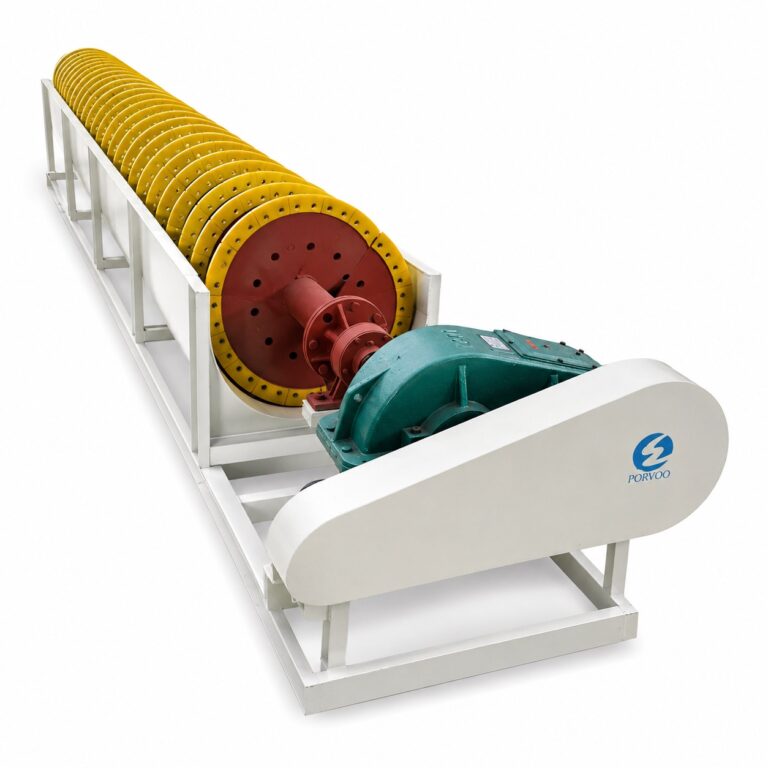
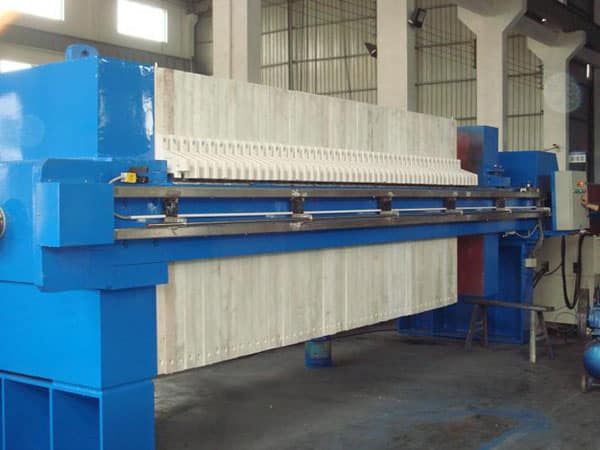
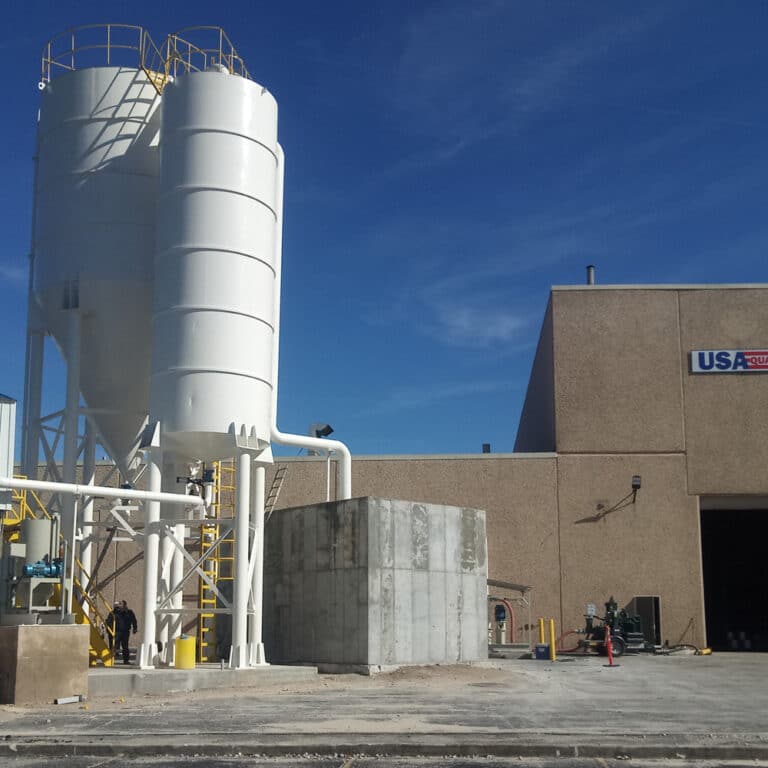
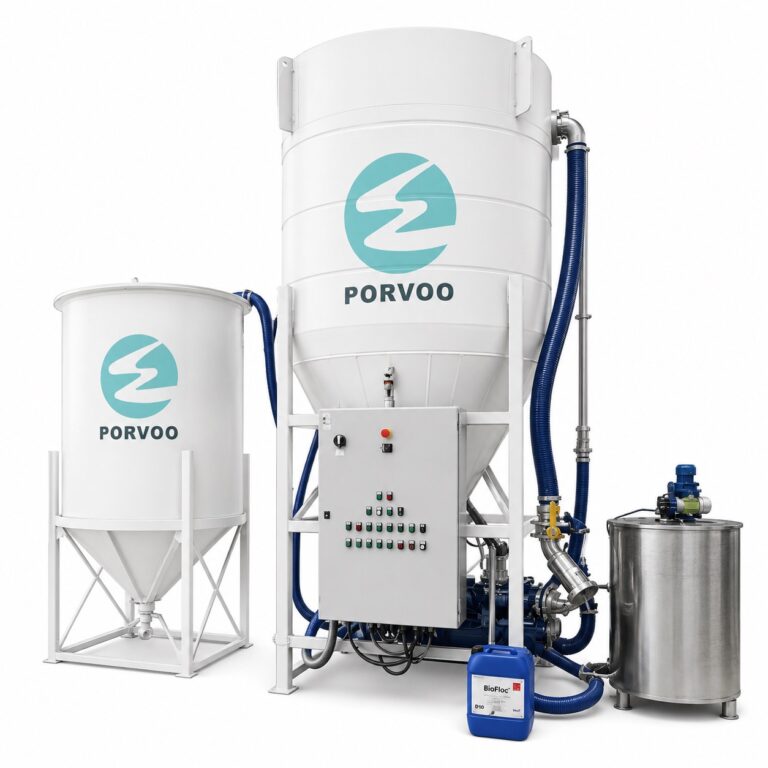
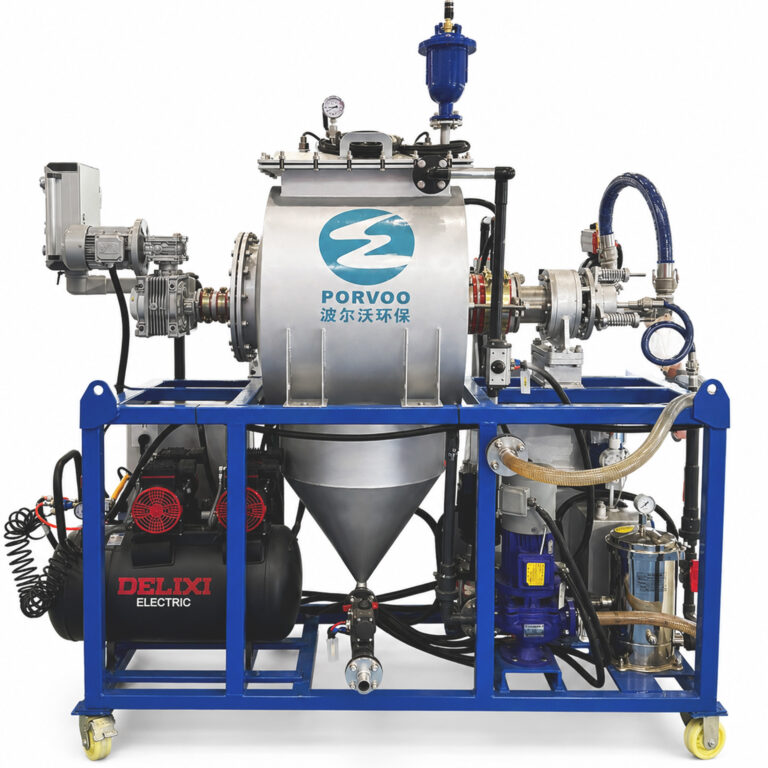
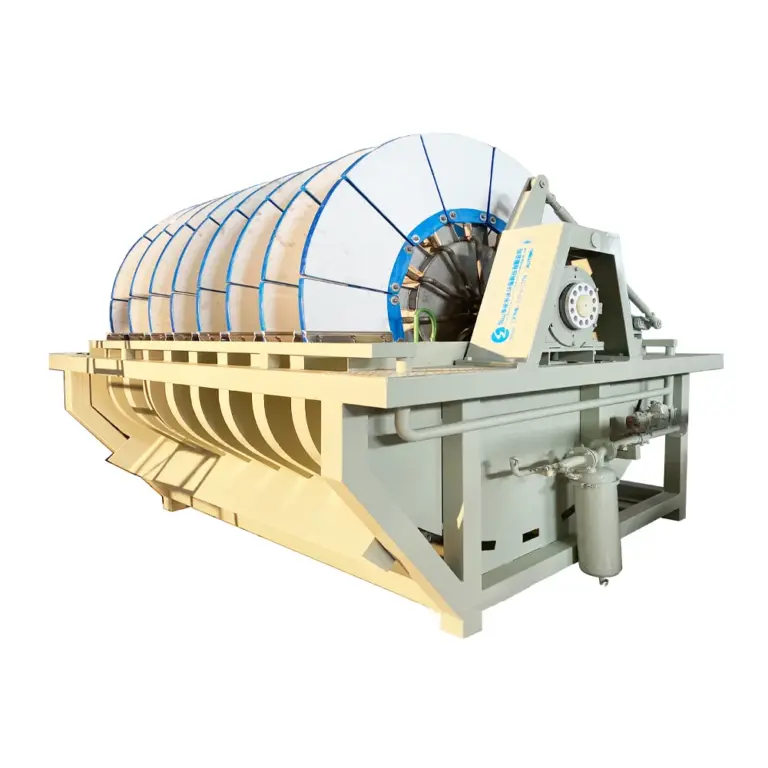
A coleta úmida e a supressão úmida geram lodo e resíduos líquidos que devem seguir um fluxo de tratamento ou descarte em conformidade com as normas locais de descarte. Esse fluxo normalmente requer desaguamento — seja por meio de um tanque de decantação passiva, uma prensa mecânica ou um processo assistido por produtos químicos. Para operações que geram um volume significativo de lodo, a decantação passiva por si só pode não produzir um bolo seco o suficiente para o descarte de resíduos sólidos sem um condicionamento adicional. O Remoção de grãos de partículas grandes Essa etapa costuma ser o primeiro passo do tratamento necessário antes de qualquer processo de separação mais refinado, removendo a fração grossa que, de outra forma, sobrecarregaria a capacidade de sedimentação ou obstruiria os equipamentos a jusante. Quando o condicionamento químico faz parte do fluxo de tratamento, um Sistema inteligente de dosagem de produtos químicos PAM/PAC proporciona a adição controlada de floculante que separa os sólidos de forma eficaz e mantém a água tratada dentro dos padrões de qualidade exigidos para a descarga.
As práticas de limpeza não são complementares às medidas de controle — elas fazem parte delas. A limpeza com esfregão úmido ou com rodo pelo menos uma vez por turno, o uso de um aspirador úmido equipado com filtro HEPA para quaisquer resíduos que tenham secado e a manutenção de uma política que proíba que partículas finas de pedra sequem nas superfícies são requisitos de implementação que devem ser incluídos no plano de controle. Uma instalação que instale o equipamento correto, mas não especifique essas práticas, não fechou o ciclo de controle — deixou aberto o modo de falha mais previsível.
Selecione o modo de processo que possa ser operado de forma consistente
A capacidade teórica do sistema não é o que protege os trabalhadores — o que os protege é a operação consistente. O critério de planejamento mais claro para a seleção de um modo de controle não é qual método apresenta melhor desempenho em condições ideais, mas qual método pode ser operado de forma confiável em condições normais de produção naquela instalação específica.
| Modo de controle | Fator-chave para uma operação consistente | Tamanho da loja |
|---|---|---|
| Abastecimento de água pela rede de encanamento para cada ferramenta de corte úmida | Elimina a necessidade de o operador conectar as mangueiras; o fornecimento de água ocorre automaticamente com a ativação da ferramenta | Oficinas de qualquer tamanho; especialmente importante em instalações maiores para garantir a aplicação da água |
| Aspiradores portáteis com filtro HEPA por ferramenta | Depende do operador para conectar, posicionar e fazer a manutenção; muitas vezes essas etapas são ignoradas devido à pressão da produção ou ao alternar entre tarefas úmidas e secas | Menos de cinco estações de trabalho nas quais uma supervisão rigorosa possa garantir o uso consistente |
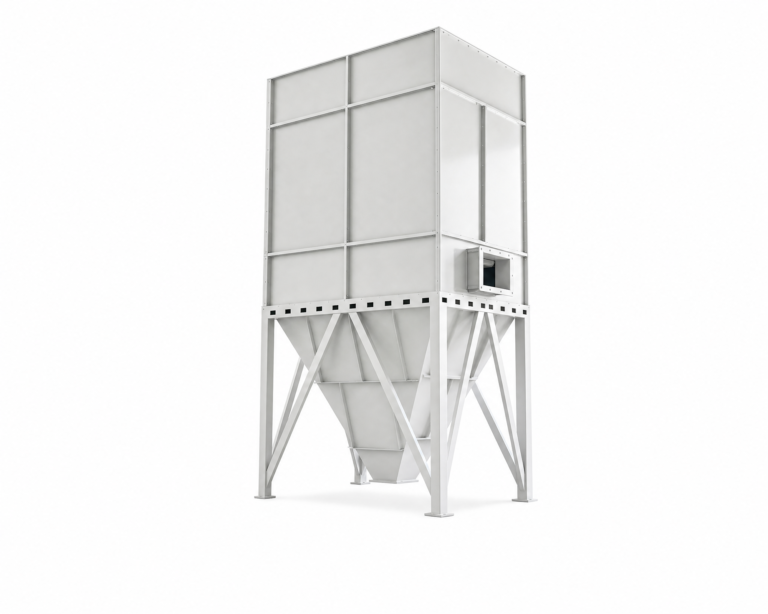
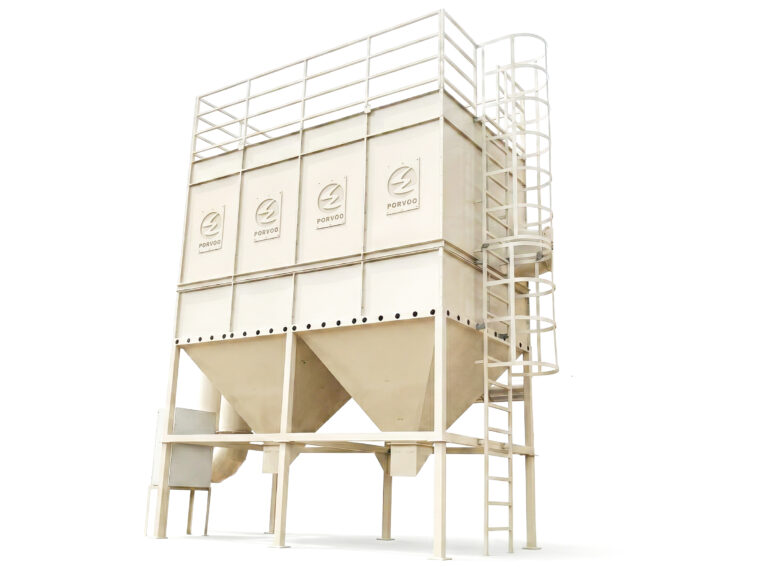
| Sistema centralizado de coleta a seco | Funciona continuamente, independentemente da presença do operador; reduz as etapas individuais de configuração em cada estação | Lojas maiores (>5 estações de trabalho) para manter a velocidade de captura mesmo quando os operadores não estiverem presentes |
Para a supressão a água, a decisão de projeto com maior impacto é se a água será fornecida por meio de uma tubulação fixa para cada máquina ou por meio de mangueiras que os operadores conectam manualmente. O fornecimento por tubulação elimina totalmente a etapa de configuração pelo operador; a aplicação de água ocorre automaticamente quando a ferramenta é acionada. O fornecimento por mangueiras depende de uma ação do operador no início de cada tarefa — ação essa que é frequentemente ignorada quando o operador está atrasado, tentando um atalho ou fazendo a transição de um processo diferente. O custo de infraestrutura de uma tubulação permanente é real, mas deve ser ponderado em relação ao custo da confiabilidade do controle, que depende da disciplina do operador para cada corte realizado ao longo da vida útil da instalação.
Para a coleta a seco, o limite de cinco estações de trabalho para unidades HEPA portáteis em comparação com a coleta centralizada é um critério prático de avaliação, e não um limite regulatório. Abaixo desse limite, a supervisão dedicada pode garantir, de forma razoável, que as unidades portáteis estejam conectadas e posicionadas corretamente em cada estação. Acima dele, o número de ações individuais de configuração necessárias por turno torna difícil manter o uso consistente sem um sistema centralizado que funcione continuamente, independentemente da presença de um operador específico. Um sistema centralizado não requer ação do operador para funcionar — ele fica ligado enquanto a instalação estiver em operação. Essa característica de ligar automaticamente é a vantagem de operabilidade que mais importa em instalações maiores, e não a classificação agregada de CFM.
O limite a partir do qual a operabilidade deixa de funcionar nem sempre é visível na fase de projeto. Um layout que parece adequado no papel — aspiradores portáteis disponíveis em cada estação, mangueiras de água acessíveis perto de cada serra — pode oferecer proteção inconsistente na prática, pois depende de uma cadeia de ações individuais, cada uma com uma taxa de falha não insignificante sob a pressão da produção. A seleção do método de controle deve levar explicitamente em conta essa taxa de falha, o que significa escolher o método que exija o menor número de etapas iniciadas pelo operador no momento em que o risco estiver presente.
A principal implicação de planejamento que permeia todas as seções aqui é que os métodos de controle úmido e seco acarretam, cada um, seus próprios compromissos a jusante, que devem ser confirmados antes da seleção do método — e não resolvidos de forma reativa após a instalação. A supressão úmida requer um caminho de descarte confirmado para lamas e resíduos líquidos, infraestrutura de ralos no piso que conduza a um sistema de decantação e um protocolo ativo de limpeza que impeça que partículas finas secas se tornem uma fonte secundária de poeira. A coleta a seco requer filtragem com classificação HEPA adequada ao tamanho das partículas de sílica respirável, um sistema dimensionado para a estação de trabalho mais distante do coletor sob carga e um caminho de fluxo de ar com temperatura controlada que impeça o entupimento ou bloqueio do filtro.
Antes de definir a abordagem de controle para qualquer etapa do processo — corte, esmerilhamento ou polimento —, confirme três aspectos: se o método escolhido pode ser operado de forma consistente no layout real e sob as condições reais de produção; se o resíduo gerado por esse método possui uma rota de descarte comprovada que atenda aos requisitos regulatórios locais; e se o escopo de manutenção para as zonas úmidas e secas está explicitamente separado, de modo que a contaminação entre os limites não prejudique silenciosamente ambos os sistemas ao mesmo tempo. Essas três verificações distinguem uma instalação em conformidade daquela que funciona conforme projetada no primeiro mês, mas falha silenciosamente no sexto.
Perguntas frequentes
P: O limite de cinco estações de trabalho para a escolha entre unidades HEPA portáteis e coleta centralizada se aplica caso as estações de trabalho estejam distribuídas por várias salas ou andares?
R: Não — a separação física entre as estações altera o limite a favor da coleta centralizada, mesmo com um número menor de estações. O número de cinco estações de trabalho pressupõe que elas estejam próximas o suficiente para que um supervisor ou operador líder possa, de forma realista, verificar se cada unidade portátil está conectada e posicionada corretamente antes do início de cada tarefa. Quando as estações estão separadas por paredes, andares ou distâncias significativas, essa cadeia de verificação se rompe, independentemente do número total de estações, e um sistema centralizado que opera continuamente, sem exigir configuração iniciada pelo operador em cada estação, torna-se a opção mais confiável.
P: Se uma oficina de lapidação já possui um sistema de corte a úmido instalado, mas sem um sistema de decantação de lama, qual é a primeira medida prática a ser tomada antes da instalação de ralos no piso?
R: Contenha a lama no nível da máquina imediatamente — antes do início de qualquer trabalho no ralo do piso. Instale bandejas coletoras ou bordas de contenção nas mesas de serra úmida existentes para interceptar a lama antes que ela chegue ao piso e utilize rodo manual e aspirador de líquidos pelo menos uma vez por turno para evitar o acúmulo e a secagem. Isso não substitui a adaptação do sistema de decantação, mas interrompe o modo de falha mais imediato — a lama seca migrando para zonas de acabamento a seco e obstruindo conexões de drenagem desprotegidas — enquanto os trabalhos mais invasivos no nível do piso estão sendo avaliados e programados.
P: Em que momento a dosagem de produtos químicos se torna necessária no tratamento de lodo, em vez de se depender apenas da sedimentação passiva?
R: A sedimentação passiva torna-se insuficiente quando a fração de partículas finas na lama é muito pequena para se sedimentar dentro do tempo de retenção disponível, ou quando o bolo desaguado produzido apenas por gravidade está muito úmido para atender aos requisitos de descarte de resíduos sólidos. O tipo de rocha é o principal fator determinante: rochas siliciosas mais duras, como granito e quartzito, geram uma proporção maior de partículas finas com tamanho inferior a 10 mícrons do que materiais mais macios, e essas partículas finas podem permanecer em suspensão indefinidamente sem uma etapa de floculação para agregá-las. Se o efluente sedimentado permanecer visivelmente turvo após o período de retenção projetado, ou se os sólidos sedimentados não puderem ser manuseados como um bolo manejável, o condicionamento químico — normalmente com poliacrilamida ou cloreto de polialumínio — é a próxima etapa prática antes de qualquer etapa de desaguamento mecânico.
P: Existe alguma etapa do processo de fabricação de pedras em que nem a supressão úmida nem a coleta a seco por filtro HEPA sejam claramente a melhor opção?
R: O polimento de bordas é a etapa em que o equilíbrio entre os fatores é menos bem resolvido. A aplicação de água é comum e suprime a poeira de forma eficaz na ferramenta, mas a geometria do polimento de bordas — peça posicionada verticalmente ou em ângulos variados — torna mais difícil manter uma aplicação consistente de água do que em uma mesa de serra plana, e o padrão de escoamento é menos previsível, aumentando o risco de espalhamento da pasta de polimento em superfícies adjacentes. A captação a seco com filtro HEPA em uma estação de polimento de bordas exige o posicionamento próximo da coifa, o que pode interferir na visibilidade do operador e no manuseio da peça. Na prática, a decisão nessa etapa geralmente se resume a restrições de layout e à possibilidade de posicionar uma geometria de captação com fluxo descendente ou lateral sem impedir o processo — em vez de uma vantagem clara de desempenho para qualquer um dos métodos.
P: Como uma instalação deve avaliar se seu meio filtrante atual para coleta a seco é realmente adequado para sílica respirável, em vez de apenas atender às especificações originais do equipamento?
R: Solicite uma amostragem de ar para higiene industrial na zona de respiração dos operadores na estação de trabalho mais distante do coletor, em condições representativas de produção — e não durante uma breve demonstração. As especificações do meio filtrante na documentação do equipamento descrevem o desempenho nominal em condições de laboratório; o que importa operacionalmente é se as concentrações de sílica respirável na superfície de trabalho permanecem abaixo do PEL da OSHA de 50 µg/m³ durante o corte ou esmerilhamento real. Se a amostragem indicar concentrações acima desse limite, apesar de o sistema estar funcionando conforme projetado, a sequência de diagnóstico deve confirmar, em primeiro lugar, a integridade do filtro (rasgos, vazamentos por desvio, assentamento inadequado); em seguida, verificar se as especificações do meio filtrante estão em conformidade com o padrão HEPA de remoção de 99,97% em partículas de 0,3 mícron; e, por fim, medir a velocidade de captura na ferramenta — nessa ordem, uma vez que cada modo de falha produz resultados de exposição semelhantes, mas requer uma ação corretiva diferente.