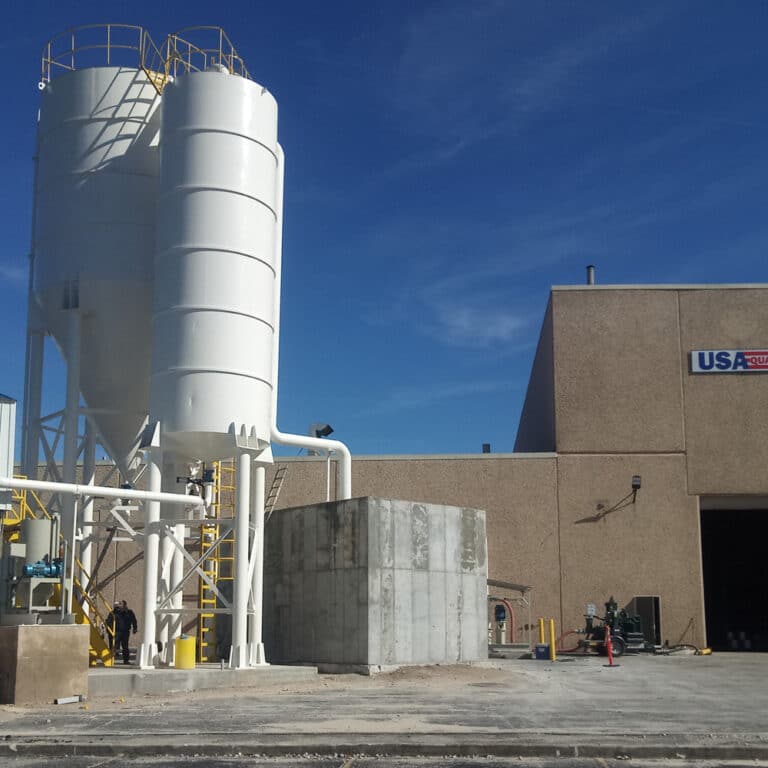
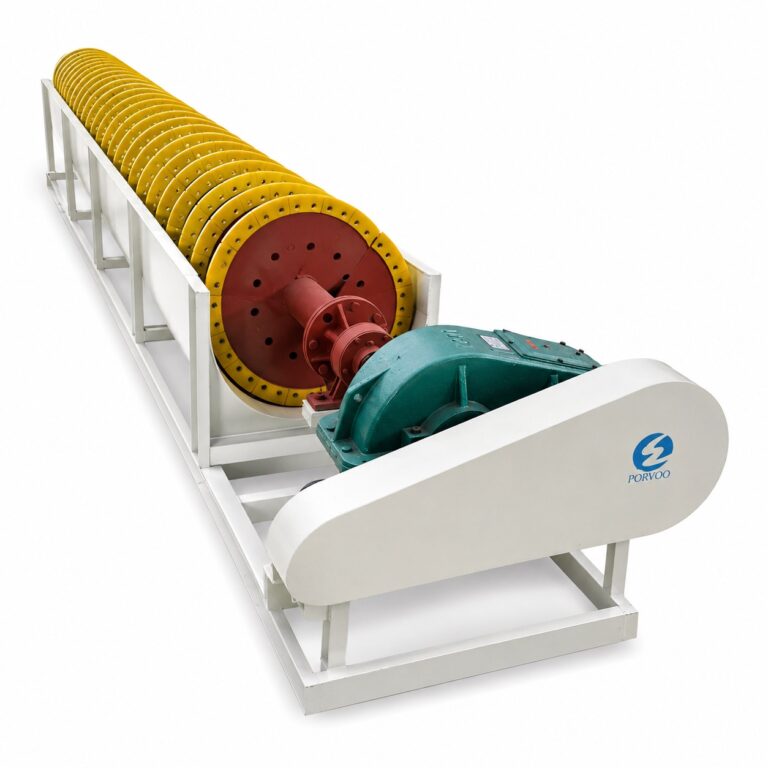
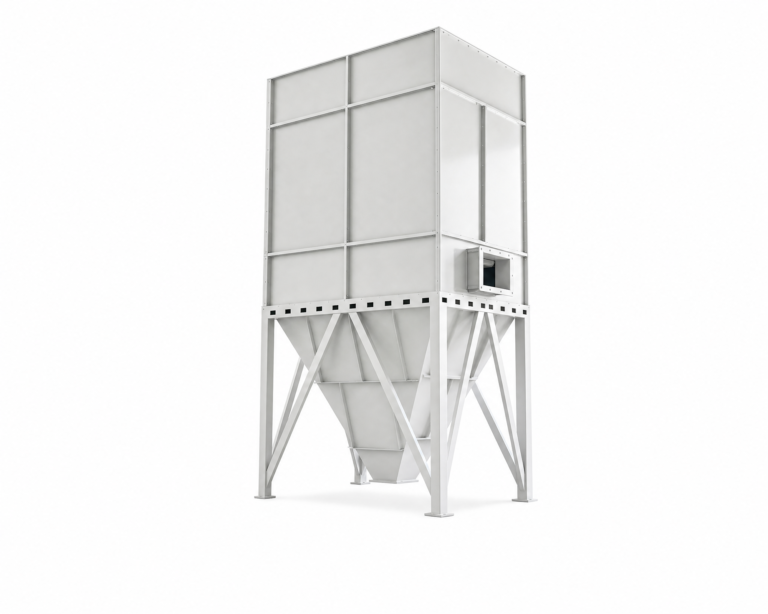
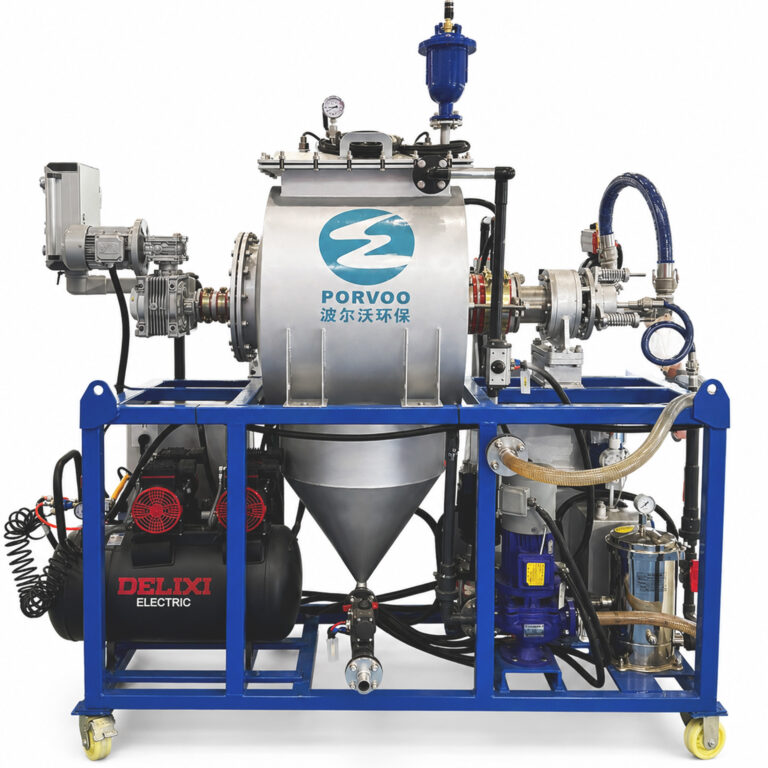
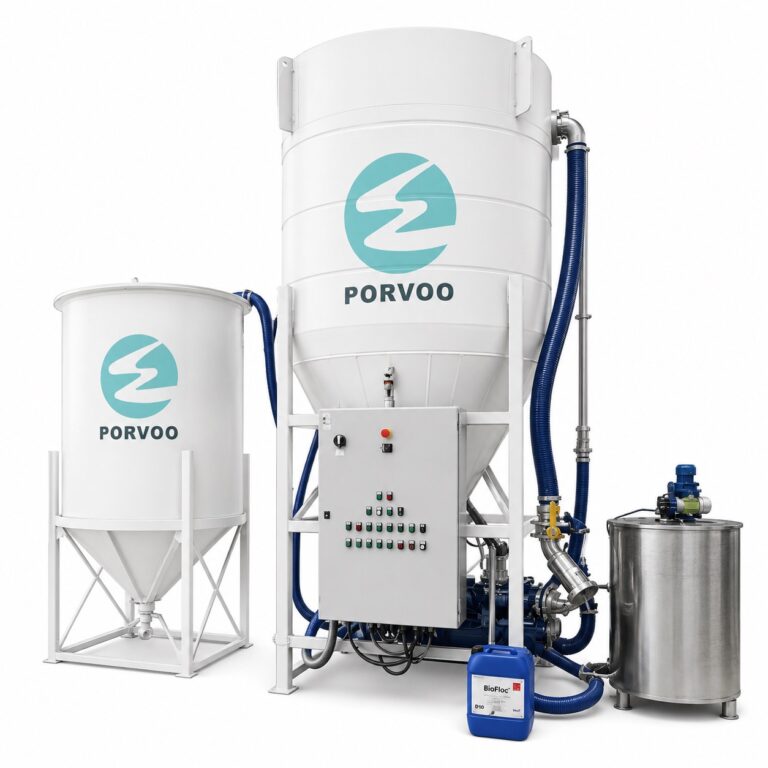
Estações de tratamento de águas residuais com alto teor de sólidos frequentemente se deparam com o mesmo problema durante o comissionamento: a torre de sedimentação e o filtro-prensa foram dimensionados com base em critérios distintos, e nenhuma das etapas foi verificada em relação ao ritmo de produção da outra. O resultado é uma torre que fica entupida com lodo subconcentrado, um filtro-prensa que opera lentamente com alimentação diluída e um transbordamento que ultrapassa qualquer limite de qualidade utilizável antes que alguém identifique a causa raiz. Corrigir isso após a instalação geralmente significa redimensionar as bombas de retirada, adicionar tanques-tampão sob pressão de prazos ou renegociar os critérios de aceitação para reutilização de água. A decisão que evita todas essas três situações é tratar a capacidade de clarificação e a capacidade de prensagem como um balanço compartilhado de sólidos desde o início — e não como unidades adjacentes que por acaso estão conectadas por tubulação. O que se segue fornece aos engenheiros de processo e gerentes de estação os pontos de verificação específicos necessários para avaliar se um layout proposto realmente funcionará em condições reais de operação.
Defina a quantidade de sólidos que a torre deve remover antes da prensagem
A prensa não consegue compensar uma torre subdimensionada ou inadequada para a carga recebida. Se a torre não sedimentar os sólidos com eficácia suficiente antes da retirada do lodo, a prensa recebe uma alimentação diluída, enche-se lentamente e produz ciclos mais longos e que consomem mais energia do que o previsto no projeto. Ao mesmo tempo, se a torre for dimensionada com tempo de permanência insuficiente em relação à vazão real, o transporte de sólidos para a bacia de transbordamento compromete qualquer iniciativa de reutilização que a estação esteja tentando implementar.
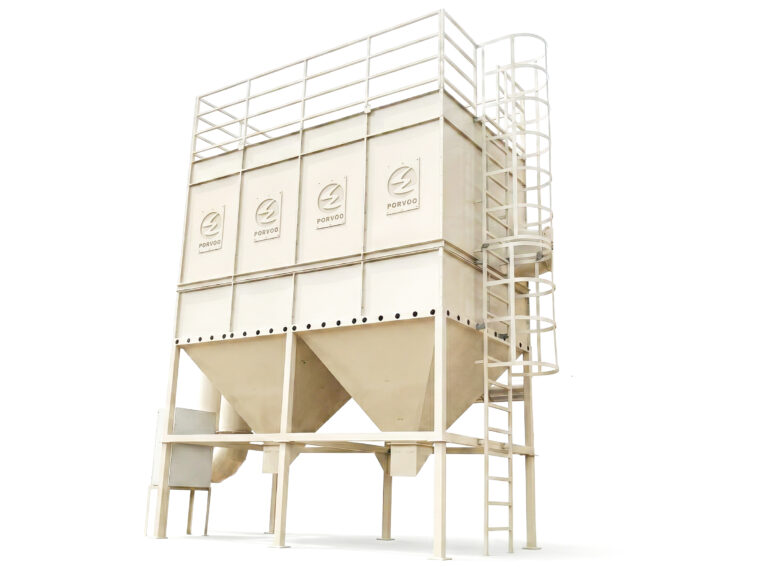
Os dois parâmetros de planejamento que definem a função da torre no sistema combinado são o volume efetivo e a qualidade do transbordamento, e ambos precisam ser confirmados com base na carga real de tratamento por hora antes que o equipamento seja encomendado.
| Parâmetro | Meta | Finalidade |
|---|---|---|
| Volume efetivo da torre | Tem0emp sthnu tne int (, lio oo–dopmt ur ronepaeaa5≥1ov4dmc1mê oea×rra) | Garante um tempo de decantação adequado antes que o lodo seja enviado para a prensa |
| Sólsedmrsdersooiaend bsau po ssntnto | <100 mg/L | Protege o desempenho da impressora e permite a reutilização da água |
O não cumprimento da meta de sólidos suspensos no transbordamento é a falha mais grave das duas. Uma torre cujo volume esteja ligeiramente abaixo do necessário pode, às vezes, ser compensada ajustando-se a dosagem do floculante ou diminuindo a taxa de alimentação. Uma torre que apresente consistentemente um transbordamento acima do limite de 100 mg/L, medido de acordo com a estrutura do método em ISO 11923:1997, cria um problema de acumulação a jusante: o reservatório de água limpa acumula sólidos em vez de água tratada, o retorno do filtrado leva a contaminação de volta para o circuito e o balanço de sólidos não consegue ser equilibrado, independentemente do desempenho da prensa. A meta é um limite prático de engenharia que proteja tanto a operação da prensa quanto a qualidade da reutilização — não um limite mínimo regulatório —, mas que funcione como uma restrição rígida para fins de validação do projeto.
Coordenar a retirada do lodo com a capacidade do ciclo de prensagem
O filtro-prensa opera em ciclos discretos: enchimento, prensagem, retenção, descarga do bolo e reinicialização. Durante a descarga do bolo e a reinicialização, o filtro-prensa não pode receber nova alimentação de lodo. Se a retirada de lodo da torre for contínua — ou sincronizada com a lógica de acúmulo da torre, em vez de com a disponibilidade do filtro-prensa —, esse descompasso gera uma das duas condições de falha. Ou o lodo se acumula na linha de retirada e no cone da torre, ressuspendendo gradualmente os sólidos sedimentados na zona de clarificação, ou a retirada é restringida de forma tão agressiva que a camada sedimentada fica mais espessa do que a faixa de viscosidade projetada para a bomba, e a transferência fica quase paralisada.
Dispor de uma unidade de prensagem de reserva além da capacidade teórica necessária é a maneira mais direta de manter o fluxo de retirada durante a descarga do bolo. Esse é um critério de planejamento para resiliência operacional, não uma norma formal de redundância, mas o argumento operacional é simples: sem uma unidade disponível para receber a alimentação durante os ciclos de descarga, o sistema não tem por onde escoar o lodo nessas janelas, a não ser retê-lo em algum lugar. Se o volume de retenção não for explicitamente projetado para essa finalidade, a torre se torna o reservatório padrão — uma função para a qual ela não foi dimensionada, sem comprometer a qualidade do transbordamento. As unidades que dispensaram a capacidade de prensagem de reserva com base nos custos iniciais de capital geralmente enfrentam esse problema ainda no primeiro trimestre de produção, assim que a contagem de ciclos de prensagem se aproxima da frequência projetada.
Uma questão de coordenação relacionada é a taxa de retirada do lodo. Essa taxa precisa ser definida com base no tempo real de enchimento da prensa por ciclo, e não apenas na capacidade nominal da bomba de alimentação. Se a retirada ocorrer mais rapidamente do que a prensa consegue aceitar, a bomba de transferência ou recircula o lodo ou força o início prematuro do ciclo em câmaras com carga insuficiente, reduzindo a secura do bolo. Se a retirada for mais lenta do que a acumulação da camada sedimentada, a concentração no cone aumenta até que a alimentação se torne difícil de bombear e o entupimento do tecido filtrante se acelere. A coordenação dessas taxas requer o conhecimento tanto do tempo de ciclo da prensa quanto da taxa de sedimentação da torre sob a dose alvo de floculante — dois valores que devem ser confirmados em paralelo, e não independentemente.
Utilize a qualidade do transbordamento para avaliar a estabilidade da clarificação
Os sólidos suspensos no transbordamento são um indicador mais confiável da estabilidade do sistema do que qualquer variável isolada do processo a montante. Quando a dosagem de floculante apresenta variações, quando a carga de sólidos no afluente atinge picos ou quando a retirada de lodo fica atrasada, o efeito se manifesta no transbordamento antes de se refletir na secura do bolo ou na duração do ciclo de prensagem. Equipes que monitoram os sólidos em suspensão no transbordamento de forma consistente durante as primeiras semanas de operação geralmente identificam a instabilidade mais cedo e com menos ambiguidade do que equipes que dependem de verificações periódicas do peso do bolo ou da inspeção visual do filtrado.
O equívoco comum é tratar o aumento do SS no transbordamento como um problema de floculação, quando a verdadeira causa é a lógica de retirada. Se a camada de lodo sedimentado no cone da torre não estiver sendo retirada na taxa correta, a camada sobe para a zona de clarificação e é ressuspensa no caminho do transbordamento. A leitura de SS sobe, a equipe de processo aumenta a dosagem de floculante em resposta, e o aumento da dosagem cria flocos mais densos que se sedimentam mais rapidamente — mas a taxa de retirada ainda é insuficiente, e a camada continua a se acumular. O resultado é um ciclo vicioso de aumento da dosagem que trata o sintoma, em vez da causa.
Para distinguir entre esses dois modos de falha — instabilidade da floculação versus defasagem na taxa de retirada —, é necessário comparar a tendência das SS de transbordamento com o log da taxa de retirada. Se as SS de transbordamento estiverem aumentando enquanto a taxa de retirada estiver baixa ou intermitente, o diagnóstico é operacional, e não químico. Ajustar a frequência de retirada ou o ciclo de trabalho da bomba é a primeira medida correta a ser tomada, e não a dosagem. Essa distinção é importante não apenas para a estabilidade do processo, mas também para o custo operacional: o floculante é uma despesa variável, e a superdosagem crônica para compensar um problema de programação da retirada é um custo recuperável que a maioria das estações não rastreia até sua origem.
Evite que o lodo diluído encha a prensa muito lentamente
A dosagem do floculante determina diretamente a concentração do lodo enviado à prensa, e essa relação não é linear. O objetivo é produzir um lodo sedimentado com concentração de sólidos suficiente para que as câmaras da prensa sejam preenchidas dentro de um tempo de ciclo razoável, mantendo, ao mesmo tempo, a formação de flocos lenta o suficiente para que não ocorra agregação na tubulação de transferência antes que o lodo chegue à entrada da prensa.
A meta de dosagem não se resume simplesmente a “quanto mais flóculo, melhor”. A dosagem excessiva pode causar agregação precoce na tubulação entre a torre e a prensa, criando obstruções que exigem desobstrução manual e interrompem totalmente a transferência. A dosagem insuficiente produz flocos que não se sedimentam completamente dentro do tempo de permanência na torre, resultando na retirada de lodo diluído e no enchimento lento e energeticamente ineficiente da prensa. A janela de conclusão da sedimentação de 15 a 30 minutos define a faixa operacional em que nenhum desses modos de falha predomina.
| Resultado da floculação | Tempo de conclusão da sedimentação | Risco |
|---|---|---|
| Muito rápido (superdosagem) | <15 minutos | Obstrução da tubulação causada pela agregação precoce de flocos |
| Muito lento (subdosagem) | >30 minutos | Transbordamento de solução diluída e enchimento lento do filtro-prensa |
| Dosagem alvo | 15–30 minutos | Concentração estável do lodo e operação eficaz da prensa |
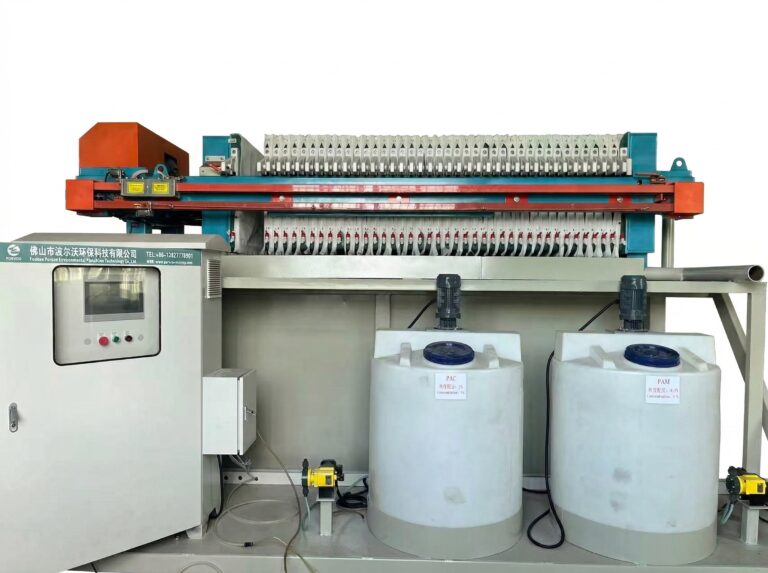
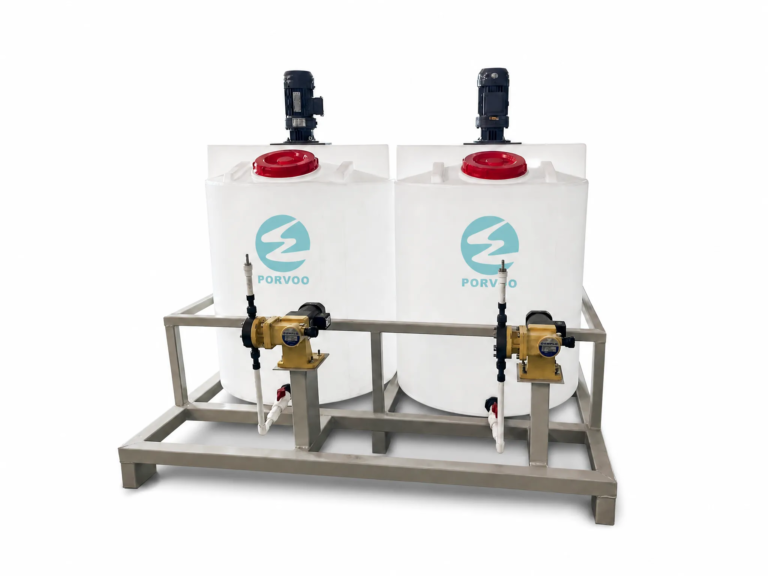
A implicação prática para o controle da dosagem é que a meta é uma faixa de concentração de lodo na saída da torre, e não um volume de floculante por unidade de afluente. A carga de sólidos no afluente varia entre turnos, lotes de matéria-prima e taxas de produção. Uma taxa de dosagem fixa que funcione durante um período de alta carga resultará em subdosagem durante um turno de baixa carga, e vice-versa. Essa é a lógica operacional por trás do uso de um Sistema inteligente de dosagem de produtos químicos PAM/PAC que ajusta a dosagem em resposta à formação de flocos monitorada, em vez de operar a uma taxa pré-definida. O enchimento estável da prensa depende da qualidade consistente da alimentação de lodo, e a qualidade consistente da alimentação de lodo depende de uma dosagem que acompanhe as variações do efluente quase em tempo real.
Planeje o armazenamento de lodo quando os cronogramas de produção e prensagem forem diferentes
Os cronogramas de produção e os cronogramas de prensagem raramente coincidem por padrão. Muitas plantas com alto teor de sólidos operam em produção contínua ou em vários turnos, mas utilizam o filtro-prensa em um único turno ou em regime de lote — seja porque a mão de obra está concentrada nos turnos diurnos, seja porque as janelas de manutenção exigem a paralisação do filtro-prensa. Quando os cronogramas divergem, o lodo se acumula na torre além do seu nível normal de operação, com efeitos no desempenho da clarificação que se agravam com o tempo.
A escolha se dá entre o custo de capital da instalação de um tanque-tampão dedicado para lodo e o risco operacional de operar sem ele. Um tanque-tampão dissocia a taxa de retirada da torre da disponibilidade imediata da prensa, permitindo que o lodo se acumule com segurança em uma concentração controlada de sólidos enquanto a prensa está desligada e, em seguida, alimentando a prensa na taxa correta quando ela retoma a operação. Sem capacidade de armazenamento, a torre deve reter o lodo em seu cone — aceitando o risco da zona de clarificação descrito acima — ou a retirada deve ser desacelerada e a camada sedimentada gerenciada manualmente, o que é trabalhoso e difícil de manter de forma consistente entre os turnos.
Não existe uma regra única e correta para o dimensionamento do tanque tampão. O volume adequado depende do intervalo entre as horas de produção e de prensagem, da taxa de sedimentação da torre e da concentração máxima de lodo que o tanque tampão pode conter sem que ocorra sedimentação e compactação a ponto de se tornar impossível de ser bombeado. Pode ser necessária agitação ou recirculação dentro do tanque tampão se o tempo de retenção exceder algumas horas. Esses detalhes precisam ser estabelecidos durante o projeto detalhado, antes que o tanque tampão seja dimensionado como uma especificação do equipamento, e não depois que o equipamento já tiver sido encomendado. As usinas que tratam a capacidade do tanque tampão como um complemento opcional e, em seguida, descobrem incompatibilidades no cronograma após o comissionamento, normalmente enfrentam adições ao escopo de investimento sob pressão de tempo ou períodos prolongados de desempenho de prensagem abaixo do ideal, enquanto uma solução alternativa é improvisada.
Integrar os controles da torre às decisões sobre dosagem e retorno do filtrado
A torre de sedimentação não opera isoladamente. Seu desempenho depende da dosagem de floculante a montante, e sua saída alimenta tanto o circuito de prensagem quanto o circuito de retorno de água. Quando essas conexões são gerenciadas de forma reativa — cada estágio respondendo aos seus próprios indicadores de forma independente —, o sistema tende a oscilar: a dosagem é ajustada em resposta à qualidade do transbordamento, a taxa de retirada é ajustada em resposta ao nível da torre e o filtrado é devolvido sem levar em conta o que o reservatório de água limpa está realmente recebendo. O resultado é um circuito difícil de estabilizar, pois nenhum ponto de ajuste tem visibilidade sobre os demais.
Relacionar a resposta à dosagem com a formação de flocos observada na etapa de mistura — antes que o lodo entre na zona de sedimentação — permite que o sistema faça correções mais cedo no processo, antes que a subdosagem ou a superdosagem chegue ao corpo da torre. A lógica de controle no tanque de fluxo misto, onde as águas residuais e o floculante são combinados, pode ser ajustada com base em indicadores de qualidade dos flocos e na posição da válvula de controle de vazão, reduzindo a amplitude da oscilação em vez de tentar corrigi-la após o fato.
| Ponto de Controle | Ação | Finalidade |
|---|---|---|
| Tanque de fluxo misto no topo da torre | Misture as águas residuais e o floculante; ajuste as válvulas de controle de vazão com base na formação de flocos | Garante uma floculação uniforme antes da zona de sedimentação |
| Piscina comum de água cristalina | Coletar o excesso da torre e o filtrado do filtro-prensa | Fecha o circuito de água e reduz a demanda por água de reposição |
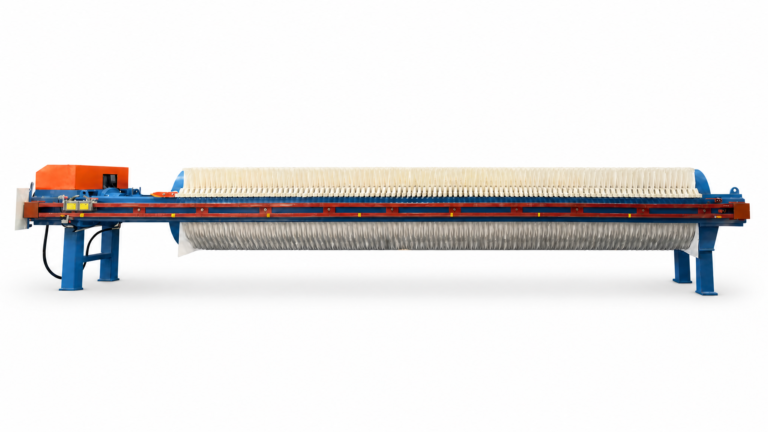
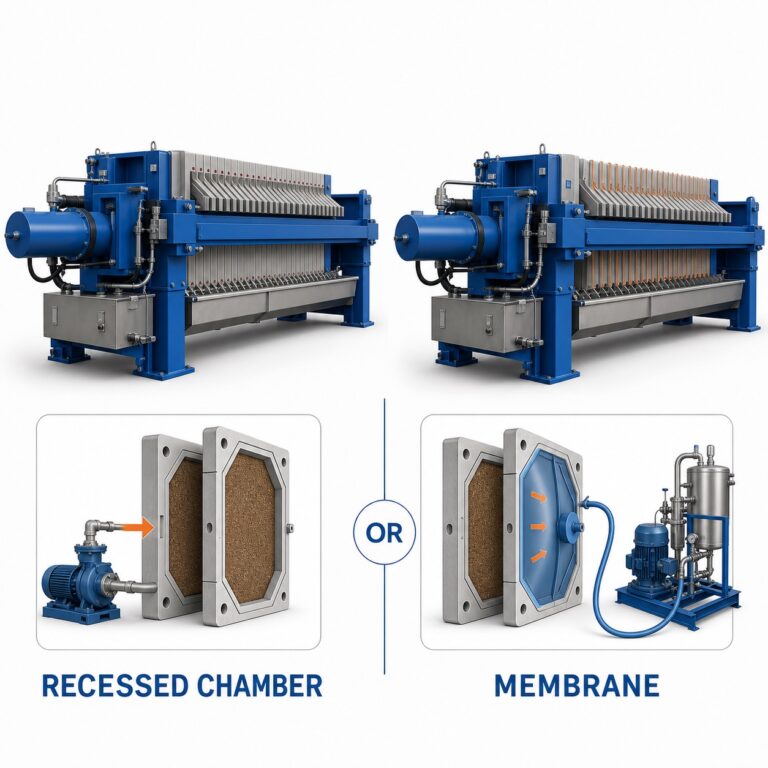
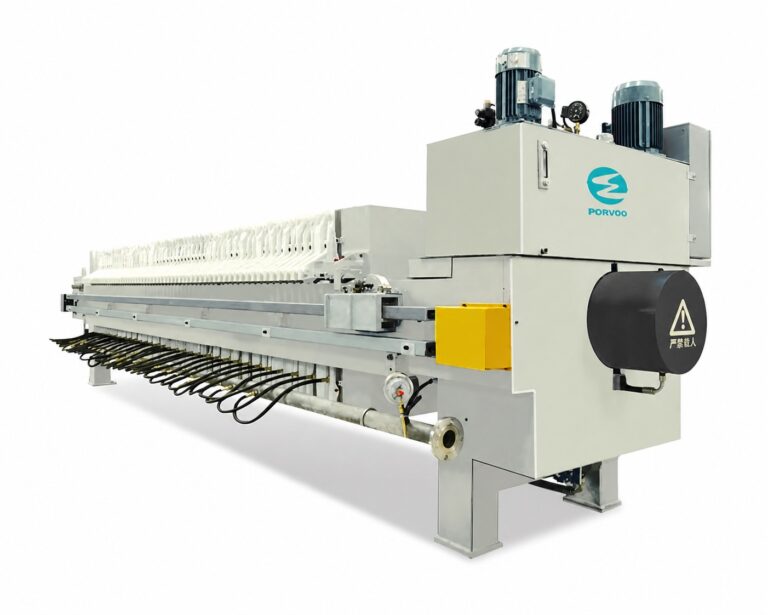
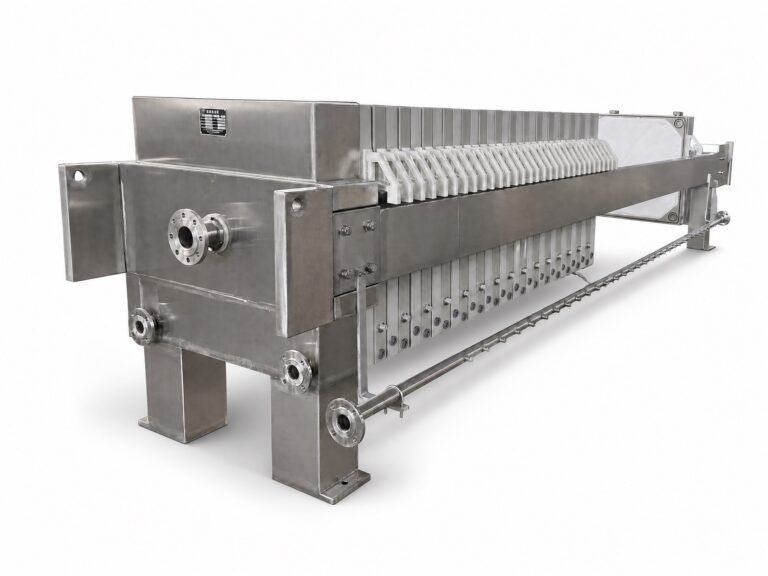
A conexão de retorno do filtrado costuma ser tratada como um detalhe hidráulico, e não como uma variável de processo, mas ela afeta a carga de sólidos que entra na torre. Se o filtrado proveniente do filtro prensa de placa e estrutura rebaixada contém sólidos suspensos residuais e é devolvida diretamente à entrada da torre sem caracterização; esses sólidos são redosados, ressedimentados e re-prensados em um circuito que aumenta a carga em cada estágio. A coleta tanto do transbordamento da torre quanto do filtrado da prensa em um reservatório comum de água limpa, conforme descrito nas diretrizes da EPA para reutilização de água como boa prática para o fechamento do ciclo de água industrial, permite que a qualidade seja avaliada em um único ponto antes que a água seja destinada à reutilização ou devolvida ao processo. Esse não é um requisito universal de projeto, mas é uma configuração prática que oferece à equipe de controle uma única verificação visível da qualidade do efluente combinado, em vez de dois fluxos separados e não medidos.
Aceite o layout somente após o fechamento do balanço de sólidos
A seleção de equipamentos não é o mesmo que a aceitação do layout. Uma torre e uma prensa que atendam, cada uma, às suas especificações de projeto individuais ainda podem resultar em um sistema combinado que não funcione de maneira integrada do ponto de vista operacional, caso não tenha sido verificado se o balanço de sólidos se fecha quantitativamente. Essa etapa de verificação é distinta dos testes de aceitação de equipamentos na fábrica e é frequentemente ignorada ou adiada até que problemas de desempenho a tornem inevitável.
Fechar o balanço de sólidos significa confirmar que todos os sólidos que entram no sistema como matéria suspensa no efluente saem do sistema na forma de bolo de filtração, sem transporte para a piscina de transbordamento e sem acúmulo na torre ou nas linhas de transferência ao longo do tempo. A verificação é quantitativa: a carga de sólidos no efluente é comparada com a massa do bolo por ciclo e com os sólidos suspensos (SS) no transbordamento, ao longo de um período operacional completo que abrange vários ciclos de prensagem e pelo menos um evento de incompatibilidade de programação. Para fins de verificação prática, isso significa que os SS de transbordamento permaneçam consistentemente abaixo do limite de 100 mg/L, e que todos os sólidos sedimentados sejam contabilizados como bolo removido, sem transporte residual mensurável — um critério combinado que visa uma remoção de SS superior a 99,51 TP3T em todo o sistema integrado.
A razão pela qual essa etapa é uma verificação de revisão, e não um resultado óbvio, é que os dois modos de falha mais prováveis de reequilibrar o sistema — a retirada de lodo diluído e a falta de alimentação no ciclo de prensagem durante a descarga do bolo — podem não ser visíveis durante os curtos períodos de comissionamento. Eles se manifestam sob carga operacional sustentada, particularmente quando o volume de produção se aproxima da capacidade projetada e a frequência de prensagem aumenta. Aceitar o projeto antes que essa condição seja testada cria uma situação em que o sistema é aprovado no comissionamento, mas apresenta degradação no primeiro trimestre de produção; nesse momento, o custo da intervenção é significativamente mais alto do que teria sido durante o período de comissionamento.
Para contextualizar como esse layout se encaixa em uma abordagem mais ampla de sequenciamento do tratamento de águas residuais, a lógica de sequenciamento para remoção de areia, dosagem, decantação e prensagem é abordada com mais detalhes em Processos de tratamento de águas residuais para fábricas com alto teor de sólidos.
O teste prático de um projeto que inclua uma torre de sedimentação e um filtro-prensa consiste em verificar se o balanço de sólidos se fecha em condições reais de operação — e não se cada unidade atende às especificações nominais. Antes de aceitar qualquer projeto proposto, confirme se o volume efetivo da torre e a taxa de retirada foram verificados em relação ao tempo de ciclo do filtro-prensa e ao plano de capacidade de reserva, se o controle de dosagem está vinculado à observação da formação de flocos — em vez de fixado em uma taxa pré-definida — e se o caminho de retorno do filtrado não devolve sólidos não contabilizados à entrada da torre.
A verificação mais importante antes da aquisição é o alinhamento dos cronogramas entre a produção e os horários de prensagem. Se esses cronogramas não coincidirem, a questão da capacidade de buffer precisa ser resolvida como parte do escopo — e não adiada para uma fase futura. Um layout que apresente equilíbrio de sólidos no papel, mas que não consiga manter esse equilíbrio em um desfasamento de dois turnos sem armazenamento de buffer, é um projeto incompleto, independentemente da qualidade das especificações de cada equipamento.
Perguntas frequentes
P: Nossa fábrica opera em um único turno contínuo, sem intervalo programado entre a produção e a prensagem — ainda assim precisamos de um tanque de armazenamento temporário de lodo?
R: Provavelmente não, mas somente se a prensa tiver capacidade de reserva para receber o lodo durante os ciclos de descarga do bolo. Se você estiver operando uma única prensa sem uma unidade de reserva, mesmo um cronograma alinhado aos turnos cria janelas curtas — descarga mais reinicialização — em que a torre não tem para onde enviar o lodo retirado. Nesse caso, ainda vale a pena incluir um pequeno tanque tampão dimensionado para um a dois ciclos da prensa. A necessidade de um tanque tampão só se torna crítica quando as horas de produção e de prensagem divergem, mas os cronogramas sem intervalo não eliminam totalmente o problema da janela de descarga.
P: Depois que o equilíbrio de sólidos for estabelecido durante o comissionamento, qual é a próxima verificação operacional a ser realizada para confirmar se ele se mantém sob carga contínua?
R: Realize um registro contínuo do SS de transbordamento por pelo menos uma semana inteira, na vazão de projeto ou próxima a ela, abrangendo vários ciclos da prensa por dia e pelo menos uma ocasião em que a prensa esteja fora de operação durante a produção. Se o SS de transbordamento permanecer abaixo de 100 mg/L ao longo desse período e a massa do bolo por ciclo se mantiver consistente, o equilíbrio está se mantendo em condições reais. O período de comissionamento costuma ser curto demais para revelar os dois modos de falha mais comuns — retirada de lodo diluído e falta de material na prensa durante a descarga do bolo —, que só se manifestam quando a frequência de prensagem se aproxima da frequência de projeto sob carga sustentada.
P: Em que momento faz mais sentido adicionar uma segunda torre de sedimentação do que aumentar o volume efetivo de uma torre já existente?
R: Quando a restrição é a vazão hidráulica, e não o tempo de residência. Se a vazão por hora da sua estação exceder o que uma única torre pode processar dentro da meta de tempo de residência de 40 minutos — mesmo no volume máximo de projeto —, adicionar uma segunda torre em paralelo é a solução correta, pois preserva o tempo de sedimentação sem exigir uma altura ou área ocupada impraticáveis para o reservatório. A ampliação de uma única torre é adequada quando o déficit é puramente no volume efetivo em relação ao fluxo, mas, além de uma determinada escala, os custos civis e estruturais de um único vaso superdimensionado excedem o custo de uma unidade paralela, e você perde a flexibilidade operacional de poder isolar uma torre para manutenção.
P: Como se compara esse projeto de torre de sedimentação e prensa de filtro a uma alternativa de desaguamento baseada em centrífuga para efluentes cerâmicos ou de pedra com alto teor de sólidos?
R: O layout “torre mais prensa” produz um bolo mais seco e menor teor de sólidos suspensos no filtrado, ao custo de uma vazão por unidade mais lenta, enquanto os sistemas baseados em centrífugas oferecem maior velocidade de vazão, mas normalmente geram um bolo mais úmido e exigem mais manutenção nos componentes rotativos sob carga de sólidos abrasivos. Especificamente para águas residuais de cerâmica e pedra, onde as concentrações de sólidos suspensos no influente são altas e o custo de descarte do bolo é uma variável operacional significativa, a desidratação por prensa tende a produzir um resultado mais econômico ao longo do ciclo de vida do equipamento, pois o bolo mais seco é mais barato de transportar e descartar. O argumento a favor da centrífuga ganha força quando o espaço é extremamente limitado ou quando a operação contínua e autônoma durante a madrugada é um requisito imprescindível.
P: Esse layout combinado é adequado para instalações em que os sólidos das águas residuais consistem principalmente em partículas finas com tamanho inferior a 10 mícrons, como nas operações de polimento ou moagem ultrafina?
R: Não sem ajustes no projeto. O layout descrito pressupõe que as partículas respondam à floculação convencional com PAM/PAC e se sedimentem em um intervalo de 15 a 30 minutos dentro da torre. Partículas muito finas — com tamanho inferior a aproximadamente 10 mícrons — frequentemente exigem um tempo de condicionamento de floculação prolongado, doses mais altas de floculante ou uma etapa prévia de coagulação para formar flocos grandes o suficiente para se sedimentarem a uma taxa útil. Se o intervalo de 15 a 30 minutos para a conclusão da sedimentação não puder ser alcançado em um ensaio em frasco com doses realistas de floculante para a distribuição real do tamanho das partículas, o cálculo do volume efetivo da torre torna-se pouco confiável, e a prensa receberá lodo com concentração inconsistente, independentemente de quão bem coordenada seja a lógica de retirada. Confirmar o comportamento de sedimentação com amostras representativas antes de finalizar o dimensionamento da torre é essencial em qualquer aplicação envolvendo sólidos ultrafinos.