No mundo do gerenciamento da qualidade do ar industrial, a escolha entre mesas de backdraft e downdraft é uma decisão crucial que pode afetar significativamente a segurança e a eficiência do local de trabalho. Essas mesas especializadas desempenham um papel fundamental na captura e remoção de contaminantes transportados pelo ar, poeira e fumaça gerados durante vários processos de fabricação. À medida que os setores evoluem e as normas ambientais se tornam mais rigorosas, entender as diferenças entre esses dois tipos de mesas nunca foi tão importante.
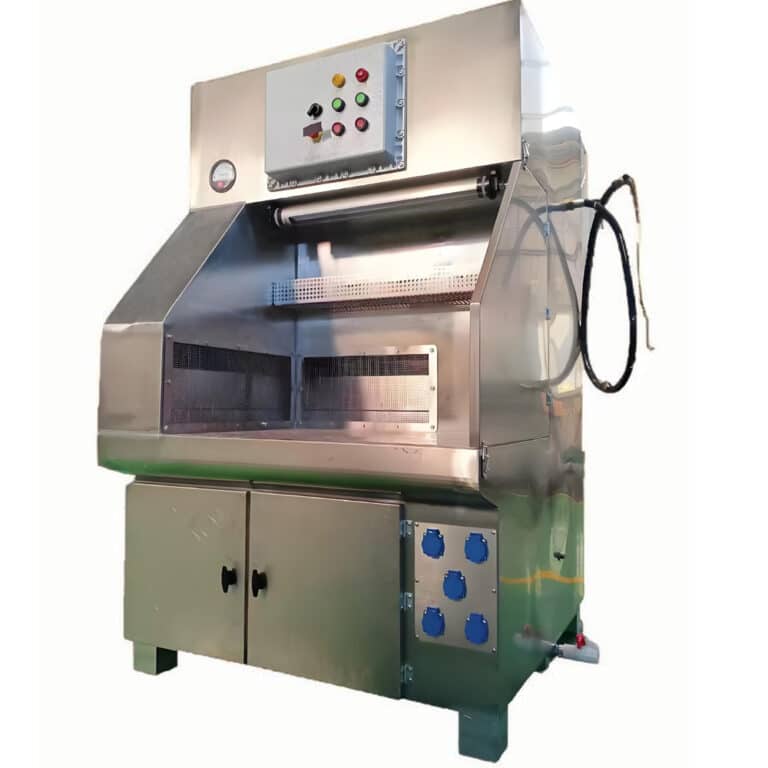
As mesas backdraft e downdraft têm finalidades semelhantes, mas operam com princípios diferentes. Enquanto as mesas backdraft puxam o ar horizontalmente em direção à parte de trás da estação de trabalho, as mesas downdraft puxam o ar para baixo através da superfície de trabalho. Cada projeto tem suas vantagens exclusivas e é mais adequado para aplicações específicas. A escolha entre os dois pode afetar o conforto do trabalhador, a eficiência da captura de contaminantes e a qualidade geral do ar no espaço de trabalho.
À medida que nos aprofundamos no mundo da PORVOO Para obter mais informações sobre as soluções de qualidade do ar industrial, exploraremos os principais recursos, benefícios e aplicações das mesas de contra-corrente e de corrente descendente. Este guia abrangente o ajudará a tomar uma decisão informada sobre qual tipo de mesa é mais adequado para suas necessidades específicas, garantindo um ambiente de trabalho mais seguro e produtivo.
A escolha da solução correta de gerenciamento da qualidade do ar é fundamental para manter um local de trabalho seguro e eficiente. As mesas de backdraft e downdraft oferecem vantagens distintas para diferentes aplicações industriais, e entender seus recursos exclusivos é fundamental para fazer a melhor escolha para suas instalações.
Quais são as principais diferenças entre as mesas backdraft e downdraft?
Quando se trata de gerenciamento da qualidade do ar industrial, é fundamental compreender as diferenças fundamentais entre as mesas de backdraft e downdraft. Esses dois tipos de mesas operam com base em princípios distintos, cada um com seu próprio conjunto de vantagens e aplicações ideais.
As mesas de backdraft, como o nome sugere, puxam o ar horizontalmente para a parte de trás da estação de trabalho. Esse design cria um fluxo de ar consistente que afasta os contaminantes da zona de respiração do trabalhador. Por outro lado, as mesas downdraft puxam o ar para baixo através da superfície de trabalho, capturando efetivamente as partículas e os vapores na fonte.
A escolha entre esses dois tipos de mesas pode afetar significativamente a eficiência da captura de contaminantes e a qualidade geral do ar em seu espaço de trabalho. Vamos nos aprofundar nas características específicas de cada tipo para ajudá-lo a tomar uma decisão informada.
As mesas backdraft são particularmente eficazes para processos que geram partículas ou vapores mais leves, pois o fluxo de ar horizontal pode capturar e remover esses contaminantes com eficiência. As mesas Downdraft, com sua sucção para baixo, são excelentes na captura de partículas mais pesadas e geralmente são preferidas para aplicações que envolvem poeira e detritos maiores.
| Recurso | Mesas de Backdraft | Mesas Downdraft |
|---|---|---|
| Direção do fluxo de ar | Horizontal | Vertical (para baixo) |
| Ideal para | Partículas mais leves, fumaça | Partículas mais pesadas, poeira |
| Superfície de trabalho | Sólido | Perfurado ou ralado |
| Aplicações típicas | Soldagem, solda | Esmerilhamento, lixamento |
O design dessas mesas não só afeta seu desempenho, mas também influencia o conforto do trabalhador e os tipos de tarefas que podem ser realizadas com eficiência. As mesas de backdraft geralmente permitem uma área de trabalho mais aberta, o que pode ser benéfico para projetos maiores ou para o uso de equipamentos volumosos. As mesas Downdraft, com suas superfícies de trabalho perfuradas, proporcionam excelente eficiência de captura, mas podem exigir considerações adicionais para apoiar as peças de trabalho.
Ao escolher entre mesas de backdraft e downdraft, é essencial considerar os contaminantes específicos com os quais você estará lidando, a natureza dos seus processos de trabalho e o layout geral do seu espaço de trabalho. Ao avaliar cuidadosamente esses fatores, você pode escolher a solução que melhor atenda às suas necessidades de gerenciamento da qualidade do ar e contribua para um ambiente de trabalho mais seguro e produtivo.
Como as mesas de retrocesso aumentam a segurança no local de trabalho?
As mesas de backdraft tornaram-se parte integrante de muitos ambientes industriais, oferecendo uma solução robusta para gerenciar a qualidade do ar e aumentar a segurança no local de trabalho. Essas mesas são projetadas para criar um fluxo de ar horizontal que captura e remove com eficácia os contaminantes, vapores e partículas mais leves transportados pelo ar, gerados durante vários processos de fabricação.
O mecanismo primário de uma mesa de contra-ataque envolve a extração do ar da frente da estação de trabalho para a parte de trás, onde ele é filtrado e exaurido. Esse design é particularmente eficaz na proteção dos trabalhadores contra a exposição a substâncias nocivas, direcionando os contaminantes para longe da zona de respiração. Como resultado, as mesas de respiro desempenham um papel crucial na minimização do risco de problemas respiratórios e outros problemas de saúde associados à exposição prolongada a poluentes industriais.
Uma das principais vantagens das mesas de retrocesso é sua versatilidade em lidar com uma ampla gama de partículas e fumaças de peso leve a médio. Isso as torna uma excelente opção para aplicações como soldagem, solda e esmerilhamento leve, em que os contaminantes gerados tendem a ser menos densos e mais facilmente transportados pelo fluxo de ar horizontal.
As mesas de retrocesso reduzem significativamente o risco de exposição do trabalhador a contaminantes nocivos transportados pelo ar, criando um fluxo de ar consistente que afasta as partículas e os vapores da zona de respiração, aumentando a segurança geral do local de trabalho e a conformidade com as normas de qualidade do ar.
| Aplicativo | Tipo de contaminante | Eficácia das mesas de backdraft |
|---|---|---|
| Soldagem | Fumaça e partículas de luz | Alta |
| Solda | Fumaça e resíduos de fluxo | Muito alta |
| Moagem leve | Poeira fina e detritos | Moderado a alto |
| Processamento químico | Vapores e névoas leves | Alta |
O design das mesas de backdraft também oferece benefícios adicionais que contribuem para a segurança e a eficiência do local de trabalho. A superfície de trabalho aberta permite o manuseio fácil de peças de trabalho maiores e oferece flexibilidade no posicionamento de ferramentas e equipamentos. Isso pode levar à melhoria da ergonomia e à redução da tensão dos trabalhadores, aumentando ainda mais a segurança e a produtividade.
Além disso, as mesas de retrocesso podem ser integradas a vários sistemas de filtragem, permitindo a personalização com base nos contaminantes específicos que estão sendo manipulados. Essa adaptabilidade garante que a solução de gerenciamento da qualidade do ar possa evoluir com as mudanças nas necessidades do local de trabalho e nos requisitos regulamentares.
Ao considerar Mesas de backdraft downdraft Para que a qualidade do ar seja adequada para suas instalações, é importante avaliar a natureza de seus processos, os tipos de contaminantes gerados e o layout geral de seu espaço de trabalho. Avaliando cuidadosamente esses fatores, é possível determinar se as mesas de retrocesso são a opção ideal para aumentar a segurança no local de trabalho e manter altos padrões de qualidade do ar em seu ambiente industrial.
O que torna as mesas downdraft ideais para determinadas aplicações?
As mesas Downdraft conquistaram um nicho significativo no gerenciamento da qualidade do ar industrial, mostrando-se particularmente eficazes para determinadas aplicações em que seu design exclusivo oferece vantagens distintas. Essas mesas operam criando um fluxo de ar descendente por meio de uma superfície de trabalho perfurada ou gradeada, capturando e removendo efetivamente partículas mais pesadas, poeira e detritos na fonte.
O principal ponto forte das mesas downdraft está em sua capacidade de lidar com partículas maiores e mais pesadas que podem não ser capturadas com facilidade pelos sistemas de fluxo de ar horizontal. Isso as torna excepcionalmente adequadas para aplicações como operações pesadas de esmerilhamento, lixamento e corte, nas quais são geradas quantidades substanciais de poeira e detritos.
Um dos principais benefícios das mesas downdraft é sua alta eficiência de captura. Ao puxar o ar para baixo através da superfície de trabalho, essas mesas criam um poderoso efeito de sucção que pode remover efetivamente os contaminantes antes que eles tenham a chance de se dispersar no ar ao redor. Isso não apenas melhora a qualidade do ar, mas também reduz a necessidade de limpeza frequente da área de trabalho.
As mesas Downdraft são excelentes na captura de partículas e poeira mais pesadas, o que as torna ideais para aplicações como lixamento e esmerilhamento pesados. Seu design garante que os contaminantes sejam rapidamente removidos da área de trabalho, reduzindo significativamente a propagação de poeira e melhorando a qualidade geral do ar no espaço de trabalho.
| Aplicativo | Tipo de partícula | Eficiência de captura |
|---|---|---|
| Moagem pesada | Aparas e poeira de metal | Muito alta |
| Lixamento | Pó de madeira e detritos | Alta |
| Operações de corte | Partículas grandes | Muito alta |
| Polimento | Poeira e partículas finas | Alta |
O design das mesas downdraft também oferece várias vantagens ergonômicas. Os trabalhadores podem se posicionar mais perto da superfície de trabalho sem obstrução, o que pode melhorar a postura e reduzir a tensão. Além disso, o fluxo de ar descendente ajuda a manter a superfície de trabalho limpa, aumentando a visibilidade e a precisão em trabalhos detalhados.
Outro benefício significativo das mesas downdraft é sua versatilidade em termos de opções de filtragem. Dependendo dos contaminantes específicos que estão sendo manipulados, essas mesas podem ser equipadas com vários tipos de filtros, desde coletores de pó básicos até sistemas de filtragem HEPA mais avançados. Essa adaptabilidade garante que as mesas downdraft possam atender aos requisitos de qualidade do ar de diversas aplicações industriais.
Ao considerar as mesas downdraft para suas instalações, é essencial avaliar a natureza de seus processos, os tipos e tamanhos de partículas geradas e o layout geral de seu espaço de trabalho. Para operações que produzem quantidades significativas de poeira pesada ou detritos, ou em que a manutenção de uma superfície de trabalho limpa é fundamental, as mesas downdraft geralmente provam ser um recurso inestimável para manter a qualidade do ar e a segurança do trabalhador.
Como essas tabelas afetam a qualidade geral do ar em ambientes industriais?
A implementação de mesas de backdraft e downdraft em ambientes industriais tem um impacto profundo na qualidade geral do ar, contribuindo significativamente para ambientes de trabalho mais saudáveis e produtivos. Essas mesas especializadas desempenham um papel crucial na captura e remoção de contaminantes transportados pelo ar na fonte, evitando sua dispersão por toda a instalação.
Ambos os tipos de mesas trabalham para reduzir drasticamente a concentração de partículas, vapores e poeira nocivos no ar. Ao capturar efetivamente esses contaminantes antes que eles possam se espalhar, essas mesas ajudam a manter o ar mais limpo em todo o espaço de trabalho. Isso não apenas protege os trabalhadores diretamente envolvidos nos processos que geram os contaminantes, mas também protege outras pessoas nas proximidades.
O impacto dessas mesas vai além das melhorias imediatas na qualidade do ar. Ao remover consistentemente os contaminantes do ar, elas ajudam a reduzir o acúmulo de poeira e partículas nas superfícies de toda a instalação. Isso pode resultar em menores custos de manutenção, maior vida útil do equipamento e melhor limpeza geral do ambiente de trabalho.
A implementação de mesas de backdraft e downdraft pode levar a uma redução significativa dos contaminantes transportados pelo ar, com alguns estudos mostrando uma redução de até 90% nas partículas nocivas na área de trabalho imediata. Essa melhora drástica na qualidade do ar contribui para melhorar a saúde respiratória dos trabalhadores e pode levar ao aumento da produtividade e à redução do absenteísmo.
| Métrica de qualidade do ar | Sem mesas | Com tabelas implementadas |
|---|---|---|
| Material particulado (PM2.5) | Alta | Baixo a muito baixo |
| Compostos orgânicos voláteis (VOCs) | Moderado a alto | Baixa |
| Acúmulo de poeira | Significativo | Mínimo |
| Reclamações respiratórias de trabalhadores | Frequente | Raros |
O impacto positivo dessas mesas na qualidade do ar também se estende à conformidade regulatória. Muitos setores estão sujeitos a padrões rígidos de qualidade do ar definidos por organizações como a OSHA e a EPA. Ao gerenciar com eficácia os contaminantes transportados pelo ar, as mesas de backdraft e downdraft ajudam as instalações a atender e, muitas vezes, a exceder esses requisitos normativos, evitando possíveis multas e penalidades.
Além disso, a melhoria da qualidade do ar resultante do uso dessas mesas pode trazer benefícios de longo prazo para a saúde do trabalhador. A redução da exposição a partículas e vapores nocivos pode diminuir o risco de problemas respiratórios, alergias e outros problemas de saúde associados à má qualidade do ar. Isso, por sua vez, pode levar à redução dos custos de saúde tanto para os funcionários quanto para os empregadores.
Ao considerar a implementação de PORVOO Ao escolher soluções de qualidade do ar, como mesas de backdraft e downdraft, é importante considerar o impacto holístico em suas instalações. Embora o investimento inicial possa parecer significativo, os benefícios de longo prazo em termos de melhoria da qualidade do ar, da saúde dos funcionários e da conformidade com as normas geralmente superam em muito os custos. Ao avaliar cuidadosamente suas necessidades específicas e escolher a combinação certa de soluções de gerenciamento da qualidade do ar, você pode criar um ambiente industrial mais limpo, seguro e produtivo.
Que fatores devem ser considerados ao escolher entre os dois?
Selecionar a solução certa de gerenciamento da qualidade do ar para sua instalação industrial é uma decisão crítica que pode ter implicações de longo alcance para a segurança do trabalhador, a produtividade e a conformidade com as normas. Ao escolher entre mesas de backdraft e downdraft, vários fatores importantes devem ser cuidadosamente considerados para garantir a solução mais eficaz e eficiente para suas necessidades específicas.
Uma das principais considerações é a natureza dos contaminantes gerados em seus processos. As mesas backdraft geralmente são mais eficazes para partículas e fumaças mais leves, o que as torna ideais para aplicações de soldagem, solda e esmerilhamento leve. As mesas Downdraft, por outro lado, são excelentes para capturar partículas e poeira mais pesadas, o que as torna mais adequadas para operações pesadas de esmerilhamento, lixamento e corte.
O tamanho e o layout de seu espaço de trabalho também desempenham um papel crucial no processo de tomada de decisão. As mesas de backdraft geralmente requerem menos espaço e podem ser integradas mais facilmente aos fluxos de trabalho existentes. As mesas Downdraft, embora potencialmente exijam mais espaço, oferecem maior flexibilidade em termos de tamanho e posicionamento da peça de trabalho.
A escolha entre mesas de retropropagação e de sucção descendente deve ser orientada por uma avaliação completa de seus processos industriais específicos, restrições de espaço de trabalho e metas de qualidade do ar. Fatores como o tipo de contaminante, o tamanho da peça de trabalho e a eficiência de captura necessária devem ser cuidadosamente ponderados para garantir a solução ideal para suas instalações.
| Fator | Mesas de Backdraft | Mesas Downdraft |
|---|---|---|
| Tipo de contaminante | Partículas de luz, fumaça | Partículas pesadas, poeira |
| Layout do espaço de trabalho | Flexível, eficiente em termos de espaço | Pode exigir mais espaço |
| Tamanho da peça de trabalho | Melhor para peças maiores | Versátil, mas pode ter limitações de tamanho |
| Eficiência de captura | Alta para contaminantes leves | Muito alto para partículas pesadas |
| Eficiência energética | Geralmente mais eficiente | Pode exigir taxas de fluxo de ar mais altas |
Outro fator importante a ser considerado é a eficiência energética do sistema. As mesas de backdraft geralmente exigem menos fluxo de ar para obter uma captura eficaz de contaminantes, o que pode resultar em custos de energia mais baixos. As mesas Downdraft, embora possam exigir taxas de fluxo de ar mais altas, podem oferecer uma eficiência de captura superior para determinadas aplicações, o que pode compensar o maior consumo de energia.
Os requisitos específicos de seu setor e as regulamentações aplicáveis também devem ser levados em conta. Alguns setores podem ter diretrizes ou preferências específicas para determinados tipos de soluções de gerenciamento da qualidade do ar. É fundamental garantir que a solução escolhida não apenas atenda aos padrões regulatórios atuais, mas também tenha flexibilidade para se adaptar a futuras mudanças nas regulamentações.
Além disso, considere os requisitos de manutenção e os custos de longo prazo associados a cada tipo de mesa. Embora tanto as mesas de backdraft quanto as de downdraft exijam manutenção regular para garantir o desempenho ideal, as necessidades específicas de manutenção podem variar. Fatores como a frequência de substituição do filtro, os requisitos de limpeza e o potencial de atualizações devem ser avaliados.
Por fim, é importante considerar a ergonomia e o conforto do trabalhador associados a cada tipo de mesa. As mesas de backdraft geralmente permitem um posicionamento mais natural dos funcionários, enquanto as mesas de downdraft podem proporcionar uma superfície de trabalho mais limpa. A escolha entre as duas pode afetar significativamente o conforto e a produtividade do trabalhador por períodos prolongados.
Avaliando cuidadosamente esses fatores e consultando especialistas em gerenciamento da qualidade do ar, você pode tomar uma decisão informada que melhor atenda às necessidades da sua instalação. Lembre-se de que, em alguns casos, uma combinação de mesas de backdraft e downdraft pode fornecer a solução mais abrangente para ambientes industriais complexos.
Como os requisitos de manutenção diferem entre os dois tipos?
A manutenção é um aspecto crucial para garantir a eficácia e a eficiência de longo prazo das mesas de retropropagação e de sucção descendente. Embora os dois tipos de mesas tenham finalidades semelhantes no gerenciamento da qualidade do ar, seus projetos e princípios operacionais distintos levam a diferenças nos requisitos de manutenção. Compreender essas diferenças é essencial para que os gerentes de instalações e as equipes de manutenção mantenham esses sistemas funcionando de forma ideal.
As mesas de backdraft, com seu design de fluxo de ar horizontal, geralmente têm requisitos de manutenção mais simples. O foco principal é manter o sistema de filtro traseiro limpo e funcional. A inspeção e a limpeza regulares dos filtros são necessárias para evitar entupimentos e manter o fluxo de ar ideal. Dependendo do modelo específico e do uso, a substituição do filtro pode ser necessária periodicamente.
As mesas Downdraft, devido ao seu fluxo de ar descendente e à superfície de trabalho perfurada, geralmente exigem manutenção mais frequente e completa. A própria superfície de trabalho precisa de limpeza regular para evitar o entupimento das perfurações, o que poderia impedir o fluxo de ar. O sistema de filtragem subjacente, normalmente mais complexo do que o das mesas de backdraft, pode exigir atenção mais frequente.
A manutenção regular é fundamental para as mesas de backdraft e de downdraft, mas as mesas de downdraft geralmente exigem atenção mais frequente devido ao seu design. A manutenção adequada pode prolongar a vida útil desses sistemas em até 50% e garantir um desempenho consistente no gerenciamento da qualidade do ar.
| Aspecto da manutenção | Mesas de Backdraft | Mesas Downdraft |
|---|---|---|
| Frequência de limpeza do filtro | Moderado | Alta |
| Manutenção da superfície de trabalho | Mínimo | Regular (perfurações) |
| Substituição do filtro | Menos frequente | Mais frequentes |
| Complexidade do sistema | Inferior | Mais alto |
| Tempo de inatividade para manutenção | Geralmente mais curtos | Pode ser mais longo |
Uma das principais tarefas de manutenção para ambos os tipos de mesas é a inspeção regular dos sistemas de dutos e exaustão. No caso das mesas de backdraft, isso envolve a verificação da integridade do plenum traseiro e a garantia de que o sistema de exaustão esteja funcionando corretamente. As mesas Downdraft exigem a inspeção do plenum sob a mesa e dos dutos associados, que podem ser mais complexos devido ao projeto de fluxo de ar descendente.
Os procedimentos de limpeza também diferem entre os dois tipos. As mesas de backdraft geralmente permitem acesso mais fácil ao sistema de filtragem, simplificando o processo de limpeza. As mesas Downdraft podem exigir procedimentos de limpeza mais complexos, especialmente para a superfície de trabalho perfurada e a área de coleta subjacente.
A frequência da manutenção pode variar significativamente de acordo com o uso e o tipo de contaminantes que estão sendo capturados. Em ambientes de uso intenso ou que lidam com partículas particularmente abrasivas ou pegajosas, pode ser necessária uma manutenção mais frequente para ambos os tipos de mesas. No entanto, as mesas downdraft normalmente exigem atenção mais frequente devido ao potencial de acúmulo de partículas nas perfurações da superfície de trabalho e na área de coleta subjacente.
É importante observar que, embora as mesas downdraft possam ter requisitos de manutenção mais intensivos, elas geralmente oferecem eficiência de captura superior para determinadas aplicações. Essa maior eficiência pode levar a uma qualidade geral do ar mais limpa, compensando potencialmente o esforço adicional de manutenção necessário.
Ao implementar qualquer tipo de mesa, é fundamental estabelecer um cronograma de manutenção regular com base nas recomendações do fabricante e em seus padrões de uso específicos. O treinamento adequado da equipe de manutenção também é essencial para garantir que todos os aspectos do sistema sejam atendidos corretamente e que os possíveis problemas sejam identificados com antecedência.
Ao compreender e aderir aos requisitos específicos de manutenção das mesas de contra-corrente e de corrente descendente, as instalações podem garantir o desempenho ideal, prolongar a vida útil dos sistemas de gerenciamento da qualidade do ar e manter um ambiente de trabalho seguro e saudável. A manutenção regular não apenas preserva a eficiência desses sistemas, mas também contribui para a economia de custos a longo prazo, evitando grandes avarias e garantindo um gerenciamento consistente da qualidade do ar.
Essas tabelas podem ser personalizadas de acordo com as necessidades específicas do setor?
No cenário diversificado do gerenciamento da qualidade do ar industrial, a capacidade de personalizar as soluções de filtragem de ar é crucial. Tanto as mesas de backdraft quanto as de downdraft oferecem um potencial significativo de personalização, permitindo que sejam adaptadas para atender às necessidades específicas de vários setores e aplicações. Essa adaptabilidade é um dos principais motivos pelos quais essas mesas se tornaram componentes integrais do gerenciamento da qualidade do ar em uma ampla gama de setores.
As opções de personalização para ambos os tipos de mesas podem incluir modificações de tamanho, formato, sistemas de filtragem e recursos adicionais. No caso das mesas de retrocesso, as personalizações geralmente se concentram no projeto do plenum traseiro e no tipo de sistema de filtragem usado. Isso pode envolver a incorporação de filtros especializados para contaminantes específicos ou o ajuste dos padrões de fluxo de ar para melhor atender a processos específicos.
As mesas Downdraft oferecem possibilidades de personalização ainda mais amplas devido ao seu design. A superfície de trabalho perfurada pode ser modificada em termos de tamanho e padrão dos furos para otimizar a eficiência de captura de tipos específicos de partículas. O plenum subjacente e o sistema de filtragem também podem ser personalizados para lidar com diferentes volumes e tipos de contaminantes.
As personalizações específicas do setor das mesas de backdraft e downdraft podem levar a melhorias significativas na eficiência de captura, com algumas soluções personalizadas alcançando taxas de remoção de contaminantes de até 99%. Esse nível de personalização garante que as soluções de gerenciamento da qualidade do ar sejam adaptadas com precisão aos desafios exclusivos de cada setor.
| Setor | Personalizações comuns | Benefícios |
|---|---|---|
| Metalurgia | Protetores de faísca, filtros para serviço pesado | Segurança aprimorada, maior vida útil do filtro |
| Trabalho em madeira | Coleta de pó de grande capacidade | Captura aprimorada de pó de madeira |
| Processamento químico | Materiais resistentes à corrosão | Aumento da vida útil do equipamento |
| Farmacêutico | Filtragem HEPA, compatibilidade com salas limpas | Atende a rigorosos padrões de limpeza |
| Processamento de alimentos | Construção em aço inoxidável, capacidade de lavagem | Garante higiene e facilidade de limpeza |
Uma das áreas mais significativas de personalização está nos próprios sistemas de filtragem. Dependendo dos contaminantes específicos que estão sendo tratados, as mesas podem ser equipadas com uma variedade de opções de filtragem. Isso pode incluir filtros básicos de poeira, filtros de carvão ativado para controle de odor, filtros HEPA para partículas ultrafinas ou até mesmo filtros especializados para vapores químicos específicos.
Para os setores que lidam com poeiras ou vapores explosivos, os dois tipos de mesas podem ser personalizados com recursos à prova de explosão. Isso pode incluir materiais resistentes a faíscas, sistemas de ventilação especializados e controles de segurança para evitar a ignição de partículas potencialmente explosivas.
Em setores como o farmacêutico ou de processamento de alimentos, em que a limpeza é fundamental, as mesas podem ser personalizadas com materiais e designs que facilitem a limpeza e a higienização. Isso pode incluir construção em aço inoxidável, superfícies lisas sem fendas e compatibilidade com procedimentos de lavagem.
As dimensões físicas e a configuração das mesas também podem ser personalizadas para atender a requisitos específicos do espaço de trabalho ou para acomodar determinados tipos de equipamentos ou processos. Essa flexibilidade permite a integração perfeita em linhas de produção ou layouts de espaços de trabalho existentes.
Algumas personalizações avançadas podem incluir a integração de tecnologias inteligentes para monitoramento e controle. Isso pode envolver sensores para detectar taxas de fluxo de ar, níveis de saturação do filtro ou até mesmo a presença de contaminantes específicos. Esses recursos podem aumentar muito a eficiência e a eficácia dos sistemas de gerenciamento da qualidade do ar.
Ao considerar as opções de personalização para Mesas de backdraft downdraftPor isso, é importante trabalhar em estreita colaboração com fabricantes experientes ou especialistas em gerenciamento da qualidade do ar. Eles podem fornecer informações valiosas sobre as personalizações mais eficazes para o seu setor e processos específicos, garantindo que você obtenha uma solução que não apenas atenda às necessidades atuais, mas que também seja adaptável a requisitos futuros.
A capacidade de personalizar essas mesas destaca a versatilidade e a adaptabilidade das modernas soluções de gerenciamento da qualidade do ar. Ao adaptar as mesas de backdraft e downdraft às necessidades específicas do setor, as empresas podem obter a melhor qualidade do ar, aumentar a segurança dos funcionários e melhorar a eficiência operacional geral.
Quais são as últimas inovações na tecnologia de mesas de backdraft e downdraft?
O campo do gerenciamento da qualidade do ar industrial está em constante evolução, com o surgimento de novas inovações na tecnologia de mesas de contra-corrente e downdraft para atender às demandas cada vez maiores de eficiência, segurança e responsabilidade ambiental. Esses avanços estão reformulando a maneira como os setores abordam a filtragem do ar e a captura de contaminantes, oferecendo desempenho aprimorado e novos recursos.
Uma das inovações recentes mais significativas é a integração da tecnologia inteligente às mesas de backdraft e downdraft. Isso inclui a incorporação de sensores e conectividade IoT (Internet das Coisas), permitindo o monitoramento em tempo real da qualidade do ar, do status do filtro e do desempenho do sistema. Esses sistemas inteligentes podem ajustar automaticamente as taxas de fluxo de ar com base nos níveis de contaminantes detectados, garantindo eficiência e uso de energia ideais.
Outra área de inovação é a tecnologia de filtros. Materiais e projetos avançados estão sendo desenvolvidos para melhorar a eficiência da captura e, ao mesmo tempo, reduzir o consumo de energia. Isso inclui o uso de filtros de nanofibra que podem capturar partículas ultrafinas com maior eficiência do que os filtros tradicionais e sistemas de filtro autolimpantes que prolongam a vida útil do filtro e reduzem os requisitos de manutenção.
Inovações recentes na tecnologia de mesa de backdraft e downdraft levaram a melhorias significativas no desempenho e na eficiência. Os sistemas inteligentes com integração de IoT podem aumentar a eficiência geral do sistema em até 30%, enquanto as tecnologias avançadas de filtro demonstraram o potencial de capturar partículas tão pequenas quanto 0,1 mícron com eficiência superior a 99,99%.
| Inovação | Aplicativo | Impacto |
|---|---|---|
| Integração de IoT | Monitoramento e controle em tempo real | Maior eficiência, manutenção preditiva |
| Filtros de nanofibra | Captura de partículas ultrafinas | Melhoria da qualidade do ar, redução do consumo de energia |
| Sistemas de autolimpeza | Manutenção automatizada do filtro | Vida útil prolongada do filtro, tempo de inatividade reduzido |
| Sistemas de recuperação de energia | Recuperação de calor e energia | Melhoria da sustentabilidade, redução dos custos operacionais |
| Projetos modulares | Soluções personalizáveis e dimensionáveis | Maior flexibilidade para diversas necessidades industriais |
A eficiência energética é um dos principais focos das inovações recentes. Os novos projetos incorporam sistemas de recuperação de energia que capturam e reutilizam o calor gerado durante o processo de filtragem. Isso não apenas reduz o consumo de energia, mas também pode contribuir para o aquecimento geral da instalação, levando a uma economia significativa de custos e maior sustentabilidade.
Os avanços na ciência dos materiais levaram ao desenvolvimento de componentes mais duráveis e resistentes à corrosão para as mesas de backdraft e downdraft. Isso é particularmente benéfico para os setores que lidam com produtos químicos agressivos ou materiais abrasivos, pois aumenta a vida útil do equipamento e reduz a necessidade de manutenção.
O design modular é outra área de inovação, permitindo maior flexibilidade e personalização. Esses sistemas modulares podem ser facilmente reconfigurados ou expandidos para atender às necessidades em constante mudança, proporcionando uma solução mais adaptável para ambientes industriais dinâmicos.
Especificamente para mesas downdraft, as inovações no design da superfície de trabalho levaram a uma maior eficiência de captura. Isso inclui desenvolvimentos em padrões de superfície perfurada que otimizam o fluxo de ar e, ao mesmo tempo, mantêm a integridade estrutural, mesmo sob cargas pesadas.
Na tecnologia de mesa de retrocesso, foram feitos avanços nos sistemas de controle de fluxo de ar. Novos projetos permitem um controle mais preciso sobre a direção e a intensidade do fluxo de ar, melhorando a eficiência da captura para uma variedade maior de contaminantes e processos.
A redução do ruído é outra área em que as inovações recentes fizeram avanços significativos. Novos projetos de ventiladores e materiais de amortecimento de som foram desenvolvidos para reduzir os níveis de ruído associados aos sistemas de filtragem de ar de alta potência, contribuindo para um ambiente de trabalho mais confortável.
A sustentabilidade ambiental também está impulsionando a inovação nesse campo. Novos sistemas estão sendo projetados com materiais de filtro recicláveis ou biodegradáveis, e os fabricantes estão se concentrando em reduzir o impacto ambiental geral de seus produtos durante todo o ciclo de vida.
À medida que o cenário industrial continua a evoluir, o mesmo acontece com as tecnologias por trás das mesas de backdraft e downdraft. Essas inovações contínuas prometem oferecer soluções ainda mais eficientes, eficazes e ecologicamente corretas para o gerenciamento da qualidade do ar industrial no futuro.
Conclusão
No âmbito do gerenciamento da qualidade do ar industrial, a escolha entre mesas de backdraft e downdraft é uma decisão crítica que pode afetar significativamente a segurança, a produtividade e a conformidade normativa do local de trabalho. Os dois tipos de mesas oferecem vantagens exclusivas e são adequados a diferentes aplicações, o que torna o processo de seleção uma consideração importante e diferenciada para gerentes de instalações e profissionais de segurança.
As mesas de backdraft, com seu design de fluxo de ar horizontal, são excelentes na captura de partículas e fumaças mais leves, o que as torna ideais para processos como soldagem e solda. Sua superfície de trabalho aberta e seu design flexível permitem o fácil manuseio de peças maiores e a integração em vários layouts de espaço de trabalho. Por outro lado, as mesas downdraft, com seu fluxo de ar descendente por meio de uma superfície de trabalho perfurada, são particularmente eficazes na captura de partículas e poeira mais pesadas, o que as torna a escolha preferida para aplicações como lixamento e esmerilhamento pesado.
O impacto dessas mesas na qualidade geral do ar em ambientes industriais não pode ser exagerado. Ao capturar efetivamente os contaminantes na fonte, os dois tipos de mesas contribuem para um ar mais limpo em toda a instalação, o que melhora a saúde dos trabalhadores, reduz os custos de manutenção e melhora a conformidade com as normas de qualidade do ar.
Ao escolher entre mesas de backdraft e downdraft, vários fatores devem ser cuidadosamente considerados, inclusive a natureza dos contaminantes gerados, o layout do espaço de trabalho, a eficiência energética, os requisitos de manutenção e as normas específicas do setor. A capacidade de personalizar essas mesas para necessidades específicas do setor aumenta ainda mais sua versatilidade e eficácia em uma ampla gama de aplicações.
As recentes inovações na tecnologia de mesas de contra-corrente e de contra-corrente, como a integração de sistemas inteligentes, tecnologias avançadas de filtragem e projetos com eficiência energética, estão melhorando continuamente o desempenho e os recursos dessas ferramentas essenciais de gerenciamento da qualidade do ar. Esses avanços prometem soluções ainda mais eficientes e eficazes para manter o ar limpo em ambientes industriais.
Em última análise, a decisão entre mesas de backdraft e downdraft deve ser baseada em uma avaliação completa de suas necessidades específicas, processos e condições do local de trabalho. Avaliando cuidadosamente esses fatores e mantendo-se informado sobre os últimos avanços tecnológicos, você pode selecionar a solução de gerenciamento da qualidade do ar que melhor atenda aos requisitos de sua instalação, garantindo um local de trabalho mais seguro, mais produtivo e ambientalmente responsável.
À medida que os setores continuam a evoluir e os padrões de qualidade do ar se tornam cada vez mais rigorosos, o papel das soluções eficazes de filtragem de ar, como as mesas de contra-corrente e de corrente descendente, só aumentará em importância. Ao investir nas ferramentas corretas de gerenciamento da qualidade do ar e ficar a par dos avanços tecnológicos, as empresas podem não apenas atender aos requisitos regulatórios atuais, mas também se posicionar para o sucesso a longo prazo em um ambiente em que o ar limpo é reconhecido como um componente crucial das operações industriais.
Recursos externos
RoboVent - Este artigo explica as principais diferenças entre as mesas backdraft e downdraft, incluindo suas direções de extração e os tipos de processos para os quais elas são mais adequadas.
DualDraw - Esse recurso destaca as vantagens das mesas de fluxo descendente, incluindo sua aplicação em vários processos, como esmerilhamento, soldagem e corte, e como elas protegem a zona de respiração dos trabalhadores.
Ar de Hastings - Esta página detalha o uso de mesas de fluxo descendente e de fluxo descendente em ambientes industriais, incluindo sua aplicação na captura de ar sujo e contaminantes durante processos como lixamento, esmerilhamento e soldagem.
Diversitech-Air - Este artigo discute a versatilidade das mesas downdraft em vários setores, incluindo metalurgia, laboratórios e processamento de alimentos, enfatizando seu papel na manutenção de um local de trabalho saudável e higiênico.
Sistemas de fluxo de ar - Esse recurso fornece uma comparação entre as mesas backdraft e downdraft, ajudando os leitores a decidir qual tipo é mais adequado para suas necessidades e aplicações específicas.
Lincoln Electric - Esta página da Lincoln Electric discute o uso de mesas de sucção ascendente e descendente especificamente para extração de fumaça de soldagem, destacando seus benefícios e como elas melhoram a segurança no local de trabalho.