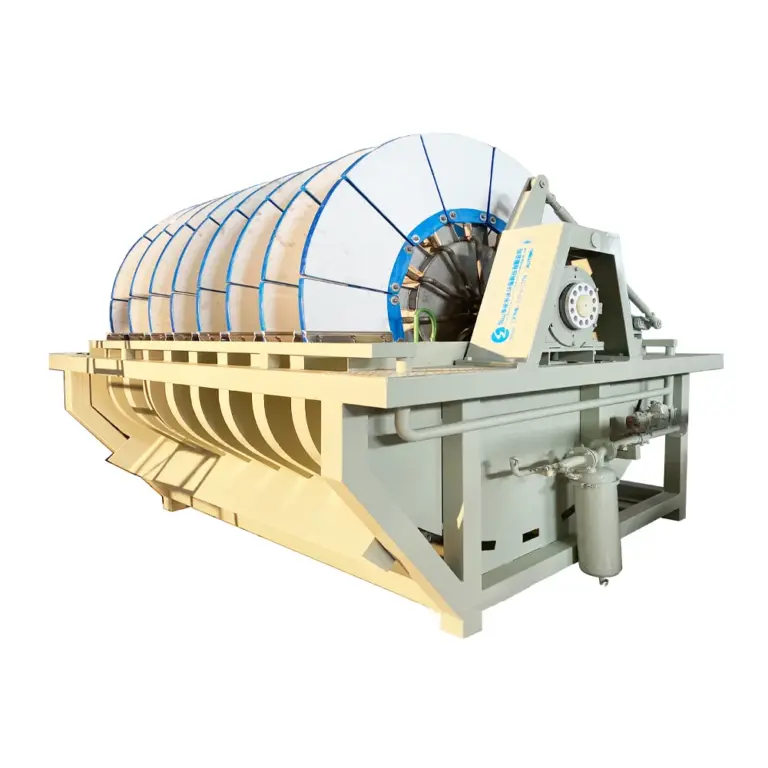
A dust collector that passes every test at the factory can still fail to demonstrate anything meaningful about how it performs once it is bolted into a live process. The buyer’s real task is not choosing between factory acceptance and site acceptance, but deciding which questions each stage can actually answer, and building the project’s test plan so nothing gets claimed at the wrong stage.
Start Both Stages from One Applicable Specification
Before either test event is scheduled, the project needs one reference point that both parties treat as the applicable specification: the approved configuration, the scope of testing at each stage, who is responsible for each activity, what gets recorded, and who holds authority to accept the result. Without this shared basis, a factory test and a site test can each be conducted competently and still produce records that do not connect to one another, because they were run against different assumptions about what the equipment was supposed to do.
IEC 62381 addresses this directly in the context of automation systems in the process industry: it supports parties agreeing project-specific test activities and responsibilities for both factory and site tests, and adapting those test plans to the specific process, plant, and equipment involved. That framing matters for a dust collector project because the collector is rarely a standalone unit. It sits inside a capture, conveyance, filtration, cleaning, and discharge chain, and the test plan needs to state which parts of that chain are within scope at each stage and which are excluded because they do not exist yet in the factory configuration.
ISO 10005 supports a related but separate need: establishing, reviewing, accepting, applying, and revising a quality plan for a project or contract. Where the project treats acceptance as a living document rather than a fixed checklist, this kind of quality-plan discipline gives both sides a way to record why a test scope changed between contract signing and final commissioning, instead of leaving that change undocumented.
Neither source defines what a dust collector must achieve, what pressure drop or airflow value is acceptable, or how PORVOO’s equipment should be tested. They support the discipline of getting agreement in writing before testing starts, not the content of the criteria themselves. The buyer’s task at this stage is to confirm that the project specification, the test scope for each stage, the responsible parties, and the acceptance authority are all written down and agreed before either test event occurs. Where this step is skipped, disputes tend to surface later as disagreements over what a passed test was supposed to mean, rather than disagreements over the data itself.
What Factory Acceptance Can Confirm Before Shipment
Factory acceptance can confirm that the contracted functions, documentation, and interfaces exercised in the factory configuration behave as intended, under the conditions the factory setup allows. This includes the equipment build against the approved revision, the control or automation logic where applicable, and any interface that can be connected, simulated, or otherwise represented in the factory environment. The value of this stage is that problems are visible and correctable before the equipment leaves the supplier’s premises, when changes are still comparatively straightforward to make.
What makes a factory test meaningful is precise recordkeeping: the equipment and software revision under test, the test setup used, which interfaces were simulated versus actually connected, which interfaces were unavailable and therefore excluded, the results obtained, any deviations found, and the disposition agreed for each deviation. This record becomes the baseline the site stage will later compare against. Where the factory record is vague about what was simulated versus what was real, the site team inherits a gap they cannot close after the fact, because the original factory conditions no longer exist to re-test.
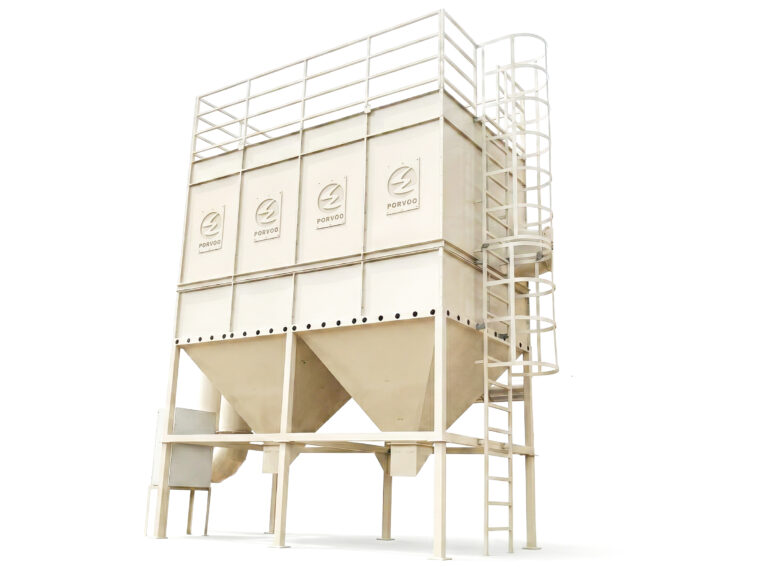
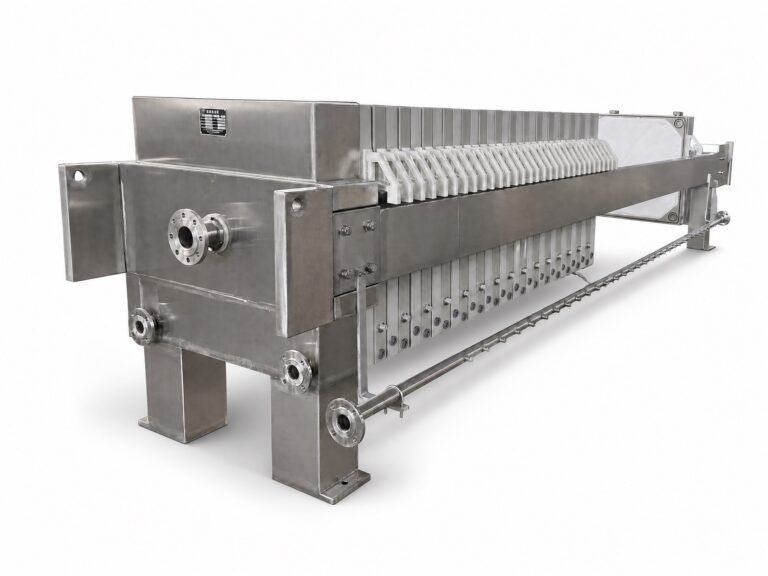
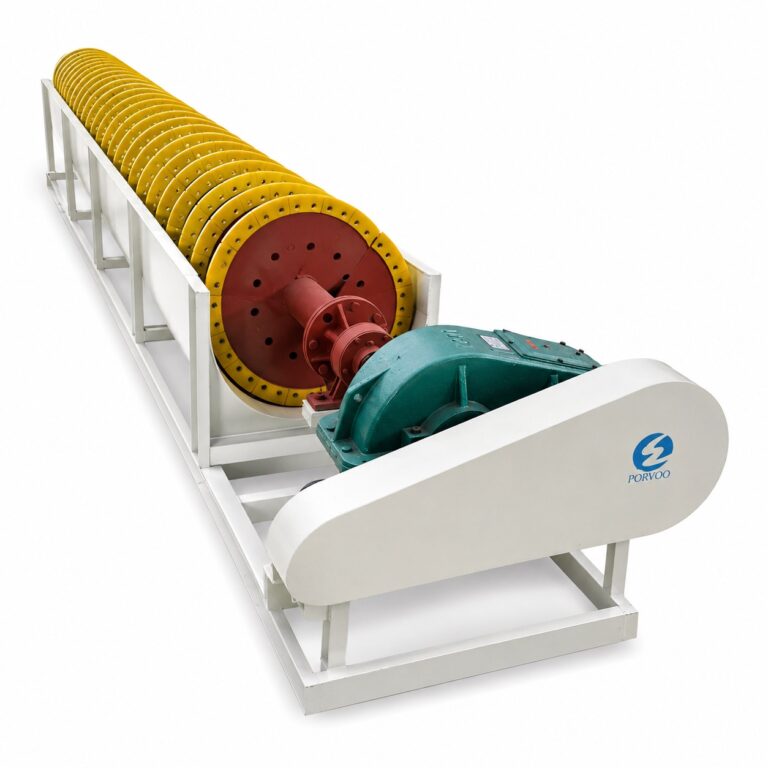
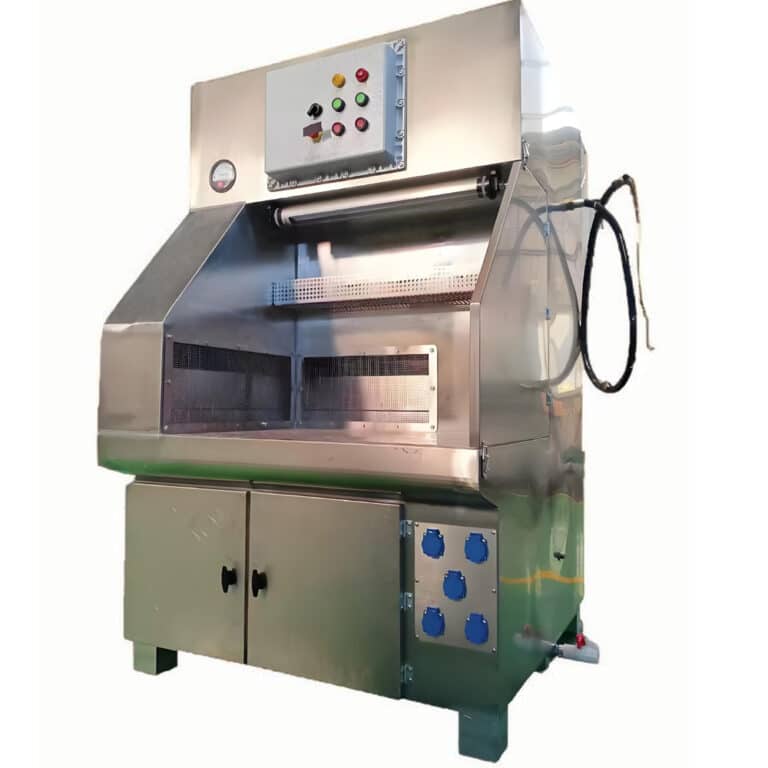
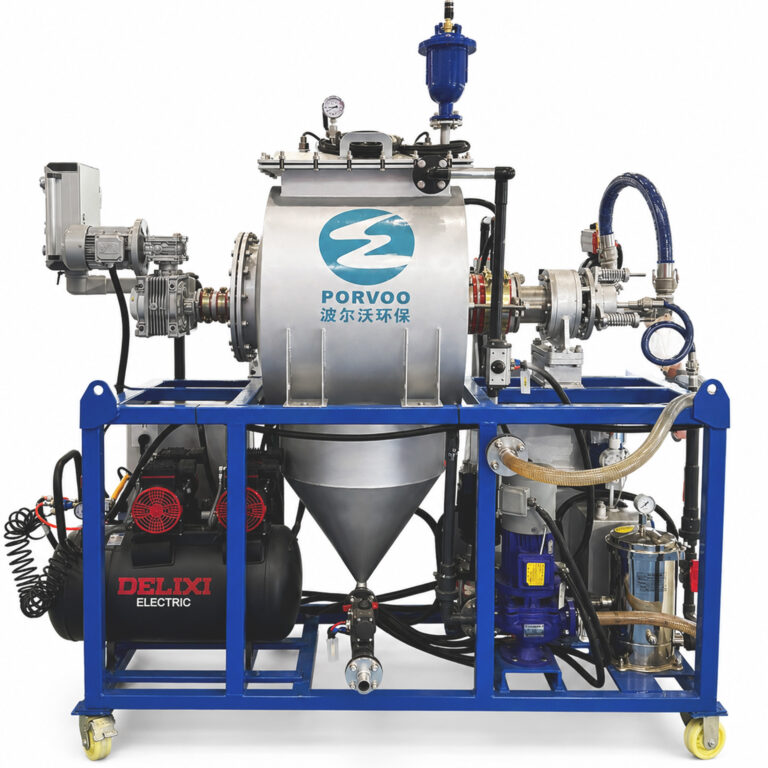
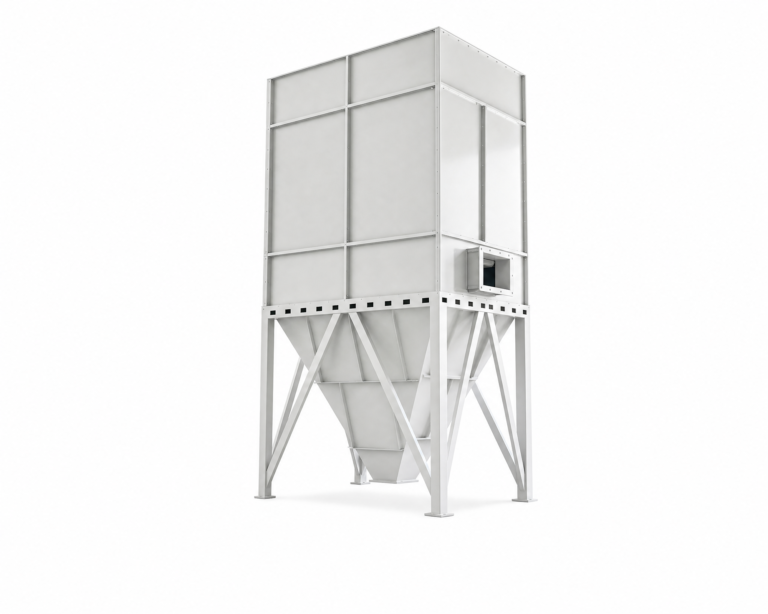
Where a project’s dust collector includes a modular configuration, such as PORVOO’s modular pulse jet dust collector line, the factory stage can confirm that the module assembly, filter cleaning sequence, and control interface behave as specified for the tested configuration. This is a legitimate and useful piece of evidence. It is not evidence about how that module performs once connected to a specific plant’s ductwork, fan, and actual dust load, because those conditions are absent from the factory floor by definition.
The distinction the buyer needs to hold onto is that a factory test proves the equipment does what the plan says it should do under factory conditions. It does not, and cannot, prove that the installed system will behave the same way once actual site utilities, actual ductwork, and actual process dust are introduced. Treating a clean factory result as a proxy for collection performance in the field confuses two different bodies of evidence, and the project’s acceptance record should keep them visibly separate.
What Must Remain Open After Factory Acceptance
A passed factory test resolves what it tested and nothing more. Several categories of risk remain open by definition, because they only exist once the equipment leaves the factory: the effects of transport and handling, the quality of field assembly, the condition and configuration of the ductwork and services installed on site, and the actual conditions under which the collector will be connected to the process it serves. Any test that depends on the installed plant being present cannot be performed at the factory stage at all, regardless of how thorough that stage was.
This matters for how the project frames a factory pass in contractual terms. A factory pass may support a shipment decision under the project’s own rules — it can be the trigger that releases the equipment for transport, for example — but it should not be described as equivalent to site acceptance or as proof of compliance with the finished installation. Where a contract or internal sign-off process conflates the two, the project risks treating an open item as closed simply because an earlier, narrower test succeeded.
The practical consequence for the buyer is to keep a visible list of what the factory stage could not test, carried forward as explicit open items for the site stage rather than assumed items. If a control interface was simulated at the factory because the real upstream signal did not exist yet, that interface needs to be re-verified against the real signal once it does exist. If certain ductwork connections did not exist during the factory test, their effect on airflow and pressure drop remains unconfirmed until the site stage can measure it under real conditions. Carrying these items forward explicitly, rather than letting them disappear once the factory paperwork is signed, is what keeps the two stages honest about what each has actually established.
What Site Acceptance Can Confirm After Installation
Site acceptance is where the project gathers evidence from the installed configuration, under a test plan the project has agreed for that specific installation. This is the stage where ductwork is connected, fans are running against the actual system resistance, and the dust collector is receiving whatever material and airflow the process actually generates, rather than a simulated or partial substitute.
Donaldson’s installation, operation, and maintenance manual for its DFPRE cartridge dust collector series illustrates why this distinction holds in practice: it treats commissioning as dependent on site placement, the connections made in the field, assembly completed on site, and operating checks that are not all present, or even possible, in a factory setup. This is model-specific guidance from a single manufacturer and does not define acceptance stages or criteria for other equipment, but it supports the general point that an installed collector’s behavior depends on conditions the factory stage could not reproduce.
IEC 62381 reinforces this from the automation side: it supports adapting site test plans to the specific process, plant, and equipment involved, rather than applying a generic checklist regardless of installation. For a dust collector, this means the site test plan should reflect the specific source being captured, the specific duct routing and fan arrangement, and whatever downstream interface the collected material feeds into, because these are exactly the elements a factory test could not include.
The open question the project must answer before the site test, not during it, is which functions and measurements are meaningful for this particular installation and what will count as evidence for each. Where the process generates a highly variable dust load, a single-point measurement carries different meaning than it would where the load is steady, and the test plan needs to state which conditions the recorded result actually represents. This is also the stage where information the buyer supplied earlier — the material characteristics, expected airflow, and site layout — becomes testable against reality rather than assumed. That supplied information is also what enters a supplier’s configuration and quotation review in the first place, so a site result that contradicts the original assumptions is a signal to revisit the configuration basis, not just the test record.
What Site Acceptance Cannot Replace
A successful site test does not, by itself, recreate the factory’s inspection records. If a deviation was found and dispositioned at the factory stage, that disposition still needs to be tracked through to the installed equipment; a site pass on unrelated functions does not resolve it or make it disappear from the record. Where the factory stage left something open because the relevant condition did not exist yet, the site stage must close it explicitly, not by default because the surrounding test passed.
Site acceptance also does not, on its own, authorize a configuration change. Where equipment or interfaces were modified in the field relative to what was tested at the factory, that change needs to go through whatever approval the project has established for configuration changes, before the site test result can be treated as evidence for the modified configuration. A site test that runs successfully against an unapproved change confirms the modified state, not the approved one.
Finally, site evidence only proves what the agreed criteria and conditions say it proves. A single site test does not extend automatically to cover every performance, safety, or compliance claim the project might eventually want to make about the equipment. Where the project needs evidence for a claim that falls outside what the site test plan actually measured, that evidence has to be gathered separately, under conditions matched to that specific claim.
The practical discipline here is linking every site result back to the current, approved configuration and keeping any unresolved factory deviation visible until it is confirmed closed against the installed package. An acceptance record that loses this link cannot tell a later reader whether a given result still applies to the equipment as it stands today.
Build a Two-Stage Acceptance Record
Once the project has separated what factory acceptance can confirm from what site acceptance can confirm, the remaining task is organizing that separation into something usable: a record that assigns each project requirement to the stage where it can actually be demonstrated, states the conditions under which the relevant evidence was or will be gathered, and shows whether each item is closed, deferred to site, or still open pending information the project does not yet have.
| Dimensão da decisão | Factory acceptance focus | Site acceptance focus | Limite |
|---|---|---|---|
| Configuração | Record the equipment and automation revision presented before shipment | Confirm the installed configuration and approved site-stage changes | Use the project’s controlled baseline |
| Interfaces | Exercise available interfaces and record simulations or exclusions | Check interfaces connected in the installed plant as defined by the plan | No unspecified interface is assumed |
| Conditions | Record the factory setup and unavailable site conditions | Record the actual site conditions used for the agreed test | Results apply only to stated conditions |
| Evidence | Capture agreed observations, results, deviations, and dispositions | Capture agreed installed-system observations, results, deviations, and dispositions | One stage does not replace missing evidence from the other |
| Decisão | Support the project-defined fabrication or shipment decision | Support the project-defined installed-system decision | Acceptance authority and criteria remain contractual |
This kind of matrix is decision framing for the project team, not a universal test procedure or a substitute for the project’s own acceptance specification. Its purpose is to prevent an item from being silently dropped between stages — a condition recorded at the factory as “unavailable” that never gets picked up again at site, or a site measurement taken without reference to whether the factory configuration it is meant to follow was actually the one shipped. Building this record early, before either test event, also gives the project a place to note where PORVOO’s role as equipment and solution supplier intersects with the installation and maintenance planning that follows acceptance, since configuration decisions made at quotation stage carry through into what the installed system can be expected to do.
Where a project has firm operating requirements already defined, this matrix can be populated in detail before the factory stage begins. Where key site conditions are still uncertain — the exact ductwork routing, the final process interface, the actual variability of the material to be collected — those rows should stay marked as open rather than filled in provisionally, because a provisional entry that later proves wrong is harder to correct than an honestly open one. The matrix does not resolve which conditions apply; it only gives the project a consistent place to record the answer once each condition is known, and a way to see, at any point before final acceptance, exactly which requirements still lack the evidence needed to close them.
Perguntas frequentes
Q: If factory acceptance passes, do we still need site acceptance?
A: Tests that depend on field assembly, site ductwork and services, actual connections, or the installed plant remain site-stage items. A factory pass may support shipment under the project plan, but it does not automatically confirm the installed collector or final process performance.
Q: How should we interpret a factory result obtained with simulated interfaces?
A: Treat it as evidence for the recorded factory setup and revision, with the simulations and unavailable interfaces identified. Carry the affected installed-interface questions into the site plan so the result is not mistaken for evidence from the actual plant connections.
Q: How do we decide which requirement belongs in the factory test and which belongs at site?
A: Assign it to the stage where the agreed function or condition can be meaningfully observed. For each item, define the applicable specification, configuration, test conditions, expected record, responsibilities, and acceptance authority, with a clear closed, deferred, or open status.
Q: Can a successful site test settle an unresolved factory deviation or configuration change?
A: Only through the project’s agreed disposition and controlled configuration review. Keep the factory deviation and any approved change linked to the site result; site evidence by itself does not recreate missing factory records or approve an uncontrolled change.