A review can signal which questions to ask about comfort, capture and maintenance. Compare reviews and test data only when they identify the model, workpiece, material and operating conditions.
What makes a review applicable to your job?
Look for an identified model and setup, tested duty and filter condition, and the reviewer’s observation period. Check whether the task and position match your intended work.
How should buyers weigh reviews and ratings?
Separate observations such as difficult filter access from numbers that need a test method. Request the source of any airflow, particle or exposure result quoted in a review.
Which features merit a demonstration?
Ask operators to try the work surface, controls and access for clearing fixtures or collected material. Include the actual workpiece and likely changes in position.
How does table size affect the installed job?
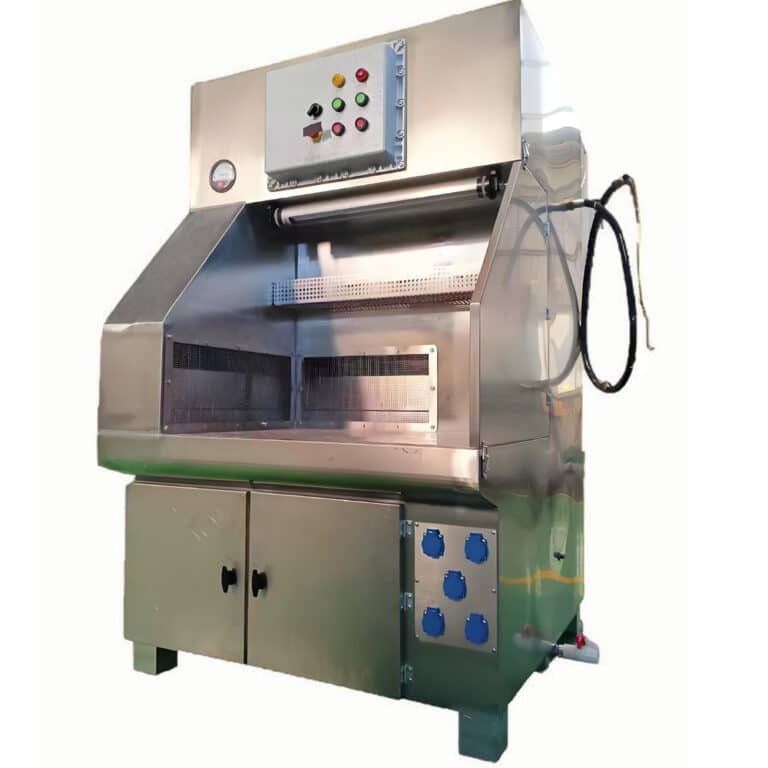
Measure the usable surface and the space blocked by the largest workpiece and its supports. Check capture near the edges and while the operator changes positions.
How should energy be compared?
Measure input power at comparable duty and loaded airflow. Use the expected shift schedule and include fans and cleaning.
How should different filters be compared?
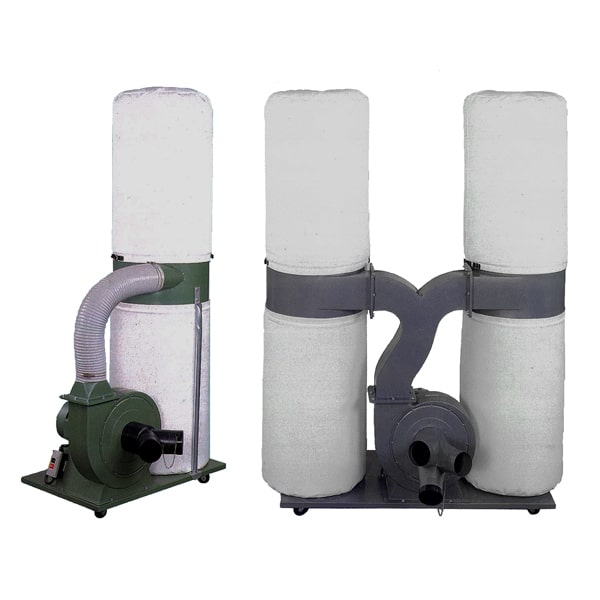
Identify the element and test basis. Request separate evidence for source escape and installed equipment performance under the intended duty.
What should a maintenance review document?
Check actual filter change records, seal inspection, service access and airflow after work. Have the responsible site team assess air quality at the actual workstation where required.
Recursos relacionados
- PORVOO
- PORVOO industrial dry/wet downdraft grinding table
Downdraft tables — Clean Air Company — Manufacturer overview of downdraft tables; select the configuration for the actual dust and process.