Les usines de carreaux de céramique qui découvrent leur système de récupération des eaux usées issues de l'émaillage Lorsque le système ne fonctionne pas comme prévu, la défaillance n’est souvent pas due à l’équipement de filtration, mais à ce qui a été déversé dans le réservoir de collecte avant même que le traitement ne commence. Un simple tuyau de rinçage mal orienté ou un écoulement non contrôlé provenant d’une ligne de polissage peut contaminer silencieusement tout un lot d’eaux usées riches en glaçure, transformant ce qui aurait pu être un flux récupérable et non dangereux en un déchet mixte coûteux à éliminer et impossible à réintroduire dans la production. La rentabilité de la récupération des matières dépend du maintien d’une entrée contrôlée, et ce contrôle doit être mis en place avant le dimensionnement de l’équipement, et non ajusté a posteriori. L’usine doit déterminer si son infrastructure de collecte et la discipline de ses opérateurs sont véritablement maîtrisées, ou si la rentabilité de la récupération repose sur une hypothèse qui n’a jamais été vérifiée au niveau de chaque point de vidange individuel.
Indiquer où les eaux usées issues du glaçage quittent la chaîne de production
Les eaux usées issues de l'émaillage ne proviennent pas d'un seul point. Dans une usine de carrelage céramique type, elles proviennent des cabines de glaçage par pulvérisation, des systèmes de rinçage de la ligne de glaçage, des zones de mélange et de préparation des glaçures, des stations de nettoyage des tapis roulants et des rouleaux, ainsi que de tous les circuits de recirculation qui évacuent les résidus de glaçure entre les changements de couleur. Chacun de ces points génère des eaux usées présentant une teneur en matières solides, une charge en colorants et une composition en oxydes métalliques qui leur sont propres, et elles ne se comportent pas toutes de la même manière dans un réseau de collecte.
L'exercice pratique de cartographie consiste à parcourir chaque zone de production et à identifier les endroits où les liquides contenant des résidus de glaçure rejoignent effectivement un siphon, une gouttière ou un puisard de collecte. Il ne s'agit pas d'un simple exercice théorique. Les canaux de drainage des cabines de peinture sont souvent raccordés à des puisards communs au sol qui reçoivent également les eaux de lavage générales. Les stations de nettoyage des rouleaux peuvent se déverser dans la même tranchée qui recueille les déversements provenant des zones adjacentes de préparation des carrosseries. Sans une inspection physique permettant de suivre chaque tronçon de canalisation jusqu’à son point de collecte, le plan de séparation n’existe que sur le papier, et non dans l’usine.
Cette étape de cartographie aboutit à une liste des points d'entrée identifiés, chacun étant répertorié en fonction du type de flux qu'il achemine. Cette liste sert de base pour déterminer quels points d'entrée doivent alimenter un réservoir dédié à la collecte des glaçures et lesquels doivent être obstrués, détournés ou gérés de manière indépendante. Tant que cette liste n'est pas exhaustive et vérifiée sur le terrain, il est impossible d'évaluer de manière responsable le dimensionnement des équipements ou la faisabilité de la récupération.
Expliquez en quoi les égouts mixtes réduisent la valeur de récupération
La perte de valeur de récupération issue des effluents mélangés n'est pas progressive : elle est en effet irréversible dès lors que la contamination pénètre dans le lot. Un flux d'eaux usées issues de l'émaillage, contenant des solides minéraux récupérables dont la composition est contrôlée, peut être réintroduit dans le processus de préparation de l'émail ou traité en vue d'une élimination non dangereuse. Une fois que ce flux est mélangé à des intrants incompatibles, aucune de ces deux options n'est plus simple à mettre en œuvre.
Les deux scénarios de mélange qui entraînent les dommages les plus graves sont la contamination croisée par des métaux lourds entre les flux de glaçures sans plomb et ceux contenant du plomb, ainsi que le mélange des charges de couleur entre différents lots de glaçure. Ces deux phénomènes ont des conséquences différentes, mais tous deux réduisent la valeur de récupération.
| Scénario de mélange | Conséquence dangereuse | Impact sur la reprise |
|---|---|---|
| Eaux usées provenant de la fabrication d'émaux sans plomb mélangées à des eaux usées provenant de la fabrication d'émaux contenant du plomb | Le flux combiné peut dépasser les seuils fixés à l'annexe III de la directive-cadre sur l'eau pour le Pb, le Cd, le Cr(VI) et le Co, et être classé comme déchet dangereux. | La valorisation des boues en tant que matière première secondaire non dangereuse devient impossible ; les coûts d'élimination augmentent |
| Mélange de flux d'eaux usées provenant de glaçures de différentes couleurs | La couleur à elle seule n'entraîne pas de modification directe de la classification de danger | Le recyclage des boues d'émail est limité à un ajout ≤ 51 TP3T dans la formulation de la pâte céramique ; réduction significative de la valeur de récupération |
Le risque lié à la classification des déchets dangereux mérite une attention particulière car il est asymétrique. Un flux d’émail sans plomb correctement caractérisé peut être considéré comme non dangereux. S’il est mélangé à une proportion même minime d’eaux usées d’émail contenant du plomb et que le flux combiné dépasse les seuils fixés à l’annexe III de la DCE pour le Pb, le Cd, le Cr(VI) ou le Co, l’ensemble du volume peut être reclassé en déchet dangereux. Cette reclassification modifie la filière d’élimination, augmente les coûts d’élimination et élimine complètement la filière de valorisation en matières premières secondaires non dangereuses — aucune de ces conséquences ne pouvant être inversée par une filtration ou un traitement en aval. Le problème de la contamination par la couleur fonctionne selon un mécanisme différent mais aboutit à un résultat comparable : une fois que différentes couleurs d’émail sont mélangées, les boues récupérées à partir de ce flux ne peuvent pas être réutilisées dans la préparation de l’émail sans risquer d’entraîner des défauts de couleur sur le carrelage fini, et dans pratiques de fabrication des carreaux de céramique Le taux d'ajout de ces boues mélangées dans la formulation du corps est généralement plafonné à 5% au maximum afin d'éviter toute contamination visible. À ce taux d'ajout, le rendement est marginal par rapport à celui que pourraient offrir des flux triés.
Comparer la collecte sélective et le traitement mixte
Le choix entre un système de collecte dédié et un traitement mixte relève d'une décision d'allocation des coûts, et non d'une préférence technique. Les réseaux mixtes sont plus faciles à gérer pour les équipes de production, car ils n'imposent aucune contrainte d'acheminement lors des opérations de rinçage ou de nettoyage. Cependant, cette facilité opérationnelle ne supprime pas les coûts, mais les reporte sur la complexité du traitement et l'élimination des déchets.
| Aspect | Collection dédiée | Traitement mixte |
|---|---|---|
| Récupération des lots de glaçure brute | Les lots bruts sont triés et renvoyés directement vers la préparation de l'émail | Impossible de réutiliser le mélange de glaçure ; la contamination croisée des couleurs empêche sa réutilisation |
| Risque lié à la classification des substances dangereuses | Les effluents sans plomb restent non dangereux ; les effluents contenant du plomb sont gérés séparément en tant que déchets dangereux | Risque que les flux sans plomb deviennent dangereux s'ils sont mélangés à un émail contenant du plomb |
| Taux de recyclage dans la masse céramique | Aucune contrainte de couleur n'est imposée lorsque les lots de couleur sont conservés séparément | L'ajout de boues de glaçure doit être limité à ≤5% afin d'éviter toute contamination de la couleur |
| Filière d'élimination des boues sans plomb | Mise en décharge inerte en tant que déchets non dangereux | La filière d'élimination pourrait être reclassée comme « dangereuse » en cas de contamination croisée par le plomb |
| Effort opérationnel | Plus contraignant pour le personnel de production ; nécessite une gestion rigoureuse de la tuyauterie et des siphons de sol | Plus facile à gérer au quotidien, mais cela entraîne des coûts supplémentaires en matière de traitement et d'élimination |
La collecte dédiée est plus contraignante à mettre en œuvre. Elle exige que certains points de vidange soient affectés de manière permanente au système de collecte des glaçures, que l’entrée de flux incompatibles soit physiquement empêchée et que le personnel de production comprenne et respecte systématiquement les règles d’acheminement. Lorsque cette discipline est respectée, l’usine conserve la possibilité de renvoyer les lots de glaçure brute triés directement vers la préparation de la glaçure, gère séparément les flux contenant du plomb et ceux sans plomb afin de respecter les limites de classification des déchets dangereux, et maintient ouverte la voie de valorisation pour l’élimination ou la réutilisation des boues non dangereuses.
Le traitement mixte supprime cette marge de manœuvre. L’usine peut certes traiter le flux combiné et produire un gâteau de filtration, mais la composition et la classification de ce gâteau sont déterminées par le composant le plus problématique du mélange. Si ce composant est un flux de glaçure contenant du plomb, l’ensemble du volume du gâteau est géré en conséquence. Les économies opérationnelles réalisées en ne respectant pas la discipline de drainage sont généralement inférieures à la différence de coût entre l’élimination des déchets non dangereux et celle des déchets dangereux, et elles disparaissent complètement si l’usine a pour objectif de valoriser les boues. La collecte sélective doit être considérée comme le scénario de référence lors de la planification lorsque la valorisation fait partie du périmètre du projet, le traitement mixte n’étant retenu que lorsque la valorisation est explicitement exclue des objectifs de conception.
Vérifier les réservoirs, les canalisations et les procédures des opérateurs
La séparation à la source telle qu'elle apparaît sur un plan d'implantation et celle telle qu'elle existe réellement dans l'usine sont souvent différentes. Cet écart s'explique par trois facteurs : les canalisations qui ont été modifiées par rapport à la conception initiale sans que les plans conformes à l'exécution aient été mis à jour ; les raccordements aux siphons de sol qui ont été acheminés de manière pratique lors de la construction ou de l'entretien ; et les routines des opérateurs qui se sont écartées de la procédure prévue.
Un audit physique doit permettre de retracer chaque tronçon de canalisation depuis son point d’entrée jusqu’au point de collecte qu’il atteint réellement, et non jusqu’au point qu’il est censé atteindre. Les raccords en T, les puisards communs et les raccordements croisés sont fréquents dans les installations anciennes et dans les usines qui ont étendu leurs lignes de production sans revoir le tracé du réseau de drainage. Tout raccordement permettant à un flux non destiné à l’émaillage — eau de lavage, boue de polissage, rinçage de préparation des pièces — de pénétrer dans le réservoir de collecte de l’émail doit être considéré comme un défaut de séparation, quelle que soit la rareté de son utilisation dans la pratique.
Les pratiques des opérateurs comportent un risque équivalent. Si un tuyau de rinçage peut physiquement atteindre un collecteur de glaçage, il finira par y être utilisé, notamment lors des changements d’équipe, en période de forte activité de production ou lors d’opérations de maintenance. L’audit doit vérifier si les contraintes de routage sont assurées par des barrières physiques et des raccords verrouillés, ou si elles reposent sur la mémoire et les habitudes des opérateurs. Les contrôles reposant sur la discipline ne constituent pas un mécanisme de séparation fiable à long terme. Lorsque l’audit identifie des raccordements contrôlés uniquement par des procédures, la mesure corrective consiste en une modification physique, et non en une formation supplémentaire. L’intégrité de la séparation dépend de la solidité du raccordement non contrôlé le plus faible du système.
Prélever des échantillons de chaque cours d'eau avant de déterminer la taille des équipements
Le dimensionnement d'un système de récupération des eaux usées issues de l'émaillage ne peut être effectué de manière responsable en se basant uniquement sur le débit et la concentration en matières en suspension. La composition de chaque flux — et plus particulièrement sa teneur en oxydes métalliques — détermine la classification de dangerosité des boues issues du traitement, et cette classification conditionne le mode d'élimination, la faisabilité de la récupération ainsi que les exigences de conception du système de traitement lui-même.
Avant de déterminer les seuils, chaque flux d’entrée identifié doit faire l’objet d’un échantillonnage et d’une analyse individuels. L’ensemble des analytes doit inclure les oxydes métalliques présents dans les glaçures utilisées dans cette usine, qui comprennent généralement du ZnO, du BaO, du SrO, du Co₂O₃, du NiO et, lorsque des glaçures traditionnelles sont encore utilisées, du PbO. Cette analyse a pour objectif de déterminer si chaque flux, pris isolément, reste en dessous des seuils qui entraîneraient une classification comme déchet dangereux selon le cadre de classification des déchets applicable. Les flux provenant de différents types d’émaux ou de zones de production doivent être échantillonnés séparément, et non sous forme de mélange, car le mélange avant analyse peut masquer la contribution d’un flux à forte teneur en métaux qui serait autrement identifié comme l’apport déterminant.
ISO 5667-10:2020 fournit un cadre utile pour la conception d’un programme d’échantillonnage représentatif des flux d’eaux usées de ce type, comprenant des recommandations sur la fréquence d’échantillonnage, les volumes d’échantillons et les protocoles de manipulation qui contribuent à garantir que les résultats d’analyse soient représentatifs des conditions réelles d’exploitation plutôt que d’un simple instantané. Le programme d’échantillonnage doit couvrir l’ensemble des conditions de production — y compris les changements de couleur, les transitions entre lots et les périodes de pic de production — car la composition des eaux usées issues de l’émaillage peut varier considérablement en fonction de ce qui est en cours de fabrication sur la chaîne. Une caractérisation des flux réalisée dans une fenêtre d’exploitation restreinte peut ne pas refléter la composition à laquelle le système de traitement sera confronté en pleine production.
Les résultats d'analyse de chaque flux alimentent directement deux décisions : déterminer si le flux peut être géré comme non dangereux, et si les matières solides qu'il transporte se prêtent à une valorisation. Si l'une ou l'autre de ces questions ne peut trouver de réponse certaine avant le choix des équipements, le dimensionnement repose sur des hypothèses qui risquent de ne pas résister à la confrontation avec les données d'exploitation réelles.
N'autoriser la remise en service qu'après avoir vérifié le bon fonctionnement du dispositif de contrôle à l'entrée
L'autorisation de récupération doit être considérée comme une validation conditionnelle, et non comme une hypothèse de conception. Les conditions sont les suivantes : chaque point d'entrée du système de collecte des glaçures doit avoir été identifié, vérifié physiquement, puis soit raccordé au système de séparation, soit isolé de celui-ci ; en outre, un échantillonnage analytique de ces flux isolés doit avoir confirmé que leur composition est compatible avec le parcours de récupération proposé.
Les critères de contrôle à l'entrée qui régissent cette homologation portent sur deux aspects :
| Critère de contrôle à l'entrée | Exigence | Risque en l'absence de contrôle |
|---|---|---|
| Contrôle de la contamination par les colorants | Lots de matière première triés par couleur ; flux renvoyés vers la préparation de l'émail sans mélange entre les couleurs | Le recyclage des boues de glaçure est limité à un ajout ≤ 51 TP3T dans la pâte céramique ; la valeur de récupération est fortement réduite |
| Teneur en métaux lourds (Pb, Cd, Cr(VI), Co, Ni, etc.) | Composition des cours d'eau inférieure aux seuils de danger fixés à l'annexe III de la DCE ; confirmation de l'absence de plomb dans les cours d'eau | Flux classé comme dangereux ; valorisation en matière première secondaire non dangereuse impossible ; augmentation des coûts d'élimination |
Aucun de ces critères ne peut être satisfait par la seule intention de conception. Une usine peut avoir conçu le système de collecte avec un tracé correct, mais si les étapes d’audit physique et d’échantillonnage n’ont pas été menées à bien et documentées, le contrôle à l’entrée n’a pas été prouvé — il n’a été que supposé. Cette distinction est importante car un système de récupération mis en service sur la base d’hypothèses non vérifiées sera confronté à une variabilité de composition dès que les conditions de production changeront, et le système de traitement aura été dimensionné et configuré pour une charge qui pourrait ne pas refléter ce qu’il reçoit réellement.
Le taux d’ajout ≤5% de boues de glaçure mélangées dans la formulation de la pâte céramique est une valeur de référence issue des pratiques de fabrication des carreaux de céramique, et non un plafond réglementaire. Il illustre toutefois les conséquences pratiques d’une contamination chromatique non maîtrisée : à ce taux d’ajout, le matériau récupéré présente une faible valeur économique par rapport aux coûts de collecte, de déshydratation et de transport. La valorisation ne vaut la peine d’être poursuivie — et le système de valorisation ne vaut la peine d’être mis en service — que lorsque le contrôle à l’entrée est vérifié selon une norme permettant un taux d’ajout plus élevé et plus constant, ou lorsque le flux séparé peut être réintroduit directement dans la préparation de l’émail. Cette vérification constitue le critère déterminant, et la mise en service des équipements ne doit pas se poursuivre tant que les données d’entrée ne le justifient pas.
La séquence à respecter pour la récupération des eaux usées de glaçage va de la cartographie des évacuations à l’audit physique, en passant par l’échantillonnage des flux, pour aboutir seulement ensuite au dimensionnement des équipements et à l’autorisation de récupération. Sauter ou prendre un raccourci à n’importe quelle étape de cette séquence n’élimine pas le risque associé : cela ne fait que le reporter à la phase d’exploitation, où il se manifeste sous la forme d’une variabilité de composition dans le flux d’alimentation du traitement, de boues impossibles à éliminer comme prévu, ou d’une voie de récupération qui s’avère irréalisable une fois la production lancée à pleine échelle.
Avant de prendre toute décision d'achat concernant un système de traitement des eaux usées issues de la fabrication de l'émail, l'usine doit être en mesure de confirmer que chaque entrée a fait l'objet d'un traçage physique et d'un étiquetage, que les flux incompatibles sont exclus par des dispositifs matériels plutôt que par des procédures, et qu'un échantillonnage représentatif de chaque flux séparé corrobore la classification des dangers et les hypothèses de valorisation sur lesquelles le système a été conçu. Lorsque ces confirmations ne sont pas encore en place, les travaux de conception et de dimensionnement doivent être considérés comme préliminaires jusqu'à ce que les preuves relatives aux entrées soient disponibles.
Questions fréquemment posées
Q : Nous n'utilisons que des glaçures sans plomb. Pouvons-nous regrouper toutes les eaux usées issues des glaçures dans un seul réservoir de collecte tout en continuant à récupérer les matières ?
R : Non, car la contamination par les couleurs limite à elle seule le taux d'ajout maximal de boues récupérées à ≤5% dans la formulation de la pâte, ce qui rend généralement la récupération non rentable. Une fois que différentes couleurs d'émail sont mélangées, les boues ne peuvent plus être réintroduites dans la préparation de l'émail sans risquer d'entraîner des défauts visibles sur les carreaux ; par conséquent, la séparation entre les couleurs ou le respect strict d'un lot par couleur reste essentiel pour toute récupération valable.
Q : Une fois le tracé des canalisations et l'échantillonnage des cours d'eau terminés, quels documents devons-nous préparer avant de contacter les fournisseurs d'équipements ?
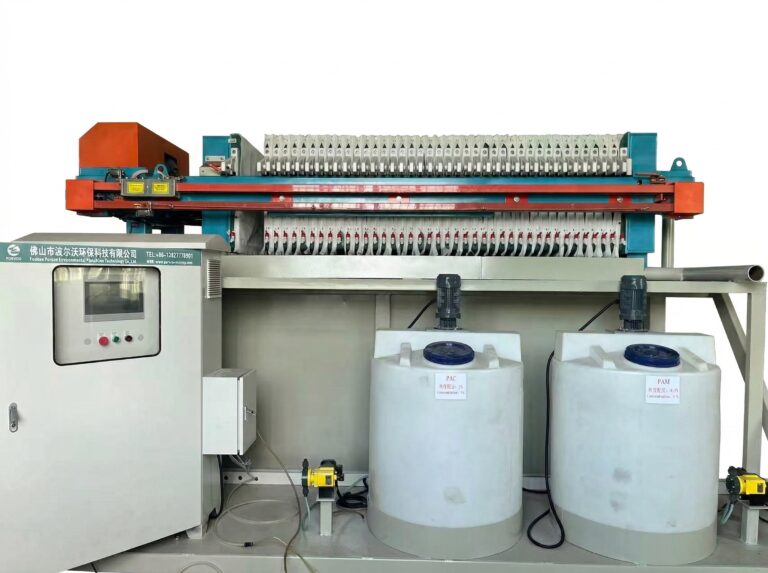
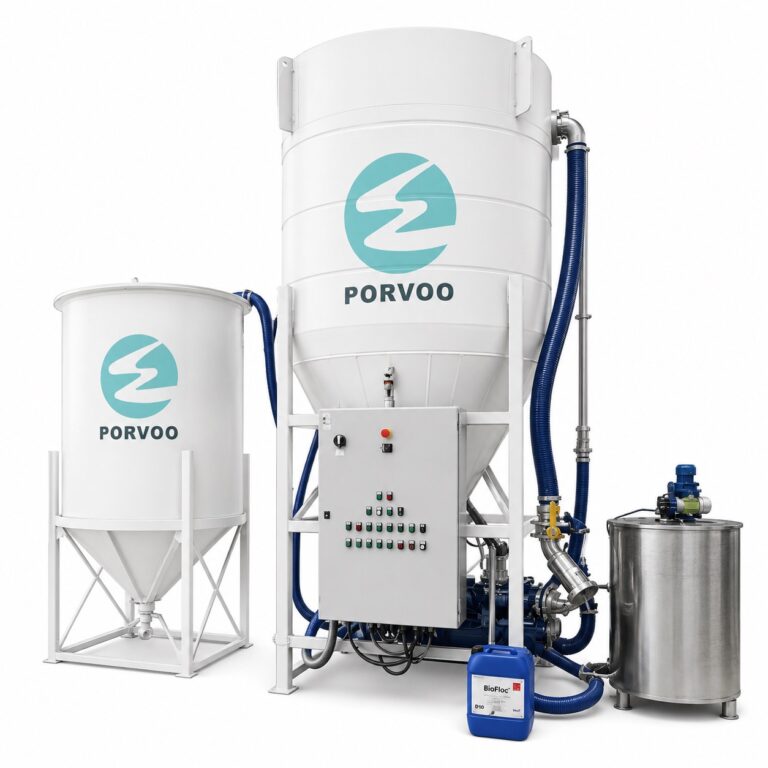
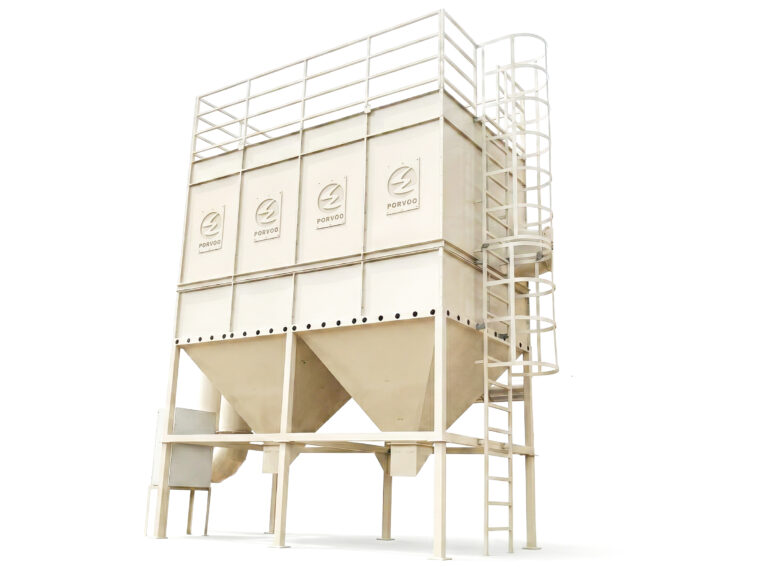
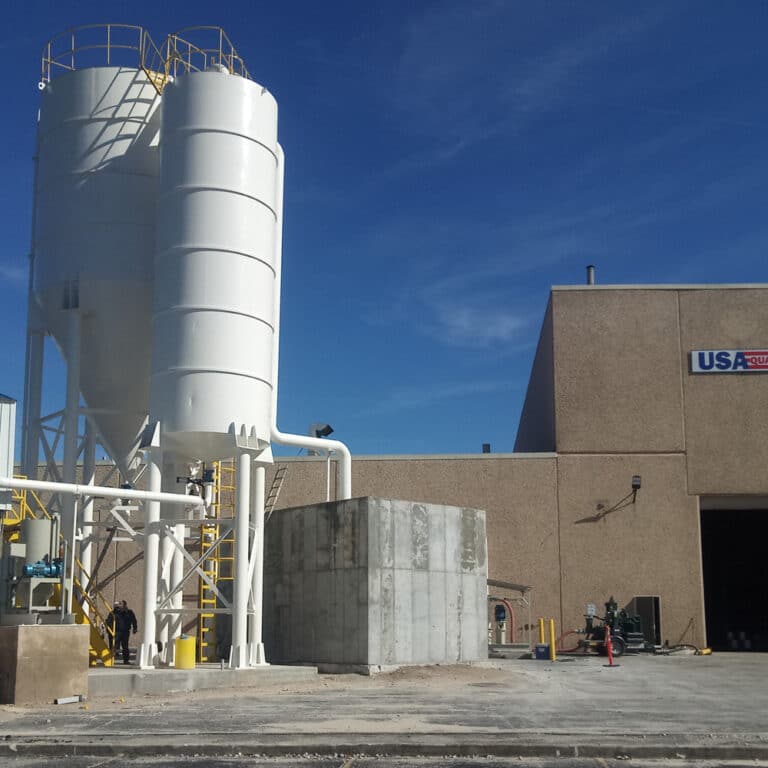
R : Préparez une carte vérifiée des flux d’entrée vers le puisard, un tableau des résultats d’analyse par flux pour les oxydes métalliques concernés (ZnO, BaO, SrO, Co₂O₃, NiO et PbO s’ils sont présents) avec leur classification de dangerosité, ainsi qu’une liste des flux de récupération identifiant les flux ciblés pour le retour des matériaux. Cet ensemble de données permet aux prestataires de traitement de dimensionner leurs équipements en fonction de la composition réelle ; par exemple, la tour de sédimentation verticale de Porvoo peut alors être évaluée en fonction de vos conditions réelles d’entrée, plutôt que sur la base d’hypothèses.
Q : Si la récupération des boues de glaçure ne fait pas partie de notre analyse de rentabilité, le tri à la source reste-t-il important ?
R : Oui, principalement pour éviter de transformer un déchet non dangereux en déchet dangereux. Le mélange de flux sans plomb et contenant du plomb peut faire passer les déchets combinés au-dessus des seuils fixés à l’annexe III de la DCE, ce qui augmente considérablement les coûts d’élimination. Si vous n’utilisez que des glaçures sans plomb et que vous considérez qu’un flux mixte peut être traité et éliminé comme un déchet non dangereux, le tri peut être assoupli ; toutefois, le risque qu’un seul écoulement mal acheminé contamine l’ensemble du lot justifie souvent de maintenir les flux séparés.
Q : Comment puis-je évaluer la rentabilité de l'installation de réseaux d'évacuation séparés par rapport au surcoût lié à la collecte mixte ?
R : Comparez le tonnage annuel de boues selon deux scénarios : une collecte sélective donnant lieu à un gâteau de filtration non dangereux (avec des tarifs de mise en décharge moins élevés et une valeur de réutilisation potentielle) par rapport à une collecte mixte où l’intégralité du gâteau doit être éliminée comme déchet dangereux. Multipliez ce tonnage par la différence de tarif unitaire de traitement. Les économies liées à la facilité d’exploitation des collecteurs mixtes sont généralement inférieures à cet écart de coût d’élimination, ce qui signifie que le retour sur investissement intervient souvent en un à deux ans ; vérifiez toutefois ces chiffres en fonction du volume spécifique de votre station et des tarifs locaux de traitement.
Q : L'installation d'un système dédié à la collecte des eaux usées issues de l'émaillage représente-t-elle un investissement rentable pour un petit fabricant de céramique ?
R : C'est souvent le cas, car même une simple séparation entre l'évacuation principale de la cabine d'émaillage et un bac de décantation dédié permet de récupérer une grande partie des solides récupérables. Il n’est pas forcément nécessaire de refaire toute la plomberie : concentrez-vous sur les flux d’émail les plus importants et les plus réguliers. Si le volume total de vos eaux usées d’émail est modeste et que vous n’utilisez que des émaux sans plomb, comparez le coût d’investissement d’un réservoir dédié de base et de la tuyauterie correspondante aux économies réalisées en évitant l’élimination des déchets dangereux et à la valeur de réutilisation éventuelle ; dans la plupart des cas, la récupération des solides d’émail est rapidement rentabilisée.