Les installations qui paient pour faire évacuer des boues liquides paient, au sens le plus littéral du terme, pour transporter de l’eau. Un site produisant 20 m³ par jour avec une teneur en matières sèches de 1% transfère environ 198 litres d’eau pour chaque kilogramme de matières solides effectivement éliminées — et ce rapport détermine la fréquence des transports, le nombre de camions-citernes et, en fin de compte, la facture annuelle d’élimination. Le problème qui apparaît a posteriori est l’hypothèse selon laquelle l’achat d’une unité de déshydratation offrant un taux de sécheresse du gâteau plus élevé réduit automatiquement le coût total : certaines installations ont découvert, après la mise en service, que le dosage de polymère nécessaire pour atteindre le taux d’humidité cible annulait les économies réalisées sur l’élimination, ou qu’une presse fonctionnant par lots entraînait des retards de cycle qui engorgeaient le processus en amont et ajoutaient des heures de main-d’œuvre que personne n’avait budgétisées. Le jugement que cet article vous aide à formuler ne porte pas sur la technologie permettant d’obtenir le gâteau le plus sec, mais sur la combinaison de sécheresse, de dosage de produits chimiques, de consommation d’énergie, de débit et de main-d’œuvre qui génère le coût total de traitement des boues le plus bas sur votre site spécifique.
Commençons par le coût réel du transport des boues humides
C'est la teneur en eau — et non la teneur en matières sèches — qui détermine le coût de l'élimination des boues liquides, et cette distinction conditionne toutes les décisions relatives aux équipements et aux produits chimiques en aval. Pour 1% de matières sèches, 99% de la matière transportée, traitée et éliminée est constituée d'eau. Cette eau n'a aucune valeur en termes d'élimination ; elle ne fait qu'ajouter de la masse, du volume et de la fréquence à un problème de matières sèches qui serait autrement gérable.
Les dépenses liées à l'élimination des boues représentent souvent entre 30 et 50% du budget total consacré au traitement des eaux usées d'une installation — non pas en tant que seuil réglementaire, mais en tant que chiffre de référence qui illustre pourquoi le coût de l'élimination justifie une modélisation financière rigoureuse plutôt que d'être considéré comme un poste opérationnel fixe. Une approche plus concrète consiste à identifier les facteurs de coût réels : le transport par camion-citerne et les redevances d'entrée sur le site de réception.
| Poste de coût | Unité | Faible | Haut |
|---|---|---|---|
| Transport de citernes | par chargement | £450 | £900 |
| Frais de traitement des déchets | par tonne | £60 | £150 |
Un site traitant 20 m³/jour de boues à un rapport 1% DS, qui fait appel à cinq camions-citernes par semaine à 650 £ par chargement, accumule environ 170 000 £ par an rien qu’en frais de transport — sans compter les frais d’accès. Ce chiffre constitue un critère de planification permettant d’évaluer le retour sur investissement de la déshydratation, et non une référence du secteur. Ce qu’il démontre clairement, c’est que le coût dépend presque entièrement du volume, et que le volume dépend presque entièrement de la teneur en eau. Chaque point de pourcentage d’amélioration de la teneur en matière sèche (DS) qui réduit le volume chargé a un effet direct et quantifiable sur la fréquence des camions-citernes. Avant toute discussion sur l’équipement, il convient de confirmer le coût réel des camions-citernes, les chargements hebdomadaires réels et les frais de passage réels par tonne à l’installation de réception, puis d’utiliser ces données comme référence en matière de coûts d’élimination que le choix de l’équipement devra dépasser.
Comparer les gains en matière de séchage des gâteaux aux coûts chimiques et énergétiques
Passer d’une boue d’alimentation de 1–51 TP3T DS à un gâteau de 15–351 TP3T DS représente une réduction de volume réelle et significative. La question que les équipes chargées des achats ont tendance à négliger est celle du coût nécessaire pour atteindre cette amélioration — et de savoir si le fait de gagner ces derniers points de pourcentage de séchage dans un système est rentable une fois pris en compte les coûts liés aux polymères, à l’énergie et à la durée du processus.
Les fourchettes de performances techniques constituent un point de référence utile : les systèmes de déshydratation conventionnels produisent généralement un gâteau dont la teneur en matière sèche (MS) se situe entre 10 et 15%, tandis que les presses à vis multiplaques atteignent couramment 15 à 20% — soit un gain d’environ cinq points de pourcentage. Cette amélioration est réelle, mais elle a un coût. Des programmes de dosage de polymères mal optimisés peuvent coûter entre 15 000 et 40 000 £ par an rien qu’en produits chimiques, la fourchette haute correspondant à des systèmes où le débit de dosage a été réglé de manière prudente à un niveau élevé pour compenser la variabilité des effluents entrants ou un mélange irrégulier. Les coûts énergétiques liés aux équipements de déshydratation varient entre environ 8 000 et 25 000 £ par an, les centrifugeuses se situant dans la fourchette supérieure en raison de leur vitesse de rotation élevée et de leurs exigences de démarrage prolongées. Les presses à vis fonctionnant à faible vitesse peuvent consommer nettement moins d’énergie ; certaines comparaisons font état de réductions de consommation pouvant atteindre 90% par rapport au fonctionnement des centrifugeuses — bien que ce chiffre doive être considéré comme une indication de tendance plutôt que comme une spécification applicable à toutes les installations, étant donné que les économies réelles dépendent du volume d’alimentation, de la concentration en matières solides et du nombre d’heures de fonctionnement.
Le calcul pertinent est incrémental : si le passage d’un système produisant 151 TP3T DS à un système produisant 201 TP3T DS permet de réduire le nombre de transports de deux chargements par semaine, à raison de 650 £ par chargement, cela représente environ 67 600 £ par an d’économies sur les coûts d’élimination. Si l’obtention de ce degré de séchage supplémentaire nécessite 20 000 £ supplémentaires en polymères et 5 000 £ en énergie, le gain net s’élève à environ 42 600 £ — ce qui vaut la peine d’être envisagé. Si le coût des polymères grimpe à 35 000 £ en raison d’une mauvaise chimie de floculation ou d’une alimentation irrégulière, l’économie nette chute à moins de 30 000 £, et la justification devient marginale. Il est plus utile d’effectuer ce calcul en tenant compte des coûts réels d’élimination locaux et des dosages chimiques réalistes pour le type de boues concerné que de comparer isolément les pourcentages de matière sèche. Pour examiner de plus près comment la consommation de polymère varie selon les types de presses, le Comparaison des taux de consommation de polymère des filtres-presses à bande et des systèmes de presses à chambres Cette analyse examine ces chiffres plus en détail.
Prévoir le temps d'arrêt lié au nettoyage et au remplacement des chiffons
Les coûts de main-d'œuvre et d'entretien sont récurrents, prévisibles et souvent sous-estimés lors des comparaisons initiales entre équipements, car ils n'apparaissent pas dans les postes de coûts d'investissement. Ils s'accumulent tout au long de la durée de vie de l'équipement.
Le temps de travail des opérateurs pour la gestion des boues — surveillance, nettoyage, gestion des rejets et contrôles de routine — peut aller de 5 à 10 heures par semaine selon le type de système et le niveau d’automatisation. Il s’agit d’un chiffre indicatif destiné à la modélisation des coûts récurrents, et non d’une norme du secteur ; les heures réelles varieront considérablement en fonction de la conception du système. Les filtres-presses à bande, par exemple, nécessitent des cycles réguliers de lavage des toiles, des réglages de tension et le remplacement périodique des bandes ; ces tâches ajoutent des heures de travail que les presses à vis équipées d’éléments filtrants fermés n’imposent pas dans la même mesure. Un opérateur du secteur pétrolier et gazier ayant remplacé un filtre-presse à bandes par un filtre-presse à vis a fait état de coûts de maintenance inférieurs d’environ 50% sur une période de trois ans, sans qu’aucune réparation majeure n’ait été nécessaire — il s’agit là d’une indication de tendance, et non d’un résultat garanti, mais cela concorde avec la différence générale d’exposition à l’usure des composants entre les conceptions à bandes ouvertes et celles à éléments fermés.
Le remplacement des toiles et des courroies est un coût souvent sous-estimé lors de l’achat. Les toiles filtrantes d’une presse à chambres ont une durée de vie limitée qui dépend fortement de l’abrasivité et des propriétés chimiques des boues, de la pression de lavage et de la fréquence d’utilisation. Le remplacement ne se résume pas à un simple coût de matériel ; il nécessite l’arrêt de la presse, la main-d’œuvre nécessaire au démontage et à la réinstallation des panneaux, ainsi qu’un contrôle de remise en service avant la reprise de l’exploitation. Les installations qui traitent des boues à forte teneur en particules abrasives ou chimiquement agressives et qui choisissent un type de presse en se basant sur le taux de séchage du gâteau indiqué dans le devis, sans prendre en compte la fréquence de remplacement dans le calcul du coût total, constatent souvent que les dépenses annuelles d’entretien réduisent considérablement les économies de coûts d’élimination qu’elles avaient prévues.
Distinction entre les économies réalisées sur les coûts d'élimination et la valeur de la réutilisation de l'eau
La réduction du volume grâce à la déshydratation permet de diminuer les frais de transport et de mise en décharge — cette économie est directe, quantifiable et spécifiquement liée à la réduction de la masse chargée. Une augmentation significative du taux de matière sèche (DS) peut réduire ces coûts de 50 à 80%, en fonction de la concentration initiale des boues et du taux de matière sèche atteint. Cette fourchette doit être considérée comme un seuil applicable lorsque la déshydratation entraîne une réelle réduction de volume, et non comme un résultat garanti indépendamment des performances du système ou du type de boues.
La valeur de la réutilisation de l’eau constitue un aspect distinct et doit être modélisée de manière indépendante, plutôt que d’être ajoutée aux économies réalisées sur l’évacuation, comme si les deux étaient équivalentes. Le filtrat récupéré lors de la déshydratation peut souvent être réintroduit dans une étape en amont du processus — eau de rinçage, alimentation du circuit de refroidissement ou eau de lavage — en fonction de la quantité de solides en suspension entraînés et des concentrations en constituants dissous. Les ressources de l’EPA consacrées à la réutilisation de l’eau dans les applications industrielles fournissent un cadre permettant d’évaluer si le filtrat récupéré respecte les seuils de qualité requis pour une application de réutilisation spécifique. Ces seuils dépendent de la tolérance du processus récepteur vis-à-vis des solides résiduels et de la charge en substances dissoutes, et non pas uniquement des performances de déshydratation. La qualité du filtrat doit être confirmée par un échantillonnage en fonction des exigences réelles du point de réutilisation, et non pas supposée à partir des fiches techniques des équipements.
Un gâteau bien déshydraté, présentant une matière sèche (MS) suffisante, peut également être éligible au compostage, à la digestion anaérobie ou à la valorisation énergétique — des filières susceptibles de générer des revenus ou de compenser les frais de réception dans une installation spécialisée. Il s’agit là de filières de valorisation distinctes, assorties d’exigences d’éligibilité spécifiques, et non d’avantages automatiques découlant d’une sécheresse accrue du gâteau. Une installation souhaitant valoriser ces éléments doit vérifier quel niveau de matière sèche et quel profil de contamination l’installation de réception exige réellement, car une optimisation excessive visant une sécheresse maximale dans le but de réduire les coûts d’élimination peut ne pas correspondre à la plage d’humidité dont un opérateur de digestion anaérobie a besoin pour maintenir la stabilité du processus.
Modéliser les cas de fonctionnement optimaux et les cas de fonctionnement en mauvais état
L'écart entre une situation de référence en mauvais état et une opération de déshydratation optimisée est suffisamment important pour justifier souvent un investissement dans la déshydratation ne serait-ce qu'en raison des coûts d'élimination — mais l'économie réelle dépend de la position d'un site donné dans cette fourchette, ainsi que de la mesure dans laquelle l'équipement choisi permet, de manière réaliste, d'améliorer le taux de déshydratation (DS).
| Scénario | Matières sèches (matière première → tourteau) | Coût annuel d'élimination | Détail important |
|---|---|---|---|
| Référence en mauvais état (boues liquides) | 1% → — | ~£170,000 | 20 m³/jour ; 5 camions-citernes par semaine à 650 £ chacun |
| Opération normale de déshydratation | 1–5% → 15–35% | Réduction de 50 à 801 TP3T par rapport à la valeur initiale* | Réduction de volume typique après déshydratation |
| Assèchement optimisé dans le meilleur des cas | Non spécifié | $150 000 (au lieu de $500 000) | Usine chimique équipée d'une presse à vis ; réduction 70% |
*La réduction de 50–80% correspond aux économies réalisées sur les frais de transport et de mise en décharge grâce à la diminution des volumes.
Le scénario de référence défavorable — boues liquides à 1% DS, 20 m³/jour, cinq camions-citernes par semaine — illustre à quel point le coût dépend entièrement de la teneur en eau à cette concentration d'alimentation. La fourchette normale de 15 à 351 TP3T de matière sèche pour un gâteau issu d’une charge d’alimentation de 1 à 51 TP3T représente une réduction de volume substantielle, avec des économies sur les coûts d’élimination comprises entre 50 et 801 TP3T, à prendre comme référence pour la planification. Le chiffre correspondant au meilleur scénario — une usine chimique réduisant ses coûts annuels d’élimination de $500 000 à $150 000 après être passée à une presse à vis — est un résultat spécifique dans un contexte particulier et ne doit pas être considéré comme un résultat typique ; il illustre la limite supérieure de ce qui est réalisable lorsque les coûts d’élimination de référence sont élevés et que les performances de déshydratation sont bien adaptées au type de boues.
Les principaux facteurs expliquant l’écart entre les performances normales et celles du scénario optimal sont la concentration en matière sèche (MS) des boues d’alimentation, la consistance des effluents entrants et l’optimisation du programme de polymérisation. Une installation traitant des boues stables et bien caractérisées, avec une teneur en MS comprise entre 3 et 41 TP3T, dans une presse correctement dimensionnée et avec un dosage de polymère ajusté, se situera plus près de la limite supérieure de la production de MS. Une installation traitant des flux de déchets variables, avec des débits intermittents et une floculation irrégulière, se situera plutôt au milieu de la fourchette et devra estimer ses économies de manière prudente. Projeter les économies du scénario optimal sur des boues mal caractérisées constitue une erreur d’approvisionnement qui a tendance à se manifester six à douze mois après la mise en service.
Vérifier si un gâteau plus sec ralentit le débit total
Une sécheresse maximale du gâteau et un débit maximal ne constituent pas le même objectif, et la poursuite de l'un peut directement limiter l'autre. Ce compromis est le facteur le plus sous-estimé lors du choix des équipements destinés au traitement de flux de boues à haut débit.
| Technologie | Teneur en matière sèche du gâteau (%DS) | Mode de fonctionnement | Caractéristique de débit |
|---|---|---|---|
| Filtre-presse à bande | Dix à quinze un-trois-trois-trois-trois-trois-trois-trois-trois-trois-trois-trois-trois-trois-trois-trois-trois-trois-trois-trois-trois-trois-trois-trois-trois-trois-trois-trois-trois-trois-trois-trois | En continu | Débit continu à haut volume |
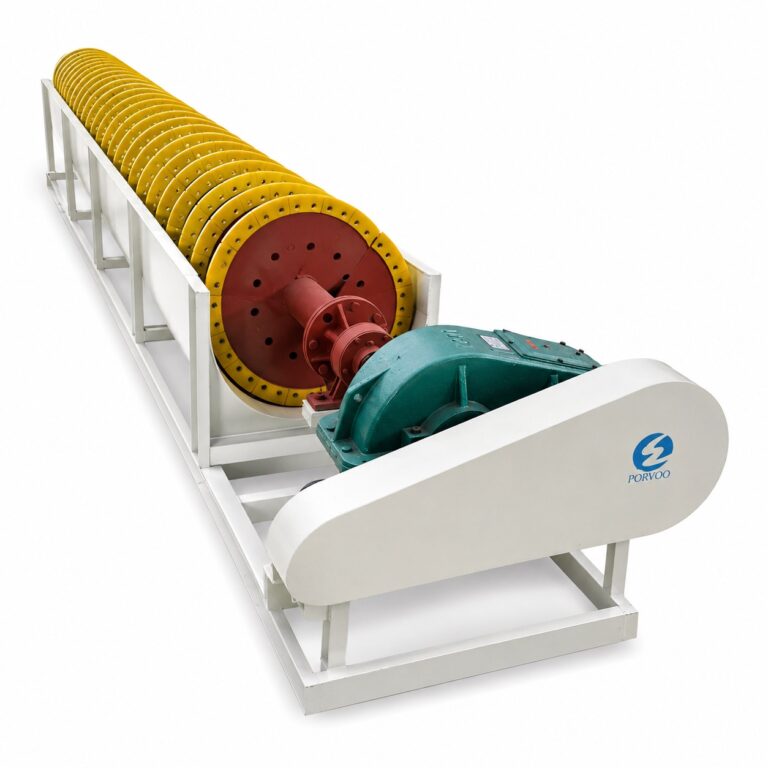
| Presse à vis | 15–20% | Fonctionnement continu à basse vitesse | Équilibre entre séchage et débit |
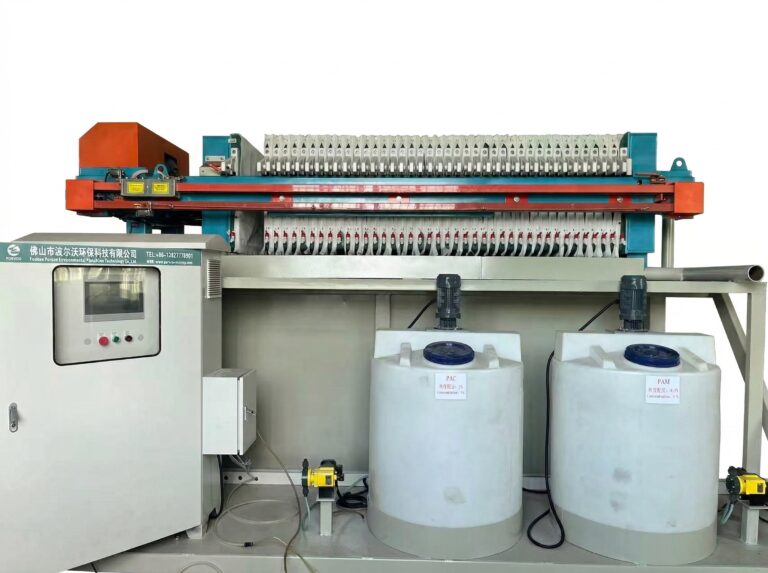
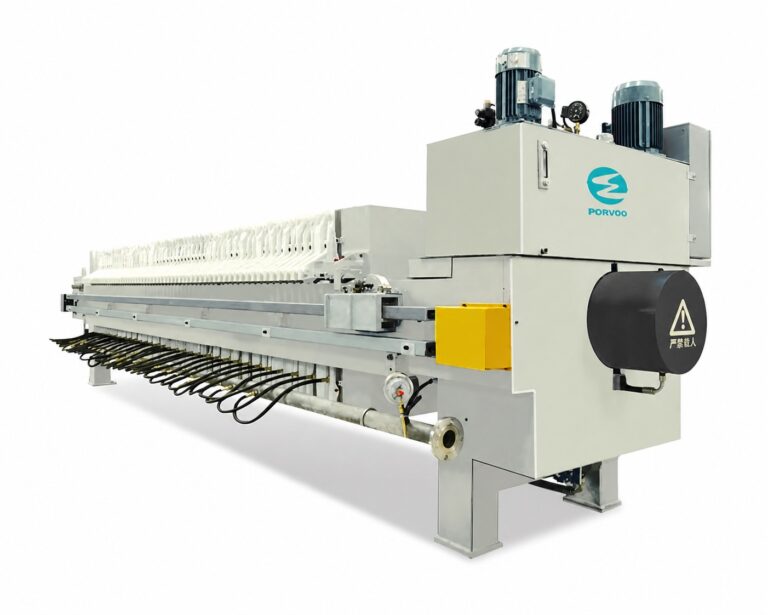
| Filtre-presse | Le gâteau le plus sec (DS précise non fournie) | Lot | Débit global plus faible en raison des cycles de traitement par lots |
Les filtres-presses permettent d’obtenir le gâteau le plus sec et constituent le choix idéal lorsqu’une sécheresse maximale est réellement requise — par exemple, lorsque les frais de mise en décharge sont extrêmement élevés par tonne et que le volume des déchets représente le principal poste de coût. Cependant, ils fonctionnent par cycles discontinus : remplissage, pressage, maintien, déchargement et nettoyage avant le début du cycle suivant. Sur un site produisant des boues en continu, ce cycle crée un besoin de stockage tampon en amont et peut entraîner des contraintes de planification qui obligent le processus en amont à s’arrêter ou à ralentir. Si le cycle discontinu ne parvient pas à suivre le rythme du volume de boues entrant, l’avantage apparent d’un gâteau plus sec est partiellement compensé par le coût de gestion du stockage tampon — capacité de stockage supplémentaire, main-d’œuvre ou réduction du débit en amont.
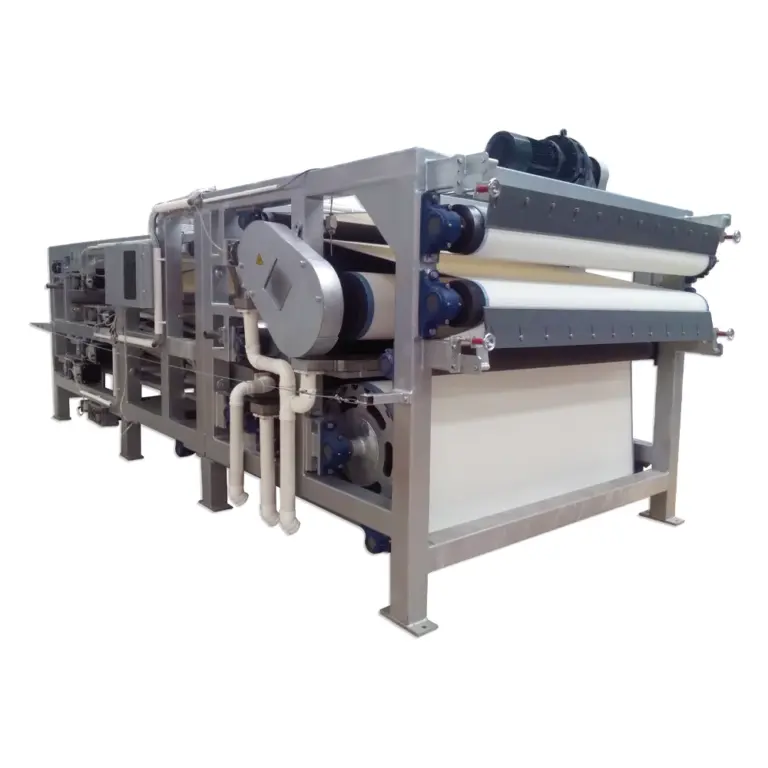
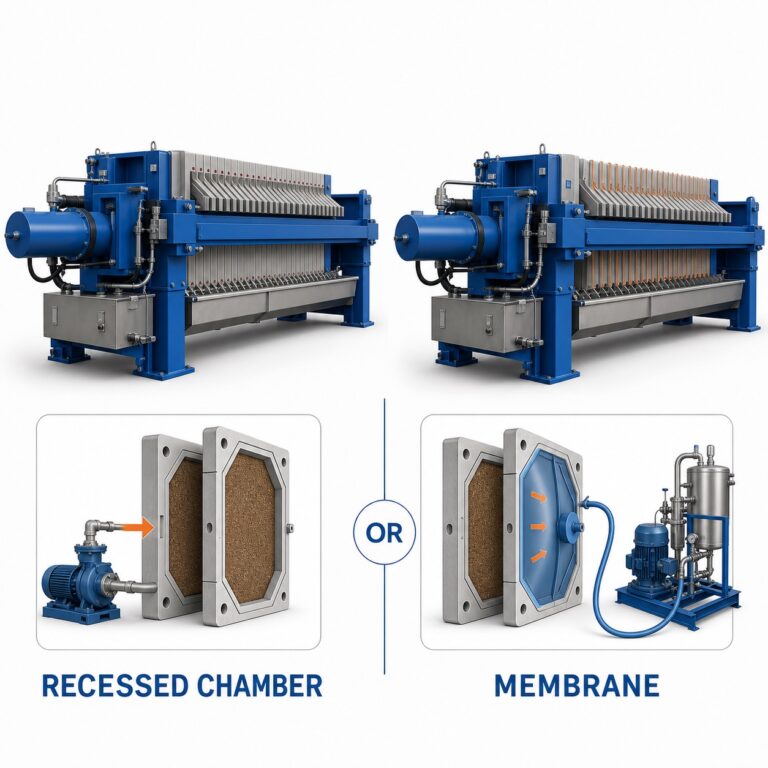
Les systèmes en continu — presses à bande et presses à vis — permettent d'éviter les goulots d'étranglement au niveau du débit, au prix d'une teneur en matière sèche (MS) du gâteau légèrement inférieure. Pour les sites où le coût d'élimination par tonne est modéré et où le volume de traitement est élevé, cette teneur en MS plus faible peut s'avérer plus rentable que le gâteau plus sec obtenu en mode discontinu, une fois pris en compte les retards de cycle et leurs répercussions en amont. Le Filtre-presse à membrane et Presse à bande filtrante Il convient de prendre en compte différents aspects de ce compromis, et le choix doit s’appuyer sur le profil réel de débit du site et sur la structure des coûts d’élimination, et non sur la valeur DS indiquée dans la fiche technique de l’équipement.
Choisissez le coût total de manutention le plus bas, et non le chiffre le plus « sec »
Se concentrer uniquement sur l'optimisation de la sécheresse du gâteau constitue un échec en matière d'approvisionnement, et non une stratégie de réduction des coûts. Une installation qui vise un taux de sécheresse de 28% alors qu'un taux de 20% permet de réduire les coûts d'élimination dans les mêmes proportions — tout en entraînant des coûts moindres en polymères, en énergie et en temps de cycle — a détérioré sa rentabilité, et non l'a améliorée.
| Élément de coût | Éléments à inclure |
|---|---|
| Transport de citernes | Coût par chargement et nombre de chargements par semaine/par an |
| Frais de traitement des déchets | Coût par tonne pour la mise en décharge ou l'incinération |
| Consommation de polymères | Coût annuel des produits chimiques : il peut varier entre 15 000 et 40 000 £ pour les systèmes mal optimisés |
| Consommation d'énergie | Électricité pour les équipements de déshydratation ; fourchette comprise entre 8 000 et 25 000 £ par an |
| Main-d'œuvre des opérateurs | Temps consacré à la gestion des boues, au nettoyage et à la surveillance ; peut aller de 5 à 10 heures par semaine |
| Risque de non-conformité | Risque d'amendes ou de perturbations opérationnelles si la gestion des boues ne respecte pas les normes réglementaires |
Chaque élément de coût figurant dans le tableau ci-dessus influe de manière indépendante sur le coût total de traitement des boues. Un changement de type d’équipement permettant de réduire la fréquence des camions-citernes peut entraîner une augmentation des dépenses en polymères ; une configuration de presse réduisant la consommation d’énergie peut allonger la durée du cycle et augmenter la main-d’œuvre nécessaire. La seule comparaison valable est celle du coût total sur l’ensemble des lignes, en utilisant les tarifs locaux réels pour le transport, les frais de passage et la main-d’œuvre, ainsi que des taux de dosage réalistes pour les boues en question, plutôt que les valeurs minimales indiquées.
Le risque de défaillance qu’il convient de mentionner explicitement est le séchage thermique. Lorsqu’une presse mécanique atteint sa limite pratique de séchage, certains sites cherchent à réduire davantage la teneur en humidité par des moyens thermiques. Le coût énergétique du séchage thermique est disproportionné par rapport au gain de séchage supplémentaire obtenu, et le traitement thermique détruit la valeur biologique des boues organiques qui aurait rendu le compostage ou la digestion anaérobie économiquement viables. Cette approche n’a de sens que dans un cadre très restreint : des frais de réception très élevés, un coût énergétique très faible et une installation de réception exigeant des matières parfaitement sèches. En dehors de ces conditions, elle augmente généralement le coût total de traitement tout en éliminant une option de valorisation en aval. Considérer le séchage thermique comme une solution de repli en cas de déshydratation mécanique peu performante ne constitue pas une optimisation des coûts ; c’est le signe que le système mécanique n’a pas été correctement dimensionné ou soutenu chimiquement dès le départ.
Avant toute sélection d’équipement, il convient de mettre en place un modèle simple de coût total à partir des données réelles du site : coût et fréquence confirmés des camions-citernes, redevance à la tonne à l’installation de réception, débit et coût réalistes de dosage des polymères pour les boues en question, tarif énergétique, ainsi qu’une estimation de la main-d’œuvre basée sur les besoins de maintenance du système proposé. C’est ce modèle, et non une simple comparaison des pourcentages de DS, qui permet d’évaluer de manière pertinente si une presse plus performante justifie son surcoût d’investissement et d’exploitation par rapport à un système continu plus simple.
Lorsque le coût de base d’élimination est élevé — supérieur à environ 100 000 £ par an en frais de transport et de déversement —, l’argument économique en faveur d’un investissement dans une meilleure déshydratation est généralement solide et le calcul mérite d’être effectué avec rigueur. Lorsque le coût d’élimination est plus faible et que le site atteint déjà un taux de déshydratation raisonnable, le rendement marginal d’une amélioration supplémentaire de la déshydratation diminue rapidement. Définir ces chiffres avant de lancer un appel d’offres permet d’éviter un scénario courant : celui où une installation choisit un équipement pour ses performances maximales en matière de séchage, puis se rend compte, dès la première année d’exploitation, que le coût total est resté stable au lieu de baisser.
Questions fréquemment posées
Q : Ce modèle de coûts s'applique-t-il toujours si le volume de nos boues est trop faible pour justifier l'installation d'une unité de déshydratation dédiée ?
R : En dessous d’un certain seuil de volume, il peut s’avérer plus économique de sous-traiter directement l’élimination des boues liquides plutôt que de posséder et d’exploiter une presse. Les calculs économiques présentés dans cet article partent du principe que le coût d’élimination est suffisamment élevé — soit environ plus de 100 000 £ par an en frais de transport et de déversement — pour que l’investissement en capital dans une installation de déshydratation génère une économie nette significative. Si votre site génère nettement moins de boues, les coûts fixes liés à l’équipement, au remplacement des toiles et à la main-d’œuvre des opérateurs risquent de ne pas être amortis dans un délai raisonnable. La première étape consiste à appliquer le modèle de coût total à la fréquence réelle de passage des camions-citernes et aux frais de déversement sur votre site avant d’envisager l’acquisition d’un équipement ; si les dépenses liées à l’élimination se situent bien en dessous de ce seuil, l’intérêt d’une déshydratation en interne s’amenuise considérablement.
Q : Une fois que nous avons confirmé notre budget de référence, que devons-nous faire concrètement de ce chiffre avant de contacter les fournisseurs ?
R : Utilisez la valeur de référence pour fixer un objectif maximal acceptable en termes de coût total de manutention, puis procédez par recul pour déterminer le niveau de DS, le dosage de polymère et le débit qu’un système candidat doit atteindre pour dépasser cet objectif — et pas seulement l’égaler. Les fournisseurs indiquent les performances de leurs équipements dans des conditions favorables ; en établissant vos propres chiffres de seuil de rentabilité pour la DS et la durée de cycle à partir des tarifs de transport, des frais de décharge et des coûts de main-d’œuvre réels sur place, vous pouvez vérifier les affirmations d’un fournisseur par rapport à votre propre modèle, plutôt que d’accepter ses estimations d’économies telles quelles. Lancer un appel d’offres avec un plafond de coûts clairement défini et des données de caractérisation des boues spécifiques au site permet généralement d’obtenir des propositions plus comparables et plus fiables qu’un cahier des charges axé uniquement sur la teneur en humidité cible.
Q : À partir de quel moment, chercher à augmenter le DS d'un gâteau a-t-il pour effet de détériorer la rentabilité au lieu de l'améliorer ?
R : Lorsque le coût marginal cumulé lié à l’ajout de polymère, à la consommation d’énergie et à l’allongement de la durée du cycle dépasse les économies de traitement générées par le gain de séchage supplémentaire, toute optimisation supplémentaire augmente le coût total de traitement. Ce seuil de rentabilité est généralement atteint lorsqu’un site atteint déjà un taux de séchage (DS) compris entre 20 et 251 TP3T sur un flux de volume modéré et que le gain marginal de séchage nécessite un dosage de polymère nettement plus élevé pour compenser une charge variable ou difficile à floculer. Le point de basculement spécifique varie en fonction du type de boues, du tarif local d’élimination et du prix de l’énergie — c’est précisément pour cette raison que la comparaison des pourcentages de matière sèche sans effectuer le calcul complet des coûts supplémentaires conduit à des choix d’équipements qui semblent justifiés sur le papier mais s’avèrent peu performants en exploitation.
Q : Quelles sont les différences entre un filtre-presse discontinu et une presse à vis en continu lorsque le site a besoin à la fois d'un taux de séchage élevé et d'un débit constant ?
R : Aucune de ces deux technologies ne répond pleinement aux deux objectifs simultanément, et le compromis à trouver dépend du site concerné. Un filtre-presse permet d’obtenir un gâteau plus sec, mais entraîne des retards dans les cycles qui nécessitent la mise en place de réserves en amont ; une presse à vis maintient un débit continu à un DS légèrement inférieur. Pour les sites où les frais de mise en décharge sont très élevés par tonne et où le volume traité reste gérable dans le cadre d’un cycle discontinu, un filtre-presse peut s’avérer plus rentable globalement, malgré les contraintes de planification. Pour les flux continus à haut débit où l’interruption du processus en amont engendre des coûts propres — temps de production perdu, capacité de stockage supplémentaire ou main-d’œuvre nécessaire à la gestion de la réserve —, une presse continue avec un taux de matière sèche (DS) plus faible offre souvent un meilleur résultat global. Le facteur déterminant n’est pas la machine qui atteint le taux de matière sèche le plus élevé, mais la configuration qui maintient le coût total au niveau le plus bas une fois pris en compte les retards de cycle et leurs conséquences en amont.
Q : Le filtrat récupéré peut-il réellement être utilisé comme eau de process, ou ce flux de valeur est-il trop incertain pour être pris en compte dans l'analyse de rentabilité ?
R : Il est utile de modéliser cet aspect séparément, mais il ne faut pas le considérer comme une compensation garantie des économies réalisées sur l’élimination tant que la qualité du filtrat n’a pas été validée par rapport aux exigences du point de réutilisation réel. L’adéquation du filtrat dépend de la quantité de matières en suspension entraînées et des concentrations en constituants dissous propres à vos boues et à la configuration de votre presse — des chiffres qui varient en fonction de la composition chimique du flux d’alimentation et ne peuvent être estimés de manière fiable à partir des seules fiches techniques des équipements. Si votre processus en amont prévoit une tolérance définie pour les solides résiduels et la charge dissoute, le prélèvement d’échantillons du filtrat par rapport à ces paramètres avant la mise en service vous fournit une base solide pour inclure la valeur de la réutilisation de l’eau dans l’analyse de rentabilité. L’inclure avant cette confirmation, en tant qu’avantage supposé, introduit un chiffre qui pourrait ne pas se concrétiser et risque de surestimer le retour sur investissement du projet.