Pour les ingénieurs d'usine et les responsables des procédés, la décision de moderniser la technologie de filtration est souvent bloquée par un manque de données critique : la quantification des économies d'énergie réelles. Les déclarations génériques de “haute efficacité” ne suffisent pas à obtenir l'approbation du capital. Le passage d'un filtre-presse à bande à un filtre à disque céramique sous vide nécessite un calcul précis et défendable de la consommation d'énergie spécifique (SEC) et du coût total de possession (TCO). Sans cela, les projets ne parviennent pas à obtenir un financement ou à produire les résultats escomptés.
Cette analyse est urgente. Les coûts de l'énergie sont volatils et les objectifs de durabilité sont de plus en plus stricts. Une mauvaise évaluation des dépenses opérationnelles peut éroder la rentabilité. Plus qu'une simple comparaison d'équipements, vous avez besoin d'une méthodologie validée par des normes industrielles telles que GB/T 39286-2020 pour monter un dossier qui résiste à l'examen financier. Un bon calcul justifie l'investissement, tandis qu'un mauvais calcul risque d'entraîner une sous-performance opérationnelle et financière.
Filtre-presse à bande et filtre à disque céramique : Différences fondamentales
Le fossé de l'atténuation des salissures
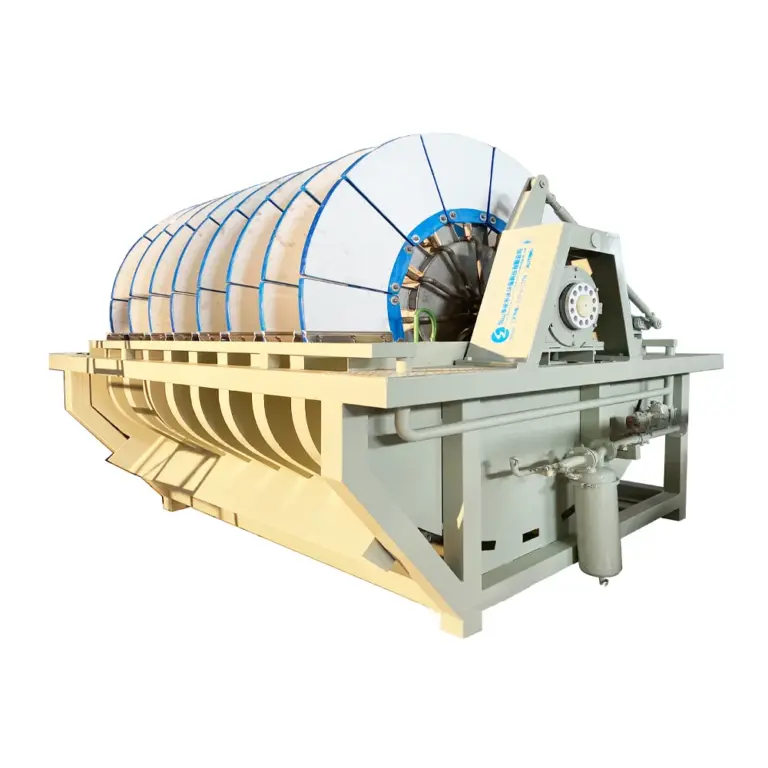
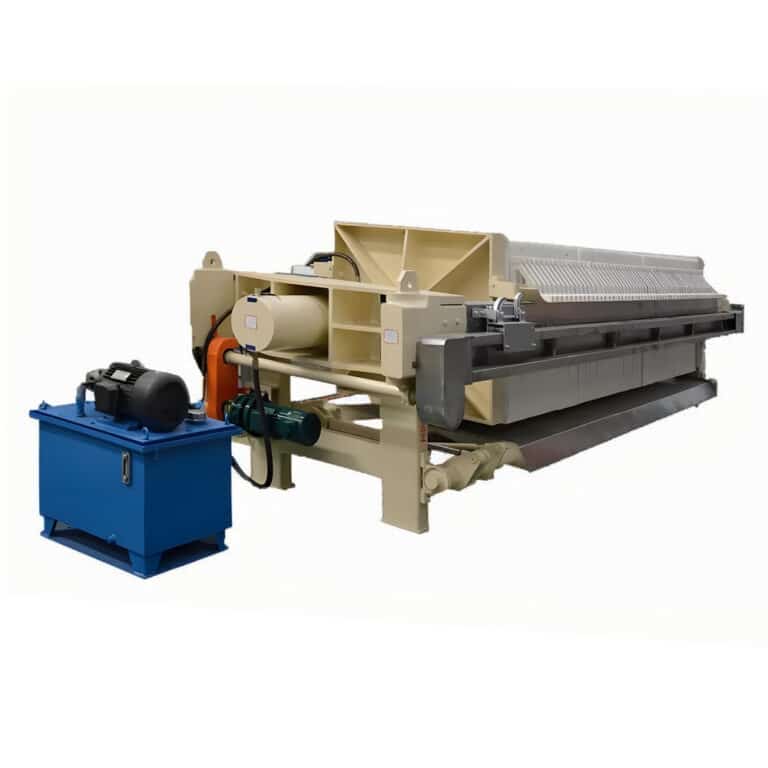
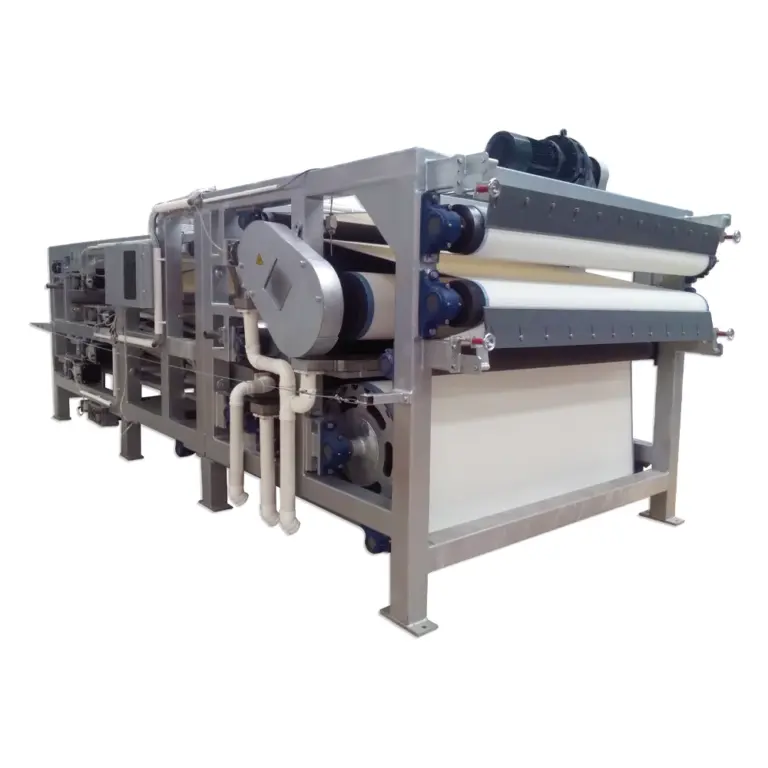
La divergence opérationnelle fondamentale réside dans la manière dont chaque système gère l'encrassement, le principal goulot d'étranglement dans la séparation solide-liquide. Un filtre-presse à bande s'appuie sur la pression hydraulique et l'écrasement mécanique pour faire passer le liquide à travers un tissu filtrant. L'encrassement est traité de manière réactive à l'aide d'additifs chimiques ou de cycles de nettoyage fréquents et gourmands en ressources. Cette approche consomme beaucoup d'énergie en raison des pompes d'alimentation en boue à haute pression et des entraînements mécaniques des courroies et des rouleaux. En revanche, le filtre à disques céramiques rotatifs (RCD) utilise une stratégie proactive. Il génère des taux de cisaillement élevés (10⁴-10⁵ s-¹) à la surface de la membrane, balayant physiquement les impuretés au fur et à mesure qu'elles se forment. Cela lui permet de fonctionner sous vide, en échangeant une énergie de pompage intensive contre une rotation contrôlée du disque. Cette différence mécanique fondamentale cible directement l'encrassement inhérent aux boues difficiles à haute teneur en solides.
Profils de consommation d'énergie
Ces différents mécanismes créent des profils énergétiques distincts. Dans le cas d'une presse à bande, l'énergie est dominée par les pompes nécessaires pour surmonter la chute de pression à travers une toile qui s'enroule rapidement et par les entraînements des rouleaux d'essorage. Sa consommation d'énergie est souvent irrégulière, avec des pics pendant les cycles d'alimentation et le nettoyage. La consommation d'énergie du filtre céramique est plus centralisée et prévisible, et provient principalement du moteur qui entraîne la rotation du disque. Les experts de l'industrie notent que c'est en passant de l'énergie hydraulique à l'énergie rotative que l'on peut réaliser les économies les plus importantes, en particulier lorsque la teneur en matières solides des boues augmente. Nous avons comparé les données de surveillance de la puissance des deux systèmes traitant une biomasse similaire et avons constaté que le profil de charge du RCD était nettement plus plat et plus efficace.
Implications opérationnelles de la conception du noyau
La philosophie de conception va au-delà de l'énergie. La presse à bande est un processus de déshydratation mécanique séquentiel. Le filtre à disque céramique intègre la séparation avec un contrôle continu de l'encrassement. Cette approche intégrée permet d'intensifier le processus. Par exemple, le perméat stérile sortant d'un RCD peut parfois consolider la séparation solide-liquide et une étape de stérilisation, simplifiant ainsi les trains de bioprocédés en aval. Il s'agit d'un détail facilement négligé qui a des conséquences importantes sur l'agencement général de l'usine et la consommation d'énergie.
Calcul des économies d'énergie : Une méthodologie étape par étape
Établir la base de référence : Presse à bande SEC
La première étape consiste à effectuer un calcul de base rigoureux pour votre filtre-presse à bande existant. La consommation d'énergie spécifique (SEC) en kWh par mètre cube de perméat est la mesure clé. Calculez-la en additionnant la consommation d'énergie de toutes les pompes d'alimentation en boue à haute pression (en fonction de la perte de charge, du débit et de l'efficacité de la pompe) et des systèmes d'entraînement mécanique des bandes et des rouleaux. Cette énergie totale doit ensuite être normalisée par le volume réel de filtrat produit sur une période représentative. Cela permet d'établir votre SEC de référence, un chiffre crucial pour la comparaison. La méthodologie utilisée à cet effet est normalisée dans le document GB/T 32361-2015, qui fournit la méthode d'essai pour déterminer la consommation d'énergie spécifique des équipements de déshydratation.
Calcul du filtre à disques céramique SEC
Pour le filtre à disque céramique, le calcul se concentre sur différents intrants. Le principal consommateur d'énergie est l'entraînement de la rotation du disque. La puissance requise est dérivée des mesures du couple et de la vitesse de rotation. Cette consommation d'énergie est ensuite divisée par la production de perméat du système, qui est fonction du flux de perméat mesuré et de la surface totale de la membrane. Il est essentiel de mesurer le flux dans des conditions de fonctionnement stables et durables, et non dans des conditions de pointe. Les études techniques comparatives constituent une référence solide. Pour une boue lignocellulosique à 12 wt% de solides, un RCD consomme généralement de 1,0 à 2,1 kW-h/m³, tandis que les systèmes conventionnels de presse à bande nécessitent de 4,8 à 8,2 kW-h/m³.
Interprétation des économies
Le tableau ci-dessous quantifie l'amélioration potentielle de la consommation d'énergie et fournit des chiffres concrets pour la modélisation financière.
Analyse comparative de la consommation d'énergie
| Métrique | Filtre-presse à bande (référence) | Filtre à disques céramiques (RCD) |
|---|---|---|
| Consommation d'énergie spécifique (SEC) | 4,8-8,2 kW-h/m³ | 1,0-2,1 kW-h/m³ |
| Facteur d'économie d'énergie | Base (1x) | Amélioration de 2,2 à 3,9 fois |
| Pourcentage de réduction | 0% ligne de base | 54-79% réduction |
| Entrée du calcul de la clé | Pression, débit et efficacité de la pompe | Couple du disque, vitesse de rotation |
Source : GB/T 39286-2020 Méthode de calcul de l'économie d'énergie pour les filtres industriels. Cette norme nationale fournit la méthodologie de base pour le calcul et la comparaison de la consommation d'énergie spécifique des filtres industriels, ce qui soutient directement la comparaison SEC et le calcul des économies d'énergie présentés.
Cela se traduit par un facteur d'économie d'énergie de 2,2 à 3,9, soit une réduction de 54-79%. Cette amélioration substantielle, fondée sur des preuves, fournit une justification financière concrète pour l'investissement en capital en ayant un impact direct sur les prévisions de dépenses opérationnelles.
Mesures de performance clés pour une comparaison précise
Définition des paramètres d'alimentation et de performance
Une comparaison technico-économique précise nécessite la fixation de paramètres de processus spécifiques. Les caractéristiques essentielles de la boue d'alimentation vont au-delà de la simple teneur en solides. Vous devez définir la concentration en solides insolubles, les solides de rétentat cibles et, surtout, la rhéologie de la boue. De nombreuses boues de biomasse présentent un comportement non newtonien, c'est-à-dire que leur viscosité change sous l'effet des forces de cisaillement dans le filtre. Cela a un impact considérable sur les besoins en énergie de la pompe et de l'entraînement. Les paramètres de performance du système diffèrent également : pour une presse à bande, le flux moyen de filtrat et les pressions de fonctionnement de la pompe sont essentiels ; pour un RCD, la relation entre le flux de perméat, la vitesse du disque et la pression transmembranaire est cruciale.
Le compromis de la récupération des solutés
L'obtention d'une récupération cible des solutés, tels que les sucres ≥95% dans une bioraffinerie, n'est pas automatique et dicte la conception de l'ensemble du système. Une erreur fréquente consiste à comparer les systèmes sur la base d'une seule étape. Avec un filtre à disque céramique, l'obtention d'une récupération très élevée peut nécessiter un processus de filtration en deux étapes avec une dilution entre les étapes. Cela augmente la consommation d'eau de traitement et, par conséquent, le coût énergétique de l'évaporation ultérieure. Il en résulte un compromis stratégique que les ingénieurs doivent optimiser : la recherche d'un rendement plus élevé du produit augmente les coûts d'exploitation des services publics. La décision dépend de la valeur du soluté récupéré par rapport au coût de l'eau supplémentaire et de l'évaporation.
Des indicateurs pour une sélection éclairée
Le tableau suivant présente les principales mesures différentielles qui doivent être comparées côte à côte pour une évaluation précise.
Paramètres de comparaison critiques
| Paramètres | Presse à bande filtrante | Filtre à disques céramiques (RCD) |
|---|---|---|
| Principales caractéristiques des aliments pour animaux | Teneur en solides insolubles | Rhéologie (dilatation par cisaillement) |
| Mesure critique de la performance | Flux moyen de filtrat | Flux de perméat en fonction de la vitesse du disque |
| Récupération du soluté cible | 91-94% (avec floculants) | ≥95% (peut nécessiter 2 étages) |
| Principaux compromis à prendre en compte | Utilisation de floculant vs. rendement | Récupération plus importante par rapport à l'utilisation de l'eau |
Source : Documentation technique et spécifications industrielles.
Coût total de possession (TCO) et analyse du retour sur investissement (ROI)
Élargir l'analyse au-delà de l'énergie
Une analyse complète du coût total de possession va au-delà des économies d'énergie directes et inclut les dépenses d'investissement (CAPEX) et tous les coûts d'exploitation. Le remplacement des membranes est l'un des principaux facteurs d'OPEX pour les filtres céramiques. Les rapports de l'industrie citent souvent des durées de vie de 20 à 30 ans pour les membranes céramiques, mais cela n'est pas réaliste pour les applications de biomasse abrasive et à haute teneur en matières solides. Un modèle prudent devrait réduire la durée de vie supposée à seulement 5 ans en raison de l'abrasion due au cisaillement élevé et à la silice particulaire. Cet ajustement fait du remplacement des membranes le deuxième facteur d'OPEX après l'évaporation, un détail essentiel pour des prévisions précises.
Le compromis CAPEX/rendement des floculants
Pour les presses à bande, les floculants constituent un facteur OPEX important, mais aussi un levier CAPEX. Les recherches montrent que les floculants peuvent multiplier par 40 le débit des presses à bande, ce qui permet d'utiliser une presse plus petite et moins coûteuse pour traiter un débit donné. Cependant, cela a un coût : les floculants augmentent l'entraînement des sucres dans le gâteau de filtration, ce qui limite effectivement la récupération maximale à 91-94%. Il en résulte une décision stratégique claire : utiliser des floculants pour minimiser les dépenses d'investissement initiales, mais sacrifier le rendement du produit, en privilégiant les procédés à haut volume par rapport aux procédés à haut taux de récupération. Le filtre céramique fonctionne généralement sans floculant, ce qui permet de préserver le rendement, mais à un coût d'équipement initial plus élevé.
Ventilation des composants du TCO
Un modèle de CTP réaliste doit tenir compte de ces facteurs de coûts divergents, comme indiqué ci-dessous.
Analyse des composantes du TCO
| Élément de coût | Considérations sur le filtre-presse à bande | Considérations sur le filtre à disques en céramique |
|---|---|---|
| Principal facteur d'OPEX | Consommation de floculants, remplacement des tissus | Remplacement des membranes, évaporation |
| Durée de vie de la membrane | N/A (tissu) | 5 ans (réaliste pour l'abrasion) |
| Compromis entre CAPEX et rendement | Réduction des dépenses d'investissement, récupération maximale de 91-94% | CAPEX plus élevé, recouvrement de l'objectif ≥95% |
| Impact des floculants | Augmentation du débit de 40 fois, perte de rendement | Généralement non requis |
Source : Documentation technique et spécifications industrielles.
Impact opérationnel : Maintenance, espace et personnel
Profil et prévisibilité de la maintenance
Les profils d'entretien de ces systèmes diffèrent considérablement. L'entretien des presses à bande est permanent et exige beaucoup de travail : remplacement régulier des toiles, entretien des rouleaux et des roulements, nettoyage des buses de pulvérisation et des bacs d'égouttage. Elle est réactive et peut entraîner des temps d'arrêt imprévus. La maintenance du filtre à disque céramique est plus prévisible mais potentiellement coûteuse. La principale préoccupation est le remplacement planifié des modules de disques en raison de l'abrasion. Bien que cela nécessite une planification des investissements, cela permet de programmer les temps d'arrêt. La nature automatisée et à fort cisaillement du RCD réduit également le travail manuel pour des tâches telles que l'évacuation du gâteau et le nettoyage des toiles, ce qui permet de réaffecter le temps du personnel à la surveillance et au contrôle de la qualité.
Empreinte et intensification des processus
L'utilisation de l'espace est un autre facteur clé de différenciation. La capacité du filtre à disque céramique à produire un perméat stérile en une seule étape permet une intensification significative du processus. Il peut potentiellement éliminer le besoin d'une unité de stérilisation séparée en aval. Cette consolidation peut simplifier les chaînes de traitement, réduire l'empreinte de l'usine et minimiser ou supprimer les réservoirs intermédiaires et les pompes de transfert. Dans le cas d'une nouvelle conception ou d'une modernisation importante, ce gain d'espace et cette simplification peuvent compenser une partie du coût plus élevé de l'équipement.
Effectifs et compétences requises
Les compétences opérationnelles changent. Le fonctionnement de la presse à bande nécessite souvent un dépannage pratique du suivi de la toile, des barres de pulvérisation et de la libération du gâteau. Le système céramique exige que l'on se concentre davantage sur la surveillance de la vitesse de rotation, de la pression transmembranaire et de la qualité du perméat afin d'optimiser l'équilibre entre le cisaillement et la filtration. La formation du personnel à cette philosophie opérationnelle différente est une étape nécessaire de la transition qui est souvent sous-estimée dans la planification de la mise en œuvre.
Quel est le meilleur système pour les boues à haute teneur en solides ?
L'avantage de la performance en matière de haute teneur en solides
Pour les boues à haute teneur en matières solides de l'ordre de 8 à 15 wt%, le filtre à disque céramique présente généralement un avantage décisif en termes de performances. Ses économies d'énergie sont les plus prononcées à ces charges plus élevées, où l'énergie de pompage d'une presse à bande augmente fortement en raison des exigences plus élevées en matière de viscosité et de pression. Le cisaillement mécanique du RCD gère efficacement l'encrassement rapide qui affecte les filtres conventionnels dans ces applications, en maintenant un flux durable plus élevé au fil du temps. Cela se traduit par un débit et une qualité de produit plus constants lors du traitement d'aliments difficiles comme la biomasse lignocellulosique.
Obstacles technologiques et économiques actuels
Toutefois, cet avantage en termes de performances est tempéré par les obstacles technologiques actuels. Le coût d'investissement élevé des membranes céramiques et l'échelle limitée des modules (généralement <150 m² par unité) sont des obstacles importants lorsqu'il s'agit de concurrencer les filtres à vide ou les presses à bande déjà établis et à grande échelle. Par conséquent, l'adoption de la technologie dépend souvent de la mise à l'échelle et de la réduction des coûts. Les premiers utilisateurs peuvent s'associer à des développeurs pour des applications spécifiques, mais une large pénétration du marché attend une percée dans la fabrication d'unités de filtration dynamique plus grandes et plus rentables.
Cadre décisionnel pour les applications à haute teneur en solides
Le choix dépend de la priorité accordée aux économies d'exploitation par rapport aux contraintes de capital, comme indiqué ci-dessous.
Matrice de décision pour les applications à haute teneur en solides
| Critères | Presse à bande filtrante | Filtre à disques céramiques (RCD) |
|---|---|---|
| Gamme optimale de solides | Concentrations plus faibles de matières solides | 8-15 wt% boues à haute teneur en solides |
| Tendance énergétique à haute teneur en solides | L'énergie de pompage augmente fortement | Les économies d'énergie les plus importantes |
| Gestion des salissures | Encrassement rapide, diminution du flux | Le cisaillement élevé maintient un flux durable |
| Limitation de l'échelle actuelle | Unités établies à grande échelle | Taille du module <150 m² |
| Obstacle à l'adoption | Technologie mature | Dépenses d'investissement élevées, problèmes de mise à l'échelle |
Source : Documentation technique et spécifications industrielles.
Pour les opérations où le rendement du produit, le coût de l'énergie et l'uniformité sont primordiaux, le RCD est supérieur malgré un CAPEX plus élevé. Pour les applications où le volume de production et le coût initial le plus bas sont les principaux facteurs, une presse à bande peut encore convenir, en particulier avec l'utilisation de floculants.
Valider vos économies : Essais pilotes et collecte de données
L'étape non négociable : Essais pilotes
Avant la mise en œuvre à grande échelle, il est essentiel de procéder à des essais pilotes pour recueillir des données spécifiques à l'application. Les points de données clés comprennent des mesures SEC précises dans vos conditions d'alimentation réelles, des taux de flux durables à des concentrations de solides cibles et des rendements réels de récupération des solutés. Ces essais doivent également permettre de caractériser pleinement la rhéologie de la boue. La conception d'un système précis ne peut s'appuyer sur des hypothèses de viscosité constante ; le comportement de fluidification par cisaillement doit être intégré dans les modèles de pompe et d'entraînement afin de prévoir les véritables charges énergétiques. Si l'on omet cette étape, on s'expose à un défaut de conception majeur.
Exploiter les modèles de sources ouvertes
Heureusement, les obstacles à une analyse comparative rigoureuse sont moins nombreux qu'auparavant. Les modèles de processus et les données de la dynamique des fluides numérique (CFD) sont de plus en plus disponibles. Les ingénieurs peuvent adapter ces cadres transparents, introduire leurs propres propriétés de flux et comparer les performances projetées du RCD avec celles des technologies existantes. Cette approche permet de réduire les coûts de l'étalonnage propriétaire et de favoriser la concurrence sur la base de paramètres normalisés et vérifiables. Elle vous permet de tester sous pression les affirmations des vendeurs à l'aide de principes d'ingénierie indépendants.
Protocole de collecte de données
Établir un protocole strict. Mesurer la consommation d'énergie à l'aide de compteurs étalonnés sur chaque entraînement et pompe importants. Prélever systématiquement des échantillons de filtrat et de gâteau pour en analyser la teneur en solides et en solutés. Enregistrer tous les paramètres de fonctionnement - pressions, vitesses, températures - en même temps que les taux de production. Cet ensemble complet de données est le seul fondement d'une conception fiable de la mise à l'échelle et d'une projection de retour sur investissement à toute épreuve. D'après notre expérience, les projets les plus réussis consacrent beaucoup de temps et de budget à cette phase de validation.
Prochaines étapes : Mise en œuvre de l'amélioration de la filtration
Des données à la décision : L'étude de faisabilité
La mise en œuvre commence par une étude de faisabilité détaillée qui utilise vos données pilotes pour affiner les projections de coût total de possession et de retour sur investissement. Cette étude doit aller au-delà des brochures des fournisseurs pour aboutir à une analyse technique des premiers principes. Engagez-vous à fond avec les fournisseurs de technologie pour relever les défis de la mise à l'échelle de manière transparente, en particulier en ce qui concerne le dimensionnement des modules, les garanties de durabilité des membranes et les taux d'usure. Le défi identifié de l'abrasion crée une attraction claire pour les matériaux avancés ; le partenariat avec des fournisseurs qui développent des composites céramiques résistants à l'abrasion peut atténuer un risque OPEX clé.
Refonte et intégration des processus
Considérez la mise à niveau comme une occasion d'intensifier le processus. La reconception doit explorer les modifications de l'agencement rendues possibles par les capacités du filtre céramique, telles que la simplification des trains en aval ou les possibilités d'intégration de la chaleur avec l'évaporateur. Examinez l'ensemble des système industriel de séparation solide-liquide pour comprendre les points d'intégration. La planification stratégique doit mettre en balance les avantages avérés en termes d'énergie et de performances avec les limites actuelles en termes de coûts et d'échelle, en positionnant la modernisation comme une étape stratégique vers un fonctionnement plus efficace, plus intégré et plus compétitif de l'usine.
La décision de base dépend de vos facteurs spécifiques : la priorité est-elle le rendement maximal du produit, l'OPEX énergétique minimale ou l'investissement le plus faible ? Les données de votre projet pilote clarifieront les compromis. Pour les produits de grande valeur sur les marchés à forte consommation d'énergie, les économies et le rendement du filtre à disque céramique justifient généralement l'investissement. Pour les procédés banalisés à grand volume, la presse à bande peut conserver un avantage économique.
Vous avez besoin d'une analyse professionnelle adaptée aux caractéristiques de votre boue et à vos objectifs opérationnels ? L'équipe d'ingénieurs de PORVOO peut vous aider à piloter, modéliser et valider le véritable potentiel d'économies pour votre application spécifique. Contactez-nous pour discuter de votre projet d'amélioration de la filtration. Vous pouvez également contacter directement notre équipe technico-commerciale à l'adresse suivante [email protected] pour un examen préliminaire des données.
Questions fréquemment posées
Q : Quelle est la méthode normalisée pour calculer les économies d'énergie lors de la comparaison des filtres industriels ?
R : La méthode définitive consiste à calculer et à comparer la consommation d'énergie spécifique (SEC) en kWh par mètre cube de filtrat pour chaque système dans des conditions identiques. Vous devez additionner toutes les entrées d'énergie pour les pompes et les entraînements, puis normaliser par le volume de sortie. La norme nationale GB/T 39286-2020 fournit les principes et les formules de calcul formels pour cette évaluation. Cela signifie que la justification financière de votre projet doit s'appuyer sur les données SEC calculées selon ce cadre afin de garantir des résultats crédibles et comparables.
Q : Comment comparer avec précision la consommation d'énergie d'une presse à bande et d'un filtre à disque en céramique ?
R : Vous établissez une comparaison de base directe en mesurant le SEC pour chaque technologie traitant la même boue. Pour la presse à bande, additionnez l'énergie des pompes d'alimentation à haute pression et des entraînements mécaniques. Pour le filtre à disque céramique, calculez la puissance à partir du couple et de la vitesse de rotation du disque. Les références techniques montrent que les filtres céramiques peuvent réduire la consommation d'énergie de 54-79% pour les boues difficiles. Cette amélioration substantielle, basée sur des preuves, fournit une justification financière concrète pour l'investissement en capital en ayant un impact direct sur les prévisions de dépenses opérationnelles.
Q : Quels sont les paramètres de performance essentiels pour une comparaison technico-économique de ces systèmes de filtration ?
R : Les mesures essentielles comprennent la teneur en solides de la boue d'alimentation, la rhéologie et la siccité cible du rétentat. Les mesures spécifiques au système sont le flux moyen de filtrat et la pression de la pompe pour les presses à bande, et le flux de perméat en fonction de la vitesse du disque pour les filtres céramiques. Il est essentiel de modéliser également la récupération des solutés, car la réalisation d'objectifs tels que le sucre ≥95% peut nécessiter un processus en deux étapes avec une consommation d'eau supplémentaire. Cela crée un compromis stratégique que les ingénieurs doivent optimiser entre la maximisation du rendement du produit et le contrôle des coûts d'évaporation en aval.
Q : Pourquoi la durée de vie de la membrane est-elle un facteur important dans le coût total de possession d'un filtre à disque céramique ?
R : Alors que les membranes céramiques durent souvent des dizaines d'années, le traitement de boues de biomasse abrasives à haute teneur en solides peut réduire considérablement leur durée de vie. Un modèle financier réaliste devrait supposer une durée de vie de la membrane aussi courte que cinq ans en raison du cisaillement et de l'abrasion de la silice, ce qui fait du remplacement le principal facteur d'OPEX. Cela souligne que votre analyse du coût total de possession doit tenir compte de l'usure accélérée spécifique à votre matériau d'alimentation, et non pas seulement des déclarations génériques du fabricant.
Q : Quel système est le plus efficace pour déshydrater des boues à haute teneur en matières solides dont la concentration est supérieure à 8% ?
R : Le filtre à disque céramique sous vide présente généralement un avantage décisif pour les boues de 8 à 15 wt%. C'est là que les économies d'énergie sont les plus marquées, car l'énergie de pompage de la presse à bande augmente fortement avec la charge de solides. Le cisaillement élevé du filtre céramique permet de gérer efficacement l'encrassement rapide et de maintenir un flux plus élevé. Toutefois, cet avantage est tempéré par les coûts d'investissement élevés actuels et l'échelle limitée des modules. Cela signifie que l'adoption rapide d'applications à haute teneur en matières solides peut nécessiter un partenariat avec des développeurs de technologies jusqu'à ce que la fabrication s'étende à une plus grande échelle.
Q : Comment valider les économies d'énergie prévues avant de s'engager dans une modernisation complète de la filtration ?
R : La réalisation d'essais pilotes avec votre boue réelle n'est pas négociable pour collecter des données spécifiques à l'application. Les mesures clés comprennent le SEC précis, le flux durable à des solides cibles et les rendements réels de récupération du produit. Vous devez également caractériser la rhéologie de cisaillement de la suspension pour une modélisation précise de l'énergie. Cela signifie que votre plan de mise en œuvre doit prévoir un budget pour des études pilotes complètes afin de générer des données fiables pour les projections finales de coût total de possession et de retour sur investissement, réduisant ainsi le risque d'investissement.
Q : Quels impacts opérationnels devons-nous prévoir lorsque nous passons d'une presse à bande à un système de disques céramiques ?
R : Il faut s'attendre à des changements significatifs en termes de maintenance, d'encombrement et de main-d'œuvre. Le filtre céramique élimine le remplacement permanent du tissu et le nettoyage des buses de pulvérisation, ce qui permet de se concentrer sur le remplacement planifié du module de disque en raison de l'abrasion. Son perméat stérile peut permettre une intensification du processus, en consolidant éventuellement les étapes de séparation et de stérilisation afin de réduire l'encombrement et le volume des réservoirs. Pour les projets où l'espace est limité ou la maintenance manuelle coûteuse, le fonctionnement automatisé à haut cisaillement du système céramique offre des avantages opérationnels convaincants.