Most tile plants that report closed-loop water recycling failures describe the same sequence: a gradual decline in process water quality, followed by increased chemical use, followed by equipment blamed for problems that started elsewhere. The real cost is not the chemical spend or the worn pump — it is the weeks of destabilized production before anyone traces the problem back to a design gap that was present from commissioning. These failures tend to concentrate around three or four specific points in the loop, and the same gaps appear in systems of very different sizes and configurations. Understanding which conditions actually cause instability, and which symptoms are being chemically managed rather than resolved, is what determines whether a diagnosis leads to a useful fix or just a more expensive version of the same problem.
Identify where fines accumulate in the closed loop
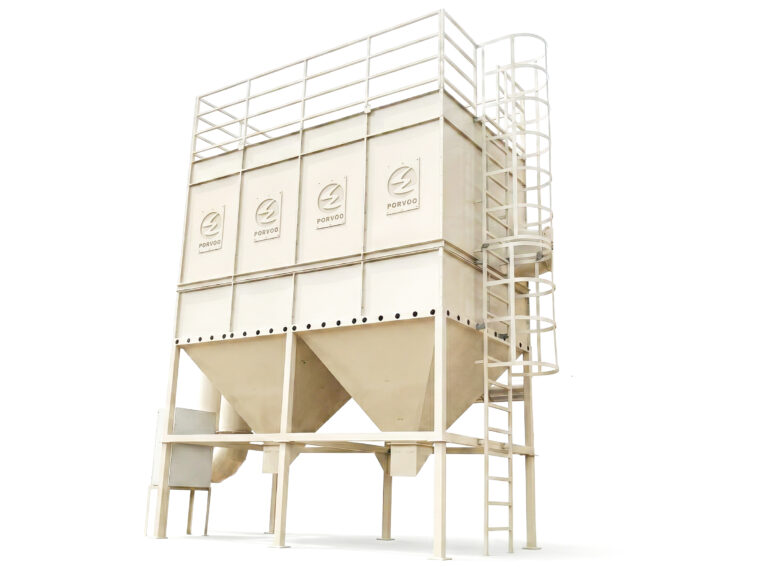
Fine particulate accumulation is one of the more predictable failure paths in tile plant water systems, but it is often missed because the damage builds gradually and shows up first as efficiency loss rather than an obvious fault. When fine filtration is not specified as a standard loop component — or is installed but not maintained as one — fines from grinding, cutting, and surface finishing stages move progressively through the system. They settle in low-velocity zones, coat internal pipe surfaces, and reach pump inlets and downstream equipment in concentrations that accelerate wear without triggering any single visible event.
The risk is compounded by how solids carryover is treated at the design stage. In many installations, acceptable carryover limits are not defined as part of the specification — they are assumed to be managed by whatever filtration is present. When upstream process conditions change, or when a filtration unit goes offline for maintenance, there is no reference point for what the loop can tolerate before quality degradation begins. This is a specification gap, not an equipment failure, and it makes the loop harder to diagnose and harder to stabilize after the fact.
| Facteur de risque | Consequence if Uncontrolled | Ce qu'il faut confirmer |
|---|---|---|
| Fine filtration is not specified | Fines accumulate, reducing pump and pipe efficiency and causing premature wear | Whether fine filtration equipment is included and maintained as a standard loop component |
| Solids carryover from upstream processes | Solids bypass filtration, degrade water quality and accelerate wear on downstream equipment | Whether solids monitoring points and acceptable carryover limits are defined |
The downstream implication of undefined fines management is that wear and efficiency loss appear well after the conditions that caused them, often past the point where the root cause is traceable without detailed operational records. Plants that have specified fine filtration as a continuous loop component — with defined maintenance intervals — consistently show more predictable water quality behavior than those where filtration is treated as an optional or supplemental step.
Check pH and turbidity drift before equipment blame
pH drift is one of the most frequently misdiagnosed failure modes in closed-loop systems, partly because the symptoms it produces — inconsistent flocculation, turbid reuse water, scale buildup, or aggressive corrosion — look like equipment problems until the water chemistry is checked. In systems where pH monitoring is continuous and integrated into the control scheme, drift is caught early and the correction is straightforward. In systems where pH monitoring is optional or periodic, drift accumulates between checks and the water reaching process equipment may already be outside the range where treatment chemistry functions reliably.
The diagnostic implication is practical: before attributing recurring problems to a pump, a filter press, or a sedimentation unit, pH and turbidity should be confirmed as stable over the production cycle. If pH varies by more than a unit across a shift without a known input change, that variation is likely the primary cause of the downstream instability, not the equipment experiencing it. The adjustment to dosing or neutralization is usually simple once the drift is confirmed — the problem is that the check is often skipped in favor of a more visible repair.
Turbidity compounds pH drift in a specific way. In a loop where turbidity is rising and pH is also unstable, chemical dosing gets increased to compensate for both, which can temporarily improve clarity while pushing pH further out of range. This pattern — increasing chemistry to manage symptoms — tends to delay the moment when the actual input condition is identified and corrected. Treating pH and turbidity as the first review checkpoint, rather than as properties to be managed around, changes the diagnosis sequence and usually reduces the total intervention cost.
Prevent sludge backlog from reducing effective tank volume
Sludge accumulation in sedimentation and holding tanks is a volume problem before it is a water quality problem. A tank sized at commissioning to hold a certain volume of process water progressively loses usable capacity as settled solids accumulate on the floor and along walls. If removal intervals are not scheduled and maintained, effective tank volume shrinks in a way that is invisible from external inspection — the tank appears full, but an increasing portion of that volume is occupied by consolidated sludge rather than treatable water.
The practical consequence is that hydraulic retention time drops below what the sedimentation process requires to function reliably. Solids that would have settled under the original design conditions now carry over into the reuse circuit because the water is not held long enough for separation to complete. This produces exactly the kind of turbidity and solids carryover that looks like sedimentation equipment failure, when the actual cause is operational — the removal schedule has not kept pace with sludge generation rates.
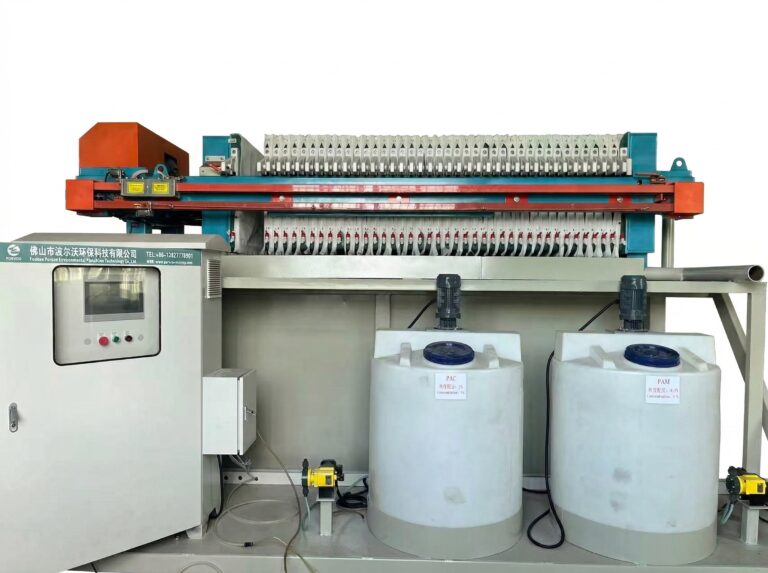
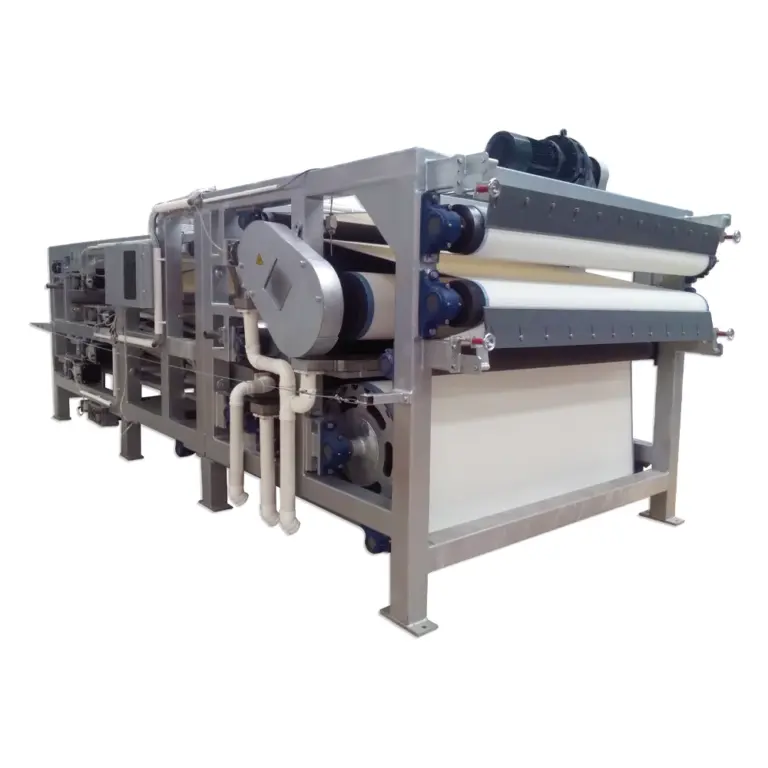
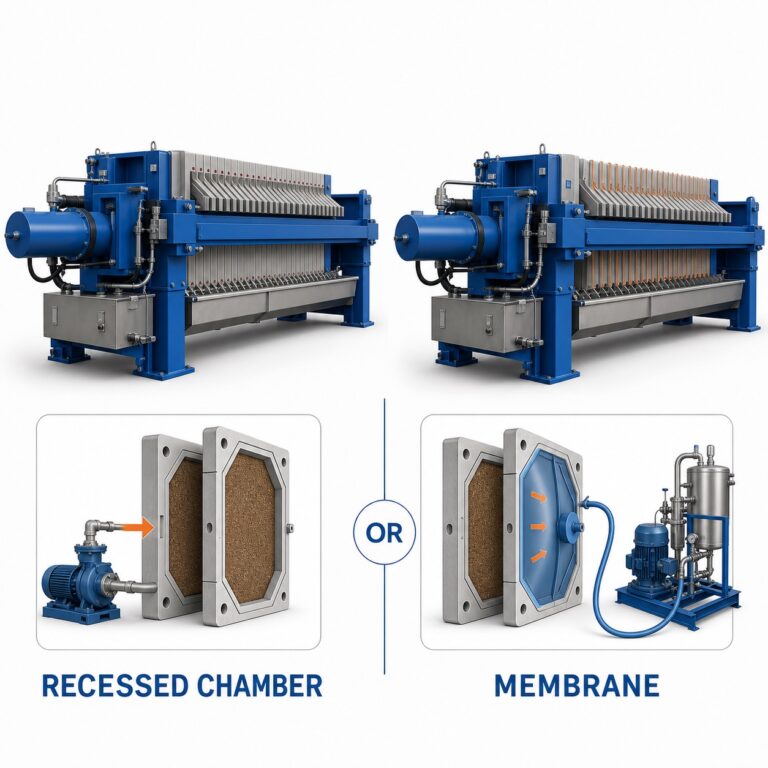
Sludge generation is not constant across production. High-output periods, changes in raw material, or shifts in process chemistry can accelerate accumulation well beyond the baseline rate used when removal intervals were first established. A removal schedule set at commissioning and not revisited is likely to fall behind during heavy production runs. The check that matters is not just whether removal is occurring, but whether the interval reflects current sludge generation rates — and whether actual tank volume is being confirmed periodically rather than assumed. A well-configured filtre-presse à membrane can significantly reduce the volume and handling burden of removed sludge, but the scheduling discipline has to precede the equipment choice.
Balance reuse tank storage with peak production flow
Reuse tanks sized against average daily flow behave predictably under average conditions and fail under peak ones. The overflow event during a high-production run is often the first indication that the tank has no surge margin — treated water that could have been returned to process is lost, the loop continuity breaks at exactly the moment water demand is highest, and the plant defaults to fresh water intake to compensate. By the time the peak passes, the cost is already absorbed.
The design decision that prevents this is not complicated, but it requires that peak flow analysis be conducted before tank sizing is finalized — not after. A separate surge pit or holding tank is the most direct solution, because it absorbs the volume spike without routing it through the main reuse circuit. Without it, the only alternatives during a peak event are overflow, reduced production rate, or a draw on fresh water reserves.
| Sizing Approach | Associated Risk | Ce qu'il faut clarifier |
|---|---|---|
| Reuse tank sized on average daily flow only | Overflow and storage failure during peak production, wasting treated water | Whether peak flow analysis was conducted and a surge margin is included in tank sizing |
| No separate surge absorption (pit or holding tank) | Treated water overflows disrupt closed-loop continuity | Whether a dedicated surge pit or holding tank is specified for peak absorption |
For plants reviewing an existing installation, the check is whether peak flow was ever formally analyzed and whether the sizing documentation reflects that analysis or only average throughput figures. If no peak flow analysis exists, the tank dimensions themselves will not reveal whether a surge margin was included. That distinction matters before any decision to expand capacity, because adding volume to an average-flow-sized tank may still leave the loop exposed to the same overflow risk during production peaks.
Keep chemical dosing from masking upstream problems
Chemical dosing — coagulants, flocculants, pH adjusters — is a necessary part of most closed-loop water treatment configurations. The failure pattern is not dosing itself, but the practice of increasing doses in response to symptoms without first identifying what changed upstream to produce those symptoms. A turbidity spike addressed only with increased coagulant, a pH drop addressed only with neutralizer — these interventions may restore water clarity temporarily while the underlying condition continues to worsen.
The practical trade-off is between short-term process stability and longer-term diagnostic clarity. Each increase in dosing that resolves a symptom reduces the urgency of tracing the symptom to its source. Over several months, a system that started with a straightforward dosing profile can accumulate correction layers that interact with each other in ways that make the water chemistry increasingly difficult to read. Operating cost rises, and the loop becomes progressively harder to stabilize because the baseline has been obscured.
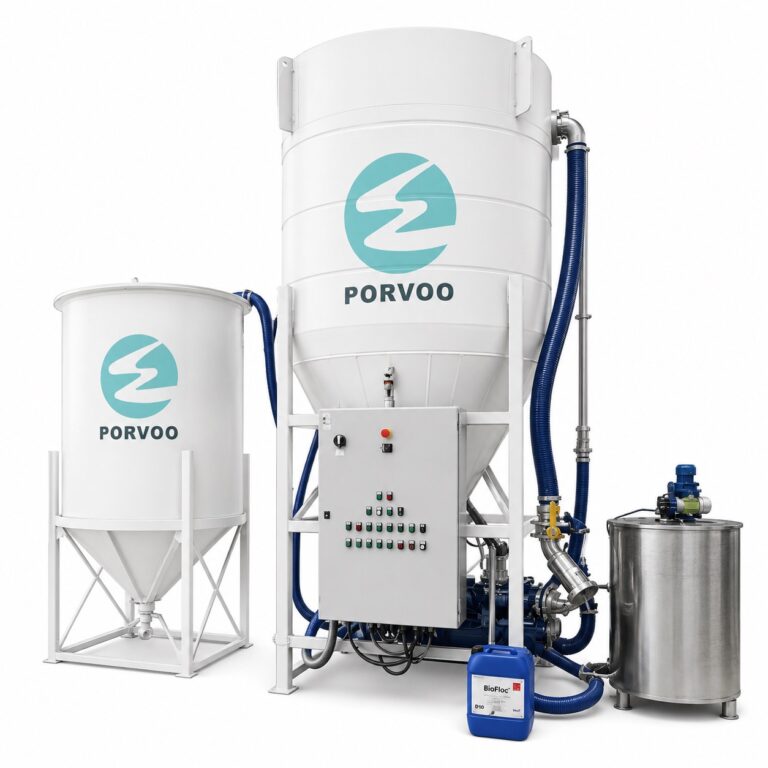
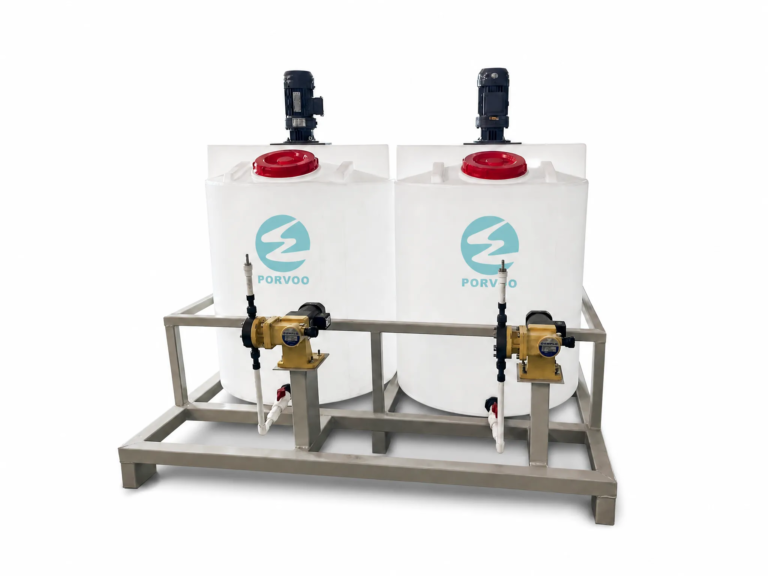
Un intelligent dosing system that adjusts in real time based on monitored water quality parameters can reduce the risk of this accumulation — not because automation replaces diagnosis, but because proportional response to measured conditions is less likely to overshoot than manual adjustment based on visual assessment. ISO 46001:2019 provides a framework for systematic water efficiency management that supports this kind of structured review approach, but the more immediate discipline is simpler: before any dosing adjustment, confirm whether the upstream input condition has changed and, if so, address that condition directly. Dosing adjustments that cannot be traced to a confirmed input change should be treated as diagnostic indicators, not solutions.
Review filtrate return and overflow routes
Filtrate returned from dewatering equipment — filter presses, belt filters — and overflow routed back from secondary treatment stages are two of the less-examined reentry points in a closed loop. Both carry a risk that is easy to overlook: the water being returned may contain residual solids, chemistry, or pH conditions that differ meaningfully from the water already in the reuse circuit.
Filtrate from a filter press, for example, often contains fine suspended solids that passed through the filter medium, and may carry residual coagulant from the conditioning step. If that filtrate is returned directly to the main reuse tank without going through a settling or treatment step, it reintroduces the solids and chemistry load the dewatering step was meant to remove. The loop receives clean-looking water that is actually carrying a contamination contribution that accumulates over successive cycles.
Overflow routes create a related problem. In systems where overflow from a sedimentation or holding tank is gravity-routed back to an earlier stage in the loop without flow control, surge events can push partially treated water into stages that are not designed to handle it — either overloading filtration or bypassing treatment steps entirely. The review check here is not whether overflow routing exists, but where it returns water in the treatment sequence and whether that return point makes sense given the water quality at that moment. The EPA’s water reuse resources for industrial applications treat loop integrity — specifically, where and how water reenters the system — as a foundational design consideration, and that framing applies directly to these return and overflow route decisions. For plants unsure whether these routes have been formally reviewed, examining the as-built process flow diagram against current operational routing is the first step.
Fix the control point that causes repeated instability
Repeated instability in a closed-loop system — turbidity that returns within days of correction, pH that drifts back to the same out-of-range condition, sludge that rebuilds faster than the removal schedule can clear it — usually traces to one control point that is not being addressed. The instability is not random; it has a pattern, and the pattern reflects an unresolved upstream condition that the rest of the loop is responding to.
The diagnostic discipline that matters here is to identify that one control point before expanding treatment capacity, adjusting more chemistry, or replacing equipment. In most cases, the recurring instability can be linked to one of a small number of conditions: an unmonitored pH input from a process step upstream of the loop entry, a filtration gap that allows solids above a certain particle size to persist through the system, a removal schedule that cannot keep pace with current sludge generation, or a storage configuration that has no mechanism to absorb peak flow variation. Each of these produces a recognizable signature in operational data, and each requires a different intervention.
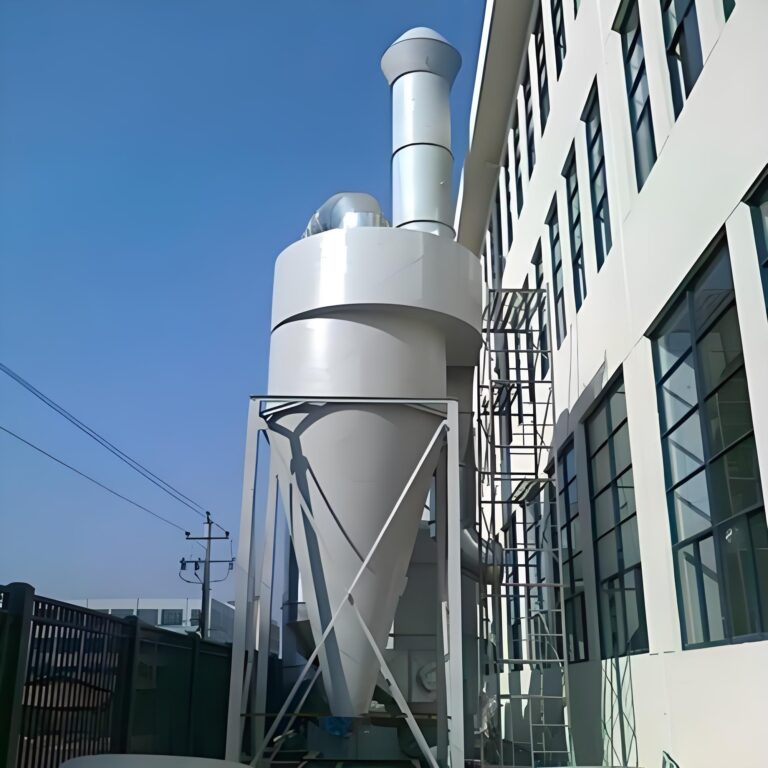
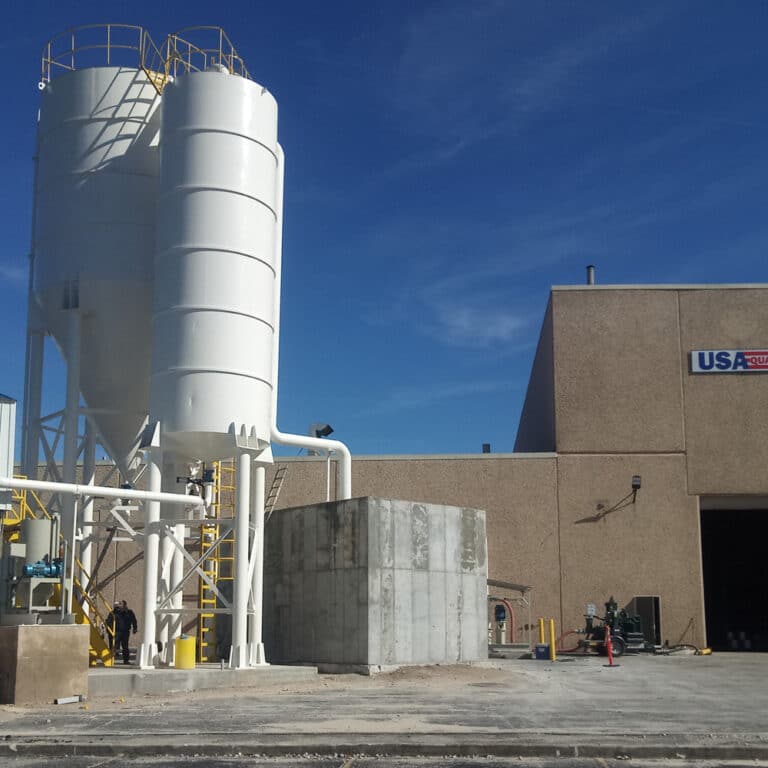
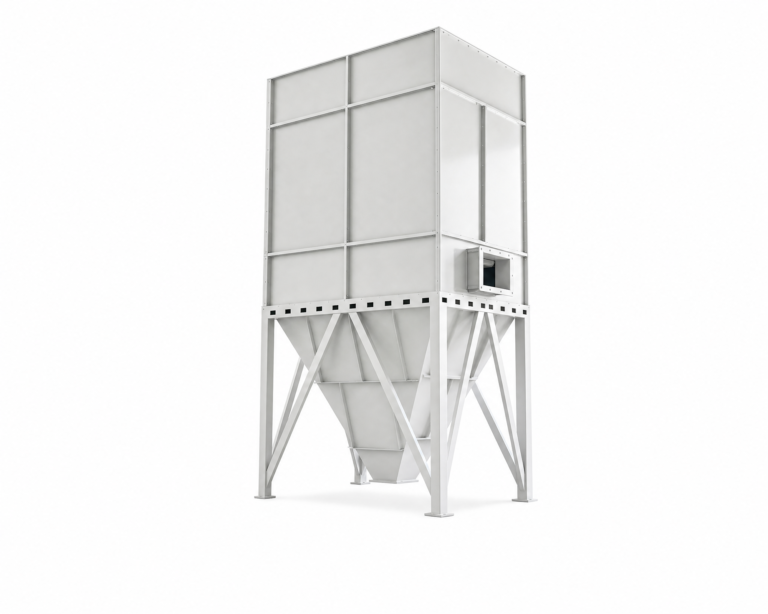
The mistake pattern is to address the symptom at the point where it is most visible rather than at the point where it originates. Turbidity managed at the reuse tank, for example, when the actual source is a fine filtration gap two stages upstream, will remain a recurring cost without ever becoming a solved problem. A tour de sédimentation verticale reconfigured to improve separation efficiency will not hold that improvement if the upstream solids load is irregular and uncontrolled. ISO 46001:2019, as a systematic management framework, supports the principle that water quality targets should be defined, monitored, and reviewed at each stage of the loop — not just at the reuse point — and that recurring deviations should trigger root-cause review rather than operational workarounds. Translating that principle into practice means identifying the single control point most responsible for the recurring pattern and treating it as the primary intervention target, not one of several simultaneous adjustments.
The most useful thing a review of a closed-loop tile plant water system can establish is the difference between what the system is actually controlling and what it is chemically or operationally compensating for. If pH, turbidity, sludge volume, and storage margin are all within acceptable range under steady-state conditions but degrade quickly under production variation, the system is likely managing to a baseline rather than controlling to a defined range — and that gap will express itself as increased operating cost and recurring instability whenever conditions shift.
Before expanding treatment capacity or specifying additional equipment, confirm whether peak flow analysis has been conducted and documented, whether pH monitoring is continuous rather than periodic, whether fine filtration is maintained as a standard loop component rather than an optional one, and whether sludge removal intervals reflect current generation rates. These are the four conditions most likely to determine whether a proposed change will hold — and most likely to be absent in systems where instability has been managed rather than resolved. For a broader view of how these individual modules interact with overall reuse targets, the article on which modules actually change water reuse stability in ceramic and stone plants covers the system-level configuration decisions that underpin consistent loop performance.
Questions fréquemment posées
Q: Our plant runs a semi-closed loop rather than a fully closed one — does this failure analysis still apply?
A: Most of it applies directly. The failure points covered — fines accumulation, pH drift, sludge backlog, dosing escalation, and storage undersizing — occur in any loop where process water is recirculated, regardless of whether makeup water is also introduced. The main difference in a semi-closed configuration is that fresh water input can temporarily mask water quality degradation, which tends to delay detection rather than prevent the failure. If anything, the masking effect makes early monitoring discipline more important, not less.
Q: Once pH and turbidity are confirmed stable and the sludge removal schedule is corrected, what should be done first to verify the loop is actually holding?
A: Run a structured observation period — typically one full production cycle including at least one peak-output shift — while logging pH, turbidity, and sludge accumulation rate at each stage before and after any changes take effect. The purpose is not to confirm that conditions look acceptable at a single checkpoint, but to verify that stability holds under the same variation that previously caused it to break down. If the loop degrades again within that window, the control point identified during diagnosis is likely still active or a second unresolved condition is contributing.
Q: Is there a production volume or loop size below which full continuous pH monitoring is not cost-justified?
A: Continuous pH monitoring is hardest to justify on cost grounds in very small or intermittently operated loops — but those are also the configurations where periodic manual checks are most likely to miss drift between readings. The relevant threshold is not production volume but monitoring frequency relative to how fast pH can drift during a shift. If a pH change of more than one unit can occur between manual checks given the plant’s upstream chemistry, the cost of undetected drift — in dosing waste, equipment wear, and diagnostic time — typically exceeds the cost of continuous monitoring regardless of loop size.
Q: How does a closed-loop approach compare to a once-through system for a tile plant that is not under regulatory pressure to reduce discharge?
A: Even without regulatory pressure, closed-loop operation reduces raw water intake costs and eliminates the variable cost of discharge treatment or disposal for the recirculated fraction. The trade-off is that closed loops require active quality management — the failure modes described in this article do not exist in a once-through system. The worth calculation depends on local water cost, discharge cost, and whether the plant has the operational discipline to maintain the monitoring and removal schedules the loop requires. Plants that underestimate the management burden tend to find that a poorly maintained closed loop costs more to operate than a compliant once-through system.
Q: If a plant has been increasing chemical doses for months to manage turbidity, is it practical to reduce dosing without destabilizing production?
A: Yes, but it should be done in stages rather than all at once, and only after the upstream condition driving the turbidity has been identified and corrected. Reducing dosing before the input condition changes will simply allow turbidity to return. Once the root cause is addressed — whether that is a fine filtration gap, pH drift, or sludge volume reducing effective retention time — dosing can be stepped back incrementally while monitoring turbidity response at each reduction. This staged approach reveals whether each layer of accumulated correction was necessary or compensatory, and it establishes a defensible baseline for the loop’s actual chemical requirement under controlled upstream conditions.