Les stations d’épuration en céramique qui passent haut la main un contrôle de réception sur la base d’un seul critère métrique révèlent souvent, six mois après la remise des clés, un autre type de problème : augmentation des coûts d’élimination des boues, dérive de dosage que les opérateurs gèrent manuellement à chaque quart de travail, et eau réutilisée qui respecte les critères de turbidité lors d’une journée à faible charge mais pas lors d’une journée à forte charge. Les conséquences ne sont pas immédiatement catastrophiques : elles s’accumulent au fil d’ajustements opérationnels cumulés qui n’ont jamais été consignés, jamais remis en question lors de la mise en service, et jamais comparés aux performances prévues dans le contrat. Le principe permettant d’éviter cela est simple : la réception doit porter sur l’ensemble du cycle de traitement de l’eau, et non sur un paramètre de sortie mesuré isolément. Vous trouverez ci-après les critères permettant de distinguer un procès-verbal de réception défendable de celui susceptible d’être contesté en cas de performances insuffisantes.
Essai dans des conditions normales d'alimentation en eaux usées de la céramique
Effectuer les essais de réception sur une charge d'alimentation diluée, synthétique ou pré-décantée constitue le raccourci le plus courant qui invalide le procès-verbal de mise en service. Les eaux usées céramiques issues des lignes de meulage, de polissage ou d’émaillage contiennent une combinaison variable de fines matières en suspension, de particules d’argile colloïdales et un pH fluctuant dû à la chimie du procédé — aucun de ces éléments ne se comportant de la même manière qu’une boue d’essai préparée. Si le système est testé dans des conditions plus contrôlées, la formation de flocs, la vitesse de sédimentation et la demande chimique observées lors des essais ne refléteront pas les conditions réelles de l’usine.
En pratique, cela signifie que les seuils d'acceptation calibrés sur une charge propre peuvent masquer deux instabilités qui n'apparaissent qu'en conditions de charge réelle : une mauvaise formation de flocs à un pH faible ou variable, et la recirculation de fines qui obstruent progressivement le filtre-presse en aval. Lorsque l'un ou l'autre de ces problèmes devient visible en production, la période de mise en service est déjà terminée et les critères de référence contractuels ont été fixés sur la base de conditions d'essai qui ne s'appliquent plus.
Définissez ce que signifie “ alimentation normale ” pour votre site avant le début de la période de réception. Il ne s'agit pas d'une valeur standardisée : elle tient compte de vos lignes de production, des variations saisonnières des matières premières et de la fourchette, d'une équipe à l'autre, des matières en suspension que le système recevra effectivement. La base de conception devrait déjà inclure l'enveloppe d'alimentation utilisée par le fournisseur pour le dimensionnement ; les essais de réception doivent se dérouler dans les limites de cette enveloppe, et non en dessous.
Mesurer simultanément la turbidité, les matières en suspension totales (TSS) et le pH de l'eau réutilisée
La mesure de la turbidité à elle seule fournit un indicateur optique en temps réel, mais elle peut donner un résultat satisfaisant alors que la charge totale en matières en suspension reste supérieure à la limite de conception — en particulier lorsque de fines particules colloïdales diffusent la lumière à des niveaux qui semblent acceptables, mais dont la masse est suffisante pour s'accumuler dans les buses de pulvérisation ou les équipements de réutilisation sensibles à l'encrassement. Les TSS et le pH doivent être mesurés lors d’une même série de mesures et enregistrés simultanément, car ces trois paramètres sont liés de manière causale : le pH influe sur l’efficacité de la coagulation, celle-ci détermine l’élimination des TSS, et les TSS affectent la turbidité. Les séparer en contrôles successifs ne permet pas de prendre en compte cette interdépendance.
La mesure de la turbidité lors de la réception peut s'appuyer sur le cadre de la méthode optique défini dans la norme ISO 7027-1:2016 ; toutefois, cette norme traite de la technique de mesure et non des valeurs de conformité ou de non-conformité. Les seuils numériques applicables à votre site sont ceux stipulés dans la base de conception mentionnée. Si la base de conception spécifie séparément une limite de turbidité pour l'eau réutilisée et une limite de TSS, ces deux limites doivent être respectées simultanément, et non lors d'essais distincts.
Le problème pratique rencontré ici est la dérive du pH lors de cycles prolongés. L’eau de process céramique devient souvent plus acide sous une charge soutenue, à mesure que les espèces solubles s’accumulent. Si le pH descend en dessous du niveau optimal pour la coagulation sans déclencher d’ajustement de la dose, l’élimination des TSS se dégrade avant que la turbidité ne s’aggrave de manière visible — ce qui signifie qu’un contrôle basé uniquement sur la turbidité peut indiquer un résultat conforme au moment même où les TSS ont déjà dépassé la limite de conception. Un protocole de mesure combiné, enregistré à intervalles définis tout au long de chaque cycle d’essai, constitue le minimum nécessaire pour détecter ce couplage avant la clôture de la procédure d’acceptation.
Suivi du volume des boues, de la manutention des gâteaux et du retour des filtrats
La production de boues est le critère d'acceptation le plus souvent reporté et celui qui est le plus susceptible d'entraîner un litige concernant les coûts après la remise des travaux. Le volume de boues produit par unité de matière première traitée, la teneur en matières solides du gâteau pressé, ainsi que le volume et la qualité du filtrat réintroduit en amont du système, sont autant de facteurs qui influent sur l'équilibre économique et opérationnel de la station d'une manière que les seuls indicateurs de qualité de l'eau ne permettent pas de mettre en évidence.
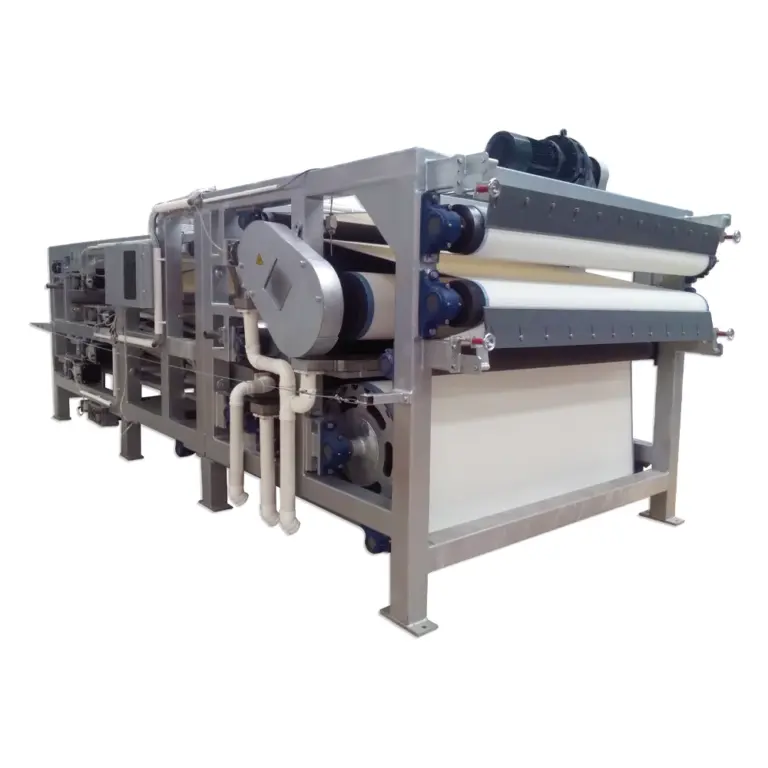
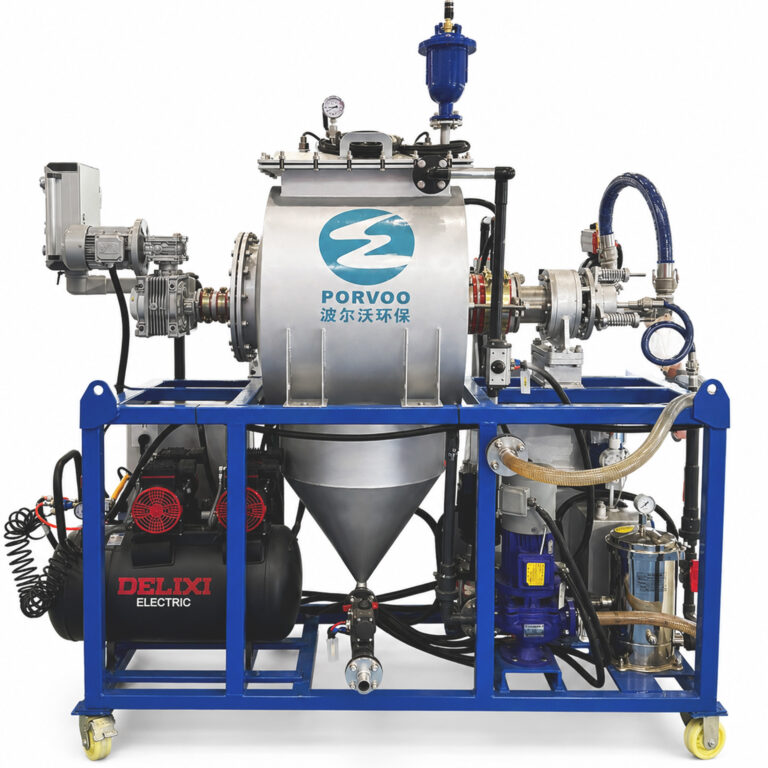
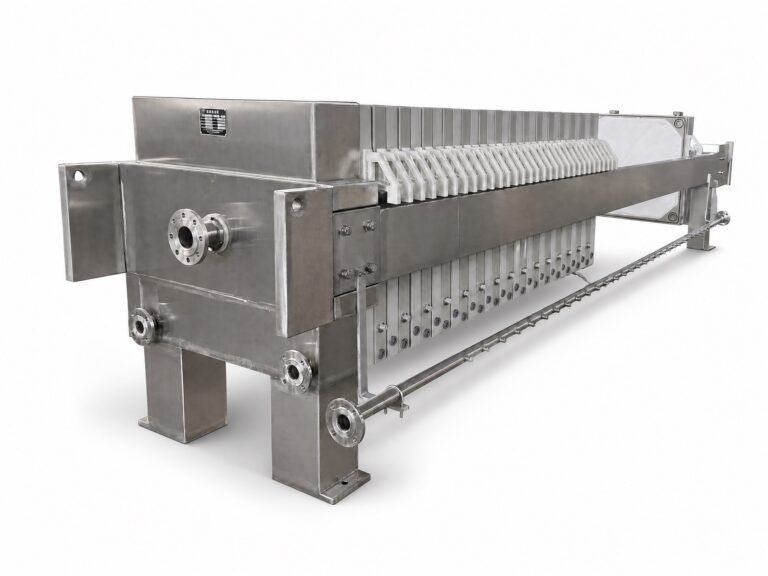
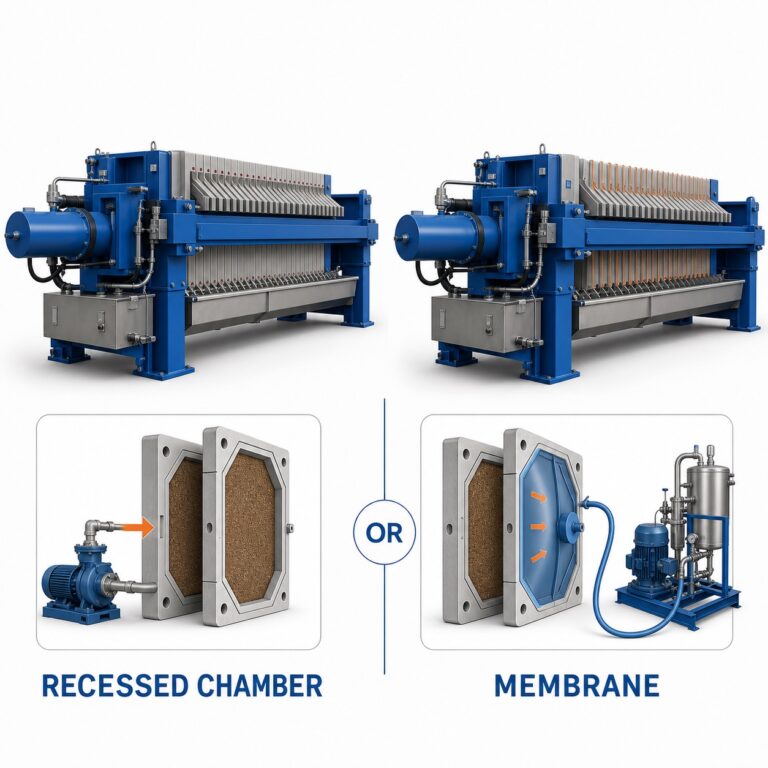
La norme ISO 5667-13:2011 constitue une référence utile pour le prélèvement d’échantillons représentatifs de boues à des points bien définis du processus plutôt qu’au point d’accès le plus pratique, mais elle ne fixe pas d’objectifs de performance. Ces objectifs relèvent des hypothèses de conception : pourcentage prévu de matières sèches dans le gâteau, volume maximal de boues par équipe et qualité du filtrat prise en compte lors du calcul de la charge de recyclage au niveau de l’étape de sédimentation. Si le filtrat provenant de la Filtre-presse à membrane si elle est renvoyée vers l'entrée du décanteur sans avoir été analysée lors de la réception, le procès-verbal de mise en service ne permet pas de confirmer que la charge recyclée correspond aux hypothèses de conception.
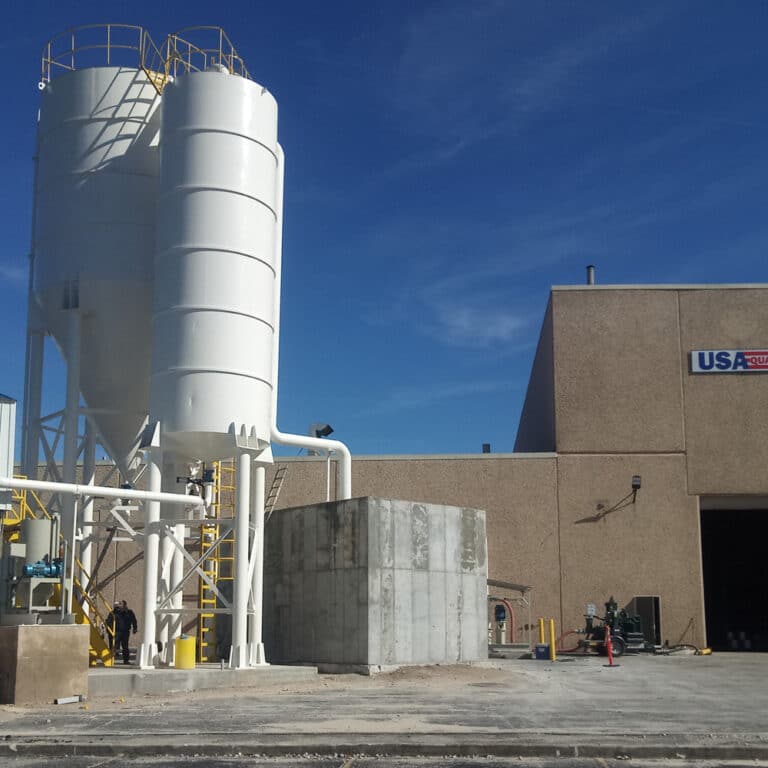
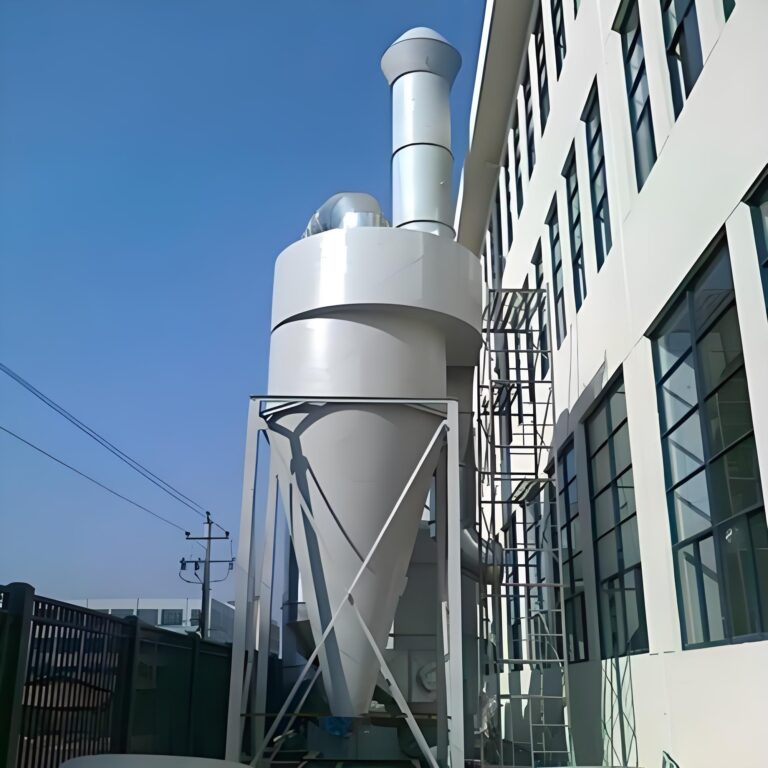
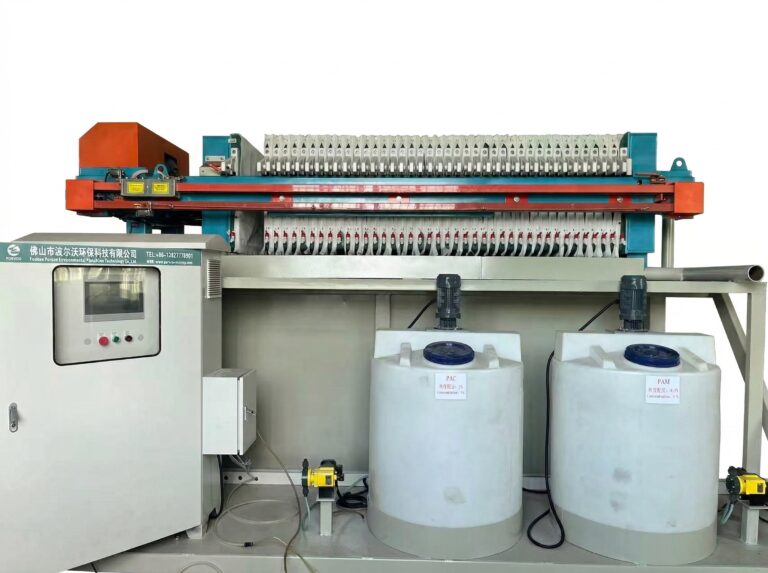
Le compromis qui importe ici est celui entre la rapidité des essais et la visibilité en aval. Le fait de ne pas effectuer le suivi du volume de boues ni la mesure du retour de filtrat permet de raccourcir la période d'acceptation d'un ou deux jours, mais cela repousse le moment où l'on se rendra compte que l'humidité du gâteau est supérieure à celle prévue, que le filtre nécessite davantage de cycles de pressage par équipe que ce qui est spécifié, ou que les fines du filtrat s'accumulent progressivement dans le Tour de sédimentation verticale au-delà de ses critères de dimensionnement. Chacune de ces conditions peut être diagnostiquée lors de la réception et est difficile à imputer contractuellement une fois que l’usine est en production. Il convient de suivre le volume des boues de décantation et le retour de filtrat en tant que paramètres de réception principaux, en appliquant la même rigueur d’enregistrement à la qualité de l’eau réutilisée. Des détails supplémentaires sur le comportement du filtrat pendant les cycles de déshydratation sont abordés dans Gestion du filtrat dans les opérations de filtre-presse.
Consigner les doses de produits chimiques et les ajustements effectués par l'opérateur
Chaque ajustement manuel effectué lors des essais de réception constitue un élément d’information permettant de déterminer si le système est auto-stabilisé ou s’il nécessite des interventions. Si les débits de coagulant et de floculant sont ajustés plusieurs fois par équipe par l’opérateur afin de maintenir la qualité de l’eau, ces ajustements doivent figurer dans le registre de réception avec un horodatage, une justification et le paramètre qui les a déclenchés. Un rapport de mise en service indiquant que l’eau réutilisée est propre, mais ne contenant aucune donnée de dosage, ne constitue pas la preuve d’un système stable : il s’agit d’un rapport incomplet.
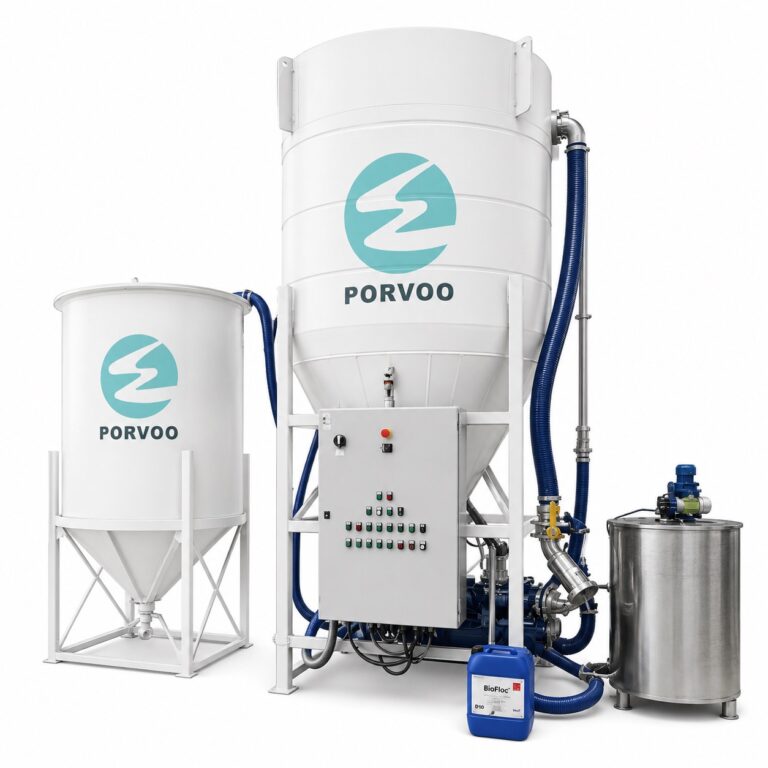
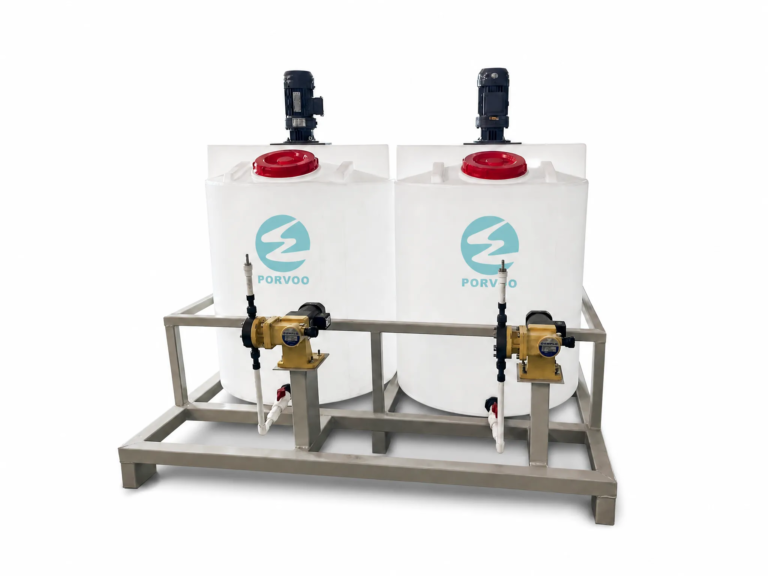
Les débits de dose PAC et PAM observés lors de la réception doivent être comparés aux valeurs de consommation de référence prévues lors de la conception. Un écart significatif, dans un sens comme dans l’autre, a des implications différentes : des débits de dose supérieurs à ceux spécifiés peuvent indiquer que le flux d’alimentation est plus difficile à traiter que prévu par la modélisation, ou que l’étape de sédimentation n’est pas suffisamment performante ; des débits inférieurs peuvent signifier que le flux d’alimentation est exceptionnellement propre, ce qui ne reflète pas les conditions normales. Dans tous les cas, ces données doivent figurer dans le registre ; elles ne doivent pas être moyennées ni omises sous prétexte que la qualité de l’eau en sortie semblait acceptable. Un système de dosage intelligent qui enregistre automatiquement les débits de dose réduit le risque de lacunes dans ce registre et offre à l’équipe de réception une traçabilité sans avoir à se fier aux notes manuscrites de l’opérateur.
Cette section du procès-verbal de réception permet en définitive de déterminer si la consommation de produits chimiques du système est prévisible, proportionnelle aux variations de la charge d'alimentation et conforme à la plage de fonctionnement indiquée par le fournisseur. Cette prévisibilité a des implications directes sur les achats : les coûts annuels en réactifs, le dimensionnement des espaces de stockage et la fréquence de réapprovisionnement sont tous basés sur le débit de dose de référence. Si les débits de dose réels observés lors de la réception s'écartent de manière significative de ces valeurs, ces chiffres doivent être révisés avant la remise du système, plutôt que d'être conservés tels quels, ce qui constituerait une divergence non résolue.
Vérifier la stabilité du fonctionnement au cours de cycles répétés
Un seul essai réussi démontre la capacité du système dans un ensemble de conditions donné. Ce sont les essais à cycles répétés qui permettent de démontrer que le système se rétablit de manière fiable après chaque vidange des boues, chaque cycle du filtre-presse ou chaque ajustement du dosage, et que les performances ne se dégradent pas progressivement au cours de la période d'essai. Le nombre de cycles requis n'est pas universel ; il dépend des bases de conception et de la fréquence des cycles prévue pour l'exploitation de l'installation.
Ce que des cycles répétés révèlent, contrairement à un seul essai, ce sont : l’aveuglement du filtre qui commence après le deuxième ou troisième cycle de pressage, le temps de récupération de la zone de sédimentation après un événement à forte charge, et le décalage entre une variation du pH dans le flux d’alimentation et la réponse automatique en termes de dosage. Il ne s’agit pas de modes de défaillance marginaux, mais bien de conditions de fonctionnement normales concentrées dans la fenêtre d’acceptation. Si un cycle produit des résultats qui sortent du cadre de référence de conception, la réponse appropriée consiste à analyser la cause première avant le cycle suivant, et non à poursuivre l’essai en prévoyant de corriger l’écart après la remise du projet.
La variation d'un cycle à l'autre doit être évaluée par rapport aux paramètres de conception, et non par rapport au meilleur résultat enregistré. Si le premier cycle donne de bons résultats et que les cycles suivants montrent une diminution de la teneur en matières solides du gâteau ou une augmentation des TSS de l'eau de réutilisation, la tendance est plus importante que le résultat initial. Une tendance stable ou en amélioration sur plusieurs cycles successifs, avec un dosage restant dans la plage de conception et aucune intervention imprévue de l'opérateur, constitue la preuve concrète que le système est prêt à être mis en service.
Comparer les résultats avec les hypothèses de conception indiquées
Les bases de conception — qu’elles soient intégrées dans le cahier des charges du projet, dans l’offre technique du fournisseur ou dans l’équivalent des spécifications fonctionnelles (URS) convenu — constituent le seul point de référence contractuellement valable pour la réception. La comparaison des résultats avec des références générales du secteur ou avec les performances d’installations céramiques similaires ailleurs ne permet pas de confirmer que le système livré répond aux spécifications prévues pour ce site et à cette capacité.
La comparaison doit être structurée plutôt qu’impressionniste. Les résultats relatifs à la turbidité, aux matières en suspension totales (TSS) et au pH de l’eau réutilisée doivent être comparés aux limites de conception prévues pour chacun de ces paramètres. Le volume de boues par poste doit être vérifié par rapport à l’hypothèse de dimensionnement. Les débits de dosage des produits chimiques doivent être comparés aux chiffres de consommation indiqués. La qualité du filtrat et le volume de retour doivent être vérifiés par rapport à la charge de recyclage pour laquelle le système a été conçu. Lorsque les lignes directrices de l’EPA sur la réutilisation de l’eau ont servi de base de conception pour les objectifs de qualité de l’eau réutilisée, elles fournissent un contexte utile pour ces limites, mais elles ne remplacent pas les valeurs de conception spécifiques auxquelles le fournisseur s’est engagé lors de la phase contractuelle.
Tout résultat se situant à la limite des conditions de conception mérite d'être examiné de près avant que l'acceptation ne soit consignée. Une mesure de turbidité qui se situe systématiquement à 95% de la limite de conception suggère que le système dispose d'une marge de manœuvre opérationnelle inférieure à celle prévue et qu'il pourrait ne pas respecter cette limite lors d'une journée de forte charge. Cette observation doit figurer dans le procès-verbal d'acceptation, accompagnée de la réponse du fournisseur, plutôt que d'être considérée comme conforme au simple fait que le seuil n'a pas été dépassé.
N'accepter la boucle que si elle est reproductible
La réception joue un rôle pratique de « porte de sortie » : c’est le dernier moment où les écarts relèvent de la responsabilité du fournisseur plutôt que de celle de l’exploitant. Il a été démontré que clôturer la réception avant que la boucle ne soit bouclée — qualité de l’eau, production de boues, stabilité du dosage, retour du filtrat — revient à transférer prématurément cette responsabilité de manière systématique.
Dans ce contexte, la répétabilité n’exige pas une précision statistique sur des dizaines de cycles. Elle exige que la qualité de l’eau, la production de boues, la consommation de produits chimiques et la charge d’intervention de l’opérateur soient cohérentes en elles-mêmes tout au long de la période d’essai, conformes aux principes de conception, et ne dépendent pas de corrections manuelles continues pour rester dans des limites acceptables. Si le journal de mise en service fait état d’ajustements manuels répétés sans cause ni schéma de réponse documentés, il est difficile de soutenir que la boucle est intrinsèquement stable plutôt que maintenue par l’attention de l’opérateur. Cette distinction est importante en cas de litige concernant les performances après la remise de l’installation, et elle l’est également lors d’un examen réglementaire si la qualité de l’eau réutilisée devient un problème de conformité.
Avant la validation, le procès-verbal de réception doit permettre à tout réviseur qualifié de répondre à quatre questions en se basant uniquement sur la documentation : quelles étaient les conditions d’alimentation lors de chaque essai, quels ont été les débits d’eau réutilisée et de boues produits par le système, quelle quantité de produits chimiques a été consommée et comment le dosage a-t-il été ajusté, et chaque cycle a-t-il fonctionné de manière cohérente avec les précédents ? Si l’une de ces questions nécessite de faire appel à la mémoire de l’ingénieur chargé de la mise en service plutôt qu’à un document écrit, le dossier de réception n’est pas complet.
Le véritable risque lié à la mise en service d'un système de traitement des eaux usées en céramique ne réside pas dans une seule mesure manquée, mais dans l'effet cumulatif du fait de considérer la production de boues, le retour de filtrat et les ajustements effectués par l'opérateur comme des éléments secondaires plutôt que comme des critères de mise en service primaires. Un test simplifié qui aboutit rapidement à une conclusion positive sera souvent validé le jour même, mais présentera ensuite des écarts en production, ce qui entraînera des litiges en matière de coûts et d'imputation que le dossier de mise en service ne pourra pas résoudre.
Avant de procéder à la réception définitive d’un système de recyclage des eaux usées en céramique, assurez-vous que la période d’essai a été menée dans des conditions réelles d’alimentation, que tous les paramètres ont été enregistrés simultanément au cours de cycles répétés et que les résultats ont été explicitement comparés aux chiffres engagés par le fournisseur lors de la phase contractuelle. Si les chiffres de consommation de référence, les estimations du volume de boues ou les limites relatives à l’eau réutilisée n’ont pas été spécifiés avec suffisamment de précision pour permettre cette comparaison, il est plus judicieux de les clarifier avant la réception que de constater l’écart après la remise de l’ouvrage.
Questions fréquemment posées
Q : Que se passe-t-il si notre chaîne de production ne fonctionne pas à pleine capacité pendant la période d'acceptation ? Pouvons-nous simuler un débit normal ?
R : Non, les essais de réception doivent être reportés jusqu’à ce que le système soit en mesure de traiter des eaux usées céramiques réelles, à pleine concentration. Une charge simulée ou diluée masque la formation de flocs et les instabilités de décantation qui n’apparaissent qu’en conditions de charge réelle ; de plus, les seuils calibrés à partir d’une charge synthétique ne seront plus valables une fois la production lancée, ce qui invalidera la base de référence de mise en service.
Q : Une fois la réception définitive obtenue, quels contrôles réguliers faut-il effectuer pour éviter que le système ne s'écarte des spécifications de conception ?
R : Mettez en place un mini-cycle mensuel au cours duquel la turbidité de l'eau réutilisée, les matières en suspension totales (TSS), le pH, les débits de dosage des produits chimiques et la teneur en humidité du gâteau de boues sont enregistrés simultanément et comparés aux valeurs de référence d'acceptabilité. Cela permet de détecter précocement toute tendance avant qu'un problème lié aux coûts ou à la conformité ne s'aggrave.
Q : Ces critères d'acceptation s'appliquent-ils toujours si l'eau recyclée est uniquement utilisée pour le lavage des sols ou pour des rinçages non critiques ?
R : Les objectifs de qualité de l'eau relatifs à la turbidité et aux matières en suspension totales (TSS) peuvent être assouplis pour s'adapter à l'utilisation concrète de l'eau réutilisée, mais le volume des boues et la consommation de produits chimiques doivent tout de même faire l'objet d'un suivi. Une station qui néglige la production de boues lors de la réception s'expose à une augmentation imprévue des coûts d'élimination, quelle que soit la destination de l'eau réutilisée.
Q : Un registre manuel tenu par l'opérateur suffit-il pour consigner les ajustements de dosage effectués lors de la réception, ou un enregistrement automatisé est-il obligatoire ?
R : Un registre manuel peut suffire s’il consigne chaque ajustement avec l’heure exacte et le motif précis, mais la journalisation automatisée par un système de dosage intelligent élimine le risque d’omissions et offre la traçabilité nécessaire en cas de litige après la remise. C’est l’exhaustivité qui est déterminante, et non l’outil utilisé.
Q : Le protocole d'acceptation complet retarderait le démarrage de notre production — ces tests supplémentaires valent-ils vraiment la peine au regard du temps d'arrêt qu'ils entraînent ?
R : L'impact sur la production d'un test de réception approfondi est presque toujours moindre que le coût lié à la résolution des problèmes liés au traitement des boues, aux écarts de dosage ou aux défaillances en matière de qualité de l'eau après la remise de l'ouvrage. Un test incomplet transfère le risque de détection des défauts vers la phase d'exploitation, où la résolution des problèmes est plus coûteuse et plus difficile à imputer d'un point de vue contractuel.