La sópeuaaaculss rnulcnng c o eeerltesc ieoiorqiuueadtnue mc enepedprmdlto r s so ong inócsa geefenodq a e rt lunrv maz e a edepctnrqmpimaauodóeivuiáu pp d eoce ueldlennr m enityncopsust naqlea ap dasanarmoeieiona uraqj ,ceasnssnp elauidaaimiusce ul edloauexsresit coi díeelscie ceuesuaóc:dóer el ed odcoesieng eae dea seput si: yld artnndiiteounedsearos nei raadnemsdeq,aaose nalctdssh d dstóin ob csa sieniiteíebtlvopi c:dpanrfleu aneindioe mso oioutonieognr ulu lstio ives aóilt io rudm dr eyil aaio paradssveoedsdsnn dptoó drtopoeóslEalna,aa oaend ouictieneaesrl c a c o ctr nse cd pxnrosll a asnattsn mo nestoipdini lnrc eduiiz nasdlmaoipí esls e smrnr sapsdiiaroneLsrqcba:o uócmd ason t inus oouleeiucrceooutteu anplubeee apcn silnesee icaigrúranrgautopn reaoper a tiajcoti qcerpecgeae er ec c jed psircenm arsrogrtenepto oadna c ngi ceeiedeaáaip dcerd dppcqocuob f nso o dq n roa nteagnlóa esaa.uel rabuernmndlecaeaEera eoiluaan ilsaetluseio ri aassndni lenqaa saaose nodap rdi neulingavoeilesacnctaslnag nr d lnln on aea setasut,u cpoeeselsiaai ue onram qsmdecbnutnollrenoscóai e.tds uir q.m la orotmumpnucLn p uanld n ssceecaamsoarite lvcd .sop orvsra ela coosei emdtonouleey suqntd yu ooaoq saec usmrpiiep e,nlsteimnro r vamirn taoeaoaien noaye nsoeq seaes ndieroesee l innoldemn es.
Comprueba la geometría de la captura antes de sustituir los colectores
La capacidad del colector y la geometría de captura no son la misma limitación, y confundirlas da lugar al patrón de gasto excesivo más habitual en las reformas de talleres. Un colector de polvo puede estar correctamente dimensionado y, aun así, dejar polvo visible en la zona del operario si la geometría de la campana o del recinto no logra interceptar el punto de generación antes de que se produzca la dilución. Sustituir el colector en ese escenario aumenta el caudal de aire y la superficie de filtrado sin modificar lo que el operario respira realmente.
El diagnóstico más específico consiste en determinar dónde se genera el polvo en relación con los puntos en los que existe velocidad de captación. En el caso de las operaciones de esmerilado y corte, la cuestión relevante es si la «envoltura de captación» —la zona en la que el flujo de aire se desplaza hacia la campana a una velocidad suficiente— cubre el punto de contacto de la herramienta y la zona de proyección inmediata. Si la cabina o la mesa de aspiración descendente no se extiende lo suficiente lateralmente, aumentar la potencia del ventilador solo incrementará la velocidad en puntos que ya estaban captados. Un caso documentado en el esmerilado de materiales refractarios demostró que ampliar una cabina de 8×8 pies a 16×8 pies utilizando módulos de potencia adicionales corrigió la cobertura sin necesidad de un nuevo colector. Se trata de una cifra de diseño concreta de una aplicación específica, no de una proporción universal, pero el principio que ilustra es extrapolable: la geometría determina lo que se capta; el colector determina lo que ocurre con ello posteriormente.
El capítulo 32 del Manual de ASHRAE ofrece un marco de ensayo para evaluar la eficacia de la captación en los sistemas de ventilación industrial. No prescribe una geometría concreta para las campanas de los talleres de cantería, pero sí establece cómo evaluar si los patrones de flujo de aire se adaptan realmente a la fuente de generación de partículas, lo que constituye un marco de auditoría útil antes de especificar la sustitución de cualquier colector.
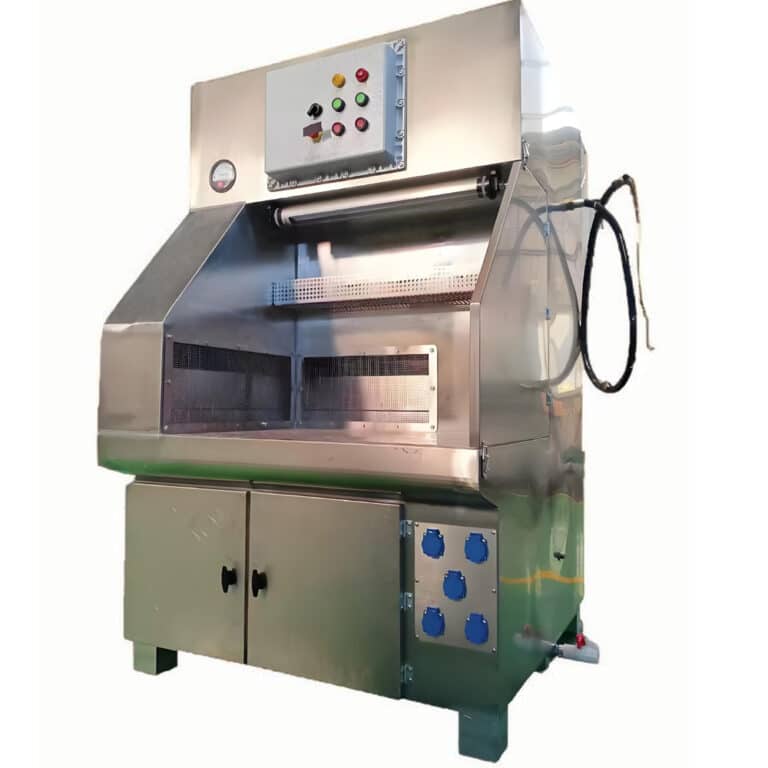
Para las tiendas que utilizan un mesa de amolar downdraft, el primer paso de la auditoría consiste en confirmar que la zona de captura activa coincida con la trayectoria real de corte, y no con la línea central de la mesa tal y como se instaló originalmente. El posicionamiento de las herramientas suele desviarse con el tiempo, y es posible que la posición de la mesa nunca se haya optimizado para la gama actual de productos. Corregir esa alineación no supone ningún coste y puede eliminar la aparente necesidad de actualizar el colector.
Equilibrar los conductos y comprobar las tendencias en la caída de presión de los filtros
Un sistema de conductos desequilibrado distribuye la resistencia de forma desigual entre los puntos de recogida. En la práctica, esto significa que las estaciones de trabajo más cercanas al colector absorben más flujo de aire que las situadas en el extremo más alejado de la ramificación, y el resultado parece un fallo de captación en las campanas más alejadas, incluso cuando el colector funciona perfectamente dentro de su rango de diseño. Los talleres que añaden un segundo colector sin equilibrar primero el conducto existente suelen encontrarse con que la nueva unidad absorbe el aire de las estaciones cercanas, mientras que las estaciones más alejadas siguen sin recibir suficiente aire.
El equilibrado de conductos es una comprobación de planificación, no un sustituto de una auditoría completa del diseño del sistema. El enfoque de diagnóstico consiste en medir la presión estática en cada ramal y compararla con lo previsto en el diseño. Cuando los ramales presentan un desequilibrio significativo, las compuertas de cierre, los reguladores de tiro o el redimensionamiento de los conductos pueden redistribuir el caudal antes de plantearse cualquier cambio en los componentes. Este paso también permite detectar si algún ramal se ha prolongado o taponado de forma no oficial, algo habitual en talleres que han reorganizado el flujo de trabajo sin actualizar el esquema de ventilación.
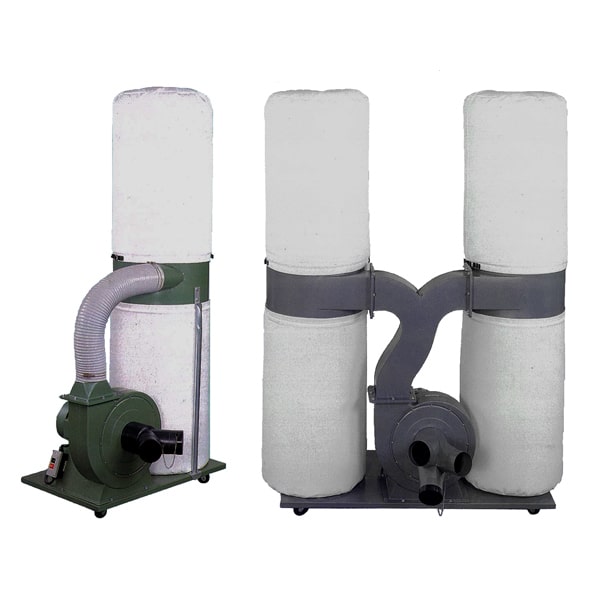
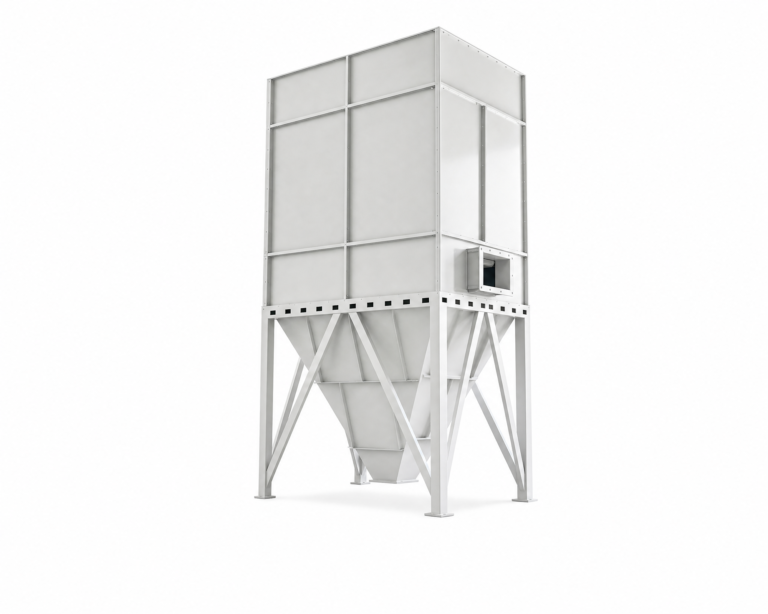
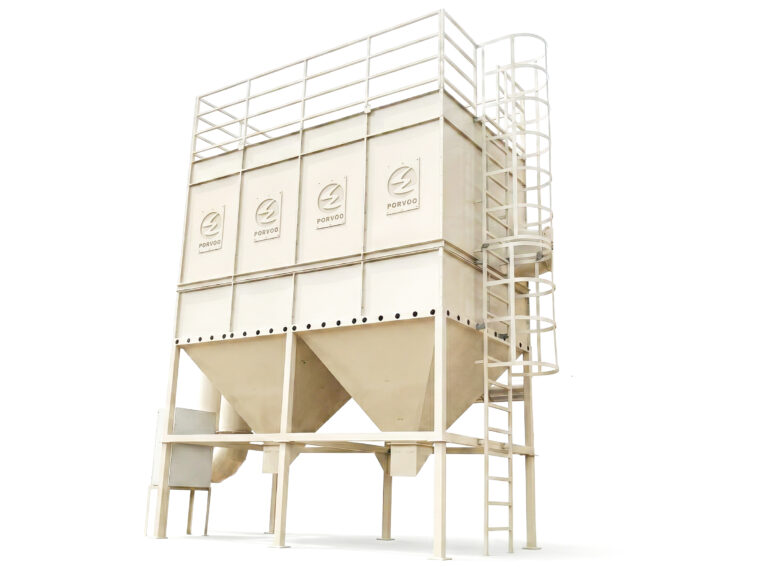
Las tendencias en la caída de presión del filtro transmiten una señal independiente, aunque relacionada. Un colector de cartuchos que funcione a una presión diferencial superior al rango de diseño puede indicar un colmataje del filtro debido a la acumulación de sílice fina o áridos que el ciclo de limpieza no puede eliminar. Antes de concluir que la capacidad del colector es insuficiente, conviene confirmar que el intervalo de limpieza por impulsos y los puntos de consigna de presión son adecuados para la carga de polvo actual. Sustituir un colector porque la caída de presión es elevada, sin verificar primero el rendimiento de la limpieza, conlleva el riesgo de instalar una unidad más grande que desarrolle la misma situación más rápidamente bajo las mismas rutinas de funcionamiento. Para los talleres que utilizan sistemas basados en cartuchos, un cartucho colector de polvo El hecho de que los elementos filtrantes sean accesibles y de que la instrumentación de presión diferencial sea fiable hace que este análisis de tendencias sea más práctico que teórico.
Comprueba por separado la dosificación de arena, la sedimentación y los atascos en el lodo.
Las aguas residuales de los talleres de cantería contienen una carga heterogénea de sólidos: arena gruesa procedente del corte, lodo fino del pulido y residuos químicos de cualquier producto auxiliar utilizado en el proceso. Estas fracciones se comportan de forma diferente en un sistema de sedimentación, y una única etapa de sedimentación rara vez las trata a todas con la misma eficacia. El problema más habitual es que los sólidos gruesos se sedimentan rápidamente cerca de la entrada, forman una capa sedimentada que se compacta mal y restringen el flujo a través de la zona de distribución antes de que la fracción más fina llegue siquiera al volumen de sedimentación diseñado para capturarla.
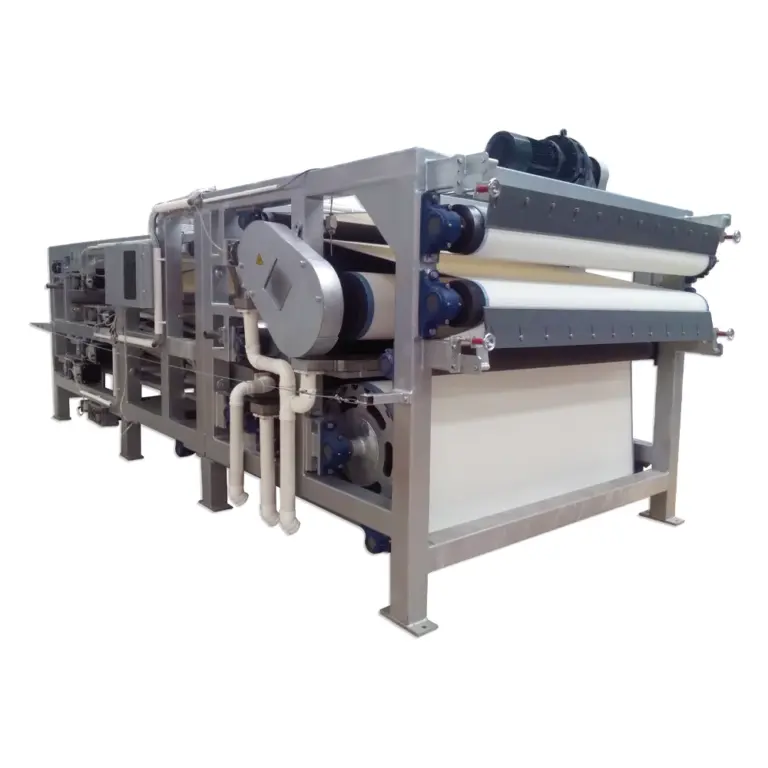
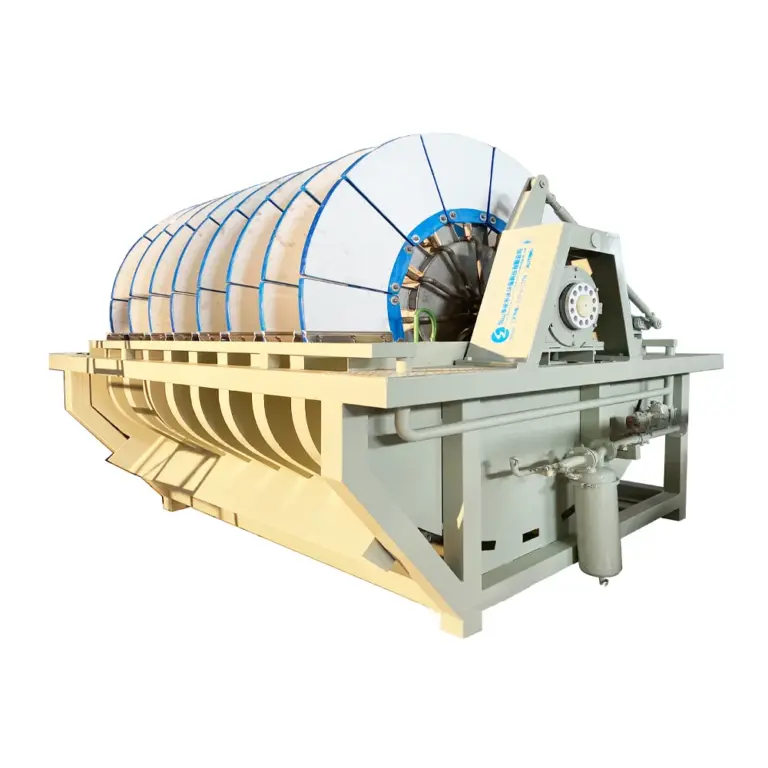
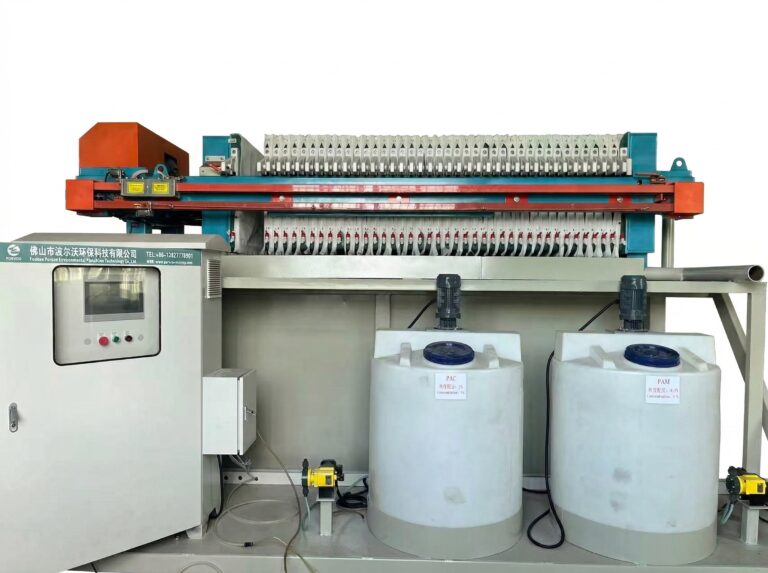
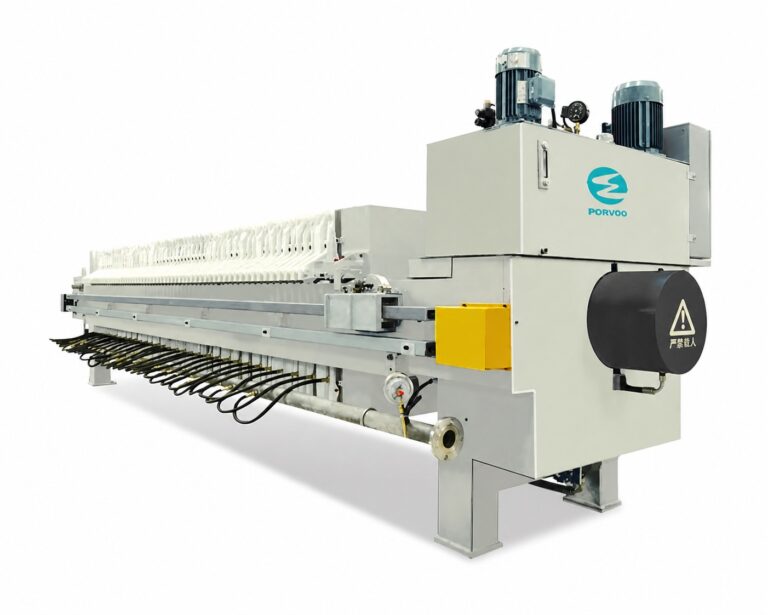
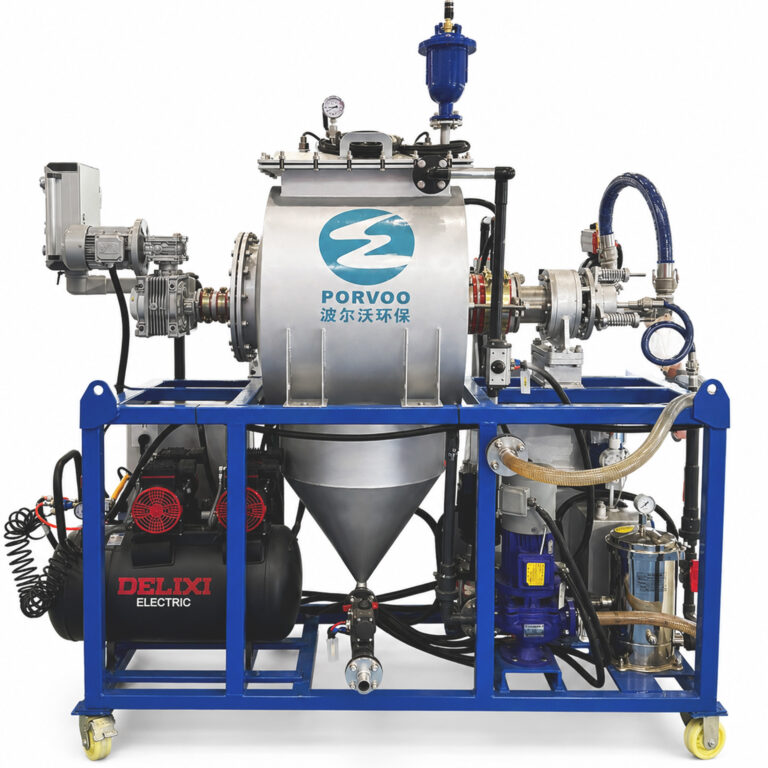
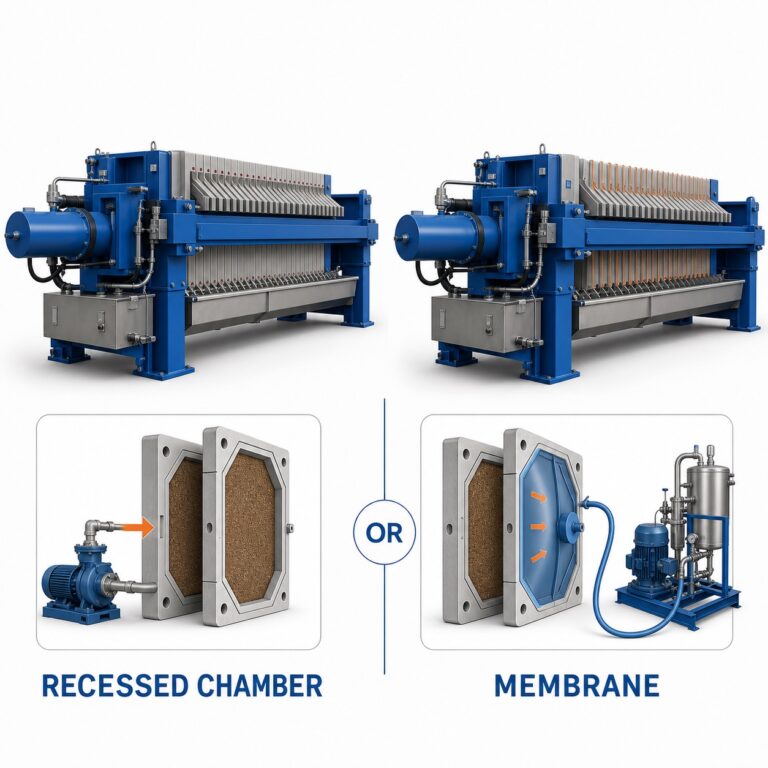
Realizar pruebas de estas etapas por separado implica llevar a cabo controles del proceso en cada punto de transición: ¿cuál es la concentración de sólidos en suspensión que entra en la unidad de sedimentación, cuál es la que sale de ella y dónde se acumulan los sólidos en las líneas de distribución o se desbordan hacia los equipos situados aguas abajo? En los marcos normativos para los sistemas de tratamiento de aguas residuales in situ, la presencia de un exceso de sólidos en las cajas de distribución o en las líneas de distribución se considera una señal de fallo definida: un indicador de que la sedimentación es inadecuada, no de que los componentes situados aguas abajo sean de tamaño insuficiente. La analogía es aplicable a las aguas residuales de los talleres de cantería: si los sólidos llegan al filtro prensa o a la bomba de recirculación en concentraciones que superan su tolerancia de diseño, la solución adecuada se encuentra en la etapa de sedimentación o de eliminación de arena, no en un filtro prensa de mayor capacidad.
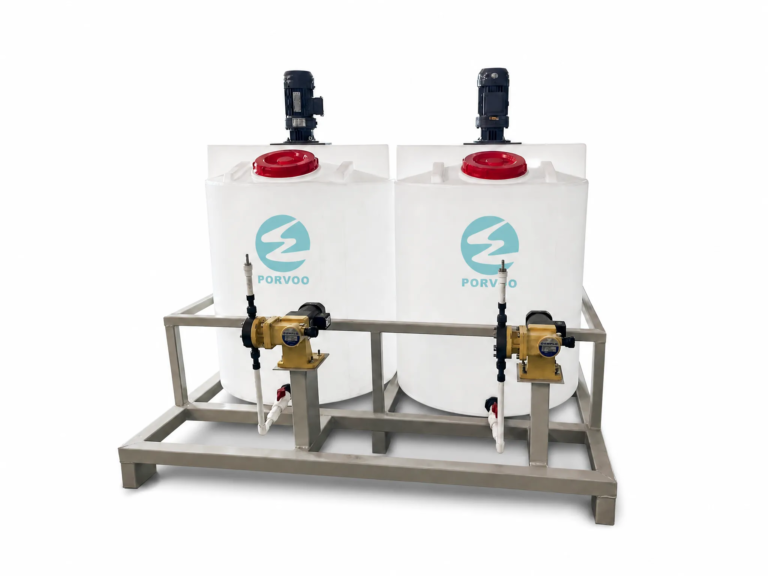
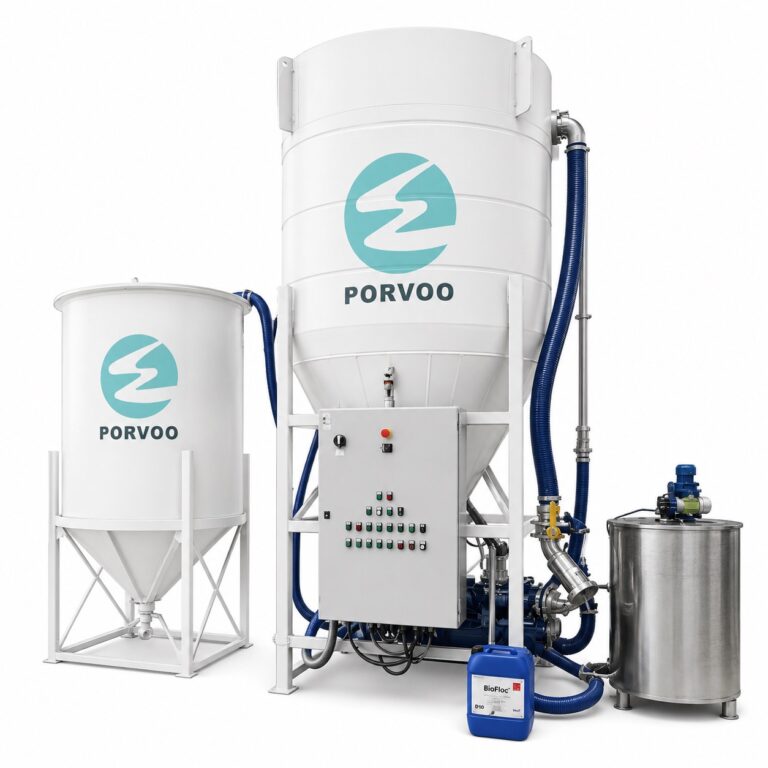
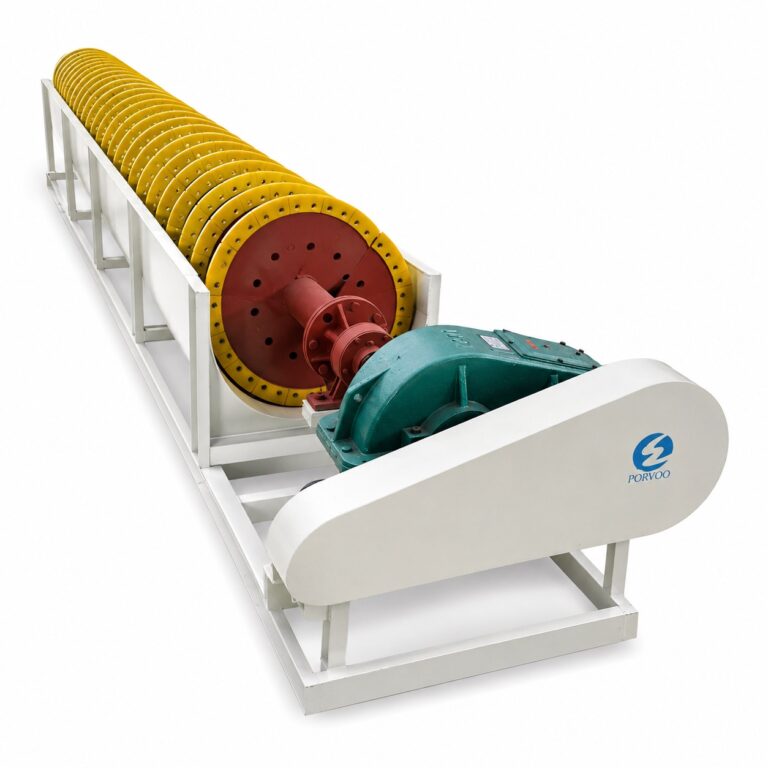
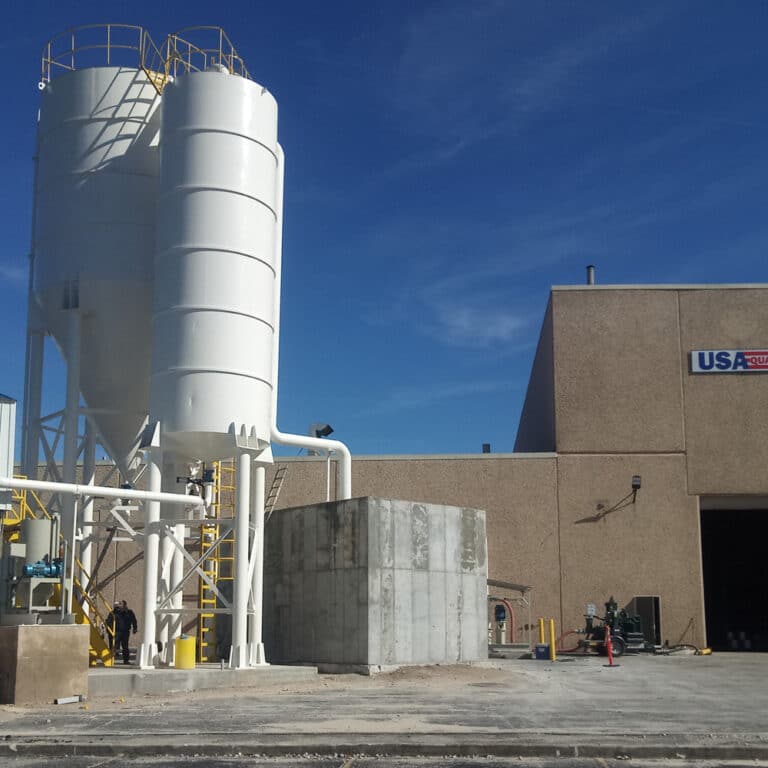
La dosificación de arena —en la que se utilizan floculantes o coagulantes para facilitar la sedimentación— introduce una variable adicional. Unas dosis incorrectas pueden hacer que las partículas de sílice coloidal permanezcan en suspensión, incluso cuando los sólidos de mayor tamaño ya se han sedimentado. Variar la dosis de forma gradual y medir la concentración de sólidos sedimentados en la salida de cada etapa proporciona datos más útiles que limitarse a inspeccionar únicamente la torta del filtro prensa. El torre de sedimentación vertical está diseñado para gestionar el tipo de estabilización por etapas en el que se basa este diagnóstico, pero el diagnóstico en sí mismo debe realizarse antes de tomar cualquier decisión sobre el equipo, ya sea para determinar si la etapa de estabilización es la limitación o si lo es un componente posterior.
Mejora las rutinas operativas antes de incorporar maquinaria de mayor tamaño
Los equipos que requieren mantenimiento con mayor frecuencia de la prevista en su diseño suelen indicar algo sobre las condiciones de funcionamiento, no sobre la capacidad. En la normativa sobre sistemas sépticos, un depósito que requiera un vaciado más de dos veces al año se define como una situación de fallo: el problema es operativo, no dimensional. La misma lógica se aplica a los circuitos de lodos de los talleres de cantería: una prensa filtrante que se pone en marcha con mucha más frecuencia de la prevista en su diseño, o un tanque de decantación que se vacía manualmente cada semana, sugiere que la carga en la fase anterior se encuentra fuera del rango para el que se especificó el equipo. Añadir una prensa más grande o un segundo tanque sin corregir la tasa de carga o el ciclo de mantenimiento solo repite el mismo fallo con un mayor coste de inversión.
Las deficiencias más habituales en las plantas de tratamiento de aguas residuales de las canteras son la irregularidad en los tiempos de extracción de lodos, el retraso en la limpieza de las zonas de entrada de sedimentación y los ciclos de las prensas de filtro que se detienen antes de tiempo debido a la presión a la que están sometidos los operarios para cumplir con los objetivos de producción. Cada uno de estos factores reduce el tiempo efectivo de sedimentación o deshidratación y aumenta la carga de sólidos que pasa a la siguiente etapa. Establecer un programa de extracción basado en la acumulación de sólidos, en lugar de en el tiempo transcurrido, y garantizar que se completen los ciclos de prensado, suele estabilizar el rendimiento del sistema de forma más fiable que la sustitución de los equipos.
Revisar los registros de mantenimiento para comprobar la frecuencia de las intervenciones manuales es un paso práctico de la auditoría previa a la modernización. Si el registro muestra que se ha tenido que limpiar repetidamente el mismo punto del sistema —el canal de distribución, la bomba de alimentación de la prensa, la zona de entrada de la unidad de sedimentación—, esa concentración de intervenciones apunta a un cuello de botella operativo que se mantendrá en una unidad de mayor tamaño. Corregir primero la rutina permite que la línea de referencia del rendimiento sea lo suficientemente clara como para evaluar si realmente se justifica un cambio de capacidad.
Reutilizar los módulos operativos cuando los datos del proceso lo permitan
La reutilización de equipos existentes en una modernización no es una medida de ahorro de costes por defecto; es una decisión que requiere datos del proceso para justificarse. Un módulo que no sea la etapa limitante y cuya tendencia de rendimiento sea estable bajo la carga actual puede, a menudo, conservarse sin que se vea mermado el rendimiento global del sistema modernizado. Un módulo que funcione cerca de sus límites de diseño, o que muestre una tendencia a la baja en parámetros clave, se convertirá en el nuevo cuello de botella tan pronto como se resuelvan las limitaciones de las etapas anteriores.
La revisión es específica: recopilar las tendencias de la caída de presión, los datos de carga de sólidos en la entrada y la salida, y la frecuencia de mantenimiento de cada módulo cuya reutilización se esté barajando. Si una unidad de sedimentación está produciendo un efluente de calidad aceptable con las cargas actuales, pero se diseñó para un caudal inferior al objetivo de la modernización, es necesario evaluar —y no dar por sentada— su eficiencia de sedimentación con un caudal mayor. Del mismo modo, una prensa de filtro con telas de filtro desgastadas puede presentar tiempos de ciclo aceptables con la concentración actual de sólidos, pero no lograr mantenerlos una vez que se mejore la etapa de sedimentación y cambie la calidad de la torta entrante.
La consecuencia derivada de mantener un módulo marginal sin datos es que este se convierte en la nueva limitación tras la modernización, y el proyecto se evalúa como un fracaso cuando, en realidad, el fallo radicó en la decisión de reutilizarlo y no en el nuevo equipo. Las partes interesadas se ven entonces obligadas a una segunda intervención para sustituir el módulo conservado, en un momento en el que el acceso puede ser más limitado y la interrupción de la producción más difícil de programar. Cuando los datos del proceso son incompletos, el enfoque de planificación más seguro consiste en definir umbrales mínimos de rendimiento para cada módulo candidato y recopilar los datos necesarios para confirmarlos antes de concretar el alcance de la modernización.
Planifica las conexiones de las reformas sin paradas prolongadas
La suposición de que cualquier reforma importante requiere una parada total de la producción suele ser errónea, y aceptarla sin analizarla aumenta tanto el coste como el riesgo de incumplimiento de los plazos del proyecto. En el caso de los sistemas con secciones aislables —ya sean cámaras en un gran colector, celdas de sedimentación independientes o trenes de prensas en paralelo—, la conversión secuencial permite desconectar una sección mientras el resto sigue funcionando a carga reducida. El diseño de la conexión debe permitirlo desde el principio: las compuertas de aislamiento, los dispositivos de obturación y la capacidad de desviar el flujo alrededor de la sección desconectada son las condiciones necesarias para ello.
Los siguientes requisitos y resultados se documentaron en una conversión de un sistema ESP a un filtro de tela en una central eléctrica de carbón —un contexto estructuralmente diferente al de los sistemas de talleres de cantería—, pero la lógica de aislamiento y secuenciación es directamente aplicable a cualquier sistema multicámara o multitren en el que se esté planificando la fase de conexión.
| Requisito de vinculación | Cómo se llevó a cabo (planta de Big Stone) | Resultados operativos de las paradas |
|---|---|---|
| Cámaras independientes | El ESP contaba con cuatro cámaras independientes con compuertas de entrada y salida específicas. | Cada cámara podría aislarse sin detener toda la unidad |
| Amortiguadores de guillotina | Compuertas de guillotina tanto en la entrada como en la salida de cada cámara | Durante una breve interrupción del servicio, se puede aislar completamente una de las cámaras. |
| Capacidad de carga reducida | La uvugsgmc ai fanria idauain aeorrdsceosrscau có á idme dnrr aícr nsatonaarmopeia n eeuriva uadiaic uc rnenpfedeón. | No es necesario detener por completo la producción durante la modernización |
| Calendario de conversión secuencial | Se reconvirtió una cámara por cada parada breve; el resto de las cámaras se mantuvieron en su uso original | La conversión completa se ha llevado a cabo mediante varias interrupciones breves planificadas con antelación |
Para aplicar esta lógica a la modernización de una planta de piedra, es necesario confirmar si el sistema existente cuenta con la arquitectura física necesaria para permitir el aislamiento. Un colector de una sola cámara sin divisiones internas no puede reconvertirse de forma secuencial; en cambio, un colector con compartimentos aislados y compuertas sí puede. Lo mismo se aplica a los sistemas de sedimentación y prensado: las líneas paralelas permiten una transición por fases; los sistemas de una sola línea requieren una transición completa. Si la arquitectura existente no admite el aislamiento, el plan de modernización debe incluir una evaluación de si añadir la capacidad de aislamiento durante la fase de conexión resulta rentable en comparación con el riesgo para la producción que supone una parada programada.
No adquieras capacidad hasta que se haya demostrado la fase limitante
Las ampliaciones de capacidad adquiridas antes de que se confirme la etapa limitante presentan un patrón de fallo recurrente: los nuevos equipos funcionan correctamente de forma aislada, pero el rendimiento a nivel del sistema no mejora porque la limitación se encontraba en otro lugar. La consecuencia no es solo el capital malgastado, sino también la confusión interpretativa que se deriva de ello, en la que los equipos discrepan sobre si el rendimiento de los nuevos equipos es insuficiente o si el problema radica en algún otro elemento del sistema. Esa ambigüedad retrasa las medidas correctivas y hace que la siguiente decisión de adquisición sea más difícil de justificar.
La alternativa práctica consiste en poner en marcha primero una parte de la nueva capacidad y validar su rendimiento según unos parámetros definidos antes de ampliarla a todo el sistema. En la conversión de la planta de Big Stone, que pasó de la precipitación electrostática a la filtración por pulso de aire con tela filtrante, se transformaron las dos primeras cámaras, mientras que el resto permaneció en servicio según el sistema original. La fase de funcionamiento mixto confirmó el comportamiento de la caída de presión, el cumplimiento de los límites de opacidad y los límites de los ventiladores en condiciones de carga reales. La conversión completa no se llevó a cabo hasta que se obtuvieron datos de esa prueba parcial. La estructura de ese enfoque de validación —puesta en marcha parcial, parámetros de rendimiento definidos, punto de decisión antes de la expansión completa— es aplicable a las reformas de las canteras, aunque el tipo de equipo sea diferente.
La siguiente tabla establece una correspondencia entre las fases de validación utilizadas en dicho proyecto y el resultado que cada una de ellas genera para las decisiones de contratación.
| Paso de demostración | Lo que hizo la planta | Cómo evita que se compre en exceso |
|---|---|---|
| Puesta en marcha parcial del filtro | Primero se pusieron en funcionamiento una o dos nuevas cámaras del PJFF, manteniendo las demás en el modo original | Comprueba la caída de presión, la opacidad y los límites del ventilador en condiciones reales sobre una parte representativa de la carga. |
| Indicadores de rendimiento supervisados | Se han monitorizado la opacidad, la caída de presión en las nuevas cámaras y las limitaciones de los ventiladores | Confirma que la nueva etapa cumple con los requisitos medioambientales y mecánicos en condiciones reales. |
| Fase de funcionamiento mixto | Funciona con una combinación de cámaras convertidas y no convertidas | Comprueba que la nueva etapa pueda asumir la parte de la carga que le corresponde sin crear un nuevo cuello de botella |
| Decisión de conversión total | Las cámaras restantes se adaptaron únicamente después de que los datos de rendimiento demostraran la viabilidad del concepto | Solo se aumenta la capacidad cuando los datos indican que la etapa limitante es la verdadera restricción, con lo que se evita el uso de equipos innecesarios. |
En el caso de los sistemas de plantas de tratamiento de residuos de piedra, la estructura equivalente podría consistir en poner en marcha una célula de sedimentación mejorada o una nueva prensa y hacerla funcionar junto con los equipos existentes, al tiempo que se supervisa la calidad de los efluentes, los tiempos de ciclo y la frecuencia de mantenimiento. Los datos de esa prueba permiten determinar si la nueva etapa es realmente el cuello de botella o si es otra etapa anterior o posterior la que limita el rendimiento global. De este modo, las ampliaciones de capacidad más allá de la unidad de prueba se convierten en una decisión confirmada, en lugar de una extrapolación.
Antes de que cualquier proyecto de modernización de un taller de cantería llegue a la fase de adquisición, lo más importante es identificar dónde falla realmente el sistema —no dónde aparece el síntoma más visible—. Los excesos de polvo en el puesto del operario pueden deberse a la geometría del sistema de captación, y no a la capacidad del colector. La inestabilidad del circuito de aguas residuales puede deberse a la acumulación de arena en la zona de distribución o a una extracción irregular de lodos, y no al volumen de sedimentación. Las rutinas de funcionamiento de los equipos suelen explicar en mayor medida la variación en el rendimiento del sistema que el tamaño de los mismos.
La secuencia que reduce de forma sistemática el exceso de compra es la siguiente: analizar la limitación, corregir lo que se pueda corregir mediante la geometría y las prácticas operativas, validar el rendimiento en una parte limitada de cualquier nueva capacidad y añadir el resto solo cuando la prueba confirme la etapa limitante. Esa secuencia convierte la modernización de un ejercicio de especificación en uno de diagnóstico, y la decisión de adquisición que se deriva de ella es más difícil de cuestionar, ya que se basa en el rendimiento medido y no en supuestos de diseño.
Preguntas frecuentes
P: Nuestro taller aún no cuenta con ningún sistema de captación de polvo ni de tratamiento de aguas residuales; estamos empezando desde cero. ¿Sigue siendo válido este enfoque basado en el diagnóstico previo?
R: Sí, se aplica la misma lógica de «priorizar los cuellos de botella», pero se sustituye la auditoría de los equipos existentes por una revisión exhaustiva del diseño basada en los puntos de generación reales, las cargas de material y el flujo de trabajo. La secuencia pasa a ser la siguiente: definir la geometría de captura y los requisitos de sedimentación a partir de los datos de producción; dimensionar los módulos para satisfacer esas demandas; e incorporar medidas de aislamiento e instrumentación desde el primer momento, de modo que las futuras ampliaciones sigan la misma disciplina de «demostrar la restricción». Pasarse directamente a un sistema preconfigurado sin analizar dónde la arena, las partículas finas y el flujo de aire someterán a tensión cada etapa suele suponer una compra excesiva inicial que, de todos modos, requerirá una adaptación posterior.
P: Una vez que hayamos demostrado la fase límite y validado el rendimiento en una actualización parcial, ¿qué debemos incluir en el pliego de condiciones definitivo para evitar compras excesivas en la adquisición a gran escala?
R: La especificación debe indicar los umbrales de rendimiento exigidos —como la opacidad o el rango de caída de presión para los colectores de polvo, y los valores máximos de sólidos en suspensión y humedad de la torta para la gestión de lodos— que todo el sistema debe cumplir en sus condiciones de carga validadas, en lugar de limitarse a indicar el tamaño del equipo o el caudal. Asimismo, debe exigir al proveedor que confirme que el equipo propuesto puede alcanzar dichos umbrales en las condiciones de proceso medidas durante su prueba, con criterios de aceptación vinculados a esas mismas métricas. De este modo, la adquisición pasa de basarse en una estimación de la capacidad a basarse en una correspondencia de rendimiento verificada.
P: ¿En qué momento intentar reutilizar los módulos existentes deja de ser rentable y resulta evidente que la mejor opción es sustituirlos por completo?
R: Cuando la tendencia de rendimiento del módulo existente se está deteriorando y el coste de supervisarlo, repararlo repetidamente o reducir su potencia para mantenerlo en servicio supera el coste del ciclo de vida de un recambio correctamente dimensionado dentro de los nuevos límites del proceso. Un umbral práctico se da cuando los datos históricos muestran una eficiencia decreciente y una frecuencia de mantenimiento creciente que no pueden revertirse mediante la actualización de los componentes internos o las rutinas de control, y cuando el fallo de ese módulo obligaría a una parada de producción que resultaría más costosa que una sustitución planificada. Si no dispones de datos suficientes para tomar esa decisión, realiza una prueba parcial manteniendo el módulo candidato: su comportamiento en condiciones correctas en la fase anterior al proceso aclarará la decisión.
P: ¿Cómo puedo sopesar el coste de instalar amortiguadores de aislamiento y la posibilidad de realizar conexiones en paralelo frente a la simple opción de programar una parada total de la producción?
R: Compara la probable pérdida de margen derivada de un periodo de parada total con el coste de capital de la infraestructura de aislamiento, pero ten en cuenta también la reducción del riesgo que supone poder dar marcha atrás si el nuevo equipo no rinde lo esperado. Una parada total te obliga a que todos los nuevos componentes funcionen correctamente a la vez; una integración por fases te permite validar cada etapa y recurrir al sistema existente para las partes que aún no se hayan adaptado. Si tu cartera de pedidos hace que incluso una breve parada total resulte perjudicial, la inversión en aislamiento suele amortizarse por sí sola al evitar la pérdida de pedidos y los costes de recuperación por horas extras.
P: En el caso de una pequeña empresa de piedra con un presupuesto limitado, ¿merece la pena invertir en instrumentos permanentes de medición de la caída de presión y de control de la turbidez, o bastan las comprobaciones manuales periódicas?
R: Merece la pena dar prioridad, al menos, a los manómetros de presión diferencial en los colectores de polvo y a un método fiable y de bajo mantenimiento para comprobar puntualmente la claridad de los efluentes, ya que esos dos flujos de datos señalan directamente los patrones de fallo más comunes —la obstrucción de los filtros y el arrastre de sólidos— antes de que provoquen problemas de cumplimiento normativo o paradas de producción. Las comprobaciones manuales pueden funcionar si se realizan con frecuencia y se registran de forma sistemática, pero la mayoría de los pequeños talleres carecen de la disciplina necesaria para mantenerlas durante los periodos de mayor actividad. El coste de la instrumentación básica es casi siempre inferior al de la sustitución de emergencia de una prensa o a una multa por polvo molesto, lo que la convierte en una póliza de seguro sensata incluso para operaciones de menor envergadura.