As oficinas de fabricação de pedra que instalam equipamentos de coleta de poeira e, em seguida, presumem que o problema da exposição está controlado estão agindo com base em uma suposição perigosa. A diferença entre o que um sistema de controle de poeira foi projetado para alcançar e o que os trabalhadores estão realmente respirando não é determinada pelas especificações do equipamento, mas pela forma como o sistema é utilizado, mantido e verificado diariamente. Uma configuração de corte úmido que deixa a superfície da pedra seca, um coletor centralizado com capacidade insuficiente para manter a velocidade de captura em todas as estações ou uma conexão de aspirador HEPA ignorada devido à pressão da produção — qualquer um desses fatores pode elevar as concentrações de sílica cristalina respirável a múltiplos do limite de exposição permitido, mesmo com o equipamento em funcionamento. Compreender onde essa lacuna se forma e o que a elimina é o que determina se o programa de controle de uma oficina de fabricação é defensável ou vulnerável.
Utilize referências sobre sílica para definir o contexto de risco e a hierarquia de controles
A sílica cristalina é um conhecido carcinógeno ocupacional, e o período de latência da silicose — normalmente de quinze a vinte anos antes do surgimento dos sintomas, reduzindo-se para cinco a dez anos em caso de exposição elevada e prolongada — torna-a um risco de falha que não pode ser gerenciado de forma reativa. Quando os trabalhadores apresentam sinais clínicos, a exposição já ocorreu ao longo de anos de trabalho. Essa consequência tardia é a razão pela qual o controle na fonte não pode ser tratado como uma prioridade secundária após a distribuição de equipamentos de proteção respiratória.
O limite de exposição permissível da OSHA para sílica cristalina respirável (RCS) é de 50 µg/m³ como média ponderada no tempo de oito horas, com um nível de ação de 25 µg/m³ que aciona controles obrigatórios e vigilância médica. Esses são limites regulatórios passíveis de fiscalização, e não meras aspirações de projeto. Uma oficina que opera no nível de ação é obrigada a tomar medidas; uma oficina que opera acima do PEL está em situação de violação, independentemente do equipamento presente.
O teor de sílica da pedra que está sendo trabalhada não é apenas uma informação de contexto — é a variável inicial que determina o nível de esforço necessário em cada etapa de controle subsequente. Substituir uma pedra artificial com alto teor de sílica por uma alternativa com menor teor reduz a geração de RCS na mesma intensidade de moagem, tornando as metas de captura alcançáveis com controles que, de outra forma, seriam insuficientes. É por isso que a substituição de materiais ocupa o topo da hierarquia de controles de higiene industrial, mas raramente é tratada como uma decisão de controle no contexto da fabricação.
| Material de pedra | Teor típico de sílica cristalina | Exposição – Risco – Implicações |
|---|---|---|
| Pedra sintética | Até 90% | Maior potencial de emissão de RCS nas mesmas condições; prioriza a substituição |
| Granito | 10–45% | RCS moderado a alto; controles de engenharia são essenciais |
| Mármore | Menos de 51% | Menor risco de RCS; ainda requer controle de poeira, mas apresenta menor risco relacionado à sílica |
Capture a poeira na fonte antes de recorrer ao EPI
Os respiradores não reduzem a concentração de poeira na zona de respiração — eles filtram o que o trabalhador inala depois que a poeira já está suspensa no ar. A captura na fonte reduz a concentração antes que a inalação ocorra. Essa distinção é o que faz com que a hierarquia de controle seja uma sequência, e não um menu de opções equivalentes.
O corte úmido com fornecimento contínuo de água na lâmina reduz a sílica transportada pelo ar em mais de 90% em comparação com o corte a seco em condições semelhantes — um dado proveniente de estudos publicados que reflete a implementação adequada, não um resultado garantido em todas as oficinas. O ponto mais importante é a direção do risco: a operação a seco, mesmo que por apenas alguns minutos, pode gerar concentrações que excedem o PEL em um fator de dez a cem. Esse não é um caso isolado. É o que acontece toda vez que um sistema úmido fica com pouca água, um bico entope ou um operador dispensa a configuração úmida porque o corte é curto. A ventilação por exaustão local na ferramenta, combinada com um sistema de umedecimento por fluxo de lâmina, demonstrou uma redução de até 95% na exposição durante o esmerilhamento de bordas de pedra artificial nas condições estudadas, mas isso requer que o fornecimento de água e a ventilação por exaustão local estejam integrados sem interferir um no outro — um requisito de projeto, não uma suposição.
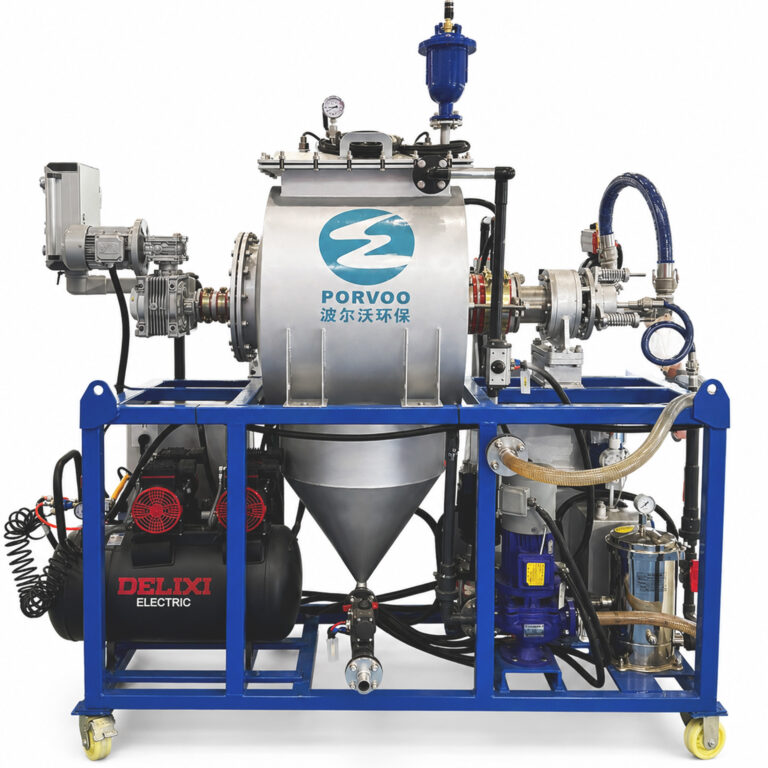
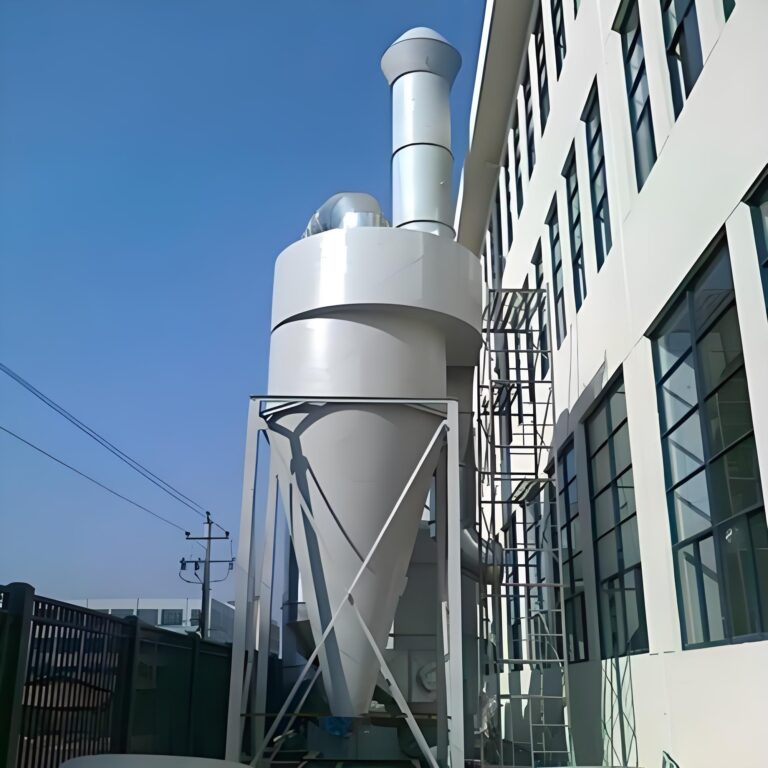
Para ferramentas manuais utilizadas fora de estações fixas, as unidades portáteis de aspiração com filtro HEPA são o principal método de captura na fonte, mas sua eficácia depende inteiramente da conexão adequada da mangueira, da vedação do invólucro e da manutenção do filtro. Operadores sob pressão de produção costumam ignorar ou conectar parcialmente o sistema de aspiração. Essa falha comportamental é comum o suficiente para ser tratada como um modo de falha padrão, e não como uma exceção. Os sistemas centralizados de coleta de poeira apresentam sua própria falha de projeto: dutos de dimensão insuficiente são frequentemente a razão pela qual um sistema que funciona bem em uma estação não consegue manter a velocidade de captura na seguinte.
| Método de captura na fonte | Eficácia relatada | Falha na chave ou fator de projeto |
|---|---|---|
| Corte úmido (água na lâmina) | >Redução da sílica em suspensão no ar com 90% em comparação com o método a seco | A operação a seco, mesmo que por apenas alguns minutos, pode exceder o PEL em 10 a 100 vezes |
| LEV na ferramenta mais umedecimento por fluxo de chapa | Redução da exposição de até 95% durante o esmerilhamento de bordas | A interação com o abastecimento de água deve ser integrada; uma integração inadequada reduz a eficácia |
| Aspirador portátil com filtro HEPA para ferramentas manuais | Captura eficaz no ponto de geração | A conexão, a vedação e a manutenção adequadas são fundamentais; os operadores muitas vezes deixam de realizar a configuração devido à pressão do tempo |
| Coleta centralizada de poeira | Captura consistente quando o tamanho estiver correto | É comum que a rede de dutos seja de dimensões insuficientes, o que prejudica a captação nas estações de trabalho |
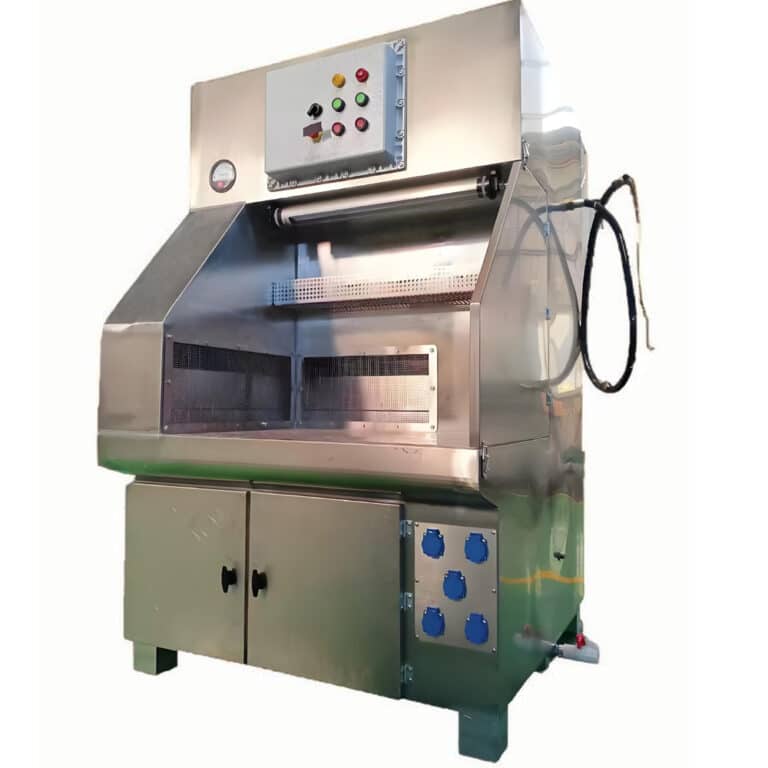
Um mesa de esmerilhamento com exaustão descendente para estação industrial de usinagem a seco/a úmido integra a captação de fontes em local fixo na estação de trabalho, o que elimina o problema de conexão e vedação associado às configurações portáteis — desde que o sistema seja dimensionado para manter uma velocidade frontal adequada na superfície de trabalho.
Combinar métodos de limpeza a úmido com a verificação da ventilação
O corte úmido controla a geração primária de poeira no ponto de corte. O que ele não controla é a pasta que se deposita no chão, na bancada de trabalho e nas superfícies ao redor e, em seguida, seca. A pasta seca se transforma em poeira secundária que é re-arrastada toda vez que um trabalhador passa por ela, move uma peça de trabalho ou usa ar comprimido. Limpar com esfregão úmido ou aspirar com filtro HEPA antes que a lama seque não é uma preferência de limpeza — é um componente obrigatório do sistema de controle, pois ignorar essa etapa anula o principal benefício do corte úmido.
Mesmo com a implantação de métodos úmidos aprimorados em estações fixas de ventilação local (LEV), as exposições médias à poeira respirável durante o esmerilhamento com ferramentas portáteis foram medidas em 60–70 µg/m³ nas condições estudadas — acima do PEL da OSHA de 50 µg/m³. Para ficar abaixo do nível de ação de 25 µg/m³ nessas mesmas condições, foi necessário substituir a pedra artificial com alto teor de sílica por material com menor teor de sílica, além da aplicação de controles combinados. Esses são critérios de planejamento decorrentes de combinações específicas estudadas, e não resultados universais de qualquer implantação de métodos úmidos. Uma oficina que instale o mesmo equipamento, mas processe pedra artificial com alto teor de sílica sem fazer a substituição, não pode usar esses números como referência para sua própria operação.
O posicionamento dos trabalhadores em relação ao sistema de ventilação local (LEV) é um ponto de verificação que costuma ser abordado uma única vez durante o comissionamento e, depois, ignorado. Os trabalhadores posicionados a jusante da fonte de poeira — entre a fonte e a entrada de exaustão — respiram a poeira capturada no ar enquanto ela se desloca em direção ao ponto de coleta. O treinamento sobre posicionamento não é um item de orientação pontual; ele requer reforço por parte da supervisão durante a produção propriamente dita.
| Combinação de controles | Exposição resultante ao RCS | Condição ou contexto principal |
|---|---|---|
| Métodos úmidos aprimorados (umedecimento com panos + pulverização de água) + LEV + limpeza do piso | Média de 60–70 µg/m³ | Para esmerilhamento manual; aproxima-se do PEL de 50 µg/m³ |
| Combinação acima + substituição por pedra com menor teor de sílica | Abaixo do nível de ação da OSHA (25 µg/m³) | É necessária a substituição por pedra artificial com alto teor de sílica para atingir esse nível |
| Apenas limpeza com água, sem serviços de limpeza | Pó secundário não controlado proveniente da lama seca | É essencial passar um esfregão úmido ou aspirar com filtro HEPA antes que a pasta seque, a fim de evitar a re-suspensão |
Pars uçmesstt o tmrs sa muaaec júogmodocaoaioiimé cfu c oisuseluoith b l zoscs aonad if s aãiuoq t emtadéçmasataie nec trxnuoõs, o Comparação entre sistemas de filtragem com mesa de corrente descendente a seco aborda as compensações em termos de eficiência do filtro relevantes para o pó de pedra não combustível com alto teor de sílica.
Incluir a proteção respiratória em um programa de segurança mais abrangente
A proteção respiratória é necessária quando os controles de engenharia não conseguem reduzir a exposição a níveis inferiores ao PEL. Essa formulação, proveniente de Norma de proteção respiratória da OSHA (1910.134) considera os respiradores como um complemento a um sistema de controle eficaz, e não como um substituto para ele. Uma oficina que dependa principalmente de respiradores, enquanto os controles de engenharia estejam ausentes, sejam insuficientes ou sejam utilizados de forma inadequada, não está implementando um programa de proteção respiratória que complemente a captura na fonte — está assumindo o papel da captura na fonte por meio da proteção respiratória, o que a norma 1910.134 não permite como estratégia de controle primária.
Um programa de proteção respiratória em conformidade com a norma 1910.134 exige autorização médica antes que um trabalhador utilize um respirador, testes anuais de ajuste para respiradores de ajuste hermético e treinamento documentado sobre o uso adequado, as limitações e o armazenamento. Em pequenas operações de fabricação de pedras, esses elementos frequentemente estão ausentes: o teste de ajuste ou nunca é realizado ou é feito uma única vez sem documentação, a autorização médica é totalmente omitida e o treinamento termina no momento em que o respirador é entregue ao trabalhador. Essa lacuna representa um risco de não conformidade, independentemente de os controles de engenharia estarem funcionando.
Para a maioria das tarefas de esmerilhamento e polimento de pedra, um respirador elastomérico de meia-máscara com filtros P100 ou N100 é adequado quando o uso de respiradores é exigido como parte de um programa completo. Trata-se de uma recomendação prática para as tarefas descritas, e não de uma especificação regulatória que a norma 1910.134, por si só, imponha para essa aplicação — a lógica de seleção é importante e deve ser aplicada tarefa por tarefa.
| Elemento do programa | Requisito (1910.134) | Lacunas comuns de conformidade em pequenas lojas |
|---|---|---|
| Autç dooraãizémica | Requisitos prévios ao uso do respirador | Muitas vezes omitido por completo |
| Teste anual de ajuste | Obrigatório para respiradores de ajuste hermético | Realizado ou documentado com pouca frequência |
| Treinamento | Sobre o uso adequado, as restrições e o armazenamento | Não é fornecido após a entrega inicial do equipamento |
| Seleção de respiradores | Máscara facial de elastômero com P100/N100, adequada para a maioria das operações de esmerilhamento e polimento | Não foi aplicada nenhuma lógica de seleção; o equipamento pode não ser adequado para a tarefa |
Verifique as práticas de trabalho que prejudicam o funcionamento dos equipamentos de captura
A suposição de que os equipamentos instalados estão controlando a exposição é onde, na maioria das vezes, surge a lacuna entre a engenharia e a conformidade. Os equipamentos podem estar presentes, conectados e em funcionamento, enquanto as práticas de trabalho neutralizam sistematicamente sua função de captação.
Os métodos tradicionais de pulverização de água na ferramenta e de lubrificação úmida com alimentação central frequentemente deixam a superfície da pedra seca durante o contato real de retificação, produzindo concentrações de poeira respirável próximas a 300 µg/m³ nas operações estudadas — seis vezes o PEL. A água está presente no sistema, mas não está chegando à interface de corte de forma a umedecer a superfície que está sendo retificada. A umectação por fluxo laminar, que inunda a superfície de trabalho em vez de pulverizar a ferramenta, resolve esse problema diretamente. Substituir um método úmido por outro sem verificar se a superfície da pedra realmente permanece úmida durante o corte é uma verificação de supervisão que deve ocorrer na configuração, e não ser presumida a partir da seleção do equipamento.
O sistema de ventilação local (LEV) integrado à ferramenta e o fornecimento de água podem interferir um no outro de maneira contraintuitiva: o fluxo de ar do LEV pode desviar ou remover a água do ponto de corte, reduzindo a eficácia de ambos os controles simultaneamente. Adicionar mais equipamentos não aumenta a proteção se os sistemas não estiverem integrados de forma que seus fluxos de ar e percursos de fornecimento de água sejam compatíveis.
O uso de ar comprimido para limpar roupas ou superfícies de trabalho, bem como a varredura a seco, são eventos que causam ressuspensão. Cada aplicação de ar comprimido em uma superfície empoeirada anula os resultados alcançados pelo sistema de corte úmido e ventilação. Essas práticas são comuns e tendem a ser normalizadas em ambientes de produção onde a velocidade é priorizada. Elas exigem proibição explícita e fiscalização por parte da supervisão, e não apenas um documento de política.
| A prática que supera a captura | Risco de exposição ou consequência | O que verificar |
|---|---|---|
| Pulverização tradicional de água por alimentação central ou diretamente na ferramenta, deixando a superfície da pedra seca | Concentrações de poeira próximas a 300 µg/m³ — muito acima do PEL | Verifique o padrão de umedecimento; dê preferência ao umedecimento por fluxo em camada, que umedeça totalmente a superfície de trabalho |
| O sistema LEV integrado à ferramenta interfere no fornecimento de água (removendo ou desviando a água) | Eficácia combinada reduzida do método LEV e do método úmido | Verifique se o sistema de abastecimento de água e o LEV estão integrados, de modo que não haja conflito entre eles |
| Omissão da conexão ou da manutenção do filtro HEPA no aspirador de pó para ferramentas manuais | Não há coleta no ponto; as concentrações excedem imediatamente o PEL | Supervisionar a instalação e garantir a verificação prévia das conexões e vedações das mangueiras |
| Utilização de ar comprimido ou varredura a seco para limpar superfícies/roupas | A ressuspensão da poeira de sílica depositada; reintroduz a exposição por via aérea | Utilizar exclusivamente métodos úmidos ou aspirador com filtro HEPA em todas as tarefas de limpeza |
Evite prometer conformidade com base apenas no equipamento
A Tabela 1 da OSHA para sílica cristalina especifica controles de engenharia e práticas de trabalho considerados adequados para atender ao PEL em tarefas definidas. Estar na Tabela 1 significa que o método especificado é reconhecido como estando em conformidade com a norma — quando utilizado e mantido adequadamente. Equipamentos que estejam listados, presentes e conectados, mas operados incorretamente, mantidos de forma inadequada ou utilizados em uma configuração de tarefa diferente daquela para a qual o controle foi projetado, não contam com esse reconhecimento. Uma notificação da OSHA contra uma oficina que possua equipamentos da Tabela 1 instalados não é uma contradição; é o resultado previsível de tratar a seleção de equipamentos como o fim da decisão de controle.
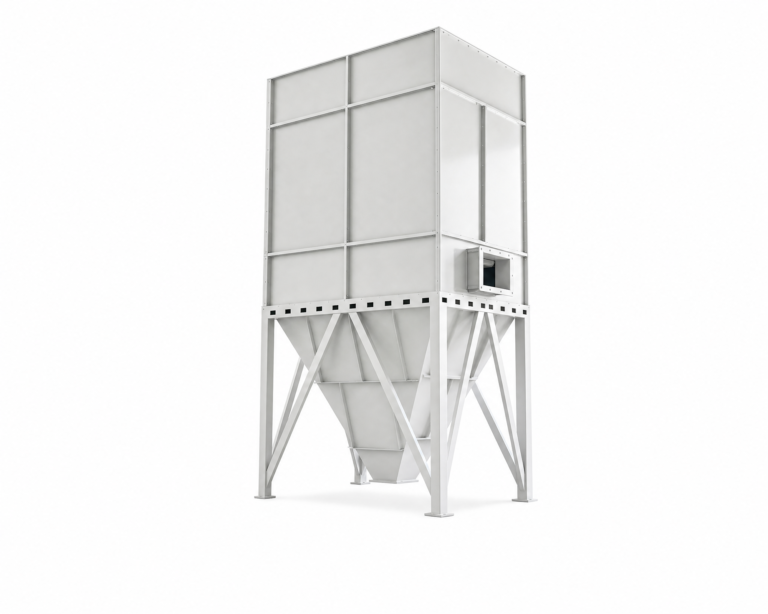
As especificações de marketing dos equipamentos agravam esse problema. Um coletor de poeira classificado para capturar partículas de até um mícron com uma eficiência declarada não garante que as exposições à sílica cristalina respirável naquela oficina fiquem abaixo do PEL. As exposições reais dependem do teor de sílica na pedra, do volume de material removido por turno, da eficácia da captura na superfície da peça de trabalho e da eficácia da limpeza e organização do local de trabalho. A eficiência do filtro descreve o que o coletor faz com a poeira que chega à sua entrada — ela não diz nada sobre a quantidade de poeira que escapa da captura antes de chegar a essa entrada.
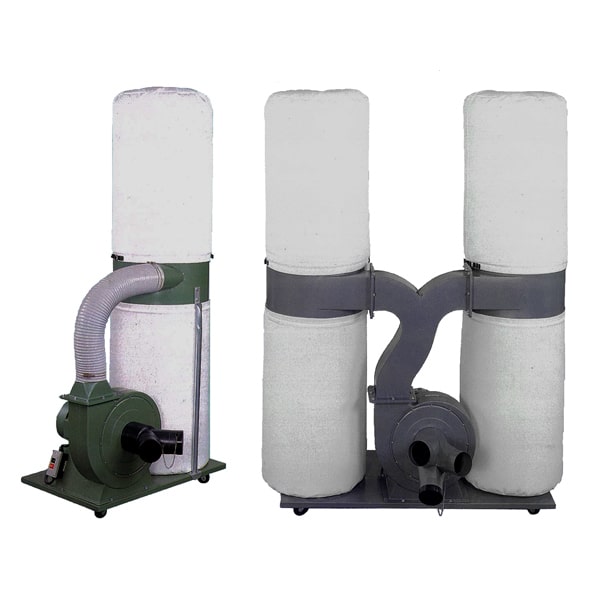
Lojas que utilizam um coletor de pó portátil Para garantir uma cobertura flexível das estações de trabalho, é necessário verificar se a velocidade de captação é mantida na entrada da mangueira durante as tarefas reais de produção, e não apenas confirmar se o fluxo de ar nominal do coletor atende a uma especificação na própria unidade. A distância entre a entrada e a fonte de poeira e a orientação da ferramenta em relação ao trajeto do fluxo de ar determinam se a captação ocorre — nenhum desses fatores é controlado pelo desempenho nominal do coletor.
Documentar o que o sistema de controle pode e o que não pode comprovar
A medição da concentração de poeira respirável não mede diretamente a concentração de sílica cristalina respirável. Os níveis de poeira podem diminuir substancialmente, enquanto a fração de sílica cristalina do que permanece no ar ainda produz exposições à RCS acima do PEL, dependendo do teor de sílica da pedra que está sendo processada. Uma oficina de fabricação que lixa vários tipos de pedra precisa de dados de RCS específicos para cada material, e não apenas de dados sobre a redução de poeira em toda a operação como um todo.
Os monitores ópticos de aerossóis, comumente utilizados para monitoramento de poeira em tempo real e frequentemente empregados para verificar se os controles estão funcionando, apresentam, em média, leituras correspondentes a aproximadamente um quinto dos valores gravimétricos. Uma oficina que utilize um SidePak ou instrumento óptico equivalente e observe leituras bem abaixo de 50 µg/m³ pode estar operando com concentrações gravimétricas que excedam o PEL. O monitoramento óptico tem um papel importante na análise de tendências e nas verificações operacionais, mas não pode servir como método de referência para conformidade. A amostragem gravimétrica é necessária para determinar os níveis reais de exposição em relação aos limites regulatórios.
Quando as exposições atingem ou excedem o nível de ação de 25 µg/m³, a OSHA exige um plano de controle de exposição por escrito. Esse plano deve descrever os controles de engenharia em vigor, as práticas de trabalho exigidas e os detalhes do programa de proteção respiratória. Trata-se de uma obrigação regulatória, não de uma prática recomendada de documentação. Uma oficina que possua controles em vigor, mas não tenha um plano por escrito, não está em conformidade, e a ausência de um plano torna mais difícil demonstrar que os controles estão sendo implementados e mantidos de forma consistente.
| O que os controles, por si só, não conseguem comprovar | Implicações em termos de conformidade | O que documentar |
|---|---|---|
| A redução do pó respirável equivale à conformidade com a RCS | O nível de poeira pode diminuir, mas o teor de sílica ainda pode fazer com que o RCS exceda o PEL | Teor de sílica cristalina de cada tipo de pedra processada e medições reais de RCS |
| As leituras do monitor óptico de aerossóis são equivalentes aos resultados gravimétricos | Os monitores ópticos (por exemplo, SidePak) podem indicar cerca de um quinto dos valores gravimétricos; falsa sensação de segurança | Utilizar a amostragem gravimétrica como método de referência para a verificação da conformidade |
| Ausência de um plano escrito de controle de exposição exigido pela OSHA | Obrigatório quando as exposições atingirem ou excederem o nível de ação de 25 µg/m³ | O plano por escrito deve descrever os controles de engenharia, as práticas de trabalho e os detalhes do programa de proteção respiratória |
O teste prático para um programa de controle de poeira na fabricação de pedras não é se o equipamento está instalado — é se alguém pode percorrer a área de operação durante a produção e verificar se cada método de captura na fonte está realmente capturando a poeira no ponto de geração, se a limpeza remove a pasta antes que ela seque e se ressuspende, e se práticas de trabalho como a limpeza com ar comprimido foram substituídas por métodos úmidos ou aspiração com filtro HEPA. Equipamentos que estão presentes, mas cuja eficácia é anulada pelas práticas de trabalho; monitoramento que subestima a concentração real; e um programa de proteção respiratória que existe no papel, mas carece de autorização médica e registros de testes de ajuste — tudo isso representa o mesmo problema subjacente: a discrepância entre o sistema de controle conforme projetado e o sistema de controle conforme operado.
Antes de expandir ou reconfigurar um sistema de controle de poeira, o primeiro passo mais útil é avaliar o que o sistema atual está realmente alcançando. Confirme se os métodos úmidos estão produzindo superfícies de pedra totalmente umedecidas na interface de corte, verifique a velocidade de captura nas estações de trabalho em condições reais de produção, em vez de na saída do coletor, e verifique se a amostragem gravimétrica — e não as leituras de instrumentos ópticos — foi utilizada para determinar em que nível se encontram as exposições ao RCS em relação tanto ao nível de ação de 25 µg/m³ quanto ao PEL de 50 µg/m³. A substituição de materiais, caso ainda não tenha sido avaliada, também deve constar dessa lista: é a única intervenção que altera o que todas as outras medidas de controle precisam alcançar.
Perguntas frequentes
P: Nossa loja trabalha apenas com granito e mármore — os mesmos requisitos de controle se aplicam, ou isso é uma preocupação principalmente para a pedra sintética?
R: Os mesmos limites da OSHA se aplicam independentemente do tipo de pedra, mas a urgência de cada decisão de controle varia de acordo com o teor de sílica. O granito com sílica cristalina na faixa de 10–45% ainda requer captação na fonte e controles de engenharia comprovados; isso significa simplesmente que um sistema úmido funcionando adequadamente tem mais margem antes que as concentrações de RCS ultrapassem o PEL de 50 µg/m³ do que a mesma configuração teria em pedra artificial com até 90% de sílica. A diferença prática é que um sistema de controle marginal — aquele com fornecimento inconsistente de água ou corte a seco ocasional — tem mais chances de permanecer abaixo do nível de ação em mármore com baixo teor de sílica do que em granito, e mais chances de exceder significativamente o PEL no granito do que os dados de exposição de estudos com pedra artificial possam sugerir. O tipo de material determina o grau de intensidade com que cada controle a jusante precisa atuar, e não se esses controles são necessários.
P: Depois de verificar se nossos métodos úmidos e o sistema de ventilação local (LEV) estão funcionando corretamente, qual é o próximo passo imediato para confirmar se o sistema está realmente controlando a exposição ao RCS?
R: Realize amostragem gravimétrica do ar vinculada a cada tipo de pedra processada em sua operação — e não se baseie em leituras de instrumentos ópticos, que representam, em média, cerca de um quinto dos valores gravimétricos e podem indicar valores bem abaixo do PEL, enquanto as concentrações reais de RCS o excedem. A amostragem gravimétrica é o único método que determina o nível das exposições em relação ao nível de ação de 25 µg/m³ e ao PEL de 50 µg/m³. Realize a amostragem durante tarefas representativas de produção, nas zonas de respiração dos trabalhadores e em condições reais de produção, em vez de cargas de trabalho reduzidas. Os resultados determinam, então, se é necessário um plano de controle de exposição por escrito e se a combinação atual de controles — sem substituição de materiais — é suficiente para a sua mistura específica de pedras.
P: Em que momento a adição de mais equipamentos de captura deixa de ser a solução adequada?
R: Quando o fator limitante é a prática de trabalho, e não a capacidade do equipamento. Se a amostragem gravimétrica indicar exposições acima do PEL e se o sistema de ventilação local (LEV), os métodos úmidos e os controles de limpeza forem rotineiramente ignorados ou operados de forma inadequada, adicionar um segundo coletor de poeira ou aumentar a eficiência do filtro não resolverá o problema. O limite do que os controles de engenharia podem alcançar é determinado pelo fato de ainda ocorrer corte a seco durante operações breves, se as conexões de aspiradores com filtro HEPA são realmente feitas para ferramentas manuais, se a pasta é removida antes de secar e se os trabalhadores estão posicionados a montante da fonte de poeira. A adição de equipamentos resolve um problema de capacidade ou cobertura; ela não corrige um problema comportamental ou de supervisão. A questão da auditoria é se o sistema atual funciona conforme projetado durante a produção real — caso contrário, o próximo investimento deve ser em fiscalização e procedimentos verificados, antes de qualquer expansão de equipamentos.
P: Existe uma diferença significativa no desempenho do controle de poeira de sílica entre uma mesa de esmerilhamento fixa com aspiração descendente e um coletor de poeira portátil utilizado na mesma estação de trabalho?
R: Sim, principalmente no que diz respeito à confiabilidade da conexão e à consistência da captação. Uma mesa fixa com fluxo descendente integra a captação na própria superfície de trabalho, eliminando as variáveis relacionadas à conexão da mangueira e à vedação que tornam as configurações portáteis vulneráveis a falhas sob a pressão da produção. Os coletores portáteis dependem de que o operador conecte e posicione corretamente a entrada da mangueira perto o suficiente da fonte de poeira para manter a velocidade de captação — um requisito que é rotineiramente ignorado quando os trabalhos são curtos ou quando a configuração aumenta o tempo de execução. A contrapartida é a flexibilidade: as unidades portáteis atendem a tarefas e locais que uma mesa fixa não consegue alcançar, e é por isso que as oficinas de fabricação normalmente precisam de ambas, em vez de tratá-las como intercambiáveis. O ponto decisivo é se a tarefa em questão é fixa e repetitiva — caso em que uma mesa com exaustão descendente elimina a variável da confiabilidade humana — ou móvel e variável, situação em que uma unidade portátil é a única opção prática e a disciplina de supervisão em relação à conexão correta se torna o controle crítico.
P: Nossa empresa é pequena — com menos de cinco funcionários — e temos um orçamento limitado. É viável elaborar um plano completo por escrito de controle de exposição e um programa de amostragem gravimétrica, ou isso só é exigível para empresas maiores?
R: A norma da OSHA sobre sílica cristalina não adapta seus requisitos ao tamanho da oficina; a obrigação de apresentar um plano escrito de controle de exposição é acionada quando as exposições atingem ou ultrapassam o nível de ação de 25 µg/m³, independentemente do número de trabalhadores empregados. A perspectiva mais prática para uma pequena oficina é que o custo do descumprimento — autuações, obrigações de vigilância médica acionadas a posteriori e possíveis litígios — excede o custo de uma amostragem gravimétrica única realizada por um higienista industrial e de um plano escrito simples que descreva os controles existentes. Uma pequena operação que processe qualquer volume de pedra artificial ou granito quase certamente apresenta exposições que atingem ou excedem o nível de ação durante tarefas de esmerilhamento, o que significa que a exigência do plano não é um risco teórico. Começar com a amostragem gravimétrica permite determinar se o limite foi ultrapassado e fornece à oficina a documentação de que os controles estão sendo levados a sério — o que também constitui a base de uma posição defensável caso a OSHA realize uma inspeção.