Falhas na clarificação tendem a surgir após o comissionamento, e não antes dele. Uma estação de tratamento seleciona um tanque que atende aos requisitos de área de superfície no papel, instala-o e, em seguida, observa a qualidade do efluente se degradar sob variações normais de produção — muitas vezes porque a turbulência na entrada estava prejudicando a sedimentação, o lodo estava se compactando entre as retiradas ou a geometria foi adaptada de uma referência municipal que pressupunha um padrão diferente de carga de sólidos. Recuperar-se dessa situação implica ou uma parada não planejada para restaurar o controle da camada de lodo, ou uma adaptação dispendiosa que substitua equipamentos dimensionados sem especificidade suficiente para o processo. As decisões que evitam esse resultado — seleção da taxa de transbordamento, gerenciamento da energia na entrada, geometria adequada ao perfil real de sólidos e momento da retirada de lodo — precisam ser analisadas em conjunto na fase de projeto, e não de forma independente. A seguir, apresentamos uma análise estruturada das variáveis que alteram o desempenho da clarificação na prática, para que você possa identificar quais escolhas vale a pena questionar antes que se tornem definitivas.
Quais variáveis de sedimentação são mais importantes do que apenas o volume da bacia?
O volume da bacia é um parâmetro para dimensionamento, não uma garantia de desempenho. Um tanque que pareça adequado em termos de volume ainda pode apresentar desempenho insatisfatório se as características dos sólidos a montante não forem levadas em conta no projeto.
A coagulação e a floculação a montante da sedimentação não são aperfeiçoamentos opcionais do processo — elas são fatores determinantes diretos do que o tanque deve sedimentar. Partículas que foram devidamente coaguladas e floculadas chegam ao tanque maiores e mais densas, o que altera o comportamento de sedimentação de forma mensurável. Tratar a coagulação como uma etapa opcional de pré-tratamento, ou dimensionar o tanque de sedimentação como se ele fosse receber efluente bruto quando a coagulação está prevista, introduz um erro sistemático no projeto. A consequência a jusante é um tanque que foi dimensionado para uma determinada taxa de sedimentação e está recebendo sólidos com uma taxa diferente.
A temperatura introduz uma segunda variável que costuma ser visível nos dados, mas raramente é levada em conta na seleção da taxa de transbordamento. À medida que a temperatura da água aumenta, a viscosidade diminui e as partículas se depositam mais rapidamente; à medida que a temperatura cai, ocorre o contrário. Para instalações em que a temperatura da água de processo varia sazonalmente ou de acordo com os ciclos de produção, essa variabilidade deve orientar a taxa de transbordamento escolhida para o projeto — uma taxa que funciona bem no verão pode produzir resultados diferentes no inverno sem uma compensação operacional. Não se trata de um limite de conformidade; é um parâmetro mensurável do processo que deve ser considerado na revisão do projeto, juntamente com a concentração de sólidos no efluente.
O que importa verificar, na prática, é se o projeto foi avaliado com base no efluente real — sua faixa de temperatura, concentração de sólidos e características das partículas —, em vez de um valor genérico de carga extraído de uma aplicação semelhante. Uma grande bacia avaliada com base em uma referência incorreta continua sendo uma grande bacia avaliada com base em uma referência incorreta.
Como a geometria altera a distribuição do fluxo e o comportamento de sedimentação de sólidos
Cada geometria de tanque abre mão de algo para obter seu principal benefício. Entender o que está sendo sacrificado é mais útil do que classificar as geometrias por ordem de preferência.
Um tanque retangular de fluxo horizontal oferece desempenho estável sob cargas variáveis. O custo dessa estabilidade é a área ocupada — esses tanques exigem uma área de superfície significativa, e manter uma distribuição uniforme do fluxo por toda a largura da bacia requer um projeto cuidadoso da entrada. Para instalações novas com terreno disponível, essa compensação costuma ser aceitável. Para reformas industriais em que o espaço é limitado, talvez não seja.
Os tanques de fluxo vertical economizam espaço e simplificam a remoção de lodo, mas apresentam baixa capacidade de absorver cargas de choque e variações de temperatura. Uma instalação com qualidade de afluente relativamente consistente e vazões previsíveis pode considerar a geometria de fluxo vertical viável; uma instalação com ciclos de produção em lotes que geram cargas intermitentes de alto teor de sólidos deve tratar a vulnerabilidade a cargas de choque como um risco operacional genuíno, e não como uma mera observação secundária. A economia de espaço é real, mas acarreta um custo em termos de estabilidade que deve ser avaliado em relação ao padrão real do processo.
Os decantadores de placas e tubos inclinados melhoram a eficiência de decantação ao aumentar a área efetiva de decantação dentro de um espaço compacto. O risco operacional é o entupimento — especialmente quando o efluente contém material fibroso, sólidos pegajosos ou matéria biologicamente ativa — e a descarga de lodo entre as placas ou tubos pode ser irregular se a geometria não for adequada às características de drenagem do lodo. Esses tanques são indicados para aplicações com restrições de espaço, mas os riscos de entupimento e descarga precisam ser avaliados em relação ao efluente específico antes que a seleção seja finalizada.
O ajuste de cada geometria depende do que o processo realmente fornece ao tanque, e não de qual configuração pareça mais eficiente em uma comparação de fichas técnicas.
| Geometria | Principais vantagens | Principais riscos e desafios |
|---|---|---|
| Fluxo horizontal | Desempenho estável. | Grande área ocupada; possíveis desafios quanto à uniformidade da distribuição de água. |
| Fluxo vertical | Ocupa pouco espaço; fácil remoção de lodo. | É sensível a cargas de choque e a variações de temperatura. |
| Placa/tubo inclinado | Alta eficiência; economiza espaço. | Sujeito a entupimentos; dificuldades na descarga de lodo. |
Quando a taxa de transbordamento e a energia de entrada devem ser analisadas em conjunto
A taxa de transbordamento e a energia de entrada são normalmente analisadas como parâmetros de projeto distintos. Na prática, elas interagem — e é justamente ao analisá-las isoladamente que muitas vezes se originam os problemas de arrastamento de sólidos.
Para tanques de sedimentação retangulares, uma taxa de transbordamento projetada de 1,0 gpm/pé² de área superficial serve como um parâmetro de referência útil para análise. Projetos que excedem esse valor apresentam um risco maior de que os sólidos não se sedimentem antes de atingirem o vertedouro de efluente. No entanto, permanecer dentro dessa taxa não garante o desempenho da clarificação se a energia de entrada não for controlada. O influente em alta velocidade que entra no tanque sem difusão adequada cria turbulência que perturba a zona de sedimentação, reduzindo efetivamente a área funcional de sedimentação, independentemente do que o cálculo da área de superfície indique. Um tanque dimensionado corretamente quanto à taxa de transbordamento, mas com um defletor de entrada mal projetado, pode produzir resultados que parecem ser um problema de taxa de transbordamento — e acabar sendo resolvido com a solução errada.
O modo de falha oposto é menos discutido. Vazões muito baixas em relação à taxa de acúmulo de lodo podem permitir que os sólidos se compactem no local antes da retirada, tornando a remoção mecanicamente mais difícil e criando uma fonte secundária de turbidez caso o lodo acumulado seja perturbado durante a extração posterior. Isso está diretamente relacionado ao momento da retirada, razão pela qual a taxa de transbordamento e a frequência de retirada de lodo devem ser analisadas na mesma sessão de projeto, e não em fluxos de trabalho separados.
As orientações da EPA sobre a reutilização de água para aplicações industriais reforçam que a distribuição do fluxo e o gerenciamento de sólidos devem ser tratados como critérios de projeto integrados — o desempenho do sistema é resultado da adequação dessas variáveis entre si e às condições reais do processo, e não de um único parâmetro analisado isoladamente.
| O que revisar | Risco em caso de ambiguidade | O que confirmar/esclarecer |
|---|---|---|
| Taxa de transbordamento (Tanques retangulares) | O arrastamento de sólidos impede a sedimentação adequada. | A taxa de projeto é ≤ 1,0 gpm/pé² de área de superfície? |
| Valores extremos de vazão (Muito alto ou muito baixo) | Uma taxa alta impede a sedimentação; uma taxa baixa compacta os sólidos, dificultando a remoção. | De que forma a taxa selecionada se alinha à variabilidade esperada do efluente e à frequência de retirada de lodo? |
A verificação não consiste em avaliar isoladamente se a taxa de transbordamento está abaixo do valor de referência. Trata-se de verificar se a taxa de transbordamento, o gerenciamento da energia de entrada e o intervalo de retirada de lodo foram analisados em conjunto, levando em conta a variabilidade real do efluente da estação.
Por que a estratégia de retirada de lodo afeta a estabilidade da clarificação
O lodo sedimentado se torna um problema de recirculação quando a frequência de retirada não está adequada à taxa de acumulação de sólidos no tanque. Esse é o tipo de falha que tende a surgir somente após o comissionamento, e é mais difícil corrigi-la posteriormente do que prevê-la na fase de projeto.
Quando o lodo permanece no tanque por mais tempo do que o previsto no projeto — seja porque os intervalos de retirada foram definidos de forma conservadora, seja porque os padrões de produção mudaram após o início das operações —, ele se compacta. O lodo compactado é mais difícil de ser removido mecanicamente e, se for agitado sem ter sido totalmente extraído, as partículas finas que ele libera retornam à coluna d’água e prejudicam a qualidade do efluente. Esse efeito de recirculação pode ser difícil de distinguir de um problema de taxa de transbordamento ou de uma falha na coagulação sem um diagnóstico sistemático, o que significa que, às vezes, a causa raiz é tratada no lugar errado.
A escolha do equipamento de remoção de lodo é um critério de planejamento, não um detalhe que possa ser adiado. A adequação de raspadores, tubos de sucção ou bombas de elevação a ar depende das características de drenagem do lodo, de sua concentração de sólidos e da geometria do tanque — um sistema de raspadores dimensionado para um lodo fino e bombeável não terá o mesmo desempenho com um material denso e pegajoso. Fazer essa seleção após a geometria do tanque estar definida limita as opções e pode resultar em um descompasso que crie o problema de compactação que o sistema deveria evitar.
A questão de projeto não é qual sistema de remoção é mais comum para esse tipo de tanque. Trata-se de determinar qual sistema de remoção se adapta às características reais do lodo e é capaz de suportar a frequência de retirada exigida pela taxa de carga de sólidos. Essa resposta deve ser obtida a partir dos dados do afluente, e não de um valor padrão.
Como os limites de espaço para adaptações influenciam a escolha do tanque
Os projetos de retrofit apresentam uma restrição que os projetos em área virgem não enfrentam: a área disponível já está definida antes mesmo de se iniciar a discussão sobre a seleção do tanque. Isso transforma a decisão sobre a geometria de uma otimização de desempenho para um equilíbrio orientado por restrições.
Os tanques de sedimentação de fluxo vertical e de tubos inclinados são priorizados em contextos de reforma com restrições de espaço, pois sua área ocupada é substancialmente menor do que as alternativas de fluxo horizontal. O limite de capacidade de 50.000 toneladas por dia funciona como um critério prático de planejamento nesse caso — abaixo dessa escala, a geometria de fluxo vertical geralmente é capaz de lidar com a carga dentro de um espaço compacto, tornando-a um ponto de partida razoável para locais com restrições. Acima dessa escala, a combinação de processos de fluxo horizontal e de placas inclinadas tende a produzir um resultado mais estável, pois a maior carga de sólidos se beneficia da estabilidade de distribuição do fluxo horizontal, complementada pelos ganhos de eficiência da geometria de placas inclinadas.
Essa regra baseada na capacidade é um critério de planejamento, não uma garantia de desempenho. Um tanque de fluxo vertical instalado em um local com restrições, que também enfrenta cargas de lote imprevisíveis e grandes oscilações de temperatura, apresenta a vulnerabilidade a cargas de choque discutida anteriormente — a vantagem em termos de área ocupada é real, mas o risco operacional não desaparece pelo fato de o espaço ser limitado. A questão técnica fundamental em uma reforma com espaço limitado é se a área disponível pode acomodar uma geometria que seja realmente estável nas condições do processo, ou se a restrição de espaço está impondo uma geometria que exija um gerenciamento operacional mais rigoroso para compensar.
| Contexto da capacidade da fábrica | Geometria de Prioridade | Principal motivo da seleção |
|---|---|---|
| Menos de 50.000 toneladas | Fluxo vertical | A ocupação reduzida de espaço é priorizada em locais de reforma com restrições de espaço. |
| Plantas grandes | Combinar os processos de fluxo horizontal e de placa inclinada | Combina desempenho estável com eficiência para operações em maior escala. |
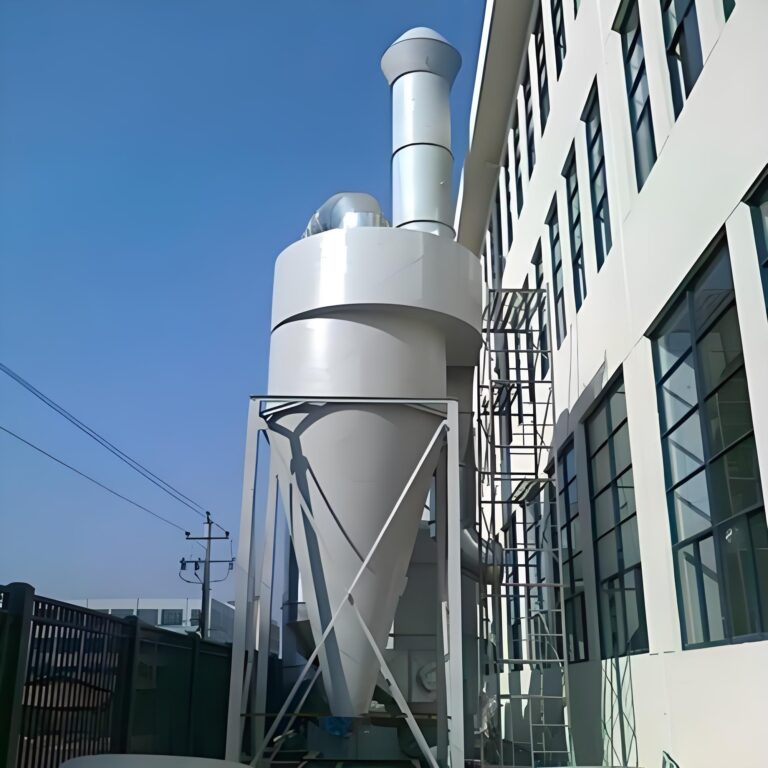
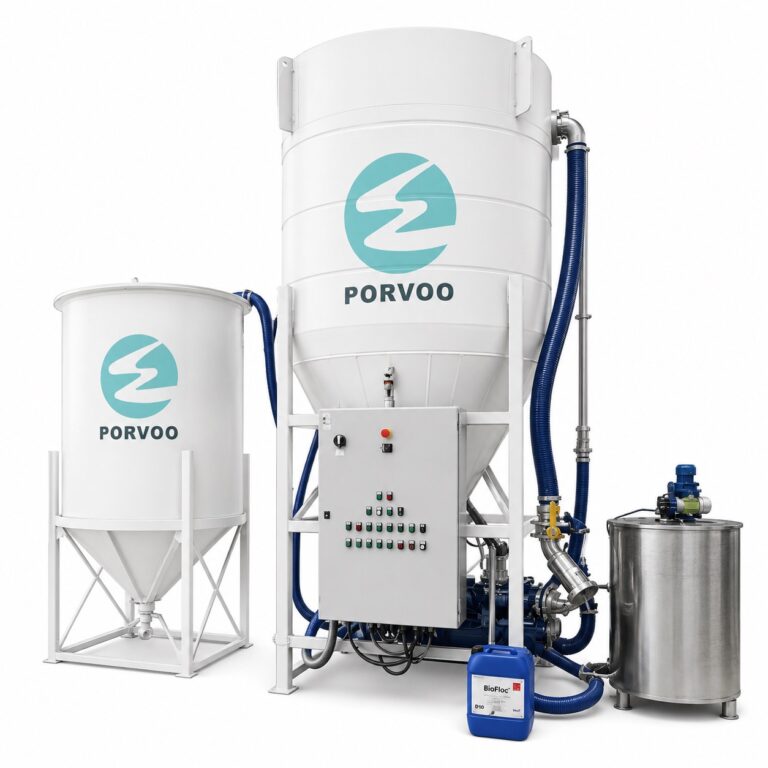
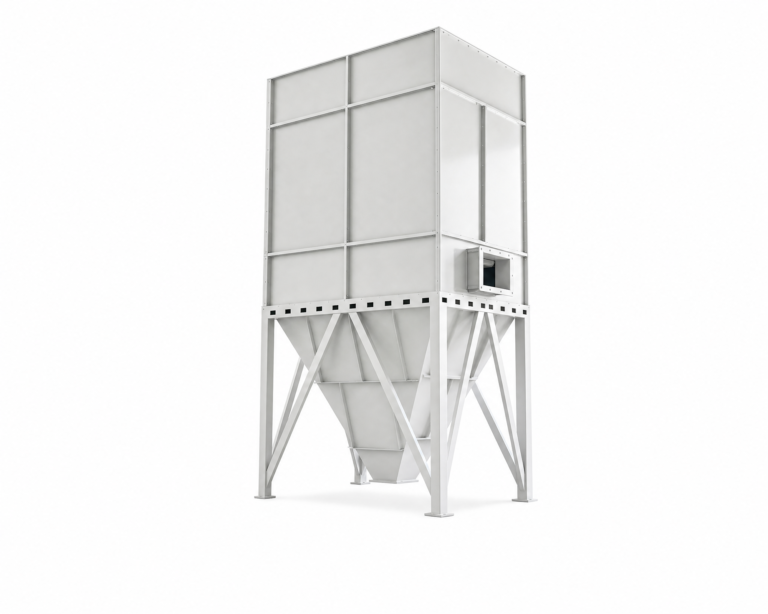
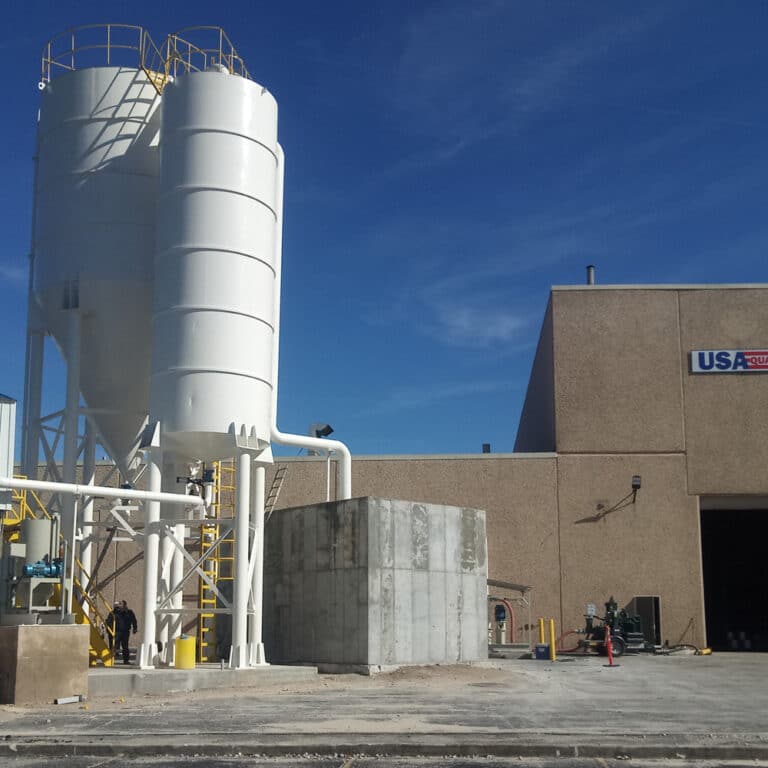
Para avaliações de adaptação em que a área ocupada é a restrição determinante, vale a pena analisar uma torre de sedimentação vertical projetada especificamente para a reciclagem de efluentes industriais — com o formato compacto e as características de remoção de lodo exigidas por locais com restrições de espaço — em relação à carga real do processo antes de definir a geometria. A seleção deve ser confirmada com base no perfil de carga, e não apenas no espaço disponível.
Quando a sedimentação deve ser transferida para o equipamento de desaguamento
A sedimentação produz efluente clarificado de um lado e lodo acumulado do outro. O lado do lodo nessa equação possui sua própria cadeia de processos, e o ponto em que essa cadeia se inicia em relação à sedimentação é uma decisão que afeta o custo e o desempenho de todas as etapas posteriores.
O espessamento de lodo é o ponto de transição funcional entre a sedimentação e a desaguamento. Seu objetivo é aumentar a concentração de sólidos — reduzindo o volume que o equipamento de desaguamento precisa processar e melhorando a eficiência da etapa de desaguamento. O espessamento não é automático; ele requer que o lodo que sai do tanque tenha sido retirado em uma concentração que torne o espessamento eficaz, o que nos remete ao momento da retirada e à seleção do equipamento de remoção de lodo. Se o lodo for retirado muito diluído, o espessamento adiciona capacidade de redução de volume que compensa parcialmente; se for retirado com pouca frequência e tiver se compactado, o espessamento pode receber um material que se comporta de maneira diferente daquela para a qual o equipamento de desaguamento foi dimensionado.
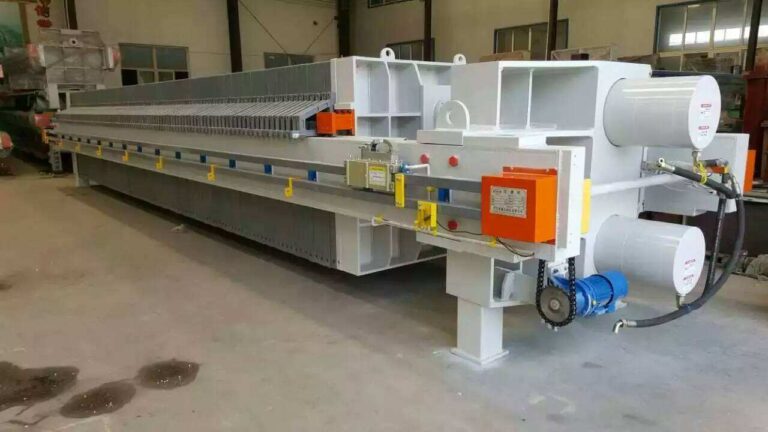
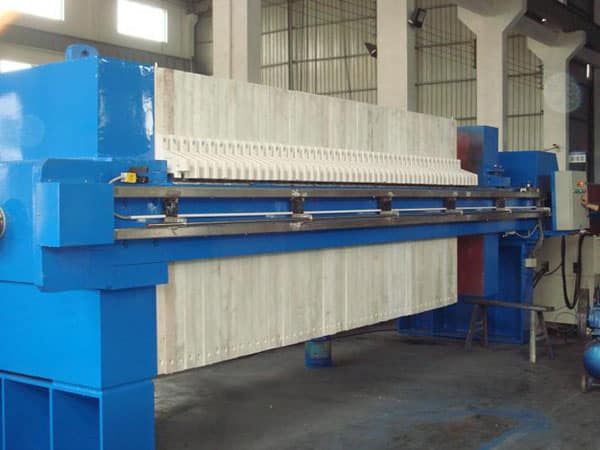
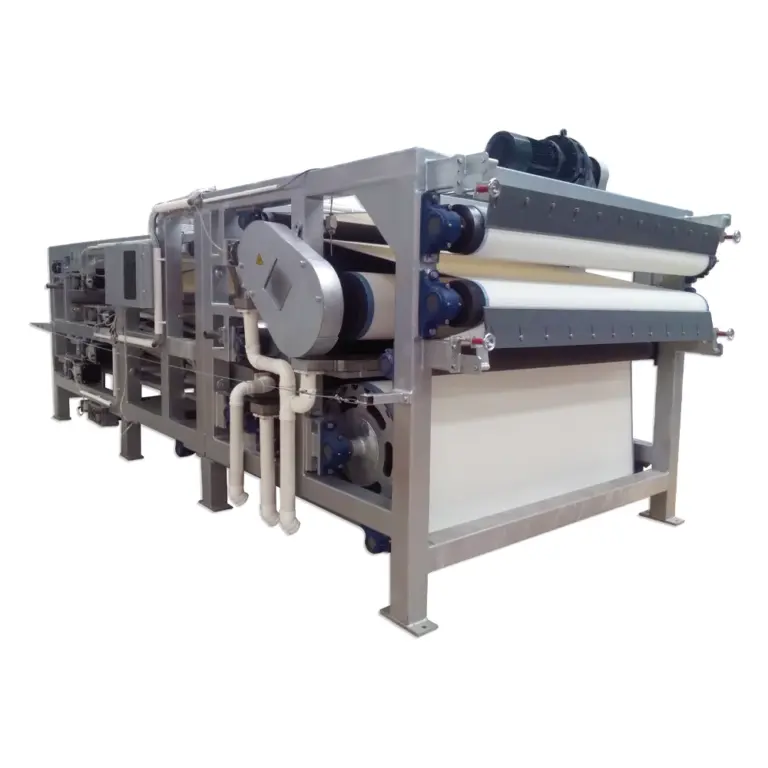
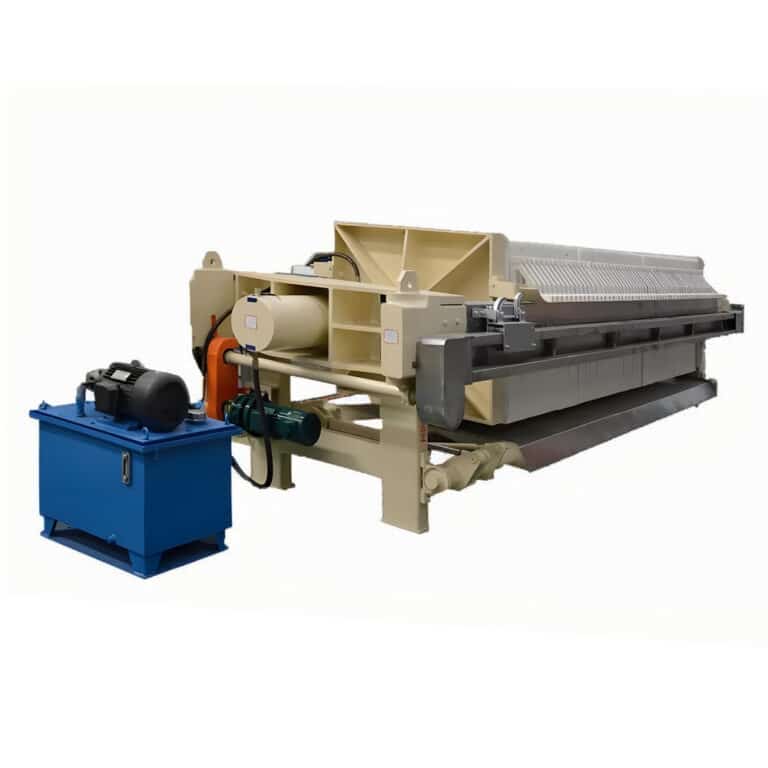
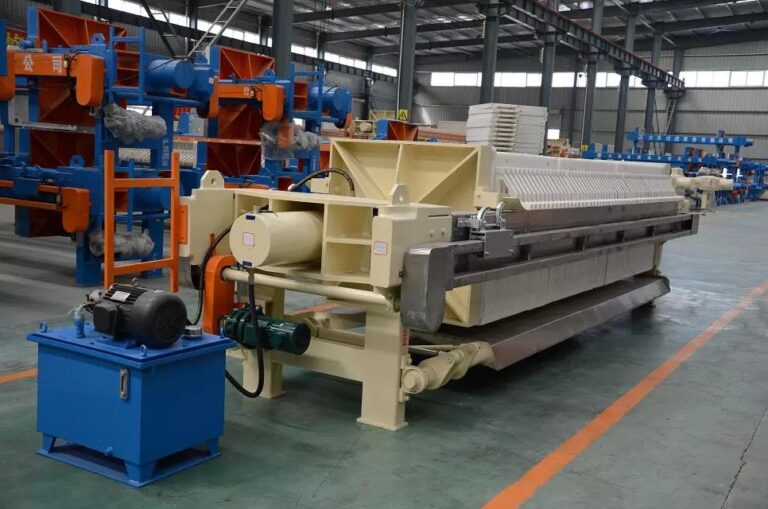
A transferência para o equipamento de desaguamento deve ser tratada como um ponto de decisão deliberado no processo, e não como uma transição automática. A concentração de sólidos deve ser confirmada — seja por meio de monitoramento de rotina, seja com equipamentos que garantam uma retirada consistente — antes do início do desaguamento. Um filtro-prensa de correia, por exemplo, é dimensionado para uma faixa específica de concentração de sólidos; alimentar o equipamento com lodo substancialmente mais diluído ou mais concentrado do que a condição de projeto afeta a produtividade, a secura do bolo e a qualidade do filtrado de maneiras que repercutem em todo o sistema de tratamento.
A implicação prática é que a sedimentação, o espessamento e a desaguada precisam ser projetados como uma sequência integrada, com condições de transferência confirmadas, e não como três seleções de equipamentos separadas que se presume serem compatíveis. Adiar a discussão sobre o dimensionamento da desaguada até depois da especificação do tanque de sedimentação significa que o equipamento a jusante está sendo selecionado sem o conhecimento completo do que ele realmente receberá.
Os projetos de clarificação mais duráveis compartilham uma característica comum: todas as variáveis principais — taxa de transbordamento, energia de entrada, geometria, frequência de retirada de lodo e capacidade de desaguamento a jusante — foram analisadas em relação ao perfil real do efluente, e não em relação a uma condição de referência genérica. O volume e a área superficial do tanque são dados necessários, mas, por si sós, não constituem critérios de análise suficientes.
Antes de finalizar a seleção de um tanque de sedimentação, confirme se a escolha da geometria foi submetida a testes de estresse em relação ao padrão real de variação dos lotes e à variabilidade de temperatura que o processo produz, se o sistema de remoção de lodo foi selecionado com base nas características reais do lodo — e não como uma opção padrão — e se a frequência de retirada foi dimensionada de acordo com a taxa de acumulação de sólidos. Essas são as decisões que determinam se o tanque funcionará conforme projetado após o comissionamento — e são significativamente mais difíceis de corrigir após a instalação do equipamento do que acertar na revisão do projeto.
Perguntas frequentes
P: Essa análise de projeto se aplica caso a coagulação e a floculação não façam parte do processo a montante?
R: A análise ainda se aplica, mas as expectativas em relação à sedimentação precisam ser recalibradas. Sem coagulação e floculação, as partículas que chegam ao tanque são menores e menos densas, o que significa que as taxas de sedimentação serão mais lentas e o valor de referência para a taxa de transbordamento torna-se, na prática, mais conservador. Se a ausência de coagulação for uma escolha e não uma restrição, essa decisão deve ser explicitamente refletida na taxa de transbordamento selecionada — dimensionar o tanque como se o floco coagulado fosse chegar, quando na verdade isso não ocorrerá, é um erro sistemático de projeto que nenhum ajuste geométrico poderá corrigir.
P: Após confirmar a taxa de transbordamento, o projeto da entrada e a frequência de retirada na fase de projeto, o que deve ser definido antes do início da aquisição dos equipamentos?
R: Tanto a seleção do sistema de remoção de lodo quanto a concentração de sólidos na transferência para a etapa de desaguamento a jusante devem ser confirmadas antes da aquisição. Esses dois itens dependem dos dados de afluência que já estão disponíveis ao final da revisão do projeto — características de drenagem do lodo, concentração esperada de sólidos na retirada e faixa de concentração de projeto do equipamento de desaguamento. Adiar qualquer uma dessas decisões até depois da especificação do tanque significa que o sistema de remoção e o equipamento de desaguamento serão selecionados sem o contexto completo do processo de que necessitam, e é aí que normalmente se originam as falhas de desempenho após o comissionamento.
P: Em que ponto a vulnerabilidade de um tanque de fluxo vertical a cargas de choque supera sua vantagem em termos de ocupação de área em um local de reforma com espaço limitado?
R: Quando o processo produz cargas em lote com alto teor de sólidos de forma intermitente ou oscilações significativas de temperatura, o risco de carga de choque se torna um verdadeiro risco operacional, em vez de uma simples precaução gerenciável. A redução da área ocupada não diminui esse risco — ela apenas reduz o espaço que o tanque ocupa. Se o perfil do influente incluir ciclos de lotes imprevisíveis e a instalação não puder adotar uma gestão operacional mais rigorosa para compensar, a questão técnica fundamental é se a área limitada pode acomodar uma geometria mais estável ou se a restrição está forçando uma escolha que exigirá intervenção contínua para ter um desempenho aceitável.
P: Como se compara o desempenho de um decantador de placas ou tubos inclinados ao de um tanque de fluxo vertical quando o efluente contém sólidos fibrosos ou biologicamente ativos?
R: Para esse tipo de efluente, um tanque de fluxo vertical é, em geral, a opção de menor risco. Os decantadores de placas e tubos inclinados melhoram a eficiência de sedimentação em um espaço compacto, mas sua geometria cria superfícies onde sólidos fibrosos ou pegajosos podem se acumular e causar entupimento — e a descarga de lodo entre as placas ou tubos é menos consistente quando o material não escoa livremente. A remoção de lodo em um tanque de fluxo vertical é mais simples e menos propensa a esse tipo específico de falha, embora apresente sua própria vulnerabilidade a cargas de choque. O risco de entupimento na geometria inclinada deve ser avaliado com base na caracterização real dos sólidos do efluente antes de selecioná-la para uma reforma em espaço restrito, onde o acesso para limpeza também pode ser limitado.
P: Para uma instalação que já opera com um tanque de sedimentação subdimensionado ou com baixo desempenho, a modernização do tanque existente é uma opção viável antes de se considerar a substituição completa?
R: Depende se a causa raiz pode ser corrigida dentro da estrutura existente. Se o baixo desempenho for atribuível a uma variável controlável — defletores de entrada que possam ser modificados, intervalos de retirada que possam ser reduzidos ou dosagem de coagulante que possa ser ajustada —, vale a pena avaliar a adaptação do tanque existente antes de optar pela substituição completa. Se a própria geometria não for adequada ao perfil real de sólidos, ou se a área ocupada limitar o sistema de remoção de lodo a uma configuração que não consiga sustentar uma frequência adequada de retirada, essas são limitações estruturais que uma adaptação não pode resolver. O processo de revisão do projeto descrito neste artigo se aplica igualmente a uma avaliação de adaptação: a taxa de transbordamento, a energia na entrada, o intervalo de retirada de lodo e a compatibilidade com a desidratação a jusante precisam ser reexaminados com base nos dados atuais do efluente, e não nas premissas originais do projeto.