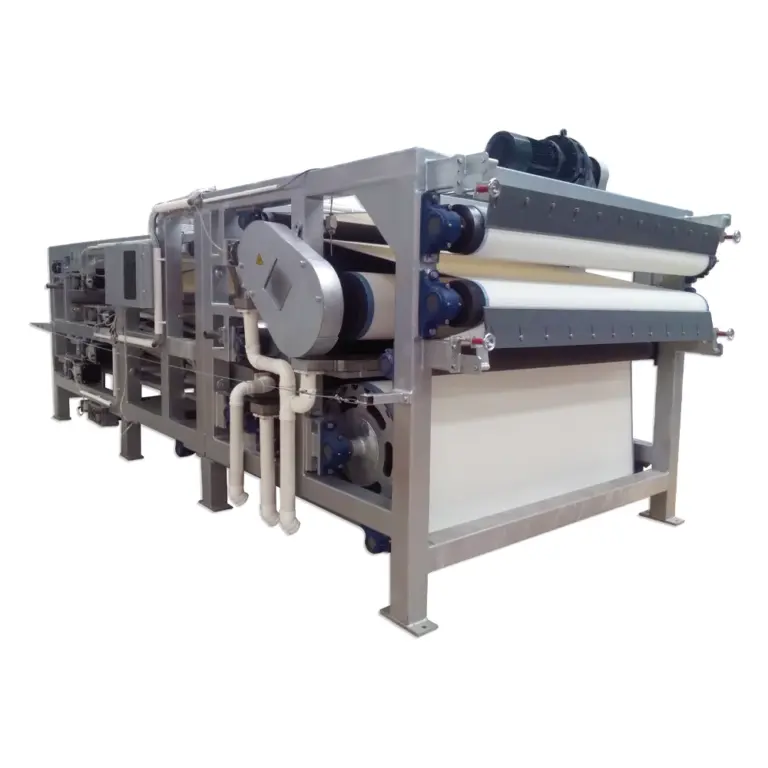
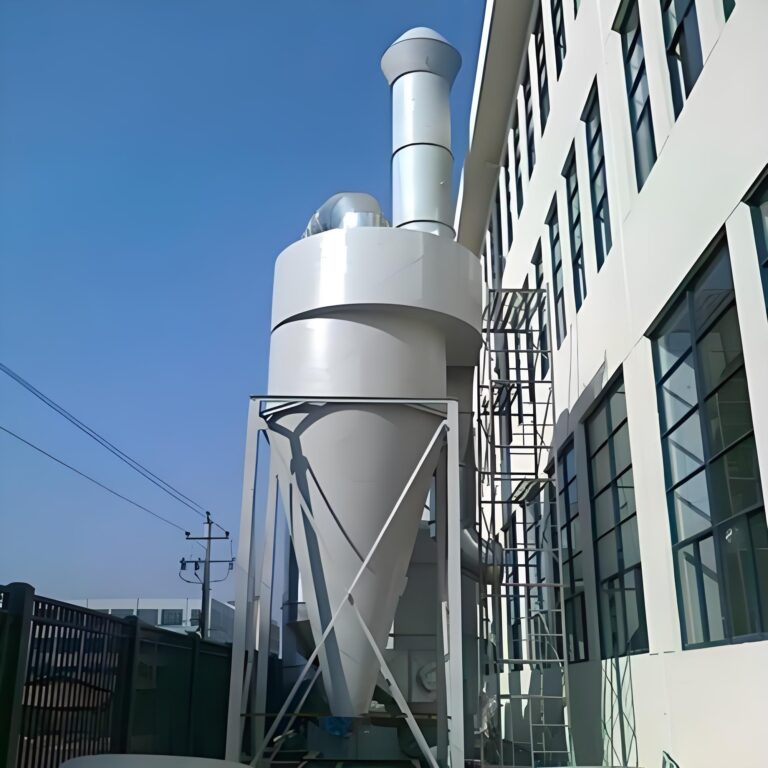
Para engenheiros e gerentes de fábrica, a promessa dos decantadores de placas inclinadas é clara: aumentar drasticamente a capacidade de sedimentação em um espaço limitado de torre vertical. No entanto, a lacuna entre o desempenho teórico e a realidade operacional costuma ser grande. Erros comuns incluem a seleção de um ângulo de placa padrão para todos os tipos de lodo ou a priorização da área de superfície nominal em relação ao controle de fluxo hidráulico. Esses descuidos levam a sistemas de baixo desempenho, entupimentos frequentes e ônus de manutenção inesperados, prejudicando a eficiência de capital do retrofit ou da nova instalação.
A atenção ao design diferenciado é fundamental agora. As pressões regulatórias estão aumentando os requisitos de qualidade dos efluentes, enquanto as expansões das instalações geralmente são limitadas pelo espaço. Uma torre de sedimentação vertical com um conjunto de lamelas otimizado representa uma solução de alta taxa, mas seu sucesso depende de ir além das especificações genéricas. O projeto correto integra as características do lodo, a engenharia hidráulica e os custos do ciclo de vida em um ativo confiável e de alto desempenho.
Como os decantadores de placas inclinadas maximizam a eficiência da torre vertical
Princípio operacional básico
Os decantadores de placas inclinadas, ou clarificadores de lamelas, funcionam multiplicando a área de decantação efetiva em um volume vertical. Ao empilhar as placas em um ângulo, eles reduzem a distância vertical que uma partícula deve cair para ser capturada em uma superfície. Essa geometria permite taxas de carga hidráulica de 8 a 10 vezes maiores do que um clarificador convencional com a mesma área de cobertura. O resultado é uma turbidez do efluente consistentemente abaixo de 1 NTU em um tanque significativamente menor. Esse princípio transforma as torres verticais de simples vasos de decantação em unidades de separação compactas e de alta capacidade.
A vantagem do Retrofit Estratégico
A aplicação mais poderosa dessa tecnologia é a expansão da capacidade dentro da infraestrutura existente. A instalação de pacotes de placas modulares em uma bacia antiga ou subdimensionada pode aumentar a capacidade de tratamento de 4 a 8 vezes sem a aplicação de concreto novo. Essa abordagem representa uma estratégia eficiente em termos de capital para atender à demanda crescente ou a licenças de descarga mais rígidas. No entanto, os especialistas do setor alertam que esse multiplicador só é possível com um projeto que garanta a utilização total de cada placa, o que torna a avaliação dos sistemas de distribuição hidráulica fundamental em relação aos números da área de superfície comercializada.
Otimização do ângulo da placa: Distância de assentamento vs. deslizamento de sólidos
A física do ângulo
O ângulo de inclinação da placa não é uma configuração única; é uma otimização crítica que equilibra duas forças concorrentes. A distância efetiva de assentamento (D’) para uma partícula é definido pela fórmula D’ = D / cos Ø, onde D é o espaçamento entre as placas e Ø é o ângulo. Um ângulo mais raso reduz D’, melhorando a eficiência teórica da separação. No entanto, esse ângulo também deve exceder o ângulo natural de repouso dos sólidos assentados para garantir que eles deslizem pela placa até o funil de lodo. A seleção de um ângulo com base apenas na teoria de sedimentação leva ao fracasso operacional.
Seleção específica do aplicativo
O ângulo necessário é ditado pelas características do lodo. Sólidos densos e granulares, como a areia, têm um ângulo de repouso menor e podem deslizar com eficiência a aproximadamente 45°. Por outro lado, flocos mais leves e pegajosos - comuns na precipitação de hidróxido de metal ou no tratamento biológico - exigem um ângulo mais acentuado, normalmente em torno de 60°, para evitar a adesão e a incrustação da placa. De acordo com nossa experiência na avaliação de instalações com falhas, o descuido mais comum é aplicar um ângulo padrão de 55° a um floco pegajoso sem considerar suas propriedades coesivas, o que leva a uma rápida degradação do desempenho.
A tabela a seguir resume a relação crítica entre o ângulo da placa, a distância de sedimentação e o tipo de lodo alvo:
Guia de otimização do ângulo da placa
| Ângulo da placa (Ø) | Distância efetiva de assentamento (D’)* | Tipo de lodo alvo |
|---|---|---|
| ~45° | Distância mais curta | Sólidos densos e granulares |
| ~60° | Distância mais longa | Flocos leves e pegajosos |
| Ângulo baixo | Distância reduzida | Eficiência teórica |
| Ângulo alto | Garantia de deslizamento de sólidos | Confiabilidade prática |
*Onde D’ = D / cos Ø; D = espaçamento entre placas.
Fonte: Documentação técnica e especificações do setor.
Principais técnicas para aumentar a área de superfície efetiva
Além dos cálculos teóricos
Embora o empilhamento de placas crie um multiplicador teórico da área de superfície, o desempenho real depende do projeto hidráulico que garante que essa área seja usada ativamente. Parâmetros importantes, como o espaçamento entre as placas (normalmente de 50 a 75 mm), apresentam uma compensação direta: o espaçamento mais próximo aumenta a área, mas eleva o risco de entupimento. Os projetos avançados eliminam a “área de interferência” nas interseções das placas, utilizando o comprimento total da placa. No entanto, o principal gargalo, conforme observado nas análises de falhas do setor, continua sendo a distribuição do fluxo. A canalização irregular pode tornar ineficaz mais de 50% da área teórica da placa.
O imperativo hidráulico
Portanto, a “área efetiva” anunciada geralmente é uma métrica de marketing, não uma garantia de desempenho. O foco estratégico deve mudar para as tecnologias que garantem a distribuição uniforme do fluxo em todos os canais. Isso inclui difusores de entrada, decks de controle de fluxo perfurados e lavadores de efluentes de largura total. Ao comparar sistemas, os engenheiros devem priorizar a evidência da eficácia do sistema de controle hidráulico - por meio de modelos de dinâmica de fluidos computacional (CFD) ou dados de estudo piloto - em vez do simples cálculo da área da placa.
Os parâmetros de projeto abaixo determinam se a área de superfície aprimorada se traduz em capacidade no mundo real:
Parâmetros de projeto para utilização da área de superfície
| Parâmetro de projeto | Faixa típica | Impacto no desempenho |
|---|---|---|
| Espaçamento entre placas | 50-75 mm | Área vs. risco de entupimento |
| Distribuição de fluxo | Regular vs. irregular | 50%+ perda de área efetiva |
| Área de interferência | Eliminado | Utilização do comprimento total da placa |
| Controle hidráulico | Tecnologia avançada | Garante a capacidade do mundo real |
Fonte: Documentação técnica e especificações do setor.
Distribuição de fluxo hidráulico: Garantindo a utilização total da placa
Engenharia de entrada e saída
A obtenção de um fluxo uniforme é um desafio de engenharia específico, não um subproduto do próprio conjunto de placas. Projetos eficazes empregam um plenum de entrada ou uma parede difusora para dissipar o momento do fluxo e estabelecer condições laminares a montante das placas. Sistemas mais sofisticados usam decks perfurados ou tubos coletores acima do conjunto de placas, criando uma perda de carga igual para extrair o efluente uniformemente de todos os canais. A saída é igualmente crítica; as saídas laterais podem subutilizar as placas centrais, enquanto uma placa de barragem com entalhe em V de largura total força a retirada uniforme em toda a largura.
O critério de avaliação decisivo
Os principais fabricantes investem em sistemas hidráulicos patenteados porque essa engenharia é o fator decisivo para alcançar o desempenho prometido e o retorno sobre o investimento. Durante a aquisição, esse deve ser um critério de avaliação primário. Solicite diagramas detalhados de distribuição de fluxo ou relatórios de validação de terceiros. Um sistema bem projetado para um torre de sedimentação vertical demonstrará explicitamente como suas configurações de entrada e saída evitam curto-circuito e garantem que cada placa contribua para a remoção de sólidos.
Seleção de materiais: Comparação de durabilidade, custo e adequação
A compensação do custo do ciclo de vida
A seleção de materiais garante os custos operacionais de longo prazo e o escopo da aplicação. A decisão principal, de acordo com a percepção das análises de gerenciamento de ativos, equilibra materiais de alta durabilidade com custo de capital mais alto e opções de custo mais baixo com vidas úteis definidas e mais curtas. Esse é um cálculo de custo total de propriedade que deve levar em conta a longevidade, a frequência de manutenção e a compatibilidade química com o fluxo de resíduos.
Opções orientadas por aplicativos
O aço inoxidável (graus 304 ou 316) oferece resistência superior e resistência à corrosão para aplicações industriais severas, como efluentes químicos ou de mineração. Os termoplásticos ou plásticos reforçados com fibra (FRP) oferecem uma solução leve e resistente à corrosão, ideal para muitas estações municipais de tratamento de água e esgoto. O aço macio com revestimentos protetores continua sendo uma opção econômica para ambientes específicos e bem definidos. A escolha também deve considerar os requisitos de certificação de água potável ou a exposição a agentes corrosivos, como o sulfeto de hidrogênio.
A comparação a seguir descreve as principais opções de materiais:
Guia de seleção de materiais
| Material | Durabilidade e resistência | Aplicativo principal |
|---|---|---|
| Aço inoxidável (304/316) | Superior, resistente à corrosão | Resíduos industriais agressivos |
| Termoplásticos / FRP | Alto, resistente à corrosão | Tratamento de água municipal |
| Aço macio revestido | Moderado, específico do ambiente | Fluxos químicos específicos |
Fonte: Documentação técnica e especificações do setor.
Fatores críticos de projeto: Manuseio de lodo e acesso para manutenção
Projeto da tremonha e remoção de lodo
A coleta eficaz de lodo não é negociável para uma operação estável. Os sólidos que deslizam das placas devem ser coletados e removidos sem interromper o regime de fluxo na zona de sedimentação. Dois projetos de tremonha dominantes apresentam um compromisso operacional importante. Os funis cônicos simples são econômicos, mas apresentam risco de lodo compactado e “rat-holing”, em que apenas um canal central é descarregado. Os projetos de fundo plano com ancinhos mecânicos garantem a remoção consistente do lodo em todo o piso, mas aumentam a complexidade mecânica e o custo. Essa escolha determina diretamente o tempo de atividade do sistema e a frequência de intervenção do operador.
Projetando para a simplicidade operacional
Os recursos auxiliares para manutenção são essenciais para o controle dos custos do ciclo de vida. Os projetos devem incluir acesso adequado para limpeza manual ou automatizada, plataformas de serviço que possam ser percorridas e coberturas para bloquear o crescimento de algas sob a luz do sol. A tendência do setor é clara: as batalhas por custos operacionais estão mudando do consumo de energia para a manutenção que exige muita mão de obra. Os projetos inovadores agora priorizam a confiabilidade e a simplicidade do serviço para minimizar o tempo de inatividade e a mão de obra operacional. Vemos com frequência que as instalações mais bem-sucedidas são aquelas em que o acesso para manutenção foi uma prioridade do projeto, e não uma reflexão tardia.
Validação de desempenho: Métricas e aplicação no mundo real
Indo além da teoria
A validação do desempenho do decantador de placas inclinadas requer métricas baseadas em dados operacionais, não em especificações de catálogo. Os principais indicadores de desempenho incluem turbidez consistente do efluente (<1 NTU), taxa de carga hidráulica sustentada (medida em gpm/ft²) e eficiência de captura de sólidos. Entretanto, conforme advertido nas auditorias técnicas, a área de sedimentação efetiva anunciada não tem sentido sem a utilização comprovada da placa completa. Portanto, a validação do desempenho deve se basear em testes piloto com a água de alimentação real e na análise de estudos de caso detalhados de aplicações comparáveis.
O papel dos padrões e do monitoramento inteligente
Metodologias autorizadas, como as descritas em EN 12255-15:2003 para medir a capacidade de assentamento do lodo, fornecem os procedimentos de teste fundamentais para caracterizar os sólidos que estão sendo separados, informando diretamente o projeto e a validação. Além disso, a próxima fronteira é o monitoramento inteligente. Sensores em tempo real para turbidez, distribuição de fluxo e níveis de cobertura de lodo permitem a manutenção preditiva e a transição das operações de otimização reativa para otimização orientada por dados, abrindo caminho para contratos de serviço baseados em desempenho.
A tabela abaixo descreve as métricas e os métodos essenciais de validação:
Estrutura de validação de desempenho
| Métrica de validação | Desempenho da meta | Método de validação |
|---|---|---|
| Turbidez do efluente | <1 NTU | Monitoramento consistente |
| Taxa de carregamento hidráulico | gpm/ft² | Teste piloto |
| Eficiência de captura de sólidos | Alta porcentagem | Análise de estudo de caso |
| Utilização de placas inteiras | Comprovado | Avaliação do sistema hidráulico |
Fonte: EN 12255-15:2003 Estações de tratamento de águas residuais - Parte 15: Medição da capacidade de sedimentação do lodo. Essa norma fornece a metodologia para medir a capacidade de sedimentação do lodo, um parâmetro crítico que informa diretamente o projeto e a validação do desempenho dos decantadores de placas inclinadas, caracterizando os sólidos a serem separados.
Selecionando o design certo para suas metas de tratamento
Alinhamento do design com os objetivos
A seleção final integra todos os fatores anteriores em uma solução alinhada com objetivos específicos. Para plantas com capacidade limitada, um retrofit com um sistema de distribuição hidráulica comprovado e garantido oferece a melhor eficiência de capital. Para fluxos de resíduos complexos que contêm sólidos suspensos e óleo livre, avalie os clarificadores de placas horizontais como uma possível solução completa. A tendência do setor para a consolidação de processos também favorece os parceiros que podem oferecer soluções integradas - combinando misturadores, floculadores, decantadores de placas e manuseio de lodo - em vez de simples fornecedores de equipamentos.
A estrutura de decisão
Crie uma matriz de decisão que pese o ângulo de placa otimizado (para seu lodo específico), a distribuição hidráulica garantida, a seleção de material adequada e o manuseio robusto do lodo. O projeto correto equilibra esses elementos para proporcionar um desempenho confiável e de baixa manutenção. Priorize os fornecedores que atuam como parceiros de engenharia, oferecendo testes-piloto, análise de custo do ciclo de vida e evidências claras do desempenho hidráulico das instalações existentes.
O projeto eficaz de um decantador de placas inclinadas não se trata da seleção de um produto, mas da engenharia de um sistema. Os principais pontos de decisão envolvem a correspondência da geometria da placa com as propriedades físicas do lodo, a insistência em dados de validação hidráulica e a seleção de materiais com base em uma análise de custo total de propriedade. A prioridade de implementação deve ser dada ao teste piloto e à garantia de que o acesso à manutenção seja projetado desde o início.
Precisa de orientação profissional para especificar ou otimizar um sistema de clarificador de lamelas para sua torre vertical? A equipe de engenharia da PORVOO é especializada em traduzir essas considerações técnicas em soluções confiáveis e de alto desempenho para o tratamento de águas residuais. Entre em contato conosco para discutir os parâmetros específicos e as metas de tratamento do seu projeto.
Para uma consulta direta, você também pode Entre em contato conosco.
Perguntas frequentes
P: Como você otimiza o ângulo da placa para diferentes tipos de lodo?
R: O ângulo ideal da placa equilibra um caminho de assentamento curto com uma remoção confiável de sólidos. Sólidos densos e granulares, como areia, requerem um ângulo mais acentuado, próximo a 45°, enquanto flocos mais leves e pegajosos, como hidróxidos metálicos, precisam de um ângulo mais raso, em torno de 60°, para deslizar com eficiência. Isso significa que as instalações que tratam resíduos industriais de metal devem projetar ângulos mais rasos para evitar a incrustação da placa, mesmo que isso reduza ligeiramente a área de sedimentação teórica.
P: Qual é o fator mais importante para obter a área de superfície efetiva anunciada em um clarificador de lamelas?
R: A distribuição uniforme do fluxo hidráulico é o fator decisivo, pois a canalização irregular pode reduzir a utilização efetiva da placa em mais de 50%. Os projetos avançados usam difusores de entrada, decks de controle de fluxo perfurados e barragens de saída de largura total para garantir um fluxo uniforme em todos os canais da placa. Para projetos em que o retorno do investimento depende da capacidade prometida, é preciso priorizar a avaliação da tecnologia de controle hidráulico do fornecedor em relação à comparação da área nominal da placa.
P: Como devemos validar o desempenho no mundo real de um sistema de decantador de placas inclinadas?
R: Vá além das métricas teóricas, exigindo dados de testes-piloto e estudos de caso que mostrem turbidez consistente do efluente abaixo de 1 NTU. Examine minuciosamente o projeto do sistema de distribuição hidráulica, pois ele determina a eficiência real da captura de sólidos. Se a sua operação exigir conformidade previsível, planeje uma validação de desempenho que inclua o monitoramento em tempo real da distribuição de fluxo e dos níveis de cobertura de lodo para permitir a manutenção preditiva.
P: Quais são as vantagens e desvantagens materiais que devemos considerar para a construção de assentadores de placas?
R: O principal compromisso é entre o alto custo inicial para durabilidade e a despesa de capital mais baixa com uma vida útil definida. O aço inoxidável (304/316) oferece resistência à corrosão de longo prazo para fluxos industriais agressivos, enquanto os termoplásticos ou o PRFV oferecem uma solução leve e econômica para muitas aplicações municipais. Isso significa que as instalações com águas residuais corrosivas ou com o objetivo de minimizar os custos do ciclo de vida devem investir em materiais de maior qualidade, apesar do capital inicial.
P: Por que o projeto de manuseio de lodo é fundamental para a estabilidade operacional em torres verticais?
R: A remoção ineficaz do lodo causa incrustação na placa e força paradas frequentes para manutenção. A escolha entre tremonhas cônicas simples e projetos de fundo plano com ancinhos mecânicos representa uma troca importante: menor custo versus evacuação confiável e consistente de sólidos. Para plantas com alta carga de sólidos ou disponibilidade limitada do operador, você deve priorizar o sistema mecânico para garantir um tempo de atividade estável e menores custos de mão de obra a longo prazo.
P: Como os testes padronizados de lodo informam o projeto do decantador de placas inclinadas?
R: Testes padronizados de estabilidade, como os definidos em EN 12255-15:2003, fornecem dados essenciais sobre o comportamento e a compactação das partículas. Esses dados informam diretamente os parâmetros críticos do projeto, como o ângulo necessário da placa e a configuração do funil de lodo. Se as características do seu fluxo de alimentação forem variáveis ou mal definidas, é necessário realizar esses testes durante a fase de planejamento para evitar equipamentos de separação subdimensionados ou ineficientes.
P: Qual é a vantagem estratégica de usar decantadores de placas inclinadas em um retrofit de planta?
R: O reequipamento de bacias existentes com conjuntos de placas modulares pode aumentar a capacidade de tratamento em 4 a 8 vezes sem a construção de novos tanques. Essa estratégia de capital eficiente aproveita a pegada vertical para atender a uma demanda maior ou a regulamentações mais rígidas. Para instalações com restrições de capacidade e limitações de espaço, essa abordagem geralmente proporciona uma atualização mais rápida e econômica em comparação com a expansão de um novo local.