Determinar a área de filtragem correta para um filtro prensa totalmente automático é uma decisão crítica de capital na mineração. Uma unidade subdimensionada se torna um gargalo, deixando de cumprir as metas de produção de rejeitos ou concentrado. Uma prensa superdimensionada representa desperdício de capital e ineficiência operacional. O desafio está em ir além das regras genéricas e adotar uma metodologia de cálculo que leve em conta as propriedades específicas da polpa, a dinâmica do ciclo e as metas estratégicas de longo prazo.
O dimensionamento preciso não se trata mais apenas da especificação do equipamento; ele afeta diretamente as taxas de recuperação de água, a estabilidade da instalação de armazenamento de rejeitos (TSF) e o desempenho geral do ESG do projeto. Com a crescente pressão regulatória sobre a gestão de rejeitos e o uso da água, o filtro prensa se transforma de uma simples ferramenta de desaguamento em um componente essencial da extração responsável de recursos. Acertar a área é fundamental para a estratégia operacional e corporativa.
Princípios fundamentais de área e capacidade de filtragem
Definição da métrica principal
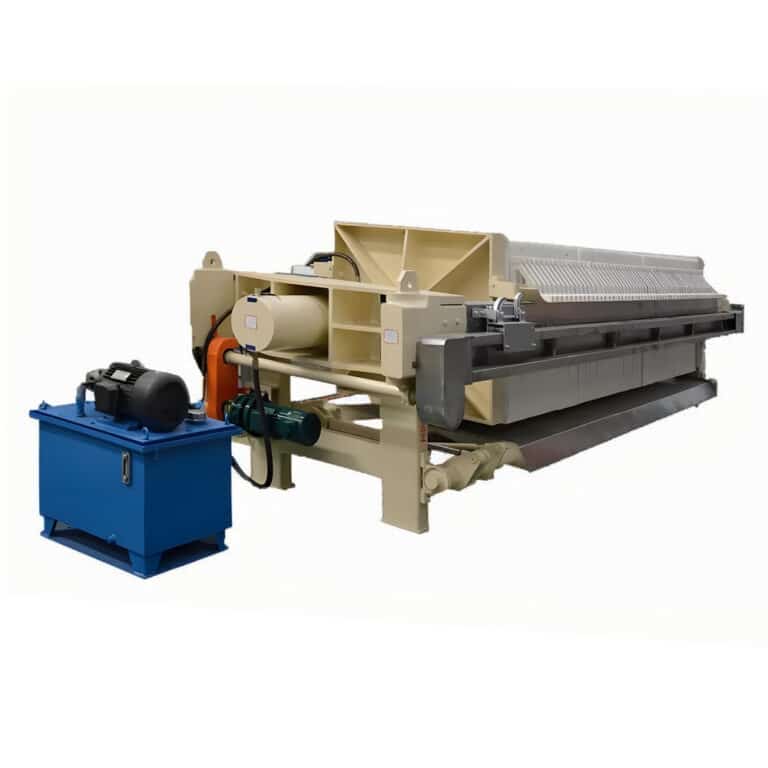
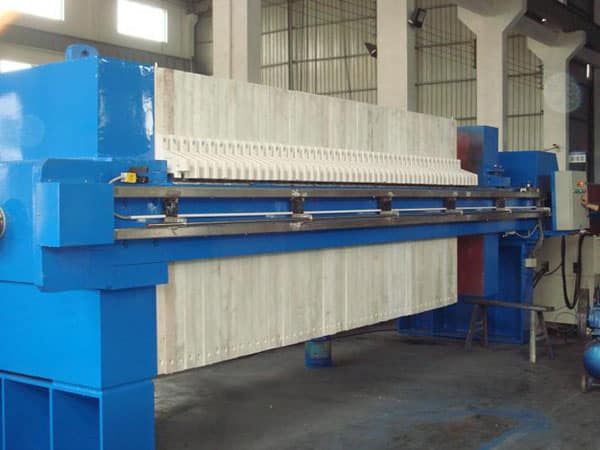
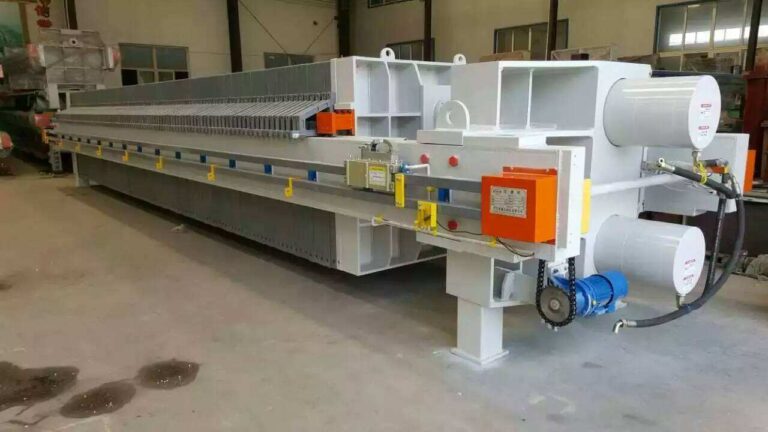
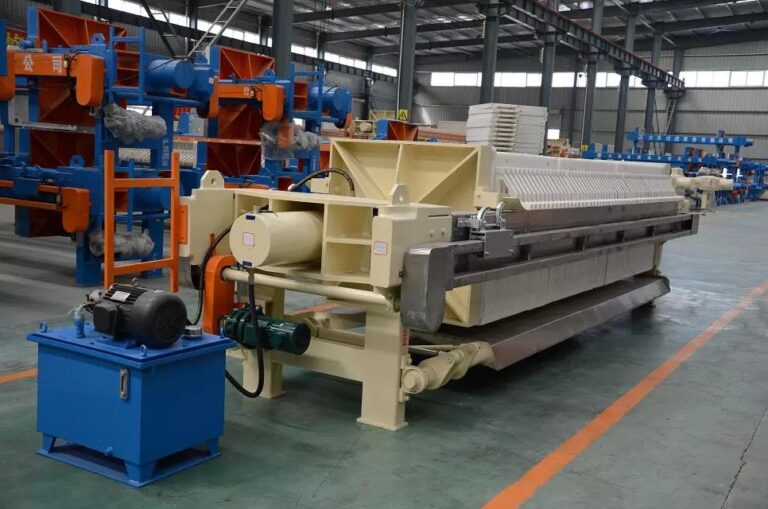
A área de filtragem, medida em metros quadrados (m²), é a área total da superfície ativa do tecido do filtro disponível para a separação sólido-líquido em um filtro prensa. Ela é o produto do tamanho da placa e do número de câmaras. Esse único parâmetro determina fundamentalmente a capacidade da prensa de processar um rendimento de sólidos secos desejado em um tempo de ciclo aceitável. Os especialistas do setor recomendam que essa área não seja vista como um valor fixo, mas como a principal alavanca para a produção em escala. Um erro comum é selecionar a área com base apenas no rendimento inicial, sem um caminho para a expansão.
A vantagem da modularidade
O projeto das modernas prensas de filtro totalmente automáticas é inerentemente modular. Essa modularidade oferece um caminho estratégico de preservação de capital. Em vez de substituir um sistema inteiro quando a produção aumenta, as minas podem adicionar placas à estrutura existente para expandir a área total de filtragem. Essa percepção é frequentemente ignorada durante a aquisição inicial, mas é crucial para o gerenciamento de ativos de longo prazo. Ele permite que as operações alinhem a implementação de capital com planos de expansão em fases, protegendo o investimento inicial.
Da área ao resultado operacional
A área de filtragem instalada influencia diretamente os principais indicadores de desempenho, além do rendimento. Uma área de tamanho adequado, combinada com tempos de ciclo apropriados, garante um teor de umidade consistente da torta. Ela também afeta a carga dos sistemas auxiliares, como bombas de alimentação de polpa e transportadores de torta. Em nossa análise de projetos de desaguamento de mineração, descobrimos que um sistema projetado com a área correta desde o início apresentava 30% menos gargalos operacionais relacionados a backup de polpa ou formação inconsistente de torta em comparação com soluções adaptadas.
Metodologia de cálculo do núcleo para a área necessária
Estabelecimento de linhas de base de processos
O dimensionamento começa com parâmetros de processo inequívocos. É preciso definir o rendimento de sólidos secos (por exemplo, toneladas por hora), a concentração de sólidos da pasta de alimentação por peso, a porcentagem de umidade do bolo desejada e o tempo de ciclo de filtragem disponível. Essas variáveis não são independentes; a umidade desejada e o tempo de ciclo geralmente estão em tensão. Uma meta de umidade mais baixa normalmente requer um tempo maior de prensagem ou sopro de ar, aumentando potencialmente a área necessária para manter a mesma produtividade horária.
O cálculo central
A fórmula básica para determinar a área de filtragem necessária é: Área de filtragem necessária (m²) = Produção de sólidos secos (kg/h) / Produtividade específica da área (kg/m²/h). A variável crítica - e muitas vezes mal aplicada - é a produtividade específica da área. Essa não é uma constante universal. É um valor derivado que depende muito das características específicas da lama, da pressão operacional e da seleção do tecido. O uso de uma média do setor sem validação é uma das principais fontes de erro de dimensionamento.
Traduzindo a área para as especificações do equipamento
Depois que a área total é calculada, ela é traduzida em especificações do equipamento: selecionar um tamanho de placa padrão (por exemplo, 1500 mm, 2000 mm ou maior) e determinar o número de câmaras necessárias. Essa etapa envolve o equilíbrio entre os requisitos técnicos e as considerações práticas. Placas maiores produzem mais área por câmara, mas exigem uma estrutura mais robusta - e cara. O volume do lote por ciclo também é determinado aqui, influenciando o dimensionamento da bomba de alimentação e a lógica de controle.
A tabela a seguir descreve os principais parâmetros que alimentam o cálculo da área e seu impacto direcional.
Parâmetros de entrada principais para dimensionamento
| Parâmetro do processo | Unidade típica / Faixa | Impacto na área |
|---|---|---|
| Rendimento de sólidos secos | Toneladas por hora | Diretamente proporcional |
| Concentração de sólidos da polpa | % por peso | Relação inversa |
| Umidade do bolo alvo | % | Alvo mais alto = menos área |
| Tempo de ciclo | Minutos por lote | Mais curto = menos área |
| Produtividade específica da área | Até 450 kg/m²/h | Variável-chave do teste |
Fonte: GB/T 35053-2018 Especificação técnica para filtro prensa em processamento mineral. Esta norma fornece a estrutura técnica para a aplicação do filtro prensa no processamento de minerais, incluindo os princípios fundamentais para o dimensionamento do equipamento com base nos parâmetros do processo, como rendimento e concentração da polpa.
Principais fatores técnicos que influenciam o dimensionamento da área
Características das partículas de polpa
A natureza física e química dos sólidos é o fator mais significativo que afeta a produtividade específica da área. Partículas finas e compressíveis, como argilas ou rejeitos ultrafinos, criam uma torta densa e de baixa permeabilidade que filtra lentamente, exigindo uma área maior. Por outro lado, materiais grossos e granulares, como areias de sílica, filtram rapidamente, permitindo que uma área menor atinja o mesmo rendimento. O fator de compressibilidade é frequentemente subestimado; uma lama que filtra bem em condições de laboratório pode cegar o tecido rapidamente em escala real sob pressão.
A troca de tecnologia de placas e pressão
A pressão operacional e o tipo de placa são alavancas diretas para otimizar a área. Pressões operacionais mais altas podem forçar mais líquido através da torta, aumentando potencialmente a taxa de filtragem e reduzindo a área necessária. O uso de placas de membrana introduz um ciclo de compressão secundário, comprimindo mecanicamente a torta para obter uma umidade final mais baixa. De acordo com o JB/T 4333.3-2019 Prensa de filtro de membrana, Se o sistema de membranas for usado para a separação de materiais, essa tecnologia pode aumentar significativamente a eficiência da desidratação de materiais compressíveis. A decisão envolve uma compensação de custo de capital: as placas de membrana são mais caras, mas podem justificar uma estrutura menor e mais barata para a mesma produção.
Pano de filtro como um componente de desempenho
A seleção do pano de filtro é uma decisão estratégica, não uma compra de mercadoria. O material (polipropileno, náilon), a trama e o tratamento da superfície determinam a permeabilidade e as características de liberação do bolo. Uma tela com a classificação de mícron ou trama errada pode cegar rapidamente, reduzindo efetivamente a área de filtragem utilizável e aumentando o tempo de ciclo devido à descarga ruim. A otimização da seleção de telas é um processo contínuo que equilibra a taxa de filtragem inicial com a longevidade e as propriedades de liberação, afetando diretamente o custo efetivo da vida útil da área instalada.
A interação desses fatores determina o valor de produtividade usado em seu cálculo principal, conforme resumido abaixo.
Fatores técnicos determinantes da taxa de filtração
| Fator | Efeito na produtividade | Estratégia de mitigação típica |
|---|---|---|
| Partículas finas e compressíveis (por exemplo, argilas) | Reduz a taxa de filtragem | Placas de compressão de membrana |
| Partículas grossas (por exemplo, areias) | Aumenta a taxa de filtragem | Placas de câmara padrão |
| Alta pressão operacional | Aumenta a taxa, reduz a área | Design robusto da placa |
| Seleção do tecido do filtro | Controla a permeabilidade e a liberação | Otimização de material/trama |
Fonte: JB/T 4333.2-2019 Prensa de filtro de câmara e JB/T 4333.3-2019 Prensa de filtro de membrana. Esses padrões definem os requisitos técnicos e os parâmetros de desempenho para os tipos de prensa de filtro de câmara e de membrana, que são as principais tecnologias cuja seleção é orientada pelas características da polpa e pelos objetivos de desaguamento descritos na tabela.
Integração das propriedades da polpa e do pré-tratamento
A necessidade do condicionamento químico
Para muitas polpas de mineração, especialmente aquelas com alto teor de finos, a filtragem em seu estado nativo é economicamente impraticável. O uso integrado de coagulantes e floculantes agrega partículas finas em aglomerados maiores e mais permeáveis. Essa etapa de condicionamento pode aumentar drasticamente as taxas de filtragem, às vezes em uma ordem de grandeza, reduzindo assim a área de filtragem necessária para um determinado rendimento. O segredo são os testes de laboratório para identificar o tipo ideal de polímero, a dosagem e a energia de mistura.
Auxiliares de filtragem e pré-revestimento
Em casos extremos, como no caso de suspensões coloidais, são usados auxiliares de filtragem, como terra de diatomáceas. Esses materiais revestem previamente o tecido do filtro, criando uma matriz porosa e rígida que retém sólidos finos e mantém a alta permeabilidade. Embora aumente o custo operacional, esse método pode tornar a filtragem viável onde, de outra forma, não seria possível, ou permitir o uso de uma prensa significativamente menor. A matriz de decisão deve equilibrar o custo recorrente dos auxílios com a economia de capital de um equipamento menor.
Uma abordagem de engenharia de sistemas
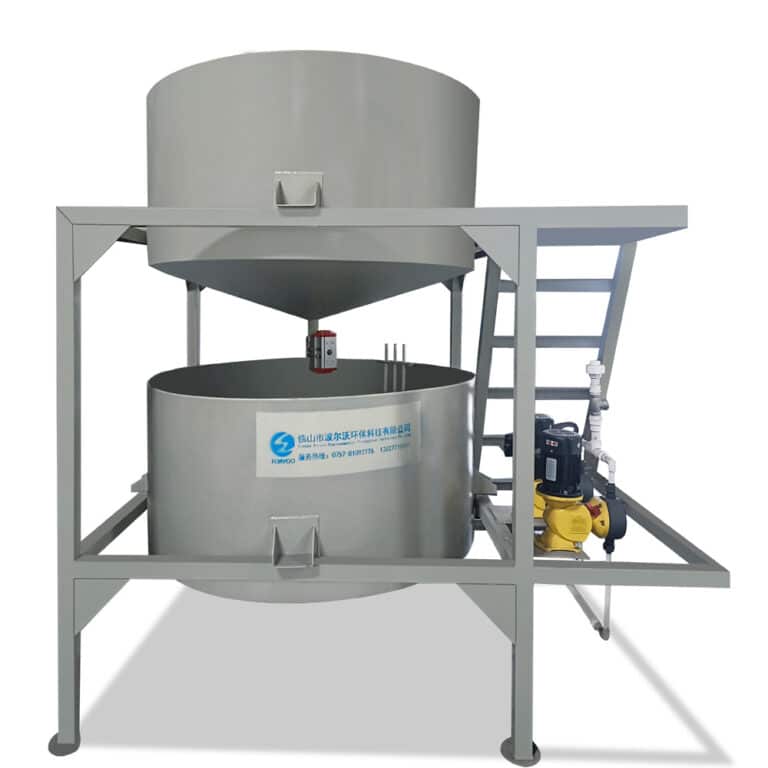
Essa integração significa que o filtro prensa não pode ser dimensionado isoladamente. Ele faz parte de um sistema de desaguamento que inclui tanques de mistura, bombas dosadoras de reagentes e, possivelmente, espessadores. O dimensionamento da prensa deve levar em conta os ganhos de desempenho - e a variabilidade potencial - introduzidos por esse condicionamento a montante. O teste piloto é essencial para quantificar esses ganhos de forma confiável e fornecer uma base estável para o cálculo da área.
A eficácia de diferentes métodos de pré-tratamento é capturada na estrutura a seguir.
Métodos de pré-tratamento e impacto na área
| Método de pré-tratamento | Função principal | Impacto na área de filtragem |
|---|---|---|
| Coagulantes / Floculantes | Agregado de partículas finas | Reduz a área necessária |
| Auxiliares de filtragem (por exemplo, terra de diatomáceas) | Pré-revestimento do tecido do filtro | Melhora a porosidade do bolo |
| Testes laboratoriais | Quantifica os ganhos de condicionamento | Essencial para o dimensionamento de capital |
Fonte: Documentação técnica e especificações do setor.
O papel da automação e da otimização de ciclos
Minimização do tempo não produtivo
O principal valor de um filtro prensa totalmente automático está em sua capacidade de maximizar a utilização da área de filtragem instalada. As operações manuais de troca de placas, descarga da torta e limpeza do tecido consomem um tempo valioso. Os deslocadores de placas automatizados, os transportadores sincronizados de descarga da torta e, às vezes, os sistemas de lavagem de telas comprimem as partes não produtivas do ciclo. Isso permite mais lotes por dia, o que significa que uma prensa com uma área menor pode atingir o mesmo rendimento diário de uma unidade maior operada manualmente.
Controle inteligente e otimização dinâmica
Os sistemas de controle avançado vão além das simples sequências de temporização. Usando dados de sensores, como pressão de alimentação, clareza do filtrado e espessura da torta, esses sistemas otimizam dinamicamente as fases de enchimento, prensagem e sopro de ar. Eles podem detectar quando a torta está formada e fazer a transição automática para o próximo estágio, evitando o enchimento insuficiente ou a prensagem excessiva. Essa inteligência leva a área instalada ao máximo de produtividade possível, um fator que deve ser considerado ao comparar a capacidade efetiva de diferentes níveis de automação.
A mudança para o acionamento elétrico
A adoção estratégica de sistemas de fechamento elétrico apoia essa otimização. Em comparação com os sistemas hidráulicos tradicionais, os acionamentos elétricos oferecem um controle mais preciso e repetível das forças de fechamento e abertura. Essa precisão aumenta a segurança, reduz a manutenção e contribui para tempos de ciclo mais consistentes. A confiabilidade do sistema de fechamento afeta diretamente a eficácia geral do equipamento (OEE), garantindo que a área calculada seja produtiva quando necessário.
Os componentes de automação contribuem diretamente para a eficiência da área, conforme detalhado abaixo.
Como a automação maximiza o uso da área
| Componente de automação | Função | Impacto na utilização da área |
|---|---|---|
| Sistemas de controle avançados | Otimização do ciclo dinâmico | Maximiza a produtividade |
| Deslocadores de placa / Descarga de bolo | Minimiza o tempo não produtivo | Permite uma área menor |
| Sistemas de fechamento elétrico | Controle preciso e confiável | Aumenta a eficiência do ciclo |
| Dados e análises de sensores | Impulsiona a produtividade máxima | Otimiza a área instalada |
Fonte: GB/T 35052-2018 Filtro prensa para mineração. Esse padrão para filtros prensa de mineração inclui especificações de segurança, controle e requisitos operacionais, que abrangem os sistemas automatizados e os componentes essenciais para alcançar a otimização do ciclo e a utilização da área descrita.
Planejamento para redundância e expansão futura
Projetando para escalabilidade
Os projetos de mineração evoluem. Os teores de minério mudam, as taxas de processamento aumentam ou novos fluxos de rejeitos são adicionados. O dimensionamento de seu filtro prensa deve incorporar essa previsão estratégica. Um projeto de prensa modular, em que placas adicionais podem ser acrescentadas à estrutura existente, é o caminho mais simples de preservação de capital para expansão. Isso requer a especificação antecipada de uma estrutura com capacidade adequada para placas futuras, um custo inicial menor que protege contra a substituição completa do sistema posteriormente.
A estratégia da Gigapress para operações centralizadas
Para instalações de desaguamento de rejeitos centralizadas e de grande escala, a tendência é de unidades “Gigapress” maciças com áreas de filtragem superiores a 2.500 m². Essa estratégia trata a planta de filtragem como uma infraestrutura crítica e de alta capacidade - semelhante a um triturador primário ou a um moinho. Ela consolida a desidratação em um único ativo altamente eficiente, em vez de várias unidades menores. A decisão de dimensionamento aqui tem menos a ver com expansão incremental e mais com a previsão do volume de rejeitos ao longo da vida útil da mina e com o projeto de um ativo dedicado para gerenciá-lo.
Garantia de continuidade operacional
Independentemente da escala, o planejamento da redundância é essencial. Isso pode significar a instalação de várias unidades de prensa para que uma possa ser mantida enquanto as outras operam, ou o projeto de uma única prensa para manutenção rápida (por exemplo, sistemas de troca rápida de tecido). O tempo de inatividade no desaguamento pode interromper as operações do concentrador, tornando a redundância um custo de continuidade dos negócios. Essa realidade operacional é o motivo pelo qual os principais fornecedores investem em centros de serviços regionais para garantir suporte técnico rápido e minimizar as perdas de produção.
As considerações de planejamento estratégico vão além do cálculo inicial.
Considerações estratégicas de longo prazo
| Considerações estratégicas | Exemplo de implementação | Implicações de escala |
|---|---|---|
| Projeto modular para expansão | Adicionando placas à estrutura | Caminho de preservação de capital |
| Estratégia centralizada de alta capacidade | “Gigapress” (>2.500 m²) | Infraestrutura dedicada à planta de filtragem |
| Redundância operacional | Várias unidades de impressão | Garante a operação contínua |
| Suporte de longo prazo | Centros de serviços regionais | Minimiza o dispendioso tempo de inatividade |
Fonte: Documentação técnica e especificações do setor.
Validação de cálculos com dados de teste piloto
A etapa não negociável
Os cálculos teóricos e as referências de fornecedores são um ponto de partida, mas são insuficientes para o investimento final. É obrigatório realizar testes-piloto representativos usando uma prensa de filtro piloto móvel ou em escala de bancada. Esse teste gera os dados empíricos de produtividade específicos da área sob as condições reais da polpa, incluindo sua variabilidade natural. Essa é a única maneira de reduzir o risco de gastos de capital com confiança.
Protocolo de teste e coleta de dados
Um protocolo de teste adequado avalia toda a gama de parâmetros operacionais: diferentes concentrações de alimentação, pressões, tempos de ciclo e produtos químicos de pré-tratamento. Ele também testa diferentes amostras de tecido de filtro. O resultado principal é um conjunto de curvas de filtração (volume versus tempo) que permite aos engenheiros calcular a resistência específica da torta e a resistência do meio filtrante, que são os parâmetros fundamentais para um aumento de escala preciso. Esses dados formam uma base confiável para a especificação final da área e para as garantias de desempenho.
Criação de uma linha de base para operações
Além do dimensionamento, os dados do teste piloto estabelecem uma linha de base de desempenho para a prensa instalada. Essa linha de base é crucial para os sistemas de controle inteligente mencionados anteriormente; eles precisam saber como é uma filtragem “boa” para otimizá-la. O teste também valida o impacto da eficiência da compressão da membrana e fornece um aviso antecipado de possíveis problemas, como o embaçamento do tecido ou a má liberação da torta.
O processo de validação segue uma abordagem estruturada para garantir dados confiáveis.
A estrutura do teste piloto
| Etapa de validação | Método | Principais resultados para dimensionamento |
|---|---|---|
| Coleta de dados empíricos | Teste de filtro prensa em escala de bancada | Produtividade específica da área |
| Teste da condição real da lama | Inclui análise de variabilidade | Base confiável para especificação |
| Validação do impacto do pré-tratamento | Testes de química e tecidos | Diminui o risco de despesas de capital |
| Criação de linha de base de desempenho | Para otimização do sistema de controle | Informa operações inteligentes |
Fonte: GB/T 35053-2018 Especificação técnica para filtro prensa em processamento mineral. A norma enfatiza a seleção, a instalação e a operação adequadas com base em especificações técnicas, para as quais o teste piloto para obter dados de desempenho confiáveis em condições reais é um pré-requisito fundamental.
Uma estrutura prática para decisões de dimensionamento final
Sintetizando dados em uma especificação
A decisão final sintetiza os dados técnicos de cálculos e testes-piloto com os fatores estratégicos de negócios. Você deve avaliar a área calculada em relação ao custo de capital, à área ocupada pela planta e às despesas operacionais do ciclo de vida (energia, panos, reagentes, manutenção). Essa é uma análise clássica de trade-off CAPEX vs. OPEX, em que um investimento inicial ligeiramente maior em área ou automação pode gerar economias operacionais significativas a longo prazo.
Incorporação de fatores de valor mais amplos
A análise moderna do ROI deve ir além do simples custo de produção. Em regiões com escassez de água, o filtro prensa é um ativo estratégico de recuperação de água. O valor da água de processo recuperada pode justificar um investimento maior em um sistema mais eficiente e de maior capacidade. Além disso, ao permitir o empilhamento de rejeitos a seco, a prensa reduz diretamente a responsabilidade ambiental de longo prazo e os custos de gerenciamento do TSF. Isso afeta o financiamento do projeto, os prêmios de seguro e a licença social para operar, fatores que são cada vez mais quantificados.
Fazendo a chamada final
A área de filtragem escolhida se torna o eixo da eficiência operacional e da responsabilidade corporativa. A estrutura de decisão deve pesar: 1) Viabilidade técnica (validada por dados piloto), 2) Otimização econômica (CAPEX/OPEX/LCA) e 3) Alinhamento estratégico (segurança hídrica, estratégia de rejeitos, planos de expansão). Essa visão holística garante que o filtro prensa totalmente automático selecionado, como os detalhados em nosso Linha de produtos de filtro prensa totalmente automático, O sistema de gerenciamento de riscos, além de ser dimensionado adequadamente, é especificado de forma ideal para o presente e o futuro exclusivos de sua mina.
A área de filtragem correta equilibra o cálculo preciso com a previsão estratégica. Ela começa com uma definição rigorosa do processo e testes-piloto, incorpora os ganhos de eficiência da automação e do pré-tratamento e é finalizada em uma estrutura que valoriza a recuperação de água e a redução de riscos tanto quanto as toneladas secas por hora. Essa abordagem move a decisão da aquisição de equipamentos para a engenharia de sistemas.
Precisa de suporte profissional para fazer o teste piloto de sua polpa e especificar a área de filtragem ideal para sua operação? A equipe de engenharia da PORVOO combina o design orientado por padrões com a experiência em aplicações para oferecer soluções de desaguamento que atendam às suas metas de produtividade e sustentabilidade estratégica. Entre em contato conosco para discutir os parâmetros de seu projeto e o protocolo de teste.
Perguntas frequentes
Q: Como se calcula a área de filtragem necessária para um filtro prensa de mineração?
R: Você começa com a fórmula básica: Área necessária (m²) = Produção de sólidos secos (kg/h) / Produtividade específica da área (kg/m²/h). O valor da produtividade não é universal; você deve derivá-lo de testes piloto ou de dados históricos ajustados, pois ele pode variar significativamente com base no tipo de polpa. Isso significa que seu dimensionamento inicial é apenas um ponto de partida e deve ser validado com testes empíricos para evitar o subdimensionamento do equipamento.
Q: Quais são os fatores técnicos que mais afetam a área de filtragem necessária para um projeto?
R: O tamanho das partículas da polpa e a compressibilidade são os principais fatores, sendo que as argilas finas exigem mais área do que as areias grossas. A pressão operacional e o uso de placas de membrana para uma compressão secundária podem diminuir os tempos de ciclo, reduzindo potencialmente a área necessária. Para operações com polpas altamente variáveis ou difíceis, planeje uma área maior ou um investimento significativo em química de pré-tratamento de polpas para gerenciar as taxas de filtragem de forma eficaz.
Q: Por que o teste piloto não é negociável para o dimensionamento final do filtro prensa?
R: O teste piloto com uma prensa em escala de bancada fornece os dados empíricos para a produtividade específica da área sob as condições reais da polpa, incluindo a variabilidade. Ele valida o impacto do pré-tratamento, a eficiência da membrana e a seleção da tela, reduzindo o risco do gasto de capital. Para as decisões finais de investimento, você deve sempre orçar e exigir dados piloto em vez de confiar apenas em cálculos teóricos ou referências genéricas.
Q: Como a automação influencia a área de filtragem necessária?
R: Os sistemas totalmente automáticos maximizam a utilização da área instalada, minimizando o tempo não produtivo entre os ciclos por meio de controles avançados e deslocadores mecânicos de chapas. Isso permite que uma prensa fisicamente menor atinja o mesmo rendimento de uma unidade menos automatizada. Se sua meta for minimizar a área ocupada ou o custo de capital para uma determinada capacidade, priorize os recursos de automação que reduzem o tempo total do ciclo.
Q: Quais são os padrões que regem as especificações técnicas e a operação dos filtros prensa para mineração?
R: Os principais padrões incluem GB/T 35052-2018 para requisitos gerais do produto e GB/T 35053-2018 para especificações técnicas específicas de aplicações em processamento mineral. Para tipos de prensas de câmara e de membrana, consulte JB/T 4333.2-2019 e JB/T 4333.3-2019. Isso significa que a seleção do fornecedor e as especificações do equipamento devem demonstrar conformidade com esses padrões relevantes do setor.
Q: Como devemos planejar a expansão futura ao dimensionar um sistema de filtro prensa?
A: Selecione um projeto de prensa modular que lhe permita adicionar placas à estrutura existente para aumentar a área de filtragem posteriormente. Isso proporciona um caminho de preservação de capital alinhado ao crescimento operacional. Para projetos de mineração de longa duração com volumes de rejeitos futuros incertos, você deve priorizar a modularidade em sua compra inicial para evitar a necessidade de substituição completa do sistema durante a expansão.
Q: Qual é o papel do pré-tratamento da polpa na determinação da área de filtragem?
R: O uso de coagulantes ou floculantes agrega partículas finas, melhorando a porosidade da torta e as taxas de filtragem, o que pode reduzir a área necessária para um rendimento desejado. Consequentemente, o dimensionamento do filtro-prensa não pode ser isolado do gerenciamento químico da polpa. Se a sua polpa contiver uma alta proporção de finos, espere avaliar os programas de reagentes e considere o custo deles na análise de compensação em relação ao custo de capital de uma prensa maior.