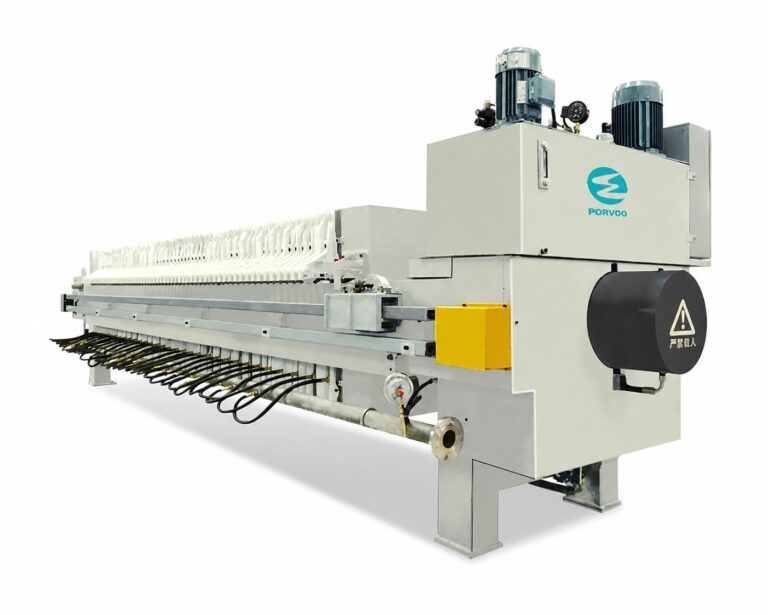
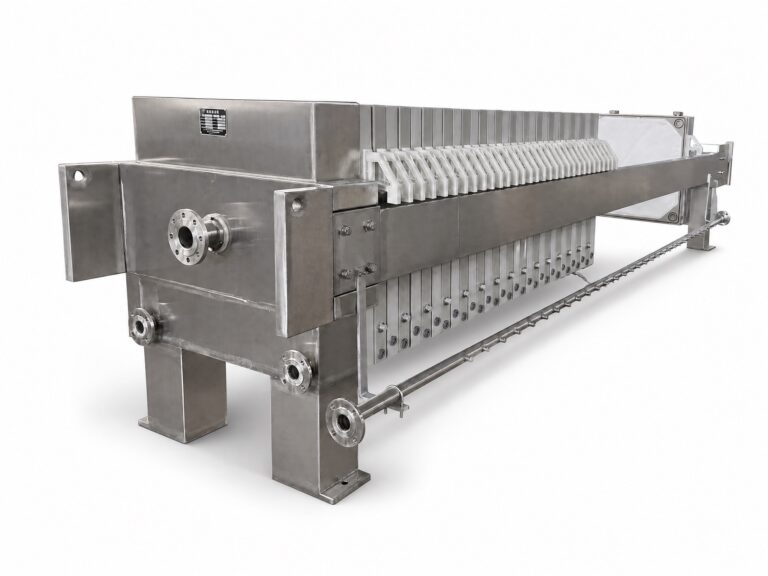
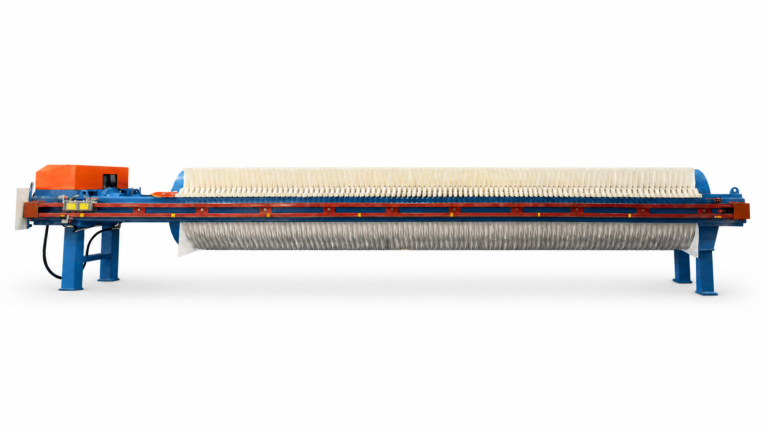
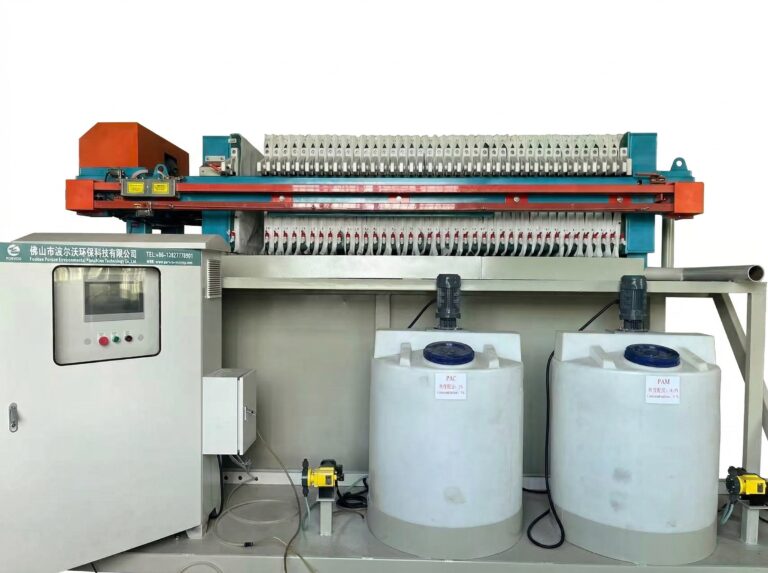
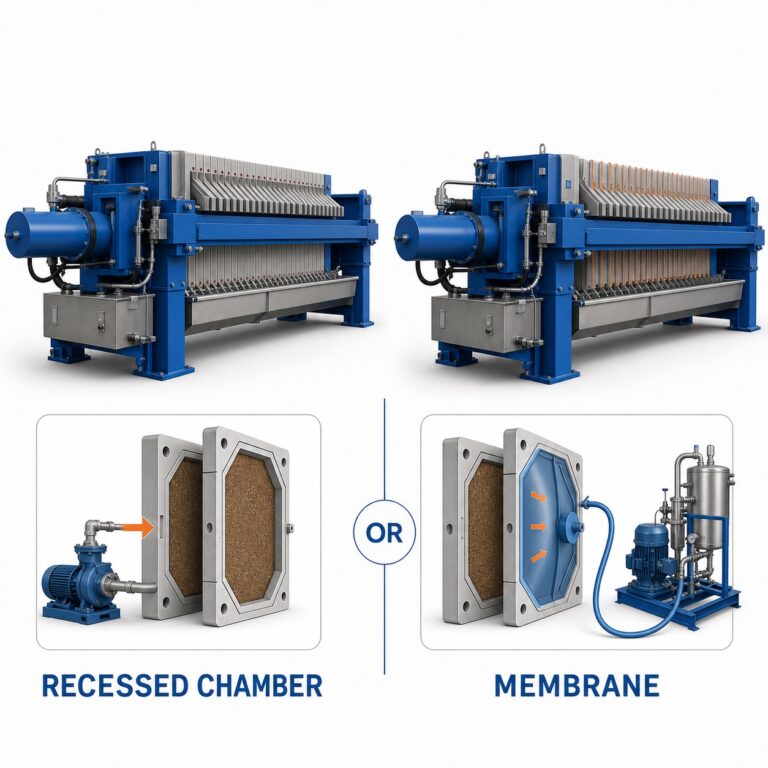
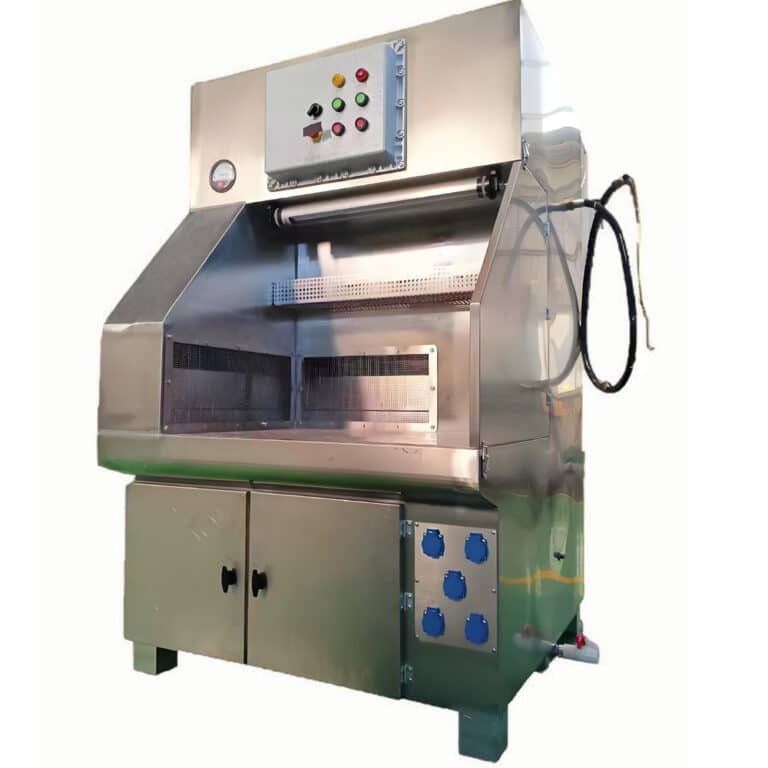
A membrane press can dewater conditioned solids from textile wastewater treatment. Compare its dewatering cycle separately from the upstream steps that remove colour or dissolved constituents.
Which feed is being dewatered?
Identify treatment sludge or residuals, their solids concentration and variation. Sample representative production and cleaning periods before sizing.
What results should be tested?
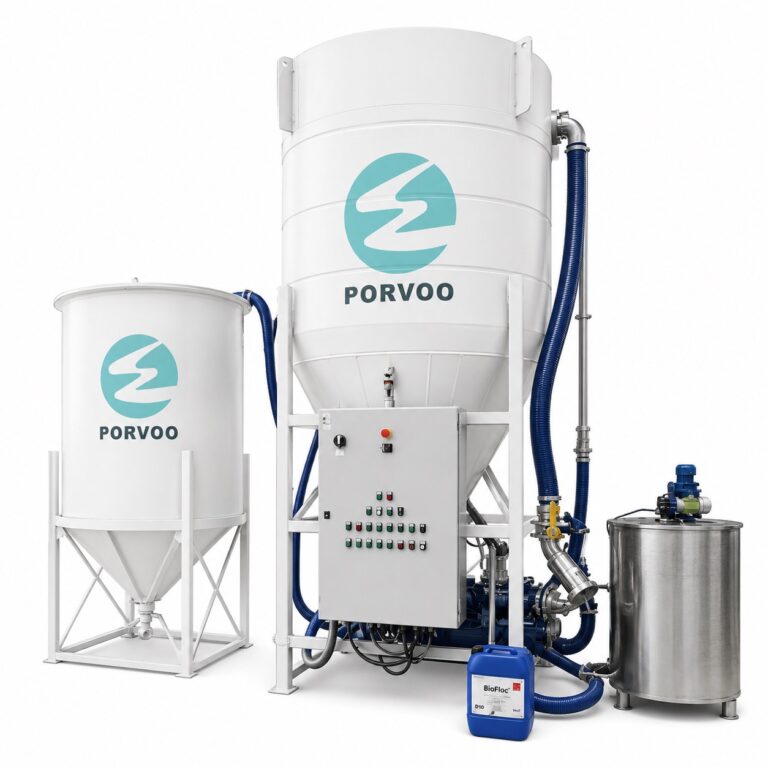
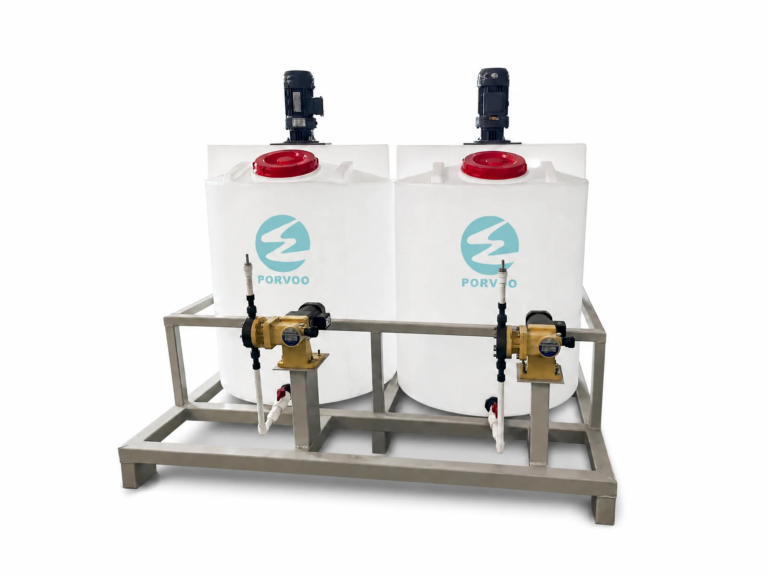
Record accepted dry throughput, cake solids, capture and filtrate quality. Include polymer or other conditioning needed to achieve those outputs.
How should processing time be compared?
Compare the dewatering stage with another dewatering stage on the same feed and accepted outlets. Separately time equalisation, chemical treatment and settling within a full-system comparison.
What site information changes the design?
Provide flow and dry load, chemistry, operating schedule, cake destination and available head or pumping. Confirm utility and service access.
Which environmental results can be measured?
Measure filtrate and cake and determine where each goes. Use actual accepted reuse, electricity, chemicals and disposal rather than assigning a fixed whole-plant reduction to the press.
Which service records should be kept?
Track cloth or membrane condition, pressure, cycle and interruptions against feed. Follow supported maintenance instructions and verify accepted operation after work.
How is the financial result calculated?
Price installed equipment, auxiliaries, conditioning, labour and service. Apply actual handling costs to measured wet cake and credit only usable filtrate.
What should a trial deliver?
Retain feed conditions, full cycle timings, outputs, utilities and unresolved operating limits so the purchase comparison can be repeated.
Recursos relacionados
- PORVOO membrane filter press
- Membrane Filter Press | Ultra Filtech — ultrafiltech.com
- Membrane Filter Press – Vasu Pharmatech — vasupharmatech.com
Membrane filter press — Met-Chem — Manufacturer overview of membrane filter presses and available configurations.