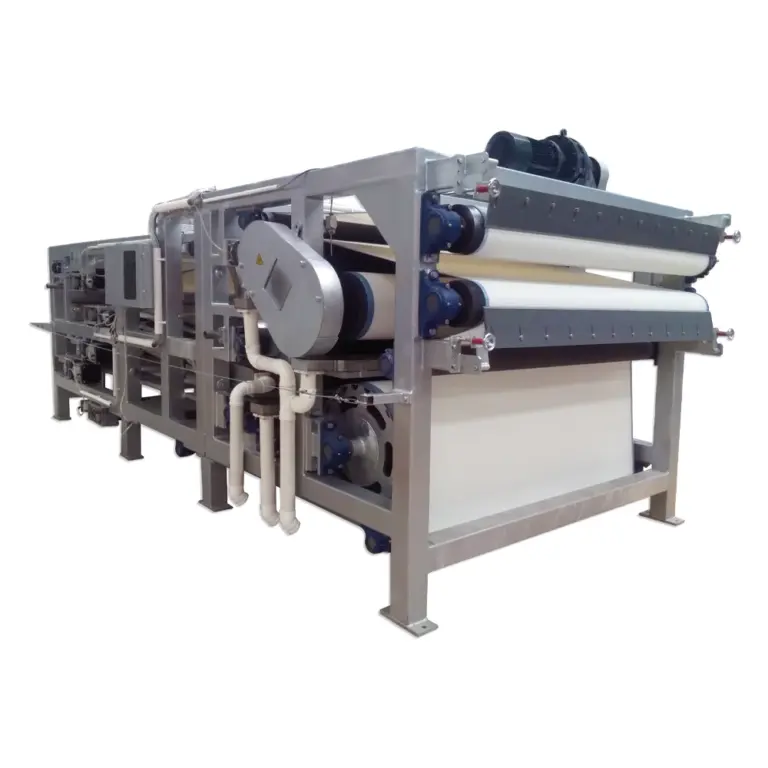
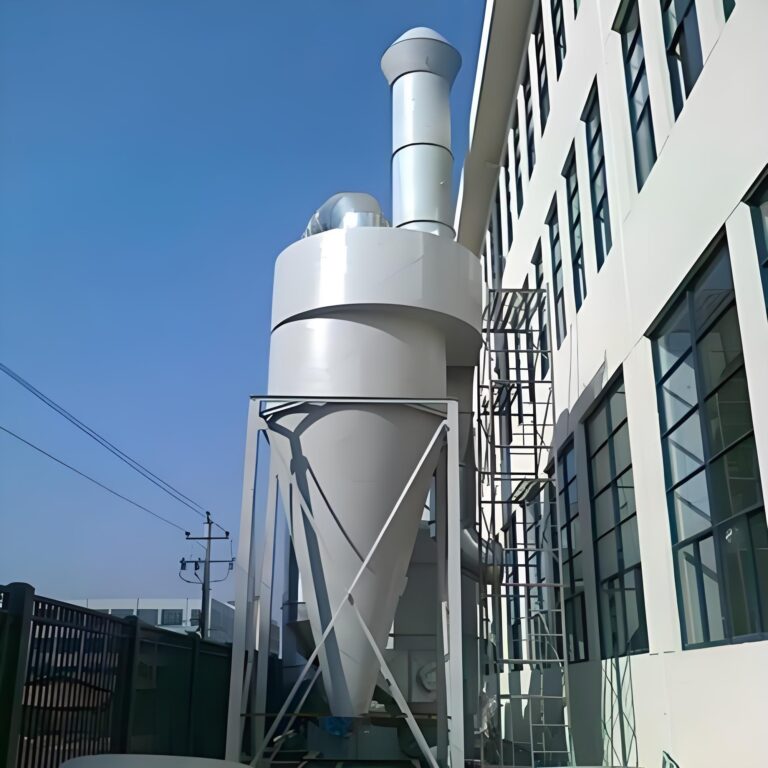
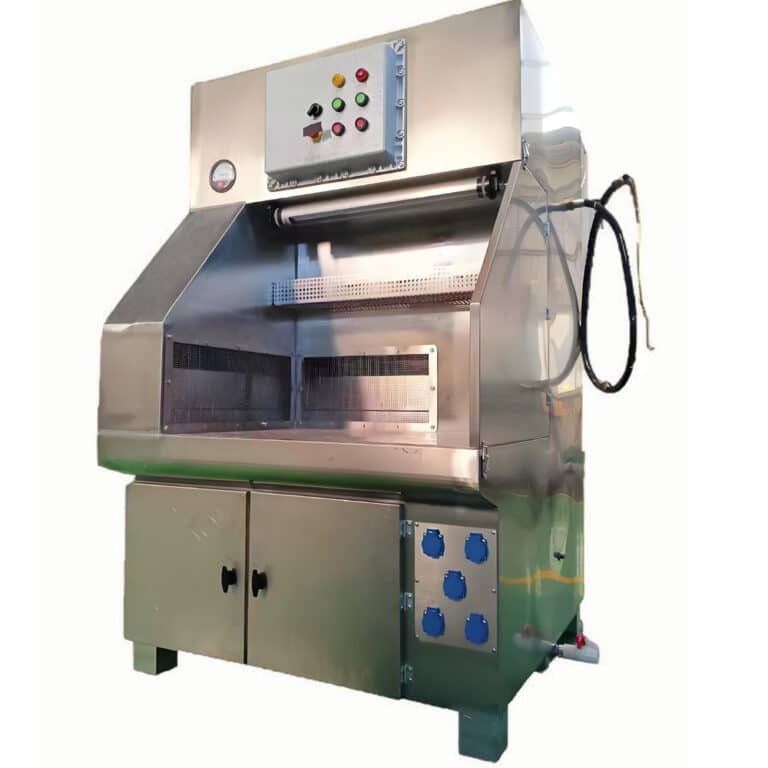
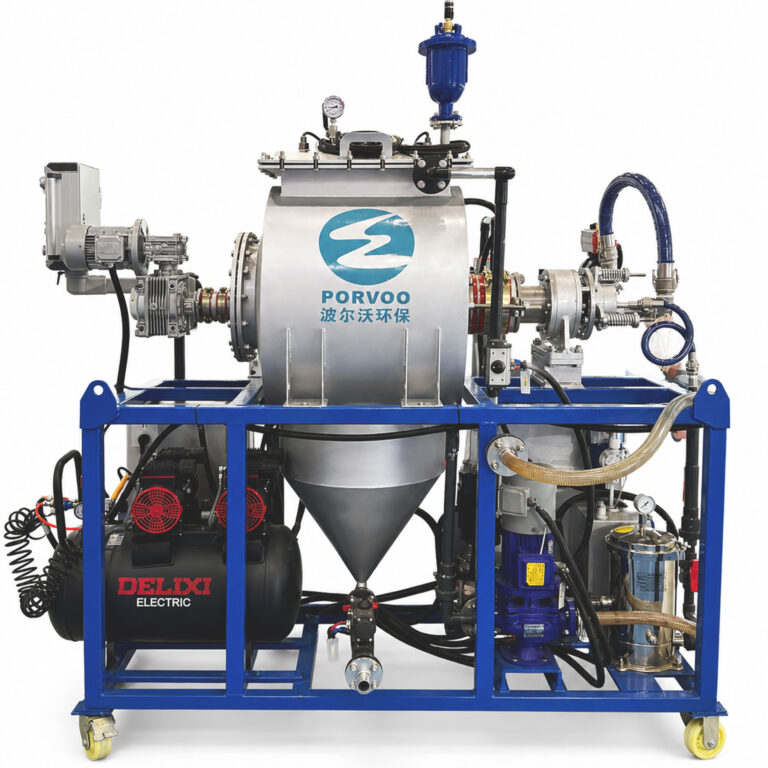
A cake discharge controller changes the release sequence. Its benefit has to be verified on the actual cake and compared with the existing automatic or manual sequence.
Which components are supplied?
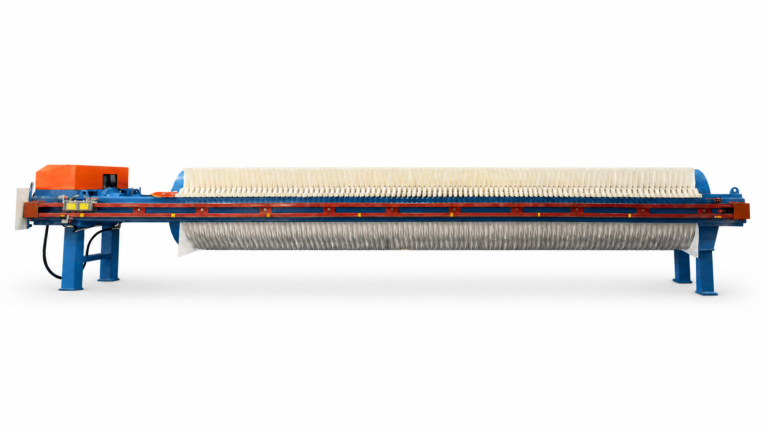
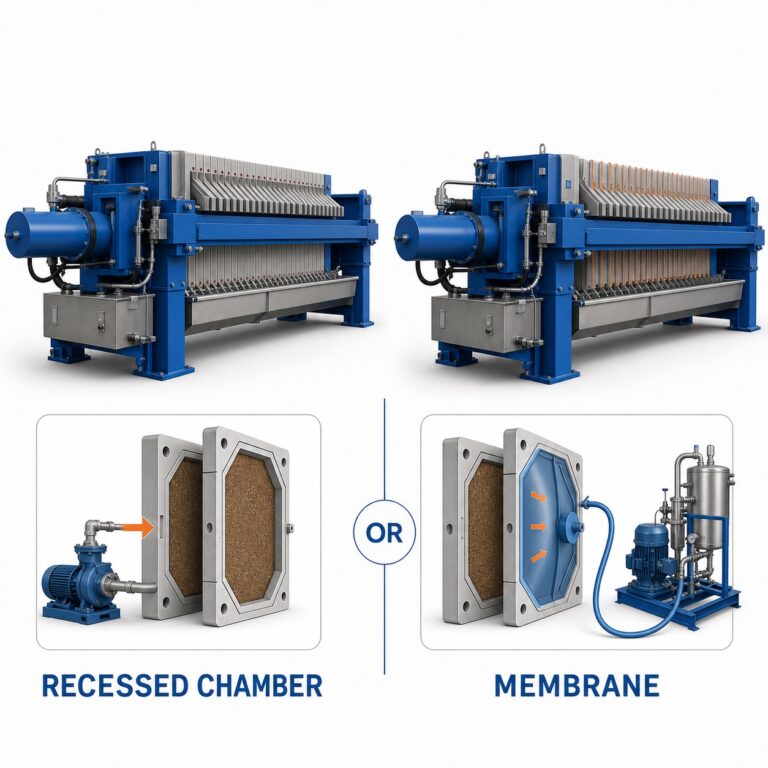
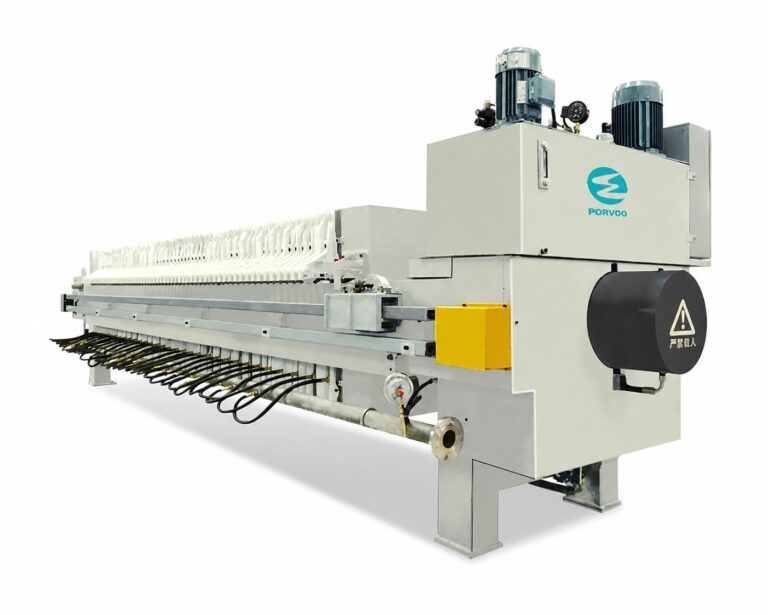
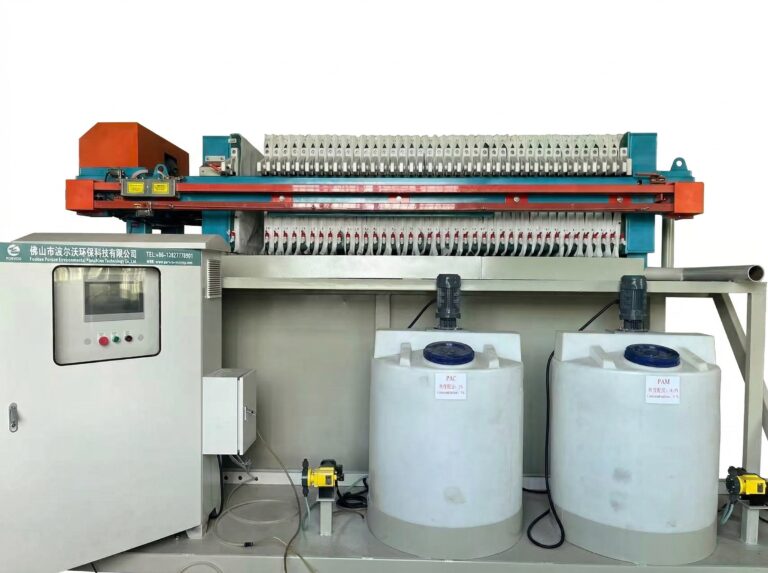
Identify plate movement, cake handling, sensors and controls. Confirm which devices detect incomplete release and which tasks remain manual.
What counts as a quicker discharge?
Time from press opening through cake release, cleanup and readiness for the next feed. Record interventions and cake left on cloths.
What can interrupt release?
Trial the expected range of cake thickness and stickiness and document incomplete release or blocked receiving equipment. Confirm operator recovery under supplied procedures.
How should sensor performance be checked?
Compare readings with observed plate movement and cake release. Record missed events and false alarms before relying on the signal.
How should an algorithm be compared?
Use the same slurry, plate pack and cake target for the proposed and existing sequences. Measure full cycle, residual cake, repeatability and manual recovery, and record the exact programme used.
How should site effects be evaluated?
Use the qualified site review for actual tasks and exposure. Assess collected and spilled material and operator attendance separately from cycle timing.
What should an offered feature demonstrate?
Ask for configuration, supported limits and a test plan at representative duty. Credit only the change observed in accepted production and service.
Recursos relacionados
- PORVOO
- PORVOO membrane filter press
- PORVOO
- Filtro rotativo de pressão (RPF) - BHS-Sonthofen
- Filtros de folha de pressão verticais - AMA Filtration
Membrane squeeze filter presses and plates — M.W. Watermark — Manufacturer explanation of membrane squeezing and filter plates.