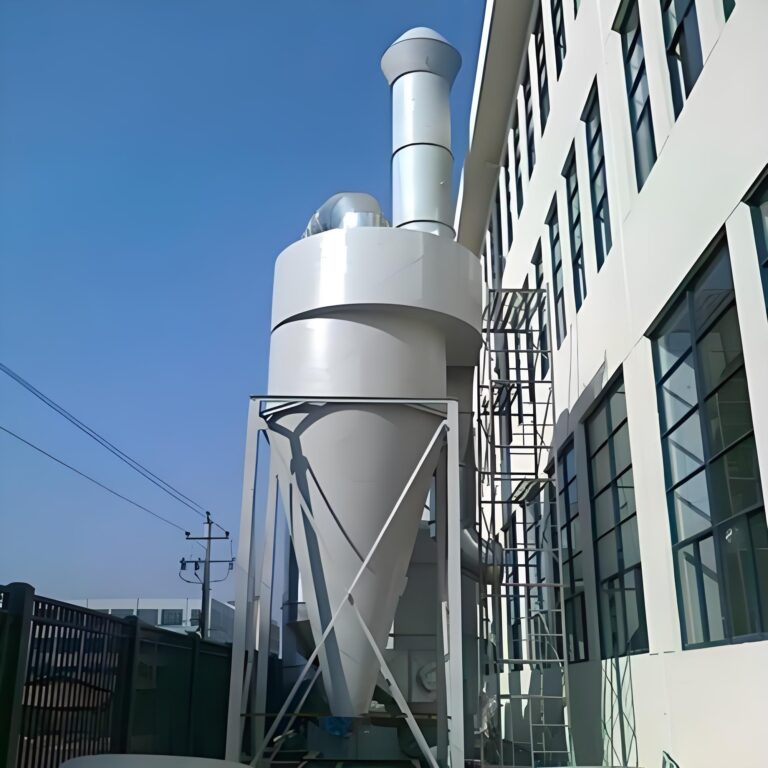
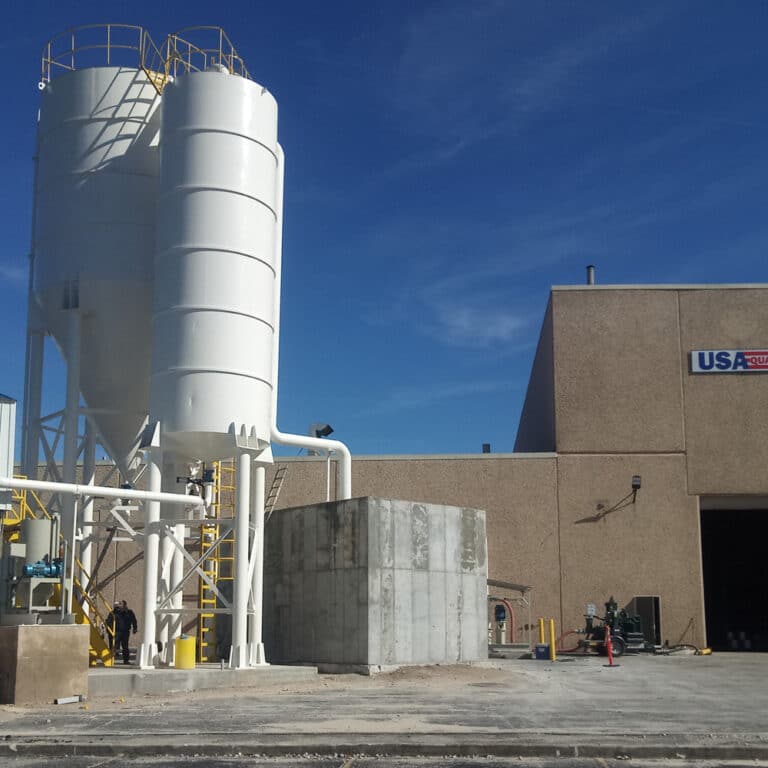
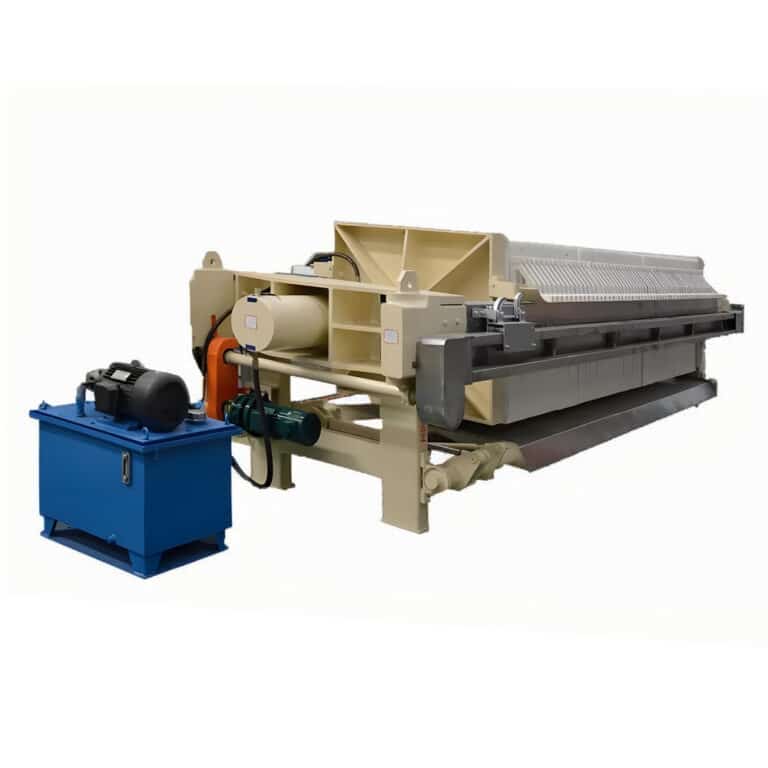
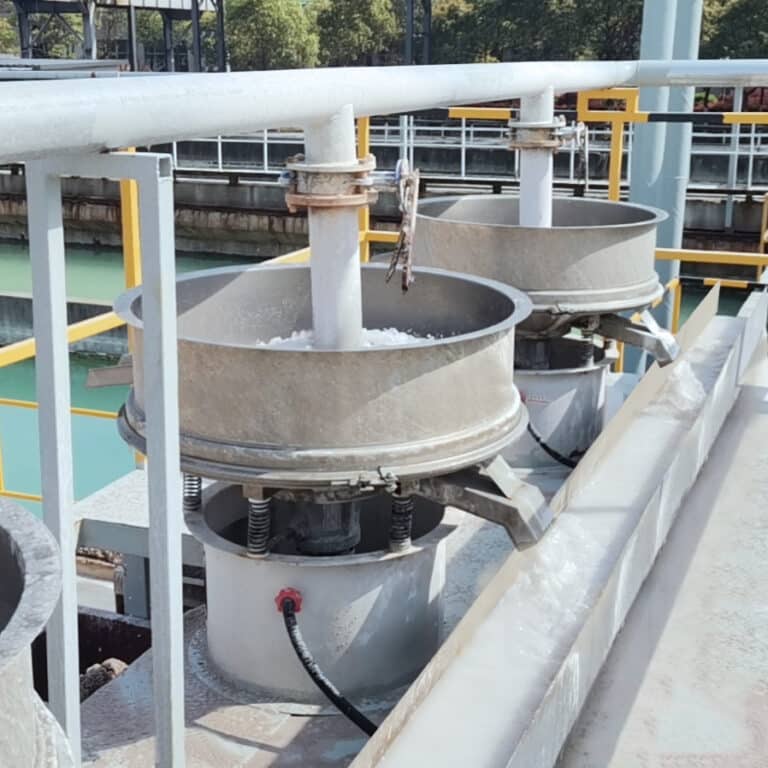
Para engenheiros e gerentes de fábrica, a especificação de um coletor de pó de ciclone industrial geralmente envolve a navegação em um cenário de declarações de eficiência teórica e classificações de componentes estáticos. Isso cria um risco significativo quando o desempenho afeta diretamente a carga do filtro a jusante, os custos de energia e a conformidade com as normas. O principal desafio é passar dos dados de marketing para um desempenho validado e comparável em nível de sistema que reflita a operação no mundo real.
A introdução da Norma ANSI/ASHRAE 199-2016 fornece uma estrutura essencial para essa mudança. Embora formalmente voltada para coletores de filtro com limpeza por pulso, seus princípios estabelecem o modelo definitivo para testes de desempenho dinâmico. Para aplicações de ciclones, a adoção dessa abordagem padronizada agora é essencial para a previsão precisa do custo total de propriedade e a redução do risco de especificação.
Como a ASHRAE 199 se aplica ao teste de desempenho de ciclones
A mudança fundamental do padrão
A norma ANSI/ASHRAE 199-2016 estabelece o primeiro método de teste definitivo para coletores de pó industriais com limpeza por pulso. Sua importância está na mudança das classificações de componentes estáticos para métricas em nível de sistema que refletem as operações reais da fábrica. Para os coletores de pó do tipo ciclone - sejam eles usados como separadores primários ou dentro de sistemas de vários estágios -, isso fornece um modelo para ir além das reivindicações teóricas de eficiência.
Uma estrutura para validação dinâmica
A abordagem de teste estruturado e condicionado da ASHRAE 199 ressalta a necessidade de exigir dados de desempenho validados e comparáveis sob condições controladas e repetíveis. Isso é essencial para os engenheiros quando o desempenho do ciclone afeta o carregamento a jusante ou a conformidade da emissão final. A estrutura da norma eleva as discussões de aquisição de comparações de recursos para referências de desempenho auditadas.
Principais métricas de desempenho definidas pela ASHRAE 199
Os quatro pilares do desempenho do sistema
O padrão quantifica o desempenho por meio de quatro métricas críticas e interconectadas que afetam diretamente o custo total de propriedade. Pressão diferencial indica a energia necessária para o ventilador do sistema; uma queda de pressão mais baixa e estável reduz os custos de potência. Emissões absolutas são cruciais para verificar a conformidade com os regulamentos da EPA e da OSHA relativos a material particulado transportado pelo ar.
De métricas a previsões financeiras
Consumo de ar comprimido indica a eficiência energética do sistema de limpeza de pulsos em coletores relevantes. Por fim, Consumo geral de energia engloba a energia do ventilador, do compressor e do controle. Os sistemas que se destacam pela baixa queda de pressão e pelo uso eficiente do ar demonstram perfis de custo de ciclo de vida superiores. Essas métricas são fundamentais para uma previsão precisa além do custo de capital inicial.
Quantificação dos geradores de custos
A tabela a seguir detalha as principais métricas de desempenho estabelecidas pelo ASHRAE Standard 199, fornecendo a estrutura para uma análise operacional completa.
| Métrica de desempenho | Unidade de medida | Impacto primário |
|---|---|---|
| Pressão diferencial | in. wg (polegadas de calibre de água) | Custo de energia do ventilador |
| Emissões absolutas | mg/m³ (miligramas por metro cúbico) | Conformidade com a EPA/OSHA |
| Consumo de ar comprimido | ft³/1.000 ft³ de ar | Custo de energia da limpeza por pulso |
| Consumo geral de energia | kWh (quilowatts-hora) | Custo total do ciclo de vida |
Fonte: Norma ANSI/ASHRAE 199-2016. Esta norma define o método de teste principal para medir essas quatro métricas críticas e interconectadas para coletores de pó industriais, estabelecendo a estrutura para avaliar o custo total de propriedade.
A metodologia de teste de múltiplos estágios da ASHRAE 199
Simulação de operação no mundo real
O procedimento é uma simulação rigorosa, em seis estágios, da operação no mundo real usando uma poeira de teste padronizada. Os estágios 1 a 3 envolvem a carga inicial e condicionada de poeira, com e sem limpeza por pulso, para estabelecer uma torta de poeira representativa nos filtros. Essa fase de condicionamento é fundamental, pois o desempenho se estabiliza somente após a formação de uma torta de poeira, uma realidade que muitas vezes não aparece nas declarações básicas de eficiência.
Medição de condições de estado estável e de perturbação
A principal medição de desempenho ocorre em Estágio 4, em que o sistema opera sob limpeza sob demanda por 20 horas, com os principais dados relatados nas últimas quatro horas de operação em estado estável. Um diferencial importante é a inclusão de Etapas 5 e 6, que simulam e medem a recuperação de uma “condição de perturbação”, como o rompimento de uma bolsa. Isso testa a robustez de um coletor e sua capacidade de retornar à operação estável.
A estrutura do protocolo de teste
A abordagem de vários estágios exigida pela norma fornece dados essenciais para o planejamento da confiabilidade e da segurança do sistema, a fim de minimizar o tempo de inatividade durante avarias reais.
| Estágio de teste | Objetivo principal | Chave Duração / Condição |
|---|---|---|
| Estágios 1-3 | Carga de poeira inicial e condicionada | Estabelecer um bolo de poeira representativo |
| Estágio 4 | Medição primária de desempenho | 20 horas; últimas 4 horas em estado estável |
| Estágios 5-6 | Simular a recuperação da condição de perturbação | Testa a robustez após a falha |
Observação: Os estágios 5 e 6 testam a recuperação de um evento como um rompimento de bolsa.
Fonte: Norma ANSI/ASHRAE 199-2016. A norma exige esse procedimento de seis estágios para simular a operação no mundo real, incluindo fases críticas de recuperação, fornecendo dados essenciais para a confiabilidade do sistema e o planejamento de segurança.
Por que o padrão 199 substitui as classificações de mídia de filtro estático
O erro de aplicação do MERV
A norma ASHRAE 199 foi criada precisamente porque classificações como MERV (Minimum Efficiency Reporting Value) são fundamentalmente mal aplicadas a coletores industriais dinâmicos. O MERV mede a eficiência inicial do filtro em um ambiente de laboratório estático e controlado para aplicações de HVAC. Ele não leva em conta o desempenho de um sistema de coletor completo submetido a carga contínua e limpeza cíclica. Essa desconexão entre a classificação do componente e o desempenho do sistema é a principal fonte de erro de especificação.
Preenchendo a lacuna de desempenho
O Padrão 199 preenche essa lacuna ao avaliar o desempenho sustentado em condições realistas. Consequentemente, as especificações de aquisição e engenharia devem mudar de classificações de mídia de filtro para dados de desempenho de todo o sistema verificados por esse teste dinâmico. Em nossa análise de falhas de projeto, os problemas operacionais crônicos geralmente são atribuídos a especificações baseadas em classificações estáticas que ignoram o comportamento dinâmico do sistema.
Principais considerações sobre a adaptação de testes específicos para ciclones
Adaptação do foco da medição
A aplicação direta do Padrão 199 aos ciclones requer adaptações lógicas com foco em seus princípios operacionais exclusivos. Os testes de desempenho enfatizariam Pressão diferencial, medindo a queda de pressão permanente inerente à geração de vórtices. Ele também se concentraria em Eficiência de coleta de partículas em vários tamanhos de partículas para caracterizar a curva de eficiência fracionária, em vez de apenas a massa total.
O papel fundamental do design
Além disso, a verificação de um desempenho estável em uma variedade de modelos de Fluxo de ar é essencial. A implicação estratégica é que o projeto da entrada, muitas vezes negligenciado, torna-se um diferencial crítico. Uma entrada com defletor na parte superior que cria um padrão de ar descendente permite a separação assistida por gravidade, reduzindo a reentrada e promovendo a estabilidade.
Estrutura de avaliação específica para ciclones
A adaptação dos princípios de teste requer um foco em áreas exclusivamente relevantes para o desempenho e a longevidade do separador de ciclones.
| Área de foco | Medição-chave | Implicações específicas de ciclones |
|---|---|---|
| Pressão diferencial | Queda de pressão permanente | Custo de energia da geração de vórtices |
| Eficiência na coleta | Eficiência fracionária de PM10, PM2.5 | Caracteriza a separação do tamanho das partículas |
| Estabilidade operacional | Desempenho em toda a faixa de fluxo de ar | Verifica a robustez do projeto |
| Projeto da entrada | Padrão de entrada defletor do lado alto | Reduz a reentrada, ajuda na estabilidade |
Fonte: Documentação técnica e especificações do setor.
Interpretação dos resultados dos testes: Emissões, queda de pressão e energia
Entendendo a interação de métricas
A interpretação dos dados da ASHRAE 199 requer a compreensão da interação entre as métricas. Uma métrica baixa e estável Pressão diferencial significa um projeto de fluxo de ar eficiente e uma limpeza eficaz, reduzindo diretamente os custos de energia do ventilador. Emissões absolutas Os dados devem ser examinados quanto à consistência durante todo o teste, especialmente durante os pulsos de limpeza e as fases de recuperação, para garantir a conformidade regulatória contínua.
O quadro da eficiência holística
Consumo de ar comprimido destaca a eficiência do sistema de limpeza; as tecnologias que conseguem a liberação completa da torta de pó com menos ar reduzem uma despesa operacional significativa. Juntas, essas métricas formam um quadro holístico da eficiência e do custo operacional. Isso transforma o Padrão 199 de um mero procedimento em uma ferramenta de verificação de mercado.
Benchmarking do desempenho operacional
A interpretação dessas métricas padronizadas cria uma nova referência em que as batalhas competitivas mudam de alegações de recursos para dados de desempenho auditados.
| Métrico | Resultado ideal | Impacto operacional direto |
|---|---|---|
| Pressão diferencial | Baixa e estável | Menor custo de energia do ventilador |
| Emissões absolutas | Consistente, especialmente durante a limpeza | Conformidade regulatória contínua |
| Consumo de ar comprimido | Mínimo para liberação do bolo | Redução das despesas operacionais |
Fonte: Norma ANSI/ASHRAE 199-2016. O padrão fornece o procedimento para medir essas métricas, permitindo sua interpretação como uma imagem holística da eficiência operacional e transformando o teste em uma ferramenta de verificação de mercado.
Benefícios dos testes padronizados para especificadores de sistemas
Comparação de objetivos e redução de riscos
Para os especificadores, o Padrão 199 oferece objetividade e redução de riscos. Ela permite a comparação direta e homogênea de diferentes projetos de coletores com base em dados operacionais validados, e não em declarações do fabricante. Esse teste rigoroso e comparativo inevitavelmente exporá projetos de “tamanho único” de baixo desempenho, favorecendo os fabricantes focados em engenharia.
Elevando o processo de especificação
Essa mudança no mercado implica que os usuários finais devem favorecer os fornecedores com credenciais de engenharia e testes profundos, à medida que o setor se move em direção a soluções validadas por desempenho e específicas para aplicativos. Além disso, a complexidade dos dados aumenta a importância da consultoria do fornecedor. A análise de aplicativos de front-end torna-se uma parte essencial do processo de aquisição para garantir que o desempenho prometido possa ser alcançado em sua aplicação específica de alta eficiência. coletor de pó de ciclone industrial.
Implementação dos princípios da ASHRAE 199 para validação de ciclones
Exigência de dados validados
Implementar esses princípios significa exigir dados validados por testes para o desempenho do ciclone, especialmente para eficiência fracionária e queda de pressão em todas as faixas operacionais. Esses dados permitem que os especificadores negociem a partir de uma posição de conhecimento, potencialmente alavancando solicitações de garantias de desempenho. A oferta de uma garantia de vida útil ou de desempenho do filtro, respaldada por dados do tipo Padrão 199, sinaliza um futuro em que essas garantias se tornarão uma pedra angular comercial.
Preparação estratégica para a regulamentação
A adoção proativa de equipamentos testados de acordo com esse padrão também é uma proteção estratégica contra futuras mudanças regulatórias. Agências como a OSHA e a EPA podem incorporar gradualmente seus protocolos, fazendo referência a padrões como ISO 16890-4:2023 para princípios de medição de partículas. Essa previsão simplifica as futuras demonstrações de conformidade e evita adaptações dispendiosas.
Priorize dados de desempenho validados em vez de classificações de componentes para todas as especificações de ciclones. Concentre as discussões de aquisição nas quatro principais métricas da ASHRAE 199 - queda de pressão, emissões, consumo de ar e uso de energia - para criar um modelo preciso de custo total de propriedade. Por fim, selecione parceiros que possam fornecer engenharia específica para a aplicação e garantias de desempenho respaldadas por testes, transferindo o risco de forma adequada.
Precisa de orientação profissional para implementar os princípios da ASHRAE 199 em seu sistema de coleta de pó? A equipe de engenharia da PORVOO é especializada em soluções de ciclones com desempenho validado e análise de aplicações para garantir que seu sistema atenda às metas operacionais e de conformidade.
Perguntas frequentes
P: Qual é a diferença entre a Norma ASHRAE 199 e o uso de uma classificação MERV para a seleção de ciclones industriais?
R: As classificações MERV medem a mídia de filtro estático em um ambiente de HVAC limpo e de laboratório, o que não capta o desempenho dinâmico de um sistema de coleta de poeira completo e em operação. Norma ANSI/ASHRAE 199-2016 avalia o coletor inteiro sob carga realista e condicionada e limpeza cíclica para fornecer dados validados em nível de sistema. Isso significa que os especificadores devem mudar os critérios de aquisição das classificações dos componentes para o desempenho verificado de todo o sistema para evitar falhas operacionais crônicas e permitir comparações precisas.
P: Quais são as principais métricas de desempenho que devemos exigir de um fornecedor de ciclones, com base nos princípios da ASHRAE 199?
R: Dados de demanda sobre pressão diferencial (pol. wg) para custos de energia do ventilador, emissões absolutas (mg/m³) para conformidade regulatória e eficiência de coleta fracionada em tamanhos de partículas como PM10 e PM2.5. Os testes também devem verificar o desempenho estável em toda a faixa de fluxo de ar projetada. Para projetos em que o custo operacional de longo prazo é fundamental, priorize os fornecedores que fornecem esses dados validados por testes, pois eles revelam o verdadeiro custo do ciclo de vida além da despesa de capital inicial.
P: Por que o teste ASHRAE 199 inclui um estágio de “condição de perturbação” e por que isso é importante para a confiabilidade do ciclone?
R: Os Estágios 5 e 6 da norma simulam um evento de falha, como o rompimento de uma bolsa, para testar a capacidade do sistema de se recuperar e retornar à operação estável e de baixa emissão. Isso fornece dados essenciais sobre a robustez e o risco de tempo de inatividade após falhas no mundo real. Se a sua operação exige alto tempo de atividade e segurança, esses dados de recuperação são cruciais para o planejamento de protocolos de manutenção e para a seleção de um sistema que minimize a interrupção de perturbações no processo.
P: Como devemos adaptar o teste de desempenho para validação específica do ciclone, já que a ASHRAE 199 visa formalmente os filtros?
R: Concentre as adaptações em métricas centradas no ciclone: a queda de pressão permanente da geração de vórtice e as curvas de eficiência fracionária em vez de apenas a captura de massa total. O projeto da entrada se torna uma variável de teste crítica, pois uma entrada com defletor no lado alto pode promover a estabilidade e reduzir a reentrada. Isso significa que as instalações que avaliam ciclones para separação primária devem exigir relatórios de testes específicos da aplicação que destaquem essas vantagens do projeto de engenharia em relação a alegações genéricas.
P: Qual é o benefício estratégico de usar testes padronizados como o ASHRAE 199 durante a seleção de fornecedores?
R: Ele permite a comparação direta e objetiva de diferentes projetos de coletores usando dados operacionais validados, mudando a base da concorrência de declarações de marketing para métricas auditadas. Essa abordagem rigorosa favorece os fabricantes focados em engenharia e expõe os projetos genéricos e de baixo desempenho. Para os especificadores de sistemas, isso eleva a importância da consultoria do fornecedor e da análise da aplicação de front-end para garantir que o desempenho prometido possa ser alcançado nas condições específicas de sua fábrica.
P: Como a implementação dos princípios da ASHRAE 199 pode preparar o nosso sistema de coleta de pó para o futuro?
R: A adoção proativa de equipamentos testados de acordo com a estrutura dessa norma é uma proteção estratégica contra a evolução das regulamentações. Agências como a OSHA podem incorporar seus protocolos, simplificando futuras demonstrações de conformidade. Além disso, os fornecedores que oferecem garantias de desempenho respaldadas por esse tipo de dados estão transferindo o risco do comprador para o fabricante. Isso significa que você deve negociar a partir de uma posição de conhecimento, usando dados de teste para buscar garantias que se tornem uma pedra angular comercial para a confiabilidade de longo prazo.