폐수 특성 분석을 완료하기 전에 도징 스키드를 시운전하는 플랜트는 일반적으로 응고제 수요가 펌프 용량과 일치하지 않거나, 정화기가 과부하 상태이거나, 슬러지 인출이 침전물 발생량을 따라가지 못하는 등 시작 시 불일치 문제를 발견하게 됩니다. 장비가 제자리에 고정된 후 이러한 시퀀싱 오류를 해결하려면 제어 아키텍처를 개조하거나 영구적인 수동 수정을 운영 비용으로 받아들여야 합니다. 이를 방지하는 결정은 간단하지만 종종 미루는 경우가 많습니다. 주입 설계, 청징기 크기 조정 및 슬러지 처리를 세 번의 순차적 구매가 아닌 하나의 통합된 문제로 취급하는 것입니다. 이 글이 끝날 때까지 프로세스 또는 프로젝트 엔지니어는 조달이 이루어지기 전에 이러한 시스템을 하나로 묶는 5가지 기술적 체크포인트를 순서대로 정리할 수 있어야 합니다.
투약과 설명이 하나의 프로세스로 설계되어야 하는 이유
투여량과 정화량은 독립적으로 지정할 때 분해되는 부하 관계를 공유합니다. 응고제 용량은 플록 형성 속도와 입자 밀도를 결정합니다. 입자 밀도는 정화기가 처리해야 하는 침전 가능한 고형물을 결정합니다. 침전 가능한 고형물은 슬러지 축적 속도를 결정하고, 더 나아가 슬러지 처리 시스템에 필요한 인출 빈도 및 용량을 결정합니다. 이 세 가지 매개변수가 서로 다른 가정에 따라 크기가 조정되면(도징 스키드를 먼저 조달할 때 정확히 어떤 일이 발생하는지) 시스템이 정상 상태에 도달할 수 없게 됩니다.
피드백 제어가 없는 수동 또는 반자동 주입은 작업자가 불확실성을 보완하기 위해 과량 주입할 경우 화학 폐기물을 생성하는 경향이 있고, 생산량이 변동하는 동안 과소 주입할 경우 폐수 품질이 일관되지 않습니다. 주입 단계의 유입수가 생산으로 돌아가는 공정수인 재사용 루프에서는 두 가지 결과 모두 허용되지 않습니다. 그 결과는 규정 준수 노출뿐 아니라 제품 품질 위험과 처리된 입방미터당 화학 물질 비용 증가로 이어집니다.
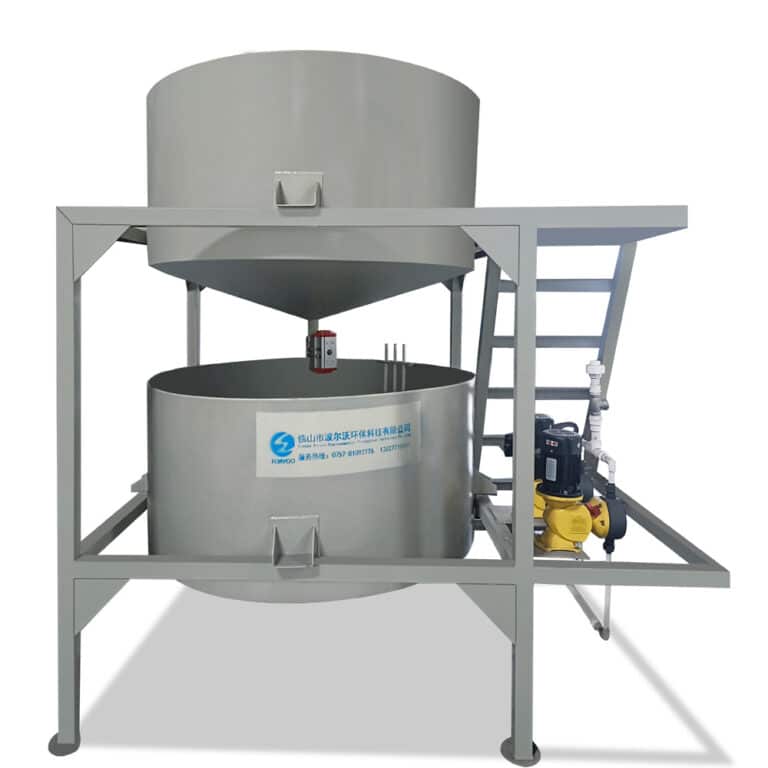
설계 팀의 실질적인 프레임워크는 동일한 기준 폐수 데이터에서 투여 범위, 정화기 표면 로딩 속도 및 슬러지 인출 일정을 도출해야 한다는 것입니다. 이 기준선은 세 가지 하위 시스템 중 하나를 지정하기 전에 동결해야 하며, 나중에 변경하려면 적어도 하나 이상의 크기를 조정해야 하기 때문입니다. 다양한 자동화 아키텍처에서 PAM 및 PAC 투약 화학이 어떻게 작동하는지에 대해 자세히 알아보려면 화학 물질 주입 시스템 | PAM PAC 자동화 가이드 는 이러한 상호작용을 실용적인 측면에서 다룹니다.
장비 선택 전에 동결해야 하는 폐수 데이터는 무엇입니까?
폐수 흐름을 정의하는 것은 예비 단계가 아니라 다운스트림의 모든 장비 결정을 제한하는 제약 조건입니다. 특히 주입 펌프의 유량 및 압력 요구 사항과 주입 화학 물질 자체의 부식성 등 두 가지 매개 변수가 엄격한 제한 요소로 작용합니다.
유량과 압력은 단순한 유압 사양이 아닙니다. 이는 특정 펌프가 최대 유량 이벤트와 생산량이 적은 기간을 포함한 전체 공정 조건에서 정확하고 안정적인 도징을 제공할 수 있는지 여부를 정의합니다. 평균 유량에 맞게 크기가 조정된 펌프는 피크 수요에서 성능이 저하되고, 피크에 맞게 크기가 조정된 펌프는 최소 유량에서 정확하게 도징하는 데 필요한 턴다운 비율을 달성하지 못할 수 있습니다. 이러한 문제가 발생하면 즉시 실패하는 것이 아니라 특히 교대 근무 변경 또는 생산 속도 조정 중에 용량 드리프트로 나타납니다.
화학적 부식성은 펌프 헤드와 배관 재료를 선택하기 전에 반드시 고려해야 하는 두 번째 제약 조건입니다. 염화철, 황산알루미늄 및 폴리머 용액은 스테인리스강, PVC 및 PVDF 습식 표면에 대해 매우 다르게 작동합니다. 펌프 모델을 이미 선택한 후에 다운스트림 세부 사항으로 재료를 지정하면 화학적 호환성 테스트에서 호환되지 않는 것으로 드러나면 펌프 헤드 또는 주입 지점을 다시 조달해야 하는 경우가 많습니다. 재료 선택 외에도 이 단계에서 팀은 부유 고형물 농도 범위, pH 범위 및 변동성, 주입 지점의 온도, 플록 형성을 방해하는 오일 또는 계면활성제의 존재 여부 등을 확인해야 합니다. 이러한 변수는 병 테스트 프로토콜을 제한하고 대표성이 없는 샘플에 대해 테스트가 실행되는 것을 방지합니다.
병 테스트를 통해 용량 범위를 정의하고 기대치를 정립하는 방법
용기 테스트는 폐수 특성화 데이터를 작동 용량 범위로 변환하는 분석 단계입니다. 이 단계가 없으면 응고제 유형과 용량을 추측할 수밖에 없으며, 펌프 사이징에 내장된 추측으로 인해 정화기 부하 및 슬러지 부피 예측에 오류가 발생하게 됩니다.
효과적인 용기 테스트의 기본은 오염 물질 식별입니다. 예를 들어, 인산염 농도가 높은 하천에는 콜로이드 탁도에만 사용되는 것과는 상당히 다른 용량의 철 기반 응고제가 필요한 경우가 많습니다. 테스트 전에 주요 오염물질 유형을 파악하면 시험할 가치가 있는 응고제 제품군을 결정하고 낭비되는 테스트 실행을 방지할 수 있습니다. ISO 11923:1997은 용기 테스트를 시작하기 전에 기준선 특성화를 지원하는 부유 고형물 측정 프레임워크를 제공하며, ISO 7027-1:2016은 탁도 측정에 대한 동등한 지원을 제공하며, 둘 다 용기 테스트가 나타내야 하는 유입수 기준선을 설정하는 데 유용합니다.
병 테스트에서 실제로 출력되는 것은 단일 설정점이 아니라 용량 범위입니다. 상한은 최악의 유입수 조건에서 최대 응고제 수요를 정의하고, 하한은 최상의 유입수 품질에서 최소 유효 용량을 정의합니다. 이 범위는 펌프 턴다운 비율 및 탱크 크기 조정에 대한 설계 입력입니다. 또한 응집제가 폐수에서 생성하는 특정 플록에 대한 첫 번째 침강 속도 데이터를 생성하며, 이는 정화기 표면 부하 계산에 직접 입력됩니다. 정상 생산 중이 아닌 생산 전환 중에 그랩 샘플에 대해 실행되는 용기 테스트는 상한 용량을 과소 평가하게 되며, 해당 기간 동안 실제로 받는 고형물 부하에 비해 청징기의 크기가 과소 평가됩니다.
정화제 적재와 슬러지 인출이 충돌하기 시작하는 경우
정화기의 역할은 투약으로 인해 생성되는 침전성 고형물을 취하여 폐수에서 깨끗하게 분리하는 것입니다. 투약으로 생성되는 플록은 유입수 농도, 응고제 용량 및 pH에 따라 달라지는 고정된 양이 아니며, 정화기의 수압 유지 시간과 표면 로딩 속도가 설계 시 고정되어 있기 때문에 이러한 충돌이 발생합니다.
생산량이 변동하거나 유입수 품질이 바뀌는 동안 주입 속도가 증가하면 정화기에 고형물 부하가 증가합니다. 인출 속도를 그에 맞게 조정하지 않으면 슬러지 블랭킷 깊이가 증가합니다. 슬러지 블랭킷이 상승하면 정화 구역이 압축되고 수력 유지 시간이 효과적으로 줄어들며, 결국 플랜트에서 유출수 품질을 유지해야 할 가장 중요한 순간에 위어를 넘어 유출수로 고형물을 운반하게 됩니다. 슬러지 블랭킷을 통해 물리적으로 결합되어 있지만, 운영적으로는 독립적으로 제어되는 경우가 많기 때문에 기계적으로 로딩과 인출이 긴장을 유발합니다.
설계의 실질적인 결과는 슬러지 배출 용량을 평균이 아닌 투여 범위의 상단을 기준으로 지정해야 한다는 것입니다. 평균 슬러지 발생량을 기준으로 설계하면 대부분의 경우 적절하게 작동하지만 공정 편차가 가장 클 때는 정확하게 실패하는 시스템이 만들어집니다. 인출 타이밍(타이머 제어, 레벨 제어, 밀도 제어 등)은 용량이 변경될 때 작업자가 충분히 빠르게 대응할 수 있는지 여부에도 영향을 미칩니다. 타이머 제어 인출은 가장 비용이 적게 드는 옵션이지만 슬러지 발생이 일정하다고 가정하기 때문에 드리프트에 가장 취약하며, 생산 일정이 가변적인 공장에서는 거의 발생하지 않습니다. 이 문제를 직접적으로 해결하는 설계 고려 사항, 침전조 설계: 중요 고려 사항 에서는 로딩 속도와 인출 전략 간의 상호 작용에 대해 자세히 설명합니다.
재활용수 목표에 따라 투여량 및 탱크 선택이 달라지는 방법
재활용수 목표는 전체 시스템을 강화합니다. 배출 허가를 통과한 부유 물질이 재순환 냉각 루프를 오염시키거나 열교환기에 오염을 일으키거나 세척 단계의 제품 품질에 영향을 미치는 등 폐수를 처리하여 배수하는 플랜트는 공정 라인으로 물을 돌려보내는 플랜트에서는 허용되지 않는 폐수 변동성을 허용합니다. 배출에서 재사용으로의 임계값 전환은 폐수 탁도 및 부유 고형물에 대한 허용 가능한 분산 대역을 변경하며, 더 엄격한 대역이 제어 아키텍처 결정을 주도합니다.
지속적이고 고정밀 재사용 애플리케이션의 경우 폐쇄 루프 피드백 및 PLC 제어 기능을 갖춘 완전 자동 시스템이 적합한 사양입니다. 일반적으로 정수기 유출수의 인라인 탁도 또는 부유 물질 센서에서 가져오는 폐쇄 루프 피드백을 사용하면 운영자가 드리프트를 감지하고 펌프 설정을 수동으로 변경할 때까지 기다리지 않고 유입수 품질 변화에 따라 도징 펌프가 실시간으로 조정할 수 있습니다. 물 재사용에 대한 EPA 가이드라인은 이 사양을 주도하는 폐수 품질 기대치에 대한 유용한 참조 프레임을 제공하지만, 구체적인 제어 아키텍처 결정은 플랜트의 분산 프로필과 재사용 스트림 민감도를 기반으로 한 엔지니어링 판단으로 남아 있습니다.
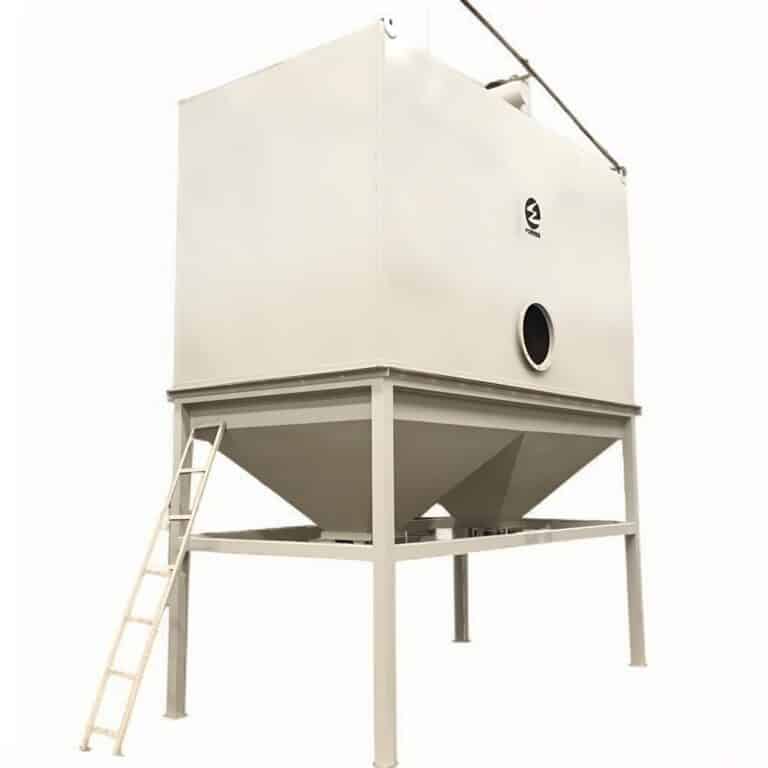
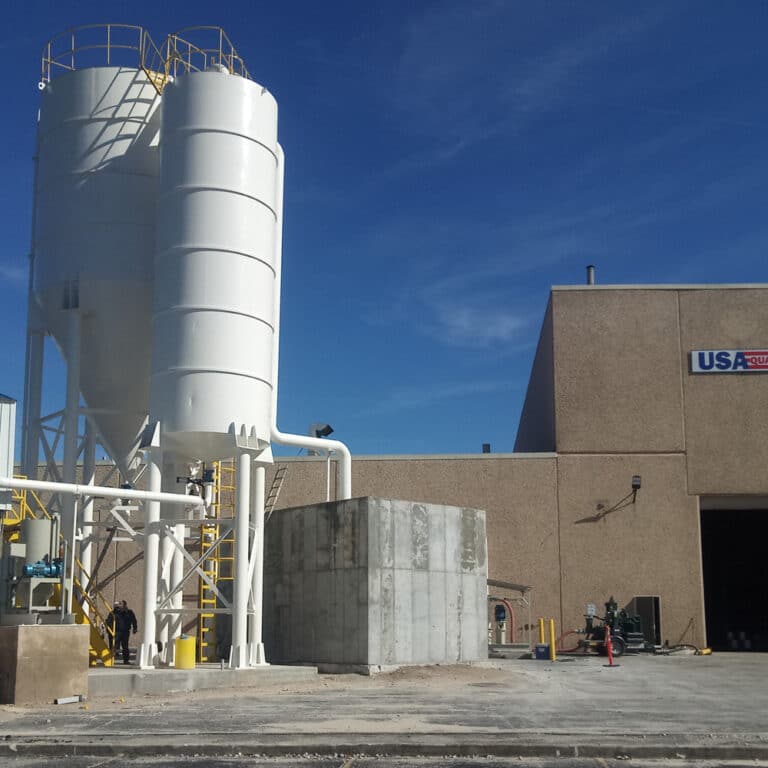
탱크 선택도 영향을 받습니다. 타워 구조가 슬러지 블랭킷을 더 효율적으로 집중시키고 동일한 설치 공간에서 더 미세한 고형물 분리를 달성할 수 있기 때문에 재활용 품질 목표가 높을수록 기존의 평바닥 정화기보다 수직 침전탑을 사용하는 것이 정당화되는 경우가 많습니다. 그리고 폐수 재활용을 위한 수직 침전탑 는 안정적인 재사용을 목표로 구축하는 플랜트를 위해 이 구성을 직접 다룹니다. 중요한 계획 체크포인트는 탱크 형상을 선택하기 전이 아니라 선택 후에 재활용 수질 사양을 정의하는 것입니다. 왜냐하면 일단 평바닥 정화기가 설치되면 민감한 재사용 루프에 대한 부유 물질 목표를 달성하려면 수직 형상에서는 불필요한 연마 단계를 추가해야 하는 경우가 많기 때문입니다.
안정적인 산업 재사용 업그레이드에 적합한 제품 경로
더 간단한 주입 패키지와 완전히 통합된 정화 및 주입 라인 사이의 핵심 선택 로직은 폐수 흐름의 분산이 제어 오버헤드를 정당화할 수 있는지 여부입니다. 일관된 유입수 품질, 예측 가능한 유량, 제한된 생산량 변화 등 변동성이 낮은 스트림은 반자동 또는 비례 주입 패키지로 상당히 낮은 초기 비용으로 관리할 수 있는 경우가 많습니다. 동일한 방식으로 관리되는 변동성이 높은 스트림은 더 빈번한 수동 개입, 완충제로서의 과잉 주입으로 인한 화학 물질 소비 증가, 생산에 가장 필요한 순간에 변동하는 유출수 품질 등 숨겨진 불안정성 비용을 수반합니다.
염화철, 농축 폴리머 용액과 같은 부식성 또는 점성 응고제의 경우, 연동식 펌프는 정확도가 우수하고 전단에 민감한 유체를 플록 형성 화학 물질의 저하 없이 처리하며 습식 밸브 부품 없이 마모성 및 부식성 유체를 견딜 수 있으므로 실용적인 선택이 될 수 있습니다. 재사용 업그레이드에 적합한 유일한 펌프는 아니지만 펌프 헤드 교체로 인한 가동 중단 시간을 최소화하는 것이 중요한 연속 작동 환경에 적합한 유지보수 프로필을 갖추고 있습니다.
자동화 대 복잡성 원칙이 지배적인 기준입니다:
| 기능 | 더 간편한 투약 패키지 | 완전히 통합된 투약 및 설명 라인 |
|---|---|---|
| 자동화 수준 | 반자동 또는 수동, 낮은 공정 복잡성에 비례하여 증가 | 폐쇄형 루프 피드백 및 PLC 제어를 통한 완전 자동화 |
| 주요 혜택 | 초기 비용 절감 | 수질 관리 강화 및 수동 수정 횟수 감소 |
| 적합 대상 | 단순하고 변동이 적은 폐수 흐름 | 안정적인 재활용수 또는 규정 준수 마진이 필요한 복잡한 스트림 |
| 일반적인 펌프 고려 사항 | 점성, 부식성 또는 전단에 민감한 화학 물질용 연동 펌프 | 시스템 설계는 통합을 강조하지만, 화학 물질 취급에는 여전히 연동식 펌프를 사용할 수 있습니다. |
진정으로 변동성이 낮은 스트림에 통합을 선택하는 것은 공정 안정성을 추가하지 않고 비용만 추가하는 과잉 엔지니어링입니다. 가변 스트림에 독립형 스키드를 선택하는 것은 수동 수정 부담이 누적되고 생산 요구가 증가함에 따라 폐수 품질 창이 좁아지기 때문에 장기적으로 더 많은 비용이 드는 실수입니다. 그리고 PAM/PAC 지능형 화학물질 투여 시스템 는 분산 프로필이 폐쇄 루프 제어를 보장하는 것으로 확인된 플랜트의 통합 경로를 나타냅니다.
조달 전에 완료해야 하는 승인 체크리스트
기술 체크리스트가 마감되기 전에 조달을 시작하면 제작 중 범위가 변경되어 리드 타임이 연장되거나 지정된 공정 조건과 호환되지 않는 장비가 도착하는 두 가지 결과 중 하나가 발생하는 경향이 있습니다. 두 가지 모두 비용과 지연 없이 복구할 수 없습니다.
구매 주문을 하기 전에 반드시 확인해야 하는 네 가지 항목은 화학물질 호환성, 유량 및 압력 정렬, 제어 방법 및 자동화 수준, 사용 가능한 예비 부품을 통한 유지보수 용이성입니다. 시운전까지 화학물질 호환성을 열어두는 것이 가장 일반적인 실패 유형으로, 실제 응고제에 대해 지정되지 않은 펌프 헤드 또는 주입 피팅이 호환되지 않는 상태로 도착하여 재조달이 필요하고 시동이 지연되는 경우가 있습니다. 유지보수 및 부품 가용성이 확인되지 않은 채로 방치되는 경우는 시운전 시에는 잘 작동하지만 교체용 다이어프램이나 연동 튜브가 해외 공급업체로부터 12주의 리드 타임이 필요한 경우 서비스하기 어려운 시스템으로, 주기가 더 긴 버전입니다.
| 체크리스트 항목 | 확인해야 할 사항 | 불분명한 경우 위험 |
|---|---|---|
| 화학적 호환성 | 모든 습식 재료가 투여 약품과 호환되는지 확인합니다. | 부식, 조기 마모 및 시스템 고장 |
| 유량 및 압력 | 펌프 사양이 공정 요구 사항과 일치하는지 확인 | 부정확한 투약, 과부하 또는 과소 투약 |
| 제어 방법 및 자동화 | 자동화 수준이 프로세스 복잡성 및 정확도 요구 사항과 일치하는지 확인합니다. | 수동 오류, 프로세스 불안정성, 목표 달성 실패 |
| 유지보수 및 부품의 용이성 | 쉽게 교체할 수 있는 부품과 모듈식 설계로 서비스 친화적인 시스템 확인 | 높은 다운타임, 어려운 수리, 장기적인 운영 비용 증가 |
이러한 항목 중 하나라도 해결되지 않은 채로 방치하면 조달 마찰뿐 아니라 시스템의 장기적인 운영 경제성에도 영향을 미칩니다. 현지에서 구할 수 있는 소모품을 사용하는 모듈식 설계는 예기치 않은 다운타임을 줄이고, 독점 부품을 사용하는 비모듈식 시스템은 시스템 운영 수명 기간 동안 유지보수 의존성을 증가시킵니다.
The sequencing problem this article describes — dosing, clarification, and sludge handling specified against different baselines — is avoidable, but only if the five checkpoints are run in order: wastewater characterization first, jar testing second, dosage range definition third, clarifier loading review fourth, and sludge withdrawal capacity last. Each step constrains the next, and compressing the sequence to accelerate procurement shifts the cost of that compression into commissioning and long-term operation.
Before procurement, the questions worth confirming are: Is the wastewater variance profile documented across production shifts, not just at steady state? Does the jar test dosage range match the pump turndown ratio being specified? Is the sludge withdrawal design sized against peak solids load rather than average? And does the automation level match the tightness of the recycle water target the plant is actually chasing? Those four confirmations narrow the range of downstream surprises considerably.
자주 묻는 질문
Q: What happens if the plant already has a clarifier installed — can the dosing system still be designed around it?
A: Yes, but the design sequence runs in reverse and introduces constraints. With a fixed clarifier, the surface loading rate and hydraulic retention time are already set, which means the jar testing phase must be used to find a dosage range that keeps solids loading within what the existing tank can handle — rather than sizing the tank to the dosage range. If the clarifier is undersized for the coagulant demand the wastewater actually requires, the options narrow to either accepting reduced throughput, adding a polishing stage, or upgrading the sedimentation unit. The key step is running jar tests against the real influent variance profile before assuming the existing clarifier can absorb the solids load the dosing chemistry will generate.
Q: How should a plant document its wastewater variance profile if production schedules shift frequently?
A: Sampling must span production transitions, not just steady-state operation. A single grab sample taken during normal production will underrepresent the influent quality swings that occur during shift changes, product changeovers, or cleaning-in-place cycles. The practical approach is to collect composite or timed grab samples across a full production cycle — including startup, peak load, and shutdown periods — and use that range to define the upper and lower bounds for suspended solids, pH, and flow rate. Those bounds are what the dosage range, pump turndown ratio, and clarifier loading calculations must be sized against. A variance profile built only from steady-state data produces equipment specifications that perform well under normal conditions and fail when the plant most needs them to hold.
Q: At what point does adding closed-loop feedback control stop paying for itself?
A: Closed-loop control stops returning its cost when influent quality is genuinely stable and low-variance across all operating conditions. If suspended solids concentration, pH, and flow rate remain within a narrow band regardless of production schedule, a proportional or semi-automatic dosing package can maintain effluent quality with far less control overhead. The investment in PLC integration, inline sensors, and feedback architecture is justified by variance — the wider the swing between best-case and worst-case influent, and the tighter the reuse water quality target, the faster that investment recovers through reduced chemistry consumption and fewer manual corrections. Plants that over-specify closed-loop control for a genuinely simple stream pay for instrumentation and commissioning complexity that adds no process stability.
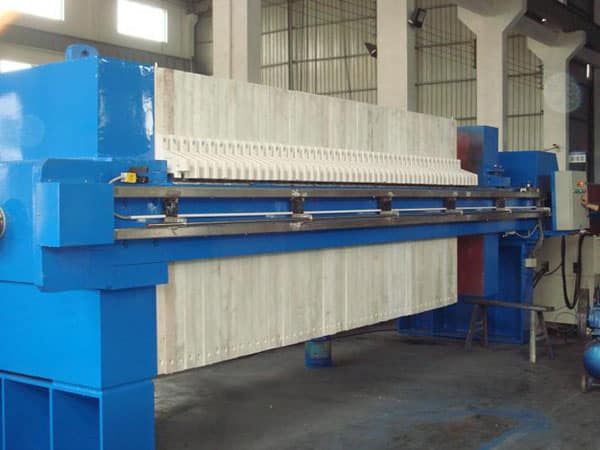
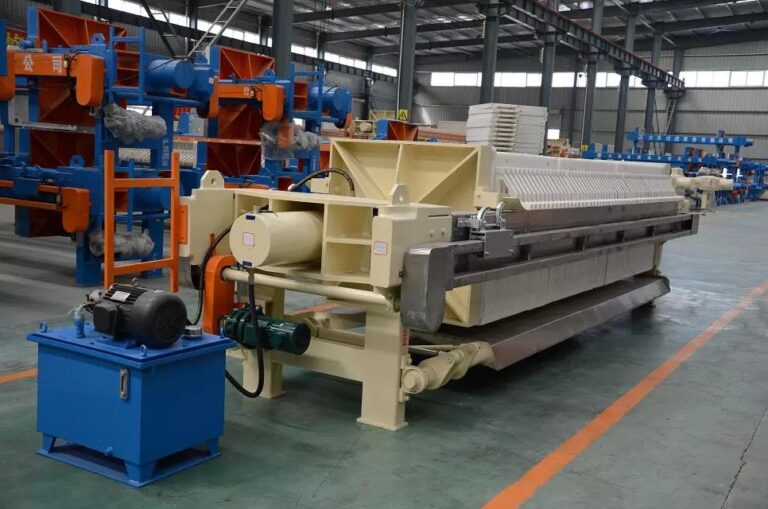
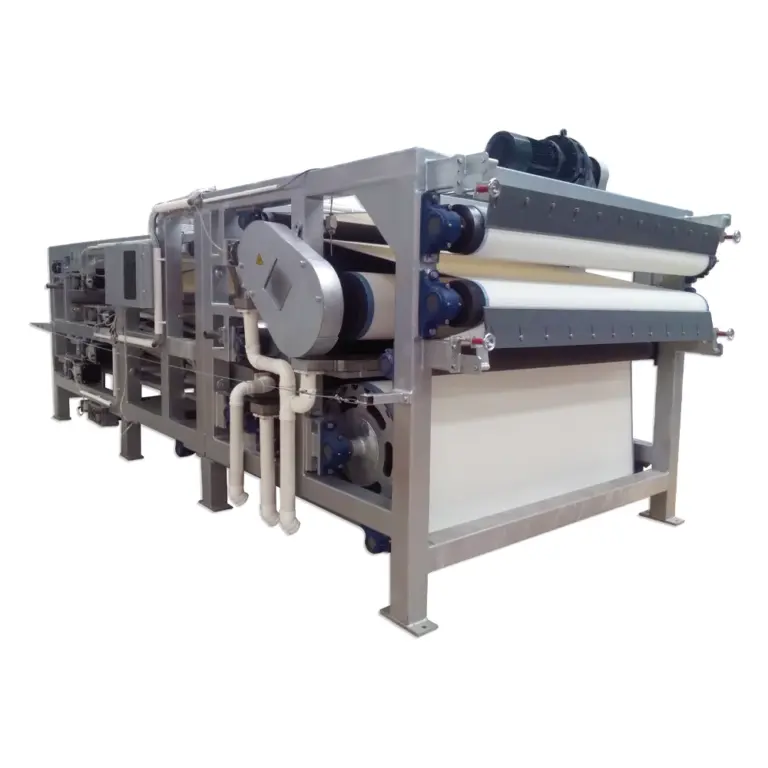
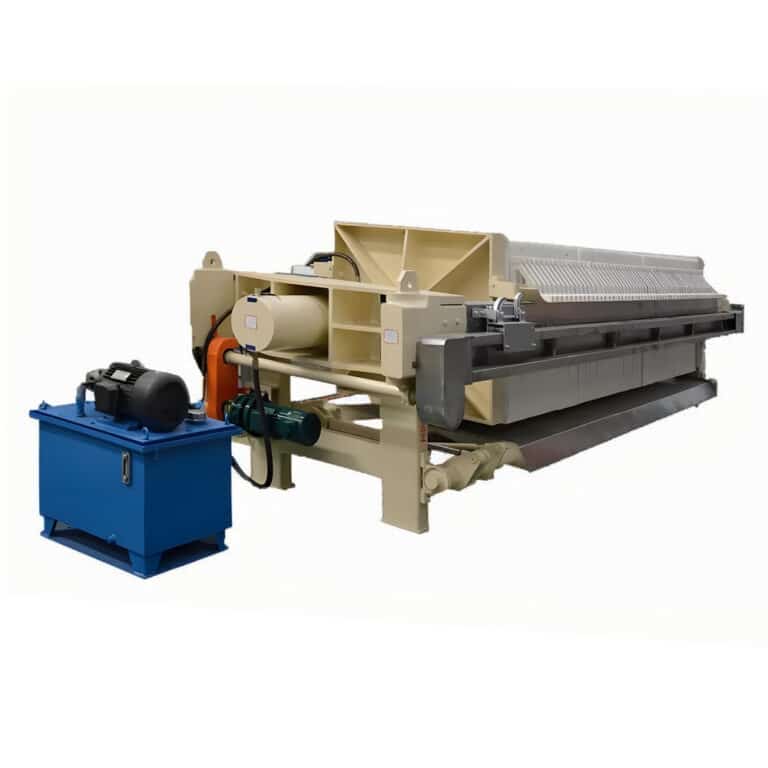
Q: Is a belt filter press the right sludge dewatering choice for all clarifier configurations, or does it depend on the upstream process?
A: It depends on sludge characteristics, which are directly shaped by the coagulant type and dose. Belt filter presses perform well with sludges that respond to polymer conditioning and have sufficient solids content to form a handleable cake. Sludges generated by high polymer doses in variable-load applications can be gelatinous and difficult to dewater on a belt without conditioning adjustments. Before selecting dewatering equipment, the sludge’s dewaterability should be tested — ideally using sludge produced during jar testing rather than assumed from generic data — because coagulant choice, dose level, and influent chemistry all affect the filterability and cake solids content the press will actually achieve in operation.
Q: If procurement is already partially complete, which checklist item carries the highest correction cost if left unresolved?
A: Chemical compatibility carries the highest correction cost at that stage. Flow rate and control method mismatches can sometimes be addressed through programming changes or pump head swaps, but a pump body, injection fitting, or pipe run specified from an incompatible material against the actual coagulant typically requires full component re-procurement and may delay commissioning by weeks. It also creates a safety exposure if incompatibility is discovered during chemical charging rather than pre-commissioning review. If procurement is already underway and only one item can be prioritized for immediate verification, confirming that every wetted surface — pump head, tubing, injection quill, and fittings — is rated for the specific coagulant at the operating concentration and temperature is the action with the greatest risk reduction per hour spent.