La separación industrial sólido-líquido presenta un reto operativo persistente: equilibrar el rendimiento, la sequedad de la torta y el coste total de propiedad. El filtro prensa sigue siendo una tecnología fundamental para esta tarea, pero la elección entre un filtro tradicional de placas y bastidor y un filtro moderno de cámara empotrada suele simplificarse en exceso. Los conceptos erróneos sobre la adecuación a la aplicación, la preparación para la automatización y los costes del ciclo de vida pueden conducir a una importante asignación incorrecta de capital y a la ineficacia operativa.
Comprender las diferencias técnicas y las implicaciones estratégicas de cada diseño es fundamental para los ingenieros de compras y procesos. A medida que aumentan los costes de eliminación y se reduce la disponibilidad de mano de obra, la selección de la plataforma de filtración adecuada repercute directamente en la rentabilidad y el cumplimiento de las normas de la planta. Esta guía proporciona un marco técnico para tomar esa decisión, yendo más allá de las especificaciones básicas para llegar a las realidades operativas que definen el éxito a largo plazo.
Placa y marco frente a cámara empotrada: Diferencias en el diseño del núcleo
Definición de las arquitecturas básicas
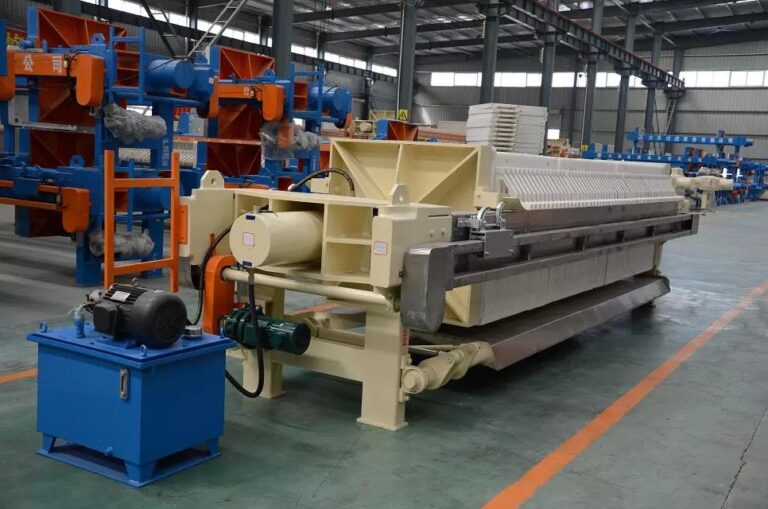
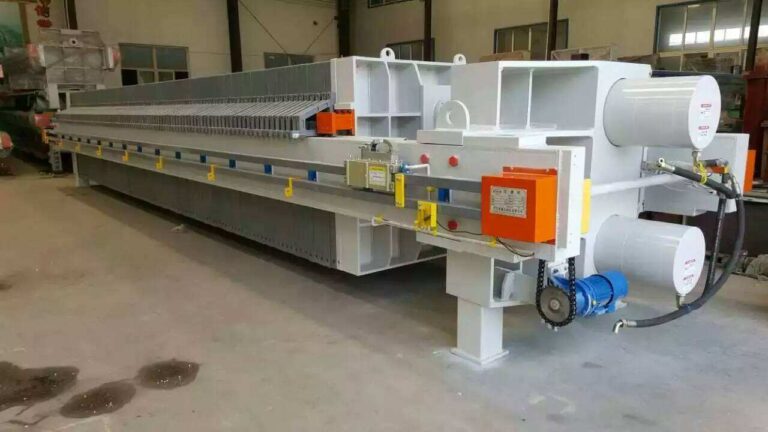
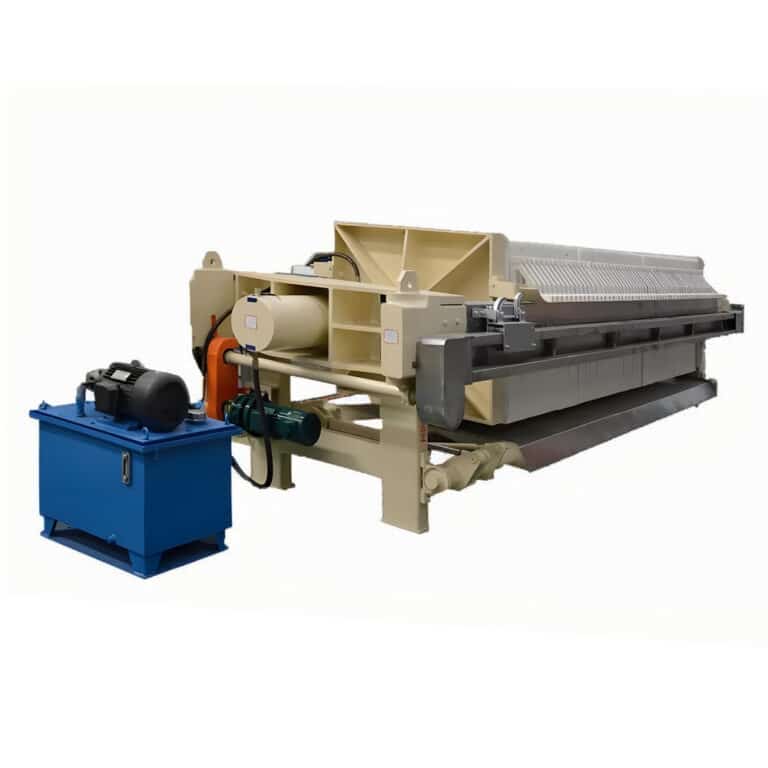
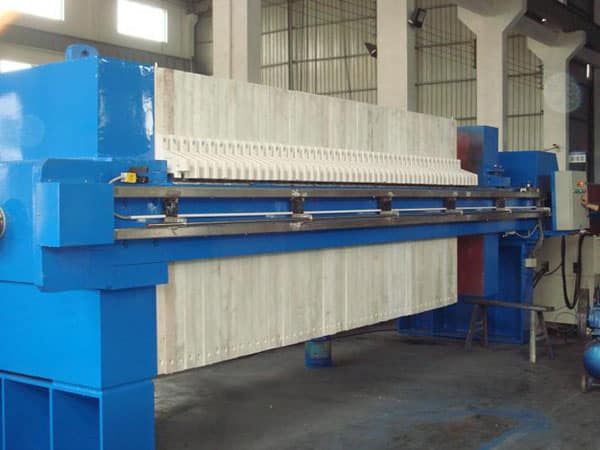
La diferencia fundamental radica en la construcción de las placas y la alimentación de los lodos. Las prensas tradicionales de placas y bastidores alternan placas macizas y bastidores huecos. Los purines entran por pequeños orificios en las esquinas de las cavidades del bastidor, donde los sólidos se acumulan en las telas filtrantes. En cambio, el diseño de cámara empotrada emplea placas con superficies moldeadas y empotradas que forman cámaras completas cuando se sujetan. Los purines se introducen a través de un gran orificio central para una distribución uniforme.
El mecanismo de alimentación como diferenciador de fiabilidad
Esta diferencia fundamental en el diseño de la alimentación es un factor primordial de fiabilidad. Los pequeños orificios de las esquinas de una prensa de placas y bastidor son propensos a atascarse con alimentaciones de alto contenido en sólidos y pueden crear una distribución desigual de la presión. La gran alimentación central de una prensa de cámara empotrada minimiza este riesgo, convirtiéndola en la opción de menor riesgo para manejar alimentaciones difíciles y con alto contenido de sólidos y lograr caudales altos y constantes en aplicaciones a gran escala. Los expertos del sector recomiendan la cámara empotrada para cualquier aplicación de deshidratación a granel en la que la consistencia de la alimentación sea variable.
Normalización y escalabilidad del material
Un punto clave de convergencia es el material. Ambos diseños utilizan ahora predominantemente polipropileno moldeado para las placas, creando una plataforma estandarizada y resistente a la corrosión. Esta estandarización de materiales permite sistemas modulares y escalables en toda la flota de un operador, lo que simplifica el inventario de piezas de repuesto y la formación en mantenimiento. La evolución al polipropileno representa un estándar industrial maduro que beneficia a todos los diseños de filtros prensa.
Principales ventajas y limitaciones: Comparación técnica
Perfil operativo y adecuación a la aplicación
Cada diseño ofrece un perfil operativo distinto. La prensa de placas y bastidor ofrece una flexibilidad excepcional en cuanto al grosor de la torta al permitir cambios de bastidor y admite una gama más amplia de medios, incluido el papel de filtro desechable. Esto la hace especialmente adecuada para aplicaciones de pulido con bajo contenido en sólidos (<1%) en las que el área de filtración, y no el volumen de la cámara, es el parámetro de tamaño crítico. Sin embargo, sus marcos no cónicos pueden dificultar el desprendimiento de la torta.
Rendimiento en deshidratación a granel
El diseño de cámara empotrada destaca en la deshidratación a granel. Su eficaz alimentación central, su mayor capacidad de presión y sus cámaras cónicas permiten un desprendimiento superior de la torta. Produce de forma fiable tortas con un contenido de sólidos de 20% a más de 85%, un punto de referencia para la reducción de volumen. Según las investigaciones de la EPA 832-F-00-058 guía, los filtros prensa de placas empotradas son la tecnología establecida para la deshidratación de biosólidos municipales debido a su rendimiento constante y de alto rendimiento.
El compromiso crítico del sellado
Existe un equilibrio estratégico clave en el sellado de placas. Las placas con juntas en diseños de cámara empotrada evitan eficazmente las fugas de lodos, lo que es crucial para contener materiales peligrosos o valiosos, pero complican y alargan los procedimientos de cambio de paños. Las placas sin juntas facilitan el mantenimiento, pero pueden requerir bandejas de goteo o juntas secundarias. Esto representa una disyuntiva operativa directa entre minimizar la contaminación ambiental y maximizar el tiempo de funcionamiento, una decisión que debe ajustarse a los protocolos específicos del emplazamiento.
| Parámetro | Placa y marco | Cámara empotrada |
|---|---|---|
| Alimentación típica de sólidos | Bajo (<1% sólidos) | Piensos con alto contenido en sólidos |
| Contenido en sólidos de la torta | Variable | 20% a >85% sólidos |
| Liberación de la tarta | Puede verse obstaculizada | Cámaras superiores cónicas |
| Sellado de placas | Simple, sin junta | Con o sin junta |
| Flexibilidad de medios | Alta (papel, tela) | Principalmente telas filtrantes |
Fuente: Documentación técnica y especificaciones industriales.
Ciclo operativo y parámetros críticos de rendimiento
El ciclo de lotes definido
Un filtro prensa de cámara empotrada funciona según un ciclo por lotes definido y repetible. El proceso comienza con el cilindro hidráulico que sujeta el paquete de placas. A continuación se bombea el lodo, con una presión que suele aumentar hasta 7-15 bares a medida que los sólidos forman una torta en las telas y sale el filtrado. Una vez llenas las cámaras, se mantiene la presión durante un periodo de consolidación. La duración total del ciclo oscila entre 1 y 5 horas, y concluye con la separación de las placas, la descarga de la torta y el lavado periódico de las telas.
Factores determinantes del éxito
El rendimiento crítico viene dictado por factores previos. El propio filtro prensa es un mecanismo versátil de suministro; su eficacia para lograr eficiencias de separación de 98-99% está predeterminada por las características de los lodos de alimentación y el acondicionamiento químico. Comparamos sistemas con y sin acondicionamiento optimizado y descubrimos que los tiempos de ciclo podían variar en más de 300%. Esto subraya que para obtener resultados satisfactorios es necesario invertir en la caracterización inicial y en pruebas piloto de acondicionamiento, no sólo en la selección de equipos.
Integridad y pruebas de presión
Mantener la integridad del sistema bajo presión operativa no es negociable. Los principios descritos en ISO 2941:2022 para verificar la presión de colapso/explosión de los elementos filtrantes son directamente relevantes para garantizar la seguridad y fiabilidad de las placas y colectores de filtros prensa sometidos a altas presiones sostenidas. Esta norma subraya la importancia de la validación estructural en el diseño de equipos de filtración a presión.
| Etapa del ciclo | Parámetros clave | Rango/Valor típico |
|---|---|---|
| Presión de apriete | Presión hidráulica | Alta presión |
| Presión de filtración | Rampa de presión de la bomba | 7-15 bar |
| Duración del ciclo | Tiempo total del lote | De 1 a 5 horas |
| Eficacia de separación | Tasa de captura de sólidos | 98-99% eficacia |
| Clave de rendimiento | Acondicionamiento de los lodos de alimentación | Factor crítico aguas arriba |
Fuente: ASTM D6830-21. Esta norma proporciona métodos de ensayo para evaluar el rendimiento de los medios filtrantes bajo presión, directamente relevantes para evaluar la presión de filtración, la eficiencia del ciclo y los parámetros de formación de la torta en el funcionamiento del filtro prensa.
Aplicaciones industriales y casos de uso típicos
La opción dominante para la deshidratación de grandes volúmenes
Los filtros prensa de cámara empotrada son la tecnología predominante para la deshidratación de grandes volúmenes en los principales sectores: aguas residuales municipales e industriales, minería (relaves, concentrados), procesamiento químico y generación de energía (lodos FGD). Su robustez, alto rendimiento en seco y compatibilidad con la automatización se ajustan perfectamente al objetivo principal de reducción de masa para su eliminación o reutilización rentables.
El nicho definido para la chapa y el marco
El diseño de placa y marco conserva un nicho vital y especializado. Su sencillo diseño de tela drapeada permite alojar papel de filtro desechable u otros materiales especializados. Esto lo convierte en la opción técnicamente superior para aplicaciones que exigen una claridad extrema del filtrado, el pulido fino de productos químicos o farmacéuticos, la recuperación de metales preciosos o procesos que requieren cambios frecuentes del medio filtrante. Sirve cuando el área de filtración y la especificidad del medio filtrante triunfan sobre la automatización.
Segmentación del mercado y evolución tecnológica
El encuadre coherente de las cámaras empotradas como estándar moderno refleja una segmentación madura del mercado. Las aplicaciones industriales a granel dan prioridad a la fiabilidad, la capacidad y la compatibilidad con la automatización, lo que impulsa la innovación hacia el diseño de cámaras empotradas. El sistema de placas y bastidor sigue siendo una herramienta de precisión, lo que demuestra que no existe un diseño único que sea universalmente óptimo. Para seleccionar el filtro prensa industrial adecuado es preciso adaptar los puntos fuertes inherentes a la máquina a los resultados no negociables del proceso.
Marco esencial de selección y dimensionamiento
Definir el objetivo principal
La selección comienza con un objetivo de proceso primario claro. La deshidratación a granel para reducir los costes de eliminación favorece inequívocamente la prensa de cámara empotrada. El pulido fino, la clarificación o las aplicaciones que requieren medios especiales pueden justificar una prensa de placas y bastidor. Esta decisión inicial condiciona todo el trabajo posterior de dimensionamiento y especificación.
El cálculo del tamaño: Los sólidos secos como factor determinante
El dimensionamiento para la deshidratación es un proceso calculado centrado en la masa diaria de sólidos secos (M) que se va a procesar. Este parámetro, combinado con el contenido final de sólidos de la torta (S_F) y la duración estimada del ciclo (T), determina el volumen total de la cámara y el número de ciclos diarios necesarios. El tiempo de ciclo en sí no es una especificación fija del equipo, sino una variable que depende de la filtrabilidad de los lodos, controlada por el acondicionamiento químico previo.
Costes de programación mediante el acondicionamiento
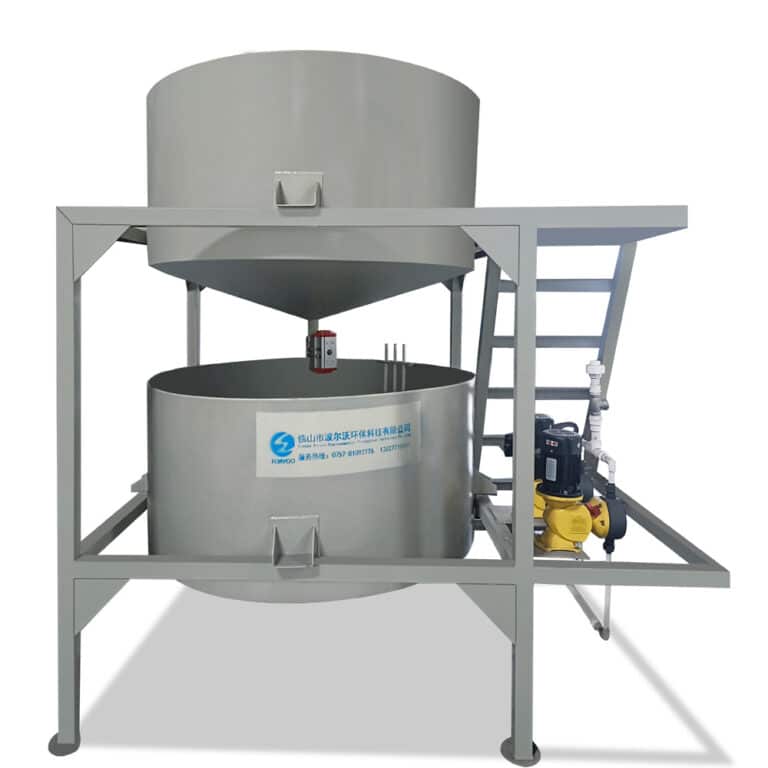
Esto crea un vínculo estratégico directo. El coste de eliminación posterior (basado en la masa y la humedad de la torta) y la mano de obra operativa son programables en sentido ascendente a través de la estrategia de acondicionamiento. Elegir polímeros principalmente para reducir la masa en lugar de utilizar cal u otros acondicionadores para crear tortas más secas y estructuradas representa una decisión fundamental de ingeniería de costes. El filtro prensa es el ejecutor de una estrategia definida en la fase de acondicionamiento.
| Factor de selección | Métrica clave | Consideración |
|---|---|---|
| Objetivo principal | Deshidratación frente a pulido | Define la elección del diseño |
| Dimensionamiento de la capacidad | Masa diaria de sólidos secos (M) | Medida de entrada primaria |
| Tarta Target | Contenido final en sólidos (S_F) | Conduce el volumen de la cámara |
| Planificación del ciclo | Tiempo estimado del ciclo (T) | Depende de la filtrabilidad |
| Programación de costes | Elección de la estrategia de condicionamiento | Controla los costes de eliminación |
Fuente: EPA 832-F-00-058. Esta guía de la EPA detalla la aplicación y el dimensionamiento de filtros prensa de placas empotradas para biosólidos, haciendo hincapié en la importancia de la caracterización de la alimentación, la capacidad de sólidos secos y los objetivos de sólidos de la torta en el proceso de selección.
Mantenimiento, gestión de la tela y costes operativos
El papel central de las telas filtrantes
El mantenimiento gira en torno a las telas filtrantes y los sistemas de sellado. La complejidad del cambio de telas varía considerablemente. Las telas de placas y bastidores son más fáciles de sustituir, a menudo con un diseño drapeado. Las telas de cámara empotrada requieren golpearlas en las ranuras de las juntas o fijarlas con sistemas, lo que aumenta el tiempo de trabajo y la habilidad necesaria para cada cambio. La selección de la junta supone un compromiso permanente entre la prevención de fugas y la facilidad de mantenimiento.
Análisis de los generadores de costes operativos
El consumo de energía es relativamente bajo y constante, estimándose en 25-35 kWh por tonelada de sólidos procesada para ambos diseños. Sin embargo, el coste operativo real está muy influido por dos factores dominantes: el coste continuo de la química de acondicionamiento y la intensidad de mano de obra del proceso por lotes. Según nuestra experiencia, no tener en cuenta el coste total del ciclo de vida de los consumibles y la mano de obra es el error más común a la hora de justificar la adquisición.
La automatización como estrategia de reducción de costes
El desarrollo por parte de la industria de lavadoras automáticas de paños, ayudas para la descarga de tortas y desplazadores de planchas es una respuesta directa a estas cargas manuales fundamentales. El objetivo es transformar un proceso por lotes tradicional y laborioso en una operación casi continua y mínimamente asistida. Esta evolución es fundamental para reducir el coste total de propiedad y hacer viable la tecnología en mercados con elevados costes de mano de obra o estrictos límites de exposición.
| Componente de coste | Placa y marco | Cámara empotrada |
|---|---|---|
| Mano de obra de cambio de paños | Más sencillo, más rápido | Más complejo y laborioso |
| Mantenimiento de juntas | Más fácil, sin juntas | El compromiso de la junta: estanqueidad frente a facilidad |
| Consumo de energía | ~25-35 kWh/tonelada de sólidos | ~25-35 kWh/tonelada de sólidos |
| Principal factor de coste | Química del acondicionamiento | Química del acondicionamiento y mano de obra |
| Objetivo de automatización | Cargas del proceso manual | Arandelas de tela, ayudas a la descarga |
Fuente: Documentación técnica y especificaciones industriales.
Evaluación de la automatización: Manual vs. Semiautomático vs. Totalmente automático
Limitaciones inherentes a los lotes
Los niveles de automatización se centran directamente en las limitaciones inherentes al proceso por lotes del filtro prensa. Las unidades manuales requieren un operario para cada paso de cambio de placas y descarga de la torta, lo que vincula la mano de obra al tiempo de ciclo. Los sistemas semiautomáticos utilizan un PLC programado para gestionar automáticamente los ciclos de cierre, alimentación y apertura, pero a menudo requieren el inicio manual de la secuencia de cambio de placas para la descarga.
La visión totalmente automática
Las prensas totalmente automáticas integran desplazadores de planchas, ayudas para la descarga de la torta (vibradores, agitadores) y, a veces, lavadores automáticos de telas. Esta integración permite un funcionamiento casi continuo y desatendido a lo largo de múltiples ciclos, lo que cambia radicalmente el modelo de trabajo. La automatización es especialmente crucial para los diseños de cámara empotrada, ya que su cavidad consistente y cónica y la fiabilidad de la salida de la torta hacen que la descarga automatizada sea inherentemente más factible y fiable.
El motor de la viabilidad y la justificación
La trayectoria hacia la automatización mitiga las ineficiencias cíclicas y la dependencia de la mano de obra, convirtiéndola en un factor definitorio de la ecuación moderna del coste total de propiedad. La justificación depende del coste de la mano de obra, la cobertura de turnos deseada y los requisitos de seguridad para la manipulación de materiales procesados. En el caso de las instalaciones nuevas que persiguen una alta disponibilidad, la decisión de automatizar suele tomarse al principio, ya que la readaptación puede resultar prohibitivamente cara.
| Nivel de automatización | Función del operador | Principales funciones integradas |
|---|---|---|
| Manual | Desplazamiento de todos los platos, descarga | Ninguno |
| Semiautomático | Inicio del ciclo/seguimiento | Sistema de control programado |
| Totalmente automático | Funcionamiento mínimo sin supervisión | Desplazador de placas, ayudas a la descarga |
| Factor de viabilidad | Diseño y lanzamiento de la tarta | Cavidad cónica de la cámara empotrada |
| Beneficio principal | Baja inversión | Mano de obra reducida, funcionamiento continuo |
Fuente: Documentación técnica y especificaciones industriales.
Elegir el filtro prensa adecuado: Lista de comprobación
Un marco de contratación estructurado
La decisión final de compra debe guiarse por una lista de comprobación estructurada para evitar la desviación de las especificaciones. En primer lugar, hay que aclarar inequívocamente el objetivo principal: ¿se trata de reducción de masa (deshidratación) o de clarificación de líquidos (pulido)? Esta única respuesta dicta el camino fundamental del diseño. En segundo lugar, hay que caracterizar rigurosamente los lodos de alimentación: concentración de sólidos, distribución del tamaño de las partículas, pH y acondicionamiento necesario. Las pruebas piloto no son opcionales en este caso.
Capacidad y realidades operativas
En tercer lugar, definir cuantitativamente los requisitos de capacidad: carga diaria de sólidos secos y objetivo de sequedad de la torta. En cuarto lugar, evaluar las limitaciones operativas: mano de obra disponible para el funcionamiento y el mantenimiento, espacio físico (incluida la zona de manipulación de la torta) y el nivel necesario de funcionamiento desatendido. En quinto lugar, hay que tener en cuenta los factores del ciclo de vida a largo plazo: facilidad de mantenimiento, preferencias de gestión de las telas y compatibilidad con futuros planes de automatización.
Confirmación de la norma moderna
Este proceso confirma sistemáticamente que, para la deshidratación industrial básica, el filtro prensa de cámara empotrada es el estándar robusto y eficaz. La innovación continua en materiales, controles y sistemas auxiliares se centra casi exclusivamente en este diseño. El filtro de placas y bastidor sigue siendo una herramienta especializada y vital para aplicaciones especializadas en las que la flexibilidad de los materiales y la variabilidad del espesor de la torta son fundamentales para el resultado del proceso.
| Característica | Diseño de placas y marcos | Diseño de cámara empotrada |
|---|---|---|
| Construcción de placas | Placas macizas + marcos huecos | Placas con superficies empotradas |
| Puerto de alimentación de lodo | Puertos de esquina pequeños | Gran puerto central |
| Tela filtrante Montaje | Paños de cobertura | Paños encajados en placas |
| Material primario | Placas de polipropileno moldeado | Placas de polipropileno moldeado |
| Riesgo de obstrucción del pienso | Mayor riesgo | Menor riesgo |
Fuente: Documentación técnica y especificaciones industriales.
El proceso de selección culmina con tres prioridades: alinear el diseño con el objetivo principal del proceso, validar el rendimiento con material de alimentación representativo y modelar el coste total de propiedad, incluida la mano de obra y los consumibles. Este enfoque disciplinado hace que la decisión pase de una comparación de proveedores a una inversión estratégica en el proceso.
¿Necesita asesoramiento profesional para elegir el sistema de filtración que mejor se adapte a las características de sus lodos y a sus objetivos de capacidad? Los ingenieros de PORVOO puede ayudarle a aplicar este marco, aprovechando su amplia experiencia en distintos sectores para ofrecerle una solución optimizada de filtro prensa de placas y marcos empotrados.
Para un análisis detallado de su solicitud, Póngase en contacto con nosotros.
Preguntas frecuentes
P: ¿Cómo elegir entre un filtro prensa de cámara empotrada y uno de placas y bastidor para una nueva aplicación?
R: El objetivo principal de su proceso dicta la elección. Para la deshidratación a granel de flujos con alto contenido en sólidos, el diseño de cámara empotrada es el estándar debido a su alimentación central fiable y a la liberación eficaz de la torta. Para el pulido fino de flujos con bajo contenido en sólidos (<1%) que requieren medios especializados como el papel de filtro, el diseño de placa y bastidor ofrece una flexibilidad superior. Esto significa que las instalaciones que dan prioridad a la reducción de lodos de gran volumen deberían optar por las cámaras empotradas, mientras que las que se centran en la claridad del efluente final pueden justificar las capacidades de nicho de la placa y el marco.
P: ¿Cuáles son los factores críticos previos que determinan el rendimiento del filtro prensa antes incluso de que los lodos entren en la máquina?
R: La eficacia de separación del filtro prensa de 98-99% está predeterminada por las características del lodo de alimentación y el acondicionamiento químico. El tiempo de ciclo de la máquina y la sequedad final de la torta se pueden programar directamente mediante la estrategia de dosificación de polímeros o cal. Esto subraya que para obtener resultados satisfactorios es necesario invertir en la caracterización de los lodos de entrada y en pruebas piloto de acondicionamiento, no sólo en la adquisición de equipos, para controlar los costes de eliminación posteriores y la mano de obra operativa.
P: ¿Cómo influye la automatización en el coste total de propiedad de un filtro prensa de cámara empotrada?
R: La automatización mitiga directamente la mano de obra inherente y las ineficiencias cíclicas del proceso por lotes. Los sistemas totalmente automáticos con desplazadores de placas y ayudas a la descarga permiten un funcionamiento casi continuo y desatendido, transformando una tarea manual por lotes. Esta trayectoria es especialmente factible para los diseños de cámara empotrada debido a su fiable liberación de la torta. Para proyectos en los que los costes de mano de obra son elevados o en los que se desea un funcionamiento ininterrumpido, prevea el mayor gasto de capital de la automatización para asegurarse un menor coste operativo a largo plazo.
P: ¿Qué normas son pertinentes para evaluar la integridad de la presión y el rendimiento de los componentes de un filtro prensa?
R: La integridad estructural de los elementos filtrantes sometidos a presión operativa puede verificarse mediante los métodos descritos en ISO 2941:2022. Para evaluar la caída de presión y el rendimiento de filtración de las telas filtrantes limpiables, la metodología en ASTM D6830-21 proporciona un marco de pruebas normalizado. Esto significa que los ingenieros que especifican o validan componentes de sistemas deben referirse a estas normas para garantizar la fiabilidad y datos de rendimiento comparables.
P: ¿Cuál es la principal diferencia de mantenimiento entre las placas filtrantes con junta y sin junta?
R: Las placas con juntas proporcionan un sellado superior para evitar las fugas de lodo y la posible contaminación, pero complican y alargan el proceso de cambio de la tela filtrante. Las placas sin juntas facilitan el mantenimiento y reducen el tiempo de inactividad por sustitución de telas, pero pueden requerir medidas de sellado secundarias. Esto representa un equilibrio estratégico en el que las operaciones que manipulan materiales peligrosos deberían dar prioridad a los diseños con juntas, mientras que las que se centran en maximizar el tiempo de actividad para alimentaciones benignas podrían aceptar el riesgo de las placas sin juntas.
P: ¿Cómo se dimensiona correctamente un filtro prensa de cámara empotrada para un proyecto municipal de deshidratación de lodos?
R: El dimensionamiento comienza con la masa diaria de sólidos secos (M) que se va a procesar. Esta métrica, combinada con el contenido final de sólidos de la torta (S_F) y el tiempo de ciclo estimado (T), determina el volumen total de la cámara y el número de ciclos diarios necesarios. La EPA de EE.UU. ofrece orientaciones específicas para la aplicación de este proceso en su hoja informativa sobre tecnología en el Filtro prensa de placas empotradas. Para un dimensionamiento preciso, debe realizar pruebas de filtrabilidad de los lodos acondicionados, ya que el tiempo de ciclo es el parámetro más variable y crítico.
P: ¿Por qué el diseño de cámara empotrada se considera de menor riesgo para la manipulación de piensos con alto contenido en sólidos?
R: Su gran orificio de alimentación central garantiza una distribución uniforme del lodo y resiste los atascos, a diferencia de los pequeños orificios de las esquinas de una prensa de placas y bastidor. Este diseño, combinado con placas de polipropileno moldeado resistentes a la corrosión, crea una plataforma fiable y escalable para aplicaciones exigentes. Si su empresa procesa flujos con alto contenido en sólidos a caudales de 7-15 bar, la fiabilidad de alimentación de la cámara empotrada se traduce directamente en una reducción de las paradas operativas y de las intervenciones de mantenimiento.