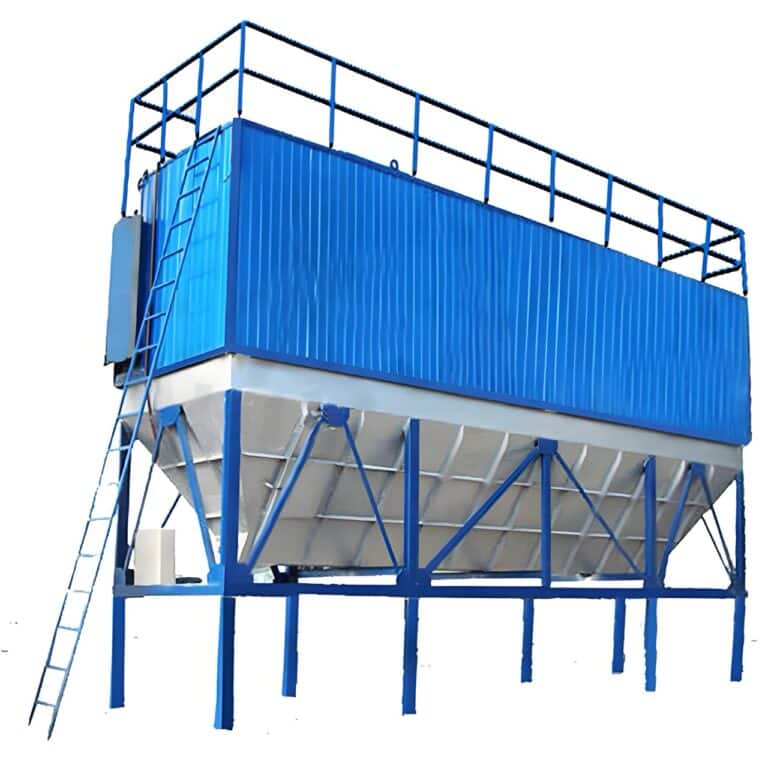
Para los ingenieros y gestores de plantas, la promesa de los decantadores de placas inclinadas es clara: aumentar drásticamente la capacidad de sedimentación en un espacio reducido de torre vertical. Sin embargo, la distancia entre el rendimiento teórico y la realidad operativa suele ser grande. Entre los errores más comunes se encuentran la selección de un ángulo de placa estándar para todos los tipos de lodos o la priorización de la superficie nominal sobre el control del flujo hidráulico. Estos descuidos conducen a sistemas de bajo rendimiento, atascos frecuentes y cargas de mantenimiento inesperadas, lo que socava la rentabilidad de la modernización o de la nueva instalación.
En la actualidad es fundamental prestar atención a los matices del diseño. Las presiones normativas están aumentando los requisitos de calidad de los efluentes, mientras que las ampliaciones de las instalaciones suelen estar limitadas por el espacio. Una torre de sedimentación vertical con un paquete de láminas optimizado representa una solución de alto rendimiento, pero su éxito depende de ir más allá de las especificaciones genéricas. El diseño adecuado integra las características de los lodos, la ingeniería hidráulica y los costes del ciclo de vida en un activo fiable y de alto rendimiento.
Cómo los sedimentadores de placas inclinadas maximizan la eficiencia de las torres verticales
Principio operativo básico
Los decantadores de placas inclinadas, o clarificadores lamelares, funcionan multiplicando el área efectiva de decantación dentro de un volumen vertical. Al apilar las placas en ángulo, acortan la distancia vertical que debe recorrer una partícula para ser capturada en una superficie. Esta geometría permite tasas de carga hidráulica entre 8 y 10 veces superiores a las de un decantador convencional del mismo tamaño. El resultado es una turbidez del efluente constantemente inferior a 1 NTU en un depósito significativamente más pequeño. Este principio transforma las torres verticales de simples recipientes de decantación en unidades de separación compactas y de gran capacidad.
La ventaja de la reconversión estratégica
La aplicación más potente de esta tecnología es la ampliación de la capacidad de las infraestructuras existentes. La instalación de paquetes de placas modulares en una cuenca antigua o subdimensionada puede aumentar la capacidad de tratamiento entre 4 y 8 veces sin necesidad de verter hormigón nuevo. Este enfoque representa una estrategia rentable para satisfacer la creciente demanda o unos permisos de vertido más estrictos. Sin embargo, los expertos del sector advierten de que este multiplicador sólo se consigue con un diseño que garantice la plena utilización de cada placa, lo que hace que la evaluación de los sistemas de distribución hidráulica sea primordial por encima de las cifras de superficie comercializadas.
Optimización del ángulo del plato: Distancia de asentamiento vs. deslizamiento de sólidos
La física del ángulo
El ángulo de inclinación de la placa no es un ajuste único; es una optimización crítica que equilibra dos fuerzas que compiten entre sí. La distancia efectiva de asentamiento (D’) de una partícula se define mediante la fórmula D’ = D / cos Ø, donde D es la distancia entre placas y Ø es el ángulo. Un ángulo menor reduce D’, mejorando la eficacia teórica de la separación. Sin embargo, este ángulo también debe superar el ángulo de reposo natural de los sólidos sedimentados para garantizar que se deslicen por la placa hasta la tolva de lodos. La selección de un ángulo basado únicamente en la teoría de la sedimentación invita al fracaso operativo.
Selección específica para cada aplicación
El ángulo requerido viene dictado por las características del lodo. Los sólidos densos y granulares, como la arena, tienen un ángulo de reposo más bajo y pueden deslizarse eficazmente a unos 45°. En cambio, los flóculos más ligeros y pegajosos -comunes en la precipitación de hidróxidos metálicos o el tratamiento biológico- requieren un ángulo más pronunciado, normalmente de unos 60°, para evitar la adherencia y el ensuciamiento de las placas. Según nuestra experiencia en la evaluación de instalaciones fallidas, el descuido más común es aplicar un ángulo estándar de 55° a un flóculo pegajoso sin tener en cuenta sus propiedades cohesivas, lo que provoca una rápida degradación del rendimiento.
La siguiente tabla resume la relación crítica entre el ángulo de la placa, la distancia de sedimentación y el tipo de lodo objetivo:
Guía de optimización del ángulo de la placa
| Ángulo de la placa (Ø) | Distancia de asentamiento efectiva (D’)* | Tipo de lodo objetivo |
|---|---|---|
| ~45° | Distancia más corta | Sólidos densos y granulares |
| ~60° | Mayor distancia | Flóculos ligeros y pegajosos |
| Ángulo bajo | Distancia reducida | Eficacia teórica |
| Ángulo alto | Deslizamiento de sólidos asegurado | Fiabilidad práctica |
*Donde D’ = D / cos Ø; D = distancia entre placas.
Fuente: Documentación técnica y especificaciones industriales.
Técnicas clave para aumentar la superficie efectiva
Más allá de los cálculos teóricos
Aunque el apilamiento de placas crea un multiplicador teórico de la superficie, el verdadero rendimiento depende de un diseño hidráulico que garantice el uso activo de esta superficie. Parámetros clave como la separación entre placas (normalmente de 50 a 75 mm) presentan una compensación directa: una separación menor aumenta la superficie pero eleva el riesgo de atascos. Los diseños avanzados eliminan el “área de interferencia” en las intersecciones de las placas, utilizando toda la longitud de las mismas. Sin embargo, el principal cuello de botella, como se observa en los análisis de fallos del sector, sigue siendo la distribución del caudal. Una canalización irregular puede hacer ineficaz más de 50% de la superficie teórica de la placa.
El imperativo hidráulico
Por lo tanto, la anunciada “superficie efectiva” es a menudo una métrica de marketing, no una garantía de rendimiento. La estrategia debe centrarse en las tecnologías que garantizan una distribución uniforme del caudal en todos los canales. Esto incluye difusores de entrada, cubiertas de control de caudal perforadas y lavaderos de efluentes de ancho completo. Al comparar sistemas, los ingenieros deben dar prioridad a las pruebas de eficacia del sistema de control hidráulico -mediante modelos de dinámica de fluidos computacional (CFD) o datos de estudios piloto- frente al simple cálculo del área de la placa.
Los parámetros de diseño que se indican a continuación determinan si una mayor superficie se traduce en capacidad real:
Parámetros de diseño para el aprovechamiento de la superficie
| Parámetro de diseño | Alcance típico | Impacto en el rendimiento |
|---|---|---|
| Distancia entre placas | 50-75 mm | Superficie frente a riesgo de obstrucción |
| Distribución del caudal | Pares frente a desiguales | 50%+ pérdida de área efectiva |
| Área de interferencia | Eliminado | Aprovechamiento de toda la longitud de la placa |
| Control hidráulico | Tecnología avanzada | Garantiza la capacidad en el mundo real |
Fuente: Documentación técnica y especificaciones industriales.
Distribución del caudal hidráulico: Garantizar la plena utilización de la placa
Ingeniería de entrada y salida
Conseguir un flujo uniforme es un reto de ingeniería específico, no un subproducto del propio paquete de placas. Los diseños más eficaces emplean un plénum de entrada o una pared difusora para disipar el impulso del flujo y establecer condiciones laminares aguas arriba de las placas. Los sistemas más sofisticados utilizan cubiertas perforadas o tubos de cabecera por encima del paquete de placas, creando una pérdida de carga igual para extraer el efluente uniformemente de todos los canales. La salida es igualmente crítica; las salidas laterales pueden infrautilizar las placas centrales, mientras que una placa de presa en V de ancho completo fuerza una extracción uniforme en toda la anchura.
El criterio de evaluación decisivo
Los principales fabricantes invierten en sistemas hidráulicos patentados porque esta ingeniería es el factor decisivo para lograr el rendimiento prometido y la rentabilidad de la inversión. Durante la adquisición, éste debe ser un criterio de evaluación primordial. Solicite diagramas detallados de distribución del caudal o informes de validación de terceros. Un sistema bien diseñado para un torre de sedimentación vertical demostrará explícitamente cómo sus configuraciones de entrada y salida evitan cortocircuitos y garantizan que cada placa contribuya a la eliminación de sólidos.
Selección de materiales: Comparación de durabilidad, coste e idoneidad
El coste del ciclo de vida
La selección de materiales fija los costes operativos a largo plazo y el ámbito de aplicación. La decisión principal, según los resultados de las revisiones de la gestión de activos, equilibra los materiales de alta durabilidad con un mayor coste de capital frente a las opciones de menor coste con vidas útiles definidas y más cortas. Se trata de un cálculo del coste total de propiedad que debe tener en cuenta la longevidad, la frecuencia de mantenimiento y la compatibilidad química con el flujo de residuos.
Elecciones en función de la aplicación
El acero inoxidable (grados 304 ó 316) ofrece una solidez y resistencia a la corrosión superiores para aplicaciones industriales duras, como aguas residuales químicas o mineras. Los termoplásticos o el plástico reforzado con fibra (FRP) ofrecen una solución ligera y resistente a la corrosión ideal para muchas plantas municipales de tratamiento de agua y aguas residuales. El acero dulce con revestimientos protectores sigue siendo una opción económica para entornos específicos y bien definidos. La elección también debe tener en cuenta los requisitos de certificación del agua potable o la exposición a agentes corrosivos como el sulfuro de hidrógeno.
La siguiente comparación resume las principales opciones de materiales:
Guía de selección de materiales
| Material | Durabilidad y resistencia | Aplicación principal |
|---|---|---|
| Acero inoxidable (304/316) | Superior, resistente a la corrosión | Residuos industriales agresivos |
| Termoplásticos / FRP | Alta, resistente a la corrosión | Tratamiento de aguas municipales |
| Acero dulce revestido | Moderado, específico del entorno | Corrientes químicas específicas |
Fuente: Documentación técnica y especificaciones industriales.
Factores críticos de diseño: Manipulación de lodos y acceso para mantenimiento
Diseño de tolvas y eliminación de lodos
La recogida eficaz de los lodos no es negociable para un funcionamiento estable. Los sólidos que se desprenden de las placas deben recogerse y eliminarse sin alterar el régimen de flujo en la zona de decantación. Los dos diseños de tolva dominantes presentan una disyuntiva operativa clave. Las tolvas cónicas sencillas son rentables, pero corren el riesgo de compactar los lodos y de “agujeros de rata”, en los que sólo se descarga un canal central. Los diseños de fondo plano con rastrillos mecánicos garantizan una eliminación uniforme de los lodos en todo el suelo, pero añaden complejidad mecánica y costes. Esta elección determina directamente el tiempo de funcionamiento del sistema y la frecuencia de intervención del operario.
Diseñar para simplificar el funcionamiento
Los elementos auxiliares para el mantenimiento son fundamentales para controlar los costes del ciclo de vida. Los diseños deben incluir un acceso adecuado para la limpieza manual o automática, plataformas de servicio transitables y cubiertas para bloquear el crecimiento de algas a la luz del sol. La tendencia del sector es clara: la lucha por los costes operativos se está desplazando del consumo de energía al mantenimiento, que requiere mucha mano de obra. Los diseños innovadores priorizan ahora la fiabilidad y la sencillez de servicio para minimizar el tiempo de inactividad y el trabajo operativo. Constantemente vemos que las instalaciones más exitosas son aquellas en las que el acceso para el mantenimiento fue una prioridad de diseño, no una idea de última hora.
Validación del rendimiento: Métricas y aplicaciones reales
Más allá de la teoría
La validación del rendimiento de los decantadores de placas inclinadas requiere parámetros basados en datos operativos, no en especificaciones de catálogo. Los indicadores clave de rendimiento incluyen la turbidez constante del efluente (<1 NTU), la tasa de carga hidráulica sostenida (medida en gpm/ft²) y la eficiencia de captura de sólidos. Sin embargo, como se advierte en las auditorías técnicas, el área efectiva de decantación anunciada carece de sentido si no se demuestra su utilización en toda la placa. Por tanto, la validación del rendimiento debe basarse en pruebas piloto con el agua de alimentación real y en el escrutinio de estudios de casos detallados de aplicaciones comparables.
El papel de las normas y la supervisión inteligente
Metodologías autorizadas, como las descritas en ES 12255-15:2003 para medir la capacidad de sedimentación de los lodos, proporcionan los procedimientos de prueba fundamentales para caracterizar los sólidos que se separan, informando directamente el diseño y la validación. Además, la próxima frontera es la supervisión inteligente. Los sensores en tiempo real de turbidez, distribución de caudal y niveles de recubrimiento de lodos permiten un mantenimiento predictivo y una transición de las operaciones reactivas a la optimización basada en datos, allanando el camino para los contratos de servicio basados en el rendimiento.
En el cuadro que figura a continuación se describen las métricas y los métodos de validación esenciales:
Marco de validación del rendimiento
| Métrica de validación | Objetivo de rendimiento | Método de validación |
|---|---|---|
| Turbidez del efluente | <1 NTU | Control coherente |
| Tasa de carga hidráulica | gpm/ft | Pruebas piloto |
| Eficacia de la captura de sólidos | Porcentaje elevado | Estudio de casos |
| Utilización de toda la placa | Demostrado | Evaluación del sistema hidráulico |
Fuente: EN 12255-15:2003 Plantas de tratamiento de aguas residuales - Parte 15: Medida de la asentabilidad de los fangos. Esta norma proporciona la metodología para medir la capacidad de sedimentación de los lodos, un parámetro crítico que informa directamente el diseño y la validación del rendimiento de los sedimentadores de placas inclinadas mediante la caracterización de los sólidos a separar.
Selección del diseño adecuado para sus objetivos de tratamiento
Alinear el diseño con los objetivos
La selección final integra todos los factores anteriores en una solución alineada con objetivos específicos. Para las plantas con capacidad limitada, una reconversión con un sistema de distribución hidráulica probado y garantizado ofrece la mejor eficiencia de capital. Para flujos de residuos complejos que contengan tanto sólidos en suspensión como aceite libre, evalúe los clarificadores de placas horizontales como posible solución integral. La tendencia del sector hacia la consolidación de los procesos también favorece a los socios que pueden ofrecer soluciones integradas -combinando mezcladores, floculadores, decantadores de placas y tratamiento de lodos- frente a los simples proveedores de equipos.
El marco de decisión
Cree una matriz de decisión que pondere el ángulo optimizado de las placas (para sus lodos específicos), la distribución hidráulica garantizada, la selección adecuada de materiales y la manipulación robusta de los lodos. El diseño adecuado equilibra estos elementos para ofrecer un rendimiento fiable y de bajo mantenimiento. Dé prioridad a los proveedores que actúen como socios de ingeniería, ofreciendo pruebas piloto, análisis de costes del ciclo de vida y pruebas claras del rendimiento hidráulico de las instalaciones existentes.
El diseño eficaz de un decantador de placas inclinadas no consiste en seleccionar un producto, sino en diseñar un sistema. Las decisiones fundamentales consisten en adaptar la geometría de las placas a las propiedades físicas de los lodos, insistir en los datos de validación hidráulica y seleccionar los materiales basándose en un análisis del coste total de propiedad. Hay que dar prioridad a las pruebas piloto y garantizar que el acceso para el mantenimiento esté previsto desde el principio.
¿Necesita asesoramiento profesional para especificar u optimizar un sistema clarificador de lamelas para su torre vertical? El equipo de ingeniería de PORVOO se especializa en traducir estas consideraciones técnicas en soluciones de tratamiento de aguas residuales fiables y de alto rendimiento. Póngase en contacto con nosotros para hablar de los parámetros específicos y los objetivos de tratamiento de su proyecto.
Para una consulta directa, también puede Póngase en contacto con nosotros.
Preguntas frecuentes
P: ¿Cómo se optimiza el ángulo de la placa para los distintos tipos de lodos?
R: El ángulo óptimo de la placa equilibra una trayectoria de sedimentación corta con una eliminación de sólidos fiable. Los sólidos densos y granulares, como la arena, requieren un ángulo más pronunciado, cercano a los 45°, mientras que los flóculos más ligeros y pegajosos, como los hidróxidos metálicos, necesitan un ángulo menos pronunciado, en torno a los 60°, para deslizarse con eficacia. Esto significa que las instalaciones que tratan residuos metálicos industriales deben diseñar ángulos menos pronunciados para evitar el ensuciamiento de las placas, aunque ello reduzca ligeramente la superficie teórica de decantación.
P: ¿Cuál es el factor más crítico para conseguir la superficie efectiva anunciada en un clarificador lamelar?
R: La distribución uniforme del caudal hidráulico es el factor decisivo, ya que una canalización irregular puede reducir el aprovechamiento efectivo de las placas en más de 50%. Los diseños avanzados utilizan difusores de entrada, cubiertas perforadas de control de caudal y vertederos de salida de ancho completo para garantizar un caudal uniforme en todos los canales de las placas. Para los proyectos en los que el rendimiento de la inversión depende de la capacidad prometida, debe dar prioridad a la evaluación de la tecnología de control hidráulico del proveedor sobre la comparación del área nominal de las placas.
P: ¿Cómo debemos validar el rendimiento real de un sistema de decantación de placas inclinadas?
R: Vaya más allá de los parámetros teóricos exigiendo datos de pruebas piloto y estudios de casos que demuestren una turbidez constante del efluente por debajo de 1 NTU. Examine detenidamente el diseño del sistema de distribución hidráulica, ya que éste determina la eficacia real de la captura de sólidos. Si su operación requiere un cumplimiento predecible, planifique una validación del rendimiento que incluya la supervisión en tiempo real de la distribución del caudal y de los niveles del manto de lodos para permitir un mantenimiento predictivo.
P: ¿Qué ventajas y desventajas en cuanto a materiales debemos tener en cuenta en la construcción de asentadores de placas?
R: La principal disyuntiva está entre el elevado coste inicial de la durabilidad y el menor gasto de capital con una vida útil definida. El acero inoxidable (304/316) ofrece resistencia a la corrosión a largo plazo para flujos industriales agresivos, mientras que los termoplásticos o el plástico reforzado con fibra de vidrio proporcionan una solución económica y ligera para muchas aplicaciones municipales. Esto significa que las instalaciones con aguas residuales corrosivas o con el objetivo de minimizar los costes del ciclo de vida deberían invertir en materiales de mayor calidad a pesar del capital inicial.
P: ¿Por qué el diseño de la manipulación de lodos es fundamental para la estabilidad operativa de las torres verticales?
R: La evacuación ineficaz de los lodos provoca el ensuciamiento de las placas y obliga a frecuentes paradas de mantenimiento. La elección entre tolvas cónicas sencillas y diseños de fondo plano con rastrillos mecánicos representa una disyuntiva clave: menor coste frente a una evacuación de sólidos fiable y constante. En plantas con una elevada carga de sólidos o una disponibilidad limitada de operarios, debe dar prioridad al sistema mecánico para garantizar un tiempo de funcionamiento estable y reducir los costes de mano de obra a largo plazo.
P: ¿Cómo influyen las pruebas normalizadas de lodos en el diseño de los decantadores de placas inclinadas?
R: Pruebas de asentabilidad normalizadas, como las definidas en ES 12255-15:2003, proporcionan datos esenciales sobre el comportamiento y la compactación de las partículas. Estos datos informan directamente a los parámetros críticos de diseño, como el ángulo requerido de la placa y la configuración de la tolva de lodos. Si las características de su flujo de alimentación son variables o están mal definidas, es necesario realizar estas pruebas durante la fase de planificación para evitar que el equipo de separación sea demasiado pequeño o ineficiente.
P: ¿Cuál es la ventaja estratégica de utilizar sedimentadores de placas inclinadas para la modernización de una planta?
R: La reconversión de los depósitos existentes con paquetes de placas modulares puede aumentar la capacidad de tratamiento entre 4 y 8 veces sin necesidad de construir depósitos nuevos. Esta estrategia rentable aprovecha la huella vertical para satisfacer una mayor demanda o una normativa más estricta. En el caso de las instalaciones con limitaciones de espacio y capacidad, este enfoque suele ofrecer una mejora más rápida y rentable que la ampliación de nuevas instalaciones.