Para los ingenieros y directores de planta, el principal reto a la hora de diseñar torres de sedimentación verticales para aguas residuales con alto contenido en STS no es la falta de teoría. Es traducir esa teoría en un sistema garantizado y rentable. Un error común es creer que el volumen o la profundidad del depósito determinan el rendimiento. Esto conduce a instalaciones sobredimensionadas y costosas o a unidades de bajo rendimiento que no cumplen la normativa. La verdadera variable maestra es la tasa de carga hidráulica (HLR), un cálculo preciso que lo determina todo, desde la huella hasta la calidad del efluente.
Equivocarse con el HLR tiene consecuencias financieras y operativas inmediatas. En una época de permisos de vertido cada vez más estrictos y de escrutinio del capital, un diseño basado en suposiciones genéricas es un lastre. Un cálculo preciso del HLR es la base innegociable de un sistema que cumpla las garantías de rendimiento, optimice la huella y controle los costes del ciclo de vida. Este proceso exige pasar de las fórmulas de los libros de texto a una metodología empírica y específica para cada flujo de residuos.
Principios básicos y fórmula para el índice de carga hidráulica (HLR)
El principio rector de la carga superficial
La velocidad de carga hidráulica, a menudo denominada velocidad de desbordamiento superficial, define la velocidad de flujo ascendente dentro de la zona de decantación. El principio básico es sencillo: para que se elimine una partícula, su velocidad de sedimentación debe superar esta velocidad ascendente. En el caso de los flujos de alto STS, no se trata de un simple cálculo gravitatorio. Las interacciones entre partículas y la dinámica de sedimentación dificultada dominan, lo que hace que la velocidad de sedimentación sea un valor empírico, no teórico. La fórmula fundamental HLR = Q / A subraya que la eficacia de la separación se rige por la superficie horizontal disponible, un concepto formalizado por la ley de Hazen.
De la fórmula al diseño funcional
Esta relación convierte la superficie en la palanca crítica del diseño. Los ingenieros deben dar prioridad al cálculo preciso del HLR sobre las reglas empíricas volumétricas. Un diseño anclado en un HLR determinado con precisión garantiza el rendimiento y evita el doble escollo de un costoso sobrediseño o un arriesgado infradiseño. En mi experiencia revisando instalaciones fallidas, la causa principal es casi siempre un HLR derivado de hipótesis incorrectas de velocidad de sedimentación para la matriz específica de aguas residuales.
Por qué la profundidad es un factor secundario
Aunque la profundidad del tanque influye en el almacenamiento y el tiempo de retención de los lodos, no afecta directamente a la eficacia de la sedimentación de partículas discretas (o floculantes). Un tanque profundo con una superficie insuficiente seguirá produciendo un efluente de mala calidad porque la velocidad ascendente es demasiado alta. Este principio cambia el enfoque de la adquisición: los proveedores deben justificar la superficie de decantación efectiva que proponen, no sólo el volumen total del tanque.
Entradas clave: Determinación del caudal y del área efectiva de sedimentación
Dimensionamiento para condiciones de caudal reales
El cálculo preciso del HLR depende de dos factores. El caudal de diseño (Q) debe reflejar las condiciones hidráulicas reales. No basta con utilizar un caudal medio diario. Los ingenieros deben aplicar factores de seguridad para tener en cuenta los picos de caudal, la entrada de aguas pluviales o los vertidos de lotes de producción típicos de los entornos industriales. En el caso de los caudales de alto STS, estos picos pueden transportar una carga de sólidos desproporcionada, por lo que el caudal punta y la concentración son fundamentales para el cálculo paralelo del índice de carga de sólidos (SLR).
Definición de la zona de asentamiento “efectiva
El área efectiva de decantación (A) es el área total en planta horizontal disponible para la separación. Para un decantador cilíndrico simple, es el área de la sección transversal: A = π * (D/2)². La inversión estratégica consiste en maximizar esta superficie proyectada en un espacio mínimo. Este es el motor económico de los decantadores de placas inclinadas (laminares). Multiplican el área efectiva al proporcionar múltiples superficies de decantación paralelas dentro del mismo diámetro de tanque.
El imperativo de la especificación del proveedor
Los equipos de contratación deben exigir cálculos detallados de la geometría de las placas. El área “proyectada” para las placas laminares, calculada como Superficie proyectada = Superficie total de la placa / sin(θ), difiere del área total de la placa y es muy sensible al ángulo de la placa (θ) y al espaciado. Aceptar las afirmaciones de los proveedores sobre “área equivalente” sin verificarlas es un riesgo importante del proyecto.
| Parámetro de diseño | Consideraciones clave | Gama típica / Ejemplo |
|---|---|---|
| Caudal (Q) | Debe incluir las condiciones punta | Aplicar factores de seguridad |
| Área efectiva (A) | El área del plano horizontal rige | A = π * (D/2)² |
| Placas laminares | Aumentar la superficie proyectada | Área proyectada = Área de la placa / sin(θ) |
| Especificaciones del proveedor | Exigir cálculos geométricos detallados | Ajuste el ángulo y la separación |
Fuente: ANSI/AWWA B130:2021 Diseño de plantas de tratamiento de aguas. Esta norma proporciona criterios de diseño esenciales para las balsas de sedimentación, incluida la relación crítica entre la tasa de desbordamiento superficial (HLR) y el área de sedimentación efectiva.
Factores críticos de las aguas residuales con alto contenido en STS: Velocidad de sedimentación y SLR
La naturaleza empírica de la velocidad de asentamiento
En las aplicaciones de alto STS, la velocidad de sedimentación de las partículas no es una propiedad fija. Depende de la concentración, la química de floculación y la distribución del tamaño de las partículas. Confiar en los valores de los libros de texto para la arena o los lodos primarios es un error frecuente. Las pruebas de sedimentación en columna en laboratorio son esenciales para generar un perfil de velocidad de sedimentación para las aguas residuales específicas. Estos datos empíricos informan directamente al HLR de diseño, que suele fijarse en 60-80% de la velocidad de sedimentación medida para incorporar un factor de seguridad.
La comprobación crítica: Tasa de carga de sólidos
Incluso con un HLR correctamente dimensionado, un clarificador puede fallar si la tasa de carga de sólidos es excesiva. El SLR, calculado como SLR = (Q × SST influente) / A, representa la masa de sólidos aplicada por unidad de superficie al día. Un SLR que supere la capacidad del mecanismo de eliminación de lodos (por ejemplo, un rascador o un sistema de succión) provoca la acumulación de lodos, la reducción del volumen efectivo y, finalmente, el fallo del proceso. Este parámetro es especialmente crítico para los lodos industriales de alta densidad.
Un enfoque de diseño de dos parámetros
Esto pone de manifiesto que el diseño de clarificadores para residuos con alto contenido en STS es una optimización de dos parámetros: HLR y SLR. Ambos deben cumplirse. La progresión lógica apunta hacia sistemas que integren el acondicionamiento químico para mejorar el tamaño de las partículas (mejorando V_settle) y la eliminación de lodos robusta y automatizada para gestionar SLR elevados.
| Factor | Definición | Impacto en el diseño |
|---|---|---|
| Velocidad de asentamiento (V_settle) | Determinado por pruebas de laboratorio en columna | Empírico, no teórico |
| Tasa de carga de sólidos (SLR) | SLR = (Q × SST influente) / A | Puede saturar la eliminación de lodos |
| SST influente | Concentración de partículas | Requiere un análisis detallado |
| Floculación | Interacciones entre partículas | Dicta una dinámica de asentamiento obstaculizada |
Fuente: ISO 10313:2023 Matrices sólidas medioambientales. Esta norma especifica métodos normalizados de análisis de sedimentación para determinar la distribución del tamaño de las partículas, que es directamente aplicable a la comprensión y caracterización del comportamiento de sedimentación de las partículas.
Cálculo de diseño paso a paso con un ejemplo práctico
Procedimiento sistemático para mitigar el riesgo
Un procedimiento disciplinado paso a paso transforma las características de las aguas residuales en un diseño funcional. En primer lugar, hay que caracterizar las aguas residuales para establecer el caudal de diseño (Q) y el SST afluente. Realice pruebas de laboratorio con columnas de decantación para determinar la velocidad mínima de decantación (Vde las partículas floculadas. En segundo lugar, se aplica un factor de seguridad (normalmente de 0,6 a 0,8) para fijar el HLR de diseño: Diseño HLR = Vasentamiento × Factor de seguridad.
Realización del cálculo básico
En tercer lugar, calcula la superficie necesaria mediante la fórmula fundamental: A = Q / HLR. Esta área dicta el tamaño físico de la unidad. Por último, verifique los parámetros secundarios: calcule el tiempo de detención en función de la profundidad del tanque y confirme que el SLR está dentro de los límites del equipo. Este paso de verificación revela a menudo la necesidad de placas lamelares para alcanzar el área requerida dentro de las limitaciones de espacio.
Ejemplo práctico: Aplicación industrial
Consideremos un agua residual industrial con Q=500 m³/h y SST afluente=1500 mg/L. Las pruebas de sedimentación indican un V_settle de 2,5 m/h. Aplicando un factor de seguridad de 0,8 se obtiene un HLR de diseño de 2,0 m/h. La superficie necesaria es A = 500/2,0 = 250 m². Un depósito cilíndrico simple necesitaría un diámetro de aproximadamente 17,8 metros. Con una profundidad lateral del agua de 4 m, el tiempo de retención es de 2 horas. El SLR se calcula en (500 m³/h * 1500 g/m³) / 250 m² = 72 kg/m²-día, un valor que debe contrastarse con la capacidad nominal del sistema de eliminación de lodos.
| Paso | Acción | Ejemplo Valor / Cálculo |
|---|---|---|
| 1. Caracterización de las aguas residuales | Determinar Q y SST afluente | Q = 500 m³/h, SST = 1500 mg/L |
| 2. Escenografía HLR | HLR = V_settle × Factor de seguridad | HLR de diseño = 2,0 m/h |
| 3. Calcular la superficie | A = Q / HLR | A = 250 m² |
| 4. Dimensionamiento del depósito | Para depósito cilíndrico: D = 2√(A/π) | Diámetro ≈ 17,8 metros |
| 5. Verificar SLR | SLR = (Q × TSS) / A | SLR = 72 kg/m²-día |
Fuente: BS EN 12255:2023 Plantas de tratamiento de aguas residuales. Esta norma proporciona principios de diseño y criterios de carga para tanques de sedimentación, apoyando directamente esta metodología de cálculo.
Repercusiones operativas: Qué ocurre cuando el HLR es demasiado alto o bajo
Consecuencias de un exceso de HLR
Es fundamental tratar el HLR de diseño como un punto de ajuste operativo. Si la velocidad de flujo ascendente real supera el HLR de diseño, se supera la sedimentación de partículas. La consecuencia inmediata es una deficiente eliminación de sólidos, que se manifiesta en una elevada turbidez y SST del efluente. Un riesgo más grave es el lavado del manto de lodos, en el que los sólidos sedimentados son arrastrados desde el fondo del tanque y arrastrados por encima del vertedero de efluentes, lo que puede dañar los procesos aguas abajo.
El coste oculto de la carga insuficiente
Por el contrario, operar significativamente por debajo del HLR de diseño desperdicia la inversión de capital en la capacidad del tanque y aumenta el coste de la huella por volumen tratado. También puede favorecer las condiciones sépticas en los tanques primarios debido a un tiempo de retención excesivo, lo que provoca la liberación de olores y la formación de lodos flotantes. La ventana operativa óptima es estrecha, lo que subraya la necesidad de un diseño y un control precisos.
Mitigación mediante el análisis de procesos
Este compromiso subraya la necesidad de un análisis operativo en tiempo real. Las plantas más fiables invierten en sensores en línea de caudal y SST, lo que permite a los operarios mantener el HLR óptimo mediante medidas adaptativas como ajustes en la distribución del caudal o cambios en la dosificación de coagulante en respuesta a variaciones en la alimentación.
| Condición | Consecuencia principal | Riesgo secundario |
|---|---|---|
| HLR Demasiado alto | Velocidad ascendente > asentamiento | Mala eliminación de sólidos |
| HLR Demasiado alto | Lavado de la manta de lodos | Alta turbidez del efluente |
| HLR demasiado bajo | Capacidad de capital de residuos | Mayor coste de la huella |
| HLR demasiado bajo | Favorece las afecciones sépticas | Olor y problemas de proceso |
| Mitigación | Sensores de caudal y SST en tiempo real | Gestión adaptativa de procesos |
Fuente: Documentación técnica y especificaciones industriales.
Integración de placas laminares para optimizar el espacio ocupado por la torre y su rendimiento
La geometría de la reducción de la huella
Las placas lamelares son la solución definitiva para aumentar la superficie efectiva de decantación sin ampliar el diámetro del depósito. Su geometría inclinada proporciona una superficie proyectada adicional, calculada como la suma de las áreas de las placas individuales ajustadas al ángulo: Superficie proyectada = Superficie total de la placa / sin(θ). Para un ángulo de 60 grados, esto casi duplica el área efectiva en comparación con la huella del tanque. Esto permite que una torre de sedimentación vertical alcance el rendimiento de separación de un tanque con el doble de diámetro.
Complejidades de diseño y compensaciones
Sin embargo, la integración de placas introduce complejidad en el diseño. La separación entre placas (normalmente 50-80 mm) debe equilibrar la ganancia de superficie con el potencial de obstrucción. El ángulo de inclinación (55-60 grados es estándar) se optimiza entre el área proyectada y la capacidad de deslizamiento del lodo. Los diseños que incorporan paquetes de placas extraíbles o sistemas accesibles de limpieza in situ ofrecen una mayor fiabilidad a largo plazo. Los proveedores deben proporcionar protocolos claros para el acceso de mantenimiento.
Evaluación del coste total de propiedad
Un análisis del coste del ciclo de vida suele favorecer a los sistemas de láminas bien diseñados a pesar de un mayor desembolso de capital inicial. El ahorro derivado de la drástica reducción de la huella de hormigón, los menores costes estructurales y el rendimiento constante suelen compensar el sobreprecio inicial. La contratación pública debe evaluar los diseños en función de la capacidad de mantenimiento y el rendimiento hidráulico demostrado, no sólo del precio.
| Aspecto | Beneficio de diseño | Consideraciones operativas |
|---|---|---|
| Huella | Aumenta drásticamente el área efectiva | Diámetro del depósito mucho menor |
| Geometría | Área proyectada = Área de la placa / sin(θ) | El ángulo (θ) introduce complejidad |
| Mantenimiento | Los diseños deben minimizar los atascos | Simplifica las rutinas de limpieza |
| Análisis de costes | Mayor inversión inicial | Coste total de propiedad superior |
Fuente: Documentación técnica y especificaciones industriales.
Validación del diseño: Pruebas piloto y garantías de rendimiento
Los límites del diseño teórico
En el caso de las aguas residuales variables o con alto contenido en STS, los parámetros de diseño obtenidos en laboratorio son necesarios pero no suficientes. Las condiciones sobre el terreno -cambios de temperatura, variaciones de caudal y fluctuaciones químicas- pueden alterar la dinámica de sedimentación. La prueba piloto de una unidad montada sobre patines en el flujo real de aguas residuales es la estrategia de mitigación de riesgos más eficaz. Genera datos específicos del emplazamiento para el diseño final y forma a los operarios en el proceso.
El cambio hacia un rendimiento verificado
Los organismos reguladores y las empresas de ingeniería pasan cada vez más de aprobar cálculos a exigir un rendimiento demostrado. Protocolos como el Technology Assessment Protocol - Ecology (TAPE) del Estado de Washington lo formalizan, exigiendo datos verificados por terceros en condiciones reales para lograr una “Designación de nivel de uso general”. Esta tendencia hace que los datos de pruebas certificados y suministrados por el proveedor sean un activo valioso durante la contratación.
Insistir en las garantías contractuales
Este entorno hace que las garantías de rendimiento respaldadas por datos de campo sean esenciales. Los compradores deben insistir en que se garanticen los SST del efluente en condiciones de alimentación definidas, no sólo la garantía del equipo. Los fabricantes que invierten en pruebas certificadas pueden ofrecer estas garantías con menor riesgo, creando una ventaja competitiva y reduciendo el riesgo del proyecto para el comprador.
Pasos siguientes: Dimensionamiento y especificación de su sistema de sedimentación vertical
Del cálculo a la especificación
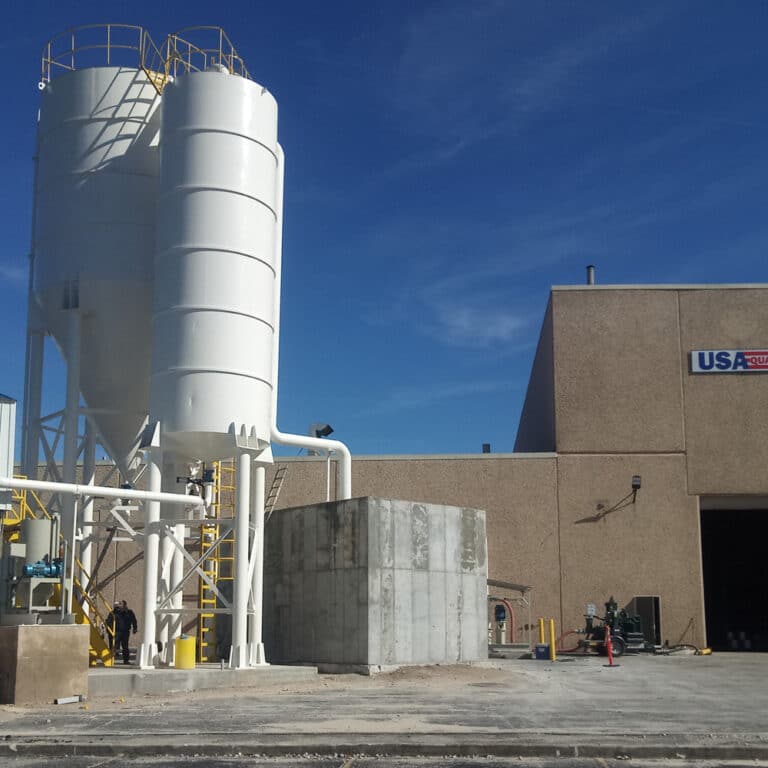
La especificación final del sistema integra todos los pasos anteriores. Hay que centrarse en maximizar la superficie efectiva verificada, garantizar que la capacidad del mecanismo de eliminación de lodos supere el SLR calculado y especificar los materiales (por ejemplo, revestimientos resistentes a la corrosión) y los puntos de acceso para el mantenimiento. Dada la tendencia hacia el tratamiento integrado, hay que evaluar las unidades prediseñadas que combinan la mezcla rápida, la floculación, la sedimentación lamelar y la eliminación automatizada de lodos en un único espacio optimizado, como una unidad de tratamiento de aguas residuales. torre de sedimentación vertical para el reciclado de aguas residuales.
Evolución de la contratación pública
La contratación debe evolucionar desde la selección del licitador más barato a la evaluación de diseños basados en la eficiencia operativa a largo plazo, la facilidad de mantenimiento y los datos de rendimiento probados. Las cláusulas clave de las especificaciones deben incluir garantías de rendimiento vinculadas a HLR y SLR, requisitos de acceso para mantenimiento y formación sobre puntos de ajuste operativos proporcionada por el proveedor.
El marco de aplicación
Comience con una caracterización detallada de las aguas residuales. Utilizar esos datos para realizar los cálculos de HLR y SLR, identificando el área efectiva necesaria. Recurra a proveedores que puedan proporcionar datos de pruebas piloto o garantías de rendimiento para flujos de residuos similares. Por último, redactar especificaciones que establezcan los parámetros de diseño calculados y los datos de verificación necesarios para la aprobación reglamentaria.
Un cálculo preciso del HLR es la base innegociable, pero una aplicación satisfactoria requiere validar ese diseño frente a residuos reales y especificar para la realidad operativa. La prioridad es garantizar un sistema cuya superficie efectiva y capacidad de tratamiento de lodos se ajusten de forma demostrable a su caudal y carga específicos. ¿Necesita ayuda profesional para especificar un sistema de sedimentación vertical con un rendimiento garantizado? El equipo de ingeniería de PORVOO puede ofrecerle servicios de validación de diseños y pruebas piloto para reducir el riesgo de su proyecto. Póngase en contacto con nosotros para analizar los datos de su aplicación y sus requisitos de rendimiento.
Preguntas frecuentes
P: ¿Cómo se determina la tasa de carga hidráulica correcta para un flujo de aguas residuales con alto contenido en STS?
R: Debe basar el HLR en la velocidad de sedimentación real de sus aguas residuales específicas, lo que requiere pruebas de sedimentación en columna en laboratorio, no sólo cálculos teóricos. Aplique un factor de seguridad de entre 0,6 y 0,8 a la velocidad de sedimentación medida para establecer su HLR de diseño. Esto significa que las instalaciones con influentes variables o mal caracterizados deben presupuestar la realización de pruebas exhaustivas en banco antes de finalizar el diseño de cualquier clarificador.
P: ¿Cuál es la diferencia fundamental entre la tasa de carga hidráulica y la tasa de carga de sólidos en el diseño?
R: El HLR controla la velocidad de flujo ascendente para la sedimentación de partículas, mientras que el índice de carga de sólidos (SLR) define la masa de sólidos aplicada por unidad de superficie diariamente. Un HLR aceptable no garantiza el rendimiento si el SLR supera la capacidad del sistema de eliminación de lodos. En los proyectos en los que el SST afluente supere los 1.000 mg/l, deberá calcular y verificar ambas tasas en función de los límites del sistema para evitar fallos en el clarificador.
P: ¿Cuándo debemos integrar placas lamelares en el diseño de una torre de sedimentación vertical?
R: Integre decantadores laminares cuando necesite maximizar el área efectiva de decantación dentro de un espacio físico limitado. Su geometría inclinada proporciona una superficie proyectada adicional, calculada como el área total de la placa dividida por el seno del ángulo de la placa. Si su emplazamiento tiene graves limitaciones de espacio, evalúe la separación entre placas, el ángulo y la facilidad de limpieza como factores clave en el análisis del coste total del ciclo de vida.
P: ¿Cómo podemos validar un diseño de sedimentación para cumplir las garantías de rendimiento reglamentarias?
R: Ir más allá de los cálculos exigiendo pruebas piloto sobre el terreno en condiciones reales para generar datos de rendimiento verificados por terceros. Los organismos reguladores siguen cada vez más protocolos como el Washington TAPE, que exigen resultados demostrados. Esto significa que las empresas de ingeniería deben tener en cuenta los plazos de verificación ampliados y las pruebas certificadas en los calendarios de los proyectos para obtener aprobaciones como la designación de nivel de uso general.
P: ¿Qué problemas operativos se producen si el HLR real supera la especificación de diseño?
R: El funcionamiento por encima del HLR de diseño hace que la velocidad del flujo ascendente supere la sedimentación de partículas, lo que provoca una elevada turbidez del efluente y un posible lavado de la manta de lodos. Esto supone una amenaza directa para el cumplimiento de las normas de vertido. Si su planta experimenta aumentos significativos de caudal, invierta en sensores y sistemas de control en tiempo real para gestionar dinámicamente la distribución del caudal y mantener el HLR objetivo.
P: ¿Qué normas autorizadas rigen el diseño y los criterios de carga de los tanques de sedimentación?
R: Las principales normas son ANSI/AWWA B130:2021 para los criterios de diseño del tratamiento del agua y BS EN 12255:2023 para los requisitos completos de las plantas de tratamiento de aguas residuales. Estos documentos proporcionan principios de diseño esenciales para las tasas de desbordamiento de la superficie y la carga del tanque. Para los proyectos que requieran un cumplimiento formal, debe exigir que las propuestas de los proveedores se ajusten a estas normas específicas.
P: ¿Por qué el área efectiva de sedimentación es más importante que el volumen del tanque para la eficacia de la separación?
R: La separación se rige por el área superficial, no por la profundidad o el volumen, según el principio de la ley de Hazen. El área efectiva es el área plana horizontal total disponible para que las partículas se asienten fuera del flujo ascendente. Esto significa que los equipos de adquisición deben escudriñar los cálculos del proveedor para esta área proyectada, especialmente para los sistemas de lamelas, en lugar de centrarse únicamente en las dimensiones del tanque.