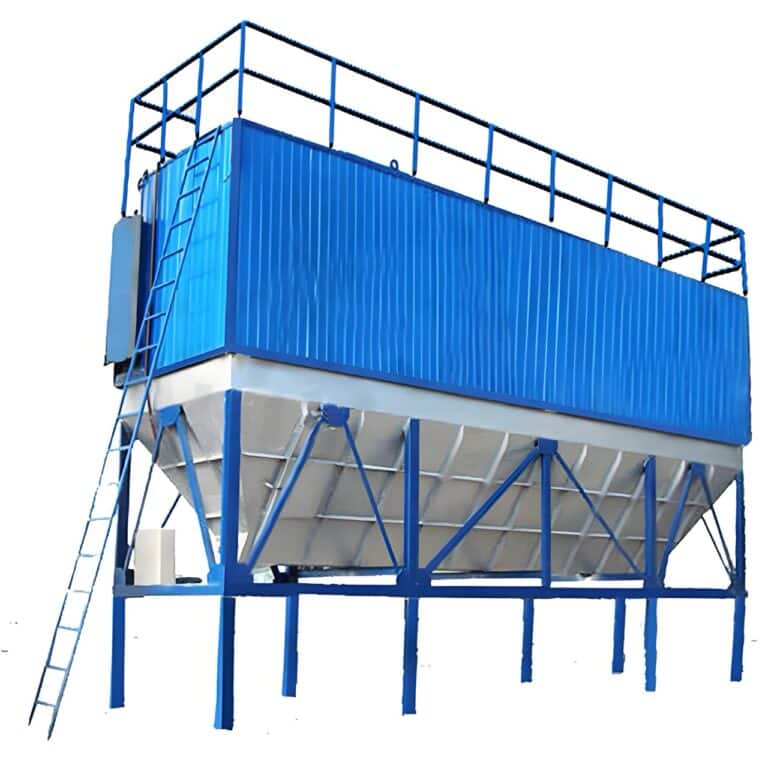
Para los pequeños talleres metalúrgicos, la selección de un sistema de captación de polvo es una decisión de capital crítica. El error más común es centrarse únicamente en el precio de la máquina y subestimar el impacto operativo de un dimensionamiento incorrecto de los CFM. Un sistema de tamaño insuficiente no cumple su función principal (capturar el polvo peligroso), lo que provoca problemas de conformidad, mala calidad del aire y un mayor desgaste de la máquina. Por el contrario, una unidad sobredimensionada malgasta capital y consume demasiada energía. La gama de 1.000 a 3.000 CFM representa un punto de inflexión estratégico en el que una planificación precisa ofrece el máximo rendimiento operativo y financiero.
Esta precisión no es negociable hoy en día. El escrutinio normativo sobre la calidad del aire y la seguridad de los polvos combustibles se está intensificando. Las normas de salud de los empleados y las primas de seguros están directamente vinculadas a un control eficaz del polvo. Un colector de polvo de cartucho del tamaño adecuado no es un coste adicional, sino un activo de productividad fundamental. Protege al personal, protege los equipos y garantiza el cumplimiento de la normativa, lo que convierte la planificación precisa de la capacidad en una operación empresarial fundamental.
Cómo calcular sus necesidades exactas de CFM
Determinar con precisión los pies cúbicos por minuto (CFM) necesarios es el paso fundamental para una captación de polvo eficaz. El CFM objetivo no es un número fijo, sino que se calcula en función de las fuentes de polvo específicas y la velocidad de captura necesaria en cada punto.
La base del diseño de sistemas
Para los talleres pequeños, esto implica sumar los CFM necesarios para cada campana o armario de la máquina. Una campana bien diseñada requiere menos CFM para una captura eficaz que una mal colocada, lo que repercute directamente en el tamaño y el coste del sistema. El elevado coste de un dimensionamiento insuficiente va más allá de una captura de polvo deficiente e incluye cambios frecuentes de filtros, un mayor consumo de energía, un tiempo de inactividad excesivo y el incumplimiento de la normativa, lo que convierte el cálculo preciso en una función empresarial crítica. Calcule siempre para sus operaciones reales, no para cargas teóricas máximas, para asegurarse de que el sistema suministra suficiente caudal de aire para captar y transportar el polvo de todas las fuentes activas simultáneamente.
Evitar errores de cálculo comunes
Los expertos del sector recomiendan comenzar con las recomendaciones de CFM del fabricante para cada herramienta, pero luego validarlas con su disposición específica de conductos. Entre los detalles que se pasan por alto con facilidad se incluyen la contabilización de futuras ampliaciones de máquinas y el factor de uso simultáneo de sus equipos. Según las investigaciones realizadas a partir de documentación técnica, entre los errores más comunes se incluye no tener en cuenta el impacto de la resistencia de los conductos en la fase de planificación, lo que puede reducir los CFM suministrados en 20% o más.
| Factor | Impacto en CFM | Consideraciones clave |
|---|---|---|
| Eficiencia del diseño de la campana | Alta | Reduce directamente los CFM necesarios |
| Consecuencias del subdimensionamiento | Grave | Cambios frecuentes de filtros, tiempos de inactividad |
| Bases del diseño del sistema | Operaciones reales | Cargas teóricas no máximas |
Fuente: Documentación técnica y especificaciones industriales.
Factores clave que influyen en el CFM total de su sistema
Su requisito de CFM calculado se ve afectado dinámicamente por varios factores físicos del sistema. La disposición de los conductos -su longitud, diámetro y número de curvas- crea una resistencia a la presión estática que el ventilador debe superar sin dejar de suministrar los CFM deseados en la fuente.
La ecuación de conductos y presión
El diseño del ventilador y del impulsor es una variable de rendimiento oculta; la capacidad de un ventilador para suministrar su caudal nominal en pies cúbicos por minuto depende de la presión estática del sistema, que viene dictada por los conductos. Colocar el colector cerca de las fuentes de polvo minimiza el recorrido de los conductos y la pérdida de presión. En mi experiencia, las tiendas que trazan un mapa de sus conductos antes de seleccionar un ventilador evitan el costoso error de comprar una unidad que no puede superar la presión estática de su sistema.
Las características del material como motor del diseño
Además, las características del polvo dictan la arquitectura del sistema; la densidad y el tamaño de las partículas del material influyen en la velocidad de transporte necesaria dentro de los conductos. El polvo abrasivo o pegajoso puede requerir conductos más robustos o diseños de entrada diferentes, lo que afecta indirectamente a la presión y a los CFM finales suministrados. Para polvos finos y ligeros, mantener una velocidad adecuada para evitar la sedimentación en conductos horizontales es una preocupación clave que influye en los CFM totales del sistema.
Elección de la relación aire/tela adecuada para su taller
La relación aire/tela (A/C) -los CFM del sistema divididos por el área total del medio filtrante- determina el tamaño físico y la eficacia operativa de su banco de filtros. Para polvos metálicos finos y secos, lo normal es una relación conservadora de entre 3:1 y 4:1 (3-4 CFM por pie cuadrado).
Comprender el compromiso de rendimiento
Se trata de un equilibrio crítico en el dimensionamiento. Una relación más baja (más superficie filtrante) proporciona una mayor vida útil del filtro, una limpieza menos frecuente y una menor presión de funcionamiento, pero requiere un colector más grande y más caro. Una relación más alta reduce el tamaño y los costes iniciales, pero aumenta la presión de funcionamiento, los ciclos de limpieza y los costes de mantenimiento a largo plazo. Dar prioridad a una relación ligeramente inferior suele ser una inversión estratégica para reducir el coste total de propiedad.
Aplicación de la relación a su CFM
La siguiente tabla ilustra cómo la relación aire/tela se traduce en área física de filtrado para un tamaño de sistema común, lo que repercute directamente en el rendimiento operativo y el coste.
| Ratio (CFM:pies cuadrados) | Área de filtrado para 1.800 CFM | Impacto operativo |
|---|---|---|
| 3:1 (Conservador) | 600 pies cuadrados. | Mayor vida útil del filtro, menor presión |
| 4:1 (Estándar) | 450 pies cuadrados. | Equilibrio entre costes y prestaciones |
| >4:1 (Agresivo) | <450 pies cuadrados. | Mayor mantenimiento, limpieza frecuente |
Nota: Para polvos metálicos finos y secos, lo normal es una proporción de 3:1 a 4:1.
Fuente: Documentación técnica y especificaciones industriales.
Filtros de cartucho: Comparación entre rendimiento y coste
La selección del medio filtrante es un equilibrio directo entre la inversión inicial y la economía operativa a largo plazo. Las mezclas estándar de poliéster son rentables para aplicaciones generales. Para polvos metálicos finos submicrónicos, los medios de hilatura directa o de membrana proporcionan una carga superficial y una liberación superiores.
La economía de los medios avanzados
Y lo que es más importante, los medios de nanofibras modifican los aspectos económicos del mantenimiento. Al cargar el polvo en la superficie, mantienen una menor caída de presión, reducen la frecuencia de limpieza por impulsos y el consumo de aire comprimido, y prolongan la vida útil del filtro, compensando así su mayor coste inicial. En el caso de los polvos combustibles, los medios conductores o ignífugos son innegociables y están exigidos por normas como las siguientes NFPA 484: Norma para metales combustibles.
Medios adecuados a su polvo
Las características del polvo determinan la arquitectura y el coste del sistema, ya que los polvos abrasivos requieren medios duraderos y las nieblas aceitosas pueden requerir revestimientos especializados de PTFE. La elección del medio es un factor determinante del rendimiento del sistema y de la carga de mantenimiento. El rendimiento de estos tipos de medios se clasifica según normas internacionales como ISO 16890-1: Filtros de aire para ventilación general, que proporciona el marco para evaluar la eficacia de la captura de partículas.
| Tipo de medio | Coste inicial | Prestación a largo plazo |
|---|---|---|
| Poliéster estándar | Bajo | Rentable para uso general |
| Spunbond / Membrana | Medio | Captura superior de polvo fino |
| Nanofibra | Alta | Menor caída de presión, menos limpieza |
| Conductor / FR | Alta | Obligatorio para polvos combustibles |
Fuente: ISO 16890-1: Filtros de aire para ventilación general. Esta norma proporciona el sistema de clasificación de la eficacia de los filtros basado en la captura de partículas, que es fundamental para evaluar las declaraciones de rendimiento de los distintos tipos de medios, como los filtros de nanofibras o de membrana.
Selección de ventiladores: Hélices inclinadas hacia atrás vs. Hélices radiales
El ventilador debe generar la presión suficiente para vencer la resistencia del sistema y, al mismo tiempo, proporcionar los CFM deseados. Hay dos diseños de impulsor adecuados para este rango de CFM.
Tipos de impulsores y sus aplicaciones
Los ventiladores inclinados hacia atrás son más eficientes energéticamente para aplicaciones de aire limpio (como el lado de aire limpio de un colector), pero toleran peor las corrientes cargadas de partículas. Los ventiladores de palas radiales son menos eficientes pero más robustos, ya que mantienen un caudal constante a medida que aumenta la presión y soportan mejor el polvo abrasivo, a menudo en el lado de entrada de aire sucio. Es crucial comprender el diseño del soplante y del impulsor como una variable de rendimiento oculta.
Adaptar el ventilador a la curva
La curva de rendimiento del ventilador seleccionado debe intersecar los CFM requeridos y la presión estática calculada cerca de su rendimiento máximo. Una coincidencia incorrecta conduce a un caudal de aire inadecuado o a un consumo excesivo de energía. Comparamos las curvas de rendimiento y descubrimos que la selección de un ventilador basada únicamente en los CFM, sin la presión estática, da como resultado un sistema que no puede alcanzar el caudal de aire de diseño.
| Tipo de impulsor | Eficacia | Mejor aplicación |
|---|---|---|
| Inclinado hacia atrás | Alta | Aire limpio, eficiencia energética |
| Pala radial (paleta) | Medio | Entrada de aire sucio, polvo abrasivo |
| Factor clave de selección | Curva de rendimiento | Debe coincidir con CFM y presión estática |
Fuente: Documentación técnica y especificaciones industriales.
Instalación práctica: Espacio, conductos y disposición del sistema
Una instalación eficaz maximiza el rendimiento y minimiza los costes. La gama de 1.000-3.000 CFM es un campo de batalla estratégico para los fabricantes de equipos originales, muchos de los cuales ofrecen unidades compactas y modulares.
Aprovechar el diseño modular
Esta modularidad es una palanca estratégica de costes y flexibilidad, que permite ampliar o reconfigurar los sistemas para adaptarlos al crecimiento de la empresa. La ubicación es clave: situar el colector cerca de las fuentes primarias de polvo minimiza los conductos, reduciendo la pérdida de presión estática y la potencia necesaria del ventilador. En el caso de las unidades interiores que recirculan el aire, el cumplimiento estricto de las normas de filtración debe ser mínimo. ANSI/ASHRAE 52.2 para clasificaciones MERV 15+ es obligatorio.
Planificación de la manipulación de materiales
La descarga de polvo debe coincidir con el volumen; un tambor puede ser suficiente para cargas ligeras, mientras que el funcionamiento continuo requiere una esclusa de aire rotativa sellada. Esta planificación práctica garantiza que la campana reciba realmente los CFM diseñados. Un conducto bien diseñado para una sistema modular de recogida de polvo mediante cartuchos es esencial para obtener el máximo rendimiento de los CFM calculados.
Garantizar el cumplimiento de la NFPA para polvos metálicos combustibles
Para los talleres que procesan aluminio, titanio u otros metales combustibles, el cumplimiento de las normas NFPA es fundamental para el diseño del sistema. Esto va más allá del dimensionamiento básico de CFM para exigir capas de seguridad críticas.
Elementos de seguridad obligatorios
El mercado se está segmentando en niveles de rendimiento, con unidades especializadas antichispas y protegidas contra explosiones necesarias para este perfil de riesgo. Entre las características clave se incluyen la ventilación contra explosiones dirigida a una zona segura, medios filtrantes retardantes de llama, protección contra chispas en la entrada, válvulas de aislamiento y conexión a tierra completa del sistema para disipar la electricidad estática. En este caso, las características del polvo determinan de forma significativa la arquitectura y el coste del sistema, ya que estos componentes de seguridad obligatorios pueden disparar los costes del sistema.
El marco normativo
El cumplimiento es innegociable para la seguridad operativa y los seguros. En el siguiente cuadro se describen las principales características de seguridad impulsadas por NFPA 484: Norma para metales combustibles, que establece los requisitos definitivos para estos sistemas.
| Dispositivo de seguridad | Propósito | Normativa |
|---|---|---|
| Ventilación de explosiones | Alivio de presión | NFPA 484 |
| Medios ignífugos | Evitar la ignición | NFPA 484 |
| Arrestamiento por chispa | Protección de entrada | NFPA 484 |
| Conexión a tierra del sistema | Disipación estática | NFPA 484 |
Fuente: NFPA 484: Norma para metales combustibles. Esta norma exige las características de seguridad específicas enumeradas para los sistemas de captación de polvo que manipulan polvos metálicos combustibles con el fin de mitigar los riesgos de incendio y explosión.
Coste total de propiedad: Capital, energía y mantenimiento
Una visión holística de los costes es esencial para una inversión sólida. El gasto de capital incluye el colector, los conductos y los accesorios de seguridad. Sin embargo, los costes operativos dominan a largo plazo.
Desglose de los costes operativos
El consumo de energía se debe al motor del ventilador y al aire comprimido para la limpieza; un ventilador eficiente y un medio de nanofibras que reduzca los ciclos de limpieza disminuyen directamente este coste. El mantenimiento incluye la sustitución del filtro, las piezas de desgaste y la eliminación. El mantenimiento basado en datos se está convirtiendo en una característica estándar; el uso de un manómetro diferencial para supervisar el estado del filtro permite un servicio predictivo basado en las necesidades, maximizando la vida útil de los componentes y evitando tiempos de inactividad imprevistos.
Evaluar el cuadro financiero completo
La importancia de la relación aire/tela influye directamente en los costes corrientes. Evaluar el coste total de propiedad, no sólo el precio de compra, garantiza que el sistema sea un activo eficiente y no un pasivo recurrente. El siguiente marco ayuda a categorizar y elaborar estrategias en torno a estos costes.
| Categoría de costes | Principales impulsores | Estrategia de reducción de costes |
|---|---|---|
| Gastos de capital (CAPEX) | Colector, conductos, seguridad | Optimizar la relación aire/tela |
| Consumo de energía | Motor del ventilador, aire comprimido | Ventilador eficiente, medios de nanofibras |
| Mantenimiento | Sustitución de filtros, piezas de desgaste | Mantenimiento predictivo basado en datos |
| Coste dominante a largo plazo | Operativo (energía y mantenimiento) | Evaluación holística del coste total de propiedad |
Fuente: Documentación técnica y especificaciones industriales.
La planificación eficaz de la captación de polvo depende de tres prioridades: calcular los CFM en función de los diseños reales de las campanas y la presión estática de los conductos, seleccionar una relación aire/tela y un medio filtrante que optimicen el coste operativo a largo plazo, e integrar desde el principio todas las características de seguridad obligatorias para su riesgo de polvo específico. Este enfoque disciplinado transforma el colector de un elemento de cumplimiento en un activo de producción fiable.
¿Necesita asesoramiento profesional para especificar un sistema que ofrezca los CFM adecuados para el diseño y los materiales exclusivos de su taller? El equipo de ingeniería de PORVOO puede ayudarle a encontrar el equilibrio entre rendimiento, seguridad y coste total de propiedad. Póngase en contacto con nosotros para hablar de los requisitos de su aplicación.
Preguntas frecuentes
P: ¿Cómo se calcula el CFM necesario para varias máquinas en un taller pequeño?
R: Debe sumar los CFM necesarios para cada campana de máquina en función de su velocidad de captura específica, no utilizar una estimación genérica. Una campana bien diseñada reduce el caudal de aire necesario, lo que disminuye directamente el coste del sistema y el consumo de energía. Esto significa que las instalaciones deben calcular para sus operaciones simultáneas reales para evitar los elevados costes operativos y los riesgos de cumplimiento de la normativa de un colector subdimensionado.
P: ¿Cuál es el impacto práctico de la relación aire/tela en el rendimiento y el coste de mi aspirador?
R: La relación aire/tela es un compromiso crítico entre el gasto de capital inicial y los costes de funcionamiento a largo plazo. Una relación conservadora (por ejemplo, de 3:1 a 4:1 para polvo metálico fino) utiliza más superficie filtrante, lo que reduce la caída de presión y prolonga la vida útil del filtro. Para proyectos en los que el tiempo de funcionamiento y los presupuestos de mantenimiento son limitados, prevea una inversión inicial ligeramente superior en medios filtrantes para reducir el coste total de propiedad.
P: ¿Por qué el diseño del impulsor del ventilador es una variable oculta crítica en la selección del colector de polvo?
R: El ventilador debe proporcionar los CFM deseados en función de la presión estática del sistema, y la elección del impulsor determina la eficacia y la durabilidad. Los ventiladores inclinados hacia atrás son eficientes para el aire limpio, mientras que los diseños de aspas radiales manejan mejor las corrientes de polvo abrasivo en el lado de aire sucio. Si su empresa genera partículas pesadas o abrasivas, dé prioridad a un ventilador robusto que mantenga los CFM bajo carga, incluso con una ligera penalización de la eficiencia.
P: ¿Cuáles son las características de cumplimiento obligatorio de la NFPA para un colector que manipule polvo metálico combustible?
R: Los sistemas para metales como el aluminio o el titanio requieren capas de seguridad integradas más allá de la filtración básica. Entre las características clave se incluyen la ventilación antideflagrante, los medios filtrantes ignífugos, la detención de chispas en la entrada y la conexión a tierra completa del sistema. NFPA 484: Norma para metales combustibles. Esto significa que los talleres que procesan estos materiales deben presupuestar estos componentes especializados e innegociables para cumplir los requisitos de seguridad y seguros.
P: ¿Cómo influye la selección del medio filtrante en la rentabilidad a largo plazo de un sistema de captación de polvo?
R: La elección del material influye directamente en la frecuencia de mantenimiento, el consumo de energía y los costes de sustitución. Mientras que el poliéster estándar es rentable, el medio de nanofibras carga la superficie de polvo, mantiene una menor caída de presión y reduce el consumo de aire comprimido para la limpieza. En operaciones con polvos finos y secos, la inversión en medios de mayor rendimiento suele compensar su coste inicial con una mayor vida útil del filtro y menores gastos operativos.
P: ¿Cómo se debe planificar la instalación física para garantizar que el sistema proporcione los CFM nominales?
R: Un diseño eficaz minimiza la longitud y las curvas de los conductos para reducir la pérdida de presión estática, que puede privar a las campanas de caudal de aire. Coloque el colector cerca de las fuentes primarias de polvo y utilice conductos lisos del tamaño adecuado. Esto significa que las instalaciones con limitaciones de espacio deben evaluar las unidades modulares que ofrecen flexibilidad, pero aún así deben dar prioridad a un plan de conductos compacto y eficiente para obtener el rendimiento del sistema diseñado.
P: ¿Qué parámetros debería controlar para gestionar el coste total de propiedad de un colector de polvo de cartucho?
R: Concéntrese en la presión diferencial a través del banco de filtros y el consumo de energía. Un aumento de la caída de presión indica una carga del filtro y un mayor esfuerzo del ventilador, lo que repercute directamente en los costes de energía y señala las necesidades de mantenimiento. La monitorización basada en datos permite realizar un mantenimiento predictivo, por lo que debe planificar el uso de estas métricas para programar el mantenimiento y validar que la selección de la relación aire/tela funciona según lo previsto.