В очищенні промислових стічних вод перехід від ручного дозування хімікатів до автоматизованих систем являє собою значний операційний стрибок. Проте зберігається критична помилка: будь-яка автоматизована система вважається “інтелектуальною”. Таке ототожнення призводить до недостатньої ефективності, оскільки базова автоматизація на основі таймерів не може адаптуватися до динамічної природи хімічного складу стічних вод, що призводить до хімічних відходів, ризиків дотримання нормативних вимог і нестабільної якості стічних вод. Справжній інженерний виклик полягає в тому, щоб відрізнити просту автоматизацію завдань від справжнього адаптивного управління процесом.
Зосередження на інтелектуальному дозуванні зараз є обов'язковим. Більш жорсткі правила скидання, нестабільні витрати на хімічні реагенти та потреба в експлуатаційній стійкості вимагають систем, які здатні на більше, ніж просто запускати насоси. Інтелектуальна система дозування PAM/PAC функціонує як оптимізатор процесу із замкнутим циклом, використовуючи дані в режимі реального часу для прогнозування та коригування, перетворюючи коагуляцію з реактивного мистецтва на науку прогнозування. Цей зсув має фундаментальне значення для досягнення як економічної, так і екологічної стійкості в сучасній водопідготовці.
Чим інтелектуальні системи дозування відрізняються від базової автоматизації?
Фундаментальний зсув: Від заданих значень до контурів зворотного зв'язку
Базова автоматизація працює з фіксованими параметрами - насос працює зі встановленою швидкістю протягом заданого часу, незалежно від умов перекачування. Інтелектуальні системи визначаються архітектурою зворотного зв'язку з даними. Вони інтегрують онлайн-аналізатори каламутності, рН і потоку для створення безперервного потоку даних. Це дозволяє контролеру формувати замкнутий контур, динамічно регулюючи продуктивність насосів PAM і PAC у відповідь на виміряні збурення. Основна відмінність полягає в цій адаптивній здатності, що виходить за рамки простого виконання завдання і переходить до безперервної оптимізації процесу.
Стратегічна цінність - в алгоритмі
Експлуатаційна перевага полягає не лише в точності насоса, але й у вдосконаленій логіці керування. У той час як базові системи можуть використовувати прості пропорційно-інтегрально-похідні (ПІД) контури, інтелектуальні системи використовують алгоритми, такі як нечітка логіка або моделі машинного навчання. Вони дозволяють здійснювати прогностичне регулювання, передбачаючи вплив сплеску каламутності на утворення пластівців і випереджально змінюючи дозу коагулянту. Це трансформує роль оператора від ручного регулювання до нагляду за системою, зосереджуючись на стратегічному нагляді, а не на постійному втручанні. Під час аналізу стратегій управління ми виявили, що установки, які використовують алгоритми прогнозування, зменшують варіабельність споживання хімікатів більш ніж на 40% порівняно з тими, що використовують базові петлі прямого зв'язку.
Вплив на операційну філософію
Цей технологічний зсув докорінно змінює роботу заводу. Він перетворює процес із залежного від оператора та реактивного на керований даними та проактивний. Інтелектуальні можливості системи безпосередньо впливають на ключові показники ефективності: підвищується хімічна ефективність, дотримання нормативних вимог стає більш послідовним, а оперативні дані забезпечують чіткий аудиторський слід. Стратегічне значення полягає в тому, що інвестиції в аналітику - це інвестиції в стабільність процесу і зниження ризиків, а не лише в апаратне забезпечення.
Основні компоненти інтелектуальної системи дозування PAM/PAC
Апаратна архітектура: Точність і надійність
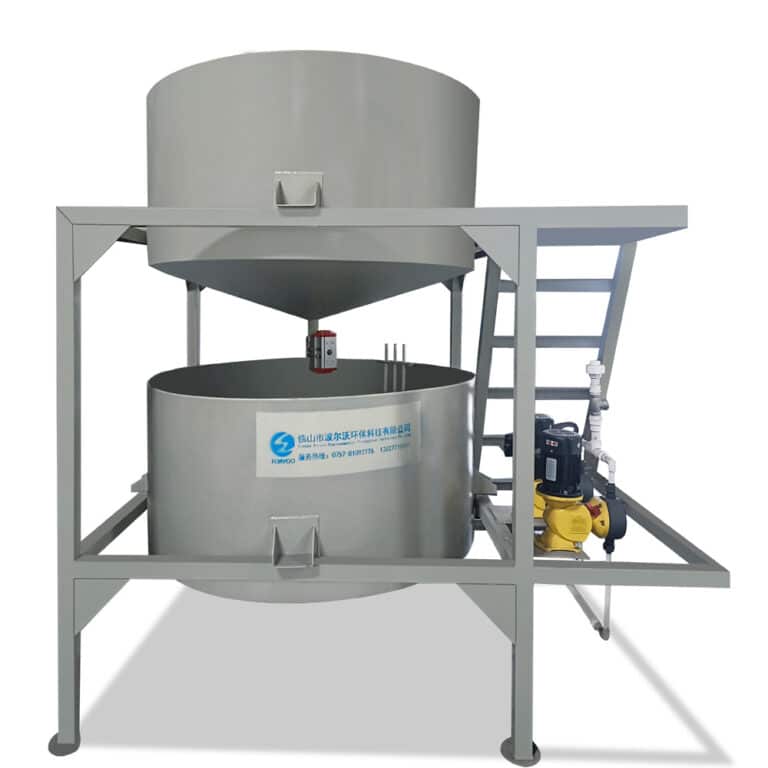
Ефективність інтелектуальної системи залежить від її інтегрованого обладнання. До найважливіших компонентів належать прецизійні дозуючі насоси з частотно-регульованими приводами (ЧРП) для точної подачі хімікатів і автоматизовані блоки підготовки, які забезпечують послідовну активацію PAM - поширене джерело мінливості продуктивності. Сенсорна основа складається з онлайн-аналізаторів; їх надійність має першорядне значення, як зазначено в таких стандартах, як ISO 15839:2018 для датчиків якості води. Програмований логічний контролер (ПЛК) виконує складні алгоритми дозування, в той час як людино-машинний інтерфейс (HMI) забезпечує доступ до даних процесу та управління.
Інтеграційний виклик
Справжня експлуатаційна перевага випливає з безшовної інтеграції компонентів, а не з продуктивності окремого пристрою. Основною перешкодою при впровадженні є взаємодія нового інтелектуального контролера дозування з існуючою інфраструктурою ПЛК або SCADA на підприємстві. Типові, готові рішення часто зазнають невдачі, оскільки вони не можуть пристосуватися до специфічних архітектур управління або застарілих протоколів зв'язку на об'єкті. Тому успішне розгортання вимагає від постачальників надання глибокої підтримки в розробці технологічних процесів для адаптації рівня інтеграції системи. Таке налаштування гарантує, що інтелектуальний модуль дозування ефективно взаємодіє з більш широкими системами управління заводом, роблячи його невід'ємною частиною процесу обробки, а не ізольованим острівцем автоматизації.
Ключові алгоритми управління: Від прямого зв'язку до модельного прогнозування
Ієрархія логіки управління
Стратегії управління постійно вдосконалюються. Пряме управління діє на випередження, регулюючи дозу PAC на основі виміряного збурення стоку, наприклад, збільшення швидкості потоку, перш ніж воно погіршить роботу відстійника. Контроль зі зворотним зв'язком виконує точне налаштування за допомогою датчиків на відстояній воді, замикаючи цикл контролю якості стічних вод. Незважаючи на свою ефективність, ці методи є по суті реактивними. Найдосконаліші системи використовують модель прогнозованого управління (MPC), яка використовує динамічну модель процесу для прогнозування оптимальних доз на майбутній часовий горизонт, оптимізуючи як миттєву продуктивність, так і довгострокову ефективність.
Перетворення тестування банок на безперервну науку
Ця алгоритмічна еволюція перетворює баночне тестування з ручного, періодичного мистецтва на прогностичну, безперервну науку. Сучасні системи можуть імітувати автоматизоване тестування банок, аналізуючи історичні дані та дані в реальному часі, щоб передбачити синергетичний зв'язок між PAC і PAM. Вони враховують нелінійні реакції та часові затримки, притаманні хімії коагуляції. Таким чином, вони переводять процес в проактивну область, підтримуючи оптимальні умови навіть при зміні характеристик стічних вод. Для ефективного навчання цих моделей необхідно мати високоякісні, перевірені історичні дані; без них навіть найскладніший алгоритм не зможе працювати.
Встановлення базової лінії: Від тестування банки до калібрування системи
Емпіричний фонд
Хоча інтелектуальні системи автоматизуються в режимі реального часу, їх початкове калібрування спирається на емпіричну основу тестування в банках. Ця лабораторна процедура не підлягає обговоренню для встановлення базового синергетичного взаємозв'язку між PAC (коагулянтом) і PAM (флокулянтом). Їхні ролі механічно різні: PAC нейтралізує електростатичні заряди, створюючи мікрофлокуси, тоді як PAM забезпечує полімерні зв'язки для формування макрофлокусів, що осідають. Протокол випробувань у банках підкреслює, що дозування, енергія змішування (G-величина) і сувора послідовність додавання (PAC перед PAM) є критично важливими, не взаємозамінними змінними.
Від статичної базової лінії до динамічного калібрування
Інтелектуальні системи використовують результати тестування банок як початкові задані значення, але розроблені для безперервної адаптації. Датчики системи забезпечують постійний потік технологічних даних, що дозволяє алгоритмам управління навчатися і коригувати базову лінію у відповідь на фактичні умови роботи заводу. Таке динамічне калібрування є ключем до управління добовими та сезонними коливаннями. Стратегічний висновок очевидний: підприємства повинні інвестувати в необхідну сенсорну інфраструктуру та можливості архівації даних для забезпечення цих алгоритмів. Ці інвестиції уможливлюють вирішальний перехід від відсталих ручних лабораторних тестів до випереджальної оптимізації процесів у режимі реального часу.
Основні змінні процесу для оптимізації
| Змінна процесу | Роль у коагуляції/флокуляції | Мета оптимізації |
|---|---|---|
| Дозування ПАК (коагулянту) | Нейтралізує заряди частинок | Створюйте мікрофлокуси |
| Дозування ПАМ (флокулянта) | Містки мікрофлокусів | Утворюють осідаючі макрофлокуси |
| Енергія змішування (G-value) | Сприяє зіткненню частинок | Оптимізація утворення пластівців |
| Послідовність додавання | PAC перед PAM | Критично важливо для синергії |
| Час реакції | Дозволяє рости флокулам | Забезпечення ефективності осадження |
Джерело: Технічна документація та галузеві специфікації.
У цій таблиці наведено основні змінні, які повинні бути охарактеризовані під час тестування банок, а потім керовані інтелектуальною системою. Кожна змінна відіграє певну механічну роль, і оптимізація вимагає збалансування їх як інтегрованої системи, а не як окремих параметрів.
Оптимізація дозування для конкретних проблем зі стічними водами
Налаштування алгоритмічної реакції
Інтелектуальні системи створюють цінність, налаштовуючи специфічні реакції на динамічні виклики впливу. У разі високої каламутності алгоритм повинен збільшити дозу коагулянту, щоб дестабілізувати велике колоїдне навантаження. Низькі температури води можуть вимагати збільшення дози полімеру або автоматичного переходу на більш стійкий, низькотемпературний склад PAM. Коливання рН вимагають негайного алгоритмічного коригування, оскільки ефективність квасцов і залізних коагулянтів сильно залежить від рН. Ця потреба в спеціалізованій логіці, що налаштовується, є основною відмінністю від базової автоматизації.
Еволюція для майбутніх забруднювачів
Оптимізація - це не одноразова подія, а безперервний процес адаптації до мінливого регуляторного ландшафту. Оскільки нормативно-правові акти дедалі більше спрямовані на конкретні забруднювачі, такі як PFAS, або встановлюють точні межі вмісту поживних речовин, системи дозування потребуватимуть алгоритмів і пакетів датчиків, орієнтованих на конкретні забруднювачі. Майбутні системи можуть інтегрувати спектроскопічні аналізатори або інші вдосконалені датчики для забезпечення прямого зворотного зв'язку щодо видалення цільових забруднювачів, виходячи за межі проксі-параметрів, таких як каламутність. Така еволюція підкреслює, що програмне забезпечення системи і набір датчиків повинні мати можливість оновлюватися, щоб відповідати майбутнім вимогам.
Алгоритмічні відповіді на поширені виклики
| Influent Challenge | Алгоритм реагування | Налаштування ключових параметрів |
|---|---|---|
| Високий сплеск каламутності | Збільшити дозу коагулянту | Більш високе дозування PAC |
| Низька температура | Підвищення еластичності полімерів | Перемикач тип/доза PAM |
| Коливання pH | Автоматичне регулювання коагулянту | Оптимізація для ефективності pH |
| Специфічні забруднювачі (наприклад, PFAS) | Логіка для конкретного забруднювача | Цільовий вибір хімічних речовин |
| Суворі обмеження поживних речовин | Точний стехіометричний контроль | Мінімізувати передозування хімікатів |
Джерело: Технічна документація та галузеві специфікації.
Ця схема показує, як інтелектуальна система запрограмована реагувати на конкретні стресові фактори. Логіка управління повинна бути достатньо складною, щоб впоратися з декількома одночасними викликами, такими як низька температура і висока каламутність, що вимагає комбінованої стратегії регулювання.
Подолання загальних технічних та операційних перешкод
Усунення первинних причин невдач
Успішне розгортання вимагає передбачення ключових перешкод. Неузгодженість підготовки полімеру - основне джерело мінливості продуктивності - вирішується за допомогою автоматизованих блоків підготовки з контрольованими циклами старіння. Забруднення датчиків, яке може засліпити “очі” системи, контролюється за допомогою інтегрованих механізмів автоматичного очищення і діагностичних процедур, які попереджають операторів про зниження надійності датчиків. Експерти рекомендують вибирати датчики з перевіреною стійкістю до забруднення і легким доступом для обслуговування як найважливіший критерій проектування.
Системні та інтеграційні виклики
Найважливіші виклики часто мають системний характер. Нелінійний, часто непередбачуваний зв'язок між параметрами якості води та оптимальним дозуванням вимагає індивідуального підходу до управління; загальний алгоритм буде недостатньо ефективним. Модернізація інтелектуального дозування на застарілих установках вимагає ретельного гідравлічного аналізу, щоб забезпечити достатній час швидкого перемішування і флокуляції для ефективної роботи хімікатів. Ця реальність виявляє стратегічне розуміння: ринок модернізації застарілих установок є значним, віддаючи перевагу постачальникам, які розробляють модульні, масштабовані комплекти для модернізації та мають глибокий досвід інтеграції для старих систем управління, таких як ANSI/ISA-88.00.01 на основі архітектури.
Оцінка загальної вартості володіння та обґрунтування рентабельності інвестицій
Аналіз повної структури витрат
Переконливе економічне обґрунтування виходить за рамки капітальних витрат і враховує загальну вартість володіння. Для дозування хімічних речовин операційні витрати - в першу чергу, споживання хімікатів - зазвичай є найбільшою довгостроковою статтею витрат. Інтелектуальне дозування безпосередньо впливає на ці витрати, мінімізуючи передозування та оптимізуючи синергію PAM/PAC. Крім того, використання ЧРП на дозуючих насосах дає значну економію енергії порівняно з насосами з фіксованою швидкістю. Фінансовий аналіз повинен моделювати цю економію з урахуванням збільшення початкових витрат на датчики, контролери та програмне забезпечення.
Ширша ціннісна пропозиція: Зниження ризиків
Обґрунтування рентабельності інвестицій виходить за рамки прямого підвищення ефективності. Автоматизована обробка хімікатів мінімізує вплив небезпечних речовин на працівників, підвищуючи безпеку та зменшуючи відповідальність. Точне, задокументоване дозування забезпечує постійне дотримання норм, що безпосередньо знижує ризик штрафів з боку регуляторних органів. Система реєстрації даних забезпечує беззаперечний аудиторський слід для екологічної звітності. Це трансформує ціннісну пропозицію від простої економії витрат до комплексного зниження операційних ризиків і забезпечення безпеки. У наших порівняннях підприємства, які враховували зниження ризиків, пов'язаних із дотриманням нормативних вимог, досягли періоду окупності на 30-40% коротшого, ніж ті, що оцінювали лише економію хімічних речовин.
Структура сукупної вартості володіння
| Категорія витрат | Ключовий фактор | Вплив інтелектуального дозування |
|---|---|---|
| Капітальні витрати (CAPEX) | Обладнання та монтаж | Початкові інвестиції |
| Операційні витрати (OPEX) | Споживання хімічних речовин | 10-30% типова редукція |
| Витрати на енергію | Робота насоса | ЧРП знижують споживання |
| Відповідність та безпека | Регуляторні штрафи, ризик викриття | Мінімізує відповідальність та небезпеку |
| Обслуговування | Очищення, калібрування датчика | Автоматизовані рутини зменшують трудовитрати |
Джерело: Технічна документація та галузеві специфікації.
Ця розбивка TCO підкреслює, де інтелектуальні системи створюють цінність. Зменшення операційних витрат (хімічні речовини) і зниження витрат на дотримання нормативних вимог часто виправдовують більш високі початкові капітальні інвестиції за умови, що аналіз охоплює всі відповідні фактори, що впливають на витрати протягом реалістичного життєвого циклу.
Впроваджуємо свою систему: Поетапна дорожня карта проекту
Структурований підхід для мінімізації ризиків
Поетапне впровадження має вирішальне значення для управління складністю та забезпечення успіху інтеграції. Етап 1 передбачає всебічну характеристику процесу: проведення баночних тестів в очікуваних умовах і повний аудит існуючої інфраструктури, систем управління та протоколів зв'язку. Етап 2 фокусується на пілотному тестуванні та розробці алгоритмів, використовуючи змонтовану на рамі випробувальну установку для адаптації логіки управління до хімічного складу стічних вод на конкретному об'єкті та перевірки припущень щодо продуктивності.
Поетапна інсталяція та стратегічна інтеграція
Етап 3 - це поетапне встановлення обладнання та інтеграція з SCADA заводу. Часто це починається з однієї технологічної лінії або ключової точки подачі хімікатів. Роботи з інтеграції, особливо зв'язок з існуючими розподіленими системами управління, вимагають ретельного планування. Стратегічною кінцевою метою такого впровадження є створення передових операційних моделей. Конвергенція надійного дистанційного моніторингу, прогнозованого дозування і даних про продуктивність відкриває двері для контрактів, орієнтованих на результат, або пропозицій “Вода як послуга”. Це може перетворити капітальні витрати клієнта на операційні, одночасно створюючи нові, повторювані потоки цінності для постачальників передових інтелектуальні системи дозування хімічних речовин.
Архітектура компонентів системи
| Компонент | Основна функція | Основні характеристики/особливості |
|---|---|---|
| Прецизійні дозуючі насоси | Доставка дозування хімічних речовин | Приводи змінної частоти (VFD) |
| Онлайн-аналізатори | Моніторинг якості води в режимі реального часу | Каламутність, рН, швидкість течії |
| Автоматизований блок підготовки | Активація полімеру (PAM) | Забезпечує стабільну в'язкість розчину |
| Програмований логічний контролер (ПЛК) | Виконує алгоритми дозування | Інтегрується з SCADA заводу |
| Людино-машинний інтерфейс (HMI) | Оперативний нагляд і контроль | Візуалізація даних у реальному часі |
Джерело: ISO 15839:2018 Якість води - Он-лайн датчики/обладнання для аналізу води - Технічні характеристики та експлуатаційні випробування. Цей стандарт визначає вимоги до продуктивності та надійності онлайн-аналізаторів (каламутність, рН), які є критично важливими для надання даних зворотного зв'язку в режимі реального часу, на основі яких приймаються інтелектуальні рішення щодо дозування.
Ця таблиця визначає основні апаратні та програмні компоненти системи. Успішне впровадження залежить не лише від вибору окремих компонентів відповідно до цих специфікацій, але й від того, щоб вони були спроектовані так, щоб працювати як єдине ціле, сумісне ціле.
Рішення про впровадження інтелектуальної системи дозування залежить від трьох пріоритетів: визначення необхідного рівня інтелекту управління, що виходить за рамки базової автоматизації, проведення емпіричних випробувань банок і калібрування системи, а також прийняття загальної вартості володіння, яка враховує зниження ризиків поряд з економією хімікатів. Поетапна дорожня карта впровадження не підлягає обговоренню для управління технічними ризиками та досягнення безперешкодної інтеграції з існуючими системами контролю на заводі.
Вам потрібна професійна допомога, щоб визначити та інтегрувати справжнє інтелектуальне дозувальне рішення для ваших проблем зі стічними водами? Інженерна команда в ПОРВО спеціалізується на розробці адаптивних систем управління для складних промислових застосувань, гарантуючи, що ваші інвестиції принесуть вимірювану технологічну та фінансову віддачу.
Поширені запитання
З: Як обґрунтувати рентабельність інвестицій в інтелектуальну систему дозування, окрім простої економії хімікатів?
В: Економічне обґрунтування зосереджується на загальній вартості володіння, де споживання енергії часто є найбільшою довгостроковою статтею витрат. Інтелектуальні системи оптимізують використання хімікатів і використовують частотно-регульовані приводи на насосах, що безпосередньо зменшує витрати енергії. Рентабельність інвестицій поширюється на зменшення ризиків шляхом мінімізації впливу небезпечних хімічних речовин на працівників і забезпечення точного, задокументованого дозування для постійного дотримання нормативних вимог. Це означає, що підприємства, які стикаються зі зростанням цін на електроенергію або суворими обмеженнями на викиди, повинні оцінювати рентабельність інвестицій на основі зниження операційних ризиків, а не лише авансових капітальних витрат.
З: Який перший крок необхідно зробити для калібрування інтелектуальної системи дозування PAM/PAC?
В: Калібрування системи повинно починатися з комплексного тестування банок для встановлення емпіричного базового співвідношення між дозуваннями PAC і PAM. Ця лабораторна процедура визначає критичні, незмінні змінні дозування, енергію змішування та послідовність додавання хімічних речовин. Інтелектуальні контролери використовують ці результати як початкові задані значення до того, як за справу візьмуться їхні адаптивні алгоритми. Для проектів з дуже мінливими впливами плануйте тривалі випробування банок у різних умовах, щоб створити надійну базу даних для системи керування.
З: Який алгоритм керування найкраще підходить для обробки раптових змін якості впливу, наприклад, стрибка каламутності?
В: Пряме регулювання спеціально розроблено для реагування на виміряні збурення стоків до того, як вони вплинуть на кінцеву якість стічних вод. Воно регулює швидкість подачі хімічних насосів на основі даних датчиків у реальному часі з вхідного потоку стічних вод. Цей проактивний підхід потім точно налаштовується за допомогою управління зі зворотним зв'язком нижче за течією. Якщо ваше підприємство зазнає частих або сильних ударних навантажень, віддайте перевагу системній архітектурі, яка інтегрує надійну логіку прямого зв'язку з надійними онлайн-аналізаторами, що відповідають таким стандартам продуктивності, як ISO 15839:2018.
З: Які основні технічні перешкоди виникають при модернізації інтелектуальної системи дозування на застарілих очисних спорудах?
В: Основними проблемами є інтеграція з існуючою інфраструктурою ПЛК/SCADA та забезпечення належних гідравлічних умов для змішування та реакції хімічних речовин. Неузгодженість підготовки полімерів і забруднення датчиків також створюють значні операційні ризики, які потребують автоматизованих функцій для їх зниження. Ця реальність означає, що проекти модернізації вимагають від постачальників глибокої технологічної підтримки, а не лише постачання обладнання. Перш ніж завершити будь-який проект модернізації, проведіть детальний аудит поточної архітектури управління і гідравлічного профілю.
З: Як інтелектуальні системи справляються з нелінійним зв'язком між рН води та ефективністю коагулянту?
В: Ці системи автоматично регулюють дозу або тип коагулянту у відповідь на вимірювання рН в реальному часі від інтегрованих онлайн-аналізаторів. Оскільки ефективність коагулянту сильно залежить від рН, алгоритм управління запрограмований на основі кривих відгуку, отриманих в результаті початкового тестування банки. Ця безперервна адаптація є основною перевагою перед базовою автоматизацією. Якщо рН ваших стічних вод значно коливається, ви повинні вказати аналізатори з автоматичним очищенням, щоб підтримувати надійні дані для цих критично важливих налаштувань.
З: Які стандарти забезпечують надійність онлайн-датчиків, що використовуються для керування дозуванням у замкненому контурі?
В: Продуктивність та технічні характеристики обладнання для онлайн-моніторингу якості води визначаються ISO 15839:2018. Цей стандарт встановлює вимоги та методи випробувань для ключових параметрів, таких як каламутність і рН, які формують важливий зворотний зв'язок для алгоритмів дозування. Для пов'язаних з хімічними трубопроводами стандартів простежуваності, таких як ISO 12176-4:2003 підтримувати цілісність системи. Оцінюючи постачальників, вимагайте документацію про відповідність стандарту ISO 15839, щоб забезпечити точність даних датчиків для автоматизованого прийняття рішень.
З: Чому для розгортання інтелектуальної системи дозування рекомендується використовувати дорожню карту поетапного впровадження?
В: Поетапний підхід мінімізує ризик, розділяючи визначення характеристик, розробку алгоритмів та інтеграцію обладнання на окремі етапи. Він починається з комплексної оцінки об'єкта і тестування банок (Етап 1), переходить до пілотного тестування і налаштування логіки управління (Етап 2), і завершується поетапним встановленням та інтеграцією SCADA (Етап 3). Для складних об'єктів із застарілою інфраструктурою ця методична послідовність не підлягає обговоренню, щоб уникнути дорогих помилок інтеграції та забезпечити правильне налаштування алгоритмів управління відповідно до хімічного складу стічних вод.