Точне дозування хімічних речовин є наріжним каменем ефективної коагуляції та флокуляції. Однак при виборі системи дозування PAM або PAC часто за замовчуванням обмежуються лише вибором насоса, не беручи до уваги комплексну продуктивність її компонентів. Такий вузький фокус може призвести до операційної неефективності, хімічних відходів і нестабільності процесу.
Перехід до цифрової інфраструктури водопостачання та суворіші регуляторні вимоги вимагають системного підходу. Розуміння взаємодії між насосами, датчиками та архітектурою управління більше не є необов'язковим - воно має вирішальне значення для досягнення цілей очищення, а також для управління загальною вартістю володіння та показниками сталого розвитку.
Пояснення ключових компонентів системи дозування PAM/PAC
Основна платформа
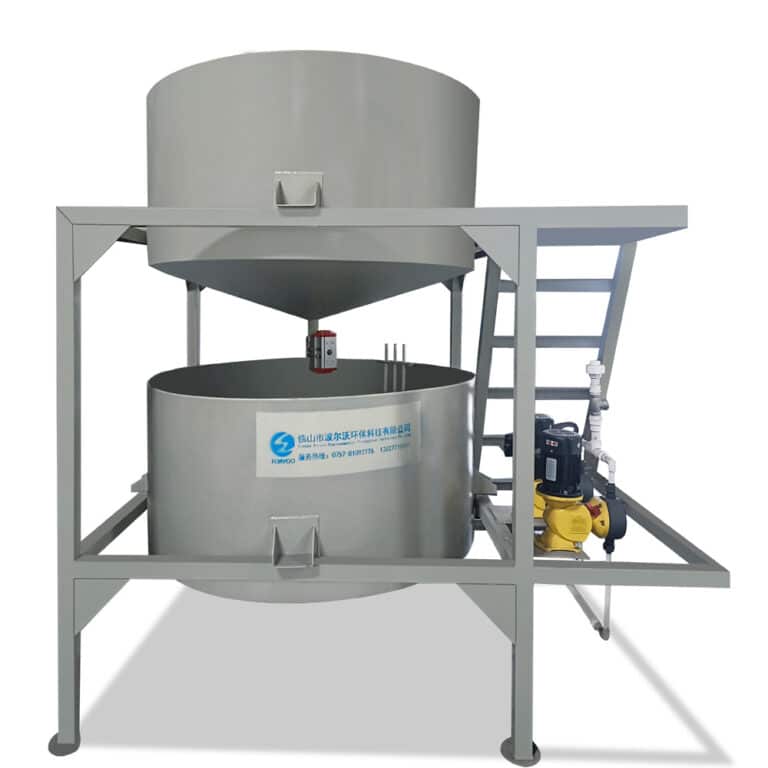
Система дозування PAM/PAC - це фундаментальна мультихімічна платформа, розроблена для точної роботи з реагентами. Вона виходить далеко за межі насоса і бака. Ядро системи складається зі сховища хімікатів, зазвичай виготовленого з корозійностійких матеріалів, таких як ПНД або склопластик, і дозуючого насоса, який слугує серцем системи. Вони інтегровані з мережею сумісних трубопроводів і клапанів на структурній рамі.
Оркестрування інтелекту
Панель управління, оснащена датчиками та логічними контролерами, керує всією роботою. Модульна конструкція забезпечує широкі можливості кастомізації. Експерти рекомендують розглядати її як конфігуровану платформу, здатну працювати з різними хімічними речовинами - від коагулянтів і флокулянтів до дезінфікуючих засобів - у комунальному господарстві, промисловості та гірничодобувній галузі. Поширеною помилкою є недооцінка вимог до сумісності матеріалів для деталей, що контактують із рідиною, що може призвести до передчасного виходу системи з ладу.
Від автоматизації до оптимізації
Еволюція цих систем відбувається в напрямку оптимізації на основі даних. Інтеграція компонентів створює базу даних для предиктивної аналітики. Цей розвиток створює можливості для отримання вигоди від оперативної інформації та гарантованого часу безвідмовної роботи, а не лише від закупівлі обладнання.
Порівняння типів насосів: Мембранні та перистальтичні дозувальні насоси
Визначальний фактор точності
Вибір насоса є основним фактором, що визначає точність дозування, безпосередньо впливає на ефективність обробки та економічну ефективність хімікатів. Вибір в основному залежить від хімічної сумісності, необхідного тиску нагнітання і в'язкості. Вибір неправильної технології насоса для певної хімічної речовини, наприклад, використання стандартного мембранного насоса для в'язкого полімеру, є частою і дороговартісною помилкою.
Порівняння технологій
Мембранні насоси, часто з гідравлічним приводом, відмінно підходять для застосування в умовах високого тиску і забезпечують відмінну повторюваність. Перистальтичні насоси, в яких ротор стискає трубку, забезпечують чудову локалізацію агресивних або в'язких хімічних речовин, оскільки рідина контактує лише з трубкою. Ми порівняли мембранні та перистальтичні механізми і виявили, що профіль технічного обслуговування значно відрізняється: мембранні насоси потребують мінімального технічного обслуговування, якщо вони правильно налаштовані, в той час як перистальтичні насоси потребують планової заміни трубки.
Стратегічні міркування щодо закупівель
Окрім технічних специфікацій, стратегічні закупівлі повинні враховувати стійкість ланцюга постачання спеціалізованих матеріалів для насосів та ущільнень. Геополітичні потрясіння можуть вплинути на доступність цих важливих компонентів. Забезпечення наявності перевіреного вторинного джерела для ключових швидкозношуваних деталей є розумною стратегією зниження ризиків.
Зробити усвідомлений вибір
У наступній таблиці наведено чітке порівняння, яке допоможе у виборі між двома технологіями первинних насосів.
| Особливість | Мембранний насос | Перистальтичний насос |
|---|---|---|
| Найкраще для | Застосування під високим тиском | Агресивні/в'язкі хімічні речовини |
| Контакт з рідиною | Мембрана та клапани | Тільки трубка. |
| Обслуговування | Мінімальний (якщо вказано правильно) | Заміна трубки |
| Ключова перевага | Відмінна повторюваність | Чудовий захист від хімічних речовин |
| Здатність до тиску | Високий | Від низького до помірного |
Джерело: Технічна документація та галузеві специфікації.
Необхідні датчики для точного контролю та моніторингу коагулянтів
Перетворення даних на контроль
Датчики перетворюють механічну систему дозування на інтелектуальний, автоматизований засіб керування процесом. До основних датчиків належать витратоміри для вимірювання продуктивності установки, які контролер використовує для розрахунку пропорційної потреби в хімікатах. Датчики тиску контролюють цілісність лінії та виявляють засмічення, а датчики рівня в резервуарах для хімікатів запобігають виникненню умов сухого ходу.
Зворотний зв'язок для регулювання замкненого контуру
Для контролю коагулянту датчики поточного струму або датчики каламутності забезпечують необхідний зворотний зв'язок для регулювання в замкнутому циклі. Ці дані в режимі реального часу дозволяють системі адаптуватися до зміни якості вихідної води, оптимізуючи використання хімікатів. Інтеграція цих датчиків є фундаментальним кроком для впровадження більш досконалих стратегій управління процесом.
Комплаєнс-драйвер
Посилення регуляторного контролю за поводженням з хімічними речовинами прискорює впровадження передових датчиків виявлення витоків і захисних блокувань. Вбудований інтелект для дотримання екологічних норм і безпеки оператора стає конкурентною необхідністю, а не просто функцією. З мого досвіду, забруднення датчиків є найпоширенішою причиною виходу з ладу контуру керування, тому легкий доступ для очищення та калібрування є критично важливим фактором при проектуванні.
Розуміння архітектури керування: ПЛК проти спеціалізованого контролера
Визначення системного інтелекту
Архітектура керування визначає інтелектуальність, гнучкість та інтеграційний потенціал системи. Спеціалізовані контролери конкретного виробника оптимізовані для виконання простих завдань дозування, пропонуючи простоту і надійність для автономних застосувань. Вони часто є правильним вибором для невеликих і простих систем.
Гнучкість ПЛК
На відміну від них, програмовані логічні контролери (ПЛК) забезпечують більшу гнучкість для складної логіки, безперешкодну інтеграцію з більш широкими системами SCADA заводу і легше розширення в майбутньому. Для заводів з існуючими розподіленими системами управління, дозатор на базі ПЛК спрощує комунікацію та агрегацію даних, дотримуючись загальних промислових протоколів.
Еволюція IoT
Розвиток модулів з підтримкою Інтернету речей означає перехід від простої автоматизації до оптимізації на основі даних. Це дозволяє здійснювати віддалений моніторинг, отримувати попередження про необхідність технічного обслуговування та аналітику продуктивності. Ця архітектура підтримує модель, засновану на послугах, де цінність отримують від операційної аналітики та надійності системи.
Як вибрати правильну систему дозування для вашої водоочисної станції
Узгодження з архетипами додатків
Вибір вимагає узгодження можливостей системи з конкретними архетипами застосування. По-перше, визначте властивості хімікату - корозійну активність і в'язкість - і робочий цикл, наприклад, безперервна чи періодична робота. Галузева вертикаль також диктує свої вимоги: муніципальні підприємства надають перевагу надійності та відповідності вимогам, тоді як підприємства харчової промисловості наголошують на чистоті матеріалів і сертифікації.
Конфігурація для надійності
Для критично важливих застосувань з високим рівнем готовності необхідна дуплексна або триплексна конфігурація насоса з дублюючими трубопроводами. Це забезпечує безперебійну роботу навіть під час технічного обслуговування або виходу насоса з ладу. Виробники пропонують стандартизовані, але модульні конфігурації для поширених кластерів застосувань, балансуючи між ефективністю налаштування та надійністю для конкретного застосування.
Стратегічна зміна цінностей
Стратегічна ціннісна пропозиція розширюється від простого очищення до управління ефективністю використання ресурсів. Системи все частіше оцінюються за їх здатністю мінімізувати хімічний слід і утворення мулу, що узгоджується з більш широкими цілями сталого розвитку та операційних витрат. Це робить точність і керованість першочерговими критеріями вибору.
Важливі технічні характеристики: Витрата, тиск і точність
Мова перформансу
Технічні характеристики - це кількісний опис продуктивності системи. Швидкість потоку, зазвичай виражена в мл/хв або л/год, визначає продуктивність і повинна відповідати як середнім, так і піковим потребам у дозуванні. Тиск на виході повинен долати статичний напір і протитиск в системі, щоб забезпечити надійне впорскування в технологічний потік.
Показник економії коштів
Точність, яку часто називають ±1% від заданого значення, є критично важливою. Ця точність безпосередньо пов'язана з економією хімікатів і стабільністю процесу. Вона досягається завдяки розробленим механізмам насосів, калібрувальним колонкам для візуальної перевірки і стабільним алгоритмам управління. Конкурентна перевага залежить від наочної надійності і точності управління в змінних умовах.
Перевірка специфікацій
У наступній таблиці наведено ключові параметри продуктивності та їхній безпосередній вплив на роботу системи та вартість.
| Параметр | Типовий діапазон | Вплив на продуктивність |
|---|---|---|
| Швидкість потоку | мл/хв до л/год | Відповідає піковим потребам у дозуванні |
| Тиск на виході | Необхідно подолати протитиск системи | Забезпечує надійне впорскування |
| Точність | ±1% від заданого значення | Пряма економія хімічних речовин |
| Стабільність управління | Стабільні алгоритми | Послідовність процесу |
| Метод перевірки | Калібрувальна колонка | Візуальна перевірка продуктивності |
Джерело: Технічна документація та галузеві специфікації.
Встановлення, обслуговування та загальні міркування щодо експлуатації
Фонд довголіття
Правильна установка на рівному, закритому резервуарі для розливу має вирішальне значення для безпеки та захисту навколишнього середовища. Дотримання заводських протоколів гідростатичних випробувань перевіряє цілісність системи перед введенням хімікатів. Важливо, щоб всмоктувальна лінія була якомога коротшою і прямішою, щоб запобігти втраті рідини.
Рутинна та прогностична допомога
Планове технічне обслуговування зосереджується на мембранах насоса або трубках, перевірці клапанів і калібруванні датчиків. Стратегічний погляд підкреслює, що цілісність системи - це вбудована відповідальність виробника, яка безпосередньо впливає на загальну вартість володіння. Проактивне технічне обслуговування на основі даних та системної аналітики - це стан майбутнього, що запобігає незапланованим простоям.
Усунення поширених проблем
До поширених експлуатаційних проблем належать витоки у всмоктувальній лінії, зміни в'язкості, що впливають на продуктивність насоса, і забруднення датчиків. Сумісність матеріалів залишається першочерговим завданням; вибір неправильного полімеру для хімічної лінії є критичною помилкою. Встановлення регулярного графіка калібрування, заснованого на схильності хімікату до забруднення або кристалізації, є найкращою практикою, яку ми постійно рекомендуємо.
Основа для вибору найкращих дозуючих компонентів PAM/PAC
Структурований процес прийняття рішень
Структурована система прийняття рішень забезпечує оптимальний вибір і перетворює завдання з вправи на основі компонентів на системний підхід. Цей метод позиціонує систему дозування як конфігуровану платформу для довгострокової операційної ефективності.
П'ятикрокова концепція
Процес починається з визначення всіх хімічних і технологічних параметрів. Потім на основі цих параметрів вибирають технологію насоса, надаючи пріоритет точності та сумісності матеріалів. Третій крок - визначення матеріалів конструкції для всіх деталей, що контактують із рідиною, щоб забезпечити корозійну стійкість протягом усього терміну служби системи.
Завершення проектування системи
На четвертому етапі визначається архітектура управління на основі потреб інтеграції та бажаного доступу до даних. На останньому етапі обирається конфігурація системи - симплексна, дуплексна або триплексна - відповідно до необхідного рівня надійності та резервування. Ця структура гарантує, що обрана система готова до конвергенції з ширшою цифровою інфраструктурою водопостачання.
Застосування Рамкової програми
У наведеній нижче таблиці узагальнено цю структуровану схему вибору, що забезпечує чіткий шлях від визначення вимог до остаточної специфікації системи.
| Етап відбору | Основні вхідні дані | Результат/вибір |
|---|---|---|
| 1. Визначте параметри | Тип хімічної речовини, діапазон доз, тиск | Чіткі вимоги до продуктивності |
| 2. Виберіть Pump Tech | Хімічна сумісність, в'язкість | Діафрагмовий або перистальтичний |
| 3. Вказати матеріали | Корозійна активність хімічних речовин | Корозійностійкі деталі, що контактують із вологою |
| 4. Архітектура управління | Потреби в інтеграції SCADA | ПЛК або спеціальний контролер |
| 5. Конфігурація системи | Необхідний рівень надійності | Симплекс, дуплекс або триплекс |
Джерело: Технічна документація та галузеві специфікації.
Вибір системи дозування PAM/PAC вимагає визначення пріоритетності трьох основних елементів: точність, інтеграція та стратегія життєвого циклу. По-перше, виберіть насос і комплект датчиків, які забезпечать демонстративну точність у змінних умовах, оскільки від цього залежить ефективність використання хімікатів. По-друге, оберіть архітектуру керування, яка узгоджується зі стратегією SCADA та даними вашого заводу, забезпечуючи інтеграцію на майбутнє. По-третє, оцініть загальну вартість володіння, враховуючи сумісність матеріалів, доступ до технічного обслуговування та підтримку постачальника в питаннях профілактичного обслуговування.
Вам потрібна професійна система, налаштована відповідно до специфічних вимог дозування коагулянтів і флокулянтів на вашому підприємстві? Розглянуті концептуальні засади та технічні ідеї можна безпосередньо застосувати для розробки рішення, яке забезпечить стабільність процесу та контроль витрат. Ознайомтеся з інженерними рішеннями для подачі хімічних речовин від ПОРВО щоб перетворити ці специфікації в надійну, інтегровану систему. Для детального обговорення вашої заявки ви також можете Зв'яжіться з нами.
Поширені запитання
З: Які ключові фактори при виборі між мембранними та перистальтичними насосами для дозування PAM/PAC?
В: Вибір залежить від хімічної сумісності, необхідного тиску нагнітання та в'язкості рідини. Мембранні насоси підходять для роботи під високим тиском і забезпечують високу повторюваність, тоді як перистальтичні насоси забезпечують чудову локалізацію агресивних або в'язких хімічних речовин, оскільки рідина контактує лише з трубкою. Це означає, що підприємствам, які працюють з в'язкими полімерними розчинами, слід надавати перевагу перистальтичним насосам, тоді як підприємствам, які потребують високого тиску на виході для довгих ліній подачі, більше підійдуть мембранні насоси.
З: Як вибір архітектури керування між ПЛК та спеціальним контролером впливає на інтеграцію системи?
В: Спеціальний контролер забезпечує простоту для основних завдань дозування, але програмований логічний контролер (ПЛК) забезпечує чудову гнучкість для складної логіки і безперешкодну інтеграцію з загальною мережею SCADA заводу. Програмованість ПЛК також полегшує майбутнє розширення і реалізацію функцій, заснованих на даних, таких як прогнозування технічного обслуговування. Для проектів, де пріоритетом є інтеграція з більш широким управлінням процесами та аналізом даних, плануйте початкову специфікацію архітектури на основі ПЛК, щоб уникнути дорогої модернізації в майбутньому.
З: Які технічні характеристики є найбільш важливими для забезпечення точності дозування хімікатів та контролю витрат?
В: Продуктивність, тиск на виході та точність дозування є основними технічними характеристиками. Точність, яка часто вказується як ±1% від заданого значення, є прямим зв'язком з економією хімікатів і стабільністю процесу, що досягається завдяки прецизійним механізмам насосів і стабільним алгоритмам управління. Це означає, що групи закупівель повинні розглядати продемонстровану точність у змінних умовах як ключовий критерій вибору постачальника, оскільки це безпосередньо виправдовує інвестиції завдяки зниженню експлуатаційних витрат і ризиків.
З: Які датчики необхідні для створення автоматизованої системи дозування коагулянту в замкнутому циклі?
В: Окрім датчиків рівня в резервуарі та тиску в лінії, система із замкнутим контуром потребує витратоміра для вимірювання продуктивності установки та приладу зворотного зв'язку, наприклад, датчика поточного струму або датчика каламутності для аналізу якості очищеної води. Контролер використовує ці дані для пропорційного регулювання ходу або швидкості насоса. Якщо ви прагнете забезпечити стабільну якість стічних вод з мінімальним втручанням оператора, ви повинні передбачити та інтегрувати ці специфічні датчики зворотного зв'язку ще на початковому етапі проектування.
З: Як водоочисна станція повинна вибрати правильні матеріали конструкції для системи дозування PAM/PAC?
В: Вибір матеріалу починається з визначення властивостей хімікату, зокрема його корозійної активності та в'язкості, щоб визначити сумісні полімери для всіх деталей, що контактують з ним. Найчастіше вибирають ПНД або склопластик для резервуарів, а також ПВХ, ХПВХ або ПВДФ для трубопроводів і клапанів. Це означає, що підприємства, які використовують агресивні коагулянти, повинні ретельно перевіряти таблиці хімічної сумісності у постачальників, оскільки вибір неправильного полімеру може призвести до передчасного виходу системи з ладу і небезпечних умов.
З: Які експлуатаційні переваги має дуплексна або триплексна насосна система?
В: Дуплексна або триплексна конфігурація з резервними насосами і трубопроводами забезпечує необхідну надійність для високонадійних або критично важливих систем дозування. Така конфігурація забезпечує безперервну роботу під час технічного обслуговування або в разі виходу з ладу одного насоса, запобігаючи збоям у технологічному процесі. Для проектів, де переривання подачі хімікатів становить значний ризик для ефективності обробки або дотримання нормативних вимог, слід очікувати, що капітальні витрати на резервну конфігурацію будуть виправдані експлуатаційною стійкістю, яку вона забезпечує.
З: Як стратегічна цінність сучасної системи дозування виходить за рамки базового хімічного живлення?
В: Ціннісна пропозиція еволюціонує від простого впорскування реагентів до управління ефективністю використання ресурсів. Сучасні системи з підтримкою даних все частіше оцінюються за їхньою здатністю мінімізувати споживання хімікатів і зменшити утворення мулу, що відповідає цілям сталого розвитку та операційних витрат. Цей зсув означає, що особи, які приймають рішення, повинні оцінювати постачальників не лише за технічними характеристиками обладнання, але й за здатністю їхньої платформи надавати інформацію та аналітику, які підтримують ширші екологічні та економічні цілі.