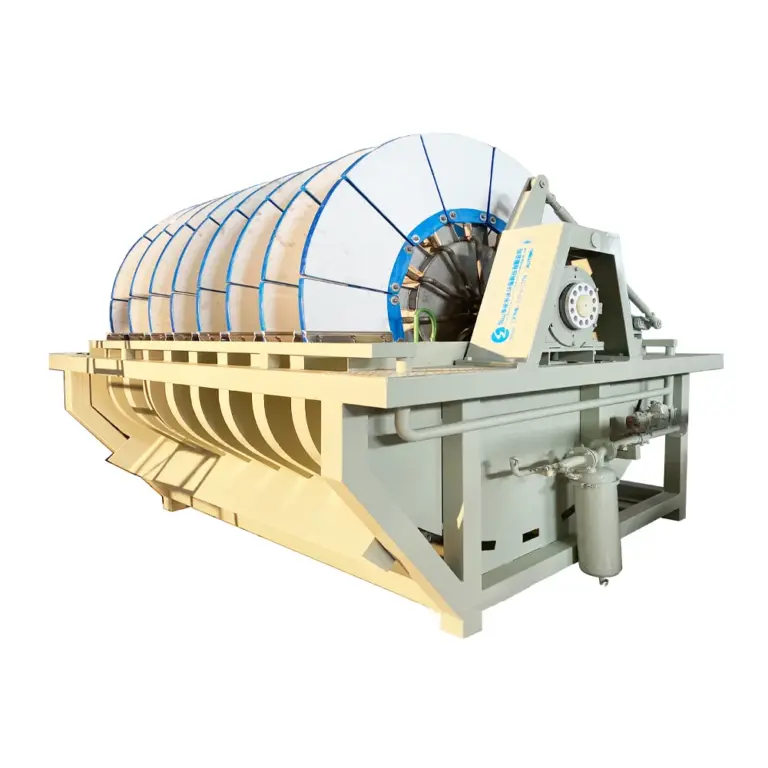
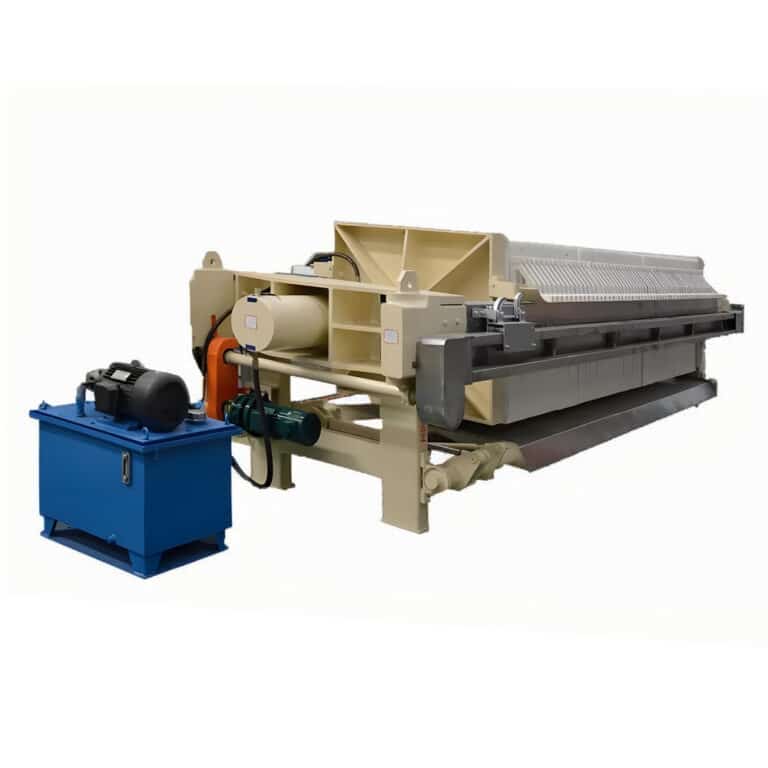
Вибір правильної технології зневоднення - це критично важливе виробниче рішення, яке виходить далеко за рамки початкових капітальних витрат. Вибір між стрічковим фільтр-пресом і заглибним пластинчастим пресом диктує щоденний ритм роботи вашого заводу, бюджет на технічне обслуговування і загальну вартість володіння протягом багатьох років. Нерозуміння фундаментальних принципів роботи може замкнути підприємство в циклі високих трудовитрат і непередбачуваної продуктивності.
Таке порівняння є вкрай важливим, оскільки операційна ефективність і мінімізація відходів стають основними фінансовими факторами. Різниця в годинах технічного обслуговування, витратах полімерів і кінцевій сухості макухи безпосередньо впливає на кінцеву прибутковість і дотримання екологічних норм. Стратегічна оцінка, що базується на вартості життєвого циклу, а не лише на ціні придбання, є необхідною для сталого функціонування.
Стрічковий фільтр-прес vs заглибний пластинчастий прес: Основні експлуатаційні відмінності
Визначення основних філософій
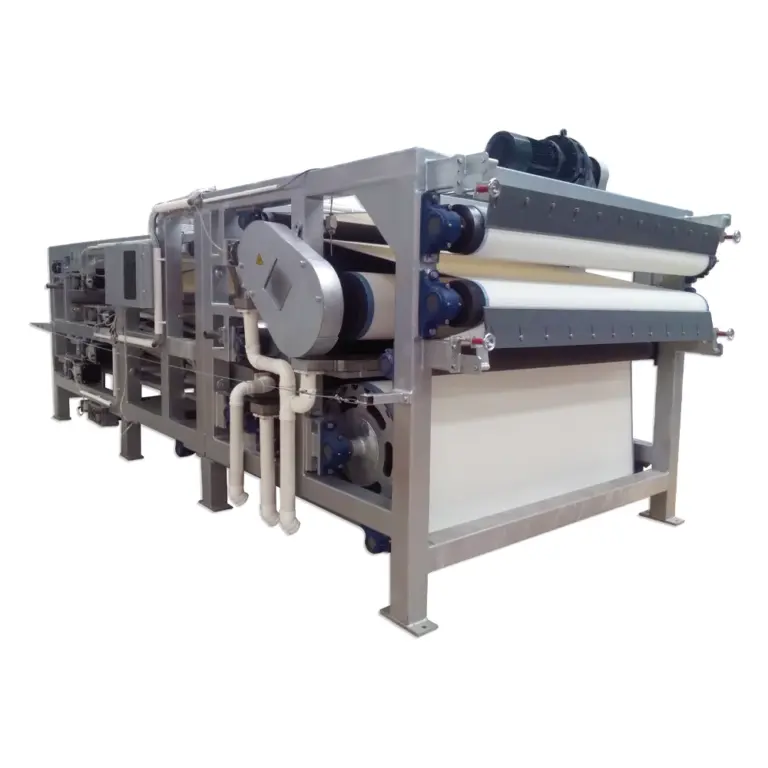
Операційна ДНК цих систем принципово протилежна. Стрічковий фільтр-прес - це пристрій безперервного механічного зневоднення. Він працює на основі гравітаційного дренажу, зсувних сил і тиску роликів, що прикладаються до рухомих фільтрувальних стрічок. Його робота - це безперервний процес кондиціонування, зневоднення і розвантаження, що вимагає стабільної подачі і постійного механічного регулювання.
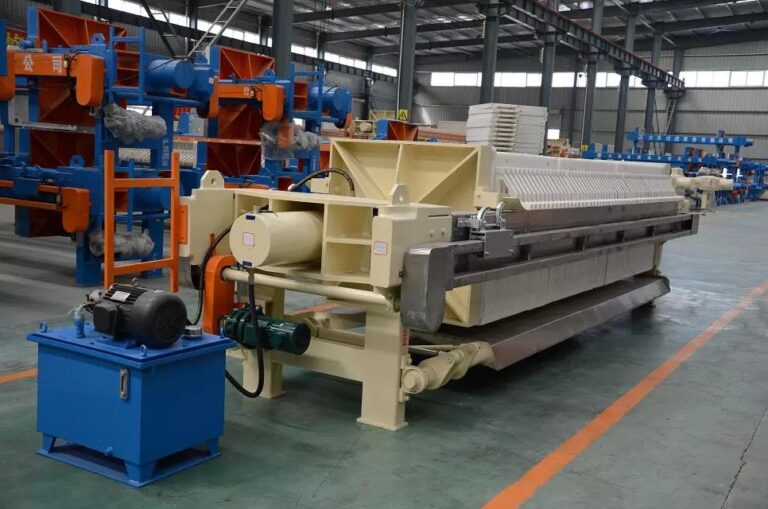
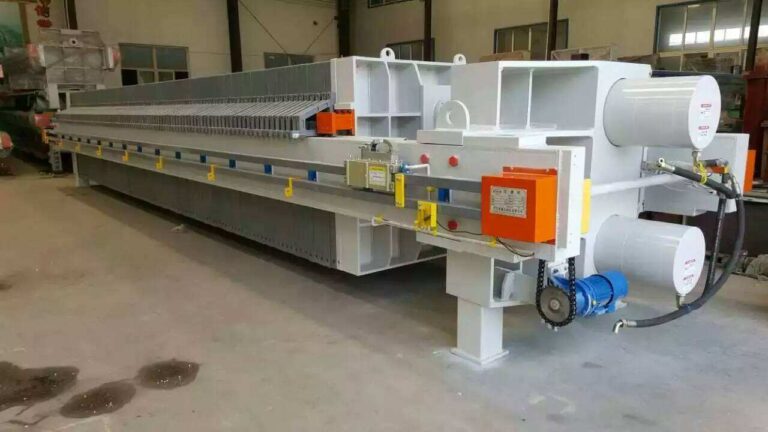
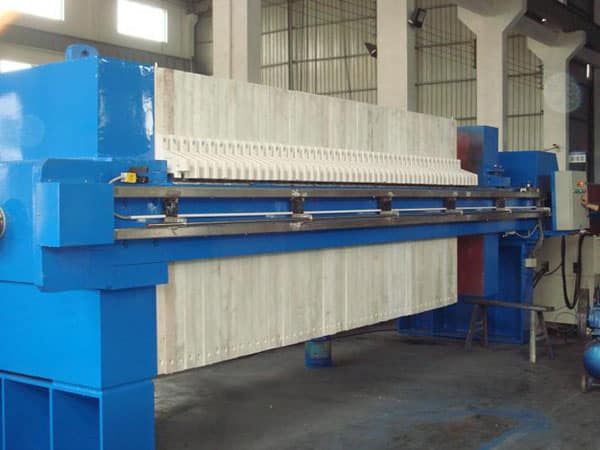
На відміну від них, заглиблені пластинчасті фільтр-преси працюють за принципом керованого періодичного циклу. У ньому використовуються нерухомі, заглиблені пластини, вистелені фільтрувальною тканиною. Цикл включає заповнення камер кондиціонованим осадом, застосування високого гідравлічного тиску для продавлювання води через тканину, а потім вивантаження твердого осаду. Цей періодичний процес забезпечує дискретні, контрольовані події, а не безперервний потік.
Вплив на проектування та управління заводом
Ця відмінність зумовлює стратегічний вибір при проектуванні заводу. Інтеграція стрічкового преса вимагає планування безперервної обробки матеріалу та присутності оператора. Установка фільтр-преса фокусується на плануванні партій, системах обробки макухи та автоматизованому управлінні циклом. Цей вибір зобов'язує ваше підприємство дотримуватися або філософії постійного механічного контролю, або філософії планової точності під високим тиском.
Порівняння годин технічного обслуговування: Прямий аналіз трудовитрат
Кількісна оцінка різниці в оплаті праці
Галузеві дані свідчать про значну нерівність у використанні робочої сили. Для еквівалентної продуктивності стрічкового фільтр-преса може знадобитися до у вісім разів більше годин щорічного технічного обслуговування ніж сучасний автоматизований заглибний прес для виготовлення плит. Це не просто незначна різниця, а основний фактор, що впливає на собівартість. При продуктивності 20 тонн на годину лише економія робочої сили на фільтр-пресі може перевищити $100 000 на рік, що докорінно змінює розрахунок загальної вартості володіння.
Водії поза робочим часом
Першопричиною є операційна модель. Обслуговування стрічкового преса не підлягає обговоренню і є безперервним. Воно вимагає постійної пильності, щоб запобігти збоям у роботі - неправильне відстеження стрічок може призвести до негайної зупинки та пошкодження преса. Для цього часто потрібен окремий оператор. Натомість технічне обслуговування фільтр-преса є сконцентрованим і передбачуваним. Воно прив'язане до циклу виробництва, що дозволяє планувати роботи під час простою або інтегрувати їх у програму профілактичного обслуговування. Автоматизація ще більше скорочує цей процес до менш ніж восьми годин планових перевірок на тиждень.
Погляд на розподіл робочої сили з перших вуст
З мого досвіду спостереження за роботою заводів, на підприємствах, що використовують стрічкові преси, на операції зневоднення постійно виділяється більше кваліфікованої робочої сили, ніж на підприємствах з автоматизованими фільтр-пресами. Такий перерозподіл людських ресурсів є прихованими операційними витратами, які часто недооцінюють на етапі закупівлі.
Основні завдання технічного обслуговування: Безперервний моніторинг проти орієнтації на періодичні цикли
Стрічковий прес: Режим постійного налаштування
Обслуговування стрічкових пресів пов'язане зі зносом рухомих компонентів. Щоденні завдання є обов'язковими: регулювання відстеження та натягу стрічки, перевірка та очищення нескінченної фільтрувальної тканини, обслуговування численних роликів, підшипників і приводних систем. Надійність системи залежить від цього безперервного механічного моніторингу для підтримки вирівнювання та запобігання катастрофічним збоям, таким як розриви стрічки або заклинювання роликів.
Фільтр-прес: Зосередженість на пакеті пластин
Технічне обслуговування фільтр-пресів зосереджене на цілісності пакету плит і гідравлічної системи. Основні завдання є циклічними та процедурними. Вони включають ретельне очищення ущільнювальних поверхонь плит під час заміни тканини, перевірку плит на наявність тріщин або зносу, а також технічне обслуговування гідравлічного плунжера і автоматичного перемикача плит. Дисциплінований профілактичний графік - це контрольована інвестиція, яка безпосередньо запобігає найдорожчій поломці: пошкодженню плит і витоку гною.
Валідація через планові та реактивні роботи
Характер робіт відрізняється. Обслуговування стрічкового преса часто є реактивним і коригувальним - усунення проблем з відстеженням, прочищення душових кабін, заміна зношених скребків. Обслуговування фільтр-пресів є переважно плановим і профілактичним - заміна тканин за плановим циклом, перевірка гідравлічної рідини, калібрування датчиків тиску. Така передбачуваність дозволяє краще планувати та розподіляти ресурси.
Яка система має нижчі загальні експлуатаційні витрати?
Вихід за межі капітальних витрат
Комплексний аналіз вартості життєвого циклу незмінно віддає перевагу сучасним заглибним пластинчастим фільтр-пресам для багатьох застосувань, спростовуючи застаріле уявлення про стрічкові преси як про недорогий варіант. Справжня фінансова перевага випливає з трьох кількісно вимірюваних векторів економії, які складаються протягом усього терміну служби обладнання.
Три складові економії ТШО
По-перше, це різке скорочення трудовитрат на технічне обслуговування, як було визначено раніше. По-друге, споживання полімеру; фільтр-прес зазвичай використовує приблизно 0,2 кг полімеру на тонну сухої речовини, порівняно з 0,5 кг/тонну або більше для стрічкового преса. Це може принести десятки тисяч доларів щорічної економії на хімікатах. Третім, і найбільш важливим, є мультиплікатор витрат на утилізацію.
Мультиплікатор витрат на утилізацію
Сухий кек, отриманий на фільтр-пресі - 15-20% за твердими речовинами проти 35-40% на стрічковому пресі - утворює значно менший обсяг відходів. Таке зменшення тоннажу для транспортування та утилізації призводить до витрат, які приблизно втричі вищі для стрічкової системи. Коли полімер, робоча сила та утилізація моделюються разом, перевага TCO стає очевидною.
| Фактор витрат | Стрічковий фільтр-прес | Заглибний прес для пластин |
|---|---|---|
| Споживання полімерів | ~0,5 кг/т | ~0,2 кг/т |
| Кінцева вологість торта | 35-40% | 15-20% |
| Вплив витрат на утилізацію | ~ в 3 рази вище | Менший обсяг, вартість |
Джерело: Технічна документація та галузеві специфікації.
Продуктивність та потужність: Компроміси між пропускною спроможністю та технічним обслуговуванням
Продуктивність проти сухості
Компроміс між продуктивністю та якістю очевидний. Стрічкові преси забезпечують постійну, видиму продуктивність, але досягають вищого кінцевого вмісту вологи, що негативно впливає на бюджети на утилізацію. Фільтр-преси виробляють значно сухіший макуху, зменшуючи тоннаж утилізації, але працюють партіями. Уявне обмеження продуктивності партій часто пом'якшується завдяки вищому потенціалу автоматизації та надійності сучасних фільтр-пресів.
Автоматизація та надійність як вирівнювачі
Сучасні автоматизовані фільтр-преси можуть працювати без нагляду, виконуючи кілька циклів завантаження, пресування та розвантаження. Їх надійність залежить не стільки від постійного налаштування, скільки від дизайну системи та допоміжної інфраструктури. Важливою деталлю, яку легко випустити з уваги, є відокремлення чистого сухого інструментального повітря від загального заводського повітря. Цей простий крок запобігає відмовам пневматичних клапанів, які є поширеним джерелом незапланованих простоїв в автоматизованих системах.
| Показник ефективності | Стрічковий фільтр-прес | Заглибний прес для пластин |
|---|---|---|
| Режим роботи | Безперервна пропускна здатність | Точність циклу партії |
| Сухість торта | Підвищений вміст вологи | Значно сухіший пиріг |
| Потенціал автоматизації | Обмежений постійним наглядом | Високий, дозволяє цикли без нагляду |
| Ключ до надійності | Постійне механічне регулювання | Чисте подавання повітря до інструмента |
Джерело: Технічна документація та галузеві специфікації.
Конкретні випадки використання та міркування щодо потоку відходів
Сегментація ринку, що розвивається
Придатність для застосування розходиться. Стрічкові преси залишаються придатними для великих обсягів відносно однорідних мулових осадів, де їх безперервний потік легко інтегрується з існуючими конвеєрними системами заводу. Їх операційна модель відповідає установкам, призначеним для постійної переробки осаду при низькому тиску.
Де фільтр пресує Excel
Заглибні пластинчасті фільтр-преси домінують там, де сухість кеку, точний контроль або обробка складних осадів мають першочергове значення. Це стосується хімічної, фармацевтичної, гірничодобувної промисловості та переробки небезпечних відходів. Періодичний процес дозволяє послідовно застосовувати високий тиск незалежно від коливань подачі. Сухий жом може перетворити центр витрат на потенційний ресурс, наприклад, паливо для спільного спалювання, що відповідає ширшим цілям сталого розвитку в рамках таких концепцій, як ISO 14001:2015.
Вимоги до персоналу та навичок: Порівняння уваги оператора
Спеціальний нагляд проти періодичних перевірок
Кадрову модель диктує технологія. Стрічковий прес часто потребує спеціального кваліфікованого оператора для постійного моніторингу механічних систем і коригування процесу в режимі реального часу. Це становить постійні витрати на робочу силу. Для фільтр-пресів автоматизація переосмислює модель. Добре налаштована система потребує лише періодичних перевірок технічним спеціалістом з технічного обслуговування, звільняючи виробничий персонал для виконання інших обов'язків.
Різні набори навичок
Необхідні навички також відрізняються. Обслуговування стрічкового преса вимагає сильних механічних навичок для діагностики та регулювання приводів, систем стеження та роликових вузлів. Обслуговування фільтр-пресів вимагає процедурних знань, зосереджених на цілісності пакета плит, технічному обслуговуванні гідравлічної системи та техніці встановлення полотна. Це впливає на наймання, навчання та розподіл персоналу у відділі технічного обслуговування підприємства.
Система прийняття рішень: Вибір правильної технології зневоднення
Замовляйте фінансовий аналіз життєвого циклу
Першим кроком є проведення аналізу сукупної вартості володіння на 5-10 років. Ця модель повинна включати кількісні оцінки витрат на технічне обслуговування, споживання полімерів, енергоспоживання та утилізацію. Не приймайте рішення, ґрунтуючись лише на капітальних витратах. Фінансовий аналіз забезпечує необговорювану базову лінію для всіх подальших обговорень.
Узгоджувати з операційною філософією та цілями
По-друге, узгодьте вибір технології з операційною філософією вашого заводу. Чи вимагає ваш процес безперервного потоку, чи може він забезпечити точність дозування? Одночасно ретельно вивчіть характеристики вашого осаду і кінцевого продукту, який ви хочете отримати. Чи є пріоритетом максимальна сухість для економії витрат на утилізацію, чи є потенціал для відновлення ресурсів? Ваша відповідь тут буде чітко вказувати на одну з технологій.
Оцініть справжню автоматизацію та інфраструктуру
По-третє, критично оцінюйте заяви постачальників про “автоматизацію”. Для фільтр-преса справжня автоматизація означає інтелектуальний циклічний процес без нагляду. Для стрічкового преса це часто означає базовий контроль, який не зменшує потреби в механічному нагляді. Нарешті, переконайтеся, що інфраструктура вашого заводу підтримує ваш вибір. Для надійної роботи фільтр-преса це означає перевірку чистоти, сухості та відокремленості повітря, що подається до інструменту, від загального повітря заводу.
| Фактор прийняття рішення | Ключове питання | Кількісний розгляд |
|---|---|---|
| Фінансовий аналіз | Період вартості життєвого циклу? | Аналіз TCO на 5-10 років |
| Операційна філософія | Безперервний потік або партія? | Праця проти автоматизації у фокусі |
| Цілі щодо мулу та виходу продукції | Кінцева мета по сухості пирога? | 15-20% проти 35-40% вологість |
| Готовність інфраструктури | Подача повітря в рослину відокремлена? | Запобігає виходу з ладу пневматичного клапана |
Джерело: ISO 14001:2015. Цей стандарт екологічного менеджменту забезпечує основу для оцінки довгострокових експлуатаційних та екологічних наслідків вибору технології, узгоджуючись з необхідністю цілісного аналізу витрат життєвого циклу та врахуванням цілей щодо обсягів утворення відходів.
Рішення ґрунтується на чіткій оцінці трудовитрат, вартості життєвого циклу та бажаної якості осаду. Надайте пріоритет моделі TCO на 5-10 років перед ціною придбання та узгодьте основні переваги технології - безперервний потік проти точності дозування - з вашим конкретним профілем осаду та структурою витрат на утилізацію. Готовність інфраструктури, особливо для автоматизованих систем, є останньою, критичною перевіркою для досягнення прогнозованої надійності.
Потрібен професійний аналіз для вашого конкретного застосування зневоднення? Інженерна команда в ПОРВО може надати детальне технічне та фінансове порівняння на основі ваших даних про мул та експлуатаційних цілей. Для негайного обговорення ви також можете Зв'яжіться з нами безпосередньо, щоб переглянути ваші вимоги.
Поширені запитання
З: Наскільки суттєва різниця в годинах технічного обслуговування між стрічковим пресом і заглибним пластинчастим фільтр-пресом?
В: Різниця суттєва: стрічковий прес потенційно потребує у вісім разів більше витрат на технічне обслуговування, ніж автоматизований фільтр-прес з аналогічною продуктивністю. Ця різниця виникає через постійний механічний контроль, необхідний для стрічкових пресів, на відміну від запланованих, сфокусованих на партіях завдань для пластинчастих пресів. Це означає, що підприємства, які надають пріоритет контролю витрат на робочу силу, повинні моделювати значну довгострокову експлуатаційну економію фільтр-пресів у своїх розрахунках загальної вартості володіння.
З: Чим зумовлена загальна перевага в експлуатаційних витратах заглибленого пластинчастого фільтр-преса?
В: Економічна перевага зумовлена трьома основними факторами: значно меншою кількістю годин технічного обслуговування, меншою витратою полімеру (приблизно 0,2 кг/т проти 0,5 кг/т для стрічкових пресів) і мультиплікатором витрат на утилізацію відходів від виробництва більш сухого кеку. Значно нижчий вміст вологи (15-20% проти 35-40%) зменшує обсяг відходів і пов'язані з цим витрати на транспортування. Для проектів, де остаточна утилізація є основною статтею бюджету, вихід сухого продукту фільтр-преса безпосередньо перетворюється на вимірювану річну економію.
З: Чим відрізняються вимоги до кваліфікації оператора між цими двома технологіями зневоднення?
В: Стрічковий прес, як правило, вимагає спеціального оператора з хорошими механічними здібностями для безперервного моніторингу систем відстеження, роликів і приводів. На противагу цьому, автоматизований фільтр-прес зміщує модель праці в бік періодичних перевірок з боку обслуговуючого персоналу, що вимагає знання процедур для забезпечення цілісності пакета плит і гідравлічних систем. Це впливає на вашу кадрову стратегію, звільняючи операторів для виконання інших обов'язків, якщо ви обираєте добре налаштований автоматизований фільтр-прес.
З: Коли слід розглядати стрічковий фільтр-прес замість заглибленого пластинчастого преса?
В: Стрічковий прес залишається придатним для великих обсягів, менш складних потоків мулу, де його безперервний потік легко інтегрується в існуючу конструкцію заводу і філософію управління процесом. Його робоча модель надає перевагу постійній пропускній здатності над кінцевою сухістю осаду. Це означає, що об'єкти з постійними великими потоками побутових відходів і менш суворими витратами на утилізацію осаду можуть вважати, що безперервна робота стрічкового преса відповідає їхній інфраструктурі.
З: Яка інфраструктура має вирішальне значення для надійної роботи автоматизованого фільтр-преса?
В: Забезпечення роздільної подачі чистого інструментального повітря є критично важливим інфраструктурним кроком для запобігання відмов пневматичних клапанів і досягнення оптимальної надійності. Сучасні автоматизовані установки залежать від постійної якості повітря, щоб працювати без нагляду протягом декількох циклів виробництва. Якщо ваше виробництво вимагає високого часу безвідмовної роботи з мінімальним наглядом, заплануйте спеціальну систему подачі повітря ще на етапі проектування, щоб підтримати потенціал автоматизації технології.
З: Як філософія роботи кожного преса впливає на стратегію управління підприємством?
В: Вибір змушує приймати стратегічне рішення між безперервним механічним потоком і керованою точністю партій. Стрічковий прес інтегрується в філософію постійної, контрольованої пропускної здатності, тоді як фільтр-прес підтримує підхід, орієнтований на партійне виробництво, спрямований на стабільні результати високого тиску за цикл, незалежно від коливань подачі. Узгодження вашого вибору з основною операційною філософією вашого заводу має важливе значення для довгострокової ефективності управління та розподілу персоналу.
З: Окрім капітальних витрат, які критерії ми повинні використовувати для вибору правильної технології зневоднення?
В: Впровадити систему рішень, яка передбачає аналіз витрат протягом 5-10 років з кількісною оцінкою витрат на робочу силу, полімери та утилізацію. Ретельно вивчіть заяви постачальників про автоматизацію для реального скорочення витрат праці, оцініть характеристики осаду відповідно до кінцевих цілей щодо сухості кеку і забезпечте готовність інфраструктури. Цей цілісний підхід, який враховує більш широкі операційні показники, узгоджується з принципами систематичного управління, викладеними в таких стандартах, як ISO 14001 і забезпечує довгострокову фінансову ефективність відбору.