Вибір розміру заглибленого пластинчастого фільтр-преса, заснований виключно на швидкості потоку, є поширеною і дорогою помилкою. Переривчастий, періодичний характер процесу вимагає іншого підходу. Неточний розрахунок призводить до того, що ви отримуєте або недостатньо великий прес, який створює вузькі місця у вашій технологічній лінії, або надмірно великий агрегат, який марно витрачає капітал і площу приміщення. Правильний метод - це фундаментальний аналіз балансу маси, який перетворює специфічні характеристики осаду в точні розміри обладнання.
Цей систематичний розрахунок має вирішальне значення для капітального планування та експлуатаційної надійності. Він виходить за рамки пошуку в каталогах постачальників і перетворюється на інженерну специфікацію. Правильний розрахунок гарантує, що ваша система зневоднення відповідатиме плановим показникам продуктивності, досягне бажаної сухості макухи та ефективно інтегрується з попередніми і наступними процесами. Наступні кроки забезпечують детерміновану основу для заміни здогадок.
Базовий баланс маси для визначення розміру фільтр-преса
Визначення основного принципу
Точний розрахунок розмірів заглибленого пластинчастого фільтр-преса - це не просте перетворення швидкості потоку, а фундаментальний розрахунок балансу маси. Основним принципом є збереження маси: сухі речовини, що надходять із вихідною суспензією, повинні дорівнювати сухим речовинам, що виходять у вигляді зневодненого кеку. Ця переривчаста (періодична) операція вимагає визначення розмірів на основі об'єму суспензії, що обробляється за цикл, а не погодинної продуктивності. Розрахунок залежить від визначення ключових параметрів: витрати вихідної суспензії (Q), концентрації сухої речовини (a), густини суспензії (ρ_f) і цільової концентрації сухої речовини в кеку (b).
Вплив системної інженерії
Помилки у визначенні початкових параметрів безпосередньо впливають на капітальні інвестиції та експлуатаційні показники, що робить їх проблемою системної інженерії, яка впливає на загальну продуктивність установки. Наприклад, помилка 10% в концентрації твердих частинок корму поширюється на весь розрахунок, що потенційно може призвести до помилки 10% в необхідній площі фільтрації. Ось чому такі галузеві стандарти, як GB/T 32759-2016 Пластинчастий і рамний фільтр-прес забезпечити фундаментальну технічну базу для цих розрахунків, гарантуючи послідовну основу для проектування.
Крок 1: Розрахуйте щоденне навантаження на сухі речовини
Перетворення технологічної сировини на кінцеву масу
На першому кроці ви перетворюєте ваш робочий корм на певну масу твердої речовини. Почніть з розрахунку добового об'єму гною, виходячи зі швидкості потоку та годин роботи. Помножте його на щільність гною, щоб отримати добову масу гною. У таблиці нижче показано, що Добова маса сухої речовини (Мs) потім виводиться шляхом застосування концентрації сухої речовини корму: Ms = Добова маса гною × a. Ця цифра відображає необов'язкове тверде навантаження, яке ваш прес повинен обробляти щодня.
Наслідки неточності
Його точність має першорядне значення, оскільки він є основою для всіх подальших розрахунків. Недооцінка M_s призводить до занижених розмірів преса, створюючи вузькі місця, які створюють навантаження на всю технологічну лінію, тоді як переоцінка призводить до непотрібних капітальних витрат і витрат на площу. З мого досвіду, найпоширенішою помилкою тут є використання проектних витрат без урахування сценаріїв пікових навантажень, що не залишає експлуатаційного буфера.
Кількісна оцінка вхідних даних
У наступній таблиці наведено послідовні розрахунки для визначення добового навантаження сухих речовин з виділенням критичного впливу кожної змінної.
Крок 1: Розрахуйте щоденне навантаження на сухі речовини
| Крок розрахунку | Ключова вхідна змінна | Типова одиниця виміру / Примітка |
|---|---|---|
| Добовий об'єм гною | Витрата × Години | м³/день або галонів/день |
| Щоденна маса гною | Об'єм × Щільність суспензії | кг/день або фунт/день |
| Щоденна кількість сухої речовини (M_s) | Маса гною × тверді речовини корму (а) | кг сухого залишку/день |
| Критичний вплив | Недооцінка M_s | Ризик вузьких місць на заводі |
| Критичний вплив | Переоцінка M_s | Непотрібні капітальні витрати |
Джерело: Технічна документація та галузеві специфікації.
Крок 2: Визначте необхідний об'єм коржа за цикл
Від маси сухих речовин до об'єму торта
Коли добове навантаження по твердим речовинам відоме, на наступному етапі визначають фізичний об'єм виробленого зневодненого кеку. По-перше, розрахуйте Добова маса торта (Mc) шляхом ділення маси сухого залишку на цільову концентрацію сухого залишку в кеку (b): Mc = Mс/б. Це враховує залишкову вологу у вивантаженому макусі. Потім переведіть цю масу в добовий об'єм, використовуючи щільність кеку (ρc): Добовий об'єм торта (Vc) = Mc / ρ_c.
Вирішальна роль щільності торта
Щільність осаду є критично важливою змінною, отриманою в результаті випробувань. Вона не є постійною величиною, а значно змінюється залежно від типу осаду, розміру частинок та ефективності зневоднення. Нарешті, виходячи із запланованої кількості циклів на добу, розрахуйте Об'єм пирога за цикл (Vцикл) = Vc / Кількість циклів. Цей об'єм є чистим об'ємом твердих речовин і рідини, який пресові камери повинні утримувати в одній партії, безпосередньо пов'язуючи технологічні вимоги з геометрією обладнання.
Встановлення надійних параметрів
Розрахунки на цьому етапі залежать від достовірних значень сухих речовин і щільності макухи, які найкраще визначати за допомогою стандартизованого тестування.
Крок 2: Визначте необхідний об'єм коржа за цикл
| Крок розрахунку | Формула / ключова змінна | Критична залежність |
|---|---|---|
| Добова маса торта (M_c) | M_s / Макуха (b) | Цільова вологість пирога |
| Добовий об'єм торта (V_c) | Mc / Щільність торта (ρc) | Значення, отримане в результаті тестування |
| Об'єм торта за цикл (V_cycle) | V_c / Кількість циклів | Зв'язок попиту з геометрією |
| Щільність торта (ρ_c) | Необхідні лабораторні дослідження | Залежить від типу осаду |
Джерело: GB/T 32760-2016 Метод випробування пластинчастих і рамних фільтр-пресів. Цей стандарт містить методи випробувань для визначення ключових показників ефективності, таких як вологість кеку та швидкість фільтрації, які є важливими для встановлення достовірних значень густини кеку (ρ_c) та цільового вмісту сухих речовин у кеку (b), що використовуються в цих розрахунках.
Крок 3: Переведіть об'єм в площу фільтрації та пластини
Перетворення об'єму в характеристики обладнання
На цьому етапі необхідний об'єм камери перетворюється на конкретні розміри обладнання. Ви повинні вибрати передбачуваний розмір пластини (наприклад, 1000 мм х 1000 мм) і товщину камери. Виробник надає відповідні об'єм фільтрувальної камери (Vp) і площа фільтрації на одну тарілку (Sp). Необхідна кількість камер: n = Vцикл / Вp (округлено). The Загальна площа фільтрації (A) тоді n × S_p, а кількість тарілок - n + 1.
Інженерний компроміс
Це виявляє важливий інженерний компроміс: однаковий загальний об'єм може бути досягнутий з різними розмірами та кількістю пластин. Менша кількість більших пластин може знизити вартість, але також зменшити загальну площу фільтрації, що може зашкодити продуктивності на складних осадах, що робить оптимізацію поведінки осаду дуже важливою. Наприклад, система, побудована з використанням пластин площею 2 м², матиме іншу динаміку фільтрації та характеристики виділення осаду, ніж система з використанням пластин площею 1,5 м², навіть якщо загальний об'єм камери буде однаковим.
Зв'язок розрахунку з вибором продукту
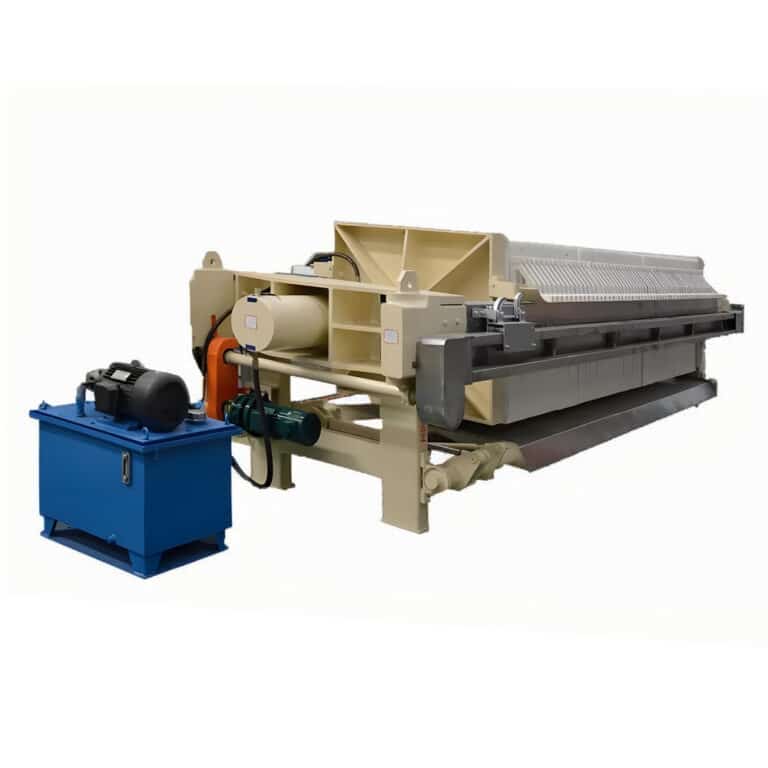
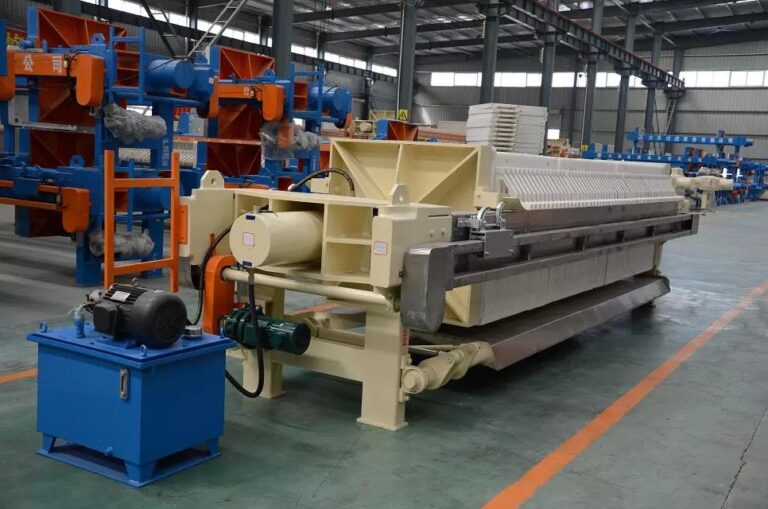
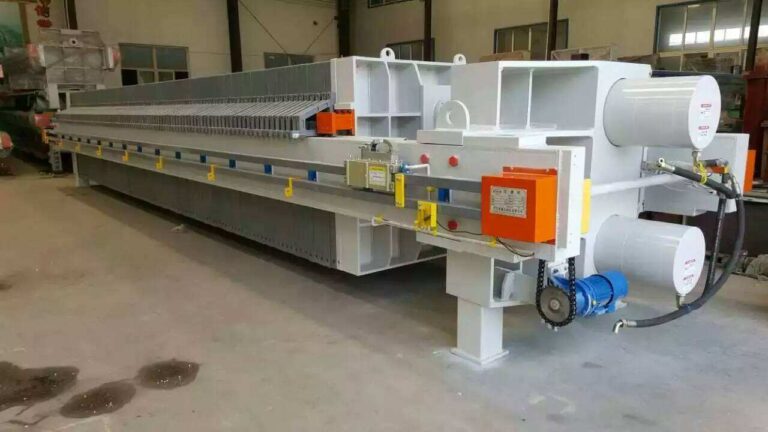
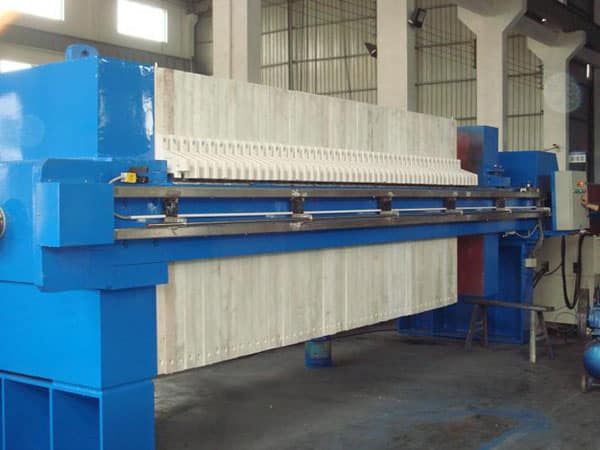
Перехід від розрахункового об'єму до фізичних пластин - це місце, де теоретичний розрахунок зустрічається з практичним вибором обладнання. Ви можете ознайомитися зі стандартними конфігураціями для фільтр-прес із заглибленою камерою щоб побачити, як виробники представляють ці характеристики об'єму та площі для різних розмірів пластин.
Ключові змінні: Тверді речовини корму, щільність корму та час циклу
Вхідні дані, що не підлягають обговоренню
Надійність балансу маси залежить від точних вхідних даних щодо концентрації сухої речовини корму, щільності макухи та тривалості циклу. Концентрація сухої речовини корму безпосередньо впливає на щоденне завантаження сухої речовини. Щільність осаду (ρ_c) не є припущенням; її найкраще визначати за допомогою лабораторних досліджень, оскільки вона значно змінюється залежно від типу осаду та ефективності зневоднення.
Динамічна змінна: Час циклу
Тривалість циклу є, мабуть, найбільш динамічною змінною, що охоплює заповнення, фільтрацію, пресування та виділення осаду. Вона, в першу чергу, визначається здатністю осаду до фільтрації, що може призвести до того, що тривалість циклу може коливатися від 20 хвилин до 8 годин. Пропуск тестування на фільтрацію для оцінки цих параметрів призводить до невдалої роботи, що робить лабораторні дані беззаперечним кроком для зниження ризиків при розширенні масштабів виробництва. Технічні характеристики, такі як JB/T 4333.2-2017 Технічні умови на пластинчасті та рамні фільтр-преси регулюють перевірку цих робочих параметрів.
Резюме впливу змінних
Розуміння джерела та впливу цих змінних є важливим для достовірного визначення розміру.
Ключові змінні: Тверді речовини корму, щільність корму та час циклу
| Змінна | Вплив на розмір | Метод визначення |
|---|---|---|
| Концентрація сухої речовини корму | Безпосередньо диктує навантаження на тверді речовини | Аналіз потоку процесів |
| Щільність торта (ρ_c) | Перетворює масу пирога в об'єм | Обов'язкове лабораторне тестування |
| Час циклу | Задає партії на день | Продиктовано можливістю фільтрації |
| Діапазон часу циклу | Від 20 хвилин до 8 годин | Залежна від мулу мінливість |
Джерело: JB/T 4333.2-2017 Технічні умови на пластинчасті та рамні фільтр-преси. Цей стандарт технічних умов регулює проектування та перевірку продуктивності фільтр-пресів, гарантуючи, що критичні експлуатаційні змінні, такі як тривалість циклу та щільність кеку, враховуються в специфікації та розмірах обладнання.
Вплив фільтрованості осаду на вимоги до площі
Домінуючий практичний фактор
Фільтрованість осаду є домінуючою практичною змінною, що впливає на розмір осаду. Вона безпосередньо визначає досяжну тривалість циклу і кінцеву концентрацію твердих речовин в осаді. Складні для фільтрації суспензії, такі як біологічний осад, вимагають більш тривалих циклів, що зменшує кількість можливих циклів на добу. Це часто змушує збільшувати необхідну площу фільтрації, щоб задовольнити добовий обсяг, оскільки повільніший прес потребує більшої площі за цикл для підтримання продуктивності.
Роль хімічного кондиціонування
Крім того, здатність до фільтрації диктує ефективність хімічного кондиціонування. Додавання полімерів або вапна може кардинально змінити характеристики осаду, але ефективність проявляється у вузькому діапазоні дозування. Для оптимізації необхідне систематичне тестування, оскільки кондиціонування безпосередньо впливає на експлуатаційні витрати і масу осаду, що підлягає утилізації. Надмірне кондиціювання збільшує вартість і об'єм осаду без користі, тоді як недостатнє кондиціювання не покращує зневоднення.
Товщина камери: Балансування кількості пластин і зневоднення
Виклик прямої оптимізації
Вибір товщини камери - це прямий виклик оптимізації між вартістю обладнання та ефективністю процесу. Товстіші камери (наприклад, 30-40 мм) збільшують об'єм на камеру, зменшуючи загальну кількість тарілок, необхідних для певного V_циклу, що знижує капітальні витрати. Однак для складних осадів товстіші камери можуть перешкоджати дренажу, що призводить до збільшення тривалості циклу і утворення більш вологого, липкого осаду, який може не виводитися чисто.
Керування вибором
І навпаки, більш тонкі камери (наприклад, 15-25 мм) покращують ефективність зневоднення складних кормів, але збільшують кількість тарілок і вартість при тому ж загальному об'ємі. Вибір повинен ґрунтуватися на результатах тестів на фільтрування, а не лише на вартості. Я бачив проекти, де вибір більш товстої камери, заснований на початковій економії, призвів до хронічних експлуатаційних проблем і більш високих довгострокових витрат на утилізацію через більш вологий осад.
Порівняльний аналіз
Матриця рішень є простою, але повинна бути доповнена даними про мул.
Товщина камери: Балансування кількості пластин і зневоднення
| Товщина камери | Основна перевага | Основний недолік |
|---|---|---|
| Товстий (30-40 мм) | Менше пластин, нижча вартість | Ускладнений дренаж, більш вологий корж |
| Тонкі (15-25 мм) | Краща ефективність зневоднення | Більше тарілок, вища вартість |
| Посібник з вибору | Результати тесту на фільтрованість | Не тільки вартість |
Зауважте: Вибір оптимізує капітальні витрати в порівнянні з ефективністю процесу для даного осаду.
Джерело: Технічна документація та галузеві специфікації.
Перевірка ваших розрахунків за допомогою пілотного тестування
Від теорії до емпіричних даних
Теоретичні розрахунки повинні бути підтверджені емпіричними даними. Важливе значення має пілотне тестування з використанням лабораторного фільтр-преса або стандартизованих тестів, таких як воронка Бюхнера. Ці випробування дають надійні дані щодо щільності осаду, оптимальної тривалості циклу, досяжного вмісту твердих речовин в осаді та вимог до кондиціонування. Цей крок знижує ризики капітальних інвестицій, забезпечуючи відповідність обраного преса гарантованим характеристикам.
Використання досвіду та планування
За відсутності конкретних даних щодо осаду критично важливим фактором зниження ризику стає досвід постачальника, що базується на аналогічних застосуваннях. Крім того, тестування дає інформацію для стратегічного планування циклів, допомагаючи оптимізувати кількість щоденних циклів з урахуванням трудовитрат, енергоспоживання та сумісності з процесами, що передують і переробляють осад. Воно дає відповіді на практичні питання про те, чи варто запускати два довгих цикли за зміну, чи три коротших.
Методи тестування та результати
Формалізовані методи тестування забезпечують структурований підхід, необхідний для валідації.
Перевірка ваших розрахунків за допомогою пілотного тестування
| Метод випробування | Надані ключові дані | Мета / Результат |
|---|---|---|
| Лабораторний фільтр-прес | Щільність коржа, час циклу | Зменшення ризиків капітальних інвестицій |
| Тест воронки Бюхнера | Досяжна кількість сухих речовин у тістечку | Перевіряє теоретичні розрахунки |
| Оптимізація кондиціонування | Діапазон дозування полімеру/вапна | Інформує про операційні витрати |
| Експертиза постачальника | Дані аналогічної програми | Пом'якшення критичних ризиків |
Джерело: GB/T 32760-2016 Метод випробування пластинчастих і рамних фільтр-пресів. Передбачені цим стандартом методи випробувань фільтраційної здатності та вологості кеку є формалізованою основою для пілотних випробувань та валідації, необхідних для підтвердження розрахунків розмірів перед повномасштабним впровадженням.
Успішне впровадження фільтр-преса залежить від трьох перевірених рішень: точного балансу маси, отриманого на основі перевірених параметрів осаду, геометрії камери, обраної з урахуванням фільтрації, а не тільки вартості, і плану циклу, який узгоджується з логістикою заводу. Цей метод замінює припущення постачальника на специфікацію, розроблену інженером.
Вам потрібна професійна підтримка в застосуванні цієї методології до вашого конкретного осаду або в проведенні валідаційних випробувань? Інженерна команда в ПОРВО може надати підтримку в аналізі додатків і пілотному тестуванні, щоб перетворити ваші дані в гарантовану специфікацію продуктивності. Для прямої консультації щодо вимог вашого проекту ви також можете Зв'яжіться з нами.
Поширені запитання
З: Як розрахувати необхідну площу фільтрації для фільтр-преса, якщо ви знаєте добовий потік осаду?
В: Ви повинні скласти баланс маси, починаючи з добового завантаження сухої речовини, отриманого на основі швидкості потоку, годин роботи та концентрації сухої речовини корму. Це навантаження в поєднанні з цільовим вмістом сухої речовини в макусі та щільністю макухи визначає добовий об'єм макухи. Розділивши його на заплановані цикли, ви отримаєте об'єм камери на партію, який потім перетворюється в площу, використовуючи специфікації плит виробника. Це означає, що підприємства повинні надавати перевагу точному визначенню характеристик подачі, а не простому перерахунку швидкості потоку, щоб уникнути дорогих помилок, пов'язаних з недостатнім розміром або надмірним інвестуванням.
З: Чому фільтрованість осаду є найбільш важливою змінною для визначення розміру заглибного пластинчастого фільтр-преса?
В: Здатність до фільтрування безпосередньо визначає досяжну тривалість циклу і кінцеву сухість осаду, які є основними факторами добової продуктивності. Складні осади призводять до збільшення тривалості циклів, зменшуючи кількість можливих партій на день і часто вимагаючи більшої площі фільтрації для досягнення об'ємних цілей. Склад осаду також впливає на ефективність хімічного кондиціонування, що впливає на експлуатаційні витрати. Для проектів, де склад осаду є змінним або невідомим, плануйте комплексне тестування на фільтрацію, наприклад, за допомогою методу воронки Бюхнера, щоб зменшити ризики при розрахунку розмірів.
З: У чому полягає інженерний компроміс при виборі товщини камери для фільтр-преса?
В: Вибір товщини камери забезпечує баланс між капітальними витратами та ефективністю зневоднення. Більш товсті камери (наприклад, 30-40 мм) вміщують більший об'єм на тарілці, зменшуючи загальну кількість тарілок і вартість для заданого об'єму партії. Однак вони можуть перешкоджати зневодненню складних осадів, що призводить до отримання більш вологих кеків і більш тривалих циклів. Більш тонкі камери (15-25 мм) покращують ефективність зневоднення, але збільшують кількість пластин. Це означає, що установки, які обробляють біологічні або інші складні корми, повинні надавати пріоритет даним про продуктивність, отриманим в результаті таких випробувань, як GB/T 32760-2016 ніж просто економія коштів.
З: Як галузеві стандарти, такі як GB/T 32759-2016, пов'язані з розрахунком площі фільтрації?
В: Такі стандарти, як GB/T 32759-2016 і JB/T 4333.2-2017 встановлюють технічні рамки і виробничі вимоги до пластинчастих і рамних фільтр-пресів, в яких площа фільтрації є основним конструктивним параметром. Вони гарантують, що заявлена площа і показники продуктивності обладнання визначаються і перевіряються за допомогою послідовних, стандартизованих методів. Це означає, що ваші розрахунки розмірів і специфікації постачальника повинні відповідати методикам випробувань, визначеним у цих стандартах, щоб забезпечити надійні гарантії продуктивності.
З: Який найнадійніший метод отримання точних даних про щільність коржа і час циклу для визначення розміру?
В: Емпіричне пілотне тестування з використанням лабораторного фільтр-преса або стандартизованих тестів дає єдині надійні дані для таких критичних параметрів, як щільність осаду, оптимальна тривалість циклу і досяжна концентрація твердих частинок. Теоретичні оцінки часто не спрацьовують в реальних умовах. На цьому етапі валідації, керуючись такими стандартами, як GB/T 32760-2016, знижує ризики капітальних інвестицій. Якщо ваша компанія не може проводити власні тести, ви повинні значною мірою покладатися на досвід постачальника з безпосередньо аналогічних додатків, щоб зменшити ризик продуктивності.
З: Як хімічне кондиціювання впливає на розрахунок вимог до площі фільтрації?
В: Хімічне кондиціювання полімерами або вапном змінює фільтрованість осаду, що безпосередньо впливає на дві найбільш чутливі змінні розміру: тривалість циклу і кінцеву концентрацію твердої фази осаду. Ефективне кондиціювання у вузькому оптимальному діапазоні дозування може скоротити цикли і отримати сухіший осад, що потенційно зменшує необхідну площу фільтрації. Однак неефективне дозування призводить до втрати хімікатів і погіршення продуктивності. Це означає, що під час пілотних випробувань необхідно передбачити в бюджеті систематичні випробування кондиціонування, щоб одночасно оптимізувати як операційні витрати, так і розмір обладнання.
З: Яка поширена помилка призводить до того, що фільтр-прес має значно менші або більші розміри?
В: Найпоширенішою помилкою є розрахунок розміру виключно на основі погодинної швидкості подачі замість виконання повного балансу маси для визначення добового навантаження по сухим речовинам. Недооцінка цього навантаження створює вузьке місце, яке створює навантаження на всю технологічну лінію, тоді як переоцінка призводить до марної трати капіталу і площі. Точне визначення концентрації сухої речовини в кормі та щільності макухи не підлягає обговоренню. Для операцій з дуже мінливою подачею плануйте проектування для умов пікового твердого навантаження, а не середніх значень, щоб забезпечити надійну пропускну здатність.