Вибір правильної ширини стрічкового фільтр-преса є критично важливим інженерним рішенням, яке безпосередньо впливає на продуктивність установки, експлуатаційні витрати та довгострокову життєздатність. Поширеною помилкою є те, що ширина стрічки є основним показником продуктивності, що призводить до закупівель, заснованих лише на її розмірах. Такий підхід може призвести до значного недобору розмірів, хронічних вузьких місць або марнотратної надмірної капіталізації, оскільки справжня продуктивність визначається гідравлічним потоком і пропускною здатністю по сухих речовинах.
Фінансові та операційні ставки цього рішення ще ніколи не були такими високими. В умовах зростаючих витрат на утилізацію осаду та жорстких регуляторних вимог неправильно підібраний прес призводить до постійного виснаження ресурсів. Стратегічний процес вибору на основі даних має важливе значення для узгодження механічних характеристик як з поточними вимогами технологічного процесу, так і з майбутнім розширенням заводу, перетворюючи прес з центру витрат на актив, що генерує вартість.
Ключові фактори вибору ширини стрічкового фільтр-преса
Визначення основних показників потенціалу
Ширина стрічки є другорядною характеристикою. Основними технічними параметрами є гідравлічна швидкість потоку (м³/год) і пропускна здатність за сухими речовинами (кг/год або фунтів/год). Закупівля, орієнтована виключно на розміри стрічки, ігнорує складний взаємозв'язок між реологією осаду і тризонною конструкцією преса. Система зі стандартною гравітаційною зоною буде погано працювати на розбавленому потоці, незалежно від ширини стрічки. Процес вибору повинен починатися з точного визначення характеристик осаду і розрахунків балансу маси для встановлення реальних вимог до завантаження.
Взаємозалежність конфігурації та розміру
Гравітаційна, клинова та напірна зони мають потенційні вузькі місця, специфічні для кожного типу осаду. Згідно з дослідженнями VDMA 24430 ефективне визначення розмірів вимагає узгодження довжини та конфігурації зон з профілем зневоднення осаду. Наприклад, желатиновий активний мул з відходів часто потребує подовженої самопливної секції для адекватного вільного відведення води перед подачею тиску. Експерти галузі рекомендують розглядати вибір ширини стрічки як завершальний крок у філософії проектування "спочатку конфігурація, потім конфігурація", що гарантує, що всі зони оптимізовані для цільового матеріалу.
Уникнення поширених помилок специфікації
До деталей, які легко випустити з уваги, відносяться майбутня мінливість кормів і вимоги до кондиціонування полімерів. Прес, розрахований на ідеальну, стабільну подачу, буде боротися з сезонними або промисловими коливаннями надходження сировини. Ми порівняли теоретичний розмір з пілотними даними і виявили, що припущення щодо виходу кондиційного шламового кеку можуть відхилятися більш ніж на 30%. Ця мінливість підкреслює, чому теоретичний розрахунок має високу невизначеність і повинен ґрунтуватися на емпіричному тестуванні фактичного потоку осаду.
Ширина стрічки vs. продуктивність установки: Практичний посібник
Співвідношення розміру та пропускної здатності
Номінальна ширина стрічки є практичною відправною точкою для підбору обладнання відповідно до масштабу підприємства. Опубліковані діапазони продуктивності забезпечують основу, але вони сильно залежать від типу осаду та ефективності кондиціонування. Звідси випливає стратегічний висновок: оптимальна конфігурація часто фінансово визначається місцевими витратами на утилізацію осаду. Інвестиції в ширшу стрічку або розширену зону тиску для досягнення вищої сухості осаду збільшують капітальні витрати, але можуть бути виправдані значною постійною економією на транспортуванні та оплаті за вивезення осаду на звалище.
Рамки для узгодження масштабів
У наступній таблиці наведено рекомендації щодо початкової оцінки масштабу, хоча остаточне визначення масштабу потребує валідації для конкретного проекту.
| Ширина стрічки (м) | Типова продуктивність по сухим речовинам (кг/год) | Основна сфера застосування |
|---|---|---|
| 0.6 m | ~225 кг/год | Малі заводи / пілотні установки |
| 1.0 - 2.0 m | 225 - 900 кг/год | Стандартні муніципальні об'єкти |
| > 3.0 m | > 1 360 кг/год | Великі регіональні заводи |
Джерело: VDMA 24430 - Стрічкові фільтр-преси; вибір, розрахунок, експлуатація. Ця настанова забезпечує остаточну інженерну основу для співвіднесення розмірів стрічкового фільтр-преса з продуктивністю, встановлюючи діапазони продуктивності для стандартних типорозмірів обладнання.
Інтеграція аналізу вартості життєвого циклу
Планування виробничих потужностей має виходити за межі заводу. Комплексний аналіз вартості життєвого циклу інтегрує капітальні витрати з довгостроковими операційними витратами (OpEx) на полімер, енергію, технічне обслуговування та утилізацію. Такий цілісний підхід часто показує, що більш високі початкові інвестиції в правильно підібрану, більш ефективну систему забезпечують чудову віддачу за рахунок мінімізації найбільшого фактору витрат - утилізації осаду.
Дворемінні та триремінні системи: Що підходить саме вам?
Вибір конфігурації на основі додатків
Вибір між дво- і трипасовими конфігураціями є стратегічним рішенням, що впливає на площу, ефективність і придатність до експлуатації. Стандартна дворемінна система ефективна для більшості осадів з постійною концентрацією твердих частинок. Її простота часто призводить до зниження складності технічного обслуговування і капітальних витрат. З мого досвіду, використання двострічкової системи для сильно розбавленого або змінного завантаження є основною причиною постійних проблем з продуктивністю.
Ніша для інтегрованого потовщення
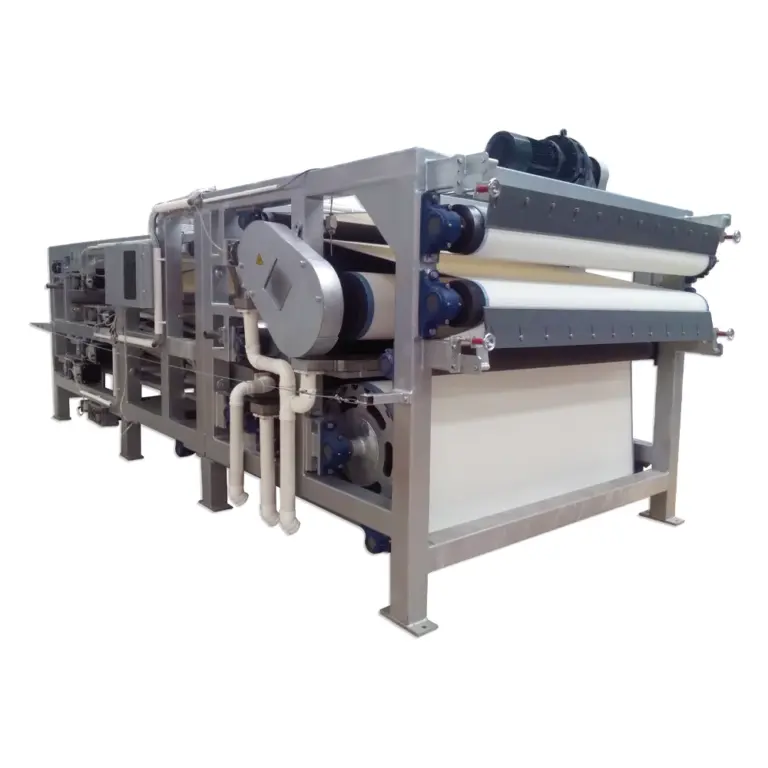
Тристрічкова система включає незалежну гравітаційну стрічку, яка функціонує як інтегрований згущувач. Така конструкція особливо вигідна для дуже розбавлених осадів, часто з вмістом твердих речовин нижче 1,5%, або для споруд, що потребують одночасного згущення і зневоднення на обмеженій площі. Вона усуває вузьке місце на початковому етапі зневоднення до того, як осад потрапляє в стандартний двострічковий контур.
Оцінка гнучкості для складних потоків
Для екстремальних промислових потоків зі змінною реологією або корозійною активністю гнучкість тристрічкової системи або інших конфігурацій, що налаштовуються, стає вирішальним фактором. При прийнятті рішення слід оцінювати не лише поточні потреби, а й потенційні майбутні потоки відходів.
| Тип системи | Основне застосування | Ключова відмінність |
|---|---|---|
| Дворемінна система | Більшість муніципальних осадів | Однорідна тверда речовина корму |
| Триремінна система | Розбавлений осад (<1,5% твердих речовин) | Інтегроване гравітаційне згущення |
| Індивідуальні конфігурації | Екстремальні промислові потоки | Високоцінна гнучкість процесу |
Джерело: ATV-DVWK-M 379E - Зневоднення осаду - Стрічкові фільтр-преси - Розміри та керування процесом. Цей стандарт детально описує конструкцію і принципи застосування різних конфігурацій стрічкових фільтр-пресів, включаючи рекомендації щодо вибору між інтегрованим згущенням і стандартними системами зневоднення.
Як тип і стан осаду впливають на розмір стрічки
Реологія визначає здатність до зневоднення
Тип осаду - сирий первинний, активований відходами, зброджений або промисловий - безпосередньо визначає ефективну продуктивність стрічки будь-якої ширини. Гранульований первинний осад зневоднюється легше, ніж желатиноподібний активний мул з відходів. Ця фундаментальна характеристика визначає необхідний час перебування в кожній зоні та необхідний хімічний склад полімеру. Принципи таких стандартів, як ISO 15176:2002 щодо характеристик матеріалів безпосередньо застосовуються для розуміння цієї варіативності при виборі розміру обладнання.
Беззаперечна роль обумовленості
Ефективна хімічна флокуляція має першорядне значення. Неадекватний вибір або дозування полімеру знизить продуктивність і сухість осаду навіть найширшої стрічки, що зробить недосяжними опубліковані показники продуктивності. Кондиціювання змінює фізичні властивості осаду, створюючи зливний флокул, який може випускати воду під тиском. Оптимізація цього етапу часто є єдиною найбільш ефективною дією для підвищення продуктивності існуючого преса.
Паралельні рішення щодо вибору матеріалів
Хімічне середовище також диктує вибір конструкційних матеріалів, що має вирішальне значення для вартості життєвого циклу. Вибір рами з вуглецевої або оцинкованої сталі для агресивного, корозійного промислового шламу створює прихований потік майбутніх витрат на передчасний антикорозійний ремонт і простої.
| Тип осаду | Характеристика зневоднення | Критичний фактор вибору розміру |
|---|---|---|
| Первинна сировина | Зерниста структура | Стандартна конфігурація зон |
| Активовані відходами | Желеподібна, погано стікає | Розширена гравітаційна зона |
| Перетравлено | Змінна консистенція | Критично важливе кондиціонування полімеру |
| Промисловість | Часто корозійні | Рама з нержавіючої сталі 316 |
Джерело: ISO 15176:2002 - Якість ґрунту - Характеристика вийнятого ґрунту та інших ґрунтових матеріалів, призначених для повторного використання. Принципи стандарту щодо характеристики матеріалу є фундаментальними для розуміння реології осаду, що безпосередньо впливає на вибір розмірів обладнання для зневоднення та вибір матеріалу.
Міркування щодо витрат: Капітальні, операційні та загальні витрати на володіння
Деконструювання капітальних та операційних витрат
Комплексний аналіз витрат не обмежується лише замовленням на придбання. Капітальні витрати (CapEx) включають прес, матеріал його каркаса, приводи та системи управління. Операційні витрати (OpEx) - це постійний потік витрат: споживання полімеру, енергія, робоча сила для експлуатації та обслуговування, а також остаточна утилізація. Найбільшою складовою операційних витрат часто є утилізація, на яку безпосередньо впливає сухість макухи преса.
Стратегічна цінність автоматизації
Автоматизація - це свідоме перенесення витрат з операційних на капітальні. Інвестиції в сучасні системи керування дозуванням полімерів, відстеженням стрічки та моніторингом тиску збільшують початкові інвестиції, але зменшують довгострокове споживання хімікатів, потребу в робочій силі та збої в роботі. Для високопродуктивних установок цей компроміс постійно виправдовує вищі початкові витрати.
Використання ринку оренди для зниження ризиків
Наявність причіпних установок напрокат є стратегічним інструментом для управління капіталом і ризиками. Оренда дозволяє провести повномасштабну оцінку технології, управляти бюджетними циклами та забезпечує гнучке рішення для тимчасових потреб або пілотування нових потоків відходів без довгострокового ризику придбання постійної установки, яка не підходить за розмірами.
| Категорія витрат | Ключові компоненти | Стратегічний розгляд |
|---|---|---|
| Капітал (CapEx) | Прес, рама, автоматизація | Вищі початкові інвестиції |
| Операційні витрати (OpEx) | Полімер, енергетика, утилізація | Постійний потік витрат |
| Автоматизація | Управління, системи дозування | Переносить витрати на капітальні інвестиції |
| Ринок оренди | Причіпні агрегати | Інструмент уникнення капіталу/ризику |
Зауважте: Автоматизація зменшує довгострокові операційні витрати (хімікати, робоча сила) за рахунок збільшення капітальних інвестицій.
Джерело: Технічна документація та галузеві специфікації.
Вирішальна роль пілотного тестування у виборі ширини
Перетворення теорії на докази
Враховуючи мінливість осаду, пілотне тестування є необхідним кроком для зниження ризиків, який не підлягає обговоренню. Воно забезпечує емпіричну перевірку оптимальної ширини стрічки, типу і дозування полімеру, а також експлуатаційних параметрів, таких як швидкість і тиск стрічки. Пропуск цього етапу переносить значний ризик продуктивності на власника, що потенційно може призвести до хронічного зниження продуктивності та незапланованих витрат на модернізацію або додаткове обладнання.
Специфікація, керована даними
Пілотне тестування генерує конкретні дані, необхідні для обґрунтування стратегічних рішень. Воно дає відповіді на найважливіші питання: Чи потрібна тристрічкова система? Який рівень автоматизації є виправданим? Яка реальна концентрація твердих частинок у макусі? Ці дані перетворюють специфікацію з теоретичної вправи на контрактний документ з гарантованою продуктивністю.
Пом'якшення ключових проектних ризиків
Структуровані дані пілотного тестування безпосередньо стосуються найбільш ймовірних ризиків при закупівлі систем зневоднення.
| Мета пілотного тестування | Виведення даних | Ризик зменшено |
|---|---|---|
| Підтвердити ширину стрічки | Оптимальна пропускна здатність | Хронічна недостатня продуктивність |
| Визначити дозування полімеру | Витрати на хімікати/тонну | Непередбачені в бюджеті витрати на модернізацію |
| Перевірити конфігурацію | Вибір між 2 та 3 ременями | Погана придатність до технологічного процесу |
| Встановіть робочі параметри | Надійні цільові показники ефективності | Теоретична похибка визначення розміру |
Джерело: Технічна документація та галузеві специфікації.
Як захистити свої інвестиції на майбутнє: Планування розширення
Проектування для масштабованості
Стратегічний вибір передбачає майбутнє збільшення навантаження внаслідок зростання чисельності населення або промислового розвитку. При виборі преса враховуйте наступний доступний розмір стрічки або переконайтеся, що рама та привідні системи можуть вмістити ширший модуль стрічки. Такий далекоглядний підхід захищає початкові інвестиції від передчасного старіння і може відтермінувати основні капітальні витрати.
Навігація по пакету інтегрованих рішень
Галузева тенденція до того, що окремі постачальники пропонують преси, згущувачі та сушарки в комплекті, пропонує зручність, але може посилити залежність від одного постачальника. Планування розширення повинно включати договірні або технічні умови для майбутнього збільшення потужностей. Забезпечте сумісність з іншими компонентами системи або передбачте відкриті протоколи зв'язку для керування, щоб зберегти гнучкість у майбутньому.
Модульність як стратегічний принцип
Мета полягає у визначенні масштабованої архітектури. Це може включати планування другої ідентичної установки, визначення модульних доповнень, таких як додаткові притискні ролики, або забезпечення простору для розширення плану установки. Цей принцип узгоджується з ширшими стандартами проектування споруд та обладнання для очищення стічних вод, які наголошують на адаптивності.
Остаточні критерії відбору та контрольний список реалізації
Синтез системи прийняття рішень
Остаточний вибір вимагає синтезу всіх технічних і стратегічних факторів в остаточну специфікацію. Використовуйте чіткий контрольний список, щоб переконатися, що жоден важливий параметр не залишився поза увагою. Цей процес проходить від збору даних (характеристика осаду, результати пілотних випробувань) через вибір конфігурації до фінансового обґрунтування та оцінки постачальника.
Комплексний контрольний список
Переконатися, що дані про характеристики осаду є актуальними та репрезентативними. Переконайтеся, що гідравлічна продуктивність і продуктивність по твердим речовинам відповідає 120% прогнозованим піковим навантаженням. Виберіть правильну конфігурацію зон для вашого типу осаду. Визначте рівень автоматизації на основі 5-річного аналізу експлуатаційних витрат. Виберіть конструкційні матеріали (наприклад, нержавіючу сталь 316), виходячи з хімічного середовища. Оцініть загальну вартість володіння з урахуванням чутливості до витрат на утилізацію.
Преса як інформаційний ресурс
Нарешті, розгляньте пресу як актив, що генерує дані. Сучасні засоби керування з можливістю підключення уможливлюють превентивне технічне обслуговування. Моніторинг сили струму двигуна, динаміки тиску та температури підшипників дозволяє командам перейти від планових ремонтів до втручань на основі стану. Це мінімізує незаплановані простої та оптимізує життєвий цикл активу, забезпечуючи обраний стрічковий фільтр-прес забезпечує стійку рентабельність інвестицій.
Основні моменти прийняття рішень залежать від емпіричних даних, розрахунку вартості життєвого циклу та стратегічного передбачення. Визначте пріоритетність пілотних випробувань для визначення реальної потужності, змоделюйте витрати на утилізацію для обґрунтування конфігурації та спроектуйте модульне розширення, щоб захистити свій капітал. Ця концепція переводить процес вибору від реактивного придбання обладнання до проактивного інвестування в потужності.
Вам потрібна професійна консультація для визначення оптимального стрічкового фільтр-преса для конкретних вимог до осаду та продуктивності вашого заводу? Інженерна команда в ПОРВО може підтримати ваше пілотне тестування, аналіз життєвого циклу та остаточний дизайн системи, щоб забезпечити надійне та економічно ефективне рішення.
Для отримання детальної консультації щодо специфікацій вашого проекту ви також можете Зв'яжіться з нами безпосередньо.
Поширені запитання
З: Як визначити правильну ширину стрічки для нової установки стрічкового фільтр-преса?
В: Ширина стрічки є вторинним показником; первинний розрахунок повинен починатися з точного визначення характеристик осаду і розрахунків балансу маси для гідравлічного потоку і пропускної здатності по сухому залишку. Галузеві дані показують ширину від 0,6 м до понад 3,0 м, але ефективна продуктивність значною мірою залежить від реології та кондиціонування осаду. Це означає, що для уникнення хронічної недостатньої продуктивності підприємства повинні здійснювати закупівлю на основі даних пілотних випробувань і аналізу вартості життєвого циклу, а не тільки номінальних розмірів стрічки. Авторитетні процедури визначення розмірів детально описані в таких керівних принципах, як VDMA 24430.
З: У яких випадках слід віддавати перевагу трипасовій системі, а не стандартній двопасовій конфігурації?
В: Вибирайте тристрічкову систему для обробки дуже розбавлених осадів, як правило, з вмістом твердих речовин нижче 1,5%, або коли необхідно одночасно згущувати і зневоднювати осад на обмеженій площі. Його незалежна гравітаційна стрічка діє як інтегрований згущувач, пропонуючи модульне рішення для складних або змінних потоків подачі. У проектах з низькою консистенцією осаду або обмеженим простором слід оцінити вищу гнучкість цієї конфігурації порівняно з потенційно більшими капітальними витратами.
З: Який найбільш важливий крок при виборі розміру стрічкового фільтр-преса перед покупкою?
В: Проведення пілотних випробувань на місці з вашим конкретним осадом є важливим кроком для зниження ризиків. Ця емпірична перевірка підтверджує оптимальну ширину стрічки, дозування полімеру та експлуатаційні параметри, перетворюючи вибір з теорії на науково обґрунтовану специфікацію. Пропуск цього етапу переносить значний ризик продуктивності на власника, що потенційно може призвести до незапланованих витрат на модернізацію. Якщо ваше виробництво вимагає надійної пропускної здатності та сухості макухи, заплануйте пілотне дослідження, щоб обґрунтувати остаточний дизайн системи та рівень автоматизації.
З: Як тип осаду та хімічна обробка впливають на вибір обладнання та його вартість?
В: Реологія осаду - незалежно від того, чи є він активованим відходами, первинним або промисловим - безпосередньо визначає здатність до зневоднення і необхідну конфігурацію преса та програму полімерів. Неефективне кондиціювання знижує продуктивність, роблячи належну флокуляцію неможливою. Ця мінливість також диктує будівельні матеріали, де вибір низькосортного каркасу для корозійного осаду створює прихований потік витрат на передчасні ремонти. На спорудах з агресивним хімічним середовищем слід надавати пріоритет вибору матеріалів, таких як нержавіюча сталь 316, як ключову частину аналізу загальної вартості володіння.
З: Як оцінити витрати, що перевищують початкову ціну придбання стрічкового фільтр-преса?
В: Повна оцінка аналізує капітальні витрати (прес, рама, автоматизація) порівняно з операційними витратами (полімер, енергія, робоча сила, технічне обслуговування та утилізація). Інвестиції в автоматизацію зміщують витрати з операційних на капітальні, виправдовуючи вищі авансові витрати за рахунок довгострокової економії хімікатів і робочої сили. Це означає, що заводи з високою платою за утилізацію повинні моделювати ширшу стрічку або розширену зону тиску для досягнення вищої сухості макухи, оскільки постійна економія операційних витрат може значно компенсувати початкові капітальні інвестиції.
З: Які стандарти визначають технічні характеристики та розміри стрічкових фільтр-пресів?
В: Остаточні інженерні вказівки можна знайти в спеціальних технічних специфікаціях, таких як ATV-DVWK-M 379E для визначення розмірів і керування процесом, а також VDMA 24430 для вибору, розрахунку та експлуатації. Ці документи забезпечують розрахункову основу для специфікацій обладнання, виходячи з характеристик осаду. Для проектів, що вимагають інтеграції з системами термічного сушіння, принципи, викладені в таких стандартах, як DIN 19569-10:2011 також актуальні.
З: Як ми можемо захистити інвестиції в стрічковий фільтр-прес від розширення заводу в майбутньому?
В: Стратегічно плануйте розширення, визначивши раму преса, яка може вмістити наступну доступну ширину стрічки, або забезпечивши сумісність для додавання другого блоку. Такий підхід захищає від передчасного старіння через збільшення навантажень. Однак пам'ятайте про прив'язку постачальника до комплексних рішень. Якщо ви плануєте розширювати виробництво, включіть у договір або технічні умови можливість нарощування модульної потужності на початковому етапі закупівель.