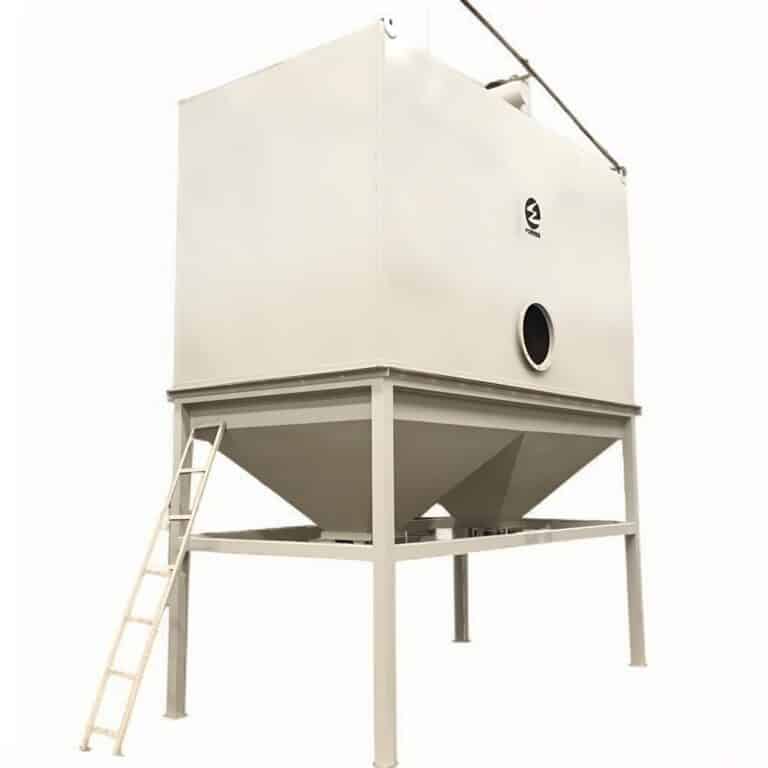
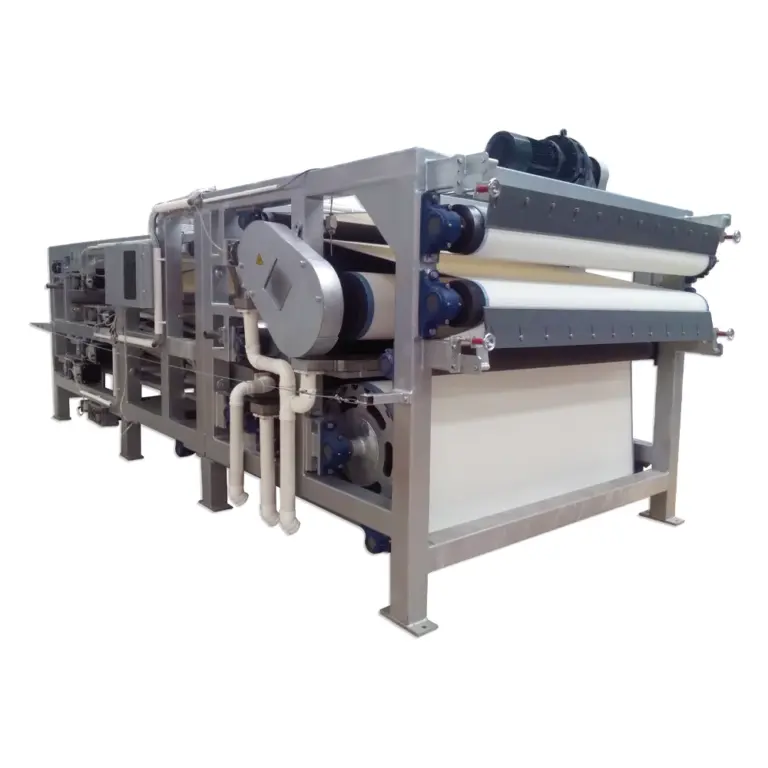
Doğru endüstriyel toz toplama sistemini seçmek, teknik ve finansal açıdan yüksek riskli bir karardır. Kartuş ve torba teknolojisi arasındaki seçim genellikle aşırı basitleştirilir ve bu da performans, bakım ve toplam sahip olma maliyetinde maliyetli uyumsuzluklara yol açar. Temel filtreleme farklılıklarının yanlış anlaşılması, işletmeleri verimsizlik ve beklenmedik işletme giderleri döngüsüne sokabilir.
Hava kalitesi düzenlemeleri sıkılaştıkça ve operasyonel verimlilik çok önemli hale geldikçe bu karar kritik önem taşıyor. Özel toz profiliniz ve tesis kısıtlamalarınız için optimize edilmiş bir sistem artık bir lüks değil; uyumluluk, üretkenlik ve maliyet kontrolü için bir gerekliliktir. Aşağıdaki analiz, yedi kritik performans farkının veriye dayalı bir karşılaştırması ile gürültüyü kesmektedir.
Kartuş vs Torbalı: Çekirdek Filtrasyon Farkının Tanımlanması
Temel Tasarım Farklılığı
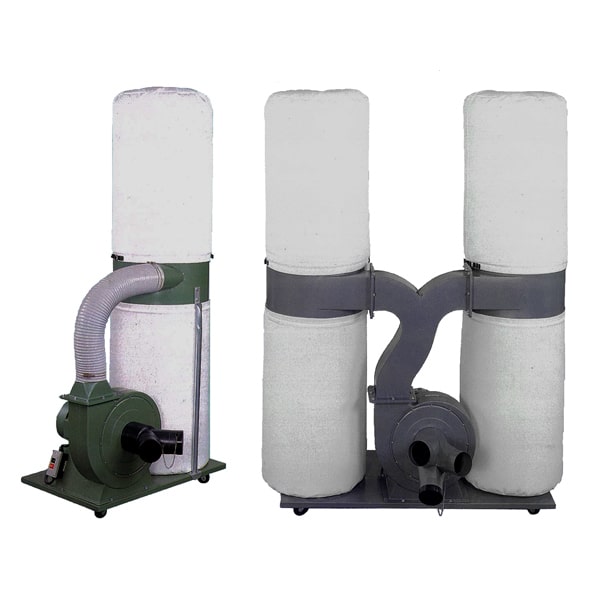
Bir toz toplayıcının tüm performans profili filtre elemanı tasarımından kaynaklanır. Torbalı sistemlerde tel kafeslerle desteklenen uzun, silindirik kumaş torbalar (genellikle dokuma veya keçeli) kullanılır. Kartuşlu toplayıcılar, yoğun pilili sentetik ortamdan yapılmış kompakt, silindirik elemanlar kullanır. Bu kıvrımlı yapı, daha küçük bir fiziksel zarf içinde önemli ölçüde daha büyük bir filtrasyon yüzey alanı sağlar. Sonuç, kartuşlar için önemli bir tasarım parametresi olan daha düşük hava-bez oranıdır. Bu temel fark, tüm uygulama uygunluklarını belirler. Kartuşun yoğun kıvrımları ince tozlar için tasarlanırken, torbanın kumaş matrisi daha kaba partikülleri işler. Bu doğrudan şu sonuçlara yol açar İçgörü 1: Partikül Boyutu Birincil Teknoloji Seçiminde Belirleyicidir, Bu da ilk seçimi uzun vadeli sistem verimliliğinin en kritik belirleyicisi haline getirmektedir.
Tasarım Uygulamayı Nasıl Yönlendirir?
Fiziksel tasarım mekanik davranışı belirler. Torbalı filtreler darbeli jet temizleme döngüsü sırasında esneyerek toz kekini kumaş yüzeyinden ayırır. Kartuş filtreler, statik kıvrımları boyunca ters hava darbesine maruz kalır. Bu temizleme mekanizması, ne tür tozları etkili bir şekilde saldıklarını etkiler. Ayrıca, İçgörü 2: Alan Kısıtı Kritik Bir Tasarım Uzlaşmasını Zorluyor burada açıkça görülmektedir. Kartuşun kompakt yapısı, pileli medyasının doğrudan bir sonucudur ve bir torbalı tesisin dikey torba uzunluğunun engelleyici olduğu alan sınırlı ortamlarda kurulumu mümkün kılar. Seçim sadece filtreleme ile ilgili değildir; teknolojiyi tesisinizin fiziksel ve operasyonel gerçekliğine entegre etmekle ilgilidir.
Sistem Uzun Ömürlülüğü Üzerindeki Etkisi
Eleman tasarımı da aşınma ve arızaya yatkınlığı etkiler. Kartuş kıvrımları büyük, keskin partiküllerden kaynaklanan aşınmaya karşı savunmasız olabilirken, torbalı kumaş ince tozlarla stabil, geçirgen bir toz keki oluşturmada daha az etkili olabilir. Farklı sektörlerdeki sistemleri değerlendirme deneyimimizde, bu uyumluluğun ihmal edilmesinin erken filtre arızası ve artan bakım maliyetlerinin en yaygın nedeni olduğunu gördük. Tozun fiziksel özelliklerine aykırı seçim yapmak, düşük performansı garanti eder.
Maliyet Karşılaştırması: Sermaye Yatırımı vs Toplam Sahip Olma Maliyeti
CapEx ve OpEx Ödünleşimini Anlamak
Finansal analiz faturanın ötesine bakmayı gerektirir. Kartuş sistemleri tipik olarak daha düşük ilk sermaye maliyeti (CapEx) ve daha hızlı kurulum sunar, bu da dar bütçeli veya acil zaman çizelgeli projeler için caziptir. Torbalı sistemler, daha büyük yapısal ayak izi ve muhafaza gereksinimleri nedeniyle genellikle daha yüksek bir ön yatırım gerektirir. Ancak bu ilk görüntü yanıltıcıdır. Gerçek mali tablo, sistemin ömrü boyunca enerji tüketimi, bakım işçiliği ve filtre değiştirme döngülerini içeren Toplam Sahip Olma Maliyetinden (TCO) ortaya çıkar.
Uzun Vadeli Operasyonel Harcamaların Analizi
Torbalı filtreler, uygun kaba toz uygulamalarına uygulandığında, genellikle kartuşlardan daha uzun bir hizmet ömrü gösterir. Bu da uzun vadeli sarf malzemesi maliyetlerinin önemli ölçüde düşmesini sağlayarak daha yüksek yatırım harcamalarını dengeleyebilir. Bu şu anlama gelir İçgörü 5: Toplam Sahip Olma Maliyeti Önemli Bir Finansal Ödünleşimi Ortaya Çıkarıyor. Etiket fiyatı düşük ancak sık değiştirme maliyetleri yüksek olan bir sistem mali bir yük haline gelebilir. Tersine, ince tozlu bir uygulama için bir torbalı sisteme aşırı yatırım yapmak, kullanılmayan uzun ömür için sermayeyi boşa harcar ve daha az optimum hava-bez oranı nedeniyle daha yüksek enerji maliyetlerine neden olabilir.
Aşağıdaki tablo, temel finansal farklılaştırıcıları ortaya koymaktadır:
Maliyet Faktörü Analizi
| Maliyet Faktörü | Kartuş Sistemi | Torbalı Sistem |
|---|---|---|
| İlk Sermaye Maliyeti (CapEx) | Daha düşük | Daha yüksek |
| Kurulum Hızı | Daha hızlı | Daha yavaş |
| Filtre Hizmet Ömrü | Daha kısa | Daha uzun |
| Uzun Vadeli Sarf Malzemesi Maliyeti (OpEx) | Daha yüksek | Daha düşük |
| İdeal Finansal Senaryo | Sıkı bütçe, hızlı dağıtım | Yüksek hacimli, kaba toz |
Kaynak: Teknik dokümantasyon ve endüstri spesifikasyonları.
Filtrasyon Verimliliği Karşılaştırıldı: İnce Toz ve Kaba Partikül Performansı
Verimlilik Partikül Boyutunun Bir Fonksiyonudur
Partikül boyutu belirtilmeden bir sistemin “daha verimli” olduğunu iddia etmek teknik olarak yanlıştır. Filtrasyon verimliliği kesirseldir. Kartuş filtreler, yoğun, kıvrımlı ortamları ile ince, kuru partikülleri yakalamada mükemmeldir ve genellikle 0,3 mikrona kadar yüksek verimlilik gösterir. Duman, duman ve toner veya farmasötik bileşenler gibi ince tozlar için tercih edilen seçenektir. Torbalı filtreler de >99,9% verimliliğe ulaşırken, genellikle daha büyük, daha kaba veya lifli toz partikülleri, tipik olarak 5 mikron ve daha büyük için optimize edilmiştir.
İnce Filtrasyon için Düzenleyici İtici Güç
Bu performans farklılığının doğrudan uyumluluk etkileri vardır. Mikron altı partikül madde (solunabilir kristal silika gibi) standartları daha katı hale geldikçe, kartuş teknolojisinin doğal gücü yasal bir avantaj haline gelmektedir. Öngörü 9: Düzenleyici İncelemeler Belirli Sektörlerde Kartuş Kullanımını Destekleyecek ileriye dönük bir değerlendirmedir. Önemli ölçüde PM2.5 veya PM1 üreten bir uygulama için bir torbalı filtre seçmek, gelişen standartları karşılamak için ek filtreleme aşamaları veya daha sık bakım gerektirebilir ve TCO avantajlarını aşındırabilir.
Aşağıdaki veriler her bir teknolojinin performans hedeflemesini göstermektedir:
Partikül Boyutuna Göre Filtrasyon Performansı
| Performans Metriği | Kartuş Filtre | Torbalı Filtre |
|---|---|---|
| Optimal Partikül Boyutu | Mikron altı, ince toz | 5+ mikron, kaba toz |
| Tipik Verimlilik | >99,9% (ince partiküller) | >99,9% (kaba partiküller) |
| Hedef Partikül Tipi | Dumanlar, duman, ince tozlar | Ağaç talaşı, mineral tozu |
| Etkili Yakalama Menzili | 0,3 mikrona kadar | Daha büyük, lifli parçacıklar |
Kaynak: ASHRAE 52.2-2017 Genel Havalandırma Hava Temizleme Cihazlarını Test Etme Yöntemi (https://webstore.ansi.org/standards/ashrae/ashrae522017). Bu standart, kartuş ve torbalı toplayıcıların kesirli verimlilik iddialarını değerlendirmek için gerekli olan hava temizleme cihazlarının partikül boyutu giderme verimliliğini belirlemek ve karşılaştırmak için test yöntemi (MERV) sağlar.
Hangi Sistem Daha İyi Ayak İzi ve Kurulum Esnekliğine Sahip?
Her Teknolojinin Mekânsal Talepleri
Fiziksel alan tartışmaya açık olmayan bir kısıtlamadır. Kartuş kolektörler, iç mekanlarda, asma katlarda veya proses ekipmanına bitişik dar alanlarda kurulumu kolaylaştıran kompakt, genellikle modüler bir tasarımla kesin bir avantaja sahiptir. Torbalı kolektörler, filtre torbalarının uzunluğunu (genellikle 6 fit veya daha fazla) ve destekleyici yapılarını barındırmak için önemli ölçüde dikey boşluk gerektirir, bu da genellikle dış mekana yerleştirmeyi veya özel, yüksek bölmeli bir iç mekan odasını gerektirir.
Yerleşim ve Lojistik Etkileri
Bu uzamsal dinamik, yerleştirmeden daha fazlasını etkiler. Kanal sistemi tasarımını, toplanan toz için malzeme kullanımını ve bakım erişimini etkiler. Bir kartuş sisteminin daha az yer kaplaması, merkezi olmayan toz toplamaya olanak tanır ve üniteleri emisyon kaynaklarına daha yakın yerleştirerek kanal çalışmalarını ve statik basınç kayıplarını azaltır. Lojistik gerçeklik İçgörü 2: Alan Kısıtı Kritik Bir Tasarım Uzlaşmasını Zorluyor geniş alana sahip olmayan tesisler, bir torbalı depo için tadilat yapmanın maliyetinin potansiyel filtre ömrü tasarrufunu çok aştığını ve kartuşu tek uygulanabilir seçenek haline getirdiğini görebilir.
Karşılaştırmalı mekânsal gereklilikler açıktır:
Ayak İzi ve Kurulum Karşılaştırması
| Mekânsal Değerlendirme | Kartuş Toplayıcı | Torba Toplayıcı |
|---|---|---|
| Fiziksel Ayak İzi | Kompakt, modüler | Önemli ölçüde daha büyük |
| Tipik Yükseklik Gereksinimi | Daha düşük | Yüksek (6+ ft torbalar) |
| Birincil Kurulum Yeri | İç mekan, asma kat, dar alanlar | Dış mekan veya özel oda |
| Yerleşim Esnekliği | Yüksek | Düşük |
Kaynak: Teknik dokümantasyon ve endüstri spesifikasyonları.
Bakım ve Operasyonel İşçilik: Kartuş Değişimi vs Torbalı Bakım
Bakımda Güvenlik ve İşgücü Yoğunluğu
Bakım protokolleri operasyonel risk ve maliyeti doğrudan etkiler. Kartuş filtreler tipik olarak kolektörün temiz hava tarafından nispeten aletsiz bir işlemle değiştirilir. Bu, bakım personelini toplanan toza maruz kalmaktan izole eder. Torbalı bakım daha yoğun emek gerektirir ve genellikle daha ağır torbaları ve metal kafesleri tutmak için kirli hava plenumuna girmeyi gerektirir, bu da özellikle tehlikeli tozlarda maruz kalma riskini artırır.
Parça Stratejisinin Gizli Maliyeti
Bu operasyonel farklılık şu hususların altını çizmektedir İçgörü 3: Bakım Protokolü İş Güvenliği ve Maliyeti Doğrudan Etkiliyor. Toksik veya kanserojen tozlar için kartuşun daha güvenli bir şekilde değiştirilmesi, güvenlik eğitiminin karmaşıklığını ve potansiyel sorumluluğu azaltabilir. Bununla birlikte, tedarik şu konularda dikkatli olmalıdır İçgörü 8: Satıcı Kilitleme Stratejisi Gizli Bir Uzun Vadeli Maliyettir. Bazı OEM'ler özel filtre kartuşları tasarlayarak, şişirilmiş fiyatlarla değiştirmeler için esir bir pazar yaratmaktadır. Standartlaştırılmış, piyasada bulunan filtre boyutlarını kullanan sistemleri belirlemek, uzun vadeli OpEx'i kontrol etmek için kritik bir stratejidir.
Her bir sistemin bakım profili aşağıda özetlenmiştir:
Bakım ve İşçilik Karşılaştırması
| Bakım Yönü | Kartuş Sistemi | Torbalı Sistem |
|---|---|---|
| Filtre Erişimi | Temiz hava tarafı | Kirli hava plenumu |
| Değiştirme Süreci | Aletsiz, daha hızlı | Emek yoğun, daha yavaş |
| Çalışan Toz Maruziyeti | İzole, daha düşük risk | Doğrudan, daha yüksek risk |
| Bileşen Ağırlığı | Çakmak | Daha ağır çantalar ve kafesler |
| Uzun Vadeli Parça Maliyeti Riski | Potansiyel satıcı kilitlenmesi | Daha standartlaştırılmış bileşenler |
Kaynak: Teknik dokümantasyon ve endüstri spesifikasyonları.
Sistem Temizleme Mekanizmaları: Pulse-Jet Performansı Karşılaştırıldı
Tozun Yerinden Çıkma Mekaniği
Her iki sistem de temizlik için darbeli basınçlı hava kullanır, ancak mekanikler temelde farklılık gösterir. Torbalı sistemde, darbe torbanın iç kısmına doğru ilerleyerek torbanın hızla şişmesine ve esnemesine neden olur ve toz kekini dış kumaştan ayırır. Bir kartuş toplayıcıda, darbe kartuşun açık ucuna yönlendirilir ve havayı kıvrımlardan geriye doğru zorlar. Kartuşun statik kıvrımları bu ters hava akışına ve bunun sonucunda oluşan basınç dalgasına dayanarak tozları ortam yüzeyinden uzaklaştırır.
Oryantasyon ve “Sorunlu” Tozlar
Yönlendirme temizleme etkinliğini etkiler. Yatay kartuş yuvaları, tozun hazneye düşmesine yardımcı olmak için yerçekiminden yararlanabilirken, dikey torbalar yalnızca nabız ve yerçekimine güvenir. Her iki teknoloji için de evrensel bir zorluk şudur İçgörü 6: “Yapışkan” Toz Evrensel Bir Performans Darboğazıdır. Yağlı, nemli veya higroskopik tozlar kartuş kıvrımlarını körleştirebilir veya torbalık liflerine yapışarak standart pulse-jet temizliğini etkisiz hale getirebilir. Bu durum, seçilen ana teknolojiden bağımsız olarak genellikle özel ortam işlemlerini (örn. PTFE membranlar, nanofiber kaplamalar) veya ön koşullandırma sistemlerini gerektirir.
Özel Toz Tipiniz İçin Hangi Teknoloji Daha İyi?
Teknolojiyi Toz Özellikleriyle Eşleştirme
Tozun kendisi nihai seçicidir. Şu temel kuralı kullanın: ince, kuru, lifli olmayan tozlar için bir kartuş toplayıcı seçin (örn. kaynak dumanı, lazer kesim dumanı, ince silika, toz boya aşırı püskürtmesi). Ağır, kaba, lifli veya aşındırıcı tozlar (örn. talaş, mineral tozu, metal öğütme talaşı, tahıl tozu) için bir torbalı toplayıcı seçin. Teknoloji ve toz tipi uyumsuzluğu, düşük performansın, yüksek basınç düşüşünün ve sık filtre arızalarının başlıca nedenidir.
Karmaşık Akışlar için Hibrit Çözüm
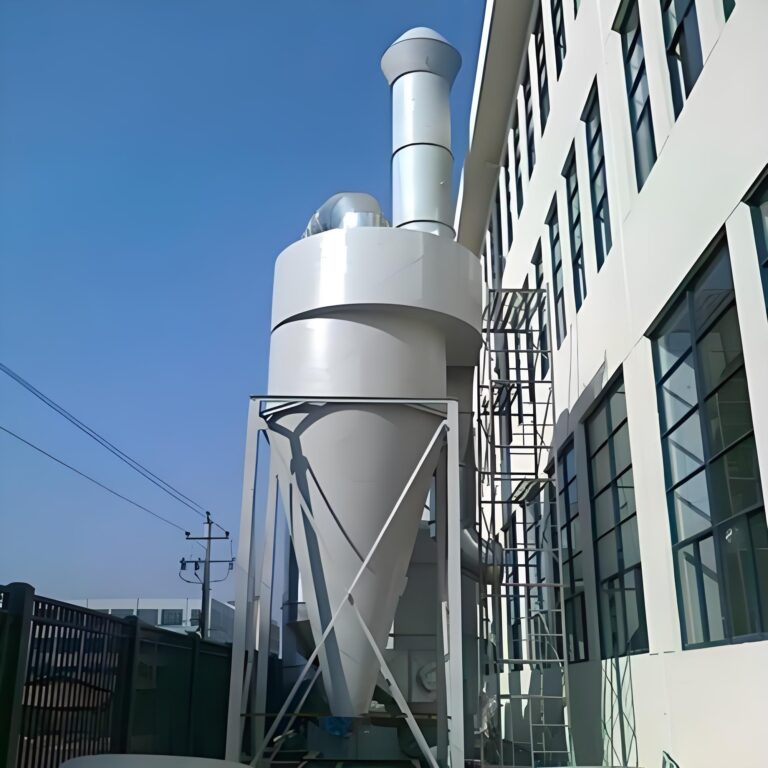
Birçok endüstriyel proses, partikül boyutlarının bir karışımını üretir. Bu uygulamalar için, İçgörü 4: Hibrit Sistem Tasarımı Karışık Partiküller için Verimliliğin Kilidini Açıyor önemlidir. Yaygın ve etkili bir yaklaşım, birincil toplayıcının ön filtresi olarak bir siklon veya atalet separatörü kurmaktır. Bu ön filtre kaba, aşındırıcı partiküllerin büyük kısmını uzaklaştırarak hassas kartuş kıvrımlarını korur veya bir torbalı filtre üzerindeki yükü azaltır. Bu aşamalı filtreleme birincil filtrenin ömrünü uzatır ve genel sistem verimliliğini artırır, ancak toz profiline göre gerekçelendirilmesi gereken karmaşıklık ve maliyet ekler.
Aşağıdaki kılavuz toz özelliklerini teknoloji ile uyumlu hale getirmektedir:
Toz Türüne Göre Teknoloji Seçimi
| Toz Karakteristiği | Önerilen Teknoloji | Önemli Hususlar |
|---|---|---|
| İnce, kuru toz (örn. silika) | Kartuş Toplayıcı | Mikron altı yakalamada üstün |
| Kaba, aşındırıcı toz (örn. metal talaşı) | Torbalı Filtre | Daha büyük partiküller için optimize edilmiştir |
| Lifli malzeme (örn. odun yongaları) | Torbalı Filtre | Lifli içeriği daha iyi işler |
| Karışık partikül boyutları | Hibrit Sistem (örn. siklon + birincil) | Verimlilik için aşamalı yaklaşım |
| Yapışkan, nemli veya yağlı toz | Uzmanlaşmış Medya Gerekli | Evrensel performans darboğazı |
Kaynak: ISO 16890-1:2016 Genel havalandırma için hava filtreleri (https://www.iso.org/standard/57864.html). Bu standart, partikül maddeye (PM1, PM2.5, PM10) karşı verimliliğe dayalı olarak filtre ortamının test edilmesi ve sınıflandırılmasını belirler ve filtre performansını belirli toz partikül boyutu profilleriyle eşleştirmek için temel bir çerçeve sağlar.
Karar Çerçevesi: Uygulamanız için Doğru Sistemi Seçme
Teknik ve Ticari Değişkenlerin Entegrasyonu
Sağlam bir seçim süreci, teknik özellikleri karşılaştırmanın ötesine geçer. Tozunuzun titiz, nicel bir analiziyle başlayın: partikül boyutu dağılımı (PSD), yük (lbs/saat), nem içeriği, sıcaklık ve aşındırıcılık. Tesis kısıtlamalarını da ekleyin: mevcut alan (ayak izi ve yükseklik), bakım beceri düzeyi, sermaye bütçesi ve gerekli çalışma süresi. Bu veriye dayalı temel, anekdotlara veya modası geçmiş tercihlere dayalı seçimi önler.
Çapraz Fonksiyonel Değerlendirme Ekibinin Oluşturulması
İçgörü 10: Karar Çerçevesi Teknik Şartnamelerin Ötesine Geçmelidir çapraz fonksiyonel bir ekip oluşturulmasını tavsiye eder. Operasyonlardan (süreci anlamak), çevre sağlığı ve güvenliğinden (ÇSG, uyum ve riski anlamak), finanstan (CapEx/OpEx dengelerini anlamak) ve bakımdan (uzun vadeli işçilik ve parçaları anlamak) temsilcileri dahil edin. Bu ekip sadece satın alma işlemini değil, aşağıdakiler de dahil olmak üzere uygulamayı değerlendirmelidir İçgörü 7: Pazar Hibrit Filtre Ortamı Çözümlerine Yöneliyor, Örneğin, komple bir sistem revizyonuna gerek kalmadan verimliliği artırmak için mevcut bir torbahanenin pileli kartuşlarla güçlendirilmesi gibi.
Karar nadiren ikilidir. İster ayak izi, ister PM2.5 gibi belirli bir toz fraksiyonu veya katı bir sermaye bütçesi olsun, pazarlık konusu olmayan kısıtlamalarınıza öncelik verin. Ardından, hangi teknolojinin teknik ve mali kriterlerinizin çoğunu en iyi şekilde karşıladığını değerlendirin. Ayrıntılı bir toz toplama si̇stemi̇ deneti̇mi̇ ve anali̇zi̇ genellikle en değerli ilk yatırımdır ve savunulabilir, uzun vadeli bir sermaye kararı vermek için gereken objektif verileri sağlar.
Kartuş ve torbalı filtre teknolojisi arasındaki seçim üç entegre önceliğe bağlıdır: temel filtreleme mekanizmasını tozunuzun partikül boyutu dağılımıyla uyumlu hale getirmek, ilk fiyatın ötesine geçen titiz bir Toplam Sahip Olma Maliyeti analizi yapmak ve tesisinizin mekansal ve bakım kapasitesini dürüstçe değerlendirmek. Bu alanlardan herhangi birindeki uyumsuzluk sistem performansını, uyumluluğu ve finansal getiriyi tehlikeye atar.
Özel uygulamanız için bu kritik ödünleşimlerin üstesinden gelmek için profesyonel rehberliğe mi ihtiyacınız var? Uzmanlarımız PORVOO toz toplama yatırımınızın optimum performans ve değer sunmasını sağlamak için veri odaklı bir değerlendirme sağlayabilir. Proje gereksinimlerinizle ilgili ayrıntılı bir danışmanlık için şunları da yapabilirsiniz Bize Ulaşın doğrudan.
Sıkça Sorulan Sorular
S: Kartuş ve torbalı sistemleri karşılaştırırken ince tozlar için filtrasyon verimliliğini nasıl değerlendiriyorsunuz?
C: Verimlilik partikül boyutuna bağlıdır. Pileli kartuş medyası 0,3 mikrona kadar ince, kuru partikülleri etkili bir şekilde yakalarken, torbalı kumaş 5 mikronun üzerindeki daha kaba partiküllerde üstünlük sağlar. Performans testi aşağıdaki gibi standartlaştırılmış yöntemleri takip etmelidir ASHRAE 52.2-2017 fraksiyonel verimliliği belirlemek için. Bu, silika veya toz kaplama gibi mikron altı toz içeren operasyonların mevcut ve gelecekteki düzenleyici standartları karşılamak için kartuş teknolojisine öncelik vermesi gerektiği anlamına gelir.
S: Kartuş filtrelerin değiştirilmesi ile torbaların bakımı arasındaki temel bakım ve güvenlik farkları nelerdir?
C: Kartuş değişimi genellikle temiz hava tarafında aletsiz bir işlemdir ve çalışanların toplanan toza maruz kalmasını en aza indirir. Torbalı sistemlerin bakımı genellikle daha ağır bileşenleri işlemek için kirli hava plenumuna girmeyi gerektirir, bu da iş yoğunluğunu ve güvenlik risklerini artırır. Bu, toksik veya tehlikeli tozları yöneten tesislerin, kartuş sistemlerinin azaltılmış güvenlik eğitimini ve sorumluluğunu toplam operasyonel maliyet analizlerine dahil etmeleri gerektiği anlamına gelir.
S: İç mekanda kurulum için bir kartuş toplayıcının fiziksel ayak izi bir torbalı toplayıcıya kıyasla nasıldır?
C: Kartuş sistemleri, küçük bir hacimde yüksek yüzey alanı sağlayan kıvrımlı filtre geometrileri sayesinde önemli ölçüde daha kompakt ve modüler bir tasarım sunar. Torbalı sistemler, uzun filtre torbalarını yerleştirmek için önemli ölçüde yükseklik ve zemin alanı gerektirir ve genellikle dış mekanda yerleştirme veya özel odalar gerektirir. Kapalı alanın kısıtlı olduğu projeler için kartuş teknolojisini seçmeyi bekleyin, çünkü bir torbalı depo için bina modifikasyonları maliyet açısından engelleyici olabilir.
S: Karışık partikül akışlarının işlenmesi için hibrit bir sistem tasarımı ne zaman mantıklıdır?
C: Siklon ön filtre eklemek gibi hibrit bir yaklaşım, toz akışınız hem kaba hem de ince partiküller içerdiğinde en uygunudur. Ön toplayıcı, daha büyük, aşındırıcı malzemeleri birincil filtreye ulaşmadan önce temizleyerek hassas kartuş kıvrımlarını korur veya bir torbalı filtre üzerindeki yükü azaltır. Operasyonunuz çeşitli partikül boyutları üretiyorsa, karmaşıklık ve sermaye maliyeti eklese de filtre ömrünü uzatmak için bu aşamalı filtrelemeyi planlayın.
S: Sermaye yatırımı ve uzun vadeli maliyetler arasında hangi finansal dengeleri modellemeliyiz?
C: Kartuş toplayıcılar genellikle daha düşük ilk sermaye maliyetine (CapEx) ve daha hızlı kuruluma sahiptir. Torbalı toplayıcılar daha yüksek ön yatırım gerektirir ancak uygun uygulamalarda daha uzun filtre ömrü nedeniyle daha düşük uzun vadeli sarf malzemesi maliyetleri sunabilir. Bu, uyumlu kaba tozlu yüksek hacimli operasyonların bir torbalı sistemle daha iyi bir getiri elde edebileceği anlamına gelirken, ince tozlu veya kısıtlı bütçeli uygulamalar bir kartuş sisteminin finansal esnekliğini daha avantajlı bulabilir.
S: Endüstriyel toz toplayıcı performansını karşılaştırmak için en uygun filtre test standartları hangileridir?
C: Temel standartlar şunları içerir ISO 16890-1:2016 filtre medyasını partikül madde giderimine göre sınıflandırmak için ve ASHRAE 52.2-2017 komple hava temizleme cihazının kesirli verimliliğini test etmek için. Tarihsel EN 779:2012 performans kıyaslamaları için de bağlam sağlar. Bir sistem belirlerken, geçerli bir teknik karşılaştırma için satıcı verilerinin bu metodolojileri referans aldığından emin olun.
S: Pulse-jet temizleme mekanizmaları kartuş ve torbalı filtreler arasında nasıl farklılık gösterir?
C: Torbalı sistemde, basınçlı hava darbesi torbanın içinde ilerleyerek torbanın esnemesini ve toz kekinin dış yüzeyinden dökülmesini sağlar. Bir kartuşta, darbe kartuşun açık ucuna yönlendirilir ve ters havayı kıvrımlardan geçirmeye zorlar. Her iki sistem de körlüğe neden olan yağlı veya nemli tozla mücadele eder. “Yapışkan” partiküllü uygulamalarda, temizleme etkinliğini korumak ve aşırı duruş süresini önlemek için özel filtre ortamı veya ön işlem planlayın.