Pentru operațiunile industriale care gestionează suspensii cu particule fine, procesul de deshidratare este un blocaj persistent. Deseori, metodele tradiționale nu reușesc să asigure uscăciunea necesară a turtei, consumă energie excesivă și generează costuri ridicate de întreținere, afectând în mod direct rentabilitatea și respectarea normelor de mediu. Provocarea principală constă în selectarea unei tehnologii care să echilibreze investiția de capital cu eficiența operațională pe termen lung și obiectivele strategice de durabilitate.
Decizia este din ce în ce mai importantă pentru 2025. Reglementările de mediu mai stricte, creșterea costurilor cu energia și presiunea globală pentru conservarea apei transformă deshidratarea dintr-o simplă operațiune unitară într-un activ strategic. Selectarea tehnologiei potrivite dictează acum rezistența operațională viitoare, structura costurilor și performanța ESG, ceea ce face esențială o evaluare tehnică amănunțită.
Cum funcționează un filtru cu disc ceramic în vid?
Principiul de bază al filtrării
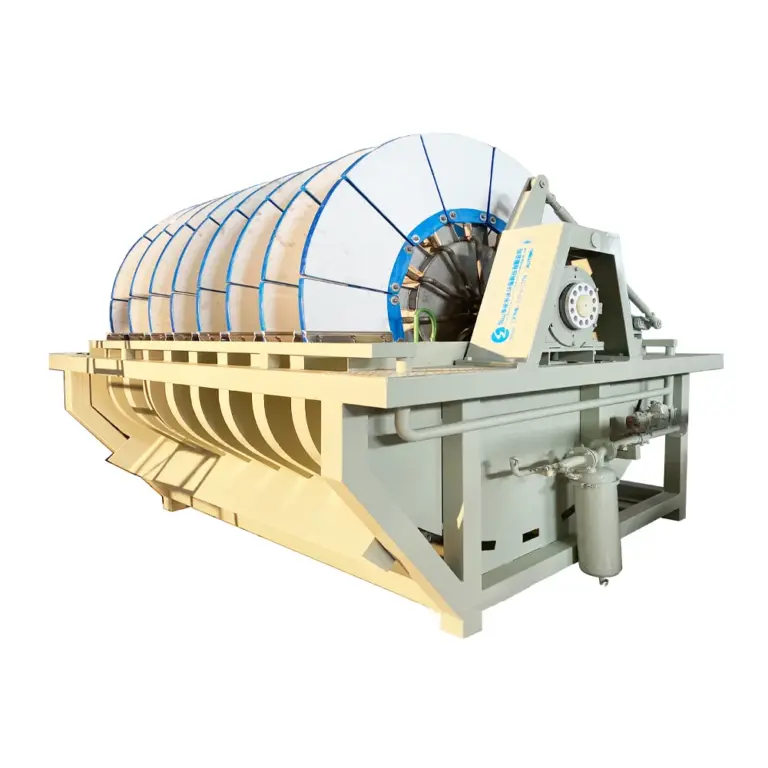
Un filtru cu disc ceramic în vid funcționează pe principiul rotației continue și se distinge prin utilizarea de plăci ceramice hidrofile, microporoase. Aceste plăci, fabricate de obicei din alumină sau oxizi de zirconiu/titan, conțin o rețea microscopică de pori interconectați. Pe măsură ce discurile segmentate se rotesc printr-un rezervor de suspensie, presiunea vidului și acțiunea capilară atrag lichidul prin pori, lăsând un strat solid pe suprafața plăcii. Acest efect capilar este diferențiatorul fizic cheie, permițând o deshidratare eficientă la presiuni de vid semnificativ mai mici în comparație cu filtrele din pânză.
Ciclul operațional în patru etape
Procesul urmează un ciclu definit în patru etape pentru fiecare segment de disc. În primul rând, are loc formarea turtei în suspensie, unde se depozitează solidele. În al doilea rând, pe măsură ce segmentul iese din rezervor, prin uscarea turtei se obține o umiditate finală scăzută. În al treilea rând, un răzuitor mecanic îndepărtează turta uscată. A patra și cea mai critică etapă este regenerarea plăcilor. O spălare de rutină cu filtrat și aer curăță porii, dar o curățare periodică intensivă obligatorie cu acid diluat și energie ultrasonică nu este negociabilă pentru a dizolva calcarul și a curăța porii, menținând porozitatea și ratele de flux pe termen lung.
De ce contează știința materialelor
Performanța este înrădăcinată în știința materialelor. Hidrofilicitatea inerentă a ceramicii și structura fină și controlată a porilor, caracterizată prin standarde precum ASTM E128-99(2019), creează o barieră selectivă. Această structură permite apei să treacă prin forța capilară, reținând în același timp solidele fine. Experții din industrie subliniază că neglijarea protocolului strict de curățare chimică și cu ultrasunete este cea mai frecventă greșeală, ceea ce duce la orbirea ireversibilă a porilor și la o scădere rapidă a performanței. Am comparat datele operaționale de la locațiile cu regimuri de curățare stricte și laxe și am constatat o diferență de 40% în durata de viață a plăcilor.
Avantaje cheie față de tehnologiile tradiționale de deshidratare
Metrici de performanță transformative
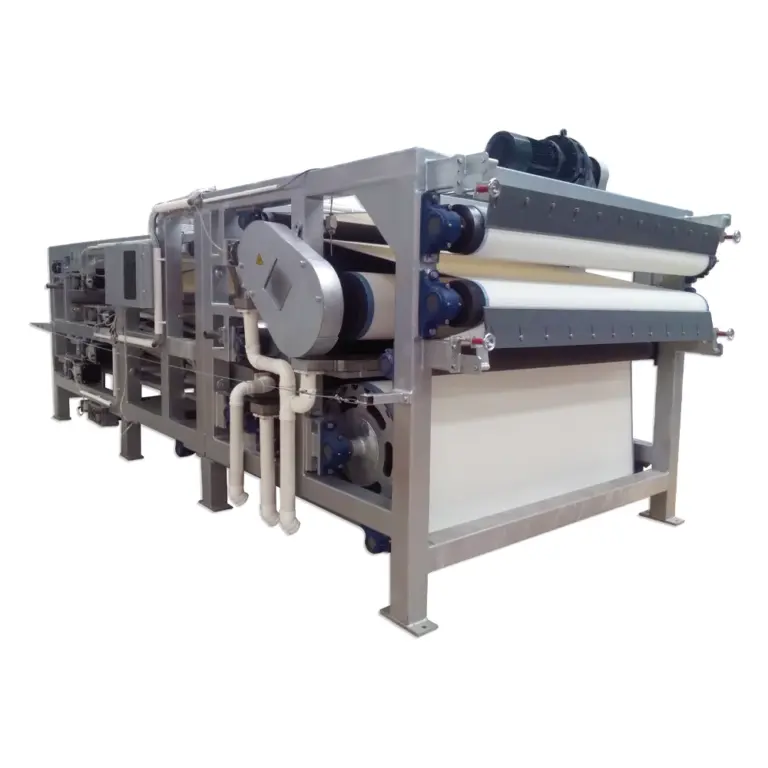
Trecerea de la filtrele de vid pe bază de pânză la tehnologia ceramică oferă avantaje măsurabile, transformatoare. Cel mai direct beneficiu este uscarea superioară a turtei, adesea cu 1-4% mai mică, ceea ce reduce imediat costurile de transport și eliminare. Cu toate acestea, valoarea principală se extinde la reducerea radicală a cheltuielilor operaționale. Acțiunea capilară a ceramicii reduce capacitatea necesară a pompei de vid, ceea ce generează economii drastice de energie. În plus, plăcile ceramice robuste rezistă la substanțe chimice și temperaturi agresive, oferind o durată de viață de mai mulți ani în comparație cu înlocuirea frecventă a pânzei.
Paradigma strategică OPEX vs. CAPEX
Acest lucru creează o paradigmă strategică clară în care cheltuielile inițiale de capital (CAPEX) mai mari sunt justificate de costul total de proprietate. Impactul financiar este cel mai bine înțeles printr-o comparație directă a principalilor indicatori de performanță. Tabelul următor cuantifică avantajele operaționale care conduc la beneficii economice pe termen lung.
| Metrica de performanță | Filtru cu disc ceramic | Filtru tradițional din pânză |
|---|---|---|
| Umiditatea finală a tortului | 1-4% inferior | Nivel de referință mai ridicat |
| Consumul de energie | 40-90% inferior | Cerere mare de vid |
| Media Lifespan | 5-10 ani | Înlocuire frecventă |
| Rezistență chimică/temperatură | Până la 350°C | limitată |
| Claritatea filtratului | <200 ppm solide | Conținut mai mare de substanțe solide |
Sursă: Documentație tehnică și specificații industriale.
Generarea de valoare la nivelul întregului sistem
Dincolo de funcționarea unității, tehnologia generează valoare la nivelul întregului sistem. Claritatea excepțională a filtratului (<200 ppm solide) permite reciclarea directă a apei, simplificând infrastructura de tratare a apei din aval și reducând consumul de apă proaspătă. Acest lucru poziționează filtrul ceramic nu doar ca un instrument de deshidratare, ci și ca o componentă cheie într-un circuit de apă în buclă închisă, abordând în același timp indicatorii cheie de cost și de durabilitate.
Aplicații critice în minerit și procesare industrială
Dominanță în deshidratarea particulelor fine
Filtrele ceramice cu discuri în vid sunt ideale pentru deshidratarea suspensiilor cu particule fine în cazul în care tehnologiile tradiționale întâmpină dificultăți. În minerit și prelucrarea mineralelor, acestea sunt soluția preferată pentru concentratele și reziduurile de minereu de fier, cupru, aur și cărbune, în special pentru materialele cu dimensiuni ale particulelor de la -200 la -450 ochiuri. Performanța lor constantă în cazul materialelor dificile și ultrafine este un element cheie de diferențiere.
Gestionarea cursurilor de apă corozive și complexe
Rezistența chimică le face ideale pentru suspensiile de proces corozive din industria chimică și pentru concentratele metalurgice care conțin reactivi agresivi. Această durabilitate extinde aplicarea lor dincolo de minerit, în sectoare în care compatibilitatea materialelor este o preocupare principală. Din experiența mea în auditurile uzinelor, capacitatea de a gestiona chimia variabilă a alimentării fără degradarea mediului este un factor principal pentru adoptarea în aceste sectoare.
Redefinirea strategiei de gestionare a sterilului
Poate cea mai strategică aplicație este gestionarea reziduurilor. Obținerea unei umidități constant scăzute (≤10%) transformă reziduurile de suspensie în solide umede, permițând o eliminare alternativă prin depozitare uscată. Acest lucru răspunde în mod direct preocupărilor ESG majore prin reducerea drastică a amprentei de apă și eliminarea răspunderii de mediu asociate cu barajele tradiționale de steril. Filtrul devine astfel un instrument strategic pentru gestionarea durabilă a resurselor și pentru securitatea licenței de operare.
Selectarea dimensiunii porilor ceramici și a suprafeței de filtrare potrivite
Fundație în caracterizarea suspensiilor
Selecția corectă nu este o presupunere; aceasta depinde de caracterizarea detaliată a suspensiei prin teste pe banc și teste pilot. Parametrii cheie precum distribuția dimensiunii particulelor (PSD), densitatea solidelor și chimia suspensiei determină totul. Dimensiunea țintă a particulelor pentru o filtrare ceramică eficientă se încadrează de obicei între -200 și -450 ochiuri. Diametrul porilor, de obicei între 0,75 și 3,0 microni pentru microfiltrare, trebuie să se potrivească cu PSD a suspensiei pentru a asigura o separare eficientă fără încețoșare.
Navigarea în specificațiile tehnice
Suprafața de filtrare, care variază de la sub 5 m² la peste 200 m² pe unitate, este dimensionată în funcție de debitul necesar și de ratele de filtrare derivate din teste. Un blocaj critic, adesea neglijat, este integrarea sistemului proprietar. Plăcile ceramice sunt mai groase și necesită suporturi specializate, care sunt disponibile în diametre standard limitate. Acest lucru creează o formă de blocaj al furnizorului, făcând din suportul filtrului și din proiectarea sistemului auxiliar o dependență critică care ridică fiabilitatea furnizorului deasupra costului inițial al echipamentului. Următorii parametri ghidează procesul de specificare.
| Parametru de selecție | Gama tipică | Considerații cheie |
|---|---|---|
| Dimensiunea porilor ceramici | 0,75 - 3,0 microni | Trebuie să corespundă dimensiunii particulelor |
| Suprafața de filtrare pe unitate | <5 m² to>200 m² | Pe baza debitului |
| Diametrul plăcii (standard) | 47mm, 90mm | Suporturi specifice furnizorului |
| Dimensiunea particulelor țintă | -200 până la -450 ochiuri | Suspensii cu particule fine |
Sursă: ASTM F316-03 (2019) Metode standard de testare a caracteristicilor dimensiunii porilor filtrelor cu membrană prin punctul de bulă și testul porilor cu debit mediu. Acest standard furnizează metodologia critică pentru determinarea caracteristicilor dimensiunii porilor, cum ar fi punctul de bule și diametrul mediu al porilor de curgere, ale mediilor filtrante ceramice microporoase, informând în mod direct selecția intervalului 0,75-3,0 microni.
Imperativul testului pilot
Renunțarea la testarea pilot este o decizie cu risc ridicat. Numai testarea continuă în condiții simulate ale instalației poate valida selecția dimensiunii porilor, poate prezice umiditatea turtei și poate stabili viteze de filtrare precise pentru dimensionare. Această etapă elimină riscul întregii investiții de capital.
Costul total al proprietății: Analiza CAPEX vs. OPEX
Cadrul costurilor ciclului de viață
Evaluarea unui filtru ceramic necesită o analiză a costurilor întregului ciclu de viață, nu doar o ofertă de capital. În timp ce cheltuielile de capital (CAPEX) sunt mai mari decât în cazul filtrelor convenționale, avantajele cheltuielilor operaționale (OPEX) sunt dramatice și cumulative. Justificarea necesită modelarea acestor economii în raport cu costul total de transport al suspensiei, de eliminare și de prelucrare în aval afectată de umiditatea turtei.
Cuantificarea avantajului OPEX
Legătura directă dintre microporozitate și eficiența energetică se traduce printr-un consum de energie cu până la 90% mai mic pentru generarea vidului. Costurile neglijabile de înlocuire a mediilor pe o durată de viață de 5-10 ani elimină o cheltuială recurentă majoră. Reducerea timpilor morți pentru schimbarea mediilor și reducerea consumului de apă datorită reciclării filtratului de înaltă calitate reduc și mai mult costurile curente. Următoarea defalcare ilustrează schimbarea profilului costurilor.
| Componenta de cost | Caracteristica filtrului ceramic | Impactul financiar |
|---|---|---|
| Cheltuieli de capital (CAPEX) | Investiție inițială mai mare | 20-50% premium |
| Energie (OPEX) | Consum redus cu până la 90% | Economii majore pe termen lung |
| Înlocuirea suporturilor (OPEX) | Neglijabil pe o perioadă de 5-10 ani | Elimină costurile recurente |
| Utilizarea apei (OPEX) | Reciclarea filtratului de înaltă calitate | Reduce cererea de apă dulce |
Sursă: Documentație tehnică și specificații industriale.
Adevăratul beneficiu la nivelul întregului sistem
Adevăratul beneficiu economic este adesea realizat în aval. Calitatea ridicată a filtratului poate elimina necesitatea unor etape suplimentare de clarificare înainte de reciclarea apei. În aplicațiile cu reziduuri, turta mai uscată poate reduce sau elimina costurile de gestionare a barajului de reziduuri și obligațiile de închidere. Analiza ROI trebuie să ia în considerare aceste aspecte economice mai largi ale instalației pentru a obține întreaga valoare propusă.
Instalare, integrare și pregătire operațională
Imperativul integrării
Implementarea cu succes necesită o integrare completă, nu doar livrarea de echipamente. Proiectarea tehnică inițială (FEED) este esențială pentru conectarea perfectă a filtrului la sistemele existente de alimentare cu suspensie, la rețelele de vid, la transportoarele de manipulare a turtei și la sistemele de control la nivelul întregii instalații. Integrarea necorespunzătoare în această etapă este una dintre cauzele principale ale scăderilor de performanță și ale prelungirii timpului de punere în funcțiune.
Trecerea la modele bazate pe rezultate
Această complexitate susține apariția unui model de furnizor complet. Cei mai importanți furnizori oferă în prezent servicii pentru ciclul de viață, de la studii de fezabilitate bazate pe inteligență artificială până la punerea în funcțiune și asistență pe termen lung pentru performanță. Această tendință de a vinde rezultate garantate ale proceselor reduce cheltuielile generale de inginerie ale clientului, dar necesită o gestionare atentă a dependenței tehnice pe termen lung. Integritatea structurală a sistemului sub presiune, ghidată de principiile din standarde precum ISO 2941:2022, este o cerință de bază pentru orice furnizor.
Dezvoltarea competenței operaționale
Pregătirea operațională este extrem de importantă. Aceasta include efectuarea de analize HAZOP și dezvoltarea de programe de formare a operatorilor. Personalul trebuie reconvertit de la o mentalitate reactivă de înlocuire a pânzei la o abordare proactivă a ciclurilor de curățare de precizie, a controlului procesului chimic pentru sănătatea ceramicii și a monitorizării datelor pentru a prevedea nevoile de întreținere. Filosofia operațională trece de la întreținerea în caz de defecțiuni la gestionarea preventivă a integrității porilor.
Menținerea performanței de vârf: Curățare și regenerare
Un protocol ne-negociabil
Performanța susținută este guvernată de un protocol strict de curățare. Promisiunea de “orbire zero” a porilor ceramici remodelează întreținerea de la schimbarea frecventă a mediilor la gestionarea proactivă a integrității porilor. Un regim combinat fizic și chimic este obligatoriu, nu opțional. Respectarea acestui ciclu este o sarcină operațională de bază, cu impact direct asupra ratelor de flux și a duratei de viață a plăcilor.
Descompunerea regimului de curățare
Curățarea fizică implică pulverizarea periodică cu aer și filtrat pentru a îndepărta particulele, completată de curățarea cu ultrasunete la fiecare 7-10 ore, în care energia de cavitație curăță porii. Curățarea chimică utilizează periodic soluții acide sau oxidante cu concentrație scăzută pentru a dizolva calcarul anorganic. Alegerea între transductoare cu ultrasunete fixe sau montate pe elevator prezintă un compromis standard între un cost de capital mai scăzut și o mai mare capacitate de întreținere pentru service-ul transductorului. Tabelul următor prezintă activitățile esențiale.
| Activitatea de întreținere | Frecvență / Metodă | Scop primar |
|---|---|---|
| Curățarea impulsului din spate | Continuă, aer/filtrare | Previne încețoșarea porilor |
| Curățare cu ultrasunete | La fiecare 7-10 ore | Curățarea fizică a porilor |
| Curățare chimică | Periodic, acid diluat | Dizolvă scalarea |
| Tip de traductor | Fix sau montat prin ridicare | Raportul cost vs. mentenabilitate |
Sursă: Documentație tehnică și specificații industriale.
Întreținere bazată pe date
Cele mai de succes operațiuni implementează întreținerea bazată pe date. Urmărirea în timp a debitelor de filtrat, a nivelurilor de vid și a umidității turtei stabilește o linie de bază a performanței. Abaterile declanșează o investigare imediată a eficacității ciclului de curățare, permițând luarea de măsuri corective înainte de apariția unor impurități ireversibile. Această abordare predictivă maximizează utilizarea activelor și protejează investiția.
Un cadru strategic de selecție pentru 2025
Începeți cu fezabilitatea bazată pe inteligența artificială
Pentru 2025, selecția trebuie să fie un exercițiu strategic, bazat pe date. Începeți prin a solicita furnizorilor modele de fezabilitate bazate pe inteligență artificială. Furnizorii de top utilizează modele formate pe baza datelor operaționale pentru a prezice capacitatea de filtrare, a estima umiditatea turtei și a evalua costurile ciclului de viață în timpul etapei conceptuale. Acest lucru reduce riscurile investiției înainte de a se angaja în testarea pilot și se aliniază tendințelor din industrie către analiza predictivă a proiectelor.
Evaluarea capacităților complete
Evaluați furnizorii pe o matrice mai largă. Evaluați capacitatea acestora de a furniza sisteme integrate, nu doar hardware. Examinați cu atenție structura lor de asistență pe termen lung, logistica pieselor de schimb și expertiza în protocoalele de curățare chimică. Cadrul trebuie să pună în balanță compromisurile strategice: durabilitatea superioară și economiile OPEX față de CAPEX mai mari și realitatea blocării furnizorului pentru plăci și suporturi. Decizia se bazează adesea pe capacitatea furnizorului de a acționa ca un partener tehnologic pe termen lung.
Poziționarea ca activ strategic
În cele din urmă, decizia ar trebui să poziționeze filtrul ceramic ca un activ strategic. Este un instrument pentru eficiența operațională, un motor pentru obiectivele de sustenabilitate prin reciclarea apei și stivuirea uscată și un mecanism pentru reducerea costurilor pe termen lung. În 2025, alegerea corectă integrează performanța tehnică cu rezultatele strategice ale afacerii, asigurându-se că tehnologia oferă valoare în întregul peisaj operațional. Pentru specificații detaliate și asistență tehnică pentru aplicația dumneavoastră, consultați parametrii tehnici pentru o sistem modern de filtrare cu disc ceramic în vid.
Acordați prioritate celor trei puncte principale de decizie: validați potrivirea tehnologiei prin teste pilot riguroase pe suspensia dvs. specifică, modelați costul total de proprietate pe un orizont de 10 ani, inclusiv beneficiile din aval, și selectați un furnizor pe baza capacității sistemului integrat și a suportului pentru ciclul de viață, nu doar pe baza costului echipamentului.
Aveți nevoie de soluții profesionale de deshidratare adaptate la obiectivele dvs. operaționale și de sustenabilitate pentru 2025? Echipa de ingineri de la PORVOO oferă analize de fezabilitate și proiectarea integrată a sistemului pentru a se asigura că investiția dumneavoastră oferă valoare strategică.
Întrebări frecvente
Î: Cum influențează selectarea dimensiunii porilor ceramici performanța filtrului și proiectarea sistemului?
R: Dimensiunea optimă a porilor, de obicei între 0,75 și 3,0 microni, este determinată prin caracterizarea detaliată a suspensiei pentru a preveni încețoșarea și a asigura o separare eficientă. Selecția trebuie să ia în considerare distribuția dimensiunii particulelor și chimia, care influențează în mod direct uscarea turtei și claritatea filtratului. Acest lucru creează o dependență critică de proiectare, deoarece plăcile ceramice sunt mai groase și necesită suporturi brevetate, ceea ce duce la blocarea furnizorului. Pentru proiectele în care compoziția chimică a suspensiei este variabilă, trebuie să se acorde prioritate fiabilității furnizorului și integrării sistemului în fața costului inițial al echipamentului.
Î: Ce standarde sunt utilizate pentru a verifica integritatea structurală și caracteristicile porilor plăcilor filtrante ceramice?
R: Rezistența mecanică a plăcilor ceramice sub presiune în vid este verificată folosind principii din standarde precum ISO 2941:2022. Caracteristicile critice ale dimensiunii porilor, care guvernează eficiența de separare, sunt determinate prin metode de testare, cum ar fi cele din ASTM F316-03(2019) pentru analiza punctului de bule și a porilor debitului mediu. Aceasta înseamnă că instalațiile care achiziționează filtre pentru aplicații de înaltă presiune ar trebui să solicite certificate de testare care să facă referire la aceste standarde pentru a valida declarațiile de performanță și a asigura fiabilitatea pe termen lung.
Î: Cum justificați costul de capital mai ridicat al unui filtru ceramic cu disc față de tehnologiile tradiționale de deshidratare?
R: Justificarea necesită o analiză a costului total de proprietate care să ia în considerare economii operaționale semnificative. În timp ce CAPEX este mai mare, tehnologia ceramică oferă un consum de energie cu până la 90% mai mic, costuri de înlocuire a mediului neglijabile pe o perioadă de 5-10 ani și o uscăciune superioară a turtei care reduce cheltuielile de transport în aval. Aceasta înseamnă că instalațiile care procesează suspensii fine, abrazive sau corozive ar trebui să modeleze ROI pe baza acestor avantaje OPEX și a calității filtratului, nu doar a prețului inițial de achiziție.
Î: Care este protocolul obligatoriu de întreținere pentru a menține performanța filtrului ceramic?
R: Performanța susținută depinde de un regim strict, nenegociabil, care combină curățarea fizică și chimică. Aceasta include spălarea regulată cu aer și filtrat, curățarea cu ultrasunete la fiecare 7-10 ore pentru a curăța porii prin cavitare și curățarea chimică periodică cu acid diluat pentru a dizolva calcarul. Aceasta înseamnă că operațiunile trebuie să treacă de la o mentalitate reactivă de înlocuire a pânzei la o gestionare proactivă a integrității porilor, în care respectarea ciclului de curățare este o sarcină operațională de bază cu impact direct asupra randamentului și duratei de viață a plăcilor.
Î: Cum pot testarea și modelarea pilot să reducă riscul de selectare a unui sistem de filtrare ceramic?
R: Selecția de reducere a riscurilor necesită o modelare a fezabilității bazată pe inteligență artificială din partea furnizorilor, care utilizează date operaționale pentru a prezice capacitatea de filtrare și costurile de referință, urmată de teste riguroase pe banc și teste pilot pe suspensia specifică. Aceste teste determină parametrii critici pentru dimensionare, cum ar fi suprafața optimă a filtrului și presiunea de vid necesară. În cazul în care operațiunea dumneavoastră vizează un rezultat strategic, cum ar fi reziduurile uscate, planificați acest proces de validare în două etape la începutul calendarului proiectului pentru a obține garanții de performanță precise.
Î: De ce filtrele ceramice sunt considerate un instrument strategic pentru gestionarea modernă a reziduurilor?
R: Capacitatea lor de a obține în mod constant un conținut scăzut de umiditate (adesea ≤10%) transformă reziduurile de suspensie în solide umede, stivuibile, permițând eliminarea alternativă prin depozitare uscată. Acest lucru reduce în mod direct consumul de apă pentru reciclarea filtratului de înaltă calitate și minimizează răspunderea de mediu asociată cu barajele tradiționale de steril umed. Pentru operațiunile miniere care se confruntă cu presiuni ESG stricte, aceasta înseamnă că filtrul trebuie evaluat ca un activ strategic pentru sustenabilitate și planificarea închiderii sitului pe termen lung, nu doar ca o unitate de deshidratare.
Î: Ce ar trebui să căutați la un furnizor atunci când implementați un sistem complet de filtrare ceramică?
R: Evaluați furnizorii în funcție de capacitatea lor de a furniza servicii integrate pe durata ciclului de viață, de la analiza comparativă a IA și proiectarea tehnică inițială (FEED) până la punerea în funcțiune și asistența pe termen lung, nu doar în funcție de echipamente. Tendința pieței este către furnizorii de tip boutique care vând rezultate garantate ale proceselor. Aceasta înseamnă că, dacă proiectul dvs. necesită o integrare perfectă cu circuitele de apă și suspensie existente, ar trebui să acordați prioritate furnizorilor care oferă acest model complet și să gestionați cu atenție dependența tehnică pe termen lung rezultată.