Pierderea de presiune statică este ucigașul tăcut al performanței în colectarea portabilă a prafului. Inginerii și managerii de instalații se concentrează adesea pe valorile CFM, presupunând că un număr mai mare garantează o captare mai bună a prafului. Această concepție greșită conduce la sisteme neperformante în care praful scapă în ciuda unui colector puternic. Adevăratul factor determinant al succesului este rezistența totală a sistemului, măsurată în inci de apă (Wg), și modul în care ventilatorul colectorului funcționează în raport cu aceasta.
Ignorarea acestei relații duce la risipă de capital, ineficiență energetică și riscuri de conformitate, în special în cazul prafului combustibil. Având în vedere că standarde precum NFPA 652 impun o analiză holistică a pericolelor legate de praf, selectarea echipamentelor doar pe baza specificațiilor din catalog nu mai este viabilă. Înțelegerea presiunii statice este acum o condiție prealabilă pentru proiectarea unui control al prafului sigur, eficient și rentabil.
Ce este pierderea de presiune statică în colectarea prafului?
Fizica rezistenței
Pierderea de presiune statică cuantifică rezistența la fluxul de aer în cadrul unui sistem de colectare a prafului, măsurată în inci de gabarit de apă (in. w.g.). Această rezistență se acumulează de la fiecare componentă: hote, conducte, filtre și colectorul în sine. Ea reprezintă diferența de presiune pe care ventilatorul trebuie să o genereze pentru a învinge frecarea și a trage aerul prin sistem. În esență, este forța care se opune aspirației necesare pentru captarea eficientă la sursă.
O provocare la nivelul întregului sistem
O implicație strategică esențială este aceea că proiectarea sistemului, nu doar a colectorului, este principala pârghie pentru gestionarea acestei rezistențe. Ventilatorul colectorului trebuie să lucreze împotriva sumei rezistenței filtrului, a pierderilor de frecare a conductei și a pierderilor la intrare/ieșire. Din experiența mea, instalațiile neglijează adesea proiectarea conductelor, presupunând că un colector puternic poate compensa. Aceasta este o eroare costisitoare. Investiția în proiectarea adecvată a conductelor, sub îndrumarea unui specialist în ventilație, generează randamente mai mari decât simpla achiziționare a unui ventilator mai puternic, deoarece o proiectare necorespunzătoare poate face ca orice colector să devină ineficient.
Modul în care indicatorul de apă (Wg) definește performanța colectorului portabil
Dincolo de specificațiile din catalog
Valoarea nominală a apometrului (Wg) nu este o specificație de sine stătătoare, ci variabila cheie pe curba de performanță a unui colector portabil. Această curbă definește relația inversă dintre presiunea statică și debitul de aer (CFM). CFM-ul maxim anunțat al unei unități este realizabil numai la un anumit punct de presiune, adesea scăzut. Capacitatea sa reală este definită de capacitatea sa de a furniza CFM necesar la presiunea statică specifică a sistemului dvs..
Adaptarea curbei la aplicație
Datele producătorilor ilustrează această relație critică. Tabelul următor arată modul în care performanțele variază în funcție de diferitele puncte de funcționare, dezvăluind categorii distincte de echipamente optimizate pentru sarcini diferite.
| Punctul de performanță al colectorului | Presiune statică (in. w.g.) | Fluxul de aer (CFM) |
|---|---|---|
| Punct nominal 1 | 11.5″ | 6,000 |
| Punct nominal 2 | 14″ | 5,000 |
| Unitate de volum mare | Presiune scăzută | Praf general |
| Suflantă de înaltă presiune | Presiune ridicată | Transport |
Sursă: Documentație tehnică și specificații industriale.
Aceste date relevă o segmentare clară a pieței. Producătorii optimizează modelele pentru anumite profiluri de presiune. Selectarea bazată exclusiv pe CFM maxim este o eroare critică; trebuie să potriviți curba de performanță a unității cu rezistența calculată a sistemului.
Explicarea relației CFM vs. presiune statică
Compromisul fundamental
Relația CFM vs. presiune statică este o curbă de performanță inversă, proiectul fundamental pentru orice colector de praf. Pe măsură ce presiunea statică (rezistența sistemului) crește, debitul de aer realizabil al ventilatorului (CFM) scade. Ventilatorul trebuie să genereze suficientă presiune pentru a depăși presiunea statică totală a sistemului și pentru a menține viteza de captare necesară la sursă. Acesta este motivul pentru care unitățile portabile sunt evaluate la mai multe puncte.
Rolul raportului aer/pânză
Un factor-cheie care influențează acest echilibru este raportul aer/pânză (CFM împărțit la suprafața totală a mediului filtrant). Un raport mai mic, obținut cu o suprafață mai mare a filtrului, reduce rezistența filtrului, o componentă majoră a presiunii statice. Tabelul de mai jos prezintă modul în care acești factori interacționează pe curba de performanță.
| Factor de performanță | Specificații/Impact | Implicații de proiectare |
|---|---|---|
| Raportul aer/pânză | CFM / Suprafața filtrului | Mai mică = mai puțină rezistență |
| Suprafața filtrului | Zona extinsă | Cădere de presiune mai mică |
| Exemplu de evaluare a colectorului | 12,000 CFM @ 11.7″ w.g. | Curba de performanță inversă |
| Exemplu de evaluare a colectorului | 10,000 CFM @ 17″ w.g. | CFM scade pe măsură ce presiunea crește |
Sursă: Documentație tehnică și specificații industriale.
Această alegere de proiectare are implicații directe asupra costului total de proprietate. O investiție inițială mai mare într-o suprafață de filtrare mai mare reduce consumul de energie pe termen lung și prelungește durata de viață a filtrului prin funcționarea la un punct inferior și mai eficient al curbei.
Factorii cheie care cresc pierderea de presiune statică
Rezistență bazată pe proiectare
Mai mulți factori de proiectare și funcționare determină pierderea de presiune statică. Materialul filtrant este un factor principal; tipul, suprafața și starea acestuia (curat vs. încărcat) au un impact direct asupra rezistenței. Configurația conductelor este la fel de importantă, în special pentru unitățile portabile. Traseele lungi, diametrele mici și numeroasele coturi creează pierderi de frecare semnificative. Acest lucru creează o tensiune fundamentală: mobilitatea colectoarelor portabile intră în conflict cu conductele de înaltă performanță.
Constrângeri de conformitate
Flexibilitatea conectorilor glisanți și a furtunurilor flexibile este adesea subminată de pierderile de presiune pe care le introduc, cu excepția cazului în care traseele sunt scurte și drepte. În plus, pentru operațiunile care manipulează pulberi combustibile, conformitatea cu normele de siguranță împotriva exploziilor reduce limitele volumului operațional. Cerințele din standarde precum NFPA 652-2023 Standard privind principiile de bază ale prafului combustibil influențează în mod direct proiectarea. ’Regula de 8 picioare cubice“ a NFPA 660 pentru locațiile periculoase limitează proiectarea, forțând adesea utilizarea unor unități specializate mai mici, care funcționează în parametri de presiune diferiți.
| Factor | Impact primar | Constrângere operațională |
|---|---|---|
| Mediu filtrant | Tip, zonă, stare | Contribuitor major la rezistență |
| Configurația conductelor | Tiraje lungi, diametre mici | Pierderi de frecare ridicate |
| Mobilitatea colectorului portabil | Furtun flexibil/conectori | Pierdere de presiune ridicată |
| Conformitatea cu pulberile combustibile | NFPA 660 “Regula celor 8 picioare cubice” | Limită dimensiune/volum unitate |
Sursă: NFPA 652-2023 Standard privind principiile de bază ale prafului combustibil. Acest standard impune o analiză a riscurilor legate de praf și stabilește cerințe de siguranță pentru sistemele de colectare a prafului, influențând în mod direct constrângerile de proiectare, cum ar fi “regula celor 8 picioare cubice”, care poate limita dimensiunea colectorului și modifica parametrii presiunii statice.
Consecințele presiunii statice ridicate asupra captării prafului
Degradarea performanței și a siguranței
Presiunea statică ridicată afectează în mod direct performanța și siguranța sistemului. Cea mai imediată consecință este reducerea fluxului de aer și a aspirației, diminuând viteza de captare la sursă și permițând prafului să scape. Acest lucru poate duce la sedimentarea prafului în conducte, crescând și mai mult rezistența și creând potențiale pericole de incendiu sau sarcini de întreținere. De asemenea, motorul ventilatorului trebuie să lucreze mai mult împotriva rezistenței ridicate, crescând consumul de energie pentru a mișca mai puțin aer.
Evaluarea tehnologiilor alternative
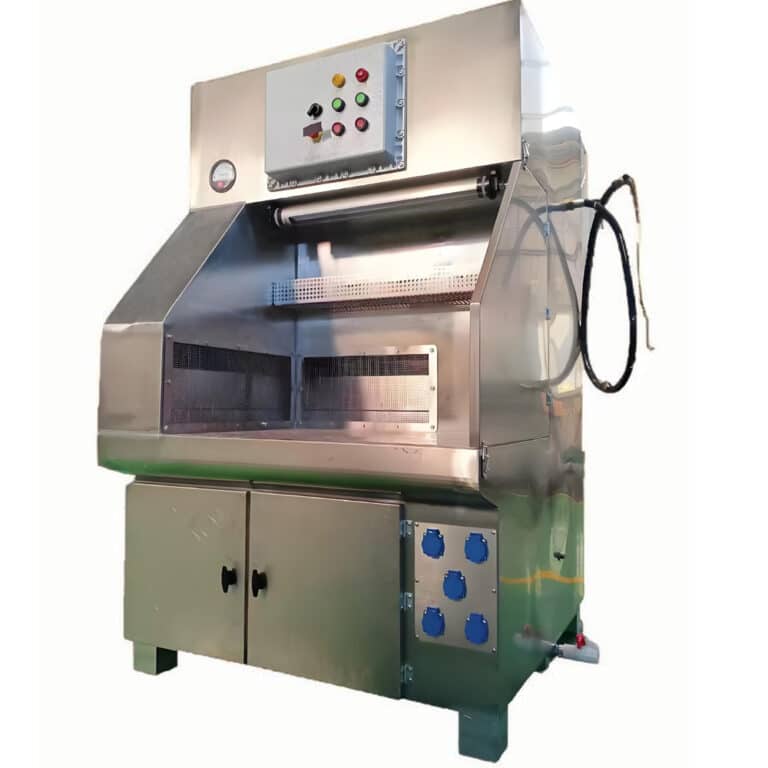
Pentru aplicațiile cu praf combustibil, gestionarea acestui risc este extrem de importantă. Aici, spălătoarele umede oferă o alternativă cu presiune statică scăzută, funcționând adesea la doar 3″ Wg în comparație cu 11-17″ Wg pentru unitățile uscate. Acest design reduce în mod inerent riscul de explozie pentru metale precum aluminiul, reducând în același timp în mod semnificativ necesarul de cai putere. Principiile în ANSI/AIHA Z9.2-2022 Fundamentele care guvernează proiectarea și funcționarea sistemelor de ventilație cu evacuare locală subliniază faptul că gestionarea corectă a fluxului de aer este esențială pentru controlul contaminanților și pentru siguranță, asociind direct presiunea statică ridicată cu riscurile de pericol.
| Consecințe | Rezultat direct | Soluție alternativă |
|---|---|---|
| Flux de aer și aspirație reduse | Viteză de capturare mai mică | Zonă de filtrare mai mare |
| Consum sporit de energie | Sarcină mai mare a motorului | Proiectare optimizată a conductei |
| Acumularea prafului în conducte | Pericol de incendiu, sarcini de întreținere | Monitorizarea proactivă a presiunii |
| Risc de praf combustibil | Potențial de explozie | Curățător umed (3″ Wg) |
Sursă: ANSI/AIHA Z9.2-2022 Fundamentele care guvernează proiectarea și funcționarea sistemelor de ventilație cu evacuare locală. Acest standard oferă principii fundamentale pentru proiectarea și operarea sistemelor LEV, subliniind faptul că gestionarea adecvată a fluxului de aer și viteza de captare sunt esențiale pentru controlul și siguranța contaminanților, legând direct presiunea statică ridicată de performanță și riscurile de pericol.
Cum să măsurați și să monitorizați presiunea statică pe teren
Instrumente de măsurare esențiale
Presiunea statică este monitorizată cu ajutorul unui manometru sau al unui manometru diferențial, instalat de obicei între plenul de aer murdar și cel de aer curat al colectorului pentru a măsura căderea de presiune prin filtru. Monitorizarea acestei presiuni diferențiale este esențială pentru întreținere, deoarece o citire în creștere indică încărcarea filtrului și necesitatea de curățare. Pe teren, înțelegerea faptului că performanța este evaluată în condiții standard (nivelul mării, 70°F) este vitală, deoarece altitudinea și temperatura afectează densitatea aerului și, prin urmare, puterea ventilatorului.
Trecerea la controalele inteligente
Industria se îndreaptă către o monitorizare mai sofisticată, în care comenzile inteligente trec de la lux la necesitate. Panourile avansate cu ecrane tactile și acționările cu frecvență variabilă (VFD) permit optimizarea activă a vitezei ventilatorului pentru a menține CFM-ul țintă în funcție de variația presiunii statice. Acest lucru asigură înregistrarea datelor esențiale pentru urmărirea eficienței și respectarea reglementărilor, făcând ca întreținerea să treacă de la un program bazat pe calendar la o necesitate bazată pe condiții.
Strategii pentru minimizarea presiunii statice în instalația dvs.
Optimizarea proiectării conductelor și filtrelor
Gestionarea eficientă a presiunii statice începe cu proiectarea sistemului. Utilizați cel mai mare diametru practic al conductei, reduceți la minimum lungimea traseului și utilizați tranziții netede cu cât mai puține coturi posibile. Selectarea filtrelor este o altă strategie puternică; optarea pentru filtre cu cartușe plisate cu o suprafață mai mare a mediului pentru un anumit CFM reduce scăderea presiunii de funcționare. Acest lucru se aliniază cu ideea strategică privind suprafața mediului filtrant: investiția într-o suprafață mai mare a filtrului este un compromis care reduce costurile pe termen lung cu energia și întreținerea.
Asigurați suportul adecvat al sistemului
În plus, asigurați-vă că sistemul automat de curățare cu jet de puls este alimentat cu aer comprimat curat și uscat în cantitate suficientă pentru a menține rezistența filtrului sub control. Întreținerea proactivă bazată pe monitorizarea presiunii previne degradarea treptată a performanței. Următoarele acțiuni oferă o foaie de parcurs clară pentru reducerea rezistenței.
| Strategie | Acțiune | Beneficii |
|---|---|---|
| Proiectarea conductelor | Cel mai mare diametru practic | Reduce pierderea prin frecare |
| Dispunerea conductelor | Reduceți la minimum coatele, îndoiturile | Scade rezistența |
| Selectarea filtrului | Cartuș plisat, mai multă suprafață | Scade presiunea de funcționare |
| Sistem de curățare | 10-24 CFM @ 80 PSIG aer | Menține rezistența scăzută a filtrului |
Sursă: Documentație tehnică și specificații industriale.
Selectarea unui colector în funcție de nevoile de Wg ale sistemului dvs.
Un proces de potrivire calculată
Selecția necesită adaptarea curbei de performanță a colectorului la profilul presiunii statice specifice aplicației dumneavoastră. În primul rând, calculați sau estimați rezistența totală a sistemului de la hote și conducte. Apoi, alegeți un colector a cărui capacitate CFM la acel punct Wg îndeplinește cerințele de captare. Acest proces trebuie să fie ghidat de tendințele de reglementare care determină proiectarea sistemelor integrate.
Prioritizarea conformității și a TCO
Standarde precum NFPA 652-2023 Standard privind principiile de bază ale prafului combustibil deplasează accentul pe conformitate de la colector la întregul sistem, necesitând integrarea timpurie a monitorizării siguranței. În cazul locațiilor periculoase, trebuie să se acorde prioritate respectării normelor de siguranță față de capacitatea brută, care poate necesita mai multe unități mai mici, rezistente la explozii, cum ar fi unitățile specializate colectoare de praf portabile industriale. În cele din urmă, o analiză a costului total de proprietate care ia în considerare consumul de energie, durata de viață a filtrului și costurile de conformitate va conduce la cea mai strategică selecție.
| Etapa de selecție | Acțiune-cheie | Principiul de guvernare |
|---|---|---|
| Analiza sistemului | Calculați rezistența totală | Curbă de potrivire pentru Wg |
| Potrivirea performanțelor | Alegeți CFM la Wg | Evitați eroarea CFM maximă |
| Prioritatea de conformitate | Siguranța locațiilor periculoase | Accentul pe sistemul NFPA 660 |
| Analiza costurilor | Energie, durata de viață a filtrului, conformitate | Costul total al proprietății |
Sursă: NFPA 652-2023 Standard privind principiile de bază ale prafului combustibil. Acest standard conduce la o abordare integrată a proiectării sistemului, mutând atenția asupra conformității întregului sistem de colectare și impunând ca selectarea colectorului să acorde prioritate parametrilor de siguranță și performanței la nivelul întregului sistem.
Colectarea eficientă a prafului se bazează pe gestionarea compromisului dintre CFM și presiunea statică. Înainte de a selecta echipamentul, calculați cu prioritate cerințele specifice de Wg ale sistemului dvs. Integrați proiectarea conductelor și selectarea filtrelor în calculele inițiale de performanță, nu ca elemente ulterioare. Pentru praful combustibil, lăsați standardele de conformitate să dicteze cadrul de selecție, nu doar specificațiile de performanță.
Aveți nevoie de o analiză profesională a profilului presiunii statice a sistemului dvs. și de un colector care să corespundă condițiilor reale de funcționare? Echipa de ingineri de la PORVOO este specializată în proiectarea de soluții care echilibrează performanța captării, eficiența energetică și conformitatea cu normele de siguranță. Contactați-ne pentru a discuta specificul aplicației dumneavoastră. De asemenea, puteți contacta direct echipa noastră tehnică de vânzări la [email protected].
Întrebări frecvente
Î: Cum potriviți curba de performanță a unui colector de praf portabil cu nevoile dvs. reale ale sistemului?
R: Trebuie să selectați un colector pe baza capacității sale de a furniza CFM-ul necesar la presiunea statică specifică a sistemului dvs. și nu pe baza debitului maxim de aer. Analizați curba de performanță a producătorului, care arată cum scade CFM pe măsură ce crește presiunea statică. De exemplu, o unitate evaluată la 6.000 CFM la 11,5″ Wg poate furniza doar 5.000 CFM la 14″ Wg. Aceasta înseamnă că trebuie să calculați mai întâi rezistența totală a sistemului de la hote și conducte înainte de a evalua specificațiile publicate ale oricărui colector.
Î: Ce factori de proiectare creează cea mai mare pierdere de presiune statică într-o instalație portabilă de colectare a prafului?
R: Condiția filtrului și configurația conductei sunt principalele cauze. Filtrele încărcate și conductele lungi, cu diametru mic și cu mai multe coturi creează pierderi de frecare semnificative. Există un conflict major între mobilitatea unităților portabile și performanță, deoarece furtunurile flexibile și conectorii cu montare prin alunecare introduc o rezistență ridicată, cu excepția cazului în care traseele sunt foarte scurte și drepte. Pentru operațiunile care manipulează praf combustibil, acest lucru este agravat de normele de conformitate, cum ar fi limitele de volum din NFPA 652, care pot forța utilizarea de unități specializate mai mici.
Î: De ce este raportul aer/pânză o specificație critică pentru costul total de proprietate?
R: Raportul aer/pânză (CFM împărțit la suprafața totală a mediului filtrant) determină în mod direct rezistența filtrului, o componentă majoră a presiunii statice. Un raport mai mic, obținut cu o suprafață mai mare a filtrului, reduce scăderea presiunii de funcționare pe care trebuie să o depășească ventilatorul. Această alegere de proiectare reduce consumul de energie pe termen lung și prelungește durata de viață a filtrului. Dacă operațiunea dvs. funcționează continuu, ar trebui să acordați prioritate unui raport aer/pânză mai mic în selectarea colectorului pentru a reduce cheltuielile operaționale, chiar dacă costul inițial este mai mare.
Î: Cum afectează presiunea statică ridicată siguranța și eficiența în aplicațiile cu praf combustibil?
R: Presiunea statică ridicată reduce fluxul de aer, permițând prafului să scape și să se depună în conducte, creând un pericol de incendiu. De asemenea, forțează motorul ventilatorului să lucreze mai mult, crescând consumul de energie în timp ce mișcă mai puțin aer. Pentru metale precum aluminiul, epuratoarele umede reprezintă o alternativă cu presiune statică scăzută, funcționând adesea în jurul valorii de 3″ Wg față de 11-17″ Wg pentru colectorii uscați, ceea ce reduce riscul de explozie și reduce necesarul de cai putere. Aceasta înseamnă că instalațiile care manipulează praf combustibil ar trebui să evalueze colectarea umedă pentru avantajele sale inerente în materie de siguranță și eficiență.
Î: Care este cea mai bună practică de monitorizare a presiunii statice pentru a menține performanța sistemului?
R: Instalați un manometru sau un manometru diferențial între plenul de aer murdar și cel de aer curat pentru a monitoriza căderea de presiune prin filtru. O citire în creștere indică încărcarea filtrului și semnalează necesitatea curățării. Industria se îndreaptă către controale inteligente cu VFD-uri care ajustează în mod activ viteza ventilatorului pentru a menține CFM-ul țintă în funcție de variația presiunii. Pentru instalațiile moderne, această tranziție de la manometrele de bază la panourile de control cu înregistrare a datelor devine o necesitate pentru urmărirea eficienței și a conformității, nu doar un lux.
Î: Cum modifică standarde precum NFPA 660 procesul de selecție a unui colector de praf portabil?
R: NFPA 660 și standardele conexe, cum ar fi NFPA 652 deplasarea atenției asupra conformității de la colectorul singur la întregul sistem integrat. Acest lucru impune integrarea timpurie în proiectare a monitorizării siguranței, a detectării scânteilor și a respectării unor reguli precum limita de volum de “8 picioare cubi” pentru locurile periculoase. În consecință, trebuie să acordați prioritate respectării normelor de siguranță în detrimentul capacității brute, ceea ce poate necesita selectarea mai multor unități mai mici, rezistente la explozii, în locul unui singur colector cu capacitate mare de CFM în timpul fazei de planificare a sistemului.
Î: Ce strategii de canalizare minimizează în mod eficient pierderea de presiune statică pentru colectorii portabili?
R: Utilizați cel mai mare diametru practic al conductei, reduceți la minimum lungimea totală a traseului și proiectați cu cât mai puține coturi sau curbe posibile. Tranzițiile netede și rigide sunt cu mult superioare furtunurilor flexibile, care ar trebui rezervate pentru conexiunile finale foarte scurte și drepte. Aceste principii de proiectare stau la baza unei performanțe eficiente a sistemului de ventilație, așa cum se subliniază în standarde precum ANSI/AIHA Z9.2. Dacă aplicația dvs. necesită deplasarea frecventă a colectorului, ar trebui să planificați coborâri de conducte dedicate și optimizate la fiecare locație de lucru pentru a evita penalizarea performanței în cazul traseelor de furtunuri flexibile improvizate.