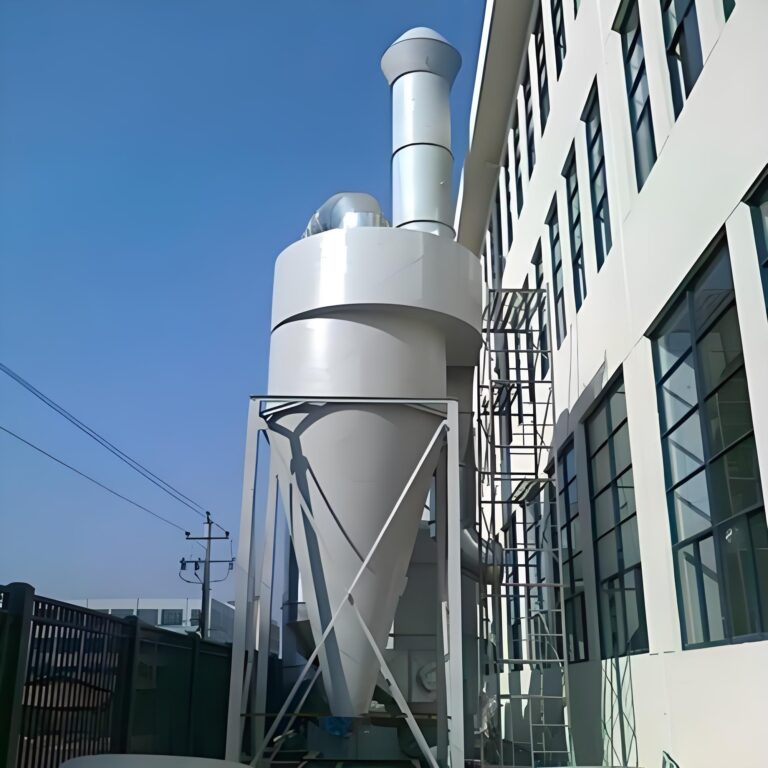
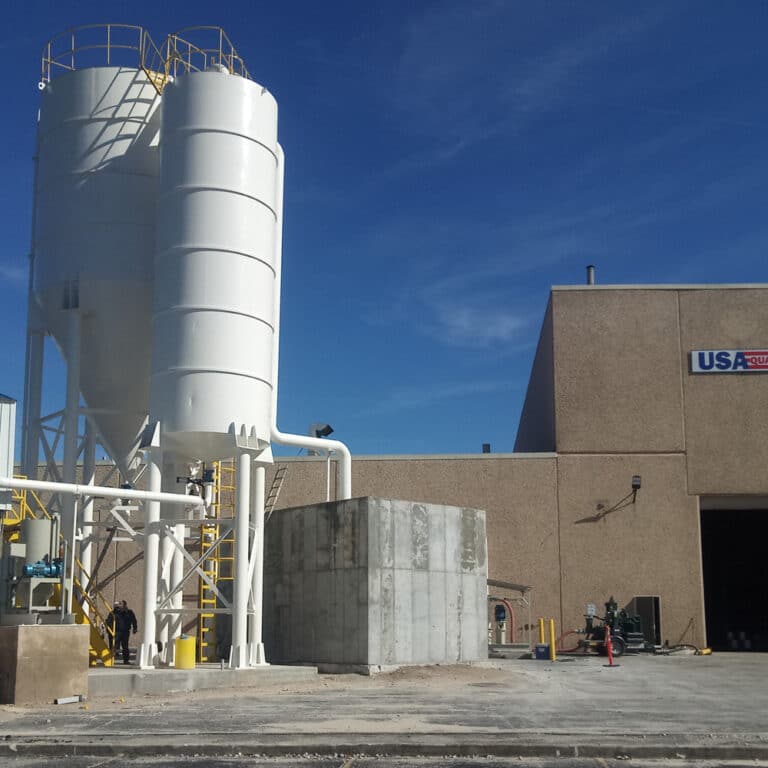
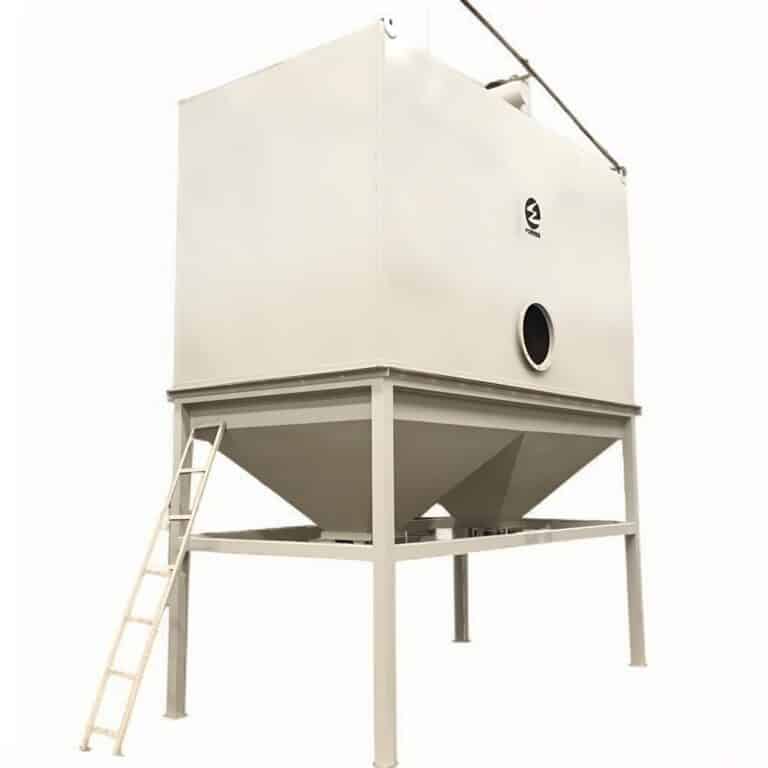
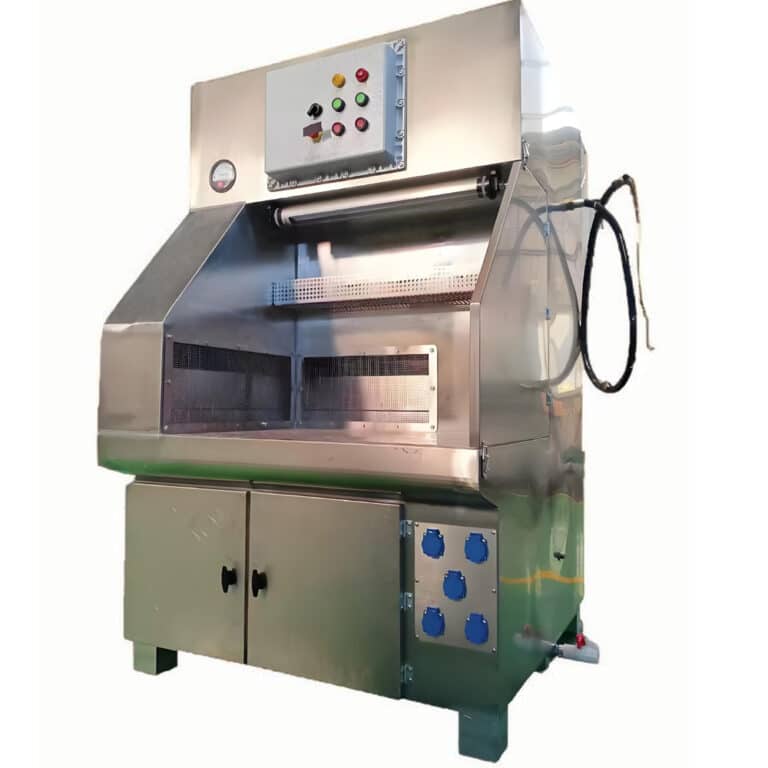
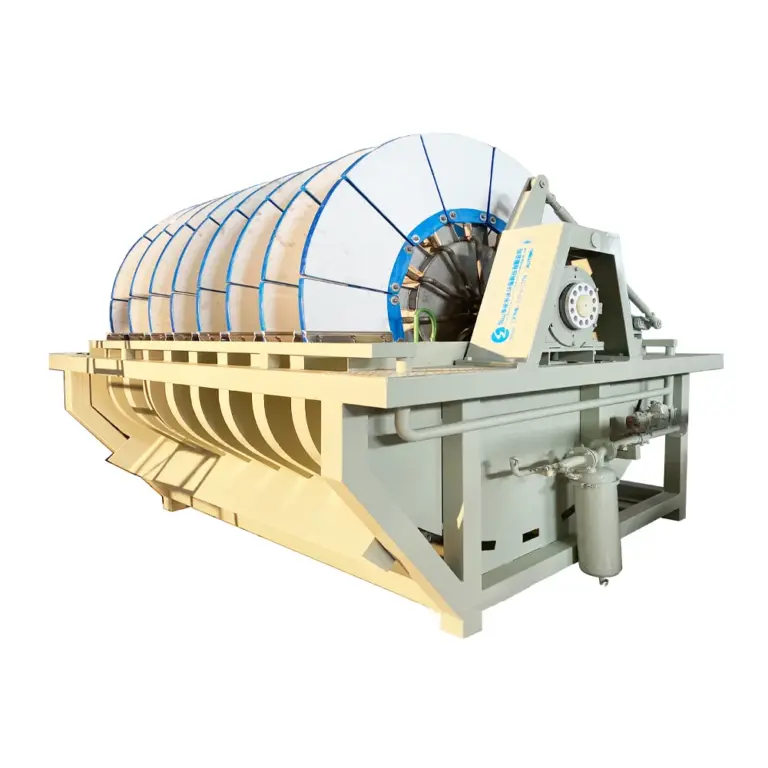
Projekt hydrauliczny decyduje o sukcesie lub porażce pionowej wieży sedymentacyjnej. Podstawowym wyzwaniem dla inżynierów jest nie tylko wybór standardowego natężenia przepływu, ale synteza dynamiki cząstek, rozkładu przepływu i konfiguracji fizycznej w spójny system, który działa niezawodnie w zmiennych warunkach. Błędne przekonanie, że są to proste, gotowe osadniki, prowadzi do niedostatecznej wydajności, niezgodności i kosztownych modernizacji.
Zwrócenie uwagi na te zasady hydrauliczne ma teraz kluczowe znaczenie, ponieważ mandaty dotyczące ponownego wykorzystania wody są coraz bardziej rygorystyczne, a obszary miejskie kurczą się. Kompaktowa wydajność sedymentacji pionowej ma coraz większe znaczenie strategiczne dla modernizacji i zastosowań oczyszczania o wysokiej wydajności, dzięki czemu precyzyjny projekt ma bezpośredni wpływ na rentowność projektu i akceptację przepisów.
Podstawowe zasady hydrauliki dla sedymentacji pionowej
Podstawowa zależność przepływu cząstek
Cały projekt opiera się na jednej nierówności: końcowej prędkości osiadania cząstki (Vs) musi przekraczać współczynnik przelewu w górę systemu (Vo). Szybkość przelewu, zdefiniowana jako przepływ (Q) podzielony przez efektywną powierzchnię osadnika (A), jest kontrolującym parametrem projektowym. Innowacyjność pionowej wieży polega na znacznym zwiększeniu A poprzez nachylone płyty lub rury, co pozwala na większe obciążenie hydrauliczne przy minimalnej powierzchni. Umożliwia to wychwytywanie wolniej osadzających się cząstek, które uciekłyby z konwencjonalnego zbiornika.
Osiągnięcie kompaktowej wydajności
Pochylając powierzchnię osadnika, efektywna powierzchnia osadnika staje się przewidywaną poziomą powierzchnią całego zestawu płyt, a nie tylko powierzchnią zbiornika. Ta geometryczna wydajność sprawia, że technologia ta jest opłacalna w miejscach o ograniczonej przestrzeni. Eksperci branżowi zauważają, że ta wydajność projektowa wykracza poza zastosowania przemysłowe i jest wykorzystywana w projektach związanych z odpornością miejską, w których najważniejsze jest szybkie oczyszczanie wody deszczowej w gęsto zaludnionych gminach. Projekt musi być zatem zoptymalizowany pod kątem docelowego rozkładu wielkości cząstek od samego początku.
Strategiczne implikacje projektowe
Ta podstawowa zasada to nie tylko obliczenia; dyktuje ona całą architekturę systemu. Według badań nad projektami modernizacji, częstym błędem jest stosowanie ogólnego współczynnika przelewu bez scharakteryzowania konkretnego dopływu. Porównaliśmy projekty dla strumieni komunalnych i przemysłowych i stwierdziliśmy rozbieżność ponad 50% w wymaganej powierzchni dla tego samego przepływu. Wybrana wartość Vo musi zapewniać wystarczający współczynnik bezpieczeństwa dla zmiennej jakości paszy i wpływu temperatury, które bezpośrednio wpływają na Vs.
Optymalizacja prędkości osiadania i projektowanie szybkości przelewu
Wybór projektowego współczynnika przepełnienia
Optymalizacja rozpoczyna się od scharakteryzowania dopływu. Projektowe natężenie przepływu (Vo) jest wybierana na podstawie prędkości osiadania (Vs) cząstek, które mają zostać usunięte, zazwyczaj ukierunkowane na najwolniej opadającą frakcję, która musi zostać wychwycona, aby spełnić cele dotyczące ścieków. Jest to celowy kompromis: niższe Vo zwiększa skuteczność usuwania i rozmiar zbiornika, podczas gdy wyższa wartość Vo Zmniejsza ślad węglowy przy ryzyku gorszej jakości ścieków.
Rozliczanie zmiennych krytycznych
Często pomijanym szczegółem jest dynamiczny charakter prędkości osiadania. V_s nie jest stałą; jest odwrotnie proporcjonalna do lepkości wody, która znacznie wzrasta w zimnej wodzie. Projekt musi uwzględniać ten najgorszy scenariusz, aby zapewnić zgodność przez cały rok. Łatwo przeoczyć ten efekt temperaturowy, który może zmniejszyć efektywną prędkość osiadania o 30% lub więcej między operacjami letnimi i zimowymi, co wymaga konserwatywnego projektu lub dostosowań operacyjnych.
Walidacja za pomocą znormalizowanych wskaźników
Walidacja wydajności wymaga mierzalnych parametrów dopływu. Kluczowa metoda testowa do oceny potencjału zanieczyszczenia cząstkami stałymi, która informuje o obciążeniu projektowym, jest znormalizowana.
Tabela: Optymalizacja prędkości osiadania i projekt szybkości przelewu
| Parametr projektowy | Typowy zakres / wartość | Kluczowy wpływ |
|---|---|---|
| Współczynnik przepełnienia (V_o) | Na podstawie wpływających cząstek | Podstawowy parametr projektu |
| Prędkość osiadania (V_s) | Musi przekraczać V_o | Wymóg wychwytywania cząstek |
| Lepkość wody | Wzrost w zimnej wodzie | Zmniejsza prędkość osiadania |
| Scenariusz projektu | Najgorsze warunki (niskie temperatury) | Zapewnia zgodność przez cały rok |
| Standard regulacyjny | Zależy od jurysdykcji | Napędza rygor projektowy |
Źródło: Dokumentacja techniczna i specyfikacje branżowe.
Dane te podkreślają, że złożoność przepisów wpływa na rygorystyczność projektu. Wybrany V_o musi spełniać określone normy zrzutu lub ponownego użycia, co sprawia, że wczesne zaangażowanie organów regulacyjnych jest nienegocjowalnym krokiem w celu dostosowania projektu hydraulicznego do celów zgodności.
Konfiguracja osadnika płytowego i rurowego: Kąty i odstępy
Geometria dla poślizgu i osiadania
Pochylony układ osadników jest silnikiem systemu. Płyty lub rury są zazwyczaj nachylone pod kątem od 45° do 60° od poziomu. Kąt ten jest krytycznym kompromisem: musi być wystarczająco stromy, aby nagromadzony osad zsuwał się pod wpływem grawitacji, ale wystarczająco płytki, aby zapewnić długą efektywną ścieżkę osadzania, gdy przepływ porusza się w górę. Zbyt płytki kąt grozi zatrzymaniem osadu i jego zanieczyszczeniem; zbyt stromy kąt zmniejsza korzyści wynikające z efektywnego obszaru osadzania.
Utrzymywanie warunków przepływu laminarnego
W każdym kanale przepływ musi pozostać laminarny (charakteryzujący się niską liczbą Reynoldsa), aby zapobiec ponownemu zawirowaniu osiadłych ciał stałych. Osiąga się to poprzez kontrolowanie promienia hydraulicznego kanału poprzez precyzyjne rozstawienie i długość. Większe odstępy między płytami zwiększają powierzchnię, ale zwiększają ryzyko zatykania i wymagają bardziej rygorystycznej obróbki wstępnej. Z mojego doświadczenia wynika, że nieco szersze odstępy często zapewniają lepszą długoterminową stabilność operacyjną przy minimalnym wpływie na powierzchnię.
Tabela: Konfiguracja osadnika płytowego i rurowego: Kąty i odstępy
| Parametr konfiguracji | Typowa specyfikacja | Cel projektu |
|---|---|---|
| Kąt nachylenia | 45° do 60° od poziomu | Zsuwanie się osadu a ścieżka osiadania |
| Reżim przepływu | Laminarny (niska liczba Reynoldsa) | Zapobiega ponownemu zawieszaniu się ciał stałych |
| Odstęp między kanałami | Bliżej zwiększa powierzchnię | Ryzyko zatkania |
| Długość kanału | Definiuje efektywną ścieżkę osiadania | Skuteczność usuwania cząstek |
| Promień hydrauliczny | Precyzyjna kontrola | Utrzymuje przepływ laminarny |
Źródło: Dokumentacja techniczna i specyfikacje branżowe.
Odpowiedzialność za konfigurację
Ta precyzyjna inżynieria wiąże się z dużą odpowiedzialnością. Konfiguracja tych krytycznych komponentów ma bezpośredni wpływ na zdrowie publiczne i zgodność z przepisami ochrony środowiska. W związku z tym profesjonalna certyfikacja prawnie obejmuje odpowiedzialność projektową; ostateczny projekt zestawu osadników zazwyczaj wymaga zatwierdzenia przez licencjonowanego inżyniera, formalnie przypisując odpowiedzialność za jego działanie.
Projektowanie równomiernego rozkładu przepływu wlotowego i wylotowego
Wyzwanie związane z rozpraszaniem energii na wlocie
Równomierna dystrybucja jest najważniejsza. System wlotowy musi rozpraszać energię napływającego strumienia i równomiernie rozprowadzać ją po całym dolnym przekroju osadnika. Standardem są perforowane przegrody, ściany dyfuzora lub starannie zaprojektowane kolektory z otworami. Celem jest zapobieganie powstawaniu strumieni i turbulencji, które mogą zakłócać proces osadzania w strefach krytycznych. Niepowodzenie w tym zakresie nie może być skorygowane przez same osadniki.
Precyzja zbierania ścieków
Podobnie, system zbierania ścieków musi równomiernie pobierać oczyszczoną wodę. Zazwyczaj osiąga się to za pomocą pralek wyposażonych w wycięcia w kształcie litery V lub kryzy. Szybkość ładowania jazu (przepływ na jednostkę długości jazu) jest krytycznym parametrem kontrolnym; nadmierna szybkość może powodować powstawanie prądów ssących, które wciągają nieusunięte cząstki przez jaz. Ta precyzja odzwierciedla trend branżowy, w którym wierność modelowania jest krytyczną zależnością ścieżki.
Tabela: Projektowanie równomiernego rozkładu przepływu wlotowego i wylotowego
| Komponent | Kluczowe cechy konstrukcyjne | Krytyczny parametr kontrolny |
|---|---|---|
| System wlotowy | Perforowane przegrody lub kolektory | Zapobiega strumieniowaniu i turbulencjom |
| Odbiór ścieków | Pralki z wycięciami w kształcie litery V | Jednolite wycofanie |
| Szybkość ładowania jazu | Określona obliczona wartość | Unika rysowania niespokojnych cząstek |
| Metoda projektowania | Podstawowe obliczenia do modelowania CFD | Eliminuje hydrauliczne martwe strefy |
Źródło: ISO 15839:2003 Jakość wody - Czujniki/analizatory on-line do wody - Specyfikacje i testy działania. Norma ta zapewnia niezawodność czujników on-line (np. zmętnienia) wykorzystywanych do monitorowania i walidacji wydajności systemów dystrybucji wlotów i ścieków, potwierdzając równomierny przepływ i skuteczność oczyszczania.
Wykraczanie poza podstawowe obliczenia
Projektowanie tych komponentów często przechodzi od podstawowych obliczeń hydraulicznych do modelowania obliczeniowej dynamiki płynów (CFD). CFD przewiduje i eliminuje martwe strefy, optymalizuje rozmieszczenie przegród i weryfikuje jednolite profile prędkości, dzięki czemu dostęp do zaawansowanych zasobów modelowania jest kluczowym wymogiem dla projektów o wysokiej wydajności.
Krytyczne zagadnienia hydrauliczne: Przepływ laminarny i liczba Froude'a
Zapewnienie warunków osiadania w stanie spoczynku
Utrzymanie laminarnego przepływu w kanałach osadnika jest niezbędne do skutecznej separacji ciał stałych. Turbulencje, często wprowadzane przez złe zaprojektowanie wlotu lub nagłe zmiany ścieżki przepływu, rozbijają osiadłe kłaczki i pogarszają jakość ścieków. Cała ścieżka przepływu od wlotu do płuczki ścieków musi być zaprojektowana z płynnymi przejściami i odpowiednimi strefami rozpraszania.
Zapobieganie zwarciom hydraulicznym
Poza przepływem laminarnym, stabilność całego systemu jest oceniana za pomocą liczby Froude'a. Wystarczająco wysoka liczba Froude'a pomaga zapobiegać prądom gęstości - spowodowanym przez gradienty temperatury lub stężenia - które mogą powodować zwarcie przepływu bezpośrednio od wlotu do wylotu, omijając strefę osiadania. Skupienie się na kontrolowanych reżimach wewnętrznych jest zgodne z szerszym wnioskiem, że kodeksy odporności sformalizują mandaty projektowe dotyczące “bezpiecznej awarii” konstrukcji hydraulicznych.
Tabela: Krytyczne względy hydrauliczne: Przepływ laminarny i liczba Froude'a
| Względy hydrauliczne | Stan projektowy | Cel |
|---|---|---|
| Przepływ wewnątrz kanałów | Reżim laminarny | Zapobiega ponownemu zawieszaniu się ciał stałych |
| System Liczba Froude'a | Wystarczająco wysoka wartość | Zapobiega zwarciu prądu gęstościowego |
| Przejścia między ścieżkami przepływu | Unika nagłych zmian | Minimalizuje wprowadzanie turbulencji |
| Projektowanie trybu awaryjnego | Przewidywalne, niekatastroficzne | Zgodność z zasadami odporności |
Źródło: Dokumentacja techniczna i specyfikacje branżowe.
Podejście systemowe do hydrauliki
Rozważań tych nie można oceniać oddzielnie. Konstrukcja wlotu wpływa na przepływ laminarny, geometria osadnika utrzymuje go, a konstrukcja wylotu nie może go destabilizować. Takie zintegrowane podejście zapewnia, że system działa jako spójna jednostka hydrauliczna, a nie seria odłączonych od siebie komponentów.
Integracja obróbki wstępnej i zarządzanie wpływem temperatury
Uzależnienie od leczenia wstępnego
Wydajność wieży sedymentacyjnej jest całkowicie zależna od skutecznej koagulacji i flokulacji na wcześniejszym etapie. Proces musi tworzyć solidne, osiadające kłaczki, a konstrukcja hydrauliczna tych etapów mieszania i flokulacji musi zapobiegać ścinaniu, które mogłoby rozdzielić kłaczki przed ich wejściem do osadnika. Tworzy to binarny paradygmat operacyjny: bez odpowiedniej obróbki wstępnej osadnik jest nieskuteczny.
Projektowanie pod kątem zmienności temperatury
Jak wspomniano, temperatura znacząco wpływa na lepkość i prędkość osiadania. Zarządzanie tym efektem jest krytycznym czynnikiem projektowym i operacyjnym. W przypadku instalacji w klimacie umiarkowanym, projekt może być oparty na zimowych temperaturach wody, co oznacza większą powierzchnię. Alternatywnie, protokoły operacyjne mogą sezonowo dostosowywać dozowanie chemikaliów lub natężenie przepływu. Konieczność ta odzwierciedla sposób, w jaki zimowe operacje narzucają odrębny reżim projektowy w całej infrastrukturze cywilnej.
Spójny pociąg procesowy
Punkt integracji między komorą flokulacji a wlotem wieży sedymentacyjnej jest szczególnie wrażliwy. Rozpraszanie energii musi odbywać się bez uszkodzenia kłaczków, a przepływ musi być płynny. Wymaga to starannej koordynacji między chemicznymi, mechanicznymi i hydraulicznymi dyscyplinami projektowymi od samego początku. Wydajność wyspecjalizowanego pionowy system sedymentacji do recyklingu ścieków zależy od tej płynnej integracji.
Zbieranie osadu, konstrukcja zbiornika i hydraulika systemu
Geometria leja zapewniająca niezawodne pobieranie
Osadzone ciała stałe zsuwają się po płytach do leja zbiorczego. Boki leja muszą być wystarczająco strome (zwykle ≥ 60°), aby ułatwić przepływ osadu w kierunku punktu poboru. Objętość leja musi zapewniać odpowiednie przechowywanie, aby pomieścić osad między cyklami odmulania bez zagęszczania i mostkowania.
Układ hydrauliczny systemu równoważenia
Hydraulika systemu obejmuje równoważenie trzech podstawowych przepływów: głównego przepływu w górę przez osadniki, zagęszczonego przepływu osadu oraz wszelkich strumieni recyklingu. Konstrukcja pomp i rur do usuwania osadu musi uwzględniać reologię zagęszczonego osadu, która nie jest newtonowska i wymaga starannego rozważenia, aby uniknąć zatorów. Ta integracja odzwierciedla sposób, w jaki hybrydyzacja jest nowym standardem; skuteczny projekt równoważy natychmiastowe potrzeby funkcjonalne z długoterminową stabilnością operacyjną.
Współzależność komponentów
Niepowodzenie w usuwaniu szlamu szybko zagraża całemu procesowi osadzania. Jeśli zbiorniki przepełnią się, ciała stałe ponownie przedostaną się do strefy sedymentacji. Dlatego projekt hydrauliczny systemu zbierania osadu musi być równie rygorystyczny, jak projekt strefy klarowania. Wymaga to wielodyscyplinarnego podejścia uwzględniającego czynniki mechaniczne, hydrauliczne i geotechniczne, aby zapewnić niezawodne działanie.
Kluczowe kryteria projektowe i etapy walidacji wydajności
Synteza ram projektowych
Ostateczny projekt syntetyzuje wszystkie poprzednie kryteria w spójny pakiet: wybrany współczynnik przelewu (V_o), szczegółową geometrię osadnika (kąt, odstępy, długość), specyfikacje systemów dystrybucji wlotu / wylotu oraz wydajność obsługi osadu. Na tym etapie standaryzacja danych odblokuje optymalizację projektu opartą na sztucznej inteligencji, ponieważ ustrukturyzowane informacje zasilą przyszłe zautomatyzowane kontrole projektu.
Wykonywanie kontroli poprawności hydraulicznej
Przed finalizacją obowiązkowe są określone kontrole hydrauliczne. Obejmują one weryfikację warunków przepływu laminarnego w kanałach osadnika (liczba Reynoldsa), zapewnienie stabilności systemu (liczba Froude'a) i potwierdzenie, że wskaźniki obciążenia jazu ściekowego mieszczą się w dopuszczalnych granicach. Obliczenia te potwierdzają, że zintegrowany projekt będzie działał zgodnie z przeznaczeniem w warunkach projektowych.
Tabela: Kluczowe kryteria projektowe i etapy walidacji wydajności
| Faza projektowania | Kluczowe działanie | Metryka walidacji |
|---|---|---|
| Synteza końcowa | Integruje wszystkie kryteria | Geometria osadnika, V_o, specyfikacje dystrybucji |
| Kontrola hydrauliczna | Weryfikacja przepływu laminarnego | Obliczanie liczby Reynoldsa |
| Kontrola stabilności | Analiza liczby Froude'a | Zapobiega zwarciom |
| Kontrola kolekcji | Szybkość ładowania jazu | Zapewnia równomierne odprowadzanie ścieków |
| Dostarczane dane | Znormalizowany format elektroniczny | Podstawa optymalizacji opartej na sztucznej inteligencji |
Źródło: ASTM D4189-07 Standardowa metoda badania wskaźnika gęstości mułu (SDI) wody. Ta metoda testowa zapewnia znormalizowany pomiar potencjału zanieczyszczenia cząstkami stałymi (SDI), kluczowego parametru jakości wody wpływającej, który bezpośrednio informuje o obciążeniu projektowym i walidacji wydajności wieży sedymentacyjnej w celu ochrony dalszych procesów.
Droga do oddania do użytku
Walidacja obejmuje również uruchomienie. Testowanie wydajności zgodnie z kryteriami projektowymi, często przy użyciu znaczników i monitorowania jakości ścieków zgodnie z normami, takimi jak ISO 15839:2003, jest ostatnim krokiem. Złożoność integracji kryteriów technicznych z wymogami regulacyjnymi przyspiesza zapotrzebowanie na zintegrowane modele realizacji, w których projektanci i wykonawcy wspólnie zarządzają ryzykiem związanym z pozwoleniami i wydajnością od samego początku projektu.
Główne punkty decyzyjne dotyczą charakterystyki konkretnego dopływu, wyboru konserwatywnego projektowego natężenia przepływu dla najgorszych warunków oraz inwestowania w precyzję dystrybucji przepływu i konfiguracji osadnika. Priorytetowe kontrole walidacji hydraulicznej - przepływ laminarny, liczba Froude'a, obciążenie jazu - jako niepodlegające negocjacjom kroki przed sfinalizowaniem jakiegokolwiek projektu. Wdrożenie wymaga spojrzenia systemowego, zapewniającego, że obróbka wstępna, osadzanie i usuwanie osadu są zaprojektowane jako jedna spójna jednostka hydrauliczna.
Potrzebujesz profesjonalnych wskazówek, aby przełożyć te zasady na niezawodny, zgodny z przepisami system? Inżynierowie z firmy PORVOO specjalizuje się w zintegrowanym projektowaniu hydraulicznym wysokowydajnych systemów oczyszczania, od wstępnej wykonalności po walidację wydajności. Skontaktuj się z nami, aby omówić konkretne wymagania i wyzwania związane z Twoim projektem.
Często zadawane pytania
P: Jak określić projektowy współczynnik przepełnienia dla pionowej wieży sedymentacyjnej?
O: Ustawiono współczynnik przepełnienia (Vo) w oparciu o końcową prędkość osiadania (Vs) docelowych cząstek i wymaganej jakości ścieków, zapewniając Vprzekracza Vo. Szybkość ta musi uwzględniać najgorsze warunki, w szczególności niskie temperatury wody, które zwiększają lepkość i spowalniają osadzanie się cząstek. W przypadku projektów, w których zgodność z przepisami ma kluczowe znaczenie, należy wcześnie zaplanować współpracę z agencjami wydającymi pozwolenia, ponieważ wybrana szybkość musi spełniać określone, często zmienne, normy jakości wody, aby uniknąć kosztownych przeprojektowań.
P: Jakie są kluczowe parametry projektowe dla konfiguracji nachylonych osadników płytowych?
O: Podstawowymi parametrami są kąt nachylenia, zwykle między 45 a 60 stopni, oraz odstępy między płytami. Kąt nachylenia zapewnia zsuwanie się osadu przy jednoczesnym zapewnieniu skutecznej ścieżki osiadania, a bliższe odstępy zwiększają powierzchnię, ale grożą zatkaniem. Oznacza to, że obiekty o wysokim lub zmiennym obciążeniu stałym powinny priorytetowo traktować szersze odstępy i solidną obróbkę wstępną, aby utrzymać wydajność i zmniejszyć częstotliwość konserwacji.
P: Dlaczego równomierny rozkład przepływu ma krytyczne znaczenie i jak go osiągnąć?
O: Równomierna dystrybucja zapobiega powstawaniu strumieni i turbulencji, które mogą powodować ponowne zawieszanie się ciał stałych, zapewniając efektywne wykorzystanie całej powierzchni osadnika. Osiąga się to dzięki zaprojektowanym systemom wlotowym, takim jak perforowane przegrody i płuczki ścieków z wycięciami w kształcie litery V, zaprojektowane w celu utrzymania zrównoważonego obciążenia jazu. Jeśli system obsługuje duże obciążenia hydrauliczne, należy spodziewać się wykorzystania modelowania obliczeniowej dynamiki płynów (CFD) podczas projektowania, aby wyeliminować martwe strefy i zweryfikować wydajność.
P: Jak zarządzać wpływem zimnej wody na wydajność sedymentacji?
O: Zimna woda zwiększa lepkość, co zmniejsza prędkość osiadania cząstek (Vs) i może mieć negatywny wpływ na oczyszczanie. Projekty muszą to uwzględniać, określając niższy, konserwatywny współczynnik przepełnienia (Vo) lub wzmocnienie obróbki wstępnej w celu utworzenia większych, szybciej osadzających się kłaczków. Oznacza to, że zakłady w klimacie umiarkowanym lub zimnym powinny uwzględnić w budżecie potencjalną potrzebę większej objętości zbiornika lub bardziej zaawansowanych systemów kondycjonowania chemicznego na etapie wykonalności.
P: Jaką rolę odgrywają czujniki czasu rzeczywistego w obsłudze wieży sedymentacyjnej?
O: Czujniki on-line dostarczają niezbędnych danych do kontroli procesu i walidacji wydajności poprzez ciągłe monitorowanie parametrów, takich jak zmętnienie i zawieszone ciała stałe. Wiarygodne dane zapewniają optymalne dozowanie chemikaliów i potwierdzają, że system spełnia cele dotyczące ścieków. Zgodnie z normami takimi jak ISO 15839:2003 specyfikacji czujników ma kluczowe znaczenie, ponieważ niedokładne dane mogą prowadzić do błędów zgodności lub nieefektywnego działania.
P: Jakie kontrole hydrauliczne są potrzebne do zatwierdzenia ostatecznego projektu?
O: Ostateczna walidacja wymaga sprawdzenia przepływu laminarnego w kanałach osadnika, wystarczającej liczby Froude'a, aby zapobiec prądom gęstości, oraz akceptowalnych wskaźników obciążenia jazu na pralkach ściekowych. Ta synteza kryteriów zapewnia stabilne, spokojne warunki dla skutecznej separacji. W przypadku złożonych systemów proces ten przyspiesza potrzebę zintegrowanych modeli realizacji projektów, w których projektanci i wykonawcy wspólnie zarządzają ryzykiem związanym z wydajnością hydrauliczną od samego początku.
P: W jaki sposób integracja oczyszczania wstępnego wpływa na projekt hydrauliczny?
O: Skuteczna sedymentacja jest całkowicie zależna od koagulacji i flokulacji na wcześniejszym etapie, które tworzą solidne, osiadające kłaczki. Konstrukcja hydrauliczna tych etapów obróbki wstępnej musi zapobiegać ścinaniu, które mogłoby rozdzielić kłaczki przed ich wejściem do strefy sedymentacji. Tworzy to binarny paradygmat operacyjny, w którym cały łańcuch procesu musi być zaprojektowany jako jeden zintegrowany system, a nie jako oddzielne jednostki.