W operacjach szlifowania głównym wyzwaniem inżynieryjnym nie jest zwykły ruch powietrza, ale wychwytywanie niebezpiecznych cząstek stałych u ich źródła, zanim dostaną się do strefy oddychania. Krytycznym wskaźnikiem w tym zakresie jest prędkość wychwytywania, która jest często źle rozumiana lub nieodpowiednio stosowana. Błędne przekonanie, że jakikolwiek stół downdraft będzie wystarczający lub że prędkość czołowa jest statyczną, uniwersalną wartością, prowadzi bezpośrednio do braku zgodności i zwiększonej odpowiedzialności.
Zwrócenie uwagi na tę specyfikację nie podlega obecnie negocjacjom. Nadzór regulacyjny nad jakością powietrza i zagrożeniami związanymi z pyłami palnymi nasila się z roku na rok. Wybór i konserwacja stołu downdraft opartego na autorytatywnych normach prędkości przechwytywania jest bezpośrednią inwestycją w ciągłość operacyjną, zdrowie pracowników i obronę prawną. Koszt błędu wykracza daleko poza karę grzywny.
Co to jest prędkość przechwytywania i dlaczego ma kluczowe znaczenie dla szlifowania?
Definiowanie podstawowej metryki
Prędkość wychwytywania to minimalna prędkość powietrza wymagana w punkcie uwalniania zanieczyszczeń, aby pokonać ich początkowy pęd i je wychwycić. W przypadku stołu typu downdraft jest ona projektowana i mierzona jako prędkość czołowa - średnia prędkość powietrza na perforowanej powierzchni roboczej. Nie jest to ogólny parametr wentylacji, ale ukierunkowana, zlokalizowana kontrola. Bez wystarczającej prędkości, wyrzucane z dużą prędkością ścierniwo po prostu omija strefę wychwytywania.
Bezpośrednie konsekwencje nieodpowiedniej specyfikacji
Niewystarczająca prędkość czołowa tworzy przewidywalny łańcuch awarii. Zanieczyszczenia wydostają się z bezpośredniej powłoki wychwytującej, zanieczyszczając powietrze w warsztacie i systemy HVAC. Naraża to operatorów na respirabilną krzemionkę krystaliczną, opary metali i inne toksyczne cząstki stałe. Wynikająca z tego odpowiedzialność przenosi się z cytatu regulacyjnego na udowodnione zaniedbanie w zapewnieniu bezpiecznego miejsca pracy. Z naszej analizy audytów obiektów wynika, że główną przyczyną jest często niewymiarowy system wybrany na podstawie ceny, a nie wydajności technicznej.
Przewaga wynikająca z przechwytywania źródła
Odpowiednio dobrany stół typu downdraft stanowi najbardziej wydajną formę lokalnej wentylacji wyciągowej (LEV). Dzięki zamknięciu źródła wymaga znacznie mniejszego przepływu powietrza niż odległy kaptur, aby osiągnąć to samo wychwytywanie. Ta zasada kontroli źródła bezpośrednio przekłada się na niższe długoterminowe koszty energii i skuteczniejszą ochronę. Przekształca stół z pola wyboru zgodności w atut produktywności poprzez utrzymanie czystszego środowiska pracy.
Normy ACGIH dotyczące prędkości na twarzy podczas szlifowania i gratowania
Autorytatywny punkt odniesienia
ACGIH Wentylacja przemysłowa: Podręcznik zalecanych praktyk zawiera podstawowe wytyczne inżynieryjne. Określa ona zakres prędkości przechwytywania od 200 do 500 stóp na minutę (fpm) dla operacji takich jak szlifowanie, gratowanie i piaskowanie. Zakres ten uwzględnia zmienne, w tym rozmiar cząstek, początkową prędkość wyrzutu i prądy powietrza otoczenia. Jest to punkt wyjścia dla wszystkich profesjonalnych projektów systemów.
Przekładanie przechwytywania na prędkość twarzy
Stół downdraft musi osiągać prędkość czołową, która spełnia lub przekracza wymaganą prędkość wychwytywania dla określonego zadania. Ponieważ szlifowanie generuje cząstki o wysokim momencie pędu, standardową praktyką zapewniającą solidną ochronę jest osiągnięcie wyższej wartości z zakresu ACGIH (300-500 fpm). Poniższa tabela wyjaśnia tę zależność między typem operacji a prędkością docelową.
Normy ACGIH i wartości docelowe tabeli Downdraft
Poniższa tabela przekłada zalecenia ACGIH dotyczące prędkości wychwytywania na praktyczne wartości docelowe dla specyfikacji stołu downdraft.
| Typ operacji | Zakres prędkości wychwytu ACGIH | Typowy docelowy stół Downdraft |
|---|---|---|
| Szlifowanie | 200 - 500 fpm | 300 - 500 fpm |
| Gratowanie | 200 - 500 fpm | 300 - 500 fpm |
| Szlifowanie | 200 - 500 fpm | 300 - 500 fpm |
Źródło: ACGIH Wentylacja przemysłowa: Podręcznik zalecanych praktyk. Niniejsza instrukcja stanowi podstawowy punkt odniesienia dla prędkości przechwytywania, bezpośrednio informując o wymaganych specyfikacjach prędkości czołowej dla stołów downdraft używanych w tych operacjach.
Imperatyw specyfikacji
Szeroki zakres podkreśla, że zarządcy obiektów nie mogą przyjmować wartości domyślnych. Szczegółowy audyt procesu jest obowiązkowy. Czynniki takie jak toksyczność materiału, ziarnistość ściernicy i rozmiar części dyktują, gdzie w zakresie należy określić. Zaniżona specyfikacja zagraża zdrowiu; zawyżona specyfikacja marnuje kapitał i energię. Prawidłowa wartość jest określana na podstawie oceny zagrożeń, a nie katalogu.
Kluczowe czynniki projektowe dla efektywnej pracy stołu Downdraft
Równomierny rozkład przepływu powietrza
Reklamowana prędkość czołowa jest wartością średnią. Skuteczne wychwytywanie wymaga równomiernego rozprowadzenia zanieczyszczeń na całej powierzchni roboczej. Martwe punkty wynikające ze słabej konstrukcji wewnętrznej komory umożliwiają wydostawanie się zanieczyszczeń, co sprawia, że średnia prędkość nie ma znaczenia. Doskonałe konstrukcje wykorzystują przegrody lub zaprojektowane wzory przepływu powietrza, aby zapewnić spójność od krawędzi do krawędzi. Jest to krytyczny wyróżnik, często ukrywany w specyfikacjach marketingowych.
Prawo odwrotności kwadratu i zamknięcie
Wymagania dotyczące przepływu powietrza rosną wraz z kwadratem odległości od źródła. Zintegrowana, zamknięta konstrukcja stołu downdraft umieszcza punkt przechwytywania milimetry od pracy, co czyni go wykładniczo bardziej wydajnym niż ramię wyciągu umieszczone nawet kilka centymetrów dalej. Ta podstawowa filozofia projektowania okapów dyktuje całkowity koszt systemu - mniejsze, zamknięte okapy wymagają mniejszych wentylatorów i filtrów, zmniejszając koszty początkowe i operacyjne.
Całkowity koszt posiadania Inżynieria
Inwestycja w odpowiednio zaprojektowany stół z równomiernym przepływem powietrza i wysokowydajną filtracją zapewnia szybszy zwrot z inwestycji niż wybór taniego urządzenia o niskiej wydajności. Zwrot z inwestycji jest realizowany poprzez niższe zużycie energii, mniejszą częstotliwość wymiany filtrów, mniejsze gromadzenie się pyłu w całym obiekcie i unikanie przestojów. Stale obserwuję, że oszczędności kosztów operacyjnych w ciągu trzech lat przyćmiewają początkową różnicę w cenie między modelami podstawowymi i zorientowanymi na wydajność.
Jak wzajemne projekty i praktyki pracy wpływają na wydajność przechwytywania
Przełomowa siła cross-draftów
Nawet tabela określona na 400 fpm może zostać pokonana przez ciąg poprzeczny 50 fpm z otwartych drzwi, ruchu pieszego lub ogólnej wentylacji. Te konkurujące prądy powietrza przekierowują smugę zanieczyszczeń z dala od strefy wychwytywania. Strategiczne umieszczenie w miejscach o małym natężeniu ruchu lub zastosowanie trójstronnych osłon bocznych nie jest opcjonalne dla zapewnienia niezawodnego działania. Jest to integralna część projektu systemu.
Wydajność zależna od operatora
Skuteczność przechwytywania gwałtownie spada wraz z odległością. Jeśli operator utrzymuje pracę kilka centymetrów nad powierzchnią stołu, wymagana prędkość przechwytywania wzrasta wykładniczo, prawdopodobnie przekraczając możliwości systemu. Efektywne wykorzystanie wymaga szkolenia i integracji proceduralnej - praca musi być wykonywana na powierzchni. Stół downdraft jest narzędziem w systemie, a praktyka operatora jest częścią specyfikacji tego systemu.
Integracja sprzętu i środowiska
To wzajemne oddziaływanie podkreśla, że stół downdraft nie jest rozwiązaniem typu plug-and-play. Jego sukces zależy od zintegrowania go z szerszym układem obiektu i przepływem pracy. Przed ostatecznym wyborem i umiejscowieniem sprzętu należy przeprowadzić ocenę miejsca, w którym ma on być zainstalowany. Takie całościowe spojrzenie zapobiega częstemu błędowi, jakim jest obwinianie sprzętu za niedociągnięcia środowiskowe lub proceduralne.
Utrzymanie stałej prędkości przepływu powietrza: Filtr i konserwacja systemu
Krzywa spadku wydajności
Określona prędkość czołowa jest punktem odniesienia dla czystego filtra. Gdy filtry są obciążone pyłem, opór systemu wzrasta, powodując spadek zarówno CFM, jak i prędkości czołowej. Spadek ten jest często stopniowy i niezauważalny, dopóki ochrona nie zostanie krytycznie zagrożona. Poleganie na ręcznych harmonogramach inspekcji jest zawodne pod presją produkcji; wydajność musi być zaprojektowana tak, aby była spójna.
Zautomatyzowana konserwacja jako podstawowa funkcja
Funkcje takie jak automatyczne czyszczenie impulsem wstecznym nie są luksusowymi dodatkami, ale są niezbędne dla trwałej wydajności. Utrzymują one niski opór filtra, zachowując prędkość przepływu powietrza między zaplanowanymi okresami konserwacji. Łatwo dostępne szuflady na pył, które ułatwiają szybkie opróżnianie bez demontażu narzędzia, zapobiegają gromadzeniu się, które prowadzi do zablokowania przepływu powietrza. Poniższa tabela przedstawia kluczowe czynniki związane z konserwacją.
Czynniki wpływające na stałą prędkość twarzy
Ta tabela zawiera szczegółowe informacje na temat typowych wyzwań związanych z konserwacją i cech technicznych wymaganych do ich złagodzenia, zapewniając długoterminową wydajność.
| Współczynnik utrzymania | Wpływ na prędkość twarzy | Kluczowa funkcja łagodzenia skutków |
|---|---|---|
| Ładowanie filtra | Zmniejsza CFM i prędkość | Automatyczne czyszczenie impulsem wstecznym |
| Akumulacja pyłu | Powoduje spadek wydajności | Łatwo dostępne szuflady na kurz |
| Opóźnienia w czyszczeniu ręcznym | Zwiększa ryzyko odpowiedzialności | Zautomatyzowane systemy konserwacji |
Źródło: Dokumentacja techniczna i specyfikacje branżowe.
Weryfikacja bieżącej wydajności
Długoterminowa zgodność wymaga okresowej weryfikacji. Oznacza to użycie anemometru do pomiaru rzeczywistej prędkości czołowej w wielu punktach siatki i porównanie jej z pierwotną specyfikacją. Ta udokumentowana kontrola jest jedynym sposobem na zapewnienie, że zaprojektowane sterowanie nadal spełnia teoretyczne wymagania. Przekształca to konserwację z zadania czyszczenia w audyt wydajności.
Specjalne uwagi dotyczące szlifowania palnych metali (NFPA 484)
Niezbywalny mandat regulacyjny
W przypadku szlifowania metali palnych, takich jak aluminium, magnez lub tytan, kryterium wyboru jest binarne. NFPA 484 Standard dla metali palnych wyraźnie zabrania stosowania suchych systemów zbierania drobnych cząstek stałych. Nakaz ten jest nadrzędny w stosunku do wszelkich względów związanych z kosztami lub wygodą w odniesieniu do poważnych zagrożeń pożarowych i wybuchowych.
Imperatyw zbierania mokrych materiałów
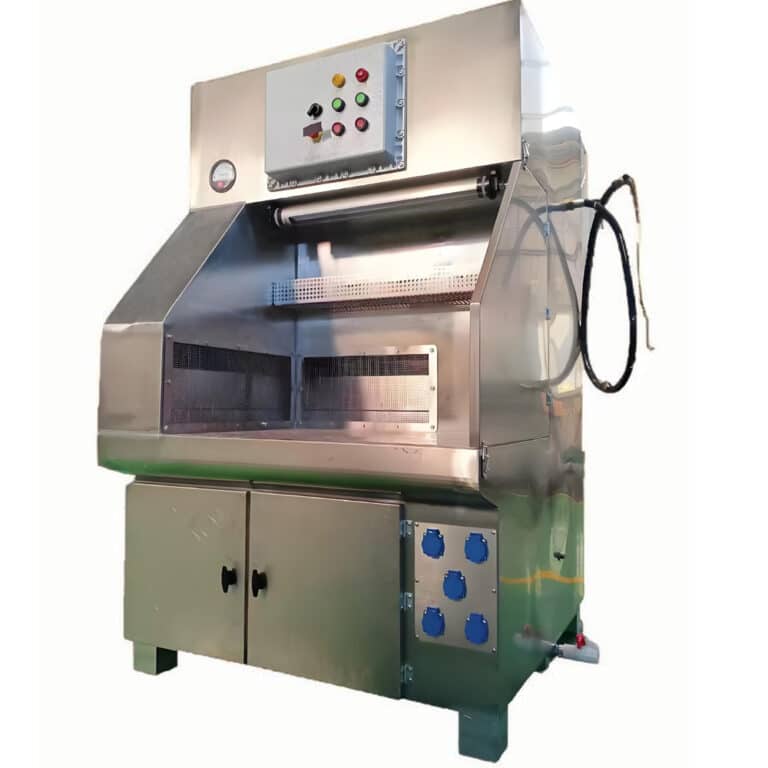
Zgodność wymaga mokry stół downdraft, gdzie woda wychwytuje i neutralizuje pył, zapobiegając tworzeniu się łatwopalnej chmury. Systemy te muszą być zaprojektowane tak, aby jednocześnie osiągnąć niezbędny przepływ hydrauliczny i prędkość wychwytywania. Stanowią one wyspecjalizowaną kategorię produktów o odrębnych wymaganiach technicznych, jak pokazano w poniższej tabeli.
NFPA 484 Wymagania dotyczące metali palnych
Niniejsza tabela przedstawia wymagane przepisami specyfikacje dotyczące odpylania podczas przetwarzania niebezpiecznych metali palnych.
| Zagrożenie materiałowe | Metoda zbierania NFPA 484 | Wymagany typ stołu Downdraft |
|---|---|---|
| Palny pył metalowy | Zakaz zbierania na sucho | Mokry stół downdraft |
| Aluminium, magnez, tytan | Nakazuje neutralizację zagrożeń | System na bazie wody |
Źródło: NFPA 484 Standard dla metali palnych. Norma ta tworzy niepodlegający negocjacjom, oparty na przepisach wymóg dotyczący systemów zbierania na mokro podczas mielenia określonych metali palnych, nadrzędny wobec wszystkich innych kryteriów wyboru.
Wybór partnera ma kluczowe znaczenie
Standard ten tworzy nieodwracalną segmentację rynku. Nabywcy muszą wybierać partnerów z udokumentowanym doświadczeniem w projektowaniu systemów mokrych i dogłębnym zrozumieniem NFPA 484, a nie dostawców wentylacji ogólnego przeznaczenia. Zły wybór niesie ze sobą katastrofalne ryzyko. Prawidłowy przemysłowy stół do szlifowania na mokro to zaprojektowany system kontroli bezpieczeństwa, a nie tylko odpylacz.
Wybór stołu Downdraft: Ramy decyzyjne oparte na kryteriach
Priorytet 1: Weryfikacja danych dotyczących wydajności
Wyjdź poza twierdzenia marketingowe i przejdź do zweryfikowanych danych testowych. Wymagaj dokumentacji pokazującej zmierzoną prędkość czołową na powierzchni roboczej w standardowych warunkach testowych (np. ASHRAE lub protokoły testowe zdefiniowane przez producenta). Rynek wykazuje wyraźny rozrzut wydajności, z reklamowanymi prędkościami dla podobnych zastosowań w zakresie od 200 fpm do ponad 325 fpm. Ta rozpiętość wskazuje na przejście od sprzedaży podstawowych narzędzi do zapewniania zgodności do oferowania wysokiej wydajności.
Priorytet 2: Dopasowanie technologii do zagrożenia
Drugi filtr ma charakter regulacyjny. Określenie, czy proces obejmuje materiały podlegające przepisom NFPA 484 lub innym normom wymagającym zbierania na mokro. Ta gałąź decyzyjna jest bezwzględna i poprzedza wszystkie inne porównania. Suchy stół nigdy nie jest opcją dla metali palnych, niezależnie od specyfikacji prędkości wychwytywania.
Priorytet 3: Ocena efektywności operacyjnej
Na koniec należy ocenić cechy konstrukcyjne, które mają wpływ na długoterminową wydajność i czas pracy. Poniższe ramy określają priorytety tych kryteriów operacyjnych.
Strategiczne ramy wyboru
Ta matryca decyzyjna ustala priorytety kluczowych kryteriów wyboru stołu downdraft, który zapewnia zarówno zgodność z przepisami, jak i wartość operacyjną.
| Priorytet wyboru | Kluczowe kryterium | Przykładowa specyfikacja/rozważanie |
|---|---|---|
| 1. Weryfikacja wydajności | Testowana prędkość czołowa | 200 - 325+ fpm reklamowany zakres |
| 2. Zgodność z przepisami | Technologia mokra vs sucha | NFPA 484 dla metali palnych |
| 3. Efektywność operacyjna | Równomierność przepływu powietrza i konserwacja | Konstrukcja zapewniająca niskie koszty utrzymania |
Źródło: Dokumentacja techniczna i specyfikacje branżowe.
Ramy te przenoszą zakupy z transakcji opartej na cenie na decyzję opartą na wartości, koncentrującą się na całkowitym koszcie posiadania i ograniczaniu ryzyka.
Zapewnienie długoterminowej zgodności i bezpieczeństwa pracowników
Strategiczne przejście do przechwytywania źródeł
Wdrożenie prawidłowo określonego stołu downdraft stanowi strategiczne zobowiązanie do wentylacji z wychwytywaniem źródła. Podejście to jest zasadniczo lepsze od ogólnej wentylacji rozcieńczającej. Chroni bezpośrednio strefę oddychania operatora i zapobiega degradacji całego systemu HVAC obiektu i innych urządzeń przez żrące lub ścierne zanieczyszczenia, obniżając długoterminowe koszty kapitałowe.
Ścieżka dokumentacji
Bieżąca zgodność wymaga udokumentowanej należytej staranności. Obejmuje to wstępną ocenę zagrożeń i raport specyfikacji, zapisy z uruchomienia instalacji pokazujące osiągniętą prędkość czołową oraz dziennik okresowych kontroli weryfikacji wydajności w stosunku do pierwotnego celu. Taka dokumentacja ma zasadnicze znaczenie dla audytów regulacyjnych i świadczy o proaktywnej kulturze bezpieczeństwa.
Integracja z połączonym ekosystemem
Nowoczesna higiena przemysłowa postrzega wentylację jako połączony ekosystem. Stół downdraft jest krytycznym węzłem. Jego wydajność powinna być monitorowana, a konserwacja zintegrowana z cyfrowymi systemami zarządzania obiektem. Przekształca to go z odizolowanego elementu wyposażenia w zarządzany komponent infrastruktury bezpieczeństwa i higieny pracy w zakładzie.
Podstawowe punkty decyzyjne są jasne: należy określić prędkość czołową na podstawie formalnego audytu procesu, nakazać zbieranie na mokro metali palnych zgodnie z NFPA 484 i wybrać cechy konstrukcyjne, które zapewnią stałą wydajność dzięki automatycznej konserwacji. Dzięki temu inwestycja przestaje być reaktywnym kosztem zapewnienia zgodności z przepisami, a staje się proaktywnym zasobem zwiększającym produktywność i bezpieczeństwo.
Potrzebujesz profesjonalnych wskazówek, aby określić stół downdraft, który spełnia normy ACGIH dotyczące prędkości i integruje się z Twoim ekosystemem bezpieczeństwa? Zespół inżynierów w PORVOO może zapewnić opartą na kryteriach ocenę operacji szlifowania.
Aby uzyskać szczegółową konsultację na temat konkretnej aplikacji, można również Kontakt bezpośrednio.
Często zadawane pytania
P: Jaka jest zalecana przez ACGIH prędkość wychwytywania pyłu szlifierskiego i dlaczego zakres ten jest tak szeroki?
O: Podręcznik wentylacji przemysłowej ACGIH zaleca prędkość wychwytywania od 200 do 500 stóp na minutę (fpm) podczas szlifowania i gratowania. Ten szeroki zakres uwzględnia zmienne, takie jak prędkość wyrzucania cząstek, toksyczność materiału i obecność prądów powietrza w zakładzie. Oznacza to, że należy przeprowadzić szczegółowy audyt procesu w celu określenia prawidłowej prędkości, ponieważ wybór zbyt niskiej wartości stwarza zagrożenie dla zdrowia, podczas gdy zbyt wysoka powoduje marnowanie energii i kapitału.
P: W jaki sposób przeciągi pochodzące z wentylacji ogólnej wpływają na wydajność stołu downdraft?
O: Przeciągi są głównym czynnikiem zakłócającym, ponieważ nawet łagodny prąd powietrza o prędkości 50 fpm może pokonać system zaprojektowany do przechwytywania 200 fpm. Te zakłócenia środowiskowe oznaczają, że strategiczne umieszczenie z dala od drzwi, przejść lub otworów wentylacyjnych HVAC ma kluczowe znaczenie i należy rozważyć modele z trójstronnymi osłonami bocznymi. W przypadku projektów, w których nie można kontrolować przepływu powietrza otoczenia, należy zaplanować wyższą projektową prędkość czołową, aby zrekompensować i zapewnić niezawodne wychwytywanie zanieczyszczeń.
P: Dlaczego konserwacja filtra jest krytycznym czynnikiem dla długoterminowej zgodności stołu downdraft?
O: Reklamowana prędkość czołowa systemu jest specyfikacją czystego filtra; gdy filtry są obciążone pyłem, przepływ powietrza spada, a wydajność wychwytywania po cichu spada. Ten spadek wydajności sprawia, że funkcje takie jak automatyczne czyszczenie impulsem wstecznym są niezbędne do utrzymania wymaganej wydajności. prędkość przechwytywania. Jeśli Twoja firma działa pod ciągłą presją produkcyjną, powinieneś nadać priorytet niewymagającym konserwacji, zautomatyzowanym systemom, aby uniknąć odpowiedzialności związanej z nieodpowiednią ochroną i nieplanowanymi przestojami.
P: Jakie są niepodlegające negocjacjom wymagania dotyczące stołów downdraft używanych na metalach palnych, takich jak aluminium lub magnez?
O: W przypadku palnych metali, NFPA 484 wyraźnie zabrania zbierania na sucho, nakazując stosowanie mokrego stołu downdraft, który neutralizuje wybuchowy pył za pomocą wody. Ten wymóg wynikający z przepisów zastępuje wszelkie względy związane z kosztami lub wygodą i tworzy ścisłą segmentację rynku. Oznacza to, że należy wybrać system mokrego stołu i dostawcę posiadającego dogłębną wiedzę specjalistyczną w zakresie tego standardu, a nie dostawcę wentylacji ogólnego przeznaczenia.
P: W jaki sposób powinniśmy oceniać deklaracje różnych producentów stołów downdraft?
O: Należy sprawdzić, czy reklamowane dane dotyczące prędkości czołowej są oparte na standardowych warunkach testowych, ponieważ jest to podstawowa gwarancja wydajności. Należy pamiętać, że sprzedawane prędkości dla podobnych zastosowań mogą wahać się od 200 do ponad 325 fpm, co wskazuje na przesunięcie rynku ze sprzedaży podstawowych narzędzi zgodności na zasoby zwiększające produktywność. Oznacza to, że ramy zamówień powinny traktować prędkość czołową jako kluczowy wskaźnik wydajności związany z wydajnością operacyjną, a nie tylko specyfikację pola wyboru.
P: Jakie są kluczowe czynniki konstrukcyjne, które zapewniają równomierny przepływ powietrza przez powierzchnię roboczą typu downdraft?
O: Efektywna wydajność zależy od konstrukcji komory, która zapewnia równomierną dystrybucję powietrza, eliminując martwe punkty, przez które mogą wydostawać się zanieczyszczenia. Zintegrowana, otaczająca konstrukcja stołu downdraft jest z natury bardziej wydajna niż oddzielne ramię wyciągu, ponieważ zapotrzebowanie na przepływ powietrza rośnie wykładniczo wraz z odległością od źródła. Zasada ta mówi, że inwestycja w odpowiednią konstrukcję obudowy źródła zmniejsza długoterminowe koszty energii, oferując szybszy zwrot z inwestycji pomimo potencjalnie wyższej początkowej ceny sprzętu.
P: W jaki sposób praktyka pracy operatora wpływa na skuteczność stołu downdraft?
O: Praktyka operatora ma kluczowe znaczenie, ponieważ skuteczność przechwytywania gwałtownie maleje wraz z odległością; praca musi być wykonywana na perforowanej powierzchni lub bardzo blisko niej. To wzajemne oddziaływanie podkreśla, że stół jest węzłem w ramach szerszego zarządzanego systemu, a nie samodzielnym rozwiązaniem. Jeśli twój zakład nie może egzekwować ścisłych protokołów pozycjonowania pracy, powinieneś zaplanować dodatkowe szkolenia i rozważyć projekty z fizycznymi prowadnicami lub barierami, aby utrzymać pracę w optymalnej strefie przechwytywania.