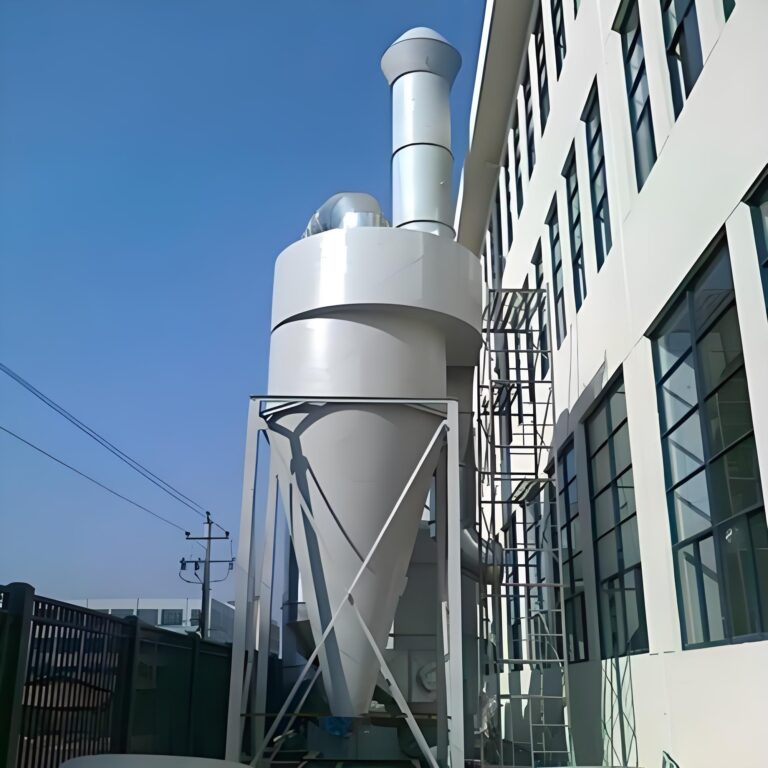
Dla inżynierów i kierowników zakładów, określenie przemysłowego odpylacza cyklonowego często wiąże się z poruszaniem się po krajobrazie teoretycznych twierdzeń dotyczących wydajności i statycznych ocen komponentów. Stwarza to znaczne ryzyko, gdy wydajność ma bezpośredni wpływ na obciążenie filtra, koszty energii i zgodność z przepisami. Podstawowym wyzwaniem jest przejście od danych marketingowych do zweryfikowanej, porównywalnej wydajności na poziomie systemu, która odzwierciedla rzeczywiste działanie.
Wprowadzenie normy ANSI/ASHRAE 199-2016 zapewnia krytyczne ramy dla tej zmiany. Choć formalnie dotyczy ona kolektorów filtracyjnych czyszczonych impulsowo, jej zasady ustanawiają ostateczny model dynamicznego testowania wydajności. W przypadku zastosowań cyklonowych przyjęcie tego znormalizowanego podejścia jest obecnie niezbędne do dokładnego prognozowania całkowitego kosztu posiadania i ograniczenia ryzyka związanego ze specyfikacją.
Jak ASHRAE 199 odnosi się do testów wydajności cyklonów?
Fundamentalna zmiana standardu
Norma ANSI/ASHRAE 199-2016 ustanawia pierwszą ostateczną metodę testowania przemysłowych odpylaczy czyszczonych impulsowo. Jej znaczenie polega na odejściu od statycznych ocen komponentów na rzecz wskaźników na poziomie systemu, które odzwierciedlają rzeczywiste operacje zakładu. W przypadku odpylaczy cyklonowych - niezależnie od tego, czy są one stosowane jako separatory główne, czy w systemach wielostopniowych - stanowi to model pozwalający wyjść poza teoretyczne twierdzenia dotyczące wydajności.
Ramy dynamicznej walidacji
Ustrukturyzowane, uwarunkowane podejście testowe ASHRAE 199 podkreśla konieczność wymagania zweryfikowanych, porównywalnych danych dotyczących wydajności w kontrolowanych, powtarzalnych warunkach. Ma to zasadnicze znaczenie dla inżynierów, dla których wydajność cyklonu ma wpływ na dalsze obciążenie lub ostateczną zgodność emisji. Ramy normy podnoszą dyskusje na temat zamówień z porównań funkcji do skontrolowanych wzorców wydajności.
Podstawowe wskaźniki wydajności zdefiniowane przez ASHRAE 199
Cztery filary wydajności systemu
Standard określa wydajność za pomocą czterech krytycznych, wzajemnie powiązanych wskaźników, które bezpośrednio wpływają na całkowity koszt posiadania. Różnica ciśnień wskazuje energię wymaganą przez wentylator systemu; niższy, stabilny spadek ciśnienia zmniejsza koszty mocy. Emisje bezwzględne mają kluczowe znaczenie dla weryfikacji zgodności z przepisami EPA i OSHA dotyczącymi pyłu zawieszonego w powietrzu.
Od metryk do prognoz finansowych
Zużycie sprężonego powietrza wskazuje efektywność energetyczną systemu czyszczenia impulsowego w odpowiednich kolektorach. Wreszcie, Ogólne zużycie energii obejmuje wentylator, sprężarkę i energię sterowania. Systemy wyróżniające się niskim spadkiem ciśnienia i wydajnym wykorzystaniem powietrza wykazują lepsze profile kosztów cyklu życia. Wskaźniki te mają fundamentalne znaczenie dla dokładnego prognozowania wykraczającego poza początkowy koszt kapitałowy.
Kwantyfikacja czynników wpływających na koszty
Poniższa tabela wyszczególnia podstawowe wskaźniki wydajności ustanowione przez ASHRAE Standard 199, zapewniając ramy dla pełnej analizy operacyjnej.
| Metryka wydajności | Jednostka miary | Główny wpływ |
|---|---|---|
| Różnica ciśnień | in. wg (cale wodowskazu) | Koszt energii wentylatora |
| Emisje bezwzględne | mg/m³ (miligramy na metr sześcienny) | Zgodność z EPA/OSHA |
| Zużycie sprężonego powietrza | ft³/1,000 ft³ powietrza | Koszt energii czyszczenia impulsowego |
| Ogólne zużycie energii | kWh (kilowatogodziny) | Całkowity koszt cyklu życia |
Źródło: Norma ANSI/ASHRAE 199-2016. Norma ta definiuje podstawową metodę testową do pomiaru tych czterech krytycznych, wzajemnie powiązanych wskaźników dla odpylaczy przemysłowych, ustanawiając ramy oceny całkowitego kosztu posiadania.
Wielostopniowa metodologia testowania ASHRAE 199
Symulacja działania w świecie rzeczywistym
Procedura jest rygorystyczną, sześcioetapową symulacją rzeczywistego działania przy użyciu znormalizowanego pyłu testowego. Etapy 1-3 obejmują początkowe i kondycjonowane obciążenie pyłem, z czyszczeniem impulsowym i bez niego, w celu utworzenia reprezentatywnego placka pyłu na filtrach. Ta faza kondycjonowania jest krytyczna, ponieważ wydajność stabilizuje się dopiero po utworzeniu się placka pyłu, czego często brakuje w podstawowych oświadczeniach dotyczących wydajności.
Pomiar stanu ustalonego i stanów wzbudzonych
Podstawowy pomiar wydajności ma miejsce w Etap 4, gdzie system działa w trybie czyszczenia na żądanie przez 20 godzin, a kluczowe dane są raportowane z ostatnich czterech godzin pracy w stanie ustalonym. Krytycznym wyróżnikiem jest włączenie Etapy 5 i 6, które symulują i mierzą odzyskiwanie sprawności po “stanie awaryjnym”, takim jak pęknięcie worka. Testuje to wytrzymałość kolektora i jego zdolność do powrotu do stabilnej pracy.
Struktura protokołu testowego
Wieloetapowe podejście wymagane przez normę zapewnia niezbędne dane do planowania niezawodności i bezpieczeństwa systemu w celu zminimalizowania przestojów podczas rzeczywistych awarii.
| Etap testowy | Główny cel | Kluczowy czas trwania / warunek |
|---|---|---|
| Etapy 1-3 | Początkowe i warunkowe obciążenie pyłem | Ustanowienie reprezentatywnego ciasta pyłowego |
| Etap 4 | Podstawowy pomiar wydajności | 20 godzin; ostatnie 4 godziny w stanie ustalonym |
| Etapy 5-6 | Symulacja przywracania do stanu wyjściowego | Testuje wytrzymałość po awarii |
Uwaga: Etapy 5 i 6 testują regenerację po zdarzeniu takim jak pęknięcie worka.
Źródło: Norma ANSI/ASHRAE 199-2016. Norma nakazuje stosowanie tej sześcioetapowej procedury w celu symulacji rzeczywistego działania, w tym krytycznych faz odzyskiwania, dostarczając niezbędnych danych do planowania niezawodności i bezpieczeństwa systemu.
Dlaczego Standard 199 zastępuje statyczne oceny mediów filtracyjnych?
Błędne stosowanie MERV
ASHRAE Standard 199 został stworzony właśnie dlatego, że oceny takie jak MERV (Minimum Efficiency Reporting Value) są zasadniczo błędnie stosowane do dynamicznych kolektorów przemysłowych. MERV mierzy początkową wydajność filtra w kontrolowanych, statycznych warunkach laboratoryjnych dla zastosowań HVAC. Nie uwzględnia wydajności całego systemu kolektora poddawanego ciągłemu obciążeniu i cyklicznemu czyszczeniu. Ta rozbieżność między oceną komponentów a wydajnością systemu jest głównym źródłem błędów specyfikacji.
Wypełnianie luki w wydajności
Norma 199 wypełnia tę lukę poprzez ocenę trwałej wydajności w realistycznych warunkach. W związku z tym specyfikacje zamówień i inżynieryjne muszą przejść od ocen mediów filtracyjnych do danych dotyczących wydajności całego systemu zweryfikowanych przez te dynamiczne testy. W naszej analizie niepowodzeń projektów, przewlekłe problemy operacyjne często wynikają ze specyfikacji opartych na statycznych ocenach, które ignorują dynamiczne zachowanie systemu.
Kluczowe kwestie związane z dostosowaniem testu do konkretnego cyklonu
Dostosowanie celu pomiaru
Bezpośrednie zastosowanie normy 199 do cyklonów wymaga logicznych dostosowań koncentrujących się na ich unikalnych zasadach działania. Testy wydajności powinny kłaść nacisk na Różnica ciśnień, mierząc stały spadek ciśnienia związany z generowaniem wirów. Skupi się również na Skuteczność zbierania cząstek stałych dla różnych rozmiarów cząstek, aby scharakteryzować krzywą wydajności frakcyjnej, a nie tylko masę całkowitą.
Krytyczna rola projektu
Co więcej, weryfikacja stabilnej wydajności w zakresie zaprojektowanych Przepływ powietrza ma kluczowe znaczenie. Strategiczną implikacją jest to, że konstrukcja wlotu, często pomijana, staje się krytycznym czynnikiem różnicującym. Wysoko umieszczony wlot z przegrodami, który tworzy skierowany w dół wzór powietrza, umożliwia separację wspomaganą grawitacyjnie, zmniejszając ponowne porywanie i promując stabilność.
Ramy oceny specyficzne dla cyklonu
Dostosowanie zasad testowania wymaga skupienia się na obszarach wyjątkowo istotnych dla wydajności i trwałości separatora cyklonowego.
| Obszar docelowy | Kluczowy pomiar | Implikacje specyficzne dla cyklonu |
|---|---|---|
| Różnica ciśnień | Stały spadek ciśnienia | Koszt energii generowanej przez wir |
| Efektywność gromadzenia danych | Wydajność frakcyjna PM10, PM2,5 | Charakteryzuje separację wielkości cząstek |
| Stabilność operacyjna | Wydajność w całym zakresie przepływu powietrza | Weryfikuje solidność projektu |
| Konstrukcja wlotu | Wzór wlotu z przegrodą po stronie wysokiej | Zmniejsza ponowne naprężenia, wspomaga stabilność |
Źródło: Dokumentacja techniczna i specyfikacje branżowe.
Interpretacja wyników testów: Emisje, spadek ciśnienia i energia
Zrozumienie wzajemnego oddziaływania metryk
Interpretacja danych ASHRAE 199 wymaga zrozumienia wzajemnego oddziaływania między metrykami. Niski, stabilny Różnica ciśnień oznacza wydajną konstrukcję przepływu powietrza i skuteczne czyszczenie, bezpośrednio obniżając koszty energii wentylatora. Emisje bezwzględne Dane muszą być sprawdzane pod kątem spójności podczas całego testu, zwłaszcza podczas impulsów czyszczących i faz odzyskiwania, aby zapewnić ciągłą zgodność z przepisami.
Holistyczny obraz wydajności
Zużycie sprężonego powietrza podkreśla wydajność systemu czyszczenia; technologie, które zapewniają całkowite uwolnienie osadu pyłu przy mniejszej ilości powietrza, zmniejszają znaczne koszty operacyjne. Łącznie wskaźniki te tworzą całościowy obraz wydajności operacyjnej i kosztów. Przekształca to Standard 199 ze zwykłej procedury w narzędzie weryfikacji rynkowej.
Benchmarking wydajności operacyjnej
Interpretacja tych znormalizowanych wskaźników tworzy nowy punkt odniesienia, w którym walka konkurencyjna przenosi się z twierdzeń o cechach na skontrolowane dane dotyczące wydajności.
| Metryczny | Idealny wynik | Bezpośredni wpływ operacyjny |
|---|---|---|
| Różnica ciśnień | Niski i stabilny | Niższe koszty energii wentylatora |
| Emisje bezwzględne | Konsekwentny, zwłaszcza podczas czyszczenia | Ciągła zgodność z przepisami |
| Zużycie sprężonego powietrza | Minimalne do uwolnienia ciasta | Niższe koszty operacyjne |
Źródło: Norma ANSI/ASHRAE 199-2016. Standard zapewnia procedurę pomiaru tych wskaźników, umożliwiając ich interpretację jako całościowego obrazu wydajności operacyjnej i przekształcając test w narzędzie weryfikacji rynkowej.
Korzyści ze znormalizowanych testów dla specyfikatorów systemów
Porównanie celów i redukcja ryzyka
Dla projektantów, Standard 199 zapewnia obiektywność i redukcję ryzyka. Umożliwia bezpośrednie porównanie różnych konstrukcji kolektorów w oparciu o zweryfikowane dane operacyjne, a nie twierdzenia producenta. Te rygorystyczne testy porównawcze nieuchronnie ujawnią nieefektywne projekty “jeden rozmiar dla wszystkich”, faworyzując producentów skoncentrowanych na inżynierii.
Podniesienie poziomu procesu specyfikacji
Ta zmiana rynkowa oznacza, że użytkownicy końcowi powinni faworyzować dostawców z głębokimi referencjami inżynieryjnymi i testowymi, ponieważ branża zmierza w kierunku rozwiązań o zweryfikowanej wydajności, specyficznych dla aplikacji. Co więcej, złożoność danych zwiększa znaczenie konsultacji z dostawcami. Analiza aplikacji front-end staje się krytyczną częścią procesu zakupowego, aby upewnić się, że obiecana wydajność jest osiągalna dla konkretnej, wysokowydajnej aplikacji. przemysłowy odpylacz cyklonowy.
Wdrażanie zasad ASHRAE 199 dla walidacji cyklonów
Żądanie zweryfikowanych danych
Wdrożenie tych zasad oznacza wymaganie zweryfikowanych w testach danych dotyczących wydajności cyklonu, w szczególności wydajności frakcyjnej i spadku ciśnienia w różnych zakresach roboczych. Dane te upoważniają specyfikatorów do negocjowania z pozycji wiedzy, potencjalnie wykorzystując żądania gwarancji wydajności. Oferta gwarancji żywotności lub wydajności filtra, poparta danymi typu Standard 199, sygnalizuje przyszłość, w której takie gwarancje staną się kamieniem węgielnym handlu.
Strategiczna gotowość regulacyjna
Proaktywne przyjęcie sprzętu przetestowanego zgodnie z tym standardem jest również strategicznym zabezpieczeniem przed przyszłymi zmianami regulacyjnymi. Agencje takie jak OSHA i EPA mogą stopniowo włączać jego protokoły, odwołując się do standardów takich jak ISO 16890-4:2023 dla zasad pomiaru cząstek stałych. Takie przewidywanie upraszcza przyszłe demonstracje zgodności i pozwala uniknąć kosztownych modernizacji.
Przedkładanie zweryfikowanych danych dotyczących wydajności nad oceny komponentów dla wszystkich specyfikacji cyklonów. Skoncentruj dyskusje dotyczące zamówień na czterech podstawowych wskaźnikach ASHRAE 199 - spadku ciśnienia, emisji, zużyciu powietrza i zużyciu energii - w celu zbudowania dokładnego modelu całkowitego kosztu posiadania. Wreszcie, wybierz partnerów, którzy mogą zapewnić specyficzne dla aplikacji gwarancje inżynieryjne i gwarancje wydajności poparte testami, odpowiednio przenosząc ryzyko.
Potrzebujesz profesjonalnych wskazówek dotyczących wdrażania zasad ASHRAE 199 w swoim systemie odpylania? Zespół inżynierów w PORVOO specjalizuje się w rozwiązaniach cyklonowych o zweryfikowanej wydajności i analizie aplikacji, aby zapewnić, że system spełnia zarówno cele operacyjne, jak i cele zgodności.
Często zadawane pytania
P: Czym różni się ASHRAE Standard 199 od stosowania oceny MERV przy wyborze cyklonu przemysłowego?
O: Oceny MERV mierzą statyczne media filtracyjne w czystym, laboratoryjnym środowisku HVAC, co nie oddaje dynamicznej wydajności kompletnego, działającego systemu odpylania. Norma ANSI/ASHRAE 199-2016 ocenia cały kolektor pod kątem realistycznego, uwarunkowanego obciążenia i cyklicznego czyszczenia, aby zapewnić zweryfikowane dane na poziomie systemu. Oznacza to, że specyfikatorzy muszą zmienić kryteria zamówień z ocen komponentów na zweryfikowaną wydajność całego systemu, aby uniknąć chronicznych awarii operacyjnych i umożliwić dokładne porównania.
P: Jakich kluczowych wskaźników wydajności powinniśmy wymagać od dostawcy cyklonów w oparciu o zasady ASHRAE 199?
O: Dane dotyczące różnicy ciśnień (cal słupa wody) dla kosztów energii wentylatora, bezwzględnej emisji (mg/m³) dla zgodności z przepisami i ułamkowej skuteczności zbierania cząstek o rozmiarach takich jak PM10 i PM2,5. Testy powinny również zweryfikować stabilną wydajność w zaprojektowanym zakresie przepływu powietrza. W przypadku projektów, w których długoterminowe koszty operacyjne mają kluczowe znaczenie, priorytetowo należy traktować dostawców, którzy dostarczają dane zweryfikowane w testach, ponieważ ujawniają one rzeczywisty koszt cyklu życia poza początkowym wydatkiem kapitałowym.
P: Dlaczego test ASHRAE 199 obejmuje etap “warunków awaryjnych” i dlaczego jest on ważny dla niezawodności cyklonu?
O: Etapy 5 i 6 normy symulują zdarzenie awarii, takie jak pęknięcie worka, w celu przetestowania zdolności systemu do regeneracji i powrotu do stabilnej, niskoemisyjnej pracy. Dostarcza to istotnych danych na temat odporności i ryzyka przestojów po rzeczywistych awariach. Jeśli operacja wymaga wysokiego czasu sprawności i bezpieczeństwa, te dane dotyczące odzyskiwania mają kluczowe znaczenie dla planowania protokołów konserwacji i wyboru systemu, który minimalizuje zakłócenia spowodowane zakłóceniami procesu.
P: Jak powinniśmy dostosować testy wydajności do walidacji specyficznej dla cyklonów, skoro ASHRAE 199 formalnie dotyczy filtrów?
O: Adaptacje powinny koncentrować się na parametrach cyklonu: stałym spadku ciśnienia wynikającym z generowania wirów i krzywych sprawności frakcyjnej, a nie tylko na całkowitym wychwycie masy. Konstrukcja wlotu staje się krytyczną zmienną testową, ponieważ wlot z wysokimi przegrodami może promować stabilność i zmniejszać ponowne porywanie. Oznacza to, że zakłady oceniające cyklony do pierwotnej separacji powinny wymagać raportów z testów specyficznych dla danego zastosowania, które podkreślają te zalety konstrukcyjne w porównaniu z ogólnymi twierdzeniami.
P: Jaka jest strategiczna korzyść ze stosowania standardowych testów, takich jak ASHRAE 199, podczas wyboru dostawcy?
O: Umożliwia bezpośrednie, obiektywne porównanie różnych konstrukcji kolektorów przy użyciu zweryfikowanych danych operacyjnych, przenosząc podstawę konkurencji z twierdzeń marketingowych na skontrolowane wskaźniki. To rygorystyczne podejście faworyzuje producentów skoncentrowanych na inżynierii i ujawnia nieefektywne, ogólne projekty. Dla projektantów systemów zwiększa to znaczenie konsultacji z dostawcami i analizy aplikacji front-end, aby upewnić się, że obiecana wydajność jest możliwa do osiągnięcia w konkretnych warunkach zakładu.
P: W jaki sposób wdrożenie zasad ASHRAE 199 może zabezpieczyć nasz system odpylania na przyszłość?
O: Proaktywne wdrażanie sprzętu przetestowanego zgodnie z ramami tego standardu jest strategicznym zabezpieczeniem przed zmieniającymi się przepisami. Agencje takie jak OSHA mogą włączyć jego protokoły, upraszczając przyszłe demonstracje zgodności. Ponadto sprzedawcy oferujący gwarancje wydajności poparte tego typu danymi przenoszą ryzyko z kupującego na producenta. Oznacza to, że powinieneś negocjować z pozycji wiedzy, wykorzystując dane testowe do poszukiwania gwarancji, które staną się komercyjnym kamieniem węgielnym dla długoterminowej niezawodności.