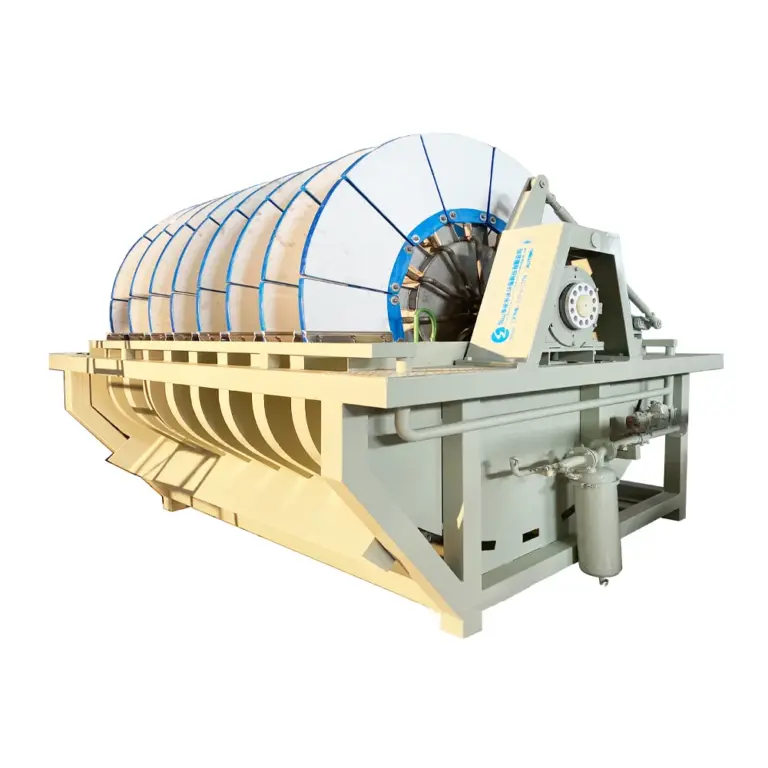
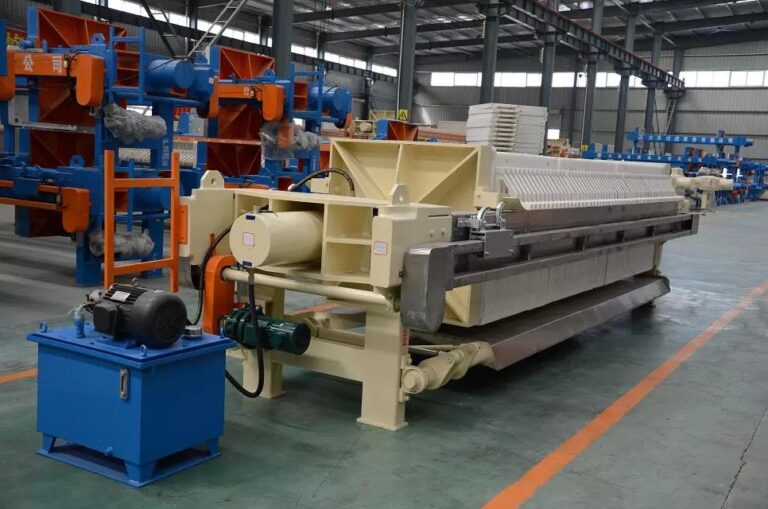
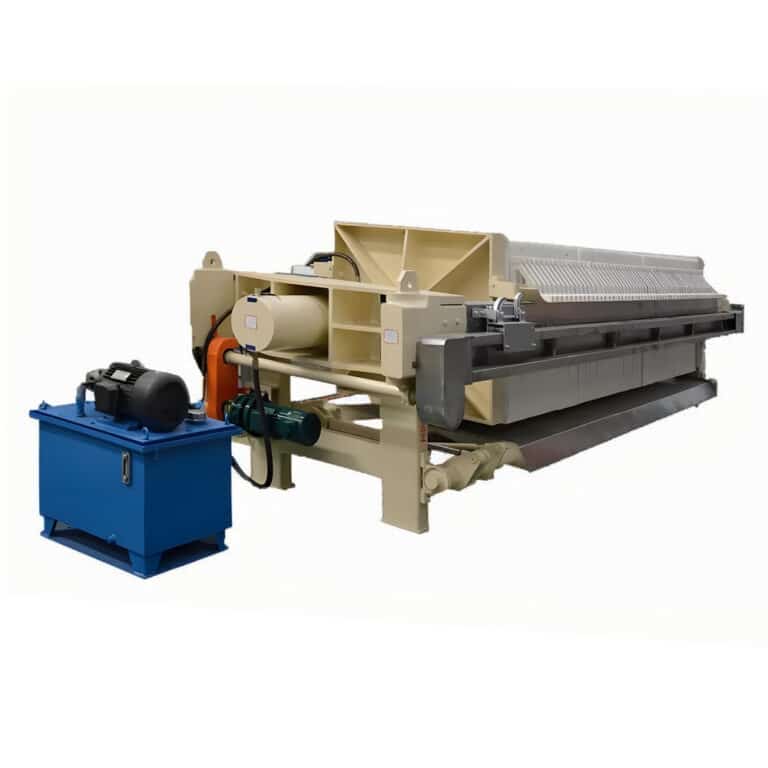
Het installeren van een grootschalig keramisch vacuümschijffiltersysteem met meer dan 100 m² filteroppervlak is een aanzienlijk kapitaalproject. Het meest kritieke, maar vaak onderschatte, onderdeel is de fundering. Een slecht ontworpen of uitgevoerde fundering ondersteunt niet alleen de apparatuur, maar bepaalt ook de operationele stabiliteit, uitlijning en levensvatbaarheid van het systeem op de lange termijn. Fouten op dit gebied leiden tot chronische uitlijnfouten, vacuümlekken, buitensporige trillingen en catastrofale structurele storingen, waardoor een goed presterend bedrijfsmiddel verandert in een bron van voortdurende uitvaltijd en kosten.
De fundering is het eerste en meest permanente onderdeel van het filtratiesysteem. Voor systemen van meer dan 100 m² verschuift de technische uitdaging van eenvoudige gewichtsondersteuning naar het beheren van complexe dynamische belastingen, nauwkeurige integratie van nutsvoorzieningen en onderhoudsvriendelijkheid op lange termijn. Deze fase vraagt om een multidisciplinaire aanpak, waarbij geotechniek, bouwkunde en procestechniek worden gecombineerd. Om dit voor elkaar te krijgen moet er verder worden gekeken dan algemene civiele specificaties en moet er een speciaal ontwerp worden gemaakt waarbij de fundering wordt behandeld als een integraal onderdeel van de machine zelf.
Belangrijkste ontwerpprincipes voor grootschalige vacuümkeramische schijffilters
De wisselwerking tussen stabiliteit en prestatie
Het primaire ontwerpdoel voor een filter van deze omvang is het bereiken van een stabiel vacuüm en consistente ontwatering onder aanzienlijke mechanische belasting. Dit vereist een ontwerpfilosofie die voorrang geeft aan een robuuste, bruikbare architectuur. Het nastreven van marginale prestatieverbeteringen door middel van te complexe mechanismen kan leiden tot kwetsbaarheid. De strategische implicatie is duidelijk: optimaliseer voor totale eigendomskosten en operationele betrouwbaarheid, niet alleen voor theoretische piekefficiëntie. Het beheer van de levenscyclus van componenten is van het grootste belang; het ontwerp moet rekening houden met toekomstig onderhoud en mogelijke vervanging van onderdelen voor belangrijke elementen zoals keramische schijven en kleppen.
Precisie door gesimuleerde validatie
Theoretische belastingsberekeningen zijn een startpunt, maar een natuurgetrouwe simulatie is onontbeerlijk. Softwaretools kunnen spanningsverdelingen modelleren van gecombineerde statische, dynamische en hydraulische belastingen. Deze modellen moeten echter worden gevalideerd aan de hand van beoordelingen door experts en gegevens uit de praktijk. Onnauwkeurige modellering is een directe weg naar gebrekkige implementatie. We hebben projecten gezien waar gesimuleerde trillingsknooppunten niet overeenkwamen met de omstandigheden in het veld, wat leidde tot kostbare versterkingen op het laatste moment. De les is om simulatie te gebruiken als een gids, niet als een evangelie, en altijd te vergelijken met praktische engineering ervaring.
Geïntegreerd systeemdenken
Een groot filter is geen eiland. De fundering moet worden opgevat als een geïntegreerd platform dat de kernapparatuur en de kritieke nutsvoorzieningen herbergt - vacuümleidingen, slurry headers, filtraatleidingen en elektrische leidingen. Dit vereist een vroegtijdige en voortdurende samenwerking tussen civiele, bouwkundige en procestechnische disciplines. Het faalpunt is vaak het ontwerp in silo's; wanneer de aannemer van de pijpleidingen tekeningen ontvangt die conflicteren met de locaties van de ingesloten leidingen, brengen veldaanpassingen de structurele integriteit in gevaar. Het funderingsontwerp moet een gecoördineerde output zijn, geen civiele tekening die later door anderen wordt aangepast.
Structurele belastingseisen en ontwerpcriteria voor funderingen
Het belastingsprofiel ontleden
De fundering moet ontworpen worden voor een combinatie van permanente en variabele krachten. De statische dode belasting omvat het gewicht van de filterstructuur, schijven, tanks en het ondersteunende frame en kan gemakkelijk 150-300 ton bedragen voor een systeem van 100 m². Dynamische bedrijfsbelastingen door schijfrotatie, beweging van het roerwerk en voedingspulsen voor slib voegen cyclische spanning toe. Bovendien kan de hydraulische belasting door het gewicht van de verzadigde filterkoek aanzienlijk zijn en varieert deze met de dichtheid van het slib. Al deze factoren moeten gecombineerd worden met behulp van belastingsfactoren die gespecificeerd zijn in codes zoals GB 50007-2011 Code voor het ontwerp van funderingen voor gebouwen.
De cruciale rol van de veiligheidsfactor
Een adequaat ontwerp voldoet niet alleen aan de berekende belastingen, maar overtreft ze met een gedefinieerde veiligheidsmarge. Voor zware industriële apparatuur is een minimale veiligheidsfactor van 1,5 tot 2,0 gebruikelijk. Deze marge is niet willekeurig; er wordt rekening gehouden met inconsistenties in het materiaal, onvoorziene belastingsscenario's en, het allerbelangrijkste, het voorkomt differentiële zetting. Differentiële zetting-waarbij het ene deel van de fundering meer zakt dan het andere- is een primaire foutmodus, die foutieve uitlijning van roterende samenstellingen en vacuümafdichtingen veroorzaakt. De veiligheidsfactor is de primaire verdediging tegen dit verraderlijke probleem.
Type fundering kiezen
Voor zulke zware, dynamische belastingen is een monolithische fundering van gewapend beton vaak de standaardkeuze. Het verdeelt de belasting over een groot gebied, waardoor de druk op de grond wordt verminderd. In geval van slechte bodemomstandigheden kunnen diepe funderingen zoals heipalen nodig zijn om de belasting over te brengen naar een stabiele laag. De keuze wordt bepaald door het geotechnische rapport en de berekende druk. De tabel hieronder geeft een overzicht van de belangrijkste belastingsoverwegingen die een rol spelen bij deze ontwerpbeslissing.
De belasting kwantificeren
Om effectief te kunnen ontwerpen, moeten ingenieurs elk type belasting kwantificeren. De volgende tabel geeft een overzicht van de typische grootheden en ontwerpimplicaties voor een grootschalige filterfundering.
| Type lading | Typisch Magnitudebereik | Ontwerpoverwegingen |
|---|---|---|
| Statische dode last | 150 - 300+ ton | Gewicht apparatuur en structuur |
| Dynamische operationele belasting | Cyclisch, 15-25% van statisch | Schijfrotatie & roerwerkkrachten |
| Hydraulische onderbelasting | Variabel door drijfmestdichtheid | Verzadigd filterkoekgewicht |
| Vereiste veiligheidsfactor | 1,5 - 2,0 (minimum) | Voorkomt differentiële zetting |
Bron: GB 50007-2011 Code voor het ontwerp van funderingen voor gebouwen. Deze verplichte nationale code biedt de fundamentele vereisten voor het berekenen van de belasting, de keuze van het funderingstype en het ontwerp om stabiliteit te garanderen en zettingen te beheersen voor zware industriële apparatuur zoals grote filtersystemen.
Geotechnische analyse en grondvoorbereiding voor zware filtersystemen
Het niet-onderhandelbare locatieonderzoek
Een funderingsontwerp baseren op aannames is een groot professioneel risico. Een uitgebreid geotechnisch onderzoek vormt het feitelijke fundament van het hele project. Dit onderzoek bepaalt de draagkracht van de bodem, de verdichtingseigenschappen, de schuifsterkte en het grondwaterpeil. Het identificeert de aanwezigheid van zwakke lagen, organisch materiaal of holtes. Het overslaan of inkorten van deze fase om kosten of tijd te besparen tast direct de geloofwaardigheid van het project aan en nodigt uit tot catastrofale mislukkingen, omdat het ontwerp wordt gebouwd op onbekende bodemomstandigheden.
Van gegevens naar bruikbare voorbereiding
Het geotechnisch rapport dicteert het grondbewerkingsprotocol. Als de oorspronkelijke bodem onvoldoende draagkracht heeft, moet deze worden uitgegraven tot een competente laag. Het uitgegraven gebied wordt dan weer opgevuld met aangelegde, gecontroleerde opvulling in samengeperste lagen. Elke laag wordt getest om 95-100% van de maximale Proctor dichtheid te bereiken. Als de grondwaterspiegel hoog is, kunnen permanente ontwateringssystemen of waterdichte maatregelen voor de fundering nodig zijn. Deze voorbereiding transformeert de variabele, natuurlijke bodem in een voorspelbaar, geconstrueerd platform.
Elke stap valideren
Het strategische kader weerspiegelt hier strenge kwaliteitsborging: elke stap moet worden gevalideerd. Bodemverdichtingstesten zijn geen incidentele controles maar voortdurende verificatie. De plaatsing en de kwaliteit van de aangelegde opvulling moeten worden gecontroleerd. Dit proces van voortdurende validatie zorgt ervoor dat de voorbereide ondergrond exact voldoet aan de specificaties van het constructieontwerp. Het sluit de lus tussen de aanbevelingen in het geotechnische rapport en de werkelijkheid zoals die gebouwd is.
Parameters voor een stabiele basis
De geotechnische analyse levert specifieke parameters op die de voorbereidingsstrategie bepalen. De tabel hieronder geeft een overzicht van de belangrijkste doelen en de acties die daarvoor nodig zijn.
| Analyse Parameter | Doel/eis | Voorbereiding Actie |
|---|---|---|
| Draagvermogen van de bodem | > 200 kN/m² (minimaal) | Bepaalt de voetafdruk van de fundering |
| Verdichtingsdichtheid | 95-100% Proctor | Mechanische verdichting vereist |
| Waterpeil | Onder funderingsbasis | Mogelijk ontwateringssystemen nodig |
| Ontwikkelde vuldiepte | Volgens ontwerpspecificatie | Stabiliseert zwak substraat |
Bron: GB 50007-2011 Code voor het ontwerp van funderingen voor gebouwen. De code schrijft een uitgebreid onderzoek van de ondergrond voor om de draagkracht en de bodemkenmerken te bepalen, die de kritische gegevensbasis vormen voor alle funderingsontwerpen en grondvoorbereidingen.
Integratie van nutsvoorzieningen en toevoer-/afvoerleidingen in de fundering
De Stichting als hulpprogramma
Voor een groot filter is de funderingsplaat een dichte gang met nutsvoorzieningen. Vacuümleidingen (vaak ≥200 mm diameter), filtraatafvoerleidingen, slibtoevoerleidingen, persluchtleidingen, afvoerleidingen en elektrische leidingen moeten er allemaal doorheen of onderdoor worden geleid. Hun plaatsing is een 3D puzzel die tijdens de ontwerpfase moet worden opgelost. Nauwkeurige coördinatie is vereist om fysieke botsingen te voorkomen en te zorgen voor een logische, bruikbare routing die voldoet aan de vereisten voor processtromen en veiligheidsvoorschriften, zoals GB/T 51015-2014 Ontwerpcode voor watertoevoer en -afvoer in industriële ondernemingen.
Het belang van omhulsels en leidingen
Pijpen en leidingen worden nooit zonder bescherming rechtstreeks in beton gegoten. Ze worden door overmaatse moffen of buizen geleid. Dit houdt rekening met thermische uitzetting, toekomstige vervanging en kleine installatietoleranties. De strategie voor het ommantelen moet gedetailleerd worden beschreven op de tekeningen, met vermelding van materialen (bijv. PVC, staal), afmetingen, hellingen voor afvoerleidingen en afdichtmiddelen op doorvoerpunten om de integriteit van de fundering te behouden tegen binnendringend water.
Ontwerpen voor toekomstige toegang
Een cruciaal aspect dat vaak over het hoofd wordt gezien, is het ontwerpen van toegang voor onderhoud. Waar isoleer je een lekkende vacuümleiding die is ingebed in de vloerplaat? De oplossing bestaat uit het inbouwen van toegangsputten, verwijderbare afdekplaten of speciale doorgangen op belangrijke verbindingspunten. Deze vooruitziende blik, die aansluit bij de principes van het levenscyclusbeheer van componenten, vermindert de uitvaltijd en de kosten voor toekomstige reparaties drastisch. Er wordt erkend dat het systeem onderhouden moet worden en dat de fundering dat werk moet vergemakkelijken, niet belemmeren.
Het geïntegreerde netwerk in kaart brengen
Voor een succesvolle integratie van dit netwerk is een duidelijke specificatie van de route van elke utility nodig. De volgende tabel categoriseert de typische nutsvoorzieningen en hun integratiedoel.
| Type nutsvoorziening | Typische buis/mantel | Integratie Doel |
|---|---|---|
| Vacuümleidingen | Grote diameter (≥200mm) | Kernprocesfunctie |
| Leidingen voor filtraat | Corrosiebestendig materiaal | Productontlading |
| Slibaanvoer Headers | Versterkt, slijtvast | Levering van grondstoffen |
| Elektrische kabelgoten | Gescheiden van vloeistofleidingen | Veiligheid & signaalintegriteit |
Bron: GB/T 51015-2014 Ontwerpcode voor watertoevoer en -afvoer in industriële ondernemingen. Deze code regelt de ontwerpprincipes voor industriële water- en afvoersystemen, die direct relevant zijn voor de lay-out en integratie van slurrytoevoer-, filtraat- en afvoerleidingen binnen de funderingsconstructie.
Verankeringssystemen en trillingsdemping voor operationele stabiliteit
De machine aan de basis bevestigen
Het filter moet één geheel worden met de fundering. Dit wordt bereikt door een zorgvuldig ontworpen verankeringssysteem. Dit bestaat meestal uit stalen ankerbouten met een hoge treksterkte die in diepe moffen in het beton worden geplaatst. De hulzen zorgen voor enkele centimeters zijdelingse aanpassing tijdens de uiteindelijke precieze uitlijning van de zoolplaten van het filter. Eenmaal uitgelijnd, worden de bouten op spanning gebracht en worden de hulzen gevuld met niet-krimpende, zeer sterke epoxyspecie, waardoor een stijve, permanente verbinding ontstaat.
Dynamische energie beheren
Operationele krachten genereren trillingen. Ongecontroleerd worden deze trillingen doorgegeven aan de constructie, wat leidt tot vermoeiing van lasnaden, loslaten van verbindingen, lawaai en mogelijke schade aan de fundering zelf. Trillingsdemping is daarom niet optioneel. Isolatiemethoden omvatten het monteren van de hele filter op elastomeerplaten of het installeren van veerisolatoren onder belangrijke steunpunten. Het doel is om de hoogfrequente dynamische energie van de machine los te koppelen van de statische massa van de fundering, zodat beide worden beschermd.
Een les in overoptimalisatie
Verankering en isolatie zijn gebieden waar kostenbesparingen onevenredige gevolgen hebben. Het gebruik van te kleine bouten, het overslaan van isolatie of het gebruik van inferieure specie zijn valse besparingen. De resulterende microbewegingen (fretting) leiden tot loszittende apparatuur, verkeerde uitlijning en voortijdig falen. De strategische implicatie is om deze onderdelen te behandelen als kritisch voor de prestaties van het systeem en ze met dezelfde zorg te specificeren en aan te schaffen als de belangrijkste mechanische onderdelen van het filter.
Onderdelen van een stabiele interface
De interface tussen machine en fundering is gebaseerd op specifieke componenten, elk met een bepaalde functie, zoals hieronder beschreven.
| Component | Specificatie/type | Primaire functie |
|---|---|---|
| Ankerbouten | Staal met hoge treksterkte, epoxy-geborsteld | Operationele krachten weerstaan |
| Boutomhulsels | Nauwkeurige einduitlijning mogelijk maken | Plaatsingstolerantie aanpassen |
| Isolatiematten | Elastomeer of verend type | Dempen van mechanische trillingen |
| Montageplaten | Bewerkt voor vlakheid | Zorg voor een gelijkmatige verdeling van de belasting |
Bron: Technische documentatie en industriespecificaties. Hoewel verankering onder structureel ontwerp valt, worden specifieke bouttypes en isolatiemethoden meestal gedetailleerd beschreven in de technische documentatie en installatiehandleidingen van de filterfabrikant om te voldoen aan dynamische belastingseisen.
Overwegingen voor onderhoud op lange termijn en toegang tot de fundering
Ontwerpen voor de hele levenscyclus
Bij het ontwerp van een fundering moet net zo goed rekening worden gehouden met buitengebruikstelling als met inbedrijfstelling. Dit betekent dat er voorzieningen moeten worden ingebouwd die inspectie, onderhoud en zelfs vervanging van apparatuur mogelijk maken. Aangewezen toegangspunten met verwijderbare gewapend betonnen deksels of stalen platen zijn essentieel voor het inspecteren van ingebedde pijpmoffen en afvoeren. Rond ankerbouten moeten vrije zones worden vrijgelaten om ze in de toekomst opnieuw aan te kunnen draaien. In sommige gevallen nemen ontwerpers opvijzelpunten of strongbacks op in de fundering om het filter in de toekomst gemakkelijker op te kunnen tillen voor een grote revisie.
Integriteit in evenwicht brengen met toegankelijkheid
De uitdaging is om de structurele integriteit van de fundering te behouden terwijl deze toegangsvoorzieningen worden aangebracht. Dit wordt opgelost door een zorgvuldige detaillering: toegangsdeksels moeten op richels steunen en niet alleen op opvulling worden geplaatst; doorvoeren moeten worden verstevigd; en elke verzwakking van de plaat moet worden gecompenseerd met extra plaatselijke versteviging. Deze balans is een teken van een uitgekiend ontwerp, waaruit blijkt dat men begrijpt dat het object zal evolueren gedurende de levensduur van meer dan 20 jaar.
De kosten van verwaarlozing
Het verwaarlozen van deze overwegingen leidt tot enorme operationele hoofdpijn. We hebben scenario's gezien waarbij een lekkende ingesloten pijp het noodzakelijk maakte om de fundering door te zagen, waardoor de structurele capaciteit in gevaar kwam en er een veel groter, ongepland reparatieproject nodig was. De extra kosten en stilstand overschreden ruimschoots de incrementele ontwerp- en bouwkosten van de juiste toegangsvoorzieningen. Deze vooruitziende blik draagt direct bij aan het verlagen van de totale eigendomskosten.
Veelvoorkomende valkuilen bij installatie en hoe ze te vermijden
Valkuil 1: overhaast betonwerk
Onvoldoende uitharding van beton is een sluipmoordenaar. Storten bij slecht weer zonder de juiste controle of te vroeg ontkisten resulteert in beton dat nooit zijn ontwerpsterkte bereikt. Hierdoor ontstaan zwakke plekken die vatbaar zijn voor scheuren onder belasting. De preventieve maatregel is een strikt, afgedwongen uithardingsprotocol - het op peil houden van vocht en temperatuur gedurende de gespecificeerde periode, meestal minimaal 7 dagen.
Valkuil 2: Slechte plaatsing van ankerbouten
Een onnauwkeurige plaatsing van ankerbouthulzen is een veel voorkomende en dure fout. Een bout die er zelfs maar 20 mm naast zit, kan de montage van apparatuur onmogelijk maken. De oplossing is het gebruik van gecertificeerde, stijve stalen sjablonen die vóór het storten van het beton stevig worden bevestigd. Deze mallen moeten gecontroleerd en afgetekend worden door zowel de aannemer als de toezichthoudende ingenieur.
Valkuil 3: niet-gecoördineerde ingesloten items
Wanneer mechanische en elektrische onderaannemers vanaf verschillende tekeningen werken, botsen de ingesloten leidingen en moffen. Het resultaat is herbewerking in het veld - beton uithollen om onderdelen te verplaatsen, waardoor de constructie verzwakt. Dit wordt voorkomen door een gecoördineerde controle van 3D-tekeningen (een proces voor “clashdetectie”) verplicht te stellen waarbij alle vakmensen vóór het storten betrokken zijn, en door één samengestelde tekening voor de fundering te gebruiken.
Een kader voor preventie
Deze valkuilen komen voort uit communicatiestoornissen en een gebrek aan rigoureus toezicht. De tabel hieronder geeft een overzicht van veelvoorkomende fouten en de systematische maatregelen die nodig zijn om ze te voorkomen.
| Valkuil | Gevolg | Preventieve maatregel |
|---|---|---|
| Ontoereikende uitharding van beton | Zwakke plekken, lage sterkte | Strikt uithardingsprotocol handhaven |
| Onjuiste plaatsing van ankerbouten | Verkeerde uitlijning van apparatuur | Gebruik gecertificeerde instellingsjablonen |
| Ingesloten item botsing | Herwerken, vertragingen | Herziening van 3D-coördinatietekeningen |
| Niet geverifieerde as-built condities | Gecompromitteerde ontwerpintegriteit | Pre-pour & post-pour inspectie |
Bron: Technische documentatie en industriespecificaties. Deze valkuilen zijn afgeleid van algemene installatie-ervaringen in de industrie. Preventie berust op strenge kwaliteitsborgingsprotocollen, gedetailleerde methodeverklaringen en interdisciplinaire coördinatie in plaats van één enkele norm.
Volgende stappen: Van funderingsplanning tot ingebruikname van het systeem
De weg van een plan naar een in bedrijf gesteld filter dat op een betrouwbare basis rust, verloopt gefaseerd en met poorten. Het begint met het voltooien van alle interdisciplinaire tekeningen - geotechnisch, constructief, bouwkundig en procesleiding - in één gecoördineerde set. De voorbereiding van de grond wordt voortgezet met voortdurende tests en validatie. Het storten van beton volgt een herziene methodeverklaring, met strenge inspectie van alle ingebedde onderdelen en verankeringssjablonen voor, tijdens en na het storten. Na volledige uitharding worden de zoolplaten van het filter nauwkeurig gezet en gevoegd. Tot slot worden de nutsvoorzieningen afzonderlijk in bedrijf gesteld (druktest van de leidingen, controle van de elektrische circuits) voordat ze worden geïntegreerd in het filtermechanisme.
Dit proces gedijt op het collaboratieve probleemoplossingsmodel. Bij elke stap moet de input van de civiele, mechanische en procesingenieurs worden samengevoegd. De fundering is geen afzonderlijk civiel werk; het is het eerste en meest kritieke onderdeel van het filtratiesysteem zelf. De succesvolle uitvoering ervan zet de toon voor het hele project en zorgt voor de geavanceerde keramische vacuümschijffiltertechnologie hierboven kan het tientallen jaren presteren zoals ontworpen.
Een succesvolle installatie is afhankelijk van drie belangrijke beslissingen: investeren in uitgebreide geotechnische en belastingsanalyses, strenge multidisciplinaire coördinatie afdwingen tijdens het ontwerp en een strikte kwaliteitsborging handhaven tijdens de bouw. Elke fase bouwt voort op gevalideerde gegevens uit de vorige fase en creëert zo een bewakingsketen voor de structurele integriteit van het project. Deze methodische aanpak beperkt de hoge risico's die gepaard gaan met grootschalige industriële funderingen.
Hebt u professionele begeleiding nodig om ervoor te zorgen dat uw volgende grootschalige filtratieproject op een solide basis is gebouwd? Het ingenieursteam van PORVOO is gespecialiseerd in het geïntegreerde ontwerp en de inbedrijfstelling van industriële ontwateringssystemen, van de eerste beoordeling van de locatie tot de stabiele werking. Neem contact met ons op om uw specifieke eisen en projectomvang te bespreken.
Veelgestelde vragen
V: Welke code geeft de verplichte ontwerpbasis voor de fundering van een keramisch schijffilter van 100 m²?
A: De primaire verplichte ontwerpbasis is GB 50007-2011 Code voor het ontwerp van funderingen voor gebouwen, die belastingsberekeningen, analyses van de ondergrond en zettingscontrole voor structurele stabiliteit regelt. Deze norm is onmisbaar om te garanderen dat de fundering de gecombineerde statische en dynamische belastingen van het grootschalige systeem aankan. Dit betekent dat uw ingenieursteam deze code moet gebruiken als belangrijkste referentie voor alle constructieberekeningen en veiligheidsfactorbepalingen.
V: Hoe moeten we belastingen voor het funderingsontwerp modelleren om differentiële zetting te voorkomen?
A: Je moet rekening houden met het gecombineerde statische gewicht en de dynamische cyclische krachten van rotatie en mestpulsen met behulp van zeer betrouwbare simulatiehulpmiddelen. Deze modellen moeten worden gevalideerd door deskundigen om de spanningsverdeling nauwkeurig te voorspellen en scheefstand door zetting te voorkomen. Voor projecten waarbij operationele stabiliteit van cruciaal belang is, moet je tijdens de ontwerpfase investeren in geavanceerde simulatie en collegiale validatie om dit grote projectrisico te beperken.
V: Wat is de meest kritieke stap in de voorbereiding van de locatie om mislukte funderingen te voorkomen?
A: Een uitgebreid geotechnisch onderzoek onder leiding van deskundigen is essentieel om de draagkracht van de grond, de benodigde verdichting en het grondwaterpeil te bepalen. Deze analyse voorkomt mislukkingen door informatie te verschaffen over de juiste ontgravingsdiepte, verdichting tot de gespecificeerde Proctor-dichtheden en het gebruik van kunstmatige opvulling. Als uw locatieanalyse gebaseerd is op aannames of niet-gevalideerde gegevens, kunt u rekenen op hoge herstelkosten en aanzienlijke projectvertragingen als gevolg van scheuren in de fundering of verkeerde uitlijning van apparatuur.
V: Wat zijn de belangrijkste overwegingen voor het integreren van nutsvoorzieningen in de filterfundatie?
A: U moet tijdens de ontwerpfase de plaatsing van ingebouwde leidingen voor vacuümleidingen, filtraatleidingen, slurryheaders en elektrische leidingen zorgvuldig coördineren. Dit vereist samenwerking tussen civiele, bouwkundige en procestechnische teams om conflicten te voorkomen en toekomstige toegang voor onderhoud te garanderen. Dit betekent dat faciliteiten die plannen voor onderhoud op de lange termijn prioriteit moeten geven aan geïntegreerde 3D-modellering en interdisciplinaire ontwerpbeoordelingen voordat het beton wordt gestort.
V: Waarom zijn verankering en trillingsdemping fundamenteel, en niet secundair, voor operationele stabiliteit?
A: De juiste ankerbouten en isolatiekussens met epoxygrout weerstaan operationele krachten en voorkomen vermoeidheid van onderdelen, waardoor de levensduur en prestaties van het systeem direct worden gegarandeerd. Deze elementen beveiligen het filter en beschermen zowel de apparatuur als de fundering tegen cyclische belasting. Als u in uw bedrijf prioriteit geeft aan uptime en precisie, moet u verankering en demping behandelen als kritieke ontwerpaspecten waarbij kostenbesparingen leiden tot onevenredige operationele risico's op de lange termijn.
V: Hoe kan funderingsontwerp de onderhoudskosten en stilstand op lange termijn verminderen?
A: Het ontwerp moet voorzien in speciale toegangspunten, verwijderbare panelen voor ingesloten pijpleidingen, vrije zones voor het onderhoud van ankerbouten en mogelijke vijzelpunten voor het vervangen van apparatuur. Deze vooruitziende blik maakt efficiënte inspecties en reparaties mogelijk zonder de structurele integriteit in gevaar te brengen. Voor projecten die gericht zijn op de totale eigendomskosten moet u deze onderhoudsvoorzieningen verplicht stellen in de basisontwerpspecificaties om de duurzame operationele uptime te verbeteren.
V: Wat is de meest effectieve strategie om veelvoorkomende installatiefouten zoals verkeerd geplaatste ankerbouten te vermijden?
A: Implementeer strikte protocollen voor kwaliteitsborging, waaronder gecertificeerde installatietekeningen, inspecties vóór het storten door alle vakmensen en verificatie van de constructie aan de hand van het ontwerp. Dit strenge toezicht zorgt voor een nauwkeurige plaatsing van de ingebedde onderdelen en een goede uitharding van het beton. Dit betekent dat uw projectteam een geformaliseerd proces van constructietoezicht moet afdwingen, dat een afspiegeling is van de strenge ontwerpcontrole, om kostbare wijzigingen in het veld te voorkomen en ervoor te zorgen dat de fundering aan alle technische criteria voldoet.