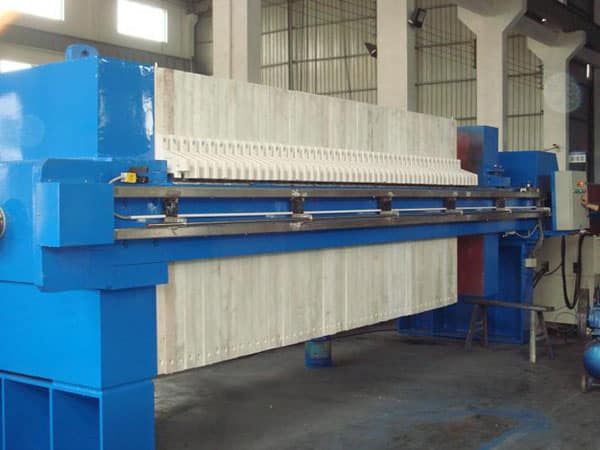
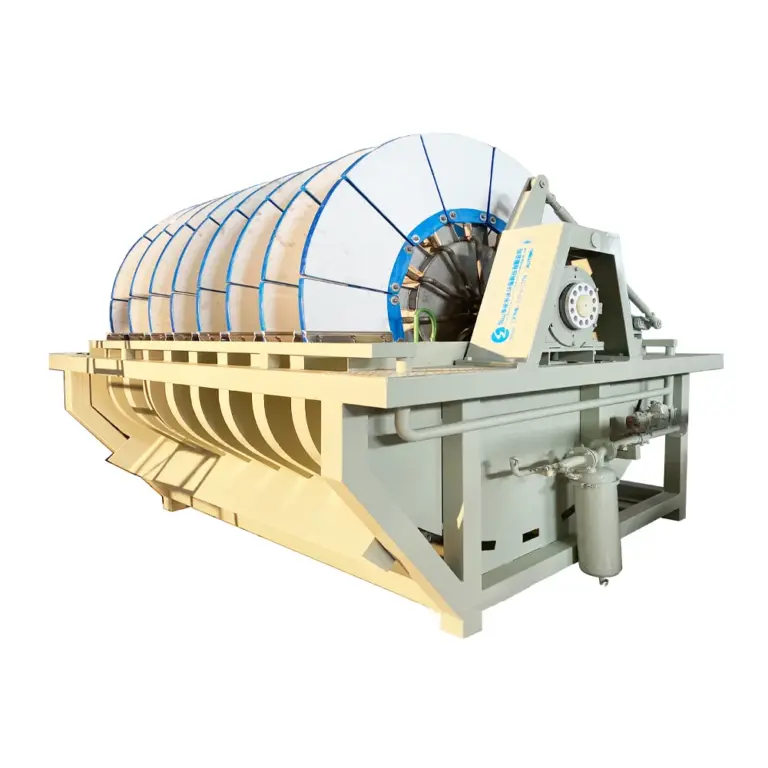
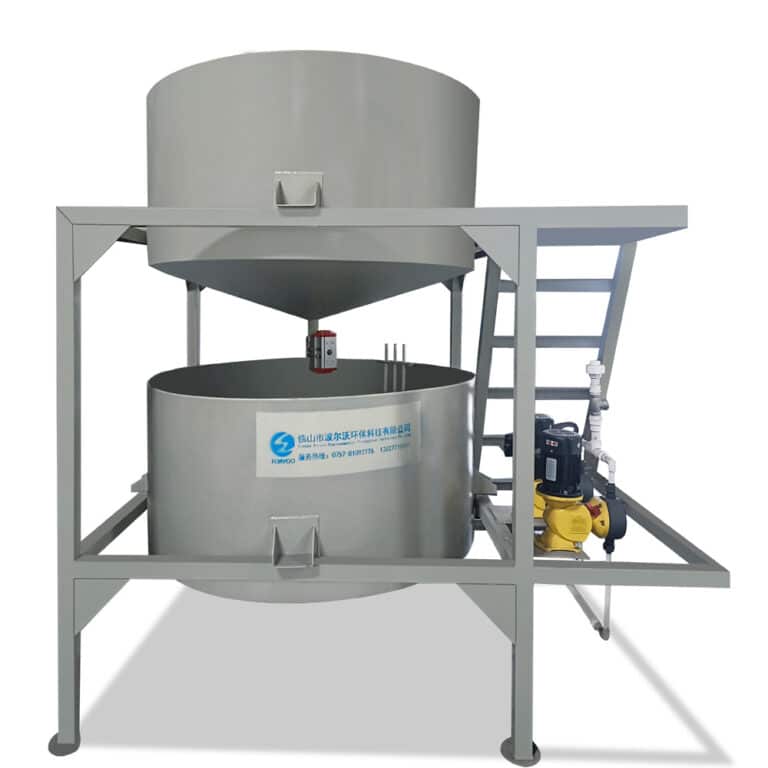
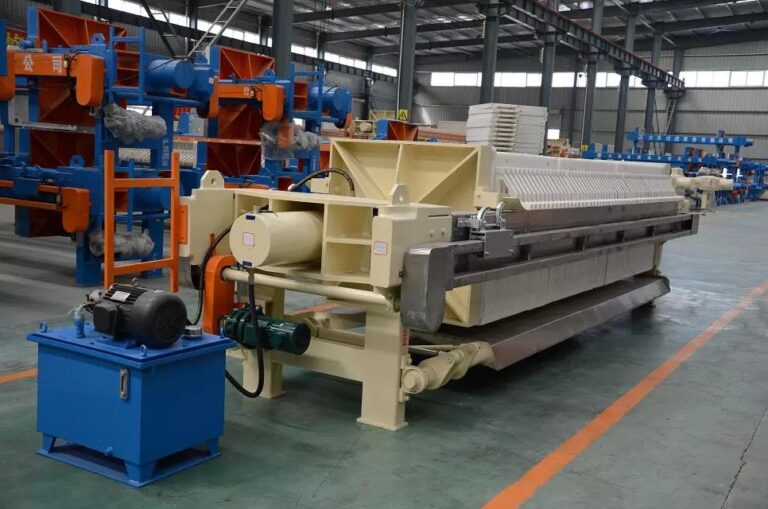
Voor fabrieksmanagers en procesingenieurs is de keuze tussen een membraanfilterpers en een kamerfilterpers een kritieke kapitaalbeslissing met operationele gevolgen voor tientallen jaren. De algemene misvatting is dat de beslissing alleen gaat over het verkrijgen van een drogere koek. In werkelijkheid is het een strategische afweging tussen initiële kapitaaluitgaven en totale eigendomskosten op lange termijn, waarbij doorvoer-, arbeids- en afvalverwerkingskosten de echte financiële drijfveren zijn.
Deze evaluatie is essentieel nu de industrie te maken krijgt met strengere regelgeving voor afvalverwerking en stijgende kosten voor storten en transport. Het kiezen van de verkeerde technologie kan een installatie opsluiten in hogere bedrijfskosten, verminderde capaciteit of het onvermogen om variabele slibstromen te verwerken, wat een directe impact heeft op de winstgevendheid en de naleving van de regelgeving.
Membraan- vs kamerfilterpers: Functioneel kernverschil
De architectonische kloof
Het fundamentele verschil zit in het plaatontwerp. Een kamerfilterpers maakt gebruik van vaste, verzonken platen die holtes met een vast volume vormen. Filtratie en ontwatering zijn volledig afhankelijk van de druk die wordt opgewekt door de toevoerpomp, die meestal tussen 7-15 bar werkt. Het proces is passief zodra de kamers gevuld zijn.
Actieve vs. passieve compressie
Een membraanfilterpers bevat een elastomeer membraan op elke plaat. Na de initiële pompgevoede filtratiecyclus wordt dit membraan opgeblazen met water of lucht onder hoge druk (15-30 bar), waardoor een secundaire, uniforme mechanische persing wordt toegepast over het hele oppervlak van de koek. Deze actieve compressiefase is het kenmerkende vermogen dat ontbreekt in een standaard kamerpers.
Het spectrum van configureerbare oplossingen
Dit kernverschil creëert een scala aan oplossingen. Naast de binaire keuze bestaan er variaties, zoals hoek- versus centrumtoevoersystemen en gespecialiseerde membraanmaterialen, waardoor de technologie kan worden aangepast aan specifieke industriële toepassingen, van mijnbouw tot chemische verwerking.
Kapitaal- en bedrijfskosten vergeleken: Een TCO-overzicht
Investeringsanalyse vooraf
De kapitaalkosten verschillen sterk. Kamerpersen bieden een lagere initiële investering dankzij hun eenvoudigere, robuuste constructie zonder bewegende delen in de platen. Membraanpersen vragen een meerprijs voor de complexe platen, hydraulische of pneumatische hogedruksystemen en geavanceerde besturingslogica die nodig zijn voor de meertrapscyclus.
Het strategische gemengde pakketcompromis
Een belangrijke, vaak over het hoofd geziene optie is de “mixed pack” configuratie. Door membraanplaten af te wisselen met standaard verzonken platen, kunnen fabrieken een aanzienlijk deel van de prestatievoordelen behalen - met name de cyclustijd verkorten - tegen 30-40% lagere kosten dan een volledig membraanplaatpakket. Deze hybride aanpak is een belangrijke waarde-engineering overweging.
Realiteiten voor onderhoud op lange termijn
Ook de bedrijfskosten lopen uiteen. Kamerpersen hebben over het algemeen minder onderhoud op lange termijn nodig door hun eenvoud. Bij membraanpersen worden de complexiteit en de kosten van het onderhoud bepaald door het ontwerp van het membraan. De keuze tussen gelaste platen (waardoor dure vervanging van de volledige plaat nodig is) en systemen met verwijderbare membranen (waardoor de blaas alleen goedkoper kan worden vervangen) is rechtstreeks van invloed op de operationele budgetten en het risico van stilstand.
De volgende tabel geeft een overzicht van de belangrijkste kostencomponenten:
Opsplitsing totale eigendomskosten
| Kostencomponent | Kamerfilterpers | Membraanfilterpers |
|---|---|---|
| Initiële kapitaalkosten | Onder | Hoger |
| Plaat stapelkosten | Eenvoudig, robuust ontwerp | Complexe plaat & systeem |
| Optie gemengd pakket | Niet van toepassing | 30-40% lagere kosten |
| Onderhoud op lange termijn | Lagere eisen | Hoger; membraanintegriteit kritisch |
| Vervanging membraan | Niet van toepassing | Gelaste vs. verwijderbare opties |
Bron: Technische documentatie en industriespecificaties.
Wat zorgt voor een drogere cake? Vochtgehalte vergeleken
Het mechanische voordeel
De secundaire compressie van het membraan verdringt rechtstreeks meer interstitiële vloeistof, waardoor een drogere filterkoek ontstaat. De prestatiewinst is echter geen universele garantie; deze is sterk afhankelijk van de samendrukbaarheid en chemische conditionering van het slib. Experts uit de industrie raden piloottests aan om de verwachte droogteverbeteringen voor uw specifieke materiaal te valideren.
Slibspecifieke prestatieverbeteringen
Voor stijf slib op minerale basis, zoals kalkhoudend tailingslib, is de hogedrukpers zeer effectief, waarbij het droge stofgehalte gewoonlijk met 4-5 procentpunten wordt verbeterd. Voor elastisch organisch slib met polymeerbehandeling is de winst bescheidener, meestal 2-3 punten. In onze vergelijkingen verschuift de rechtvaardiging voor een membraanpers met problematisch organisch slib vaak van droogheid alleen naar het voordeel van een meer consistente en betrouwbare koekafgifte.
De verwachte vochtvermindering varieert aanzienlijk per voedermiddel:
Droge cake prestaties per slibtype
| Type slib | Kamerpers Vocht | Verbetering membraanpers |
|---|---|---|
| Op minerale basis (bijv. kalk) | Hogere restvochtigheid | +4-5% droge vaste stof |
| Polymeer-geconditioneerde organische | Hogere restvochtigheid | +2-3% droge vaste stoffen |
| Problematisch organisch slib | Variabele prestaties | Gemakkelijker cake losmaken |
Bron: Technische documentatie en industriespecificaties.
Doorvoer krachtmeting: Cyclustijd en capaciteit vergeleken
Tijd als financiële variabele
Reductie van de cyclustijd is de belangrijkste economische drijfveer voor membraantechnologie. De hogedrukpers verkort de tijd die nodig is om de gewenste droogte te bereiken drastisch, waardoor de totale filtratiecycli gemiddeld met ongeveer 50% worden verkort, met reducties tot 75% mogelijk voor bepaalde materialen. Een kamerpers moet zijn toevoerpomp vaak langer laten draaien tegen de toenemende koekweerstand in om een vergelijkbaar vaste stofgehalte te bereiken.
De capaciteit van de fabriek maximaliseren
Deze efficiëntie vertaalt zich direct in een hogere verwerkingscapaciteit van de fabriek. Een membraanpers verwerkt meer batches per dag, waardoor de ontwateringscapaciteit effectief toeneemt zonder dat er een groter oppervlak of extra eenheden nodig zijn. Dit verandert filtratietijd in een meetbare financiële variabele, die de hogere kapitaaluitgaven rechtvaardigt bij activiteiten waar het maximaliseren van de doorvoer cruciaal is voor het halen van productie- of verwerkingsdeadlines.
De operationele impact op de cyclustijd is aanzienlijk:
Vergelijking van doorvoer en cyclustijd
| Prestatiemeting | Kamerfilterpers | Membraanfilterpers |
|---|---|---|
| Primaire compressie | Alleen toevoerpomp (7-15 bar) | Secundaire persing (15-30 bar) |
| Gemiddelde cyclustijdverkorting | Basislijn | ~50% vermindering |
| Maximale cyclustijdverkorting | Basislijn | Tot 75% reductie |
| Operationele bestuurder | Langere looptijd van de pomp | Tijd = financiële variabele |
Bron: Technische documentatie en industriespecificaties.
Operationele flexibiliteit en gebruiksgemak vergeleken
Rigiditeit vs. adaptieve verwerking
De operationele eisen verschillen sterk. Een kamerfilterpers vereist dat de kamers volledig gevuld zijn met vaste stoffen om een goede koek te vormen; ondervulling leidt tot slechte prestaties en ongelijkmatige koeken. Dit zorgt voor starheid in de batchgrootte. Membraanpersen bieden een superieure flexibiliteit, omdat het opblaasbare membraan kan uitzetten om contact te maken met een gedeeltelijk gevulde kamer en deze gelijkmatig samen te persen, zodat variabele vaste stofconcentraties en volumes kunnen worden verwerkt.
Automatisering als traject
De gelijkmatige druk van het membraan zorgt voor een homogenere, consistente koek die doorgaans gemakkelijker automatisch kan worden afgevoerd. Bovendien drijft de complexe, meertraps cyclus van een membraanpers (vullen, persen, wassen, blazen) inherent de integratie in de richting van geautomatiseerde, operator-light oplossingen. Dit ontwerptraject maakt het een meer geschikte kerncomponent voor moderne, digitaal gestuurde fabrieksomgevingen die de afhankelijkheid van arbeid willen verminderen.
Onderhoud, levensduur en betrouwbaarheid vergeleken
Ontwerp bepaalt betrouwbaarheidsprofiel
Betrouwbaarheid wordt bepaald door de inherente complexiteit van het ontwerp. Kamerpersen, met hun massieve platen en zonder interne bewegende delen, zijn robuuste werkpaarden die over het algemeen minder onderhoud nodig hebben, wat bijdraagt aan een lange operationele levensduur. De betrouwbaarheid van membraanpersen hangt nauw samen met de integriteit van het membraan. De keuze tussen gelaste platen en verwijderbare membranen dicteert de gemiddelde reparatietijd en het onderhoudsbudget op lange termijn.
Kritische operationele praktijken
Het gebruik van water in plaats van perslucht voor het oppompen van membranen is een kritieke veiligheids- en betrouwbaarheidspraktijk, die explosiegevaar door membraanbreuken beperkt. Voor beide technologieën geldt dat een optimale betrouwbaarheid afhangt van een nauwkeurig beheer van de toevoerdruk. Geautomatiseerde controles zijn essentieel om onmiddellijke doekverblinding en filtratiestoringen te voorkomen, een veel voorkomend punt van operationele verwaarlozing dat leidt tot voortijdige slijtage en stilstand.
De focus op onderhoud en de drijfveren voor de levensduur verschillen per technologie:
Vergelijking van betrouwbaarheid en onderhoud
| Aspect | Kamerfilterpers | Membraanfilterpers |
|---|---|---|
| Plaatontwerp | Massieve, verzonken platen | Flexibele membranen |
| Bewegende delen in platen | Geen | Ja (membranen) |
| Focus op belangrijk onderhoud | Algemene robuustheid | Integriteit van het membraan |
| Kritische veiligheidspraktijk | N.V.T. | Opblazen met water (geen lucht) |
| Levensduur bestuurder | Robuust, eenvoudig ontwerp | Cyclus membraanvervanging |
Bron: Technische documentatie en industriespecificaties.
Welke filterpers is beter voor uw specifieke slibtype?
Technologie afstemmen op materiaaleigenschappen
Slibkenmerken bepalen de optimale technologiekeuze. Membraanpersen komen het best tot hun recht bij niet-samendrukbaar, mineraalhoudend of anorganisch slib, waar het persen onder hoge druk zorgt voor een aanzienlijke verbetering van de droogheid en verwerkingscapaciteit. Voor deze toepassingen zijn de technologieverificatieprincipes die worden beschreven in standaarden zoals ISO 14034:2016 voor de prestaties van milieutechnologie kan een kader bieden voor het valideren van claims van leveranciers.
De nuance van organisch slib
Voor standaard organisch gemeentelijk of industrieel slib is het economisch rendement genuanceerder en moet dit worden gevalideerd door middel van piloottesten. Kamerpersen blijven een kosteneffectieve en betrouwbare oplossing voor stabiele toepassingen met een lager volume waarbij de uiteindelijke droogte minder kritisch is. Een veelgemaakte fout is het overspecifiëren van een membraanpers voor organisch slib zonder een piloottest, waardoor de vooropgestelde ROI niet gehaald wordt.
Geavanceerde procesfuncties inschakelen
Cruciaal is dat membraantechnologie essentieel is voor processen waarbij een efficiënte koek wordt gewassen of lucht wordt geblazen. Het membraan zorgt voor een dichte afsluiting tegen het doek, waardoor wasvloeistof of lucht gelijkmatig door de koek kan stromen voor efficiënte onzuiverheidverwijdering of verdere droging. Dit verandert de eenheid van een eenvoudige ontwateraar in een belangrijk productiemiddel voor productterugwinning, een functie waar kamerpersen inherent beperkt zijn.
De aanbevolen technologie varieert per toepassing:
Technologie selectie per slibtype
| Type slib | Aanbevolen technologie | Belangrijkste prestatiecriterium |
|---|---|---|
| Mineraal/anorganisch | Membraanpers | Aanzienlijke verbetering van droogheid |
| Standaard biologisch | Kamer of membraan* | Piloottest voor ROI |
| Cake wassen vereist | Membraanpers | Dichte afdichting voor efficiëntie |
| Stabiel, laag volume | Kamerpers | Kosteneffectieve oplossing |
Opmerking: Economisch rendement is genuanceerd voor organisch slib.
Bron: Technische documentatie en industriespecificaties.
Beslissingskader: De juiste technologie voor uw fabriek selecteren
De belangrijkste variabelen kwantificeren
De uiteindelijke keuze is een strategische beslissing over kapitaalallocatie, die het best wordt geleid door een gedetailleerd model van de totale eigendomskosten. Begin met het kwantificeren van: de beoogde droogte van de koek, de vereiste doorvoercapaciteit van de installatie (zowel gemiddeld als piek), het type slib en de variabiliteit, en de potentiële waarde van bijkomende processen zoals het wassen van de koek. Voor hoogvolume processen waar de arbeids- en afvoerkosten overheersen, rechtvaardigen de hogere verwerkingscapaciteit en drogere koek van een membraanpers vaak de meerprijs.
Alternatieven voor configuratie evalueren
Evalueer de “mixed pack” configuratie altijd als een voordelige middenweg. Selecteer bovendien leveranciers met aantoonbare, toepassingsspecifieke engineeringexpertise in uw branche, aangezien het juiste ontwerp van het toevoersysteem, de doekselectie en de cyclusprogrammering net zo belangrijk zijn als de pers zelf. De beslissing verplicht uw fabriek tot een operationeel traject - ofwel de eenvoud en lagere investeringen van een kamerpers ofwel het zeer efficiënte, automatiseerbare traject van membraantechnologie.
De beslissing hangt af van het afstemmen van de technologische mogelijkheden op de operationele prioriteiten en financiële beperkingen. Geef prioriteit aan piloottesten met uw werkelijke slib om definitieve prestatiegegevens te verzamelen. Maak een model van de totale eigendomskosten over een periode van 10 jaar, rekening houdend met kapitaal-, energie-, arbeids-, onderhouds- en verwijderingskosten. Deze gedisciplineerde aanpak brengt de selectie van een vergelijking van specificaties naar een gevalideerde business case.
Hebt u een professionele beoordeling nodig voor uw specifieke ontwateringstoepassing? De ingenieurs van PORVOO zijn gespecialiseerd in het ontwerpen en optimaliseren van filtratiesystemen, waaronder geavanceerde membraan- en kamerfilterpersoplossingen, ondersteund door toepassingsspecifieke tests en technische ondersteuning.
Voor een gedetailleerd voorstel of om opties voor piloottesten te bespreken, kunt u ook Neem contact met ons op.
Veelgestelde vragen
V: Waarin verschilt het belangrijkste werkingsmechanisme van een membraanfilterpers van een kamerpers?
A: Het belangrijkste verschil is de actieve compressiefase. Een kamerpers vertrouwt alleen op de druk van de toevoerpomp (7-15 bar) binnen verzonken platen met een vast volume. Een membraanpers voegt een tweede stap toe waarbij flexibele membranen met water of lucht van 15-30 bar worden opgeblazen om de koek gelijkmatig samen te persen. Dit fundamentele functionele verschil maakt een spectrum van configureerbare oplossingen voor verschillende toepassingen mogelijk. Dit betekent dat uw keuze in principe neerkomt op een eenvoudiger proces met alleen druk of een efficiëntere ontwateringscyclus in twee fasen.
V: Wanneer rechtvaardigen de hogere kapitaalkosten van een membraanfilterpers zichzelf in een Total Cost of Ownership-model?
A: De rechtvaardiging hangt af van de verwerkingscapaciteit en de verwijderingskosten. De hogedrukpers van het membraan verkort de cyclustijden met ongeveer 50%, waardoor meer batches per dag mogelijk zijn en tijd een financiële variabele wordt. Hoewel de initiële kosten hoger zijn, rechtvaardigen de grotere verwerkingscapaciteit en de drogere koek vaak de investering voor hoogvolume toepassingen waar arbeid en afvalverwijderingskosten domineren. Voor projecten waarbij het maximaliseren van de fabriekscapaciteit van cruciaal belang is, moet u de operationele besparingen afzetten tegen de kapitaalpremie.
V: Wat zijn de realistische droogteverbeteringen die we kunnen verwachten van een membraanpers voor verschillende soorten slib?
A: Prestatieverbeteringen zijn slibafhankelijk en niet gegarandeerd. Voor mineraal of anorganisch slib verbetert het droge stofgehalte vaak met 4-5 procentpunten. Voor polymeergeconditioneerd organisch slib is de winst bescheidener, meestal 2-3 punten. Voor problematisch organisch slib kan het primaire voordeel verschuiven van droogheid naar een meer consistente koekafgifte. Dit betekent dat installaties met mineraal afval prioriteit moeten geven aan membraantechnologie, terwijl installaties met organisch slib het economische rendement moeten valideren door middel van piloottests, zoals beschreven in kaders voor prestatieverificatie zoals ISO 14034:2016.
V: Hoe optimaliseert de “mixed pack” configuratie de waardepropositie voor een membraanfilterpers?
A: Bij een gemengd pakket worden membraanplaten afgewisseld met standaard verzonken platen in dezelfde stapel. Dit hybride ontwerp biedt de meeste prestatievoordelen van een volledige membraanpers - in het bijzonder een kortere cyclustijd en een drogere koek - tegen een 30-40% lagere kapitaalkost. Het vormt een cruciaal strategisch compromis tussen prestaties en kosten. Als uw bedrijf aanzienlijke efficiëntieverbeteringen nastreeft, maar kampt met budgettaire beperkingen, dan moet u tijdens gesprekken met leveranciers het gemengde pakket evalueren als een configuratie met optimale waarde.
V: Wat zijn de belangrijkste compromissen op het gebied van onderhoud en betrouwbaarheid tussen kamer- en membraanplaatontwerpen?
A: Kamerpersen, met massieve platen en zonder interne bewegende delen, bieden een robuuste betrouwbaarheid en minder onderhoud op lange termijn. De betrouwbaarheid van membraanpersen hangt af van de integriteit van het membraan; gelaste platen vereisen dure volledige vervanging bij defecten, terwijl systemen met verwijderbare membranen goedkopere vervanging van alleen de blaas mogelijk maken, wat een directe invloed heeft op uw operationele risico en onderhoudsbudget. Voor bedrijven die prioriteit geven aan minimale stilstandtijd en voorspelbaar onderhoud, is een kamerpers of een membraansysteem met verwijderbare membranen de beste keuze.
V: Welke technologie biedt meer operationele flexibiliteit voor variabele voederomstandigheden?
A: Membraanpersen bieden superieure flexibiliteit. Bij een kamerpers moeten de kamers volledig gevuld zijn om een goede koek te vormen, wat zorgt voor starheid in de batchgrootte. Het opblaasbare membraan kan uitzetten om contact te maken met een gedeeltelijk gevulde kamer en deze samen te persen, waardoor variabele vaste stofgehaltes kunnen worden verwerkt. Deze inherente flexibiliteit, in combinatie met de consistente koek die het produceert, drijft integratie in de richting van geautomatiseerde oplossingen. Dit betekent dat installaties met een inconsistente slibtoevoer of een doelstelling van operator-light verwerking de voorkeur zouden moeten geven aan membraantechnologie.
V: Voor welke specifieke toepassingen is een membraanfilterpers essentieel en niet alleen nuttig?
A: Membraantechnologie is essentieel voor processen waarbij een geïntegreerde koekwassing of luchtblazing nodig is. Het membraan zorgt voor een strakke afdichting tegen de plaat, waardoor onzuiverheden efficiënt kunnen worden verwijderd met waswater of verder gedroogd met perslucht. Dit verandert de eenheid van een eenvoudige ontwateraar in een belangrijk productiemiddel voor productterugwinning. Als uw proces het terugwinnen van een waardevol vast product inhoudt of een gezuiverde koek vereist, moet u een membraanpers plannen als een niet-onderhandelbaar onderdeel.