Voor fabrieksmanagers en procesingenieurs is het bereiken van een optimale droogheid van de filterkoek een hardnekkige operationele uitdaging. Inbouwkamerfilterpersen hebben vaak een harde limiet, waardoor er veel restvocht overblijft dat de afvoerkosten opdrijft en de materiaalverwerking bemoeilijkt. Het plateau-effect van pompdruk alleen kan het gebonden en capillaire vocht in veel moderne, complexe slurries niet overwinnen.
De vraag gaat niet langer alleen over filtratie, maar over efficiënte mechanische ontwatering. Met de strenger wordende milieuregelgeving en de stijgende afvalbeheerkosten, kan een vermindering van de koekvochtigheid met zelfs maar een paar procentpunten een aanzienlijke financiële en operationele winst opleveren. Membraanperstechnologie vertegenwoordigt een beslissende verschuiving van filtratie in één fase naar een gecontroleerd proces in twee fasen, waardoor deze belangrijke efficiëntiekloof direct wordt aangepakt.
Membraan vs. Verzonken platen: Het belangrijkste verschil uitgelegd
De éénfaselimiet
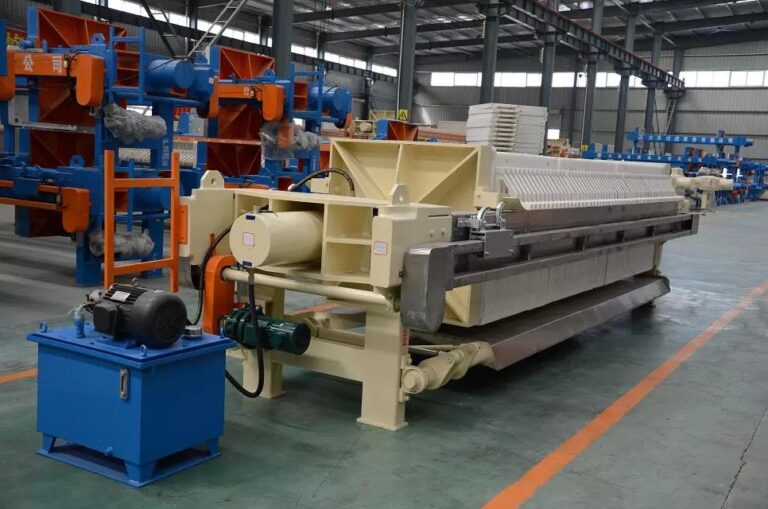
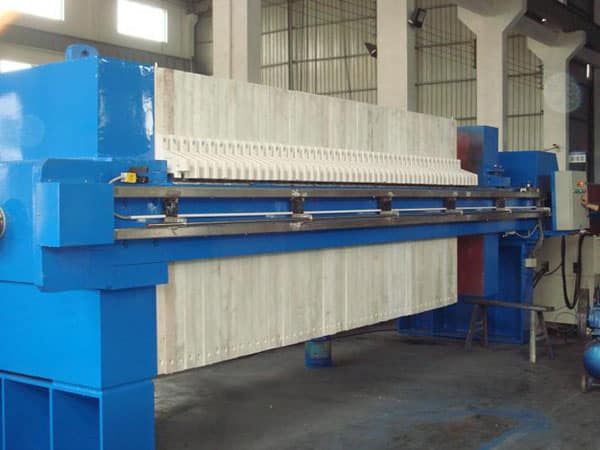
Een pers met verzonken kamers werkt volgens een eenvoudig principe. Slurry wordt in holtes gepompt die tussen de platen zijn gevormd, waarbij de vloeistof onder druk door de filterdoeken wordt geperst. Het proces is volledig afhankelijk van hydraulische druk, die meestal maximaal 6-8 bar bedraagt. Naarmate de koek zich vormt, zorgt de toenemende weerstand ervoor dat de filtratie-efficiëntie sterk afneemt, wat leidt tot lange cycli met een afnemend rendement op droogte. Dit is het fundamentele knelpunt voor samendrukbare materialen of materialen met fijne deeltjes.
Introductie van de tweede fase
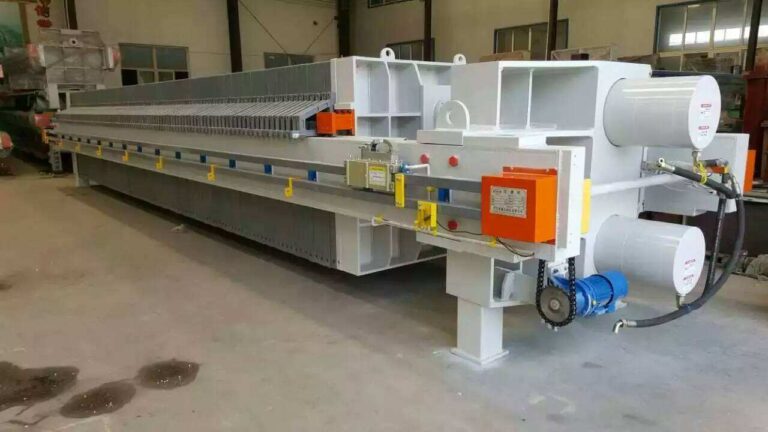
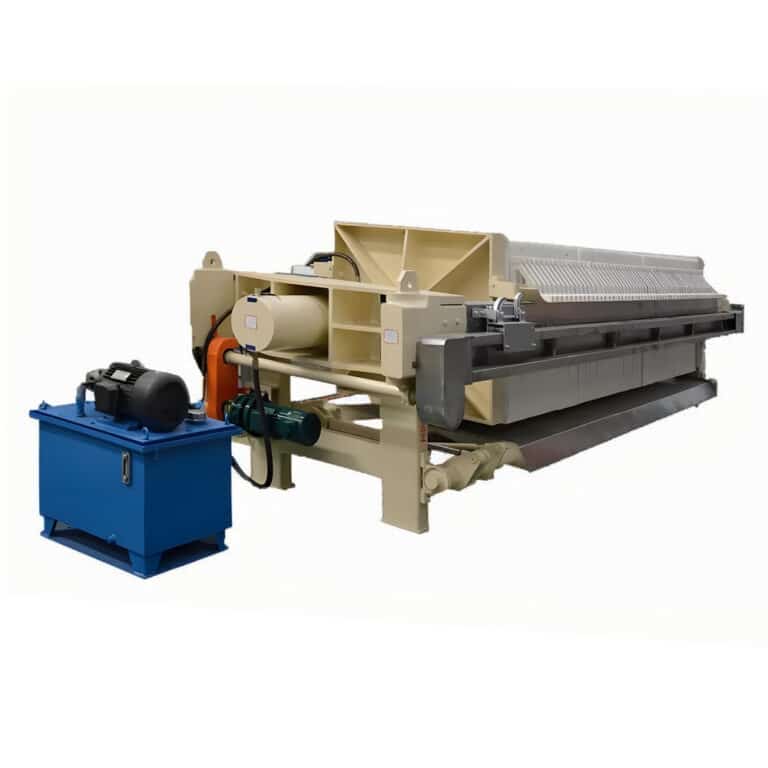
De membraantechnologie introduceert een mechanische compressiefase. Na de eerste filtratievulling wordt een flexibel membraan aan één kant van de kamer opgeblazen met water onder hoge druk (15-17 bar). Hierdoor wordt een gelijkmatige, isostatische druk direct op de vormkoek uitgeoefend. Het belangrijkste verschil is de actie: het is een mechanische druk in plaats van een hydraulische stroom. Deze secundaire fase drijft vocht dat vastzit in de microstructuur van de bekisting met geweld uit - vocht waar alleen de pompdruk niet bij kan.
De operationele niche
Dit tweefasige mechanisme definieert de strategische toepassing van de technologie. Het blinkt uit waar traditionele filtratie op een fysieke grens stuit. Voor gelatineachtige, vezelachtige of sterk samendrukbare slurries kan de extra 15-17 bar mechanische kracht bereiken wat een uur extra pompdruk niet kan. In onze analyse van ontwateringssystemen is de overgang van een drukgestuurd naar een compressiegestuurd proces wat het volgende prestatieniveau ontsluit, in het bijzonder voor doelstellingen op het gebied van afvalminimalisatie of productterugwinning.
Kosten en ROI: Vergelijking van kapitaal- en operationele kosten
De kapitaalpremie begrijpen
De initiële investering voor een membraanfilterpers is ontegensprekelijk hoger. Dit komt door de complexere plaatconstructie, het flexibele membraan zelf en het hulpsysteem dat nodig is voor het persmedium onder hoge druk (pomp, tank, besturing). Door deze kosten geïsoleerd te evalueren, wordt echter het strategische financiële plaatje gemist. De business case is niet gebaseerd op de prijs van de apparatuur, maar op de waarde van wat het verwijdert of terugwint.
De twee primaire ROI-drivers
Het rendement op rechtvaardiging volgt meestal een van de volgende twee paden. De eerste is het vermijden van kosten: het verminderen van afvoerkosten door een drogere, lichtere koek te produceren. Een 30-50% reductie in koekgewicht verlaagt direct de transport- en stortkosten. De tweede is het terugwinnen van waarde: het maximaliseren van de opbrengst van een hoogwaardig filtraat, zoals in de chemische verwerking of voedselproductie. Hier wordt de ROI berekend op het toegenomen product dat wordt opgevangen. De gemengde plaatconfiguratie, waarbij membraan en verzonken platen worden afgewisseld, is een cruciaal compromis in het ontwerp dat deze kosten-prestatiebalans voor veel toepassingen optimaliseert.
Overwegingen met betrekking tot totale eigendomskosten
Een uitgebreide financiële analyse moet verder gaan dan de aankoopprijs. De onderhoudslogistiek heeft een aanzienlijke invloed op de kosten op lange termijn. Platen met verwijderbare rubberen membranen maken afzonderlijke vervanging van onderdelen mogelijk, waardoor de levensduurkosten lager zijn dan bij gelaste polypropyleen membraanontwerpen die volledige vervanging van de plaat vereisen bij defecten. Operationele besparingen door kortere cyclustijden verhogen ook de effectieve doorvoercapaciteit van de fabriek, een factor die moet worden gekwantificeerd in het ROI-model.
| Kostenfactor | Verzonken kamerpers | Drukpers voor membraan |
|---|---|---|
| Initiële kapitaalkosten | Onder | Hoger |
| Operationele besparingen Driver | N.V.T. | 30-50% verlaagd cakegewicht |
| Sleutelconfiguratie | Standaard platen | Gemengd bordenpakket |
| Overweging voor onderhoud | Standaard | Membraantype kritisch |
| TCO-factor op lange termijn | Eenvoudiger systeem | Verwijderbare membranen goedkoper |
Bron: JB/T 4333.2-2016 Kamerfilterpers. Deze norm voor kamerfilterpersen, die ook typen membraanpersen omvat, definieert technische vereisten en inspectieregels die van invloed zijn op zowel de specificaties van kapitaalgoederen als de operationele betrouwbaarheid op de lange termijn, belangrijke factoren in de TCO.
Prestaties krachtmeting: Cyclustijd en vochtreductie
De vochtkloof kwantificeren
Het prestatievoordeel van membraanpersen is niet incrementeel, het is transformatief. Waar een pers met verzonken pers 70% cakevochtigheid kan bereiken na een cyclus van 4 uur, levert een membraanpers routinematig 40-45% cakevochtigheid. Dit komt neer op een vermindering van 30-35 procentpunten. Deze drastische verbetering in droogte verandert de fysieke eigenschappen van de koek fundamenteel, waardoor een slurryachtig residu vaak verandert in een brokkelige, hanteerbare vaste stof. Dit niveau van droogte is vaak de drempel voor kosteneffectieve verwijdering of om te voldoen aan de vereisten voor verwerking verderop in het proces.
Efficiënte cyclustijd
De efficiëntiewinst is niet beperkt tot einddroging. Membraantechnologie verkort de totale cyclus aanzienlijk. Door de primaire filtratiefase eerder te beëindigen - voordat de koekweerstand het doek “verblindt” - en vervolgens efficiënte hogedrukcompressie toe te passen, kan de totale cyclustijd met ongeveer 50% worden teruggebracht. Een proces dat 4 uur duurde, kan nu 2 uur duren. Dit creëert een nieuw operationeel paradigma waarbij de beperkende factor verschuift van ontwateringssnelheid naar mechanische verwerkingssnelheid.
De automatiseringsbehoefte
Deze drastische verkorting van de cyclustijd introduceert een cruciaal inzicht in de implementatie. De snellere cycli van een membraanpers maken het handmatig verschuiven van platen onpraktisch en economisch beperkt. Om de productiviteitswinst ten volle te benutten en de beloofde ROI te behalen, wordt integratie met een automatische plaatwisselaar een economische noodzaak, geen optionele upgrade. De verwerkingscapaciteit van het systeem wordt uiteindelijk bepaald door de afvoersnelheid van de koek.
| Metrisch | Verzonken kamerpers | Drukpers voor membraan |
|---|---|---|
| Typische cyclustijd | 4 uur | ~2 uur |
| Eindvochtigheid cake | ~70% | 40-45% |
| Vochtreductie | Basislijn | 30-35 procentpunten |
| Belangrijke drukbron | Pomp (6-8 bar) | Membraansqueeze (15-17 bar) |
| Kernproces | Enkelfasige filtratie | Vullen en persen in twee fasen |
Bron: GB/T 32709-2016 Testmethode voor filterpers. Deze norm specificeert testmethoden voor belangrijke prestatieparameters zoals filtratiecapaciteit en filterkoekvochtgehalte, wat het kader vormt voor de kwantitatieve vergelijking in deze tabel.
Welke technologie is beter voor uw specifieke mengmest?
Het gedrag van slurry karakteriseren
De selectie is fundamenteel toepassingsafhankelijk. Persen met een verzonken kamer blijven een kosteneffectieve oplossing voor eenvoudige, onsamendrukbare slurries met grote, stijve deeltjes waarbij een gematigde droogte acceptabel is. Hun werking is eenvoudig en betrouwbaar voor deze toepassingen. De membraanperstechnologie vindt zijn kracht waar pompdruk alleen onvoldoende is, specifiek bij samendrukbare, gelatineachtige of fijne deeltjes (<10 micron) slurries. De mechanische compressie overwint het plateau-effect dat bij deze materialen optreedt.
Strategische drijfveren voor toepassingen
De membraanaanpak wordt sterk gerechtvaardigd door twee belangrijke zakelijke drijfveren. De eerste is de beheersing van de hoge downstream afvoerkosten. Een drogere koek betekent een lager gewicht en volume, waardoor de transport- en stortkosten direct dalen. Ten tweede is er de terugwinning van hoogwaardig filtraat, zoals in farmaceutische tussenproducten, edelmetaalkatalysatoren of voedingsproducten. Hier maximaliseert de technologie de opbrengst. Bovendien zijn moderne ontwerpen met een “lege kamer” perscapaciteit robuuster tegen variabele voedseldichtheid en bedieningsfouten, een belangrijke betrouwbaarheidsfactor in batchprocessen.
Beslissingsmatrix voor algemene scenario's
Een praktisch kader stemt de eigenschappen van slurry af op de technologiekeuze. Voor inerte minerale residuen of zandwassen kan een verzonken pers volstaan. Voor afvalwaterzuiveringsslib, voedselverwerkingsafval of chemische neerslag is door de samendrukbaarheid van het materiaal meestal een membraanpers nodig om contractuele of economische droogtedoelstellingen te halen. De mogelijkheid om met variabiliteit om te gaan is een vaak over het hoofd gezien maar cruciaal operationeel voordeel.
| Drijfmestkarakteristiek | Aanbevolen technologie | Primaire rechtvaardiging |
|---|---|---|
| Niet-samendrukbaar, eenvoudig | Verzonken kamerpers | Kosteneffectief voor matige droogheid |
| Samendrukbaar, gelatineachtig | Drukpers voor membraan | Overwint de druklimiet van de pomp |
| Hoogwaardig filtraat | Drukpers voor membraan | Maximaliseert productherstel |
| Hoge afvoerkosten | Drukpers voor membraan | Vermindert het cakegewicht en de kosten |
| Variabele voeromstandigheden | Drukpers voor membraan | Lege kamer capaciteit |
Bron: Technische documentatie en industriespecificaties.
Belangrijke ontwerpfactoren: Plaatconfiguratie en membraantypen
Plaat Pakket Architectuur
De configuratie van de platenstapel is een primaire hefboom voor het ontwerp. Een volledig membraanpakket levert maximale ontwateringskracht, maar tegen de hoogste kapitaalkosten. Het “gemengde pakket” - waarbij membraanplaten strategisch worden afgewisseld met verzonken kamerplaten - is de gangbare industriële oplossing. Het biedt een aanzienlijk deel van het voordeel van ontwatering terwijl de kosten onder controle worden gehouden, wat de technologie toegankelijk maakt voor retrofits en nieuwe installaties waar de ROI positief is maar zorgvuldig moet worden beheerd.
Selectie en onderhoud van membranen
De keuze van het membraanmateriaal heeft directe operationele gevolgen op lange termijn. Gelaste polypropyleen membranen vormen een integraal geheel met de plaat en bieden een zuiver profiel, maar vereisen volledige vervanging van de plaat bij defecten. Verwijderbare rubberen membranen, gemonteerd in een uitsparing, maken het mogelijk om ter plaatse alleen het membraan te vervangen. Dit ontwerp vereenvoudigt het onderhoud, verlaagt de voorraadkosten voor reserveonderdelen en minimaliseert de stilstandtijd. Het nadeel is een iets complexer plaatontwerp in het begin.
Kritische systeemontwerpkeuzes
Twee andere ontwerpfactoren hebben een grote invloed op de veiligheid en prestaties. Ten eerste het persmedium: water wordt uitdrukkelijk aanbevolen boven perslucht. Een breuk in de waterleiding resulteert in een beheersbaar lek; een defect luchtmembraan kan een gevaarlijke explosieve uitstoot veroorzaken. Ten tweede is het ontwerp van de toevoerpoort cruciaal voor effectief persen. Ontwerpen met hoekinvoer zonder pakking bevorderen een gelijkmatig gebruik van het doek over het hele plaatoppervlak tijdens compressie, waardoor spanningsconcentraties worden vermeden die leiden tot voortijdig scheuren van het doek bij ontwerpen met centrale invoer.
| Ontwerpfactor | Opties | Belangrijke overwegingen |
|---|---|---|
| Plaatindeling | Alle membranen, Gemengd pakket | Kosten-prestatieverhouding |
| Type membraan | Gelast polypropyleen, Verwijderbaar rubber | Onderhoudskosten & stilstand |
| Knijpen Medium | Water, Perslucht | Veiligheid (water aanbevolen) |
| Ontwerp invoerpoort | Hoekinvoer, middeninvoer | Uniform doekgebruik |
| Pakking Ontwerp | Niet-afgedicht, Afgedicht | Vermijdt spanningsconcentraties |
Bron: GB/T 28699-2012 Algemene technische specificaties voor drukfilters. Deze overkoepelende norm biedt fundamentele technische en veiligheidsvereisten voor drukfilters, die rechtstreeks van invloed zijn op kritieke ontwerpkeuzes voor membraanafpersingssystemen, zoals drukwaarden en componentspecificaties.
Operationele gevolgen: Onderhoud, ruimte en personeel
De verschuiving van het onderhoudsprofiel
Membraanpersen veranderen het onderhoudsparadigma. Ze introduceren hulpsystemen - de hogedrukwaterpomp, bijbehorende kleppen en bedieningselementen - die gepland onderhoud vereisen naast het standaard filterpersonderhoud. De keuze van het membraantype dicteert echter de dominante onderhoudsactiviteit. Bij verwijderbare membranen ligt de nadruk op periodieke inspectie en vervanging van een verbruiksartikel. Bij gelaste membranen zijn de onderhoudsbeurten minder frequent maar veel kostbaarder.
Voetafdruk en doorvoerbalans
De fysieke voetafdruk van een membraanperssysteem is groter dan die van een gelijkwaardige verzonken pers vanwege de hulppers. Deze benodigde ruimte moet echter worden afgewogen tegen de output van het systeem. De drastische vermindering van het vochtgehalte van de koek betekent aanzienlijk minder vast afval dat ter plaatse moet worden opgeslagen of getransporteerd. Bovendien verhoogt de kortere cyclustijd de effectieve verwerkingscapaciteit per vierkante meter vloeroppervlak, waardoor de extra apparatuurruimte vaak gerechtvaardigd is.
Vereisten voor arbeid en vaardigheden
Het operationele model evolueert. De hoge verwerkingscapaciteit en snelle cycli elimineren het handmatig verschuiven van de platen als een haalbare optie, waardoor automatisering voor het afvoeren van de koek noodzakelijk wordt. Bijgevolg verschuift de personeelsbehoefte van handmatige, arbeidsintensieve functies naar meer technische functies die gericht zijn op systeemtoezicht, procesoptimalisatie en preventief onderhoud. De rol van de operator wordt meer analytisch: hij controleert de cyclusparameters en de consistentie van de koek in plaats van repetitieve fysieke taken uit te voeren.
Membraanvernauwing implementeren: Kritische succesfactoren
Het duidelijke doel bepalen
Een succesvolle implementatie begint met een nauwkeurig procesdoel. Is de belangrijkste drijfveer het vermijden van kosten door lagere verwijderingsbijdragen, of is het het verhogen van de inkomsten door een maximale productterugwinning? Dit onderscheid vormt de gehele ROI-berekening en prestatiemaatstaven. Een project dat gericht is op het terugdringen van stortkosten zal prioriteit geven aan de uiteindelijke droogheid van de koek, terwijl een project dat gericht is op terugwinning kan optimaliseren voor helderheid en opbrengst van het filtraat, waarbij mogelijk een iets hoger vochtgehalte wordt geaccepteerd.
Specificeren voor operationele betrouwbaarheid
De specificaties van de apparatuur moeten verder gaan dan de basisprestatieparameters. Om betrouwbaarheid op lange termijn te garanderen, geeft u de voorkeur aan ontwerpen met hoekaanvoerplaten om een gelijkmatige slijtage van het doek te garanderen en blow-outs te voorkomen. Sta erop dat het membraan in de “lege kamer” kan worden samengedrukt, zelfs als een kamer te weinig wordt gevuld, zodat het membraan wordt beschermd tegen schade door variaties in de toevoer of fouten van de operator. Deze eigenschappen verminderen de ongeplande stilstandtijd direct.
Het volledige systeem integreren
De filterpers is slechts één component. Om de voordelen van de technologie ten volle te kunnen benutten, moet het filtermedium worden geïntegreerd met de juiste filterbesturing. Het belangrijkste is dat een automatische plaatwisselaar geen accessoire is, maar een kernonderdeel van de systeemeconomie. Zonder dit systeem kan de snellere cyclustijd niet worden benut. Denk ook aan de uitgebreide rol van de technologie: wanneer deze geïntegreerd is met het wassen van de koek, maakt het efficiënt wassen van hoogzuivere producten mogelijk voor geavanceerde toepassingen in sectoren zoals batterijmineralen of fijne chemicaliën.
Beslissingskader: De juiste filterpers kiezen
Begin met mest- en doelanalyse
Begin met het rigoureus karakteriseren van uw slurry. Voer tests op schaal uit om de samendrukbaarheid te bepalen en stel een gewenste droogte van de koek vast op basis van de downstreambehoeften - of het nu gaat om een storttariefdrempel of een vochtspecificatie voor thermisch drogen. Over deze gegevens valt niet te onderhandelen. Voor eenvoudige, niet-comprimeerbare ontwatering is een pers met verzonken kamer, zoals veel standaardpersen, geschikt. modellen kamerfilterpers, kan de meest economische weg zijn. Voor samendrukbare materialen wordt de membraantechnologie geëvalueerd.
De volledige levenscyclus berekenen
Ga verder dan een eenvoudige vergelijking van de kapitaalkosten. Stel een Total Cost of Ownership-model op dat de volgende elementen omvat: de kapitaalpremie, de verwachte onderhoudskosten (rekening houdend met het membraantype), operationele besparingen door een lager koekgewicht en lagere afvoerkosten, een hogere waarde door productterugwinning en potentiële inkomsten door een hogere verwerkingscapaciteit van de fabriek. Voor samendrukbare slurries met hoge afvoerkosten of waardevol filtraat biedt de membraanpers vaak een overtuigende netto contante waarde.
Geef prioriteit aan ontwerp voor betrouwbaarheid
Bij het kiezen van een membraanpers zijn technische specificaties die de uptime verbeteren van cruciaal belang. Een hoekinvoerontwerp en de mogelijkheid om lege kamers te gebruiken zijn betrouwbaarheidskenmerken die dure storingen voorkomen. Kies voor verwijderbare membraanontwerpen om de onderhoudskosten op lange termijn te beheersen en de stilstandtijd te minimaliseren. Zie de technologie als een middel voor circulaire economie, waarbij een afvalverplichting wordt omgezet in een stabiele, hanteerbare bron die geschikt is voor hergebruik, terugwinning of correcte verwijdering.
De beslissing hangt af van de samendrukbaarheid van slurry en de financiële waarde van droogheid. Voor samendrukbare materialen levert de membraanperstechnologie een kwantificeerbare sprong voorwaarts op het gebied van prestaties, waarbij het vochtgehalte met 30-50% wordt verlaagd en de cyclustijden worden gehalveerd. De hogere kapitaalkosten worden gerechtvaardigd door besparingen op afvalverwijdering, productterugwinning of een hogere verwerkingscapaciteit. Het succes van de implementatie hangt af van duidelijke doelstellingen, betrouwbaar ontwerp van de apparatuur en geïntegreerde automatisering.
Hebt u professionele begeleiding nodig bij het specificeren van de juiste ontwateringstechnologie voor uw specifieke slurry en operationele doelen? Het ingenieursteam van PORVOO kan je helpen de ROI te modelleren en een systeem te ontwerpen dat voldoet aan je technische en financiële doelstellingen. Voor een gedetailleerd advies kunt u ook Neem contact met ons op.
Veelgestelde vragen
V: Waarin verschilt het ontwateringsmechanisme van een membraanpers fundamenteel van een standaard pers met verzonken kamer?
A: Een verzonken pers gebruikt alleen pompdruk, meestal 6-8 bar, voor filtratie in één fase. Een membraanpers voegt een beslissende tweede fase toe: na de eerste vulling wordt een membraan opgeblazen met water onder hoge druk (15-17 bar) om directe mechanische compressie toe te passen. Dit secundaire persen verdrijft gebonden vocht dat niet door hydraulische druk alleen kan worden verwijderd. Dit betekent dat faciliteiten die samenpersbare, gelatineachtige of fijne deeltjes bevattende slurries verwerken prioriteit moeten geven aan membraantechnologie om de harde droogtegrenzen van traditionele filtratie te overwinnen.
V: Wat zijn de kritieke ontwerpkeuzes voor een effectieve implementatie van membraantechnologie?
A: Belangrijke keuzes zijn onder andere het gebruik van een gemengd platenpakket voor een goede prijs-prestatieverhouding en het kiezen van verwijderbare rubberen membranen in plaats van gelaste membranen om het onderhoud te vereenvoudigen. Voor de veiligheid moet het persmedium water zijn, geen lucht. Hoek-feed, niet-pakking plaat ontwerpen zijn superieur omdat ze gelijkmatig te verdelen knijpen druk over het gehele doek gebied. Voor projecten waar de operationele betrouwbaarheid is van het grootste belang, plan voor ontwerpen met “lege kamer” squeeze mogelijkheid om inconsistente feed omstandigheden aan te pakken. Apparatuur specificaties moeten afstemmen op normen zoals JB/T 4333.2-2016 voor kamerfilterpersen.
V: Wanneer leveren de hogere kapitaalkosten van een membraanfilterpers een gerechtvaardigde ROI op?
A: De investering wordt gerechtvaardigd door twee primaire business cases: een aanzienlijke verlaging van de afvoerkosten via een 30-50% droger afvalkoek, of het maximaliseren van de terugwinning van waarde uit kostbaar filtraat. Operationele besparingen door een lager gewicht van de koek, lagere transportkosten en kortere cyclustijden zorgen voor de terugverdientijd. Als uw bedrijf hoge downstream afvoerkosten heeft of een waardevol product in het filtraat verwerkt, zal een gedetailleerde Total Cost of Ownership-analyse sterk de voorkeur geven aan membraantechnologie boven een pers met verzonken kamers.
V: Hoe verhouden de prestatiecijfers voor cyclustijd en eindvochtgehalte zich tussen de twee technologieën?
A: De prestatiewinst is kwantificeerbaar. Een membraanpers kan zijn cyclus in ruwweg 2 uur voltooien en 40-45% taartvochtigheid bereiken. Een pers met verzonken pers kan 4 uur nodig hebben om slechts 70% vocht te bereiken. Deze 50% snellere cyclus met een verbetering van de droogte van 30-35 procentpunten komt voort uit het vroegtijdig beëindigen van de filtratie en het toepassen van efficiënte hogedrukcompressie. Dit betekent dat als het knelpunt van uw fabriek de doorvoer van de filterpers is, u een automatische plaatverschuiver moet integreren met een membraanpers om volledig te profiteren van deze productiviteitswinst.
V: Met welke operationele gevolgen moeten we rekening houden als we upgraden naar een membraanafperssysteem?
A: Verwacht het beheer van hulpsystemen voor het hogedrukpersmedium, wat extra ruimte en onderhoud vereist. De hoge verwerkingscapaciteit van de technologie vereist een geautomatiseerde koekafvoer om te voorkomen dat er een knelpunt ontstaat. De personeelsbehoefte verschuift van handmatige arbeid naar meer technisch toezicht. Als uw bedrijf de uptime moet maximaliseren, geef dan de voorkeur aan apparatuur met verwijderbare membranen om de reparatiekosten en stilstandtijd te minimaliseren in vergelijking met gelaste ontwerpen waarbij de volledige plaat moet worden vervangen.
V: Welke slurries zijn het meest geschikt voor membraanperstechnologie versus een standaard verzonken pers?
A: De keuze wordt bepaald door de toepassing. Verzonken persen zijn kosteneffectief voor eenvoudige, onsamendrukbare slurries waarbij gematigde droogte volstaat. Membraantechnologie blinkt uit bij samendrukbare, geleiachtige of fijne deeltjes waarbij de pompdruk een grens bereikt. Het is strategisch voor processen met hoogwaardig filtraat of aanzienlijke afvoerkosten. Dit betekent dat installaties die complex industrieel slib, biomaterialen of mineraalconcentraten behandelen membraanpersen moeten evalueren, terwijl installaties met eenvoudige, zanderige sedimenten een verzonken pers geschikt kunnen vinden. Prestatietesten moeten gestandaardiseerde methodes volgen zoals die in GB/T 32709-2016.
V: Wat zijn de kritische succesfactoren voor het implementeren van een membraanafperssysteem naast de aankoop van apparatuur?
A: Voor succes moet duidelijk worden bepaald of het doel is om kosten te vermijden (verwijdering) of om de opbrengst te verhogen (productterugwinning) om het juiste ROI-model op te stellen. Specificeer voor betrouwbaarheid met hoek-feed platen en lege-kamer mogelijkheid. Plan het volledige systeem, met inbegrip van de squeeze medium skid en automatische plaatverschuiving. Tot slot, overweeg de uitgebreide rol in geïntegreerde cake wassen voor hoge zuiverheid herstel. Als uw project is gericht op geavanceerde verwerking van materialen, plan voor deze geïntegreerde wassen functionaliteit vanaf het begin om nieuwe toepassingen mogelijk te maken.