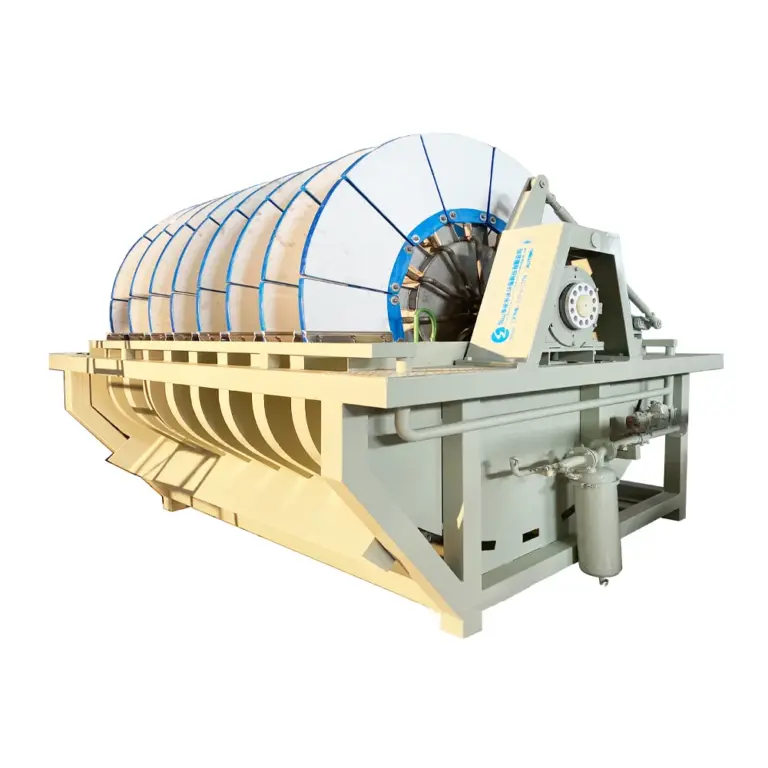
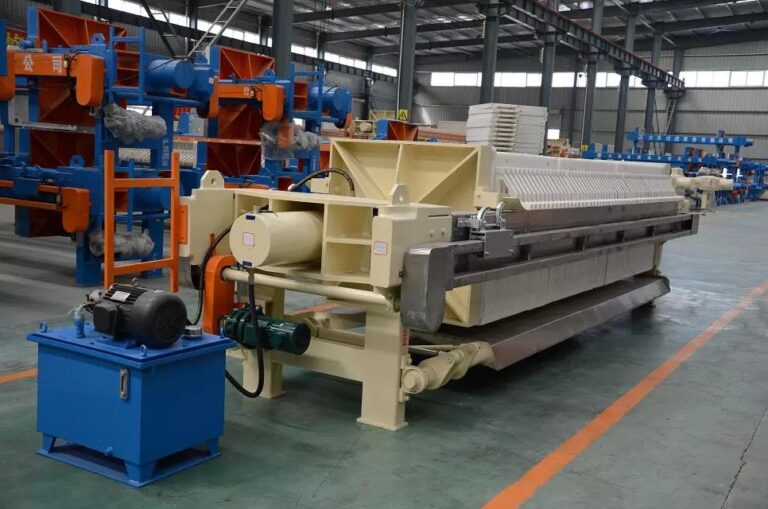
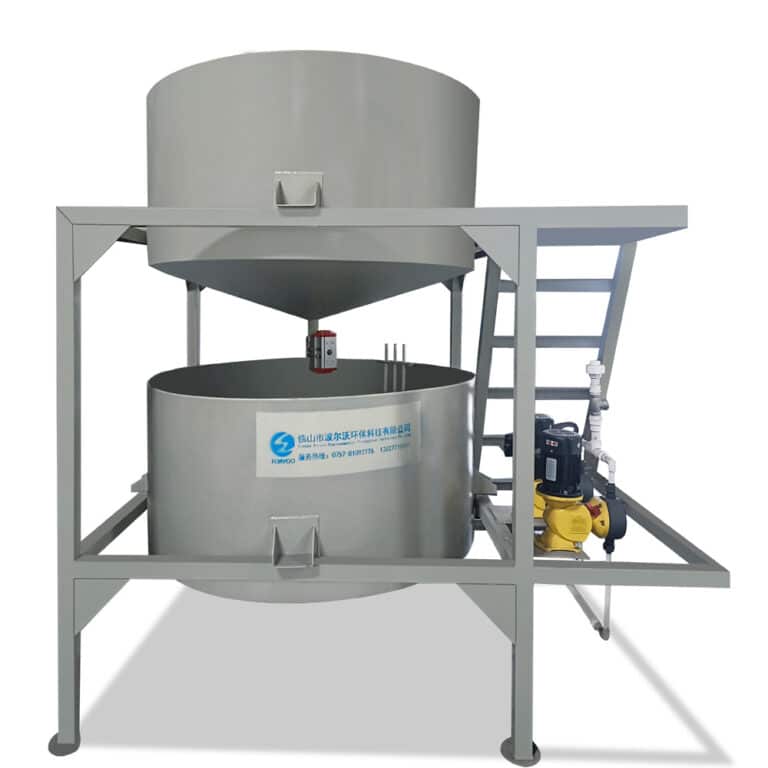
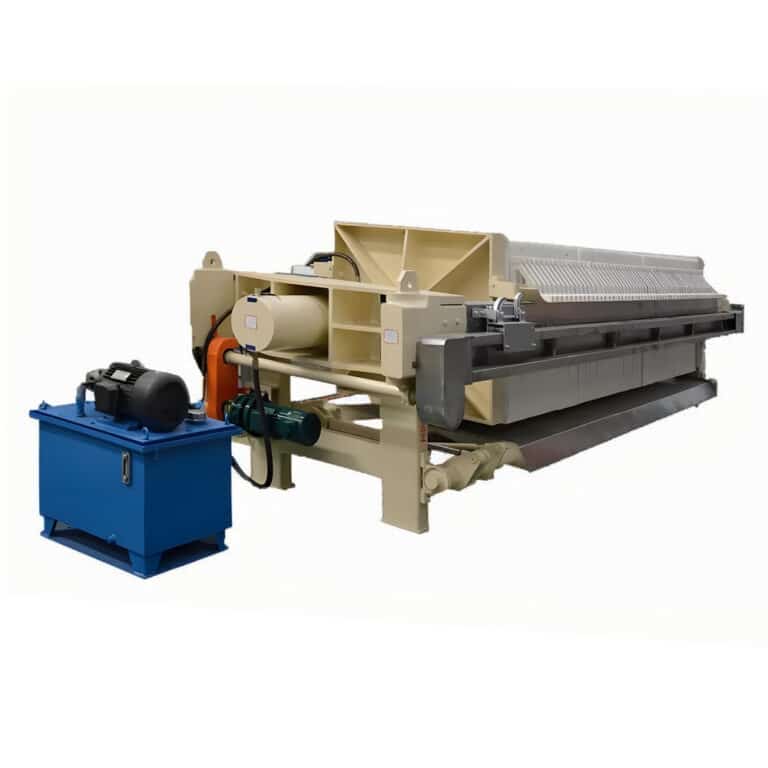
De keuze tussen een volautomatische en handmatige filterpers is meer dan een eenvoudige aanschaf van apparatuur; het is een strategische beslissing die de operationele kosten, arbeidsmodellen en productiecapaciteit voor jaren vastlegt. Het is een strategische beslissing die de operationele kosten, arbeidsmodellen en productiecapaciteit voor jaren vastlegt. De meest voorkomende misvatting is dat de keuze alleen afhangt van het aanloopkapitaal, waarbij de diepgaande impact op de totale eigendomskosten en procesbetrouwbaarheid over het hoofd wordt gezien. Deze beperkte focus kan leiden tot aanzienlijke inefficiënties en verborgen kosten op de lange termijn.
De dringende behoefte aan een duidelijke, gegevensgestuurde vergelijking wordt nog groter door de stijgende arbeidskosten, de strengere regelgeving voor afvalverwerking en het universele streven naar operationele consistentie. Inzicht in de acht belangrijkste verschillen in ROI en arbeidsefficiëntie is essentieel voor fabrieksmanagers, procesingenieurs en inkoopspecialisten om een investering te kunnen doen die aansluit bij zowel de directe behoeften als de toekomstige schaalbaarheid.
Volautomatische vs Handmatige Filterpers: Belangrijkste operationele verschillen
De operationele cyclus definiëren
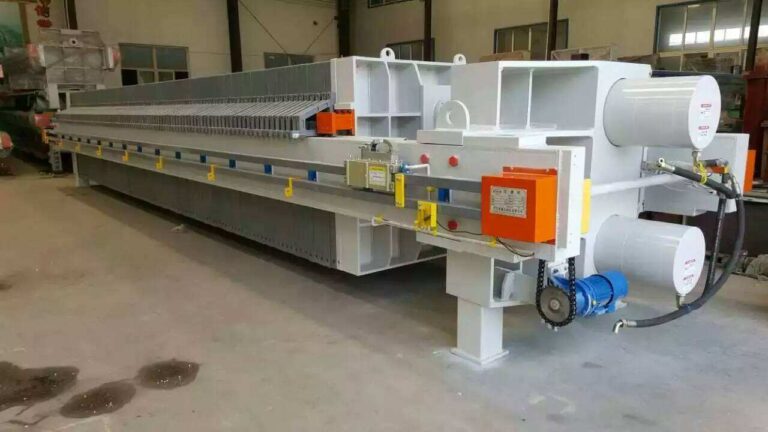
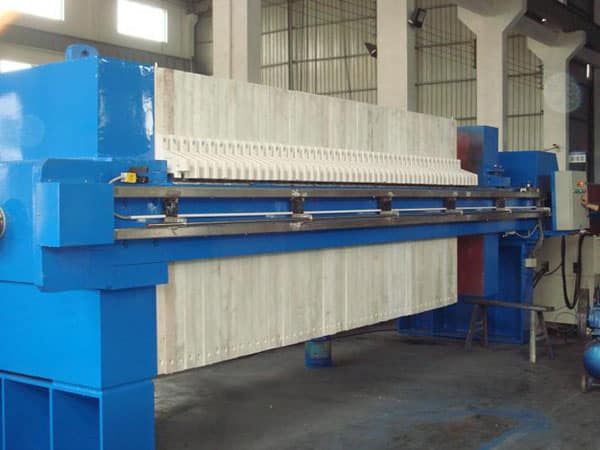
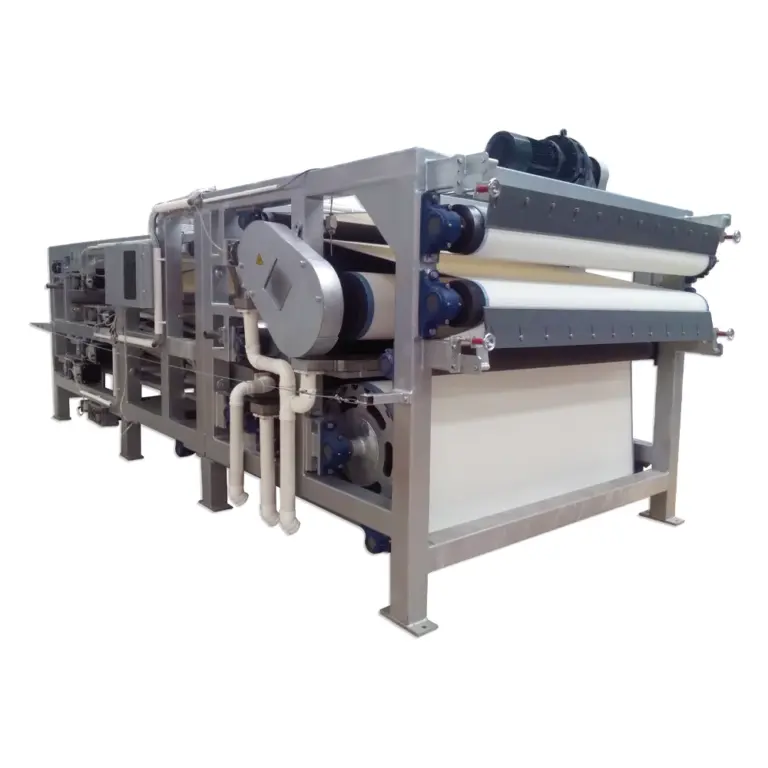
Het belangrijkste verschil ligt in de uitvoering van de ontwateringscyclus. Bij een handmatige pers moet een operator elke stap uitvoeren: platen vastklemmen, de pomp starten, de druk controleren, zware platen handmatig verschuiven voor het lossen en filterkoek uitschrapen. Dit proces is van nature menselijk en variabel. Een volautomatisch systeem daarentegen voert de hele procedure - klemmen, toevoeren, persen, lucht afblazen, platen verschuiven en filterkoek afvoeren - uit via een PLC (Programmable Logic Controller) zonder voortdurende tussenkomst. Deze verschuiving van mens- naar machinegestuurde processen vormt de basis voor alle latere verschillen in efficiëntie en kosten.
Het spectrum van automatisering
Het is cruciaal om te begrijpen dat “volledig automatisch” een spectrum vertegenwoordigt. Systemen kunnen stapsgewijs worden geüpgraded vanuit een handmatige basis. Het is gebruikelijk om eerst een halfautomatische plaatverschuiver of geautomatiseerde pompbesturing te installeren om specifieke knelpunten aan te pakken. Met deze modulaire aanpak kunnen bedrijven hun investering minder riskant maken door de meest arbeidsintensieve of inconsistente stappen aan te pakken voordat ze overgaan tot volledige automatisering. Volgens industrie-experts is deze stapsgewijze strategie vaak financieel het meest verstandig voor bedrijven die hun volume willen vergroten.
Invloed op processtichting
Dit fundamentele operationele verschil herdefinieert de betrouwbaarheid en schaalbaarheid van het proces. De afhankelijkheid van de handmatige cyclus van de vaardigheid en aandacht van de operator zorgt voor variabiliteit in cyclustijd en taartkwaliteit. De geautomatiseerde cyclus, gestuurd door de PLC, dwingt herhaalbaarheid af. We hebben gemerkt dat fabrieken die overgaan op automatisering vaak ontdekken dat eerdere problemen met de productkwaliteit te wijten waren aan inconsistenties in de handmatige filtratiecyclus en niet aan de grondstof zelf.
Investeringskosten versus levenslange ROI: Een gedetailleerde financiële vergelijking
De afweging tussen CapEx en OpEx
De financiële analyse levert een klassiek investeringsdilemma op. Handmatige filterpersen hebben aanzienlijk lagere initiële kapitaalkosten, waardoor ze geschikt zijn voor kapitaalbeperkte projecten of pilotinstallaties. Hun operationele uitgaven zijn echter blijvend hoog vanwege de continue directe arbeid en de beperkte verwerkingscapaciteit. Het volautomatische systeem vraagt een hogere initiële investering, maar de ROI wordt gerealiseerd door aanhoudend lagere operationele kosten gedurende de levensduur. De terugverdientijd wordt rechtstreeks bepaald door het verwerkingsvolume en de lokale arbeidstarieven, waarbij automatisering strategisch gerechtvaardigd blijkt in scenario's met middelgrote tot grote volumes.
De werkelijke ROI berekenen
De belangrijkste ROI-driver voor automatisering is herverdeling van arbeid, niet alleen eliminatie. Automatisering bevrijdt geschoold personeel van repetitieve taken met een lage waarde voor activiteiten met een hogere waarde, zoals procesoptimalisatie, kwaliteitscontrole of het beheren van meerdere eenheden. Dit betekent een aanzienlijke winst aan alternatieve kosten. Secundaire financiële factoren zijn onder meer een geoptimaliseerd verbruik van nutsvoorzieningen door nauwkeurige cycluscontrole, lagere afvalverwijderingskosten door consistent droger gebak en een lagere aansprakelijkheid op lange termijn door verbeterde veiligheid. Een gedetailleerd TCO-model (Total Cost of Ownership) moet deze elementen bevatten om een misleidende vergelijking op basis van alleen de factuurprijs te voorkomen.
| Kostencomponent | Handmatige filterpers | Volautomatische filterpers |
|---|---|---|
| Initiële kapitaalkosten | Aanzienlijk lager | Hogere investering vooraf |
| Primaire OpEx Driver | Doorlopende directe arbeid | Potentieel voor herverdeling van arbeid |
| Secundaire ROI-factoren | Hogere afvoerkosten | Consistente droogte van de cake |
| Bepalende terugverdientijd | Niet typisch van toepassing | Verwerkingsvolume & arbeidstarieven |
| Risicoprofiel op lange termijn | Hogere operationele aansprakelijkheid | Lagere kosten voor veiligheid/aansprakelijkheid |
Bron: Technische documentatie en industriespecificaties.
Welk systeem levert hogere doorvoer en consistentie?
Doorvoer: Beperkt door mensen vs. gemaximaliseerd door machines
De verwerkingscapaciteit wordt direct beperkt door de menselijke snelheid en het menselijke uithoudingsvermogen in een handmatig systeem. Een operator kan slechts één perscyclus per keer uitvoeren, met onderbrekingen tussen de batches voor het handmatig verschuiven en reinigen van de platen. Automatische systemen maximaliseren de doorvoer per shift door snelle, onbemande cycli. Geavanceerde mechanismen voor het verschuiven van de platen en geïntegreerde systemen voor het afvoeren van de koek, zoals transportbanden of schroeftransporteurs die ontworpen zijn om ANSI/CEMA 550-2020 normen, minimaliseren de cyclusintervallen, waardoor meer batches in hetzelfde tijdsbestek mogelijk zijn.
Consistentie: Het kritieke concurrentievoordeel
Consistentie is waar automatisering een beslissend voordeel biedt. Een PLC dwingt precieze parameters af voor de klemdruk, de aanloop van de voedingspomp, de duur van het persen en de blaastijd. Dit elimineert variabiliteit als gevolg van menselijk oordeel of vermoeidheid en zorgt voor een uniforme droogte van de koek en helderheid van het filtraat batch na batch. Het belangrijkste inzicht is dat deze beloofde consistentie afhankelijk is van de geautomatiseerde toevoerregeling, die de initiële doekvervaging voorkomt die vaak optreedt bij handmatige, ongecontroleerde toevoer. Consistente resultaten leiden direct tot voorspelbare afvoerkosten en betrouwbare downstream verwerking.
| Prestatiemeting | Handmatige filterpers | Volautomatische filterpers |
|---|---|---|
| Doorvoer per shift | Beperkt door operator | Maximaal fietsen zonder toezicht |
| Cyclusconsistentie | Menselijke beoordelingsvariabiliteit | PLC-geforceerde nauwkeurige parameters |
| Sleutel Consistentie Afhankelijkheid | Bedieningsprocedure | Geautomatiseerde toevoerregeling |
| Veelvoorkomende verborgen kosten | Onderbewerkte cake, slijtage van het doek | Minimaal door menselijke fouten |
| Effectieve capaciteit | Verminderd door inconsistenties | Gemaximaliseerd en voorspelbaar |
Bron: JB/T 4333.1-2021 Plaat- en framefilterpersen. Deze norm beschrijft de technische vereisten en testmethoden voor de prestaties van filterpersen en biedt de basis voor het evalueren van belangrijke meetgegevens zoals consistentie, doorvoer en operationele parameters die cruciaal zijn voor deze vergelijking.
Arbeidsefficiëntie vergeleken: Directe kosten en herverdelingspotentieel
Het arbeidsmodel transformeren
Arbeidsefficiëntie wordt fundamenteel geherdefinieerd. Bij een handmatig systeem wordt een operator ingezet voor één pers als directe, variabele kostenpost. Het automatische systeem transformeert dit model en heeft alleen personeel nodig voor controle, onderhoud en doekwissels. Deze verschuiving verandert arbeid van een kostenpost in een strategisch bedrijfsmiddel. De vrijgekomen operators kunnen worden ingezet voor het beheer van meerdere geautomatiseerde eenheden of voor het uitvoeren van taken met toegevoegde waarde. De strategische implicatie voor het rechtvaardigen van automatisering is het berekenen van deze volledige opportuniteitskosten, niet alleen de directe loonbesparingen.
De vaardigheidsverschuiving en risico-overdracht
Door automatisering verschuift het operationele risico van menselijke fouten naar systeembetrouwbaarheid. Dit vereist een parallelle investering in hogere onderhoudsvaardigheden om PLC's, sensoren en actuatoren te beheren. De afhankelijkheid verschuift van procedurele training naar technische probleemoplossing. Onze ervaring is dat succesvolle automatiseringsprojecten altijd een plan bevatten voor het bijscholen van onderhoudsteams of het verkrijgen van betrouwbare partnerschappen voor technische ondersteuning om met de nieuwe storingen van elektromechanische systemen om te gaan.
| Arbeidsaspect | Handmatige filterpers | Volautomatische filterpers |
|---|---|---|
| Vereiste operator | Constante aanwezigheid per pers | Alleen bewaking en onderhoud |
| Arbeidsmodel | Directe kostenplaats | Strategische herbestemming van activa |
| Primaire efficiëntiewinst | Niet van toepassing | Opportuniteitskosten van vrijgekomen arbeid |
| Operationeel risico Bron | Menselijke fout | Betrouwbaarheid van het systeem |
| Vereiste vaardigheidsverschuiving | Mechanische behandeling | Onderhoud van PLC's en sensoren |
Bron: Technische documentatie en industriespecificaties.
Veiligheid, ergonomie en operationeel risico op lange termijn
Interacties met een hoog risico elimineren
Automatische systemen bieden een superieur veiligheidsprofiel doordat de operator niet in direct contact komt met bewegende platen, zware onderdelen en het punt waar de koek wordt afgevoerd. Taken zoals het handmatig verschuiven van de platen en het schrapen van de koek - vaak bronnen van spier- en skeletletsel en mogelijke blootstelling aan proceschemicaliën of aërosolen - worden geëlimineerd. Deze risicovermindering is een samengestelde ROI-factor die vaak niet wordt meegenomen in de eerste berekeningen, maar die een aanzienlijke verlaging van de operationele kosten en aansprakelijkheidskosten op lange termijn vertegenwoordigt.
Het ergonomie- en retentiedividend
De vermindering van fysieke belasting en letsel door herhaalde bewegingen draagt direct bij aan een hoger moreel en behoud van personeel. Het handmatig bedienen van filterpersen is fysiek veeleisend, wat vaak leidt tot een hoger verloop in deze functies. Het automatiseren van deze taken zorgt voor een veiligere, duurzamere werkomgeving. Dit ergonomische voordeel, hoewel moeilijk te kwantificeren op een spreadsheet, verlaagt de verborgen kosten in verband met werving, training en productiviteitsverlies door letsel.
Onderhoudseisen en voorspelbaarheid: Een zij-aan-zij blik
Reactieve vs. voorspellende onderhoudspatronen
De aard van het onderhoud verschilt aanzienlijk. Handmatige persen hebben minder complexe onderdelen, maar kennen een hogere slijtage van mechanische onderdelen zoals handhydraulische pompen en handgrepen door veelvuldige, vaak krachtige, menselijke interactie. Onderhoud is meestal reactief. Automatische systemen hebben extra componenten (elektromagnetische kleppen, naderingssensoren, motoren) die regelmatig elektrisch en mechanisch onderhoud vereisen. Dit onderhoud is echter voorspelbaarder en kan gepland worden tijdens geplande stilstand, waardoor productieonderbrekingen geminimaliseerd worden.
Systeembeveiliging en nieuwe afhankelijkheden
Het geautomatiseerde systeem beschermt zichzelf met veiligheidsvergrendelingen en sequentiecontroles en voorkomt kostbare schade door een fout van de operator, zoals een poging om de pers onder druk te openen. Deze automatisering creëert echter een nieuwe afhankelijkheid van de betrouwbaarheid van het systeem en technische ondersteuning. Het risico verschuift van menselijke procedurefouten naar technische componentfouten. Dit onderstreept het belang van het selecteren van apparatuur met toegankelijke diagnostiek en het samenwerken met een leverancier die in staat is om de elektronische en softwareonderdelen van het systeem gedurende de gehele levenscyclus te ondersteunen.
| Onderhoudskenmerk | Handmatige filterpers | Volautomatische filterpers |
|---|---|---|
| Complexiteit van onderdelen | Minder complexe onderdelen | Magneetventielen, sensoren, PLC's |
| Slijtage Oorzaak | Frequente menselijke interactie | Geplande elektrische/mechanische cycli |
| Onderhoudspatroon | Vaak reactief | Voorspelbare, geplande stilstand |
| Schade voorkomen | Beperkt, gevoelig voor fouten | Veiligheidsvergrendelingen en zelfbescherming |
| Belangrijke afhankelijkheid | Bedieningsprocedure | Partnerschappen voor technische ondersteuning |
Bron: ANSI/CEMA 550-2020 Schroeftransporteurs. Deze norm legt veiligheids- en ontwerpeisen vast voor geautomatiseerde materiaaltransportcomponenten zoals schroeftransporteurs, die een integraal onderdeel vormen van geautomatiseerde filterperssystemen en het onderhouds- en betrouwbaarheidsprofiel beïnvloeden.
Ideale gebruikssituaties: Wanneer kiezen voor handmatig vs. automatisch
De strategische niche voor handmatige persen
De keuze gaat niet over technologische superioriteit maar over operationele geschiktheid. Handmatige filterpersen behouden een strategische niche. Ze zijn ideaal voor proefopstellingen, O&O-faciliteiten of batchproductie van chemische stoffen met sterk wisselende slibtypes waarbij de operator de dikte van de filterkoek of de cyclusparameters vaak moet aanpassen. Ze zijn ook geschikt voor locaties met een zeer beperkt kapitaal en een overvloed aan goedkope arbeidskrachten, of voor toepassingen met een extreem lage jaarlijkse verwerkingscapaciteit waar automatisering niet gerechtvaardigd is.
Het domein van volledige automatisering
Volautomatische systemen zijn ontworpen voor toepassingen waar een maximale verwerkingscapaciteit, minimale bedrijfskosten op lange termijn en consistente resultaten van het grootste belang zijn. Ze blinken uit in continue ontwateringstoepassingen met hoge volumes, zoals gemeentelijke afvalwaterbehandeling, grootschalige mijnbouw of voedselverwerking. De volwassen vervangingsmarkt voor het achteraf uitrusten van handmatige persen met automatische componenten creëert ook een hybride pad, waardoor oudere machines gedeeltelijk geautomatiseerd kunnen worden en hun levensduur kosteneffectief kan worden verlengd, een praktische oplossing voor veel fabrieksupgrades.
| Toepassingsscenario | Aanbevolen systeem | Primaire rechtvaardiging |
|---|---|---|
| Pilootschaal, kleine volumes | Handmatig | Flexibiliteit weegt zwaarder dan snelheid |
| Variabele slibtypes | Handmatig | Instelbare taartdikte |
| Kapitaalbeperkt, arbeid in overvloed | Handmatig | Lagere initiële investering |
| Continu ontwateren met hoog volume | Volledig automatisch | Doorvoer maximaliseren, OpEx minimaliseren |
| Oude activa upgraden | Hybride (Retrofit) | Rendabele gedeeltelijke automatisering |
Bron: GB/T 10894-2021 Scheidingsmachines. Deze norm voorziet in gemeenschappelijke technische vereisten voor scheidingsmachines, inclusief filtratieapparatuur, en biedt een fundamenteel kader voor het evalueren van de geschiktheid en het toepassingsgebied van verschillende systeemtypes.
De juiste filterpers selecteren: Een beslissingskader voor kopers
Kwantificeer het volume en voer een TCO-analyse uit
Ga van specificaties naar strategische afstemming. Ten eerste, kwantificeer rigoureus de huidige en verwachte slibvolumes, aangezien doorvoer de primaire ROI-driver is. Voer ten tweede een analyse uit van de totale eigendomskosten over een periode van 5-10 jaar. Houd rekening met directe arbeid, nutsvoorzieningen, afvoerkosten (direct gekoppeld aan de droogte van de koek), onderhoud en gekwantificeerde veiligheids-/aansprakelijkheidsrisico's. Dit TCO-model zal de huidige en verwachte slibvolumes onthullen. Dit TCO-model zal het werkelijke kostenverschil tussen de twee opties onthullen.
Interne mogelijkheden en toekomstige behoeften beoordelen
Ten derde, voer een eerlijke beoordeling uit van de interne capaciteiten. Heeft uw onderhoudsteam de vaardigheden om PLC's en sensoren te ondersteunen of bent u afhankelijk van externe service? Ten vierde, evalueer de behoefte aan operationele flexibiliteit versus productconsistentie. Zeer variabele batchprocessen kunnen nog steeds de voorkeur geven aan handmatige besturing. Ten slotte moet u rekening houden met de strategie van de leverancier en de toegankelijkheid van gegevens. Zorg ervoor dat het gekozen automatische systeem open gegevensprotocollen biedt voor toekomstige analyses en Industrie 4.0-integratie, in plaats van een propriëtaire lock-in te creëren voor onderdelen en service. Voor activiteiten die klaar zijn om op te schalen, is het verkennen van een modern volautomatisch filterperssysteem is een logische stap in deze evaluatie.
De beslissing is gebaseerd op drie kernpunten: het onmiskenbare economische voordeel op lange termijn van automatisering voor toepassingen met middelgrote tot grote volumes, de cruciale verschuiving van arbeid van een directe kostenpost naar een strategisch bedrijfsmiddel en de onvoorwaardelijke eis van consistentie in moderne industriële processen. Voor activiteiten waarbij het volume dit rechtvaardigt, is de hogere initiële investering in automatisering een strategische hefboom om de operationele kosten en risico's tijdens de levensduur te verminderen.
Hebt u professionele begeleiding nodig om de ROI voor uw specifieke toepassing te modelleren of om betrouwbare automatiseringsoplossingen te verkennen? Het ingenieursteam van PORVOO is gespecialiseerd in het vertalen van deze operationele kaders naar filtratiestrategieën op maat. Neem contact met ons op om uw projectparameters en procesgegevens te bespreken.
Veelgestelde vragen
V: Hoe zorgt een volautomatische filterpers voor een consistentere droogte van de koek dan een handmatige pers?
A: Consistentie komt voort uit de nauwkeurige besturing door de PLC van de gehele ontwateringscyclus, inclusief klemkracht, aanvoerpompstijging en afblaasduur. Dit elimineert de variabiliteit die het gevolg is van menselijk oordeel of vermoeidheid bij handmatige werkzaamheden. Voor projecten waarbij een consistente droging van de koek direct van invloed is op de afvoerkosten of de verwerking stroomafwaarts, moet een geautomatiseerd systeem met geïntegreerde toevoerregeling worden gepland om doekvermenging te voorkomen en uniforme resultaten te garanderen.
V: Wat is de werkelijke financiële rechtvaardiging voor de hogere kapitaalkosten van een automatische filterpers?
A: De rechtvaardiging is een verschuiving van hoge kapitaaluitgaven naar lagere operationele kosten gedurende de levensduur. Hoewel de initiële aankoopprijs hoger is, levert automatisering ROI op door een duurzame herverdeling van arbeid, een geoptimaliseerd gebruik van nutsvoorzieningen en minder afval door consistente prestaties. Dit betekent dat faciliteiten met middelgrote tot grote verwerkingsvolumes een analyse van de totale eigendomskosten moeten uitvoeren die ook de alternatieve arbeidskosten omvat, en niet alleen de directe loonbesparingen, om de terugverdientijd nauwkeurig te modelleren.
V: Welke technische normen zijn het meest relevant voor het beoordelen van het kernontwerp en de veiligheid van een filterpers?
A: De meest directe standaard is JB/T 4333.1-2021 Plaat- en framefilterpersen, waarin technische eisen en testmethoden worden gespecificeerd. Bredere veiligheids- en prestatierichtlijnen voor scheidingsmachines zijn te vinden in GB/T 10894-2021 Scheidingsmachines. Dit betekent dat uw leveranciersselectie en apparatuurkwalificatieproces moet controleren of aan deze normen wordt voldaan om fundamentele ontwerpintegriteit en operationele veiligheid te garanderen.
V: Waarin verschillen onderhoudsstrategieën tussen handmatige en automatische filterpersen?
A: Handmatig personderhoud is vaak reactief, waarbij slijtage aan handgrepen en handmatige hydraulische pompen door veelvuldig gebruik wordt aangepakt. Automatische systemen vereisen gepland, voorspellend onderhoud voor onderdelen zoals PLC's, sensoren en magneetkleppen, maar hun vergrendelingen voorkomen door de operator veroorzaakte schade. Als uw bedrijf een hoge betrouwbaarheid van het systeem vereist, moet u investeren in de technische vaardigheden of ondersteunende partnerschappen die nodig zijn om de elektronica en het gegevensgestuurde onderhoud van een geautomatiseerde eenheid te beheren.
V: Wanneer blijft een handmatige filterpers de strategisch juiste keuze boven een automatisch systeem?
A: Handmatige persen zijn ideaal voor flexibele toepassingen met kleine volumes, zoals proefprocessen, batchprocessen met zeer variabel slib of locaties waar het kapitaal beperkt is en arbeid gemakkelijk beschikbaar is. De operationele flexibiliteit weegt in deze scenario's zwaarder dan de behoefte aan geautomatiseerde snelheid. Dit betekent dat faciliteiten die aanpasbaarheid belangrijker vinden dan maximale doorvoer voor onregelmatige of kleinschalige ontwatering een handmatig systeem moeten overwegen.
V: Wat moeten we als prioriteit stellen bij een leverancier voor een automatische filterpers om toekomstige operationele lock-in te voorkomen?
A: Geef de voorkeur aan leveranciers die open gegevenstoegankelijkheid bieden vanuit de PLC en besturingseenheden voor toekomstige analyses en verduidelijk hun beleid ten aanzien van het betrekken van componenten versus bedrijfseigen onderdelen. De trend in de industrie gaat in de richting van kant-en-klare oplossingen, wat afhankelijkheid voor service en vervanging kan creëren. Als uw langetermijnstrategie waarde hecht aan onderhoudsflexibiliteit en Industrie 4.0-integratie, zorg er dan voor dat de architectuur van het systeem dit vanaf het begin ondersteunt.
V: Welke invloed hebben geautomatiseerde materiaaltransportcomponenten, zoals schroeftransporteurs, op de totale systeemkeuze?
A: Geïntegreerde transportbanden voor toevoer of afvoer van koek zijn essentieel om de voordelen van automatisering op het gebied van arbeid en doorvoer ten volle te benutten. Het ontwerp en de veiligheid moeten voldoen aan normen zoals ANSI/CEMA 550-2020 Schroeftransporteurs. Dit betekent dat je een automatisch systeem niet alleen moet beoordelen op de pers zelf, maar ook op de betrouwbaarheid en integratie van alle geautomatiseerde subsystemen voor materiaalverwerking.