Het kiezen van het juiste industriële stofafscheidingssysteem is een technische en financiële beslissing waarbij veel op het spel staat. De keuze tussen patroon- en doekenfiltertechnologie wordt vaak te simpel voorgesteld, wat leidt tot kostbare verschillen in prestaties, onderhoud en totale eigendomskosten. Een verkeerd begrip van de belangrijkste verschillen in filtratie kan ertoe leiden dat bedrijven vast komen te zitten in een cyclus van inefficiëntie en onverwachte operationele kosten.
Deze beslissing is cruciaal nu de regelgeving voor luchtkwaliteit strenger wordt en operationele efficiëntie van het grootste belang wordt. Een systeem dat geoptimaliseerd is voor uw specifieke stofprofiel en faciliteitsbeperkingen is niet langer een luxe, maar een noodzaak voor naleving, productiviteit en kostenbeheersing. De volgende analyse snijdt door de ruis heen met een gegevensgestuurde vergelijking van zeven cruciale prestatieverschillen.
Patroon vs Zakkenfilter: Het verschil in kernfiltratie definiëren
De fundamentele ontwerpafwijking
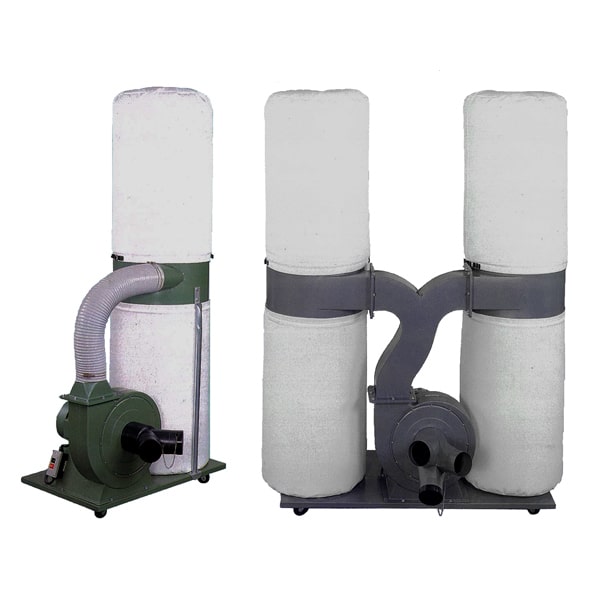
Het volledige prestatieprofiel van een stofafscheider komt voort uit het ontwerp van het filterelement. Zakkenhuissystemen maken gebruik van lange, cilindrische stofzakken - meestal geweven of gevilt - ondersteund door draadkooien. Patroonafscheiders gebruiken compacte, cilindervormige elementen gemaakt van dicht geplooide synthetische media. Deze geplooide structuur zorgt voor een veel groter filtratieoppervlak binnen een kleiner fysiek omhulsel. Het resultaat is een lagere lucht-doek verhouding voor patronen, een belangrijke ontwerpparameter. Dit kernverschil dicteert hun volledige toepassingsgeschiktheid. De dichte plooien van de cartridge zijn ontworpen voor fijn stof, terwijl de stofmatrix van de zak grovere deeltjes aankan. Dit leidt direct tot Inzicht 1: Deeltjesgrootte bepaalt de keuze van primaire technologie, waardoor de initiële keuze de meest kritieke determinant is voor de efficiëntie van het systeem op lange termijn.
Hoe ontwerp de toepassing stuurt
Het fysieke ontwerp dicteert het mechanische gedrag. Zakkenfilters buigen tijdens de pulse-jet reinigingscyclus, waardoor de stofkoek van het stofoppervlak afbreekt. Patronenfilters ondergaan een omgekeerde luchtstroom door hun statische plooien. Dit reinigingsmechanisme beïnvloedt welke soorten stof ze effectief vrijlaten. Verder, Inzicht 2: Ruimtegebrek dwingt tot een kritiek ontwerpcompromis is hier duidelijk. Het compacte karakter van de cartridge is een direct resultaat van de geplooide media, waardoor installatie in omgevingen met beperkte ruimte mogelijk is, waar de verticale zaklengte van een baghouse onbetaalbaar is. De keuze gaat niet alleen over filtratie; het gaat over het integreren van de technologie in de fysieke en operationele realiteit van uw faciliteit.
De invloed op de levensduur van het systeem
Het elementontwerp beïnvloedt ook de gevoeligheid voor slijtage en defecten. Patroonplooien kunnen kwetsbaar zijn voor slijtage door grote, scherpe deeltjes, terwijl het stof van zakkenfilters minder effectief kan zijn in het vormen van een stabiele, doorlaatbare stofkoek met fijne poeders. In onze ervaring met het evalueren van systemen in verschillende industrieën, hebben we ontdekt dat het verwaarlozen van deze compatibiliteit de meest voorkomende reden is voor vroegtijdige uitval van filters en stijgende onderhoudskosten. Selecteren tegen de stroom in van de fysieke eigenschappen van het stof garandeert ondermaatse prestaties.
Kostenvergelijking: Kapitaalinvestering versus totale gebruikskosten
Inzicht in de afweging tussen CapEx en OpEx
De financiële analyse vereist verder kijken dan de factuur. Cartridge-systemen hebben doorgaans lagere initiële kapitaalkosten (CapEx) en een snellere installatie, wat aantrekkelijk is voor projecten met krappe budgetten of dringende tijdslijnen. Zakkenhuis-systemen vragen meestal een hogere initiële investering vanwege de grotere structurele voetafdruk en vereisten voor de behuizing. Deze eerste momentopname is echter misleidend. Het echte financiële plaatje wordt gevormd door de Total Cost of Ownership (TCO), die het energieverbruik, onderhoudswerk en filtervervangingscycli gedurende de levensduur van het systeem omvat.
Operationele uitgaven op lange termijn analyseren
Zakkenfilters hebben, wanneer ze worden toegepast op geschikte toepassingen voor grof stof, vaak een langere levensduur dan cartridges. Dit kan leiden tot aanzienlijk lagere verbruikskosten op lange termijn, wat de hogere CapEx compenseert. Dit belichaamt Inzicht 5: Total Cost of Ownership onthult een belangrijke financiële afweging. Een systeem met een lage stickerprijs maar hoge, frequente vervangingskosten kan een financiële last worden. Omgekeerd kan een te grote investering in een doekenfilter voor een fijnstoftoepassing kapitaalverspilling zijn vanwege een ongebruikte levensduur en hogere energiekosten vanwege een minder optimale lucht/doek-verhouding.
De volgende tabel toont de belangrijkste financiële verschillen:
Kostenfactoranalyse
| Kostenfactor | Patroon systeem | Zakkenhuis-systeem |
|---|---|---|
| Initiële kapitaalkosten (CapEx) | Onder | Hoger |
| Installatiesnelheid | Sneller | Langzamer |
| Levensduur filter | Kortere | Langer |
| Verbruikskosten op lange termijn (OpEx) | Hoger | Onder |
| Ideaal financieel scenario | Krap budget, snelle inzet | Groot volume, grof stof |
Bron: Technische documentatie en industriespecificaties.
Filtratie efficiëntie vergeleken: Prestaties fijn stof vs grove deeltjes
Efficiëntie is een functie van de deeltjesgrootte
Beweren dat een systeem “efficiënter” is, is technisch onjuist zonder de deeltjesgrootte te specificeren. Filtratie-efficiëntie is fractioneel. Patronenfilters, met hun dichte, geplooide media, blinken uit in het afvangen van fijne, droge deeltjes en hebben vaak een hoge efficiëntie tot 0,3 micron. Ze hebben de voorkeur voor rook, rook en fijne poeders zoals toner of farmaceutische ingrediënten. Zakkenfilters hebben ook een >99,9% efficiëntie, maar zijn over het algemeen geoptimaliseerd voor grotere, grovere of vezelige stofdeeltjes, meestal 5 micron en groter.
De wettelijke drijfveer voor fijnfiltratie
Dit verschil in prestaties heeft directe gevolgen voor de naleving. Naarmate de normen voor sub-microndeeltjes (zoals respirabel kristallijn silica) strenger worden, wordt de inherente kracht van cartridge-technologie een voordeel voor de regelgeving. Inzicht 9: Regelgeving zal het gebruik van cartridges in specifieke sectoren bevorderen is een toekomstgerichte overweging. Als een doekenfilter wordt gekozen voor een toepassing die veel PM2.5 of PM1 genereert, kan het nodig zijn om extra filtratietrappen te kiezen of vaker onderhoud uit te voeren om aan de veranderende normen te voldoen, waardoor de TCO-voordelen afnemen.
De onderstaande gegevens illustreren de prestatiedoelstellingen van elke technologie:
Filtratieprestaties per deeltjesgrootte
| Prestatiemeting | Patronenfilter | Zakkenfilter |
|---|---|---|
| Optimale deeltjesgrootte | Sub-micron, fijn stof | 5+ micron, grof stof |
| Typische efficiëntie | >99,9% (fijne deeltjes) | >99,9% (grove deeltjes) |
| Doeldeeltjestype | Dampen, rook, fijne poeders | Houtkrullen, mineraal stof |
| Effectief vangbereik | Tot ~0,3 micron | Grotere, vezelige deeltjes |
Bron: ASHRAE 52.2-2017 Methode voor het testen van algemene ventilatieluchtreinigingsapparatuur (https://webstore.ansi.org/standards/ashrae/ashrae522017). Deze norm biedt de testmethode (MERV) om de verwijderingsefficiëntie van deeltjesgrootte van luchtreinigingsapparaten te bepalen en te vergelijken, wat essentieel is voor het evalueren van de beweringen over de fractionele efficiëntie van patroon- en doekenfiltercollectoren.
Welk systeem heeft een beter grondoppervlak en meer flexibiliteit bij de installatie?
De ruimtelijke eisen van elke technologie
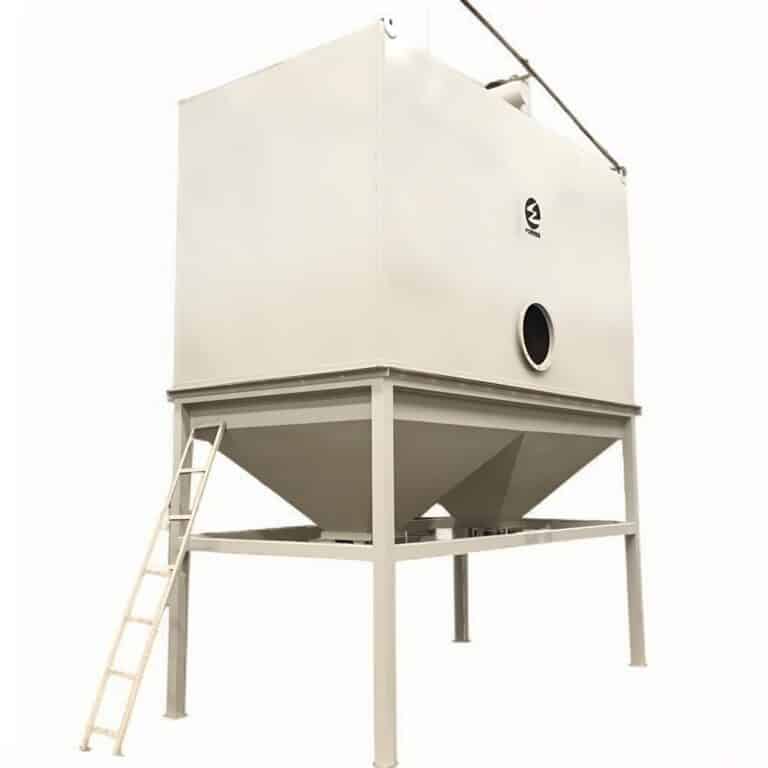
Fysieke ruimte is een niet-onderhandelbare beperking. Patroonafscheiders hebben een definitief voordeel, met een compact, vaak modulair ontwerp dat installatie binnenshuis, op tussenverdiepingen of in krappe ruimtes naast procesapparatuur vergemakkelijkt. Zakkenfiltercollectoren hebben een aanzienlijke verticale ruimte nodig voor de lengte van de filterzakken (vaak 6 voet of meer) en hun ondersteunende structuur, waardoor ze vaak buiten moeten worden geplaatst of in een speciale, hoge ruimte binnen.
Lay-out en logistieke implicaties
Deze ruimtelijke dynamiek beïnvloedt meer dan alleen de plaatsing. Het beïnvloedt het ontwerp van het kanaalwerk, de materiaalbehandeling voor het verzamelde stof en de toegang voor onderhoud. De kleinere voetafdruk van een cartridge-systeem maakt gedecentraliseerde stofafzuiging mogelijk, waarbij de eenheden dichter bij de emissiebronnen worden geplaatst om het aantal kanalen en statische drukverliezen te beperken. De logistieke realiteit van Inzicht 2: Ruimtegebrek dwingt tot een kritiek ontwerpcompromis betekent dat faciliteiten zonder veel ruimte de kosten voor het bouwen van aanpassingen voor een doekenfilter veel hoger liggen dan de mogelijke besparingen op de levensduur van de filter, waardoor het filterpatroon de enige haalbare optie is.
De vergelijkende ruimtelijke vereisten zijn duidelijk:
Vergelijking van voetafdruk en installatie
| Ruimtelijke overwegingen | Patroonverzamelaar | Zakkenhuis-verzamelaar |
|---|---|---|
| Fysieke voetafdruk | Compact, modulair | Aanzienlijk groter |
| Typische hoogtevereiste | Onder | Hoog (6+ ft zakken) |
| Primaire installatielocatie | Binnen, tussenverdieping, krappe ruimtes | Buiten of speciale ruimte |
| Lay-out flexibiliteit | Hoog | Laag |
Bron: Technische documentatie en industriespecificaties.
Onderhoud en operationele arbeid: Cartridge vervangen vs. onderhoud aan baghouse
Veiligheid en arbeidsintensiteit in onderhoud
Onderhoudsprotocollen hebben een directe invloed op operationele risico's en kosten. Patronenfilters worden meestal vervangen vanaf de schone-luchtzijde van de stofafscheider in een relatief gereedschapsloos proces. Dit isoleert het onderhoudspersoneel van blootstelling aan het verzamelde stof. Onderhoud aan filterzakken is arbeidsintensiever en vereist vaak toegang tot het plenum voor vuile lucht om zwaardere zakken en metalen kooien te hanteren, waardoor het blootstellingsrisico toeneemt, vooral bij gevaarlijk stof.
De verborgen kosten van onderdelenstrategie
Dit operationele verschil onderstreept Inzicht 3: Onderhoudsprotocol heeft directe invloed op veiligheid en kosten van arbeid. Voor toxische of kankerverwekkende stoffen kan het veiliger vervangen van het patroon de complexiteit van de veiligheidstraining en de potentiële aansprakelijkheid verminderen. Inkoop moet echter waakzaam zijn voor Inzicht 8: een strategie om vast te zitten aan een leverancier is een verborgen kostenpost op lange termijn. Sommige OEM's ontwerpen eigen filterpatronen, waardoor een afgeschermde markt ontstaat voor vervangingen tegen te hoge prijzen. Het specificeren van systemen die gebruik maken van gestandaardiseerde, commercieel verkrijgbare filterafmetingen is een kritieke strategie voor het beheersen van de OpEx op lange termijn.
Het onderhoudsprofiel van elk systeem wordt hieronder samengevat:
Vergelijking van onderhoud en arbeid
| Onderhoudsaspect | Patroon systeem | Zakkenhuis-systeem |
|---|---|---|
| Filter toegang | Schone-luchtzijde | Vuile-luchtplenum |
| Vervangingsproces | Zonder gereedschap, sneller | Arbeidsintensief, langzamer |
| Blootstelling arbeidersstof | Geïsoleerd, lager risico | Direct, hoger risico |
| Gewicht component | Lichter | Zwaardere tassen en kooien |
| Onderdelenkostenrisico op lange termijn | Potentiële leveranciersvergrendeling | Meer gestandaardiseerde onderdelen |
Bron: Technische documentatie en industriespecificaties.
Mechanismen voor systeemreiniging: Prestaties van pulsstraal vergeleken
De mechanismen van stofverspreiding
Beide systemen maken gebruik van gepulseerde perslucht om te reinigen, maar het mechanisme verschilt fundamenteel. In een stofzuigerzak gaat de puls langs de binnenkant van de zak, waardoor deze snel wordt opgeblazen en verbuigt, waardoor de stofkoek van de buitenstof breekt. In een patrooncollector wordt de puls naar het open uiteinde van de patroon geleid, waardoor de lucht door de plooien naar achteren wordt geperst. De statische plooien van het patroon vertrouwen op deze omgekeerde luchtstroom en de resulterende drukgolf om stof van het mediaoppervlak te verwijderen.
Oriëntatie en “probleem”-stoffen
De oriëntatie beïnvloedt de reinigingsefficiëntie. Horizontale cassettes kunnen de zwaartekracht gebruiken om het stof in de trechter te laten vallen, terwijl verticale zakken uitsluitend vertrouwen op de puls en de zwaartekracht. Een universele uitdaging voor beide technologieën is Inzicht 6: “Kleverig” stof is een universeel prestatieprobleem. Olieachtig, vochtig of hygroscopisch stof kan de plooien van de cartridge verstoppen of zich vastzetten op de vezels van de baghouse, waardoor de standaard pulsreiniging niet meer effectief is. Dit vereist vaak speciale media behandelingen (bijv. PTFE membranen, nanovezel coatings) of voorbehandelingssystemen, ongeacht de gekozen kerntechnologie.
Welke technologie is beter voor jouw specifieke stoftype?
Technologie afstemmen op stofeigenschappen
Het stof zelf is de ultieme selector. Gebruik deze vuistregel: kies een patroonafscheider voor fijn, droog, niet-vezelachtig stof (bijv. lasrook, rook van lasersnijden, fijn silica, overspray van poedercoating). Kies een stofafscheider met stofzak voor zwaar, grof, vezelig of schurend stof (bijv. houtspaanders, mineraal stof, metaalslijpsel, graanstof). Het niet op elkaar afstemmen van technologie en stoftype is de belangrijkste oorzaak van slechte prestaties, hoge drukval en frequente filteruitval.
De hybride oplossing voor complexe stromen
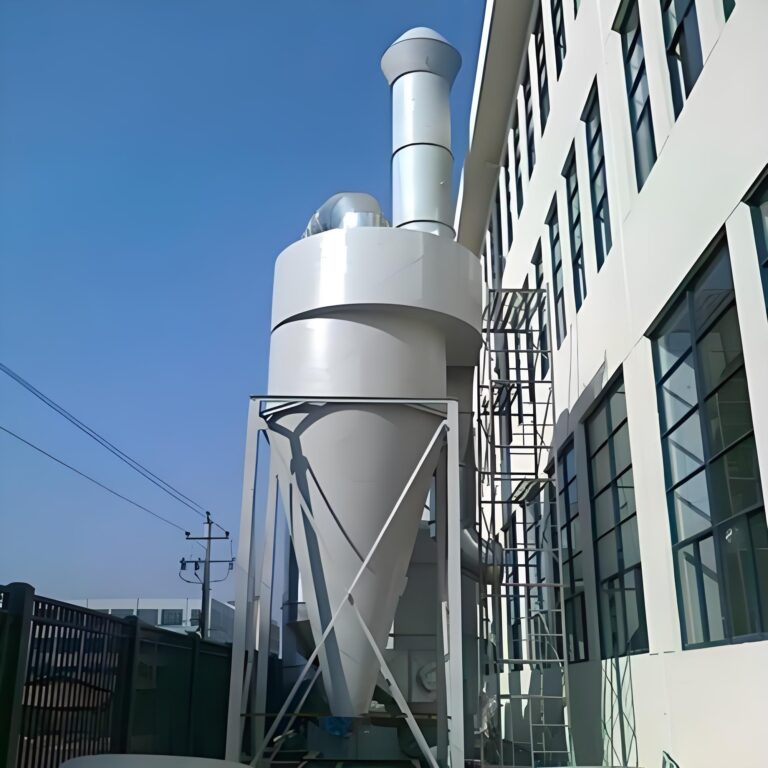
Veel industriële processen genereren een mix van deeltjesgroottes. Voor deze toepassingen, Inzicht 4: Hybride systeemontwerp ontsluit efficiëntie voor gemengde deeltjes is essentieel. Een veelgebruikte en effectieve aanpak is het installeren van een cycloon of traagheidsafscheider als voorfilter stroomopwaarts van de primaire afscheider. Deze voorfilter verwijdert het grootste deel van de grove, abrasieve deeltjes en beschermt zo de gevoelige plooien van de filterpatronen of vermindert de belasting van de filterzakken. Deze getrapte filtratie verlengt de levensduur van de primaire filter en verbetert de algehele systeemefficiëntie, maar voegt complexiteit en kosten toe die gerechtvaardigd moeten worden door het stofprofiel.
De volgende gids stemt stofeigenschappen af op technologie:
Technologieselectie per stoftype
| Stof Kenmerk | Aanbevolen technologie | Belangrijke overwegingen |
|---|---|---|
| Fijn, droog stof (bijv. silica) | Patroonverzamelaar | Blinkt uit in sub-micronvangst |
| Grof, schurend stof (bijv. metaalkrullen) | Zakkenfilter | Geoptimaliseerd voor grotere deeltjes |
| Vezelachtig materiaal (bijv. houtsnippers) | Zakkenfilter | Gaat beter om met vezelrijke inhoud |
| Gemengde deeltjesgrootte | Hybride systeem (bijv. cycloon + primair) | Gefaseerde aanpak voor efficiëntie |
| Kleverig, vochtig of olieachtig stof | Gespecialiseerde media vereist | Universeel prestatie knelpunt |
Bron: ISO 16890-1:2016 Luchtfilters voor algemene ventilatie (https://www.iso.org/standard/57864.html). Deze norm legt het testen en classificeren van filtermedia vast op basis van efficiëntie tegen zwevende deeltjes (PM1, PM2,5, PM10) en biedt een fundamenteel kader voor het afstemmen van filterprestaties op specifieke stofdeeltjesgrootteprofielen.
Beslissingskader: Het juiste systeem voor uw toepassing selecteren
Technische en bedrijfsvariabelen integreren
Een robuust selectieproces gaat verder dan het vergelijken van specificaties. Begin met een strenge, kwantitatieve analyse van uw stof: deeltjesgrootteverdeling (PSD), belasting (lbs/uur), vochtgehalte, temperatuur en abrasiviteit. Voeg daar de beperkingen van de faciliteit aan toe: beschikbare ruimte (voetafdruk en hoogte), onderhoudsniveau, kapitaalbudget en vereiste bedrijfstijd. Deze op gegevens gebaseerde basis voorkomt selectie op basis van anekdotes of achterhaalde voorkeuren.
Een multifunctioneel evaluatieteam samenstellen
Inzicht 10: Beslissingskader moet verder gaan dan technische specificaties adviseert om een cross-functioneel team te vormen. Neem vertegenwoordigers op van operations (begrijp het proces), milieu, gezondheid en veiligheid (EHS, begrijp naleving en risico's), financiën (begrijp de CapEx/OpEx afwegingen) en onderhoud (begrijp de lange termijn arbeid en onderdelen). Dit team moet niet alleen de aankoop evalueren, maar ook de implementatie, inclusief het potentieel voor Inzicht 7: De markt convergeert naar hybride filtermediaoplossingen, Bijvoorbeeld door een bestaand filterhuis uit te rusten met plissépatronen om de efficiëntie te verbeteren zonder het systeem volledig te moeten reviseren.
De beslissing is zelden binair. Geef prioriteit aan uw niet-onderhandelbare beperkingen, of het nu gaat om de voetafdruk, een specifieke stoffractie zoals PM2.5 of een strikt kapitaalbudget. Evalueer vervolgens welke technologie het beste voldoet aan de meerderheid van uw technische en financiële criteria. Een gedetailleerde audit en analyse van stofopvangsystemen is vaak de meest waardevolle eerste investering, omdat het de objectieve gegevens oplevert die nodig zijn om een verdedigbare kapitaalbeslissing voor de lange termijn te nemen.
De keuze tussen cartridge- en baghouse-technologie hangt af van drie geïntegreerde prioriteiten: het belangrijkste filtratiemechanisme afstemmen op de deeltjesgrootteverdeling van uw stof, een grondige Total Cost of Ownership-analyse uitvoeren die verder gaat dan de initiële prijs en een eerlijke beoordeling maken van de ruimtelijke en onderhoudscapaciteiten van uw faciliteit. Een verkeerde afstemming op een van deze gebieden brengt de prestaties van het systeem, de naleving en het financiële rendement in gevaar.
Hebt u professionele begeleiding nodig om deze kritieke afwegingen voor uw specifieke toepassing te maken? De experts van PORVOO kan een door gegevens gestuurde beoordeling geven om ervoor te zorgen dat uw investering in stofafscheiding optimale prestaties en waarde levert. Voor een gedetailleerd advies over uw projectvereisten kunt u ook Neem contact met ons op rechtstreeks.
Veelgestelde vragen
V: Hoe evalueert u de filtratie-efficiëntie voor fijn stof bij het vergelijken van cartridge- en doekenfilter-systemen?
A: De efficiëntie hangt af van de deeltjesgrootte. Geplisseerde filterpatronen vangen fijne, droge deeltjes tot 0,3 micron effectief op, terwijl zakkenfilterdoeken uitblinken bij grovere deeltjes boven 5 micron. Prestatietests moeten gestandaardiseerde methoden volgen, zoals ASHRAE 52.2-2017 om de fractionele efficiëntie te bepalen. Dit betekent dat bedrijven met sub-micron stof, zoals silica of poedercoating, prioriteit moeten geven aan cartridge-technologie om te voldoen aan de huidige en toekomstige wettelijke normen.
V: Wat zijn de belangrijkste onderhouds- en veiligheidsverschillen tussen het vervangen van patroonfilters en het onderhouden van zakken?
A: Het vervangen van de filterpatronen is meestal een gereedschapsloos proces vanuit de schone lucht, waardoor de blootstelling van werknemers aan verzameld stof tot een minimum wordt beperkt. Voor het onderhoud van stofzakken moet vaak het plenum voor vuile lucht worden betreden om zwaardere onderdelen te hanteren, waardoor de arbeidsintensiviteit en de veiligheidsrisico's toenemen. Dit betekent dat fabrieken die toxische of gevaarlijke stoffen verwerken de verminderde veiligheidstraining en aansprakelijkheid van cartridge-systemen moeten meenemen in hun totale operationele kostenanalyse.
V: Hoe verhoudt de fysieke voetafdruk van een patrooncollector zich tot die van een stofzuigerhuis voor installatie binnenshuis?
A: Cartridge-systemen bieden een aanzienlijk compacter en modulairder ontwerp dankzij hun geplooide filtergeometrie, die een groot oppervlak in een klein volume biedt. Zakkenhuizen hebben een aanzienlijke hoogte en vloerruimte nodig om lange filterzakken te kunnen plaatsen, waardoor ze vaak buiten moeten worden geplaatst of in speciale ruimten moeten worden geplaatst. Voor projecten waar de binnenruimte beperkt is, kunt u beter kiezen voor cartridge-technologie, aangezien aanpassingen aan de bouw van een baghouse kostbaar kunnen zijn.
V: Wanneer is een hybride systeemontwerp zinvol voor het verwerken van gemengde deeltjesstromen?
A: Een hybride aanpak, zoals het toevoegen van een cycloonvoorfilter, is optimaal als uw stofstroom zowel grove als fijne deeltjes bevat. De voorcollector verwijdert groter, schurend materiaal voordat het het primaire filter bereikt, en beschermt zo de gevoelige plooien van de cartridge of vermindert de belasting van een zakkenfilter. Als uw bedrijf deeltjes van verschillende grootte produceert, plan dan deze gefaseerde filtratie in om de levensduur van de filters te verlengen.
V: Welke financiële afwegingen moeten we maken tussen kapitaalinvesteringen en langetermijnkosten?
A: Patroonafscheiders hebben over het algemeen lagere initiële kapitaalkosten (CapEx) en een snellere installatie. Zakkenhuizen vereisen een hogere investering vooraf, maar kunnen lagere verbruikskosten op lange termijn bieden door een langere levensduur van de filters in geschikte toepassingen. Dit betekent dat hoog-volume toepassingen met compatibel grof stof een beter rendement kunnen behalen met een doekenfilter, terwijl toepassingen met fijn stof of krappe budgetten de financiële flexibiliteit van een cartridge-systeem voordeliger kunnen vinden.
V: Welke filtertestnormen zijn het meest relevant voor het vergelijken van de prestaties van industriële stofafscheiders?
A: De belangrijkste standaarden zijn ISO 16890-1:2016 voor het classificeren van filtermedia op basis van deeltjesverwijdering en ASHRAE 52.2-2017 voor het testen van de fractionele efficiëntie van het volledige luchtreinigingsapparaat. De historische EN 779:2012 biedt ook context voor prestatiebenchmarks. Zorg er bij het specificeren van een systeem voor dat de gegevens van de leverancier verwijzen naar deze methodologieën voor een geldige technische vergelijking.
V: Waarin verschilt het reinigingsmechanisme met pulsejets tussen patroon- en doekenfilters?
A: In een stofzuigerzak wordt een persluchtpuls binnenin de zak gestuurd, waardoor deze buigt en de stofkoek van de buitenkant afwerpt. In een patroon wordt de puls in het open uiteinde van de patroon geleid, waardoor omgekeerde lucht door de plooien wordt geperst. Beide systemen hebben moeite met olieachtig of vochtig stof dat verblinding veroorzaakt. Voor toepassingen met “kleverige” deeltjes moet u speciale filtermedia of voorbehandeling plannen om de reinigingseffectiviteit te behouden en overmatige stilstand te voorkomen.