La scelta del giusto sistema di raccolta delle polveri grossolane ad alto volume è una decisione di capitale critica con conseguenze operative e finanziarie a lungo termine. Molti gestori di impianti si trovano di fronte a una scelta fondamentale tra collettori a cartuccia e a maniche, spesso basata su presupposti obsoleti o su un'analisi dei costi incompleta. La scelta sbagliata porta a problemi cronici di manutenzione, costi operativi eccessivi e tempi di produzione compromessi.
Questa decisione richiede di andare oltre il semplice confronto dell'ingombro o del prezzo iniziale. Il divario di prestazioni tra questi sistemi aumenta significativamente quando si trattano materiali abrasivi come trucioli di legno, trucioli di metallo o polveri minerali. La comprensione delle principali differenze tecniche e delle loro implicazioni reali è essenziale per proteggere l'investimento e garantire un controllo dell'inquinamento atmosferico affidabile ed economico.
Cartuccia vs. sacco: Spiegazione delle principali differenze di progettazione
Mezzi filtranti e meccanismo di filtrazione
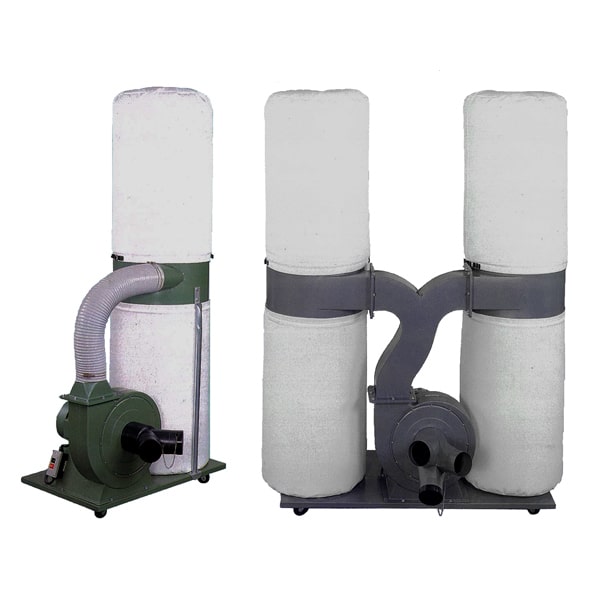
La divergenza inizia dall'elemento filtrante. I collettori a maniche utilizzano sacchi lunghi e cilindrici in tessuto, tipicamente feltro di poliestere o supporti intrecciati, dove la polvere si raccoglie all'esterno. Questo design facilita la filtrazione in profondità, dove le particelle si incorporano nella matrice di tessuto, formando una torta di polvere permeabile che di fatto aumenta l'efficienza. I collettori a cartuccia utilizzano supporti pieghettati in tessuto non tessuto alloggiati in un telaio rigido. Questa configurazione offre un'ampia superficie in uno spazio compatto, ma si basa principalmente sulla filtrazione superficiale, dove la polvere si carica sulle pieghe.
Implicazioni della progettazione in termini di prestazioni
Questi design opposti dettano i limiti delle prestazioni. La filtrazione in profondità del filtro a maniche è intrinsecamente più tollerante alle dimensioni variabili delle particelle e al carico pesante. La torta di polvere viene rilasciata in fogli coesi durante gli impulsi di pulizia. Al contrario, le pieghe strettamente distanziate di un filtro a cartuccia sono soggette a un rapido intasamento, o accecamento, da parte di materiali grossolani o fibrosi. Una volta accecate, le pieghe limitano il flusso d'aria, causando un forte aumento della caduta di pressione del sistema. Dall'analisi dei guasti del sistema, l'errore più comune è quello di applicare un collettore a cartuccia a un flusso di polvere che non è stato progettato per gestire, scambiando le dimensioni compatte per una capacità universale.
Il ruolo della torta di polvere
Un dettaglio critico, spesso trascurato, è il ruolo funzionale del panello di polvere. In un filtro a maniche, lo strato iniziale di polvere non è un danno, ma diventa parte del mezzo filtrante, migliorando l'efficienza di cattura delle particelle più fini. Questa caratteristica di auto-miglioramento è assente nei filtri a cartuccia a caricamento superficiale. Per le polveri più grossolane, la mancanza di un velo stabile significa che le particelle più grandi possono staccarsi e rientrare nel flusso d'aria se le pieghe non sono perfettamente sigillate o sono sovraccariche.
Confronto dei costi: Spese di capitale, di esercizio e di durata
Analisi della spesa iniziale in conto capitale
Il prezzo di acquisto iniziale appare spesso favorevole per i sistemi a cartuccia. Il loro design modulare e compatto richiede in genere meno acciaio strutturale e una canalizzazione semplificata, riducendo i costi di installazione. I sistemi a maniche, con i loro alloggiamenti più grandi e le strutture interne più complesse, richiedono un investimento iniziale più elevato. Tuttavia, concentrarsi esclusivamente sulle spese in conto capitale è una strategia di acquisto errata che ignora il quadro finanziario complessivo.
La realtà del costo totale di proprietà
Per le applicazioni di polveri grossolane ad alto volume, il vantaggio economico a lungo termine cambia in modo decisivo. La frequenza di sostituzione dei filtri e il costo diventano le variabili dominanti. I sacchi in tessuto, costruiti per durare nel tempo, offrono una maggiore durata in condizioni difficili, riducendo i costi annuali dei filtri. Le cartucce, nello stesso ambiente, subiscono un'usura accelerata e un frequente accecamento, rendendo necessarie sostituzioni più frequenti.
Modellazione finanziaria a vita
Un'analisi rigorosa dei costi del ciclo di vita su un orizzonte di 5-10 anni non è negoziabile. Questo modello deve includere non solo i costi dei filtri, ma anche il consumo energetico (direttamente legato alla caduta di pressione sostenuta), la manodopera per la manutenzione e le potenziali perdite di produzione dovute ai tempi di fermo. La tabella seguente illustra i principali fattori di costo.
| Categoria di costo | Raccoglitore di cartucce | Collettore a sacco |
|---|---|---|
| Costo iniziale del capitale | Tipicamente più basso | Tipicamente più alto |
| Costo di sostituzione del filtro | Costo dell'alta frequenza | Costo di frequenza inferiore |
| Costo totale di gestione (polvere grossolana) | Più elevato a lungo termine | Più basso a lungo termine |
| Driver di costo chiave | Accecamento frequente dei filtri | Borse in tessuto resistente |
Fonte: Documentazione tecnica e specifiche industriali.
Quale sistema gestisce meglio i carichi di polvere pesanti?
La fisica della cattura delle particelle
L'idoneità per carichi di polvere pesanti è determinata dall'interazione tra le dimensioni delle particelle, la forma e il mezzo filtrante. Le particelle grossolane (ad esempio, >10 micron) possiedono una massa e un'energia cinetica significative. Il tessuto del filtro a maniche, con il suo maggiore volume e profondità dei vuoti, assorbe questa energia e cattura le particelle in tutta la sua matrice. Le pieghe della cartuccia presentano una barriera densa e poco profonda; le particelle più grosse impattano e si depositano all'ingresso delle pieghe, bloccando rapidamente i percorsi del flusso d'aria.
Perdita di carico e stabilità del sistema
La stabilità operativa si misura in base alla caduta di pressione. Un impianto a maniche che tratta polveri grossolane mantiene in genere un profilo di caduta di pressione più stabile. La torta di polvere viene rilasciata in modo relativamente pulito durante la pulizia a getto d'impulsi. Un collettore a cartuccia sottoposto allo stesso carico subisce un aumento rapido, spesso irreversibile, della caduta di pressione, poiché le pieghe si accecano. Questo costringe la ventola a lavorare di più, aumentando immediatamente i costi energetici e segnalando un guasto imminente.
Standard di prestazione oggettivi
Le prestazioni devono essere valutate in base a parametri oggettivi. Standard come ASHRAE 52.2-2017 fornire il metodo di prova (MERV) per valutare l'efficienza di rimozione delle particelle. Questo è fondamentale per confrontare le prestazioni dei materiali filtranti di ciascun sistema rispetto a particelle di polvere di dimensioni specifiche. I dati mostrano chiaramente la divergenza nella gestione delle frazioni più grosse.
| Fattore di prestazione | Raccoglitore di cartucce | Collettore a sacco |
|---|---|---|
| Polvere grossolana ad alto volume | Suscettibile di accecamento | Manipolazione superiore |
| Idoneità delle dimensioni delle particelle | Particelle fini e secche | Grande particolato |
| Andamento della perdita di carico | Aumento rapido | Stabile con rilascio della torta |
| Meccanismo di filtrazione primaria | Filtrazione superficiale su pieghe | Filtrazione di profondità in tessuto |
Fonte: ASHRAE 52.2-2017 Metodo di prova dei dispositivi di pulizia dell'aria per la ventilazione generale (https://webstore.ansi.org/standards/ashrae/ashrae522017). Questo standard fornisce il metodo di prova (MERV) per valutare oggettivamente l'efficienza di rimozione delle dimensioni delle particelle, che è fondamentale per confrontare le prestazioni dei materiali filtranti di ciascun sistema rispetto a particelle di polvere di dimensioni specifiche, come trucioli o scaglie grossolane.
Durata e vita del filtro in ambienti abrasivi
Costruzione dei supporti e resistenza all'abrasione
I flussi di polvere abrasiva espongono rapidamente i limiti del materiale. I filtri a maniche sono progettati per questo scopo e utilizzano feltri o tessuti in poliestere per impieghi gravosi, con un'elevata resistenza alla trazione e una resistenza intrinseca al taglio e alla lacerazione da parte di particelle con spigoli vivi. I filtri a cartuccia, pur essendo efficienti, sono più vulnerabili; il sottile materiale non tessuto pieghettato può essere eroso dall'abrasione costante, provocando fori di spillo e guasti prematuri.
La sfida delle polveri problematiche
Oltre agli abrasivi, le caratteristiche della polvere, come l'igroscopicità o l'appiccicosità, rappresentano una sfida impegnativa. Le polveri appiccicose aderiscono tenacemente alle pieghe della cartuccia, sfidando la pulizia standard a impulsi e causando un accecamento permanente. I tessuti dei sacchi, spesso con trattamenti superficiali specifici (ad esempio, rivestimenti in PTFE), resistono meglio all'adesione e consentono un rilascio più efficace dei residui. In un progetto di retrofit, il passaggio dalle cartucce a un filtro a maniche per un'applicazione di polvere di legno umida ha triplicato la durata del filtro ed eliminato i tempi di fermo cronici.
Valutazione delle prestazioni sostenute
La durata a lungo termine è quantificata dall'efficienza e dalla caduta di pressione sostenute. Standard internazionali come ISO 16890-1:2016 forniscono il quadro di riferimento per la valutazione delle prestazioni dei mezzi filtranti in condizioni di carico prolungato di particolato. Questo sistema di classificazione aiuta a prevedere la durata operativa di diversi tipi di media in ambienti definiti.
| Ambiente / Tipo di polvere | Raccoglitore di cartucce | Collettore a sacco |
|---|---|---|
| Flussi abrasivi (ad esempio, sabbia, scorie) | Abrasione accelerata dei supporti | Intrinsecamente più resistente |
| Costruzione dei materiali filtranti | Supporti in tessuto non tessuto plissettato | Feltri in poliestere per impieghi gravosi |
| Polvere appiccicosa o igroscopica | Accecamento irreversibile delle pieghe | Gestiti in modo più efficace |
| Durata prevista del filtro | Più breve in condizioni difficili | Vita utile più lunga |
Fonte: ISO 16890-1:2016 Filtri dell'aria per la ventilazione generale (https://www.iso.org/standard/57864.html). Questo standard internazionale classifica i filtri in base all'efficienza di rimozione del particolato, fornendo un quadro di riferimento per la valutazione della durata e delle prestazioni sostenute di diversi tipi di media filtranti in presenza di vari carichi di particolato, compresi i materiali abrasivi.
Spazio e requisiti di installazione a confronto
L'ingombro come compromesso progettuale
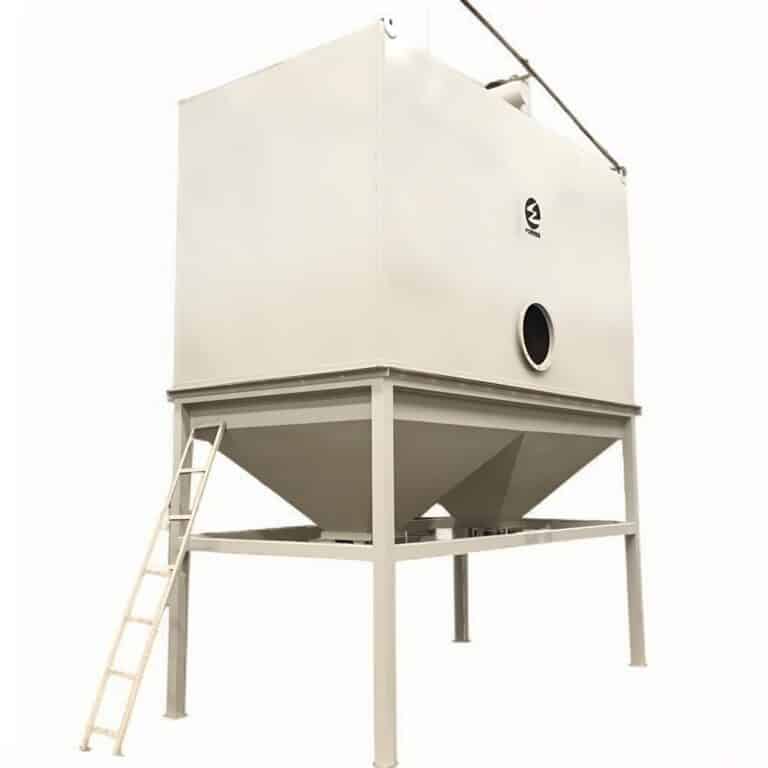
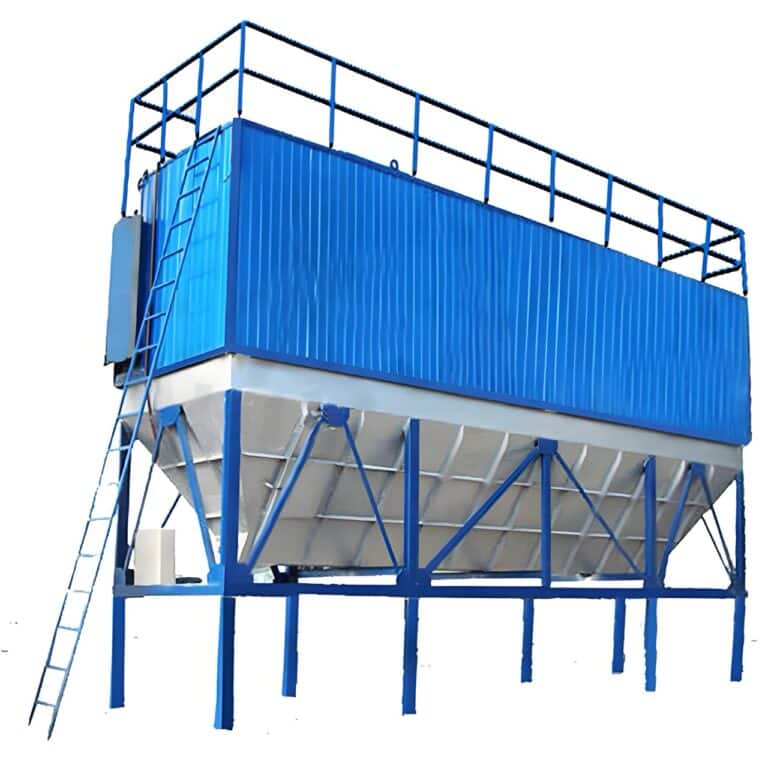
Questa dimensione presenta un chiaro compromesso tra spazio e prestazioni. I collettori a cartuccia sfruttano il loro design pieghettato per ottenere un elevato rapporto superficie/ingombro, offrendo una soluzione compatta per le strutture con forti vincoli di spazio. I sistemi a maniche richiedono un involucro fisico più grande per ospitare la lunghezza dei sacchi (spesso 8 piedi o più) e lo spazio del plenum necessario per la corretta distribuzione dell'aria e il rilascio dei residui.
Installazione e implicazioni strutturali
La complessità dell'installazione è diversa. Le unità a cartuccia vengono spesso spedite come moduli autonomi, semplificando il posizionamento e il collegamento. Le unità a sacco possono richiedere un maggiore assemblaggio sul campo e un significativo supporto strutturale per l'alloggiamento e le tramogge più grandi. Tuttavia, l'ingombro maggiore è il diretto compromesso ingegneristico per ottenere la robusta capacità di filtrazione in profondità richiesta per i carichi di polvere pesanti.
Pianificazione strategica delle strutture
La decisione è strategica. Una struttura con problemi di spazio può essere costretta ad accettare i limiti operativi di un sistema a cartucce o a esplorare progetti ibridi. Un impianto con un ampio spazio può installare un sistema a maniche e sfruttare tutti i vantaggi in termini di prestazioni e di costi senza compromessi. La tabella seguente riassume questo fondamentale compromesso spaziale.
| Requisiti | Raccoglitore di cartucce | Collettore a sacco |
|---|---|---|
| Impronta fisica | Compatto e poco ingombrante | Richiede più spazio |
| Vantaggio del design | Elevata superficie di ingombro | Accoglie borse lunghe |
| Tipo di struttura ideale | Forti vincoli di spazio | Ampio spazio disponibile |
| Scambio di prestazioni | Limiti operativi | Prestazioni superiori |
Fonte: Documentazione tecnica e specifiche industriali.
Carico di lavoro della manutenzione e complessità operativa
Frequenza e intensità della manutenzione
Le filosofie di manutenzione sono in netto contrasto. La sostituzione delle cartucce è in genere più rapida e richiede meno manodopera specializzata, spesso si tratta di una semplice sostituzione di un'unità autonoma. Tuttavia, nel servizio di polveri grossolane, questo compito viene svolto con una frequenza elevata. La manutenzione dei filtri a sacco è meno frequente ma più intensa; l'ispezione e la sostituzione dei singoli sacchi può essere fisicamente impegnativa e può richiedere protocolli di ingresso in spazi confinati.
Strategia del lavoro e competenze
La strategia di manutenzione deve essere in linea con la manodopera disponibile. I sistemi a cartuccia favoriscono un modello prevedibile, a bassa qualificazione e ad alta frequenza. I sistemi a sacchi supportano un modello che privilegia la durata, con interventi periodici e più qualificati. Il costo nascosto è rappresentato dalla pianificazione della manodopera e dalla formazione sulla sicurezza per le attività più complesse dei sistemi a maniche, che devono essere considerate nel modello operativo.
Il rischio di blocco dei fornitori
Una considerazione critica a lungo termine è la flessibilità operativa. Molti modelli di cartucce sono proprietari e, dopo l'acquisto, dipendono da un unico fornitore per le sostituzioni. I filtri a maniche spesso non sono proprietari e sono disponibili più fornitori di tessuto, il che favorisce la competitività dei prezzi e la sicurezza della catena di fornitura. Ciò riduce il rischio operativo a lungo termine.
| Aspetto della manutenzione | Raccoglitore di cartucce | Collettore a sacco |
|---|---|---|
| Modifica della frequenza | Più frequente (polvere grossolana) | Meno frequente |
| Compito Richiesta fisica | Sostituzione più semplice e veloce | Più impegnativo dal punto di vista fisico |
| Accesso al filtro | Scambio di unità autonome | Spesso è necessario un accesso interno |
| Rischio di dipendenza dai fornitori | Alto (progetti proprietari) | Basso (filtri non proprietari) |
Fonte: Documentazione tecnica e specifiche industriali.
Casi d'uso reali e applicazioni industriali
Il contenitore per sacchi: Il cavallo di battaglia per impieghi gravosi
I collettori a maniche sono la soluzione consolidata nei settori in cui la polvere è voluminosa, grossolana o abrasiva. Le applicazioni principali includono l'estrazione mineraria e la lavorazione dei minerali (frantumazione, vagliatura), la produzione di cemento, gli elevatori di cereali e i mangimifici, la lavorazione primaria dei metalli (operazioni di forno, macinazione) e la lavorazione pesante del legno (piallatura, levigatura). La loro robustezza in questi ambienti è comprovata.
Cartuccia: Maestro del particolato fine
I collettori a cartuccia eccellono nelle applicazioni con polveri fini, secche e non abrasive. Tra queste, l'aspirazione dei fumi di saldatura, le cabine di verniciatura a polvere, la manipolazione di ingredienti farmaceutici, i fumi del taglio laser e al plasma e alcuni tipi di polvere da imballaggio. La loro efficienza compatta è ideale quando lo spazio è limitato e la sfida della polvere è la finezza, non il volume.
L'ascesa delle soluzioni ibride e multistadio
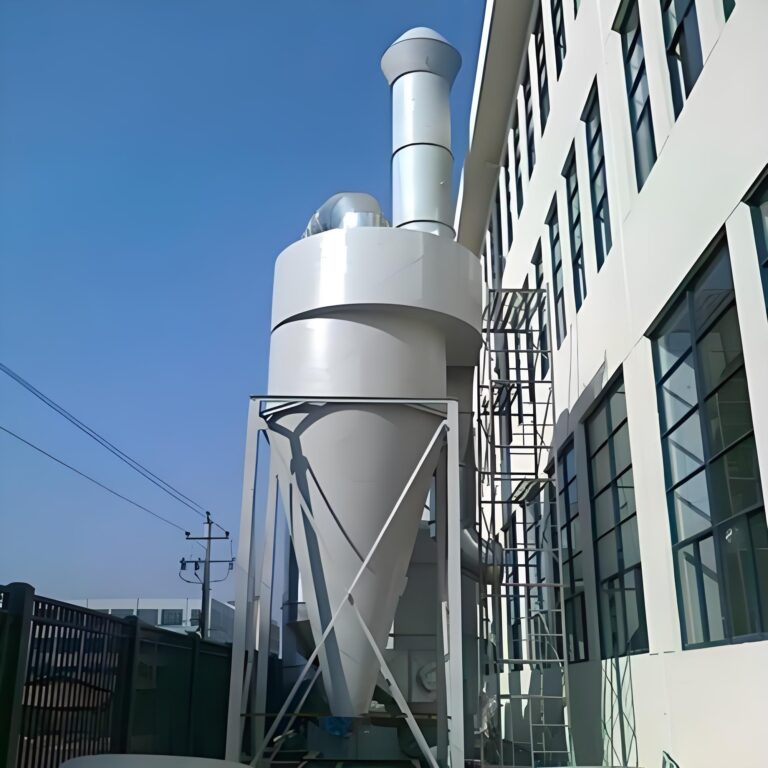
Il mercato si sta evolvendo con approcci ibridi per gestire flussi complessi. Una configurazione comune utilizza un pre-pulitore, come un ciclone o un separatore inerziale, per rimuovere la maggior parte delle polveri grossolane prima di una collettore di polveri a cartuccia a filtrazione finale. In questo modo si ottimizzano i punti di forza di entrambe le tecnologie: il pre-pulitore gestisce il carico pesante, proteggendo la cartuccia per la lucidatura finale. Questo approccio sta diventando standard per le applicazioni con particelle di dimensioni miste o dove i vincoli di ingombro sono assoluti.
Quadro decisionale: Come scegliere il sistema giusto
Fase 1: Caratterizzazione rigorosa della polvere
La selezione inizia con i dati, non con le supposizioni. Eseguite un'analisi dettagliata del flusso di polvere: distribuzione delle dimensioni delle particelle (PSD), contenuto di umidità, abrasività (contenuto di SiO2), temperatura e composizione chimica. Questo profilo esclude immediatamente le tecnologie non adatte. Standard come EN 779:2012 delineare le procedure di test fondamentali per l'efficienza che informano questa fase di caratterizzazione.
Fase 2: Definizione dei parametri operativi e finanziari
Calcolate il flusso d'aria richiesto (CFM) e comprendete la caduta di pressione consentita del sistema. Quindi, costruire un modello dettagliato di costo totale di proprietà (TCO) per un periodo di 5-10 anni. Questo modello deve includere i costi energetici (una funzione della caduta di pressione sostenuta), la durata prevista del filtro e i costi di sostituzione, la manodopera e i tempi di inattività previsti.
Fase 3: allineamento alla filosofia operativa
Infine, è necessario adattare la tecnologia alla propria cultura operativa. Il vostro team predilige una manutenzione prevedibile e programmata (cartuccia) o interventi meno frequenti ma più impegnativi (baghouse)? Qual è la tolleranza per i tempi di inattività non programmati? Le risposte confermano la scelta.
| Fattore decisionale | Analisi chiave | Influenza la scelta verso |
|---|---|---|
| Caratterizzazione della polvere | Dimensione delle particelle, abrasività, umidità | Filtro a maniche per prodotti grossolani/abrasivi |
| Parametri operativi | Calcolare CFM, perdita di carico del sistema | Informare il dimensionamento per entrambi |
| Analisi finanziaria | Costo totale di gestione da 5 a 10 anni | Rivela il vero vincitore economico |
| Filosofia operativa | Prevedibile vs. durevole | Cartuccia vs. sacco |
Fonte: EN 779:2012 Filtri d'aria particolati per la ventilazione generale (https://webstore.ansi.org/standards/din/dinen7792012). Le procedure di questo standard per la verifica dell'efficienza iniziale e media forniscono una metodologia di base per la caratterizzazione delle polveri e l'analisi delle prestazioni, che è il primo passo fondamentale in questo quadro di selezione basato sui dati.
Per i grandi volumi di polvere grossolana, le prove tecniche ed economiche sono sempre a favore del collettore a maniche. Il suo design di filtrazione profonda, la sua durata nel servizio abrasivo e la struttura dei costi a vita ridotta ne fanno la scelta definitiva per gli ambienti industriali più esigenti. Il collettore a cartucce rimane uno strumento superiore per le applicazioni con polveri fini, dove il suo ingombro ridotto rappresenta un vantaggio decisivo.
Il passo successivo è quello di convalidare le caratteristiche specifiche della vostra polvere rispetto a questo quadro. Avete bisogno di un'analisi professionale e di soluzioni ingegneristiche per la sfida unica del vostro impianto? Gli esperti di PORVOO è in grado di fornire una valutazione basata sui dati e una raccomandazione di sistema per garantire l'affidabilità e l'efficacia dei costi. Per una consulenza dettagliata sulla vostra applicazione, potete anche Contatto.
Domande frequenti
D: Come si può confrontare in modo oggettivo l'efficienza di cattura delle particelle di un collettore a cartucce con quella di un impianto a maniche?
R: È necessario testarli rispetto a parametri di prestazione standardizzati. Il protocollo chiave nordamericano è ASHRAE 52.2-2017, che determina il Valore Minimo di Efficienza Segnalato (MERV) di un filtro per le diverse dimensioni delle particelle. Per una prospettiva globale, ISO 16890-1:2016 classifica i filtri in base alla loro efficienza nella rimozione di specifiche frazioni di particolato (PM). Ciò significa che dovreste richiedere ai fornitori di fornire dati di test allineati a questi standard per effettuare una selezione basata sulle prestazioni, non solo teorica.
D: Qual è il primo passo più critico nella scelta tra un depolveratore a cartuccia e uno a maniche?
R: Il primo passo fondamentale è una caratterizzazione dettagliata del flusso di polvere. È necessario analizzare la distribuzione delle dimensioni delle particelle, l'abrasività, il contenuto di umidità e la coesione del materiale. Questi dati fanno passare la decisione da una congettura a una valutazione ingegneristica, informando direttamente su quale sia il design del filtro in grado di gestire fisicamente il carico di particolato senza guasti. Se la vostra attività genera polveri grossolane, pesanti o abrasive, questa analisi vi indirizzerà immediatamente verso un sistema a maniche per evitare un rapido intasamento e una manutenzione eccessiva.
D: Perché un sistema a maniche potrebbe avere un costo totale di proprietà inferiore nonostante un prezzo iniziale più elevato?
R: Un filtro a maniche consente di ridurre i costi di vita grazie a una maggiore durata del filtro e a sostituzioni meno frequenti in condizioni di servizio gravose. I sacchi in tessuto per impieghi gravosi resistono all'abrasione delle particelle grossolane molto meglio dei supporti a cartuccia pieghettati, con una conseguente maggiore durata operativa. Per avere un quadro economico completo, è necessario condurre un'analisi rigorosa del ciclo di vita di 5-10 anni che tenga conto della durata del filtro, del consumo energetico e della manodopera. Per i progetti in cui la polvere è abrasiva o ad alto volume, il design robusto del filtro a maniche può produrre risparmi significativi a lungo termine.
D: In che modo lo spazio disponibile influenza la scelta tra queste due tecnologie di raccolta delle polveri?
R: Lo spazio crea un compromesso operativo diretto. I collettori a cartuccia offrono un ingombro ridotto grazie all'elevata densità di superficie dei loro supporti pieghettati, che li rende adatti a strutture con limiti di spazio. I collettori a sacchi richiedono più spazio fisico per ospitare i lunghi sacchi in tessuto e i relativi plenum. Ciò significa che le strutture con forti limitazioni di spazio possono essere costrette ad accettare i potenziali compromessi delle prestazioni di un sistema a cartuccia, mentre quelle con ampio spazio possono sfruttare la capacità di carico pesante di un collettore a maniche senza alcun vincolo.
D: Quando un impianto dovrebbe prendere in considerazione un sistema di raccolta polveri ibrido con un pre-pulitore?
R: Considerate un approccio ibrido quando il vostro flusso di polvere contiene un mix di particolato grossolano e fine che mette a dura prova un'unità a singolo stadio. L'uso di un ciclone o di un altro pre-pulitore a monte di un collettore a cartuccia consente al dispositivo primario di gestire il carico di polvere raffinato per cui è stato progettato, ottimizzando le prestazioni e prolungando la durata del filtro. Se il vostro impianto ha caratteristiche di particolato complesse ma un ingombro limitato, prevedete questa soluzione multistadio durante la progettazione iniziale piuttosto che adattarla in un secondo momento.
D: In che modo la filosofia di manutenzione differisce tra i collettori a cartuccia e quelli a sacco?
R: Le strategie di manutenzione differiscono per frequenza e richiesta fisica. Le sostituzioni delle cartucce sono spesso più rapide, ma si verificano più frequentemente nel servizio di polveri grossolane, con conseguenti costi più elevati per i materiali di consumo. La manutenzione dei sistemi a maniche è meno frequente ma può essere più impegnativa dal punto di vista fisico, in quanto richiede l'accesso interno per gestire i singoli sacchi di tessuto. Questa divergenza influisce sulla pianificazione della manodopera e sulle competenze richieste. Se la vostra filosofia operativa privilegia intervalli di manutenzione prevedibili e poco impegnativi, un sistema a cartucce può essere più adatto, a condizione che il tipo di polvere sia adatto.
D: Quale rischio operativo a lungo termine è associato ai progetti di filtri a cartuccia proprietari?
R: Un rischio fondamentale è il vendor lock-in, che riduce la flessibilità di approvvigionamento e il controllo dei costi. Le cartucce proprietarie vi vincolano a un unico fornitore per le sostituzioni, il che può comportare prezzi più elevati e problemi di disponibilità. Molti filtri a maniche utilizzano sacchi in tessuto non proprietari e standardizzati, disponibili presso diversi produttori. Ciò significa che le strutture che danno priorità alla flessibilità operativa a lungo termine e alle offerte competitive per i materiali di consumo dovrebbero valutare attentamente la natura proprietaria di qualsiasi sistema di cartucce in esame.