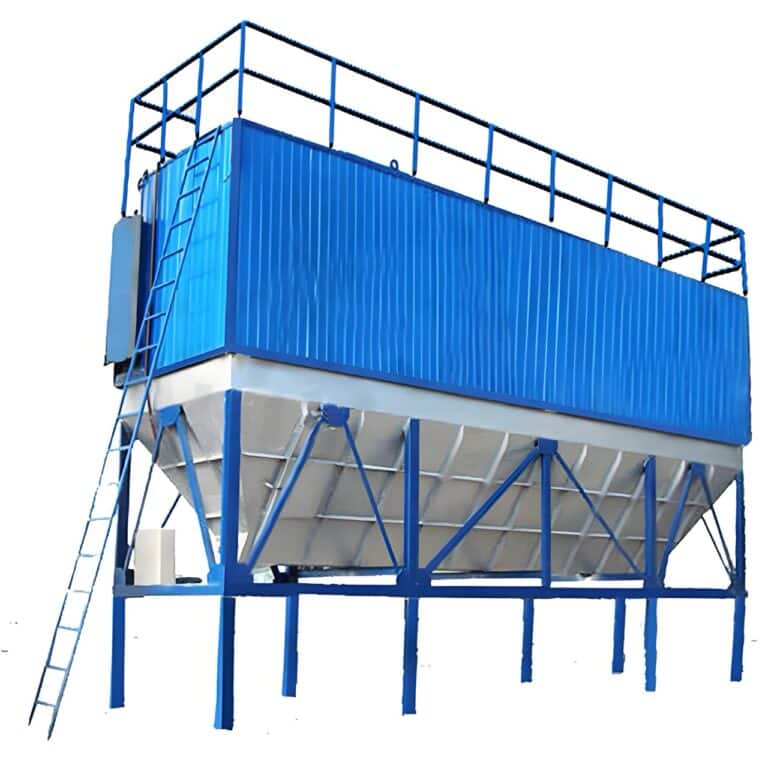
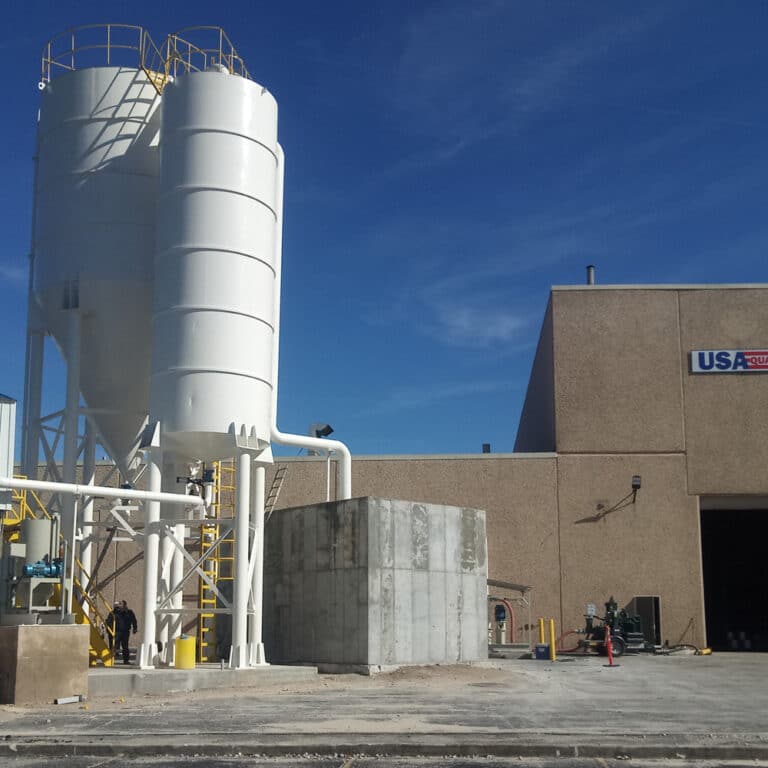
Il riciclaggio delle acque reflue industriali non è più un'aspirazione ambientale, ma una necessità operativa strategica. La sfida sta nella scelta di una tecnologia di separazione che offra prestazioni costanti nel rispetto dei vincoli del sito reale e dei quadri normativi sempre più stringenti. Le torri di sedimentazione verticali rappresentano un'evoluzione critica nella chiarificazione, ma la loro applicazione è spesso fraintesa o limitata da paradigmi di progettazione obsoleti.
Il panorama del 2025 richiede sistemi che raggiungano standard di efficienza più elevati, costi totali di gestione più bassi e una perfetta integrazione nei processi a ciclo chiuso. Questa guida fornisce il quadro tecnico ed economico per valutare, specificare e implementare la tecnologia di sedimentazione verticale per soddisfare questi requisiti rigorosi.
Come funzionano le torri di sedimentazione verticale: Principi fondamentali
La fisica della separazione gravitazionale
La sedimentazione verticale funziona in base alla legge di Stokes, secondo la quale la velocità di sedimentazione delle particelle aumenta con la loro dimensione e densità. Il design della torre crea un ambiente controllato e in quiete che massimizza questo processo naturale. Le acque reflue entrano dalla parte superiore e i solidi si depositano in una colonna d'acqua statica. L'acqua chiarificata sale e viene raccolta attraverso sbarramenti periferici. Questa fondamentale fiducia nella gravità e nella geometria sostituisce la complessità meccanica, costituendo il nucleo dell'affidabilità del sistema.
Il ruolo della flocculazione chimica
La decantazione grezza è insufficiente per le sospensioni colloidali industriali. I polimeri flocculanti vengono introdotti per agglomerare le particelle fini in fiocchi più grandi e più densi. Questo condizionamento chimico aumenta notevolmente la dimensione effettiva delle particelle, accelerando la velocità di decantazione di ordini di grandezza. La selezione e il dosaggio dei flocculanti non sono fasi accessorie, ma punti di controllo centrali per l'efficienza del sistema e i costi operativi.
Decantazione a compressione e ispessimento dei fanghi
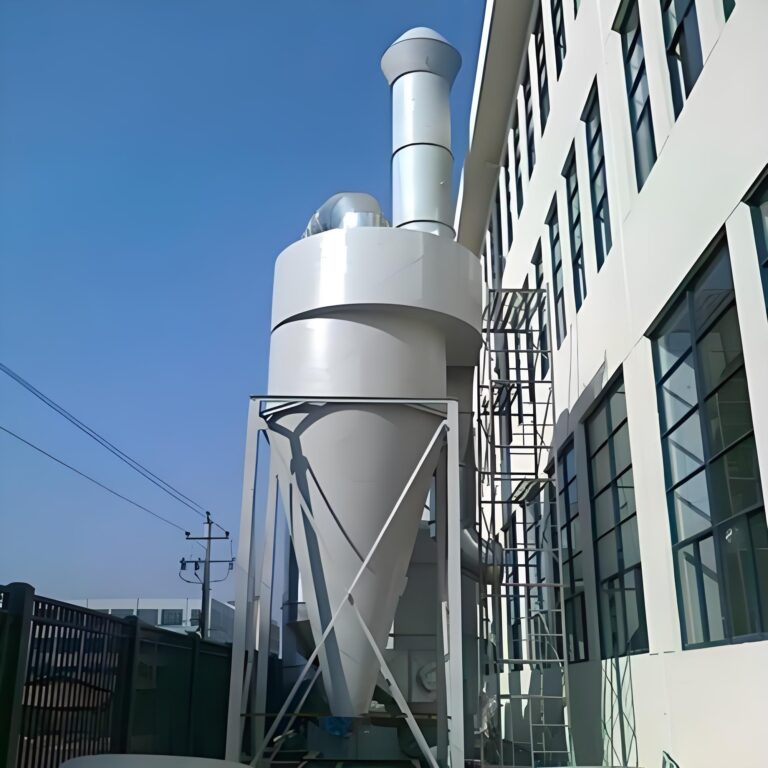
La particolare geometria della torre - una sezione cilindrica in cima a una tramoggia conica - facilita diversi regimi di decantazione. Oltre alla semplice decantazione libera, la sezione inferiore consente la decantazione per compressione. Qui, il peso della colonna di solidi accumulati, aiutato da una pressione idrostatica di 1-1,5 bar, disidrata ulteriormente il fango. Questo processo integrato produce direttamente un sottoflusso ispessito con una consistenza dei solidi di 50-55%, eliminando la necessità di un ispessitore separato. Nella nostra analisi dei sistemi pilota, abbiamo scoperto che trascurare la progettazione della zona di compressione è una svista comune che porta a fanghi diluiti e ad un aumento dei costi di lavorazione a valle.
Standard di progettazione fondamentali per le prestazioni e l'efficienza del 2025
Geometria del serbatoio ottimizzata
Le prestazioni dipendono da precisi rapporti dimensionali. La sezione cilindrica garantisce un tempo di ritenzione idraulica sufficiente per la completa sedimentazione del floc. L'angolo della tramoggia conica è progettato per favorire il movimento del fango verso il punto di scarico senza creare ponti o ristagni. Questa geometria deve essere specifica per il flusso di rifiuti; un approccio unico compromette l'efficienza della chiarificazione e dell'ispessimento.
Progettazione idraulica e di ingresso avanzata
La turbolenza in ingresso è nemica di una sedimentazione efficace. I progetti moderni utilizzano tubi di alimentazione centrali con uscite o deflettori che dissipano l'energia per garantire una distribuzione uniforme e a bassa velocità in tutta la sezione trasversale del serbatoio. In questo modo si evita il cortocircuito, in cui il flusso in entrata disturba la zona di sedimentazione e trasporta i solidi oltre lo sbarramento. Una corretta progettazione idraulica è uno standard irrinunciabile per ottenere una qualità costante degli effluenti.
Controllo delle prestazioni guidato dall'automazione
Per raggiungere gli obiettivi di efficienza del 2025 è necessario passare dal funzionamento manuale al controllo tramite sensori. Il parametro chiave è la densità del letto di fango.
| Parametro di progettazione | Specifiche dell'obiettivo | Funzione chiave |
|---|---|---|
| Consistenza del fango | 50-55% solidi | Addensamento e scarico ottimizzati |
| Pressione della colonna d'acqua | 1-1,5 bar | Facilita l'assestamento della compressione |
| Angolo del cono | Geometria specifica | Massimizza la compattazione dei fanghi |
| Design dell'ingresso | Tubo di alimentazione centrale | Riduce al minimo la turbolenza in ingresso |
| Innesco di scarico | Automazione del sensore di densità | Assicura una concentrazione ottimale dei fanghi |
Fonte: ISO 5667-13:2023 Qualità dell'acqua - Campionamento - Parte 13: Guida al campionamento dei fanghi da impianti di depurazione e trattamento delle acque. Questo standard fornisce indicazioni fondamentali per ottenere campioni di fango rappresentativi, essenziali per monitorare e convalidare con precisione l'obiettivo di concentrazione di solidi 50-55% che definisce le prestazioni 2025.
L'automazione legata alle sonde di densità assicura che i fanghi vengano scaricati solo alla concentrazione ottimale, evitando sprechi d'acqua e proteggendo le pompe a valle. Questo approccio guidato dai sensori sblocca la coerenza e costituisce la base per i modelli di prestazione predittivi.
Chiarificatori verticali e orizzontali: Un confronto dettagliato
Il compromesso fondamentale: altezza vs. ingombro
Il criterio principale di selezione è il compromesso critico tra altezza e ingombro. Le torri verticali consolidano il volume del processo in un ingombro ridotto, costruendo verso l'alto, il che le rende ideali per i siti industriali con limiti di spazio o per le ristrutturazioni. I chiarificatori orizzontali (a rastrelliera) si estendono, richiedendo una superficie significativa ma mantenendo un profilo più basso. La soglia pratica per la costruzione verticale è di circa 9 metri; oltre questa soglia, problemi strutturali e pratici richiedono spesso una disposizione orizzontale per portate molto elevate.
Implicazioni operative e di manutenzione
La differenza di progettazione meccanica determina la filosofia operativa a lungo termine. Le torri verticali non contengono parti interne in movimento durante il normale funzionamento. I chiarificatori orizzontali si affidano a rastrelli meccanici continui e spesso a meccanismi di aspirazione per spostare i fanghi sedimentati. Questa distinzione ha profonde implicazioni per i programmi di manutenzione, le scorte di ricambi e il consumo energetico.
| Fattore decisionale | Torre di sedimentazione verticale | Chiarificatore orizzontale (a rastrelliera) |
|---|---|---|
| Vantaggio primario | Ingombro ridotto | Gestisce flussi molto grandi |
| Limite di altezza | ~9 metri soglia pratica | Non applicabile |
| Livello di manutenzione | Minimo (nessuna parte in movimento) | Alto (rastrelli meccanici) |
| Consumo di energia | Basso | Più alto |
| Strategia del capitale | Unità modulari e scalabili | Grandi edifici a unità singola |
Fonte: Documentazione tecnica e specifiche industriali.
Flessibilità strategica e scalabilità
Le torri verticali consentono un'architettura modulare dell'impianto. La capacità può essere aumentata aggiungendo unità discrete, offrendo flessibilità finanziaria e operativa. I chiarificatori orizzontali sono tipicamente grandi, costruiti in un'unica unità, dove l'espansione è più complessa e richiede più capitale. Questo rende il design verticale particolarmente adatto alle industrie con piani di crescita graduali o flussi di produzione variabili.
Fasi critiche di implementazione dei sistemi di riciclo
Pre-trattamento ed equalizzazione
Un'implementazione di successo inizia prima della torre. Le acque reflue devono essere raccolte in un serbatoio di equalizzazione per smorzare il flusso e le ondate di contaminanti. Una qualità di alimentazione costante è fondamentale per un dosaggio stabile del flocculante e per le prestazioni di separazione. Questa fase è spesso sottovalutata, con conseguenti alterazioni del processo ed escursioni di conformità nel ciclo di riciclo.
Il treno del processo integrato
La torre non è un elemento indipendente, ma un componente centrale di un treno sequenziale. Dopo l'equalizzazione, una pompa trasferisce il liquame alla torre con iniezione di flocculante in linea. Il processo di separazione avviene all'interno della torre. L'acqua chiarificata trabocca per il riutilizzo diretto o per un'ulteriore lucidatura. I fanghi ispessiti vengono scaricati in una vasca di contenimento per la disidratazione o lo smaltimento. Questa sequenza sottolinea la necessaria convergenza tra ingegneria civile per il supporto strutturale e ingegneria di processo per la progettazione funzionale.
Messa in servizio e convalida delle prestazioni
La messa in funzione deve convalidare sia le prestazioni idrauliche che le caratteristiche del fango. Ciò comporta la calibrazione di tutti i sensori, la verifica delle curve dose-risposta dei flocculanti e la misurazione della concentrazione di solidi nel fango ispessito rispetto all'obiettivo 50-55%. La verifica delle prestazioni deve fare riferimento agli standard pertinenti per il campionamento e l'analisi, per garantire l'integrità dei dati. La mancata messa in servizio rigorosa è una delle ragioni principali per cui i sistemi non soddisfano le aspettative di progetto.
Costi operativi, ROI e costo totale di proprietà
Analizzare i veri fattori di costo
La valutazione dell'investimento richiede un modello dei costi dell'intero ciclo di vita. Il principale fattore economico di una torre verticale è il suo design esente da manutenzione, che elimina i costi associati alle riparazioni dei rastrelli meccanici, alle parti di ricambio e ai relativi tempi di inattività. Anche il consumo energetico è nettamente inferiore rispetto alle unità orizzontali a motore.
Il ruolo centrale dell'ottimizzazione dei flocculanti
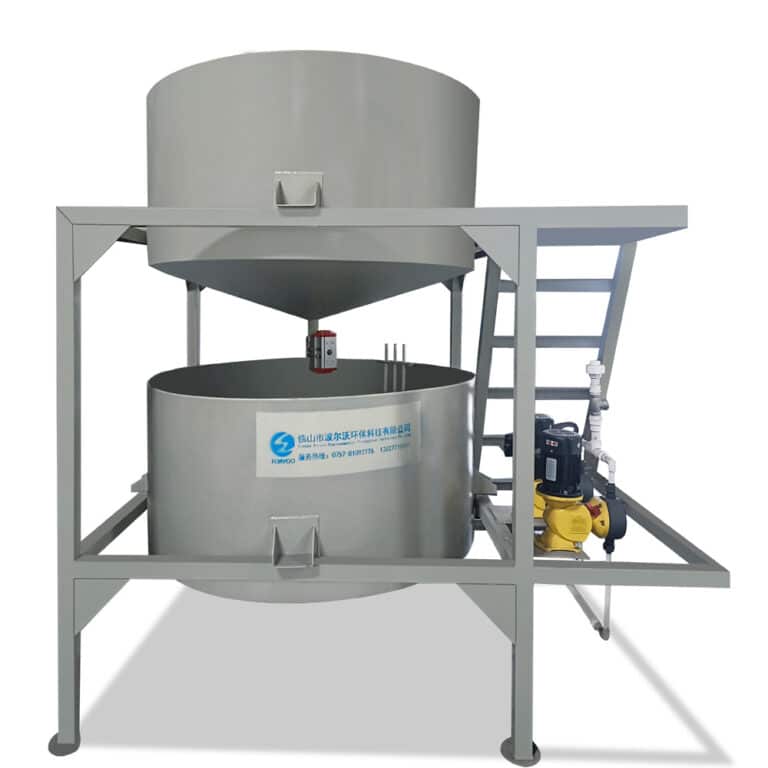
La spesa operativa principale è il consumo di flocculante. Un sistema di dosaggio automatizzato e controllato da feedback non è un optional, ma è essenziale per il ROI. Riduce al minimo l'uso di prodotti chimici adattandosi alle condizioni di alimentazione in tempo reale, proteggendo sia i profitti che la qualità dell'acqua riciclata. Un dosaggio eccessivo comporta uno spreco di denaro e può ostacolare la decantazione; un dosaggio insufficiente compromette la qualità dell'effluente.
Risparmi a cascata lungo tutto il percorso di trattamento
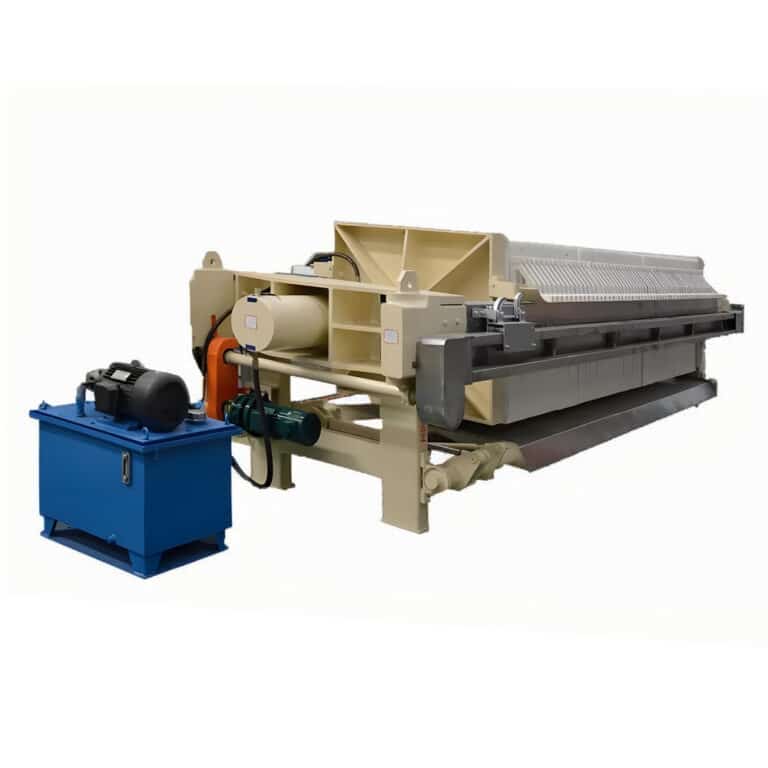
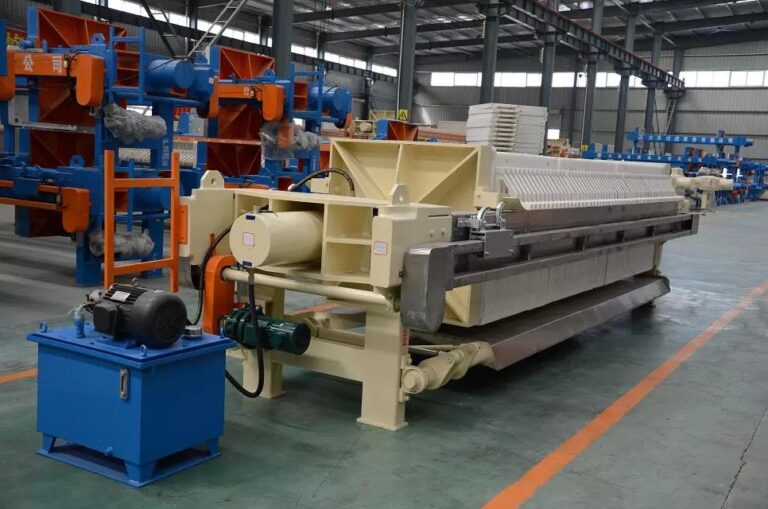
La funzione integrata di ispessimento-chiarificazione della torre consente di ottenere risparmi che vanno oltre il suo stesso funzionamento. Producendo un fango più denso, riduce significativamente il volume e il tempo di lavorazione richiesto dalle apparecchiature di disidratazione a valle, come le filtropresse o le centrifughe. Ciò riduce i costi di capitale e di esercizio dell'intera linea di trattamento dei fanghi.
| Componente di costo | Caratteristica | Impatto sul TCO |
|---|---|---|
| Costi di manutenzione | Quasi zero | Principale motore economico |
| OpEx primarie | Consumo di flocculante | Punto di controllo centrale |
| Consumo di energia | Chiarificatori bassi o meccanici | Significativi risparmi a lungo termine |
| Impatto a valle | Riduce il carico di disidratazione | Risparmio di processo a cascata |
| Periodo di ritorno dell'investimento | Più veloce | Giustifica l'investimento iniziale |
Fonte: Documentazione tecnica e specifiche industriali.
Manutenzione, automazione e affidabilità del sistema
Ingegneria dell'affidabilità attraverso la semplicità
L'affidabilità del sistema è insita nel design passivo della torre verticale. L'assenza di motori sommersi, ingranaggi o parti in movimento elimina i punti di guasto più comuni nel trattamento delle acque. Questa filosofia progettuale si traduce in un funzionamento prevedibile e in un'elevata disponibilità, costituendo una solida base per il riciclo continuo delle acque industriali, dove l'interruzione del processo è costosa.
Il passaggio dal monitoraggio alla supervisione
La moderna automazione trasforma il ruolo dell'operatore. Al posto dei controlli manuali della coltre di fango e della regolazione delle valvole, i sensori di densità e i PLC gestiscono il ciclo di scarico. Il dosaggio del flocculante viene regolato continuamente tramite un controllo proporzionale al flusso o alla torbidità. Questo sposta i modelli di personale dal lavoro manuale alla supervisione del sistema e all'analisi dei dati, migliorando la coerenza e l'efficienza del lavoro.
Approfondimenti predittivi e salute del sistema
I pacchetti di automazione avanzata forniscono dati diagnostici che consentono la manutenzione predittiva. Le tendenze della densità dei fanghi, dei tempi di ciclo e della richiesta di flocculante possono segnalare cambiamenti nel flusso dei rifiuti a monte o potenziali problemi come l'intasamento degli ugelli. Questo approccio basato sui dati sposta la manutenzione da quella basata sul calendario a quella basata sulle condizioni, prevenendo guasti imprevisti.
Selezione della torre giusta per il flusso di rifiuti
Caratterizzazione completa del flusso di rifiuti
La selezione inizia con un'analisi approfondita delle acque reflue. La concentrazione di solidi, la distribuzione granulometrica, il pH, la temperatura e la composizione chimica influenzano la scelta del flocculante, il tempo di ritenzione e la potenziale corrosione. I test di trattabilità (test in vasca) sono obbligatori per determinare la chimica ottimale e prevedere le prestazioni. Questi dati sono fondamentali anche per garantire che l'effluente finale soddisfi gli standard di riutilizzo, come quelli delineati in GB/T 18920-2020 Riutilizzo dell'acqua di riciclo urbana - Standard di qualità dell'acqua per il consumo di acqua varia urbana.
Navigazione tra i vincoli di sito e di scalabilità
La valutazione pratica del sito è fondamentale. Valutare la distanza verticale rispetto alla soglia di altezza di circa 9 metri e confrontare l'ingombro compatto con lo spazio disponibile. Considerare i piani di espansione futuri; la natura modulare delle torri verticali consente un'architettura scalabile dell'impianto, in cui la capacità può essere aggiunta in incrementi discreti.
Il modello di approvvigionamento in evoluzione
Il settore si sta orientando verso pacchetti tecnologici con garanzia di prestazioni. I fornitori possono offrire un modello di “scatola nera”, fornendo il sistema di sedimentazione completo con una qualità dell'effluente e una densità del fango garantite. Questa soluzione trasferisce il rischio delle prestazioni al fornitore e semplifica l'approvvigionamento, ma richiede una chiara definizione contrattuale dei parametri di prestazione e delle condizioni di alimentazione.
| Parametro di selezione | Considerazioni chiave | Esempio/Soglia |
|---|---|---|
| Spazio del sito | Rapporto tra altezza e ingombro | Limite di altezza di 9 metri |
| Scalabilità | Architettura modulare dell'impianto | Aggiungere unità discrete |
| Variabilità del flusso | Sono necessari test di trattabilità | Ottimizzazione dei flocculanti |
| Scelta del materiale | Chimica dei flussi di rifiuti | Acciaio rivestito vs. acciaio inox |
| Tendenza degli acquisti | Modello a prestazioni garantite | “Contratti con i fornitori ”scatola nera |
Fonte: GB/T 18920-2020 Riutilizzo dell'acqua di riciclo urbana - Standard di qualità dell'acqua per il consumo di acqua varia urbana. Questo standard definisce gli obiettivi finali di qualità dell'acqua per il riutilizzo, rendendo la caratterizzazione del flusso di rifiuti e i test di trattabilità i primi passi critici nella scelta e nella progettazione di una torre per garantire la conformità.
Tendenze future e conformità per il riciclo dell'acqua
Fattori normativi e mandati a ciclo chiuso
La conformità sarà il fattore dominante per l'adozione. Le normative che impongono il riutilizzo dell'acqua, la limitazione degli scarichi e l'orientamento verso lo zero liquid discharge (ZLD) renderanno irrinunciabile un'efficiente separazione solido-liquido. Le torri di sedimentazione verticali, con le loro elevate percentuali di recupero e il basso volume di rifiuti, sono strategicamente posizionate come tecnologia di base per queste strategie di gestione dell'acqua in economia circolare.
Iper-personalizzazione attraverso il design digitale
La progettazione futura sarà democratizzata dalla modellazione fluidodinamica computazionale (CFD). Gli ingegneri simuleranno l'idrodinamica complessa per uno specifico flusso di rifiuti prima della costruzione, ottimizzando la geometria dell'ingresso, la progettazione del pozzo di alimentazione e il posizionamento dello sbarramento per evitare cortocircuiti e massimizzare l'efficienza. In questo modo la progettazione passa da standard empirici a un'ingegneria predittiva e specifica per il flusso di rifiuti.
Intelligenza e fornitura orientata ai servizi
La convergenza di sensori e analisi dei dati abilitati dall'IoT consentirà l'ottimizzazione predittiva delle prestazioni e il supporto operativo a distanza. Questo cambiamento tecnologico supporta il modello commerciale emergente delle offerte con prestazioni garantite, in cui i fornitori forniscono la sedimentazione come servizio gestito. Questa tendenza allinea l'investimento di capitale ai risultati operativi, riducendo il rischio per gli operatori industriali che cercano un servizio affidabile. soluzioni per il riciclo delle acque reflue e l'ispessimento dei fanghi.
La decisione di implementare una torre di sedimentazione verticale si basa su tre priorità: convalidare la compatibilità del flusso di rifiuti attraverso test di trattabilità, impegnarsi nell'automazione necessaria per raggiungere gli standard di efficienza del 2025 e valutare il costo totale del ciclo di vita rispetto alla semplice spesa di capitale. Questa tecnologia offre un percorso di riciclo dell'acqua affidabile se specificata e integrata correttamente.
Avete bisogno di una guida professionale per integrare la sedimentazione verticale nella vostra strategia idrica industriale? Gli ingegneri di PORVOO sono specializzati nel tradurre questi principi tecnici in realtà operativa, dai test iniziali di trattabilità alla consegna garantita dalle prestazioni.
Domande frequenti
D: Come si determina se una torre di sedimentazione verticale è adatta alla portata del nostro impianto o se abbiamo bisogno di un chiarificatore orizzontale?
R: La decisione si basa su un limite pratico di altezza di circa 9 metri. Le torri verticali sono ideali per una separazione ad alta efficienza con un ingombro ridotto e sono quindi adatte alla maggior parte dei siti industriali con limiti di spazio fino a quando non viene raggiunta questa soglia di altezza. Per portate eccezionalmente elevate che richiedono strutture più alte, si rendono necessari i chiarificatori orizzontali, nonostante l'ingombro maggiore. Ciò significa che gli impianti con forti limitazioni di spazio in orizzontale dovrebbero privilegiare i progetti verticali, mentre quelli che pianificano una capacità di trattamento massiccia e centralizzata dovrebbero prevedere l'ingombro maggiore delle unità orizzontali.
D: Quali sono i parametri di progettazione fondamentali per una torre verticale che deve soddisfare gli standard di prestazione del 2025?
R: Per raggiungere gli standard moderni è necessario ottimizzare la geometria del serbatoio per bilanciare il volume di ritenzione cilindrico con l'angolo della tramoggia conica, garantendo un'efficace compattazione dei fanghi. La progettazione idraulica deve ridurre al minimo la turbolenza in ingresso per garantire un flusso uniforme. Le prestazioni sono convalidate dal raggiungimento di una densità del fango ispessito di 50-55% di solidi, consentita da sensori di densità automatici che attivano lo scarico. Per i progetti in cui la qualità dell'effluente è fondamentale, durante la progettazione è necessario prevedere una modellazione fluidodinamica computazionale (CFD) per simulare l'idrodinamica e pre-ottimizzare il sistema per il flusso di rifiuti specifico.
D: Qual è il profilo di manutenzione di una torre verticale rispetto a un chiarificatore meccanico tradizionale?
R: Le torri verticali sono progettate per garantire l'affidabilità, eliminando le parti mobili interne, che sono i principali punti di guasto nei chiarificatori meccanici a rastrello o ad aspirazione. Ciò si traduce in costi di manutenzione quasi nulli per il processo di separazione del nucleo. La manutenzione del sistema passa alla supervisione di componenti automatizzati come le pompe di dosaggio del flocculante e le valvole di scarico dei fanghi attivate dai dati dei sensori. Se la vostra attività richiede tempi di attività elevati e mira a ridurre la manodopera specializzata per le riparazioni meccaniche, il design esente da manutenzione della torre verticale diventa un fattore economico primario per il vostro modello di costo totale di proprietà.
D: Qual è il punto di controllo operativo più critico per la gestione dei costi in un sistema di sedimentazione verticale?
R: Il consumo di flocculante è il principale fattore di costo operativo. I sistemi di dosaggio automatizzati e di precisione sono essenziali per ottimizzare questa spesa, in quanto regolano l'alimentazione chimica in tempo reale per mantenere l'efficienza dell'agglomerazione senza sprechi. Questo controllo influisce direttamente sulla qualità dell'acqua chiarificata e sulla densità dei fanghi in uscita. Per gli impianti con flussi di rifiuti variabili o complessi, è necessario privilegiare i fornitori che offrono controlli di dosaggio avanzati e che conducono test di trattabilità per stabilire un programma chimico preciso e conveniente fin dall'inizio.
D: Come dobbiamo campionare e analizzare i fanghi di una torre verticale per garantire il corretto monitoraggio del processo?
R: Ottenere un campione di fango rappresentativo è il primo passo fondamentale per un'analisi accurata. È necessario seguire procedure standardizzate per la posizione, la tecnica e la manipolazione del campione per preservarne l'integrità. Attenersi a linee guida come quelle riportate in ISO 5667-13:2023 per i fanghi di trattamento delle acque garantisce l'affidabilità dei dati sulla concentrazione di solidi (targeting 50-55%) per il controllo dei processi e la rendicontazione della conformità. Ciò significa che le procedure operative standard devono fare esplicito riferimento a tali standard per garantire un monitoraggio coerente e un valido monitoraggio delle prestazioni.
D: Quali sono le tendenze future che influenzeranno l'acquisto e il funzionamento di questi sistemi per il riciclo dell'acqua?
R: Il settore si sta orientando verso soluzioni altamente personalizzate e con prestazioni garantite. La modellazione fluidodinamica computazionale (CFD) diventerà uno standard per la creazione di progetti specifici per il flusso dei rifiuti, mentre i sensori più intelligenti consentiranno il controllo predittivo dei processi. Inoltre, i fornitori potrebbero offrire la tecnologia come pacchetto di servizi gestiti con risultati garantiti, trasferendo il rischio di prestazioni. Se gli obiettivi di conformità per il riutilizzo dell'acqua sono sempre più stringenti, dovreste valutare i fornitori non solo in base alle specifiche dell'apparecchiatura, ma anche in base alla loro capacità nella modellazione CFD e alla loro disponibilità ad offrire contratti basati sulle prestazioni che si allineano ai vostri obiettivi di riciclaggio.
D: In che modo il design di una torre verticale contribuisce a ridurre il costo totale di proprietà al di là dell'acquisto iniziale?
R: Il vantaggio economico è cumulativo per tutto il ciclo di trattamento. Il nucleo esente da manutenzione riduce i costi diretti di manutenzione, mentre l'ispessimento integrato produce fanghi densi (50-55% di solidi). Questo risultato ad alta densità riduce significativamente il volume e il tempo di lavorazione richiesto dalle apparecchiature di disidratazione a valle, come le filtropresse, creando risparmi a cascata nell'uso di polimeri, energia e movimentazione. Per i progetti in cui il costo del ciclo di vita è una metrica chiave, è necessario prendere in considerazione questi risparmi operativi a valle, poiché spesso giustificano l'investimento iniziale e portano a un periodo di ammortamento più rapido.